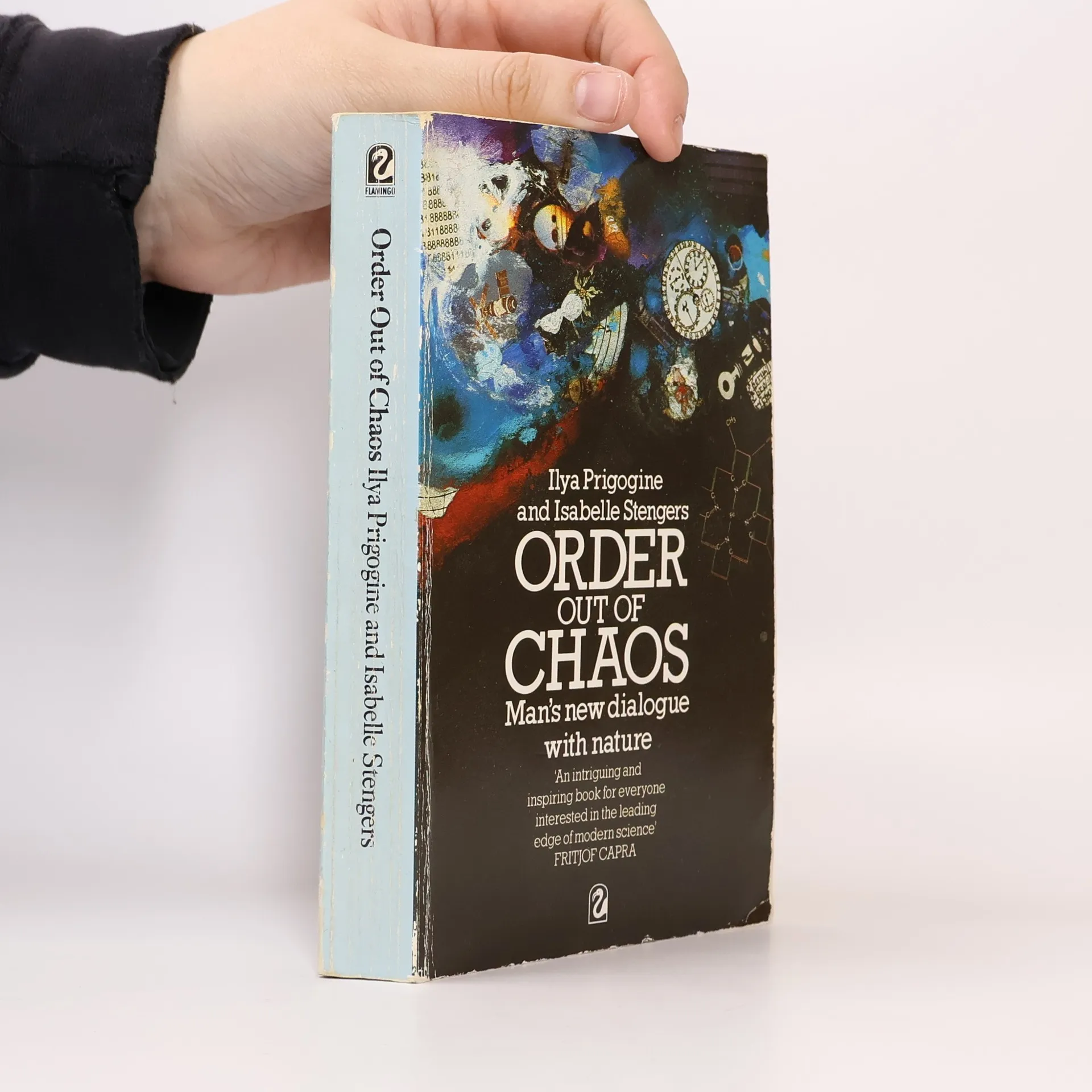
Ilya Prigogine, winner of the Nobel Prize in 1977 for his work on the thermodynamics of non-equilibrium systems, makes his ideas accessible to a wide audience in this book, which has engendered massive debate in Europe and America.
Isabelle Stengers Knihy
1. január 1949


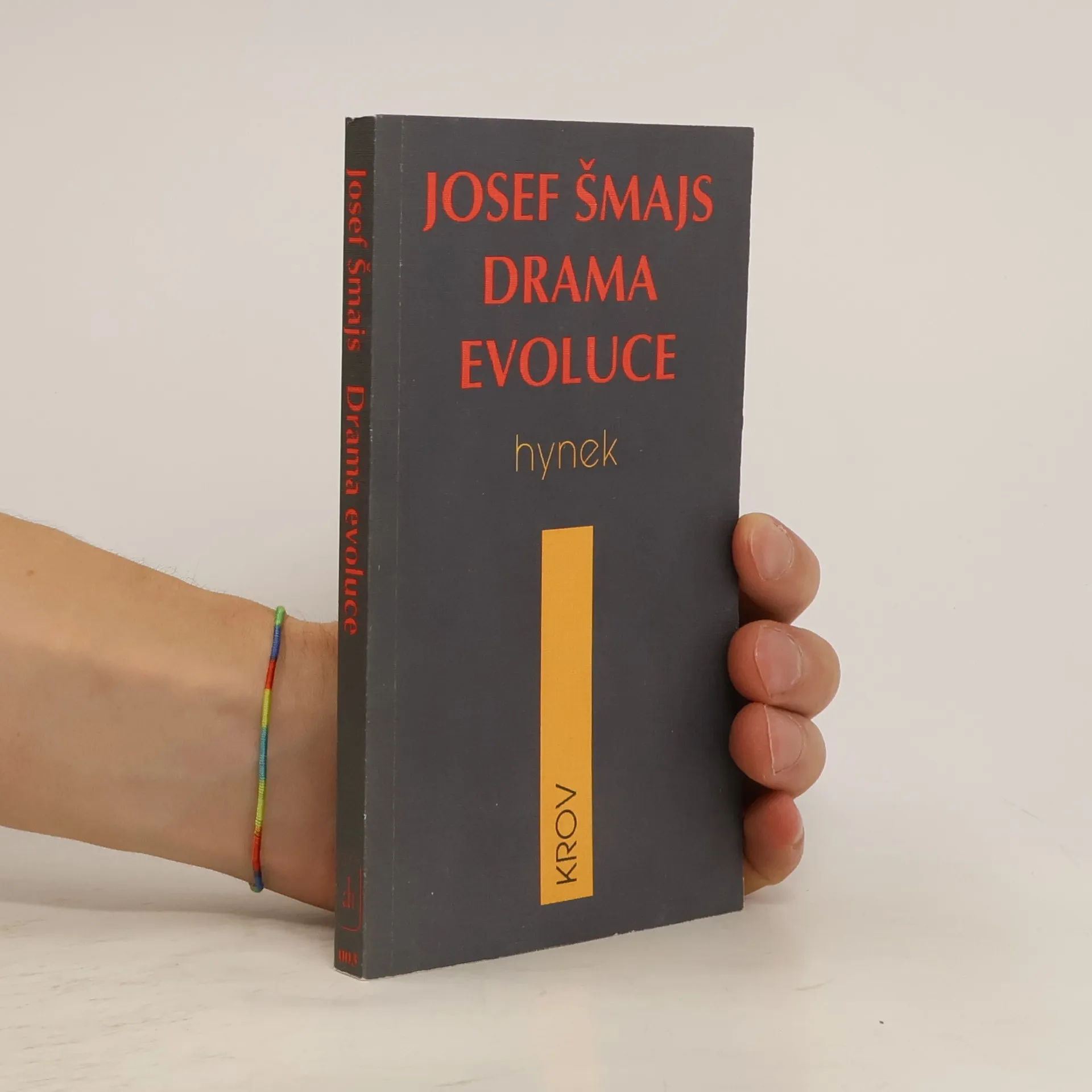
Drama evoluce
- 200 stránok
- 7 hodin čítania
Fragment evoluční ontologie. teprve v epoše globální informační společnosti a kasírovaného kapitalismu lépe vidíme, že čím více se technická civilizace vzdaluje svému původnímu biologickému základu, tím více o jejím osudu polorozhoduje kulturou poškozený hostitelský systém přírody a průměrná, vysoce konzervativní lidská přirozenost.
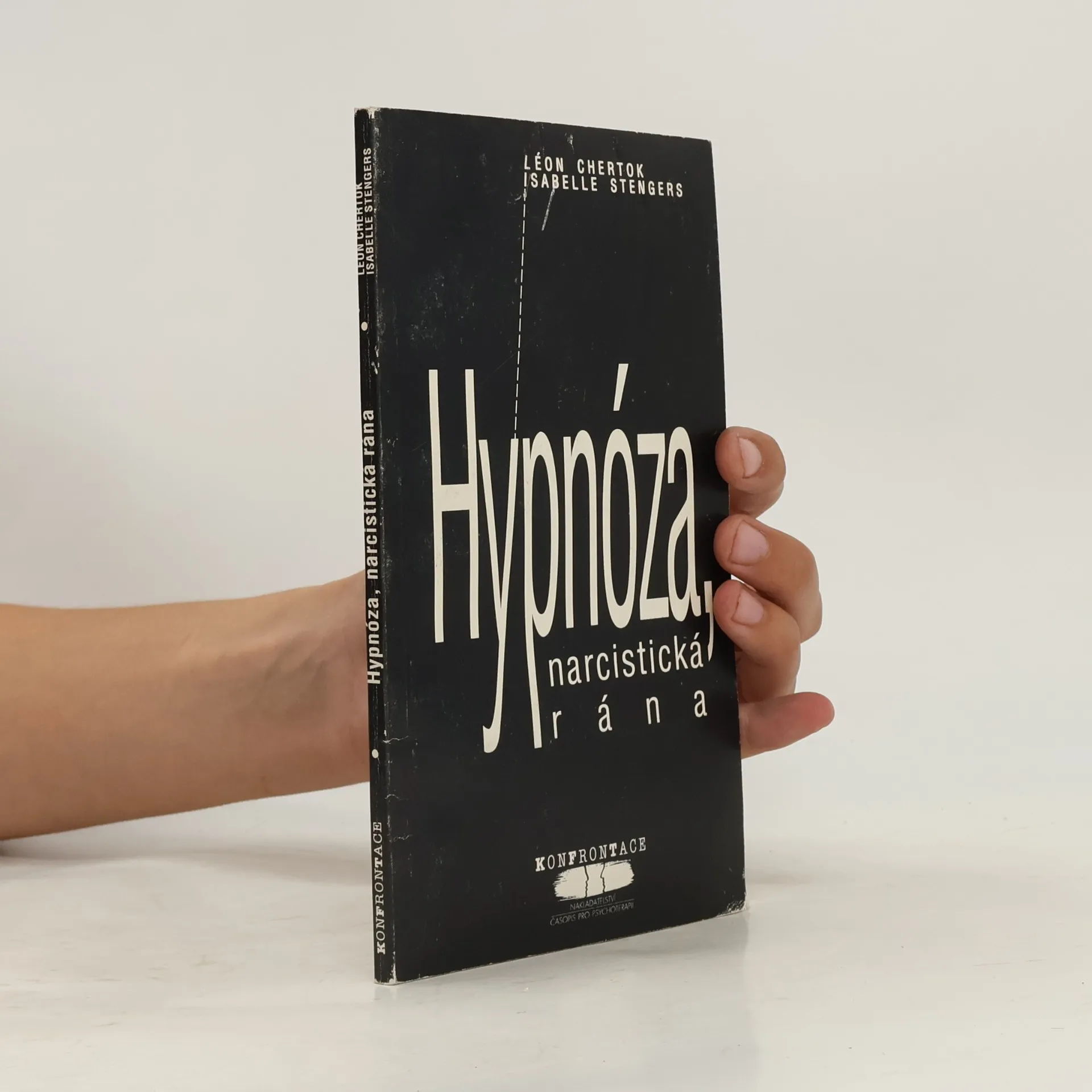
Hypnóza, narcistická rána
- 74 stránok
- 3 hodiny čítania
Around the Day in Eighty Worlds
- 192 stránok
- 7 hodin čítania
In Around the Day in Eighty Worlds Martin Savransky calls for a radical politics of the pluriverse amid the ongoing devastation of the present. Responding to an epoch marked by the history of colonialism and ecological devastation, Savransky draws on the pragmatic pluralism of William James to develop what Savransky calls a “pluralistic realism”—an understanding of the world as simultaneously one and many, ongoing and unfinished, underway and yet to be made. Savransky explores the radical multifariousness of reality by weaving key aspects of James's thought together with divergent worlds and stories: of Magellan's circumnavigation, sorcery in Mozambique, God's felt presence among a group of evangelicals in California, visible spirits in Zambia, and ghosts in the wake of the 2011 tsunami in Japan. Throughout, he experiments with these storied worlds to dramatize new ways of approaching the politics of radical difference and the possibility of transforming reality. By exploring and constructing relations between James's pluralism and the ontological turn in anthropology, Savransky offers a new conceptualization of the pluriverse that fosters modes of thinking and living otherwise.
Virgin Mary and the Neutrino
- 272 stránok
- 10 hodin čítania
Isabelle Stengers addresses the challenges of situating modern, scientific, and technical practices of thinking without falling into the disabling scientific/nonscientific binary.
Making Sense in Common
- 224 stránok
- 8 hodin čítania
A leading philosopher seeks to recover "common sense" as a meeting place to reconcile science and philosophy With her previous books on Alfred North Whitehead, Isabelle Stengers not only secured a reputation as one of the premier philosophers of our times but also inspired a rethinking of critical theory, political thought, and radical philosophy across a range of disciplines. Here, Stengers unveils what might well be seen as her definitive reading of Whitehead. Making Sense in Common will be greeted eagerly by the growing group of scholars who use Stengers's work on Whitehead as a model for how to think with conceptual precision through diverse domains of inquiry: environmentalism and ecology, animal studies, media and technology studies, the history and philosophy of science, feminism, and capitalism. On the other hand, the significance of this new book extends beyond Whitehead. Instead, it lies in Stengers's recovery of the idea of "common sense" as a meeting place--a commons--where opposed ideas of science and humanistic inquiry can engage one another and help to move society forward. Her reconciliation of science and philosophy is especially urgent today--when climate disaster looms all around us, when the values of what we thought of as civilization and modernity are discredited, and when expertise of any kind is under attack.
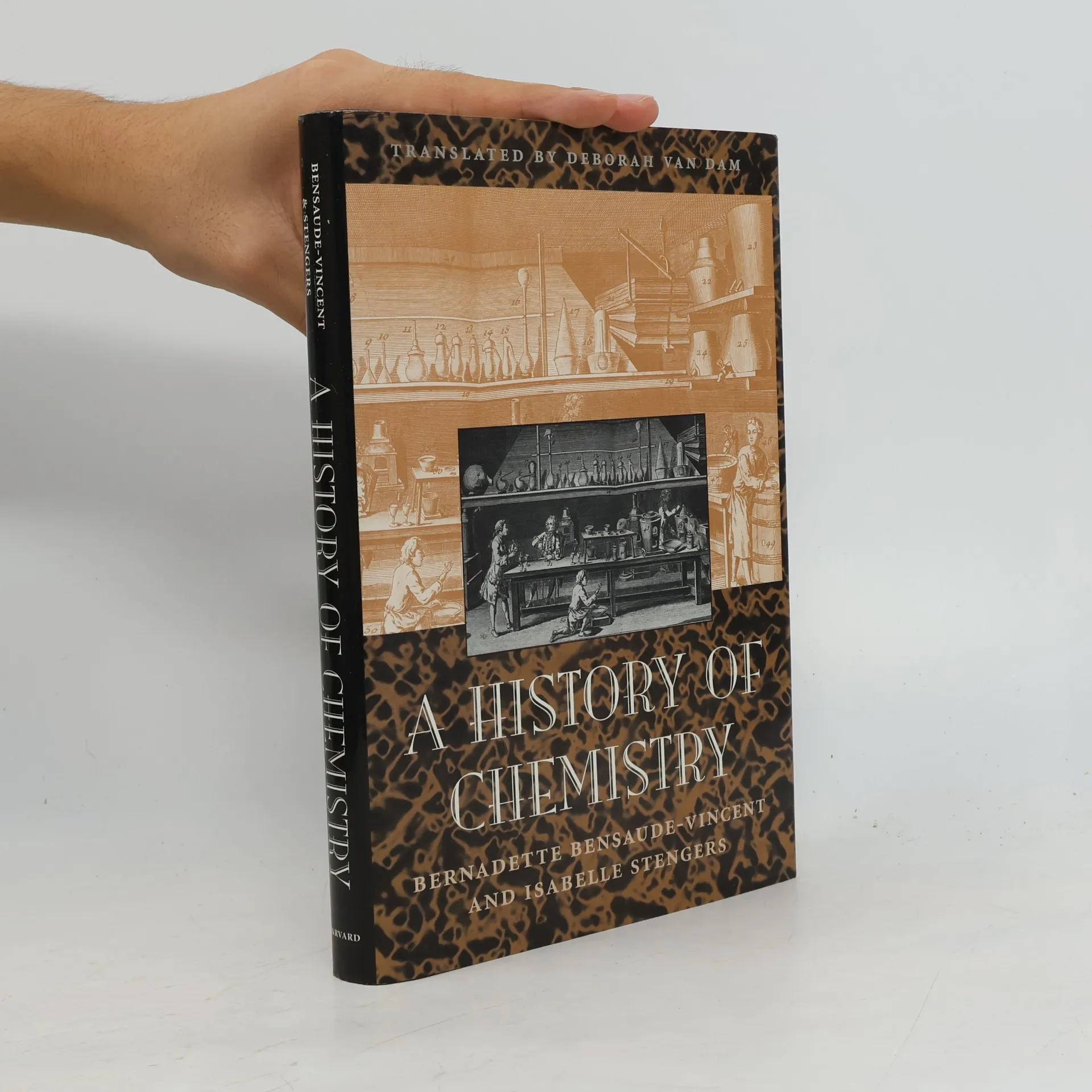
A History of Chemistry
- 305 stránok
- 11 hodin čítania
From the earliest use of fire to forge iron tools to medieval alchemists' quests for the philosopher's stone, human civilization has relentlessly pursued the secrets of the elements. The authors remind us that disciplines like physics and chemistry have evolved over time, facing numerous challenges along the way. Bernadette Bensaude-Vincent and Isabelle Stengers present chemistry as a science in search of identity, one that has transformed in response to societal influences and interactions with other fields. As respected scholars in the history and philosophy of science, they offer an accessible work free of jargon, celebrating the complexities and challenges chemists have faced throughout history. The narrative begins with chemistry's diverse origins, marked by independent discoveries worldwide, and progresses to its role in the eighteenth-century concept of Natural Philosophy. It further explores the nineteenth century, when chemistry exemplified science as a path to positive knowledge. The authors tackle contemporary debates regarding chemistry's status, questioning whether it has become a service science, its perceived decline, or its potential redefinition. Ultimately, the book portrays chemistry as a discipline with a consistent subject matter—the nature and behavior of diverse materials—while its methods and boundaries continue to evolve.
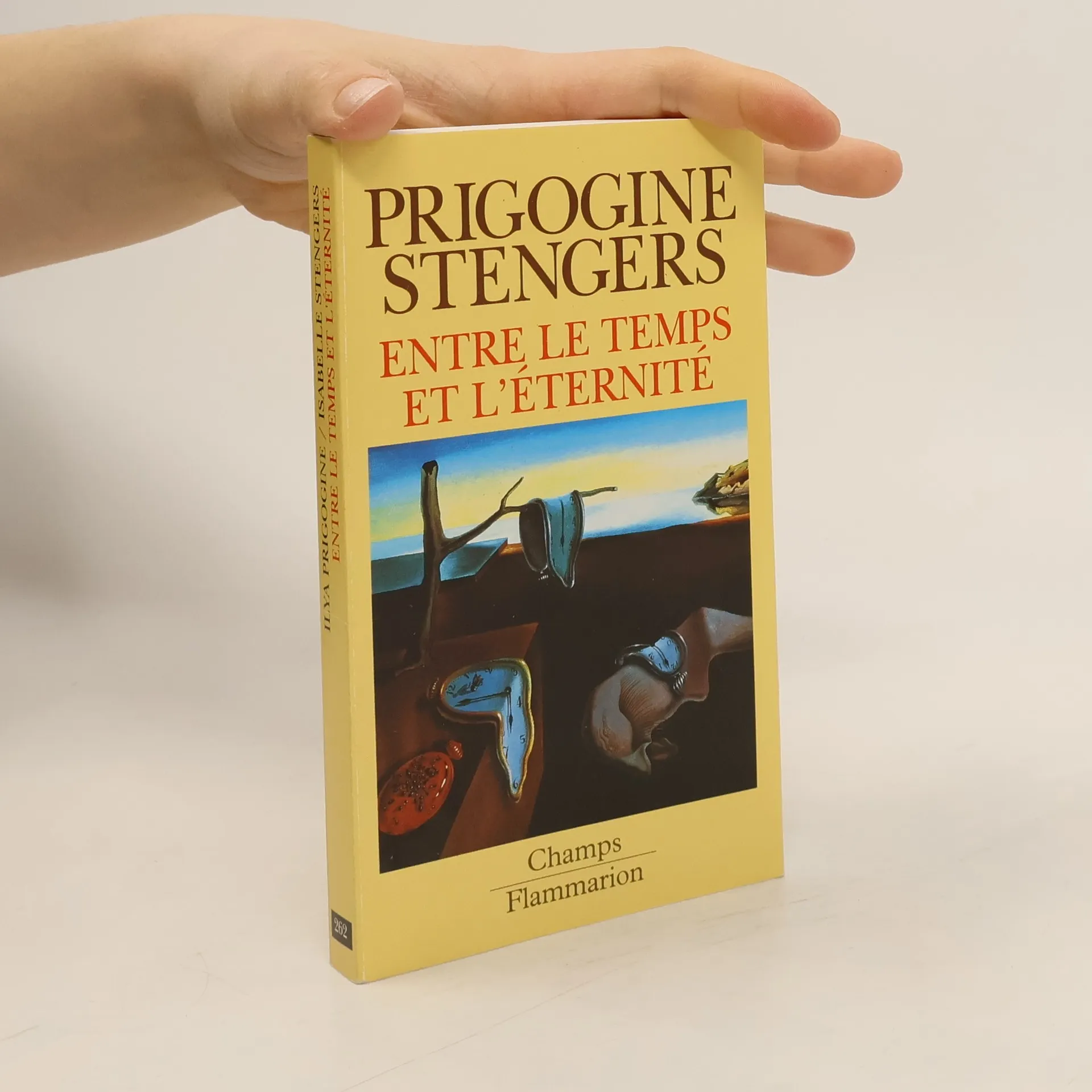
Entre le temps et l'éternité
- 224 stránok
- 8 hodin čítania
Entre la culture scientifique, pour laquelle le temps est une illusion ou, selon les mots d'Einstein, « notre création », et la culture humaniste, où le temps est le fondement de l'être, une réconciliation doit être réalisée. L'objet de mes recherches est de dépasser cette dualité, disait Ilya Prigogine, fondateur de la thermodynamique des processus irréversibles et lauréat du Prix Nobel de chimie en 1977. Intitulée "Entre le temps et l'éternité", cette œuvre étudie le rapport intime entre la problématique du temps et les schémas conceptuels de la physique. La présentation intuitive, claire et rigoureuse des résultats scientifiques s'entrelace avec l'ouverture philosophique de ce livre, qui trouve son origine dans la culture humaniste raffinée des auteurs.
Spekulativer Konstruktivismus
- 187 stránok
- 7 hodin čítania
Die Eigenständigkeit des philosophischen Werks von Isabelle Stengers bemisst sich an einer riskanten Vermählung des Heterogenen: der Spekulation und der Konstruktion, der Wissenschaft und der Politik, der Kosmologie und der Ökologie. Auf der einen Seite die Auseinandersetzung mit dem Spätwerk von Deleuze und Guattari (Was ist Philosophie?) und eine profunde Neulektüre der Prozessphilosophie von Alfred N. Whitehead, auf der anderen der historische und politische Blick auf die Wissenschaften: von der Alchemie über Galilei bis hin zur neueren Biologie und Physik. Mitten im Krieg der Wissenschaften erhebt sich so eine Stimme der Diplomatie. Ihr geht es vor allem darum, die Herausforderungen und Risiken des Denkens und Handelns zu erhalten. Kein neuer Reduktionismus also, sondern eher eine zusätzliche Abstraktion, ein Denkabenteuer, das gleitend in eine neue Form der Politik übergeht: eine epistemische und ethisch-ästhetische „Kosmopolitik“. Isabelle Stengers, Philosophin, hat eine Professur an der Université Libre von Brüssel inne.
La sfida della complessità
- 448 stránok
- 16 hodin čítania
La sfida della complessità nasce dall'irruzione dell'incertezza nelle nostre conoscenze, dallo sgretolarsi dei miti che per secoli hanno regolato il cammino della scienza moderna. Ma d'altra parte la fine della certezza, della completezza, dell'esaustività e dell'onniscienza non segnala soltanto la fine di un ordine, ma rende ineludibile una trasformazione delle domande e delle risposte su cui è basato il nostro sapere. Chiamati a raccolta da Gianluca Bocchi e Mauro Ceruti a metà degli anni ottanta, scienziati e pensatori come Ilya Prigogine e Francisco Varela, Stephen Jay Gould e Heinz von Foerster presentano e confrontano i loro itinerari nella “nuova scienza”, in un'opera che ha mantenuto intatta la sua freschezza ed esemplarità.
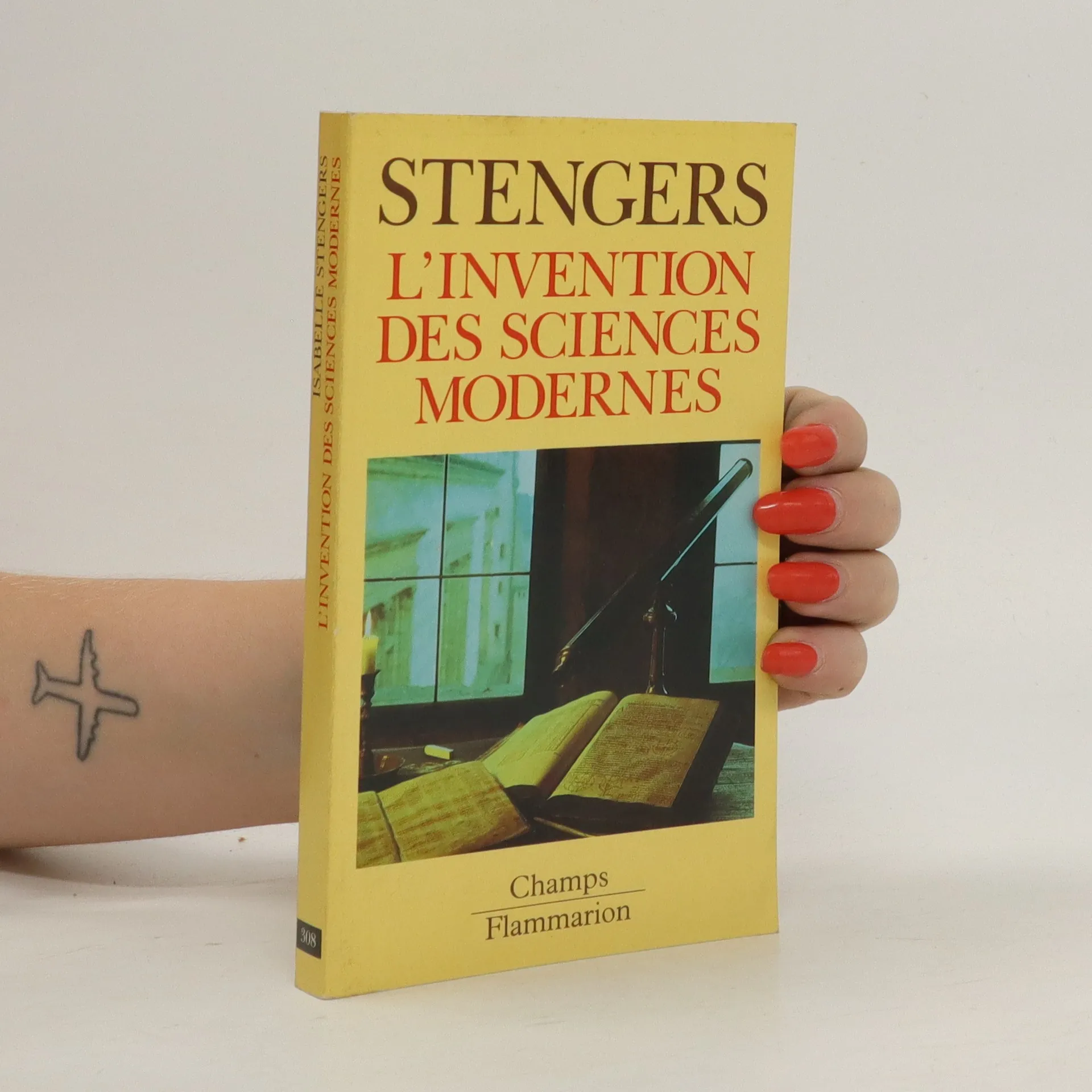
L'invention des sciences modernes
- 209 stránok
- 8 hodin čítania
Depuis qu'elles existent, les sciences dites exactes se prétendent différentes des autres savoirs. Comment comprendre cette prétention ? Faut-il, à la manière des épistémologues anglo-saxons ou de Karl Popper, tenter d'identifier les critères qui la justifient ? Peut-on, suivant le modèle nouveau des études sociales des sciences, y voir une simple croyance ? Ce livre propose un dépassement fructueux de l'opposition. Apparemment irréconciliable, entre ces deux approches des sciences. Et si la tension entre objectivité scientifique et croyance était justement constitutive des sciences, enjeu des pratiques inventées et réinventées par les scientifiques ? Réussir à en parler avec humour, sans en faire un objet de vénération, ni de dénonciation, en restant au plus proche de la passion des scientiques, tel est ici le pari d'Isabelle Stengers. Mais ce livre ne se limite pas à un discours sur les sciences. Il s'agit plutôt de prolonger l'histoire de leur invention. Comment comprendre les liens multiples entre la science et les pouvoirs qui la mobilisent aujourd'hui ? Comment concevoir les rapports entre science, expertise et démocratie ? La nouveauté de L'Invention des sciences modernes est de faire de ces différents problèmes intellectuels, pratiques et politiques les enjeux du processus par où pourrait s'inventer et se renouveler l'identité même des sciences.
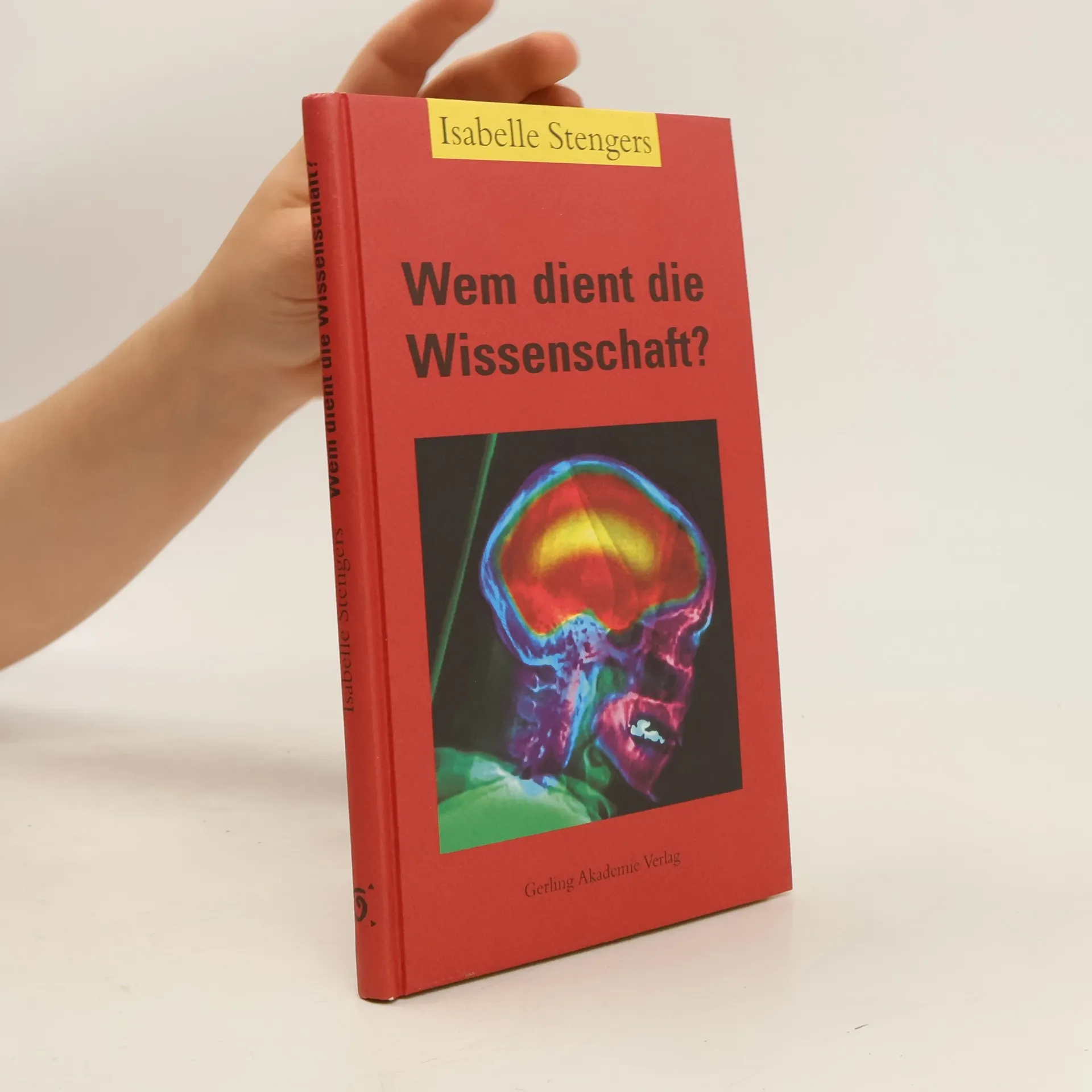
Wem dient die Wissenschaft?
- 117 stránok
- 5 hodin čítania
Isabelle Stengers bietet hier einen unmittelbaren Einblick in das Zusammentreffen von Wissenschaft und Geschichte. Besorgt um die Kraft und Einfallsreichtum der Theorien, bietet "Macht und Erfindung" eine einzigartige Perspektive auf die Fähigkeit wissenschaftlicher Theorien, die Gesellschaft zu verändern und umgekehrt. Anhand des Gesetzes der Thermodynamik erklärt Stengers die Folgen der nichtlinearen Dynamik (oder Chaos-Theorie) für Philosophie und Wissenschaft. Sie plädiert für das Konzept der Komplexität, das die konventionellen Grenzen des wissenschaftlichen Diskurses überschreitet und die Risiken wissenschaftlicher Theorien deutlich macht. Zu den Fragen, mit denen sie sich auseinandersetzt, gehören: Ist die Psychoanalyse eine Wissenschaft? Gibt es eine "Frauenwissenschaft"? Was sind wissenschaftliche Theorien?
Orde uit chaos: De nieuwe dialoog tussen de mens en de natuur (Ooievaar)
- 352 stránok
- 13 hodin čítania