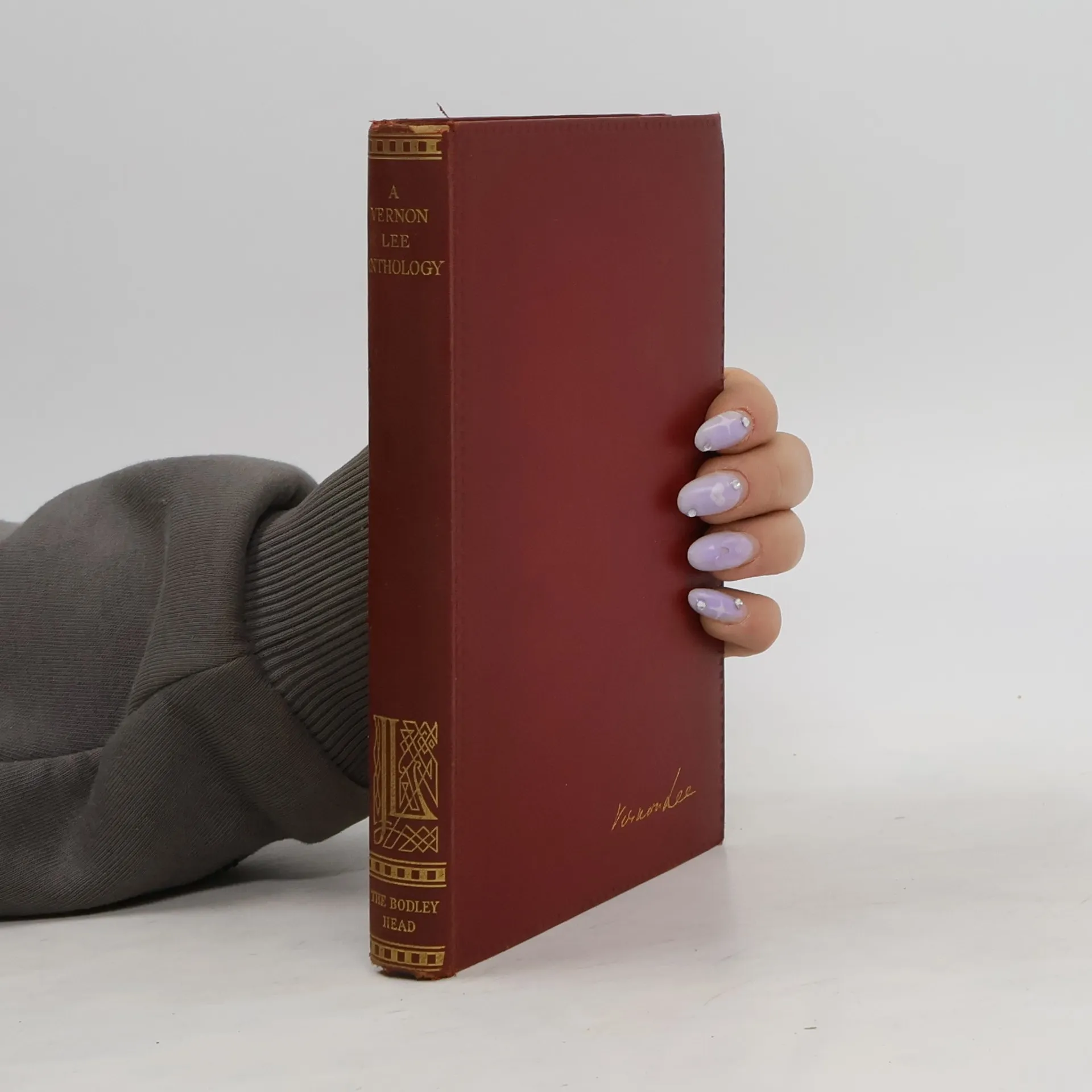
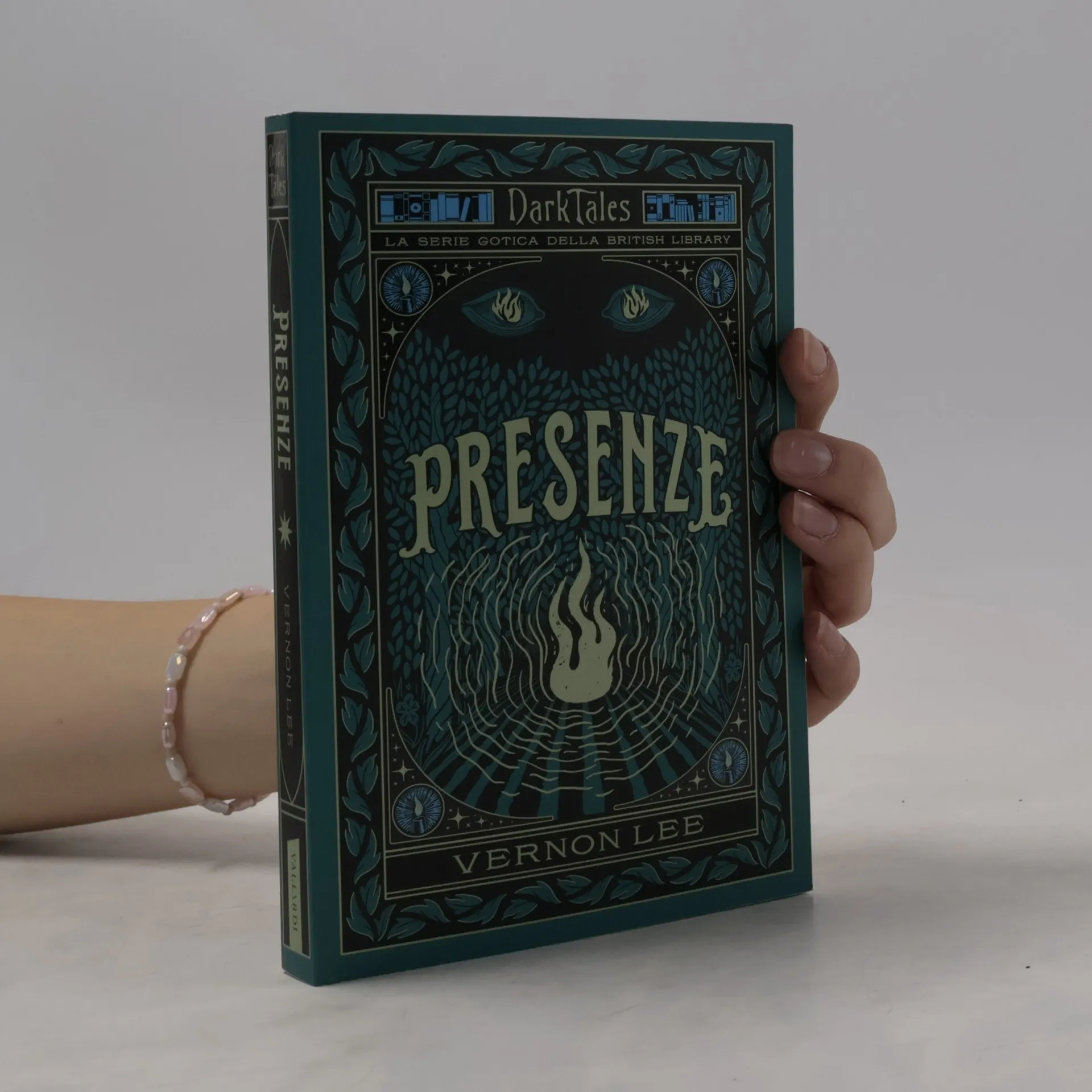
The Sentimental Traveller: Notes on Places
- 298 stránok
- 11 hodin čítania


Vernon Lee, vlastným menom Violet Paget, je dnes pripomínaná predovšetkým pre svoju nadprirodzenú fikciu a prácu v oblasti estetiky. Ako skorá nasledovníčka Waltera Patera napísala viac ako tucet zväzkov esejí o umení, hudbe a cestovaní, poézii a prispievala do The Yellow Book. Bola angažovanou feministkou, vždy sa obliekala "à la garçonne" a bola členkou Únie demokratickej kontroly. Jej literárne diela skúmali témy posadnutosti a strašenia. Anglický spisovateľ Montague Summers opísal Vernon Lee ako „najväčšiu [...] z moderných exponentov nadprirodzena vo fikcii“. Zaviedla do anglického jazyka koncept empatie (Einfühling), čo bol kľúčový koncept v jej psychologických estetikách. Táto esejistka bola silnou, hoci rozporuplnou, zástankyňou estetického hnutia, ktorej interpretácia volala po sociálnej akcii, čím sa odlišovala od jej súčasníkov.

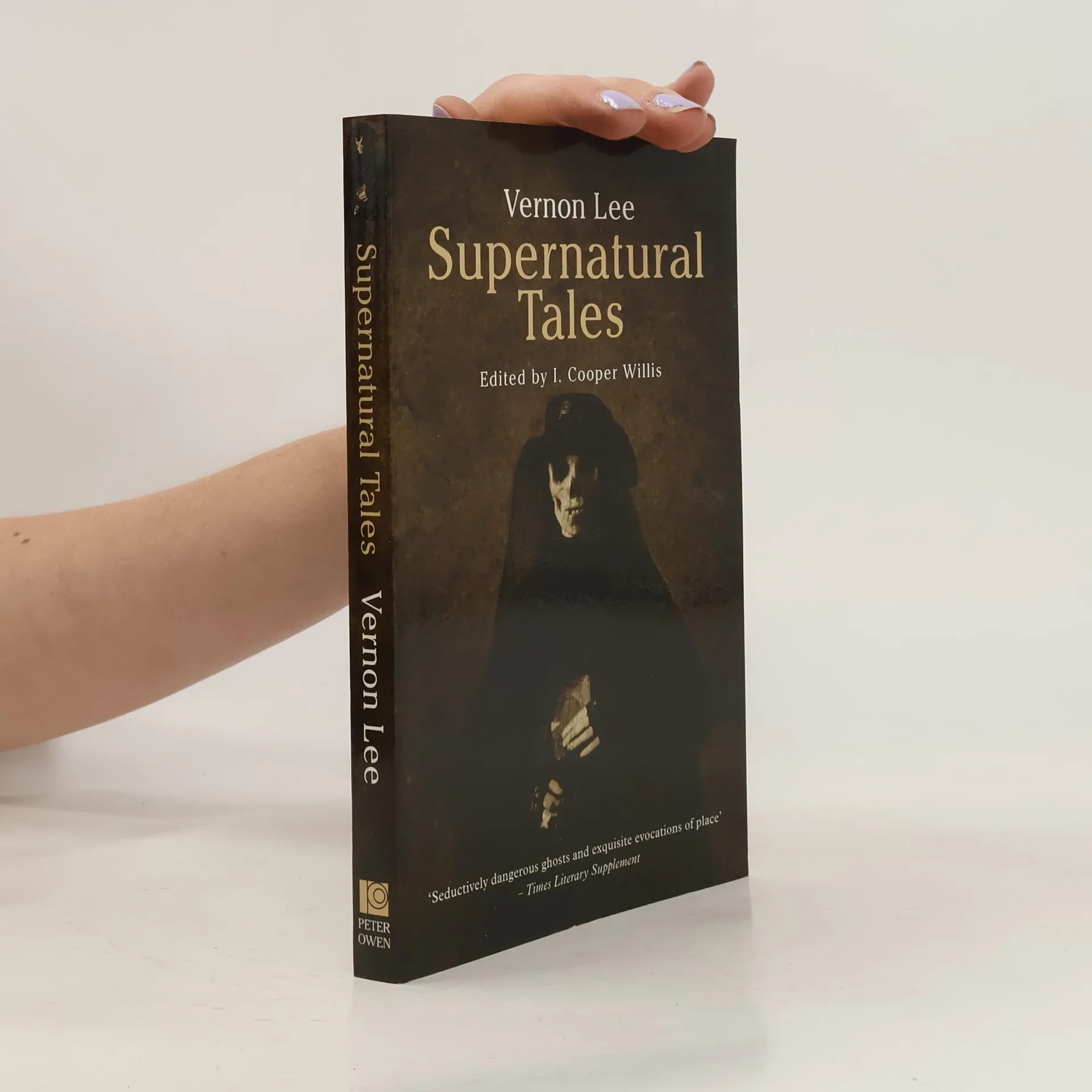
Volume 1-Including Five Novelettes and Eight Short Stories of the Strange and Unusual
Vernon Lee, the pseudonym of Violet Paget, was a pioneering figure in supernatural fiction, exploring themes of haunting and possession with a touch of terror. Living primarily in Europe and known for her feminist stance, she formed deep relationships and often dressed as a man. Her notable works, including the collection "Hauntings" and the story "Prince Alberic and the Snake Lady," showcase her unique voice and influence, even earning respect from contemporaries like Montague Summers and Henry James. This comprehensive collection highlights her significant contributions to the genre.
Many of the earliest books, particularly those dating back to the 1900s and before, are now extremely scarce and increasingly expensive. We are republishing these classic works in affordable, high quality, modern editions, using the original text and artwork.
This chilling collection weaves together eerie tales that blend the fantastic with decadent themes, rich in satanic imagery and morbid atmospheres. Set against the backdrop of Italian pastoral beauty, the stories explore the unsettling intrusion of the past into the lives of their protagonists. Notable tales include a prince's dangerous love for a reptilian beauty, a deadly wedding plot, and a haunting ghostly voice that corrupts a composer's work. Each narrative captivates with its intricate blend of love, obsession, and the supernatural.
This collection of Vernon Lee's uniquely weird short stories and dark fantasies proves why she was once considered among the best of the genre, and why she deserves to return to those ranks today.
Exploring the intricate relationship between beauty and psychology, this work by Vernon Lee, the pseudonym of Violet Paget, offers a unique blend of philosophy, psychology, and art criticism. It challenges traditional aesthetic theories by examining how emotions, cultural influences, and personal experiences shape our perceptions of beauty. Published in the late nineteenth century, it serves as a pioneering effort to connect aesthetics with psychological insights, making it an essential resource for both scholars and art enthusiasts.
Vernon Lee, a pseudonym of Violet Paget (1856-1935), is the most important female aesthetician to come out of 19th-century England. Though she was widely known for her supernatural fictions, Lee never gained the recognition she so clearly deserved for her contributions in the fields of aesthetics, philosophy of empathy and art criticism. An early follower of Walter Pater, she wrote with an extreme attention to her own responses to artworks, and a level of psychological sensitivity rarely seen in any aesthetic writing. Today, she is largely understudied and rarely read, her aesthetic writings long out of print. Now, David Zwirner Books reintroduces her writing through the first-ever English publication of 'The Psychology of an Art Writer' (1903) along with selections from her groundbreaking 'Gallery Diaries' (1901-4), breathtaking accounts of Lee's own experiences with the great paintings and sculptures she traveled to see.
"Stylish, smart, and scary as hell."Chris Bohjalian, #1New York Timesbestselling author "A nightmarish white-knuckler."O, The Oprah Magazine Oliver Park, a recovering addict from Indiana, finally has everything he ever wanted- sobriety and a loving, wealthy partner in Nathan, a prominent DC trauma surgeon. Despite their difference in age and disparate backgrounds, they've made a perfect life together. With everything to lose, Oliver shouldn't be visiting Haus, a gay bathhouse. But through the entrance he goes, and it's a line crossed. Inside, he follows a man into a private room, and it's the final line. Whatever happens next, Nathan can never know. But then, everything goes wrong, terribly wrong, and Oliver barely escapes with his life. He races home in full-blown terror as the hand-shaped bruise grows dark on his neck. The truth will destroy Nathan and everything they have together, so Oliver does the thing he used to do so well- he lies. What follows is a classic runaway-train narrative, full of the exquisite escalations, edge-of-your-seat thrills, and oh-my-god twists. P. J. Vernon'sBath Hausis a scintillating thriller with an emotional punch, perfect for readers curious for their next must-read novel.
With a Dedication by Amy Levy
Set against the backdrop of renaissance Italy, the diary of Spiridion Trepkä chronicles his research journey to Urbanica, where he encounters the enigmatic Medea da Carpi. This meeting leads him into a haunting and macabre adventure, embodying the essence of a classic ghost story. Written by Vernon Lee, a notable figure in supernatural fiction, the novel showcases her unique blend of irony and original thought. This new edition also includes a dedication by Amy Levy, enhancing its appeal for fans of the genre.
Exploring the intersection of art and life, this collection of essays showcases Vernon Lee's advocacy for Aestheticism and her scholarly insights into the Italian Renaissance. Drawing inspiration from Walter Pater, Lee delves into the significance of beauty as an independent pursuit, using the bay laurel as a potent symbol of artistic achievement. Despite facing criticism for her pacifist stance during World War I, her lyrical and meditative prose reaffirms her status as a masterful writer and intellectual. This edition revitalizes her essential contributions for contemporary audiences.
The book is a reproduction of a historical work, presented in large print to enhance accessibility for readers with impaired vision. Published by Megali, which focuses on making classic texts more readable, this edition aims to preserve the original content while ensuring it is easier to engage with for those who may struggle with standard print sizes.
This book is a reproduction of a historical work, presented in large print to enhance accessibility for readers with impaired vision. Published by Megali, a company dedicated to making literature more inclusive, it aims to preserve and share important texts while ensuring they are easily readable for all audiences.
A deeply personal memoir, this work explores Vernon Lee's return to Rome, a city that shaped her youth. As she revisits familiar sites, Lee reflects on their profound significance, intertwining her experiences with themes of history, art, and beauty. Her unique perspective as a feminist and pacifist, alongside her reputation as a master of literary horror, adds depth to her observations. Through rich diary entries, she captures the essence of a city filled with memories and the spectral presence of her past, making it a captivating read for those interested in art and travel.
Vernon Lee, seudónimo de la británica Violet Paget, nació en 1856 en Boulogne-sur-Mer (Francia), y murió en San Gervasio Bresciano (Italia) en 1935. En la literatura fue precoz y brillante desde época temprana, quedando su vida marcada por una educación cosmopolita y una gran curiosidad que se verían reflejadas en la calidad de sus ensayos y en las documentadísimas ambientaciones de sus obras de ficción. Los seis relatos que recoge este volumen son "Oke de Okehurst o un amante fantasma", "Amour Dure", "Esa maldita voz", "La leyenda de madame Krasinska", "Dionea" y "La virgen de los siete puñales" y se cuentan entre las obras mejor perfiladas de la autora, como lo prueban su vigente popularidad y su continua reedición desde que fueron publicados por primera vez.
Durante la sua vita, Violet Paget, che scriveva come Vernon Lee, era considerata "la più grande delle moderne esponenti del soprannaturale nella narrativa", eppure oggi rimane ai margini del genere. Questa raccolta delle sue strane e uniche storie brevi e fantasie oscure dimostra perché un tempo fosse considerata tra le migliori del genere e perché meriti di tornare a quelle fila oggi. Da racconti popolari modernizzati come "Marsyas in Flanders" e "La leggenda di Madame Krasinska" a inquietanti apparizioni psicologiche come "Un amante fantasma" e "Una voce malvagia", la voce di Lee è altrettanto distintiva e affascinante—le sue strane immaginazioni sono altrettanto fresche e inquietanti come ai tempi del suo apice.
Zu Unrecht zählt Vernon Lee zu den vergessenen und vernachlässigten Autorinnen des viktorianischen Fin de Siècle und der Moderne des frühen 20. Jahrhunderts. Sie ist eine der führenden kosmopolitisch ausgerichteten Intellektuellen jener Zeit gewesen. Schon früh war ihr Leben durch die zahlreichen Ortswechsel geprägt, die das Nomadendasein der Familie mit sich brachte. Stationen in Deutschland, England, Frankreich, der Schweiz, Belgien und Italien sind zu nennen. Es nimmt daher nicht wunder, dass sie sich auch mit wahrnehmungstheoretischen Fragen der Fortbewegung in der modernen Zeit beschäftigte und Reisejournale verfasste. Der aus dem Jahr 1897 stammende Essay On modern travelling stellt die grundsätzliche Frage nach dem Unterschied des Reisens in früheren und modernen Zeiten. Eine Kritik am touristischen Unterwegssein bleibt dabei nicht aus. Als Fortbewegungsmittel nimmt Lee vor allem die Eisenbahn in den Blick, die in dem kleinen Beitrag über verpasste Züge (1904) ihren allegorischen Anstrich erhält. Das Fahrrad indes, dem sie sich in dem hübschen Essay My bycicle and I (1904) widmet, darf als Gefährt eines freiheitlichen Lebensgefühls gelten.