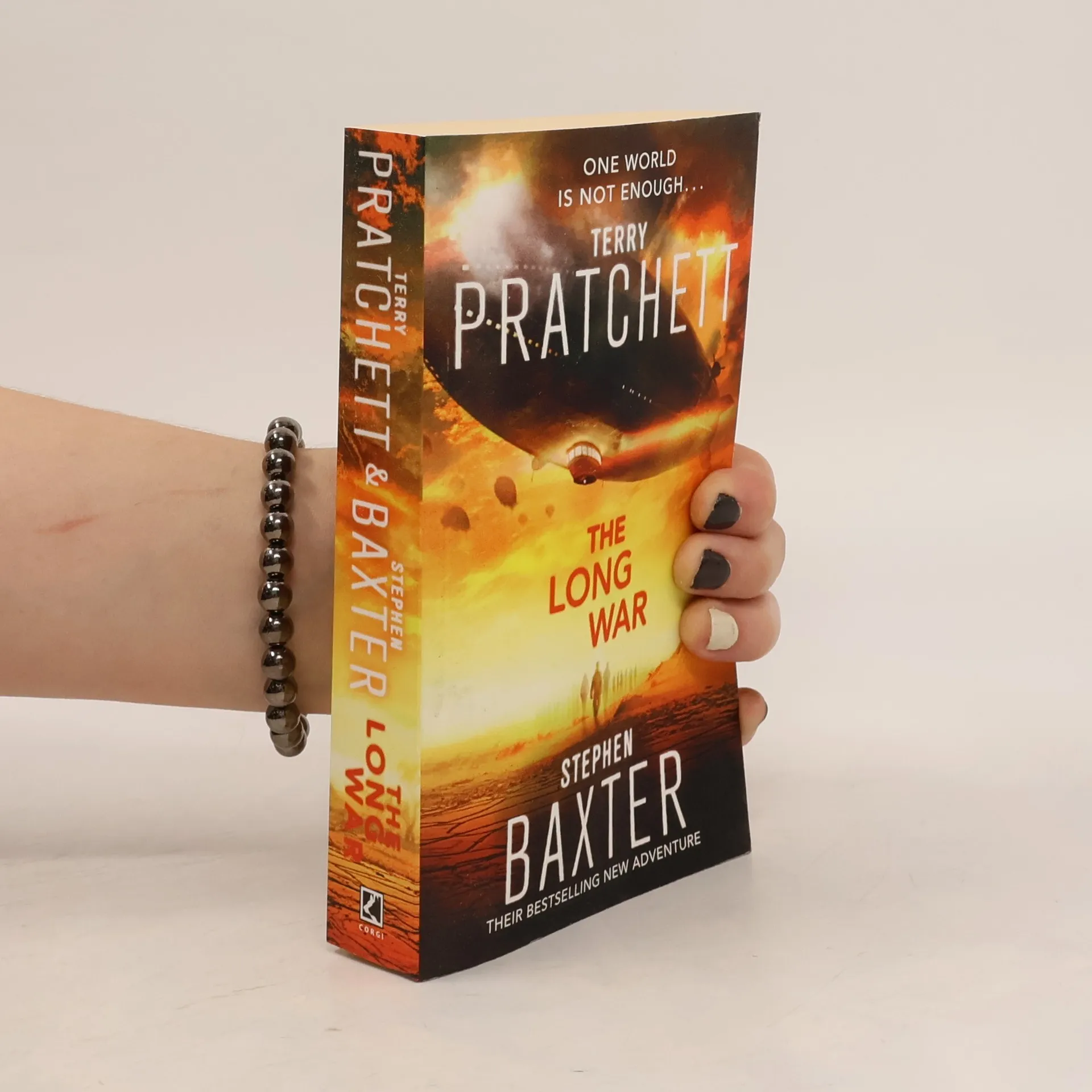
The story follows Rab, whose life is irrevocably altered by his mother's drastic decision to prevent him from a grim fate in the mines of Mercury. Fearing for his future, she sacrifices his hand in a desperate attempt to save him from a life of toil and despair. This harrowing choice sets the stage for Rab's journey through a world shaped by sacrifice and survival, exploring themes of maternal love, resilience, and the harsh realities of life in a dystopian Solar System.
Stephen Baxter Poradie kníh (chronologicky)
13. november 1957
Stephen Baxter, inžinier s titulmi z Cambridge a Southamptonu, je uznávaný autor science fiction, ktorého diela sa často zaoberajú rozsiahlymi časovými a vesmírnymi témami. Jeho próza sa vyznačuje premyslenou vedeckou presnosťou a vizionárskym rozsahom, ktorý čitateľov zavedie do hlbín vesmíru a možných budúcností. Baxter majstrovsky prepletá zložité vedecké koncepty s ľudskými emóciami a filozofickými otázkami o našom mieste vo vesmíre. Jeho schopnosť budovať epické príbehy s hlbokým vedeckým základom z neho robí jedinečnú postavu v žánri science fiction.



Exploring the profound implications of first contact, this book delves into how such an event—whether on Earth, in space, or on another planet—would reshape our understanding of technology, philosophy, and humanity itself. It examines the potential cognitive dissonance society might face upon discovering a new form of sentience on Earth, challenging existing beliefs and prompting a reevaluation of our place in the universe.
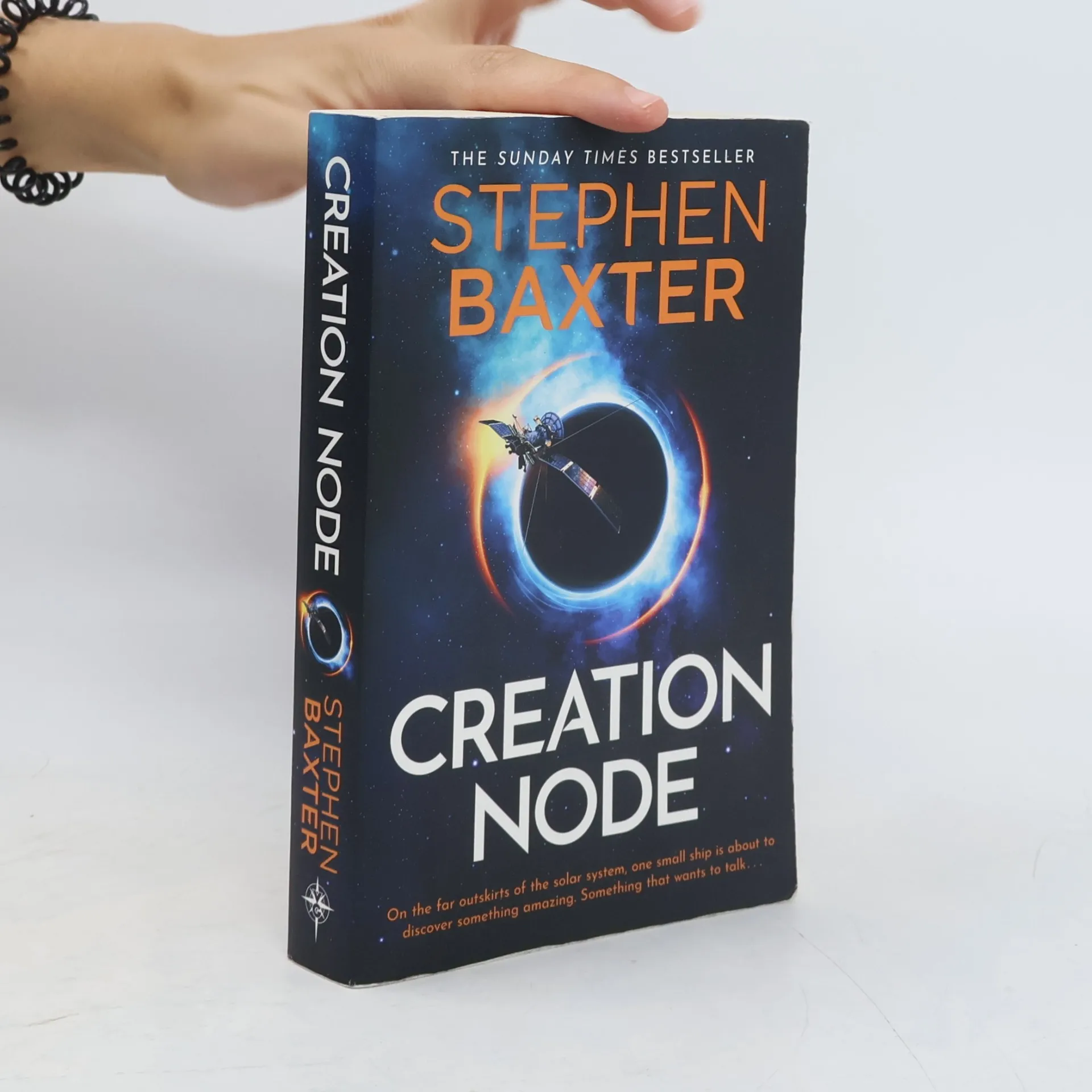
Creation Node
- 448 stránok
- 16 hodin čítania
On the far outskirts of the solar system, one small ship is about to discover something amazing. And it wants to talk . . .
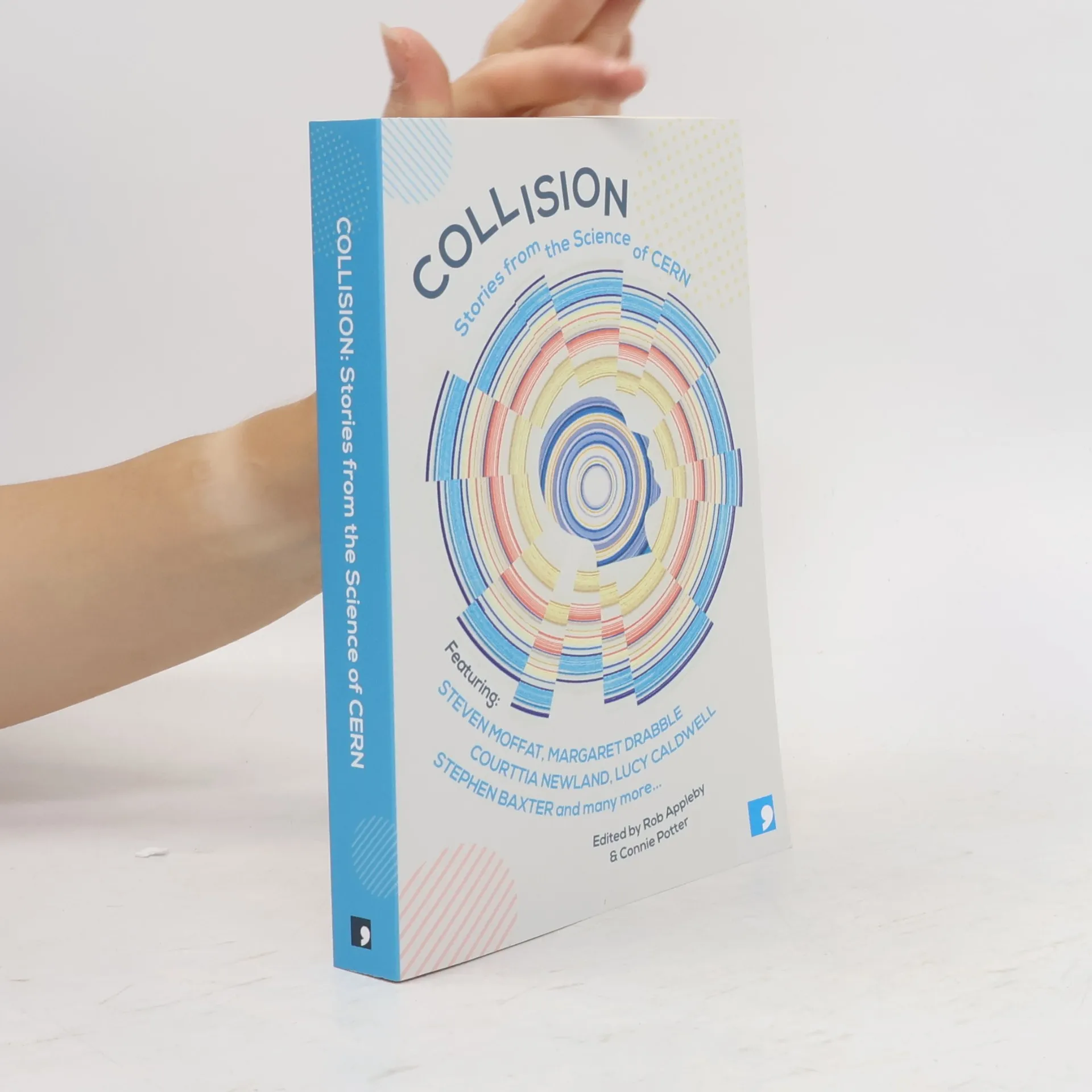
Collision
- 336 stránok
- 12 hodin čítania
As part of a unique collaboration, this book pairs a team of award-winning authors with CERN physicists to explore some of the consequences of what the LHC is learning, through fiction.
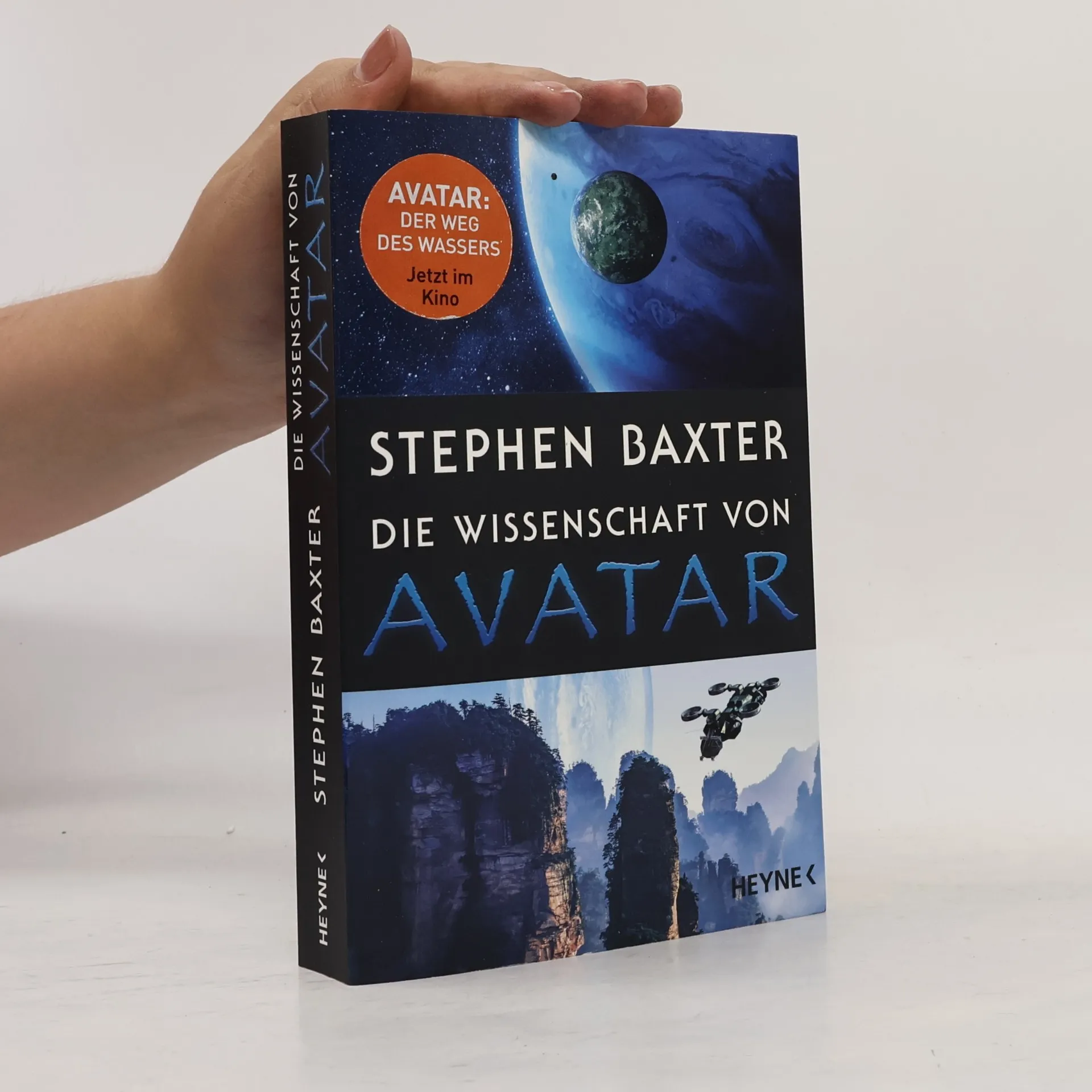
Könnte es eine Welt wie Pandora wirklich geben? James Camerons »AVATAR – Aufbruch nach Pandora« ist der weltweit erfolgreichste Film aller Zeiten. Der Planet Pandora, auf dem die geheimnisvollen Na’vi leben, ist alles andere als eine Fantasiewelt: Vieles von dem, was wir im Kino gesehen haben, hat Vorbilder in der Realität, von der interstellaren Raumfahrt über die Flora und Fauna des Planeten bis hin zu dem neuronalen Netzwerk, das den ganzen Planeten umspannt. Stephen Baxter, Science-Fiction-Autor und Wissenschaftler, zeigt uns in diesem so faszinierenden wie spannenden Buch, dass wir dem Aufbruch nach Pandora näher sind, als wir glauben.
The Thousand Earths
- 592 stránok
- 21 hodin čítania
The end of the world is inevitable. We do not accept it.
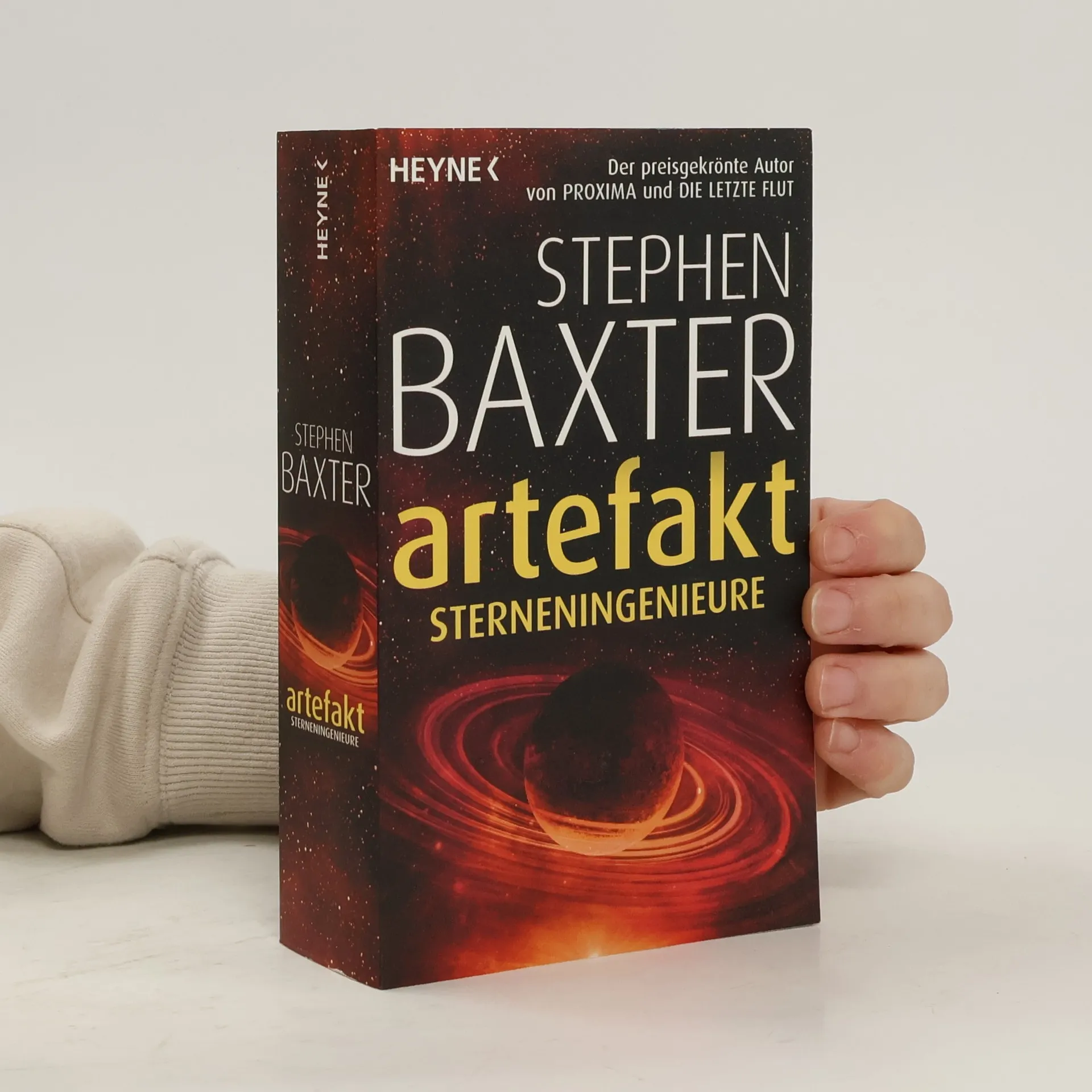
Über vierhundert Jahre in der Zukunft bricht Raumschiffpilot Reid Malenfant, frisch aus dem Kälteschlaf geholt, zum Marsmond Phobos auf, nachdem die Erde einen Notruf von seiner Frau Ema erhalten hat. Was Reid, Deidre und die restliche Besatzung des Raumschiffes Last Small Step dort vorgefunden haben, ist atemberaubend: ein abgestürztes russisches Raumschiff und eine englische Forschungscrew. Schnell wird klar, dass sie alle von Parallelwelten stammen, in denen die Dinge einen anderen Verlauf genommen haben. All diese Universen wurden von den Sterneningenieuren geformt. Doch zu welchem Zweck? Die Antwort, so scheint es, liegt auf einem der Monde des Saturns …
Galaxias
- 544 stránok
- 20 hodin čítania
What would happen to the world if the sun went out? New epic sci-fi from Stephen Baxter, the award-winning author whose credits include co-authorship of the Long Earth series with Terry Pratchett. By the middle of the 21st century, humanity has managed to overcome a series of catastrophic events and maintain some sense of stability. Space exploration has begun again. Science has led the way. But then one day, the sun goes out. Solar panels are useless, and the world begins to freeze Earth begins to fall out of its orbit. The end is nigh. Someone has sent us a sign.
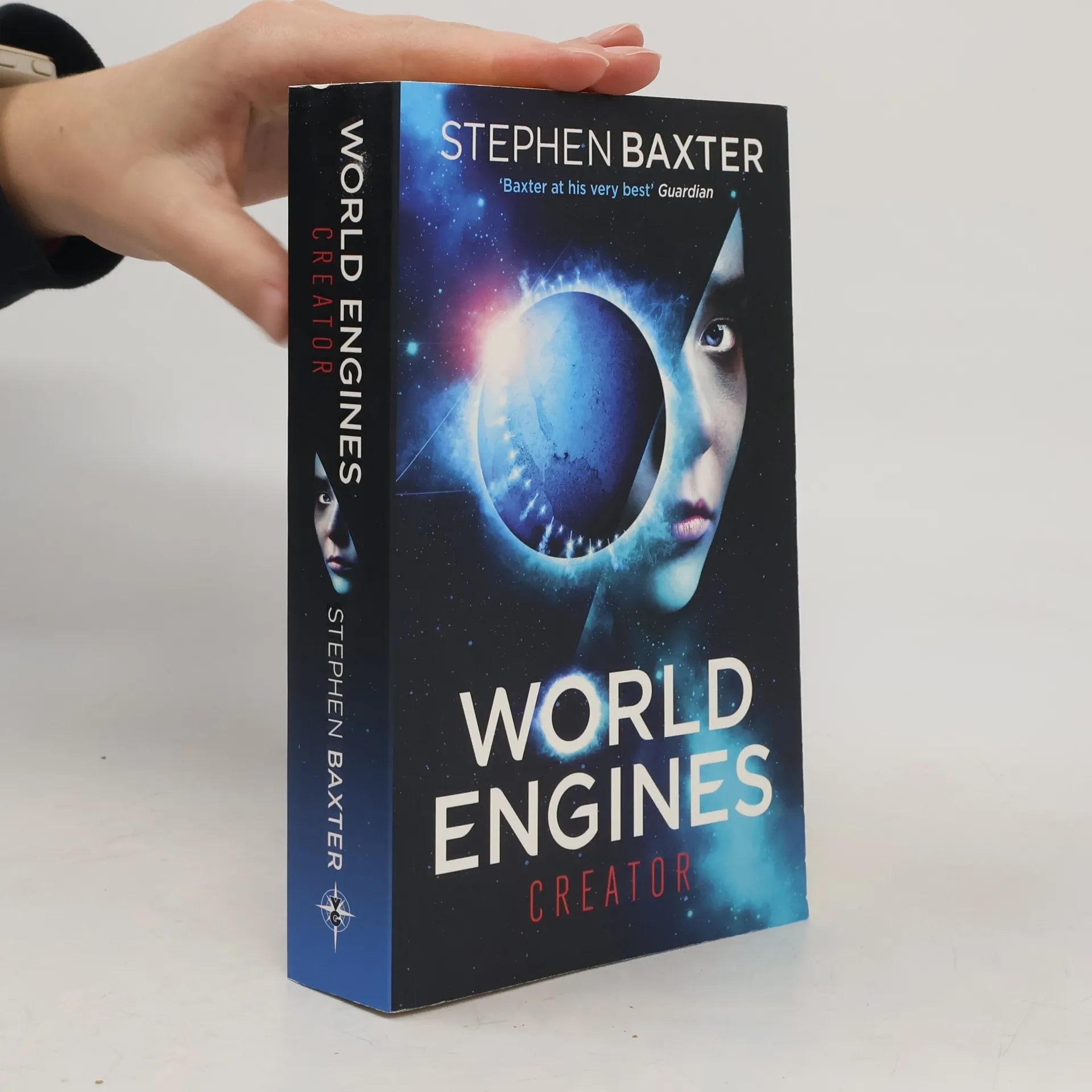
"Trapped on an alternate Earth, the combined crews of a crashed Russian spaceship, a British expeditionary force and a group of strays from the future must work together to survive, escape, and discover what led them to this point. All are from parallel universes where small changes in history led to different realities, and the tensions between the groups are rising. But some changes were not small. The solar system has been altered, changed, shaped in the various realities, and the World Engineers - unspeakably powerful, completely unknown - are still active. Why have they populated this planet with humanity's ancestors and dinosaurs? What is on the moon of Saturn that gives off such an odd light? And even if they can be found, can they be stopped - and should they be? Malenfant, Deidra and the rest of their party must find a way off the planet, back into space, and into the many dimensions seeking the answer..." --Amazon.ca
World Engines
- 576 stránok
- 21 hodin čítania
"In the year 2570, a sleeper will wake . . . In the mid-21st century, the Kernel, a strange object on a five-hundred-year-orbit, is detected coming from high above the plane of the solar system. Could it be an alien artefact? In the middle of climate-change crises, there is no mood for space-exploration stunts - but Reid Malenfant, elderly, once a shuttle pilot and frustrated would-be asteroid miner, decides to go take a look anyway. Nothing more is heard of him. But his ex-wife, Emma Stoney, sets up a trust fund to search for him the next time the Kernel returns . . . By 2570 Earth is transformed. A mere billion people are supported by advanced technology on a world that is almost indistinguishable from the natural, with recovered forests, oceans, ice caps. It is not an age for expansion; there are only small science bases beyond the Earth. But this is a world you would want to live in: a Star Trek without the stars. After 500 years the Kernel returns, and a descendant of Stoney, who Malenfant will call Emma II, mounts a mission to see what became of Malenfant. She finds him still alive, cryo-preserved . . . His culture-shock encounter with a conservative future is entertaining . . . But the Kernel itself turns out to be attached to a kind of wormhole, through which Malenfant and Emma II, exploring further, plummet back in time, across five billion years..."--Provided by publisher.
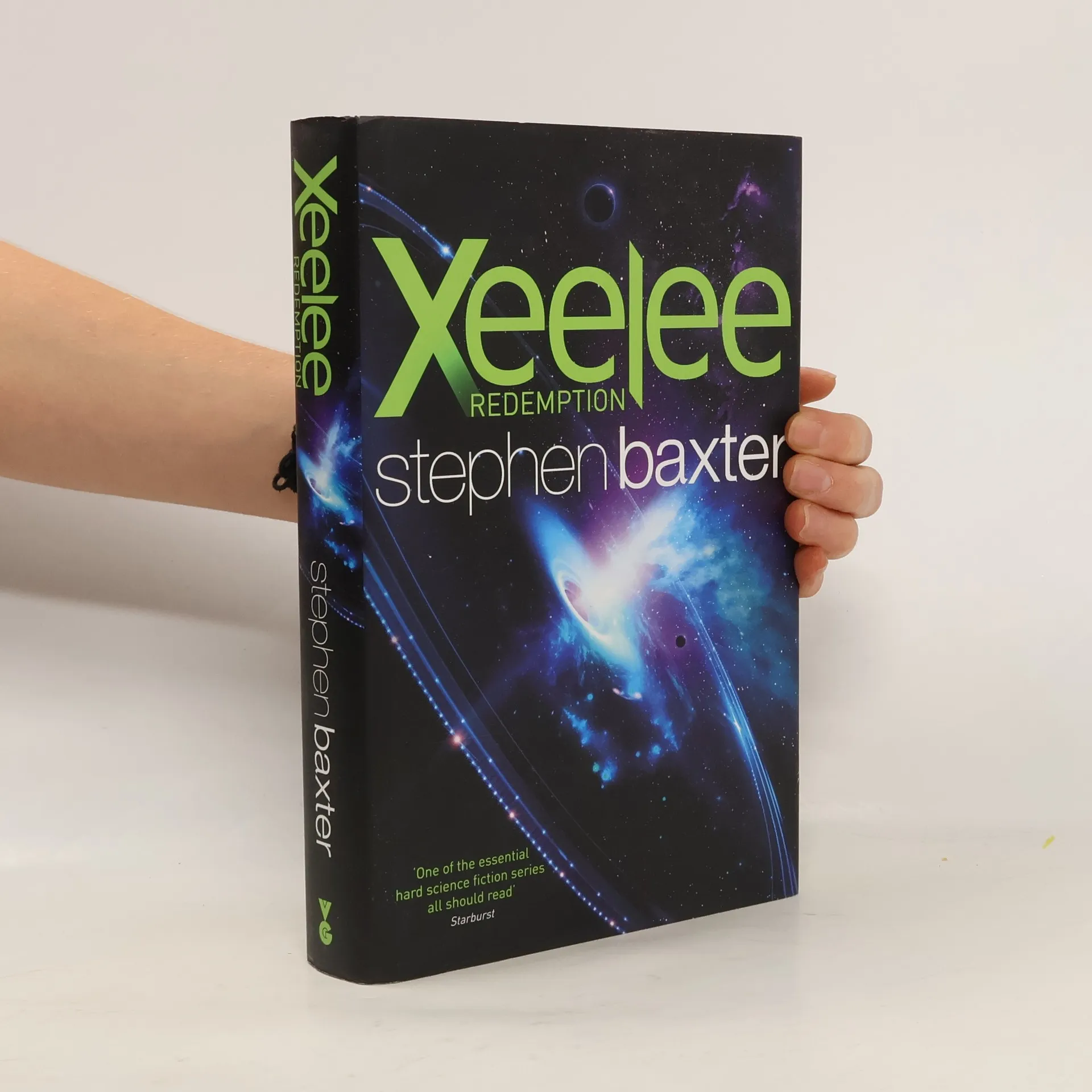
Xeelee: Redemption
- 432 stránok
- 16 hodin čítania
One of the world's bestselling science fiction authors returns to the series which made his name. The Xeelee are back for the last time...
Xeelee Vengeance
- 346 stránok
- 13 hodin čítania
Half a million years in the future, on a dead, war-ravaged world at the centre of the Galaxy, there is a mile-high statue of Michael Poole. Poole, born on Earth in the fourth millennium, was one of mankind's most influential heroes. He was not a warrior, not an emperor. He was an engineer, a builder of wormhole transit systems. But Poole's work would ultimately lead to a vast and destructive conflict, a million-year war between humanity and the enigmatic, powerful aliens known as the Xeelee. The Xeelee won, but at a huge cost. And, defeated in a greater war, the Xeelee eventually fled the universe. Most of them. A handful were left behind, equipped with time travel capabilities, their task to tidy up: to reorder history more to the Xeelee's liking. That million-year war with humankind was one blemish. It had to be erased. And in order to do that, a lone Xeelee was sent back in time to remove Michael Poole from history ...
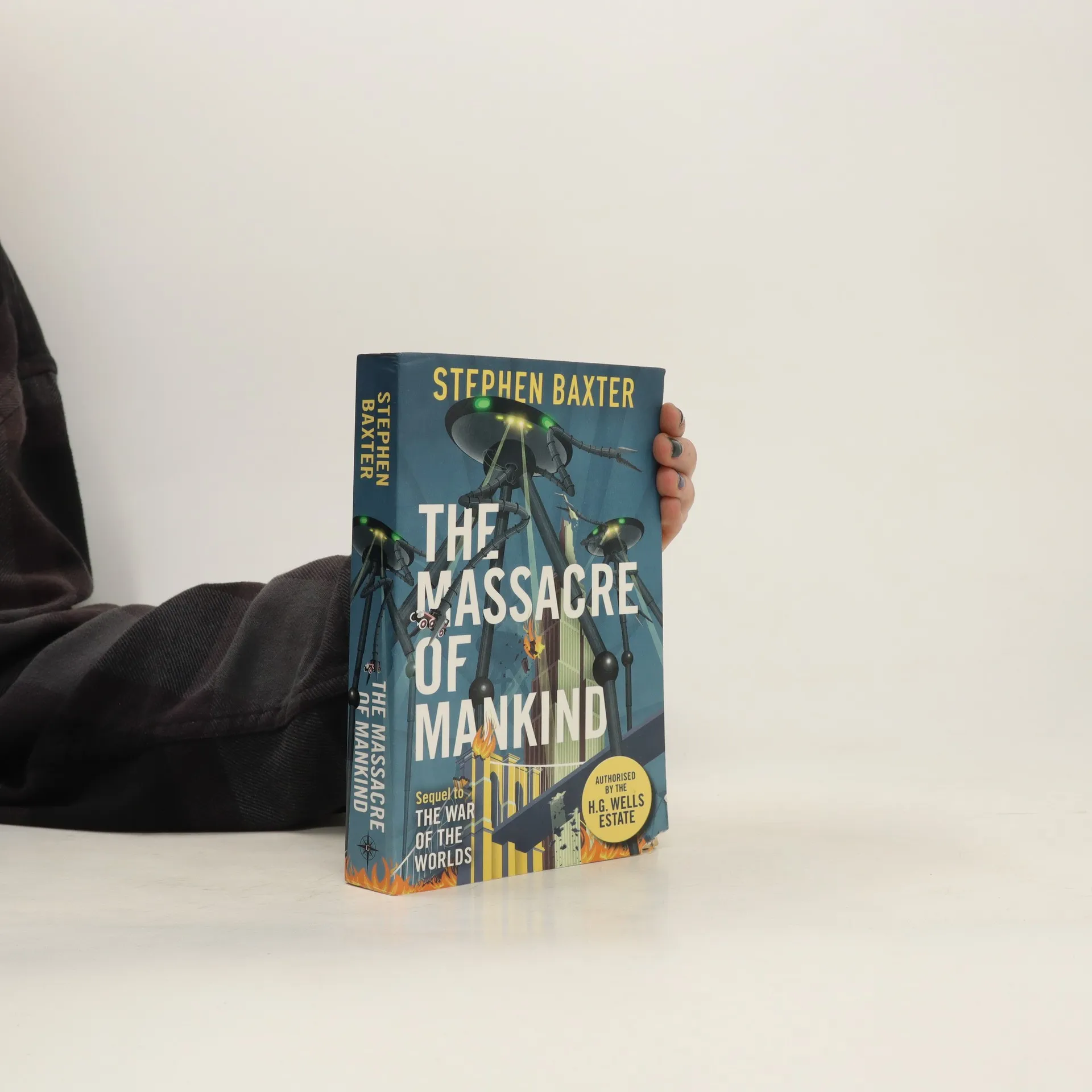
The Massacre of Mankind
- 480 stránok
- 17 hodin čítania
A sequel to the H.G. Wells classic THE WAR OF THE WORLDS, brilliantly realized by award-winning SF author and Wells expert Stephen Baxter It has been 14 years since the Martians invaded England. The world has moved on, always watching the skies but content that we know how to defeat the Martian menace. Machinery looted from the abandoned capsules and war-machines has led to technological leaps forward. The Martians are vulnerable to earth germs. The Army is prepared. So when the signs of launches on Mars are seen, there seems little reason to worry. Unless you listen to one man, Walter Jenkins, the narrator of Wells' book. He is sure that the Martians have learned, adapted, understood their defeat. He is right. Thrust into the chaos of a new invasion, a journalist - sister-in-law to Walter Jenkins - must survive, escape and report on the war. The Massacre of Mankind has begun.
Traces
- 368 stránok
- 13 hodin čítania
Stories set in a variety of futures from the award-winning heir of Arthur C. Clarke: Traces gives a kaleidoscopic vision of the possibilities for humankind.
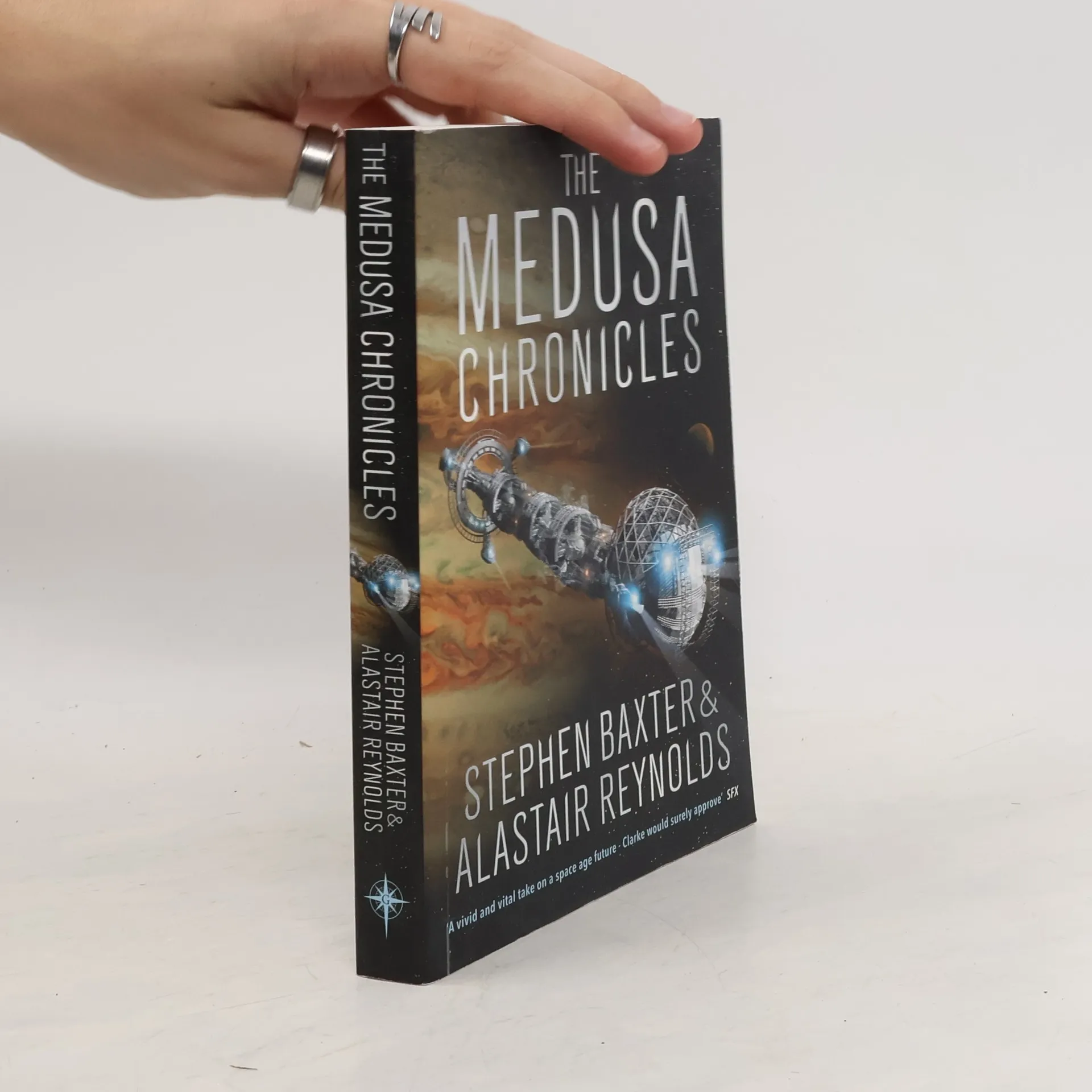
The Medusa Chronicles
- 336 stránok
- 12 hodin čítania
SCIENCE FICTION. Inspired by Sir Arthur C. Clarke's short story A Meeting with Medusa, this novel, with permission from the Clarke Estate, continues the story of Commander Howard Falcon over centuries of space-exploration, interaction with AI, first contact and beyond. All brought to life by two of our greatest SF authors, Stephen Baxter and Alastair Reynolds. Howard Falcon almost lost his life in an accident ...and a combination of human ingenuity and technical expertise brought him back. Not as himself, but as an augmented human: part man, part machine, and exceptionally capable. The Medusa Chronicles charts his journey through time, the changing interaction between humanity and our universe, and combined moments of incredible action with unparalleled exploration of and expansion into space. A compelling read from the beginning, this is classic SF which has appeal for readers who like Gravity and The Martian.
The long cosmos
- 480 stránok
- 17 hodin čítania
La 4e de couverture indique : "2070-71. Nearly six decades after Step Day and in the Long Earth, the new Next post-human society continues to evolve. For Joshua Valiente, now in his late sixties, wants to make one last, solo journey into the High Meggers. only it's an adventure that turns into a disaster. Alone and facing death, his only hope lies with a group of trolls. As Joshua confronts his mortality, the Long Earth receives a signal from the stars. A signal that is picked up by radio astronomers but also in more abstract ways, by the trolls and by the Great Traversers. Its impact will be felt by all who inhabit the Long Earths. The message is simple but its implications are enormous: JOIN US."
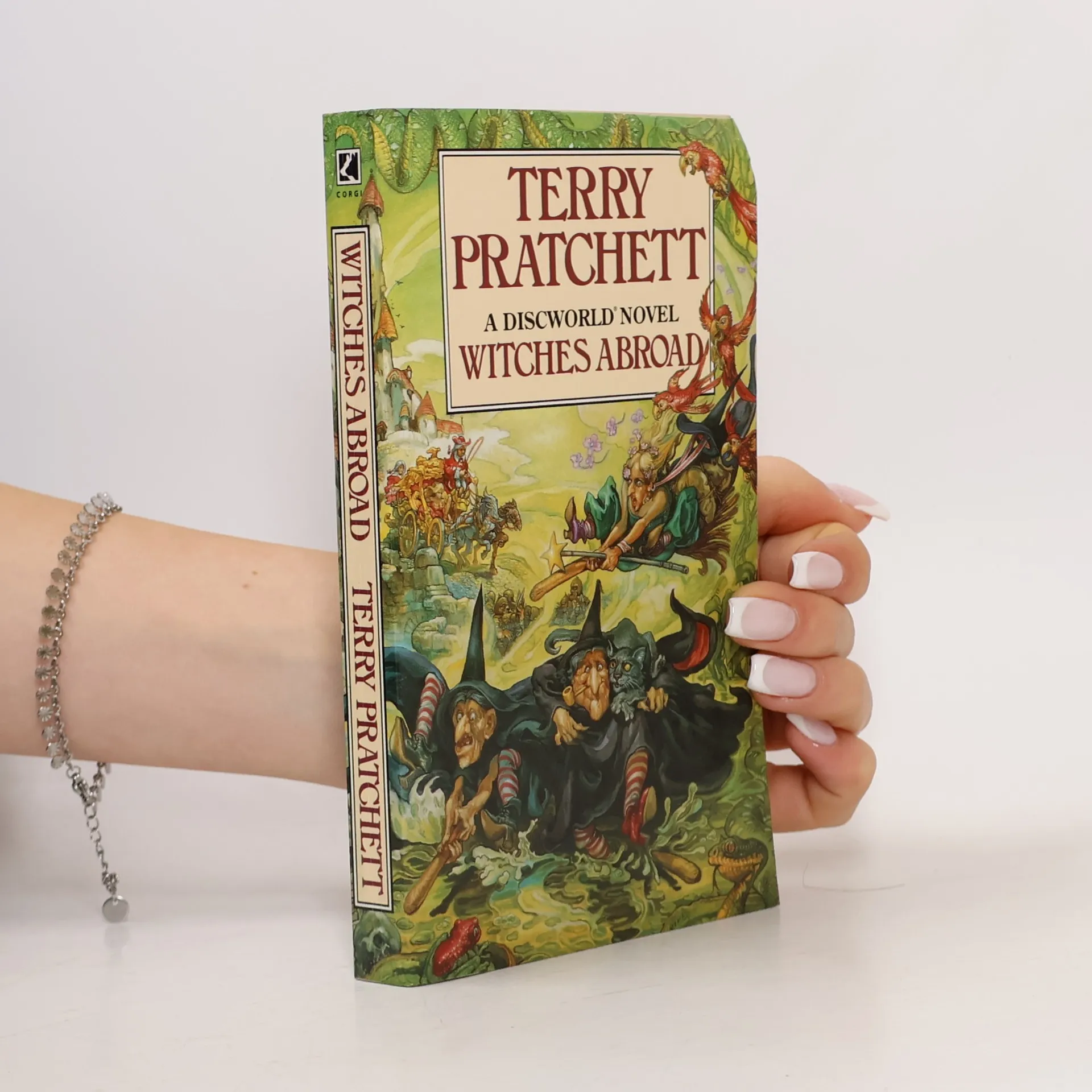
Witches abroad
- 286 stránok
- 11 hodin čítania
The twelfth Discworld novel — It seemed an easy job . . . After all, how difficult could it be to make sure that a servant girl doesn’t marry a prince? But for the witches Granny Weatherwax, Nanny Ogg and Magrat Garlick, travelling to the distant city of Genua, things are never that simple. Servant girls have to marry the prince. That’s what life is all about. You can’t fight a Happy Ending. At least — up until now.
Return to the eon-spanning and universe-crossing conflict between humanity and the unknowable alien Xeelee in this selection of uncollected and unpublished stories, newly edited and placed in chronological reading order. From tales charting the earliest days of man's adventure to the stars to stories of Old Earth, four billion years in the future, the range and startling imagination of Baxter is always on display. As humanity rises and falls, ebbs and flows, one thing is always needed - the ability to endure. Contains eleven short stories and novellas.
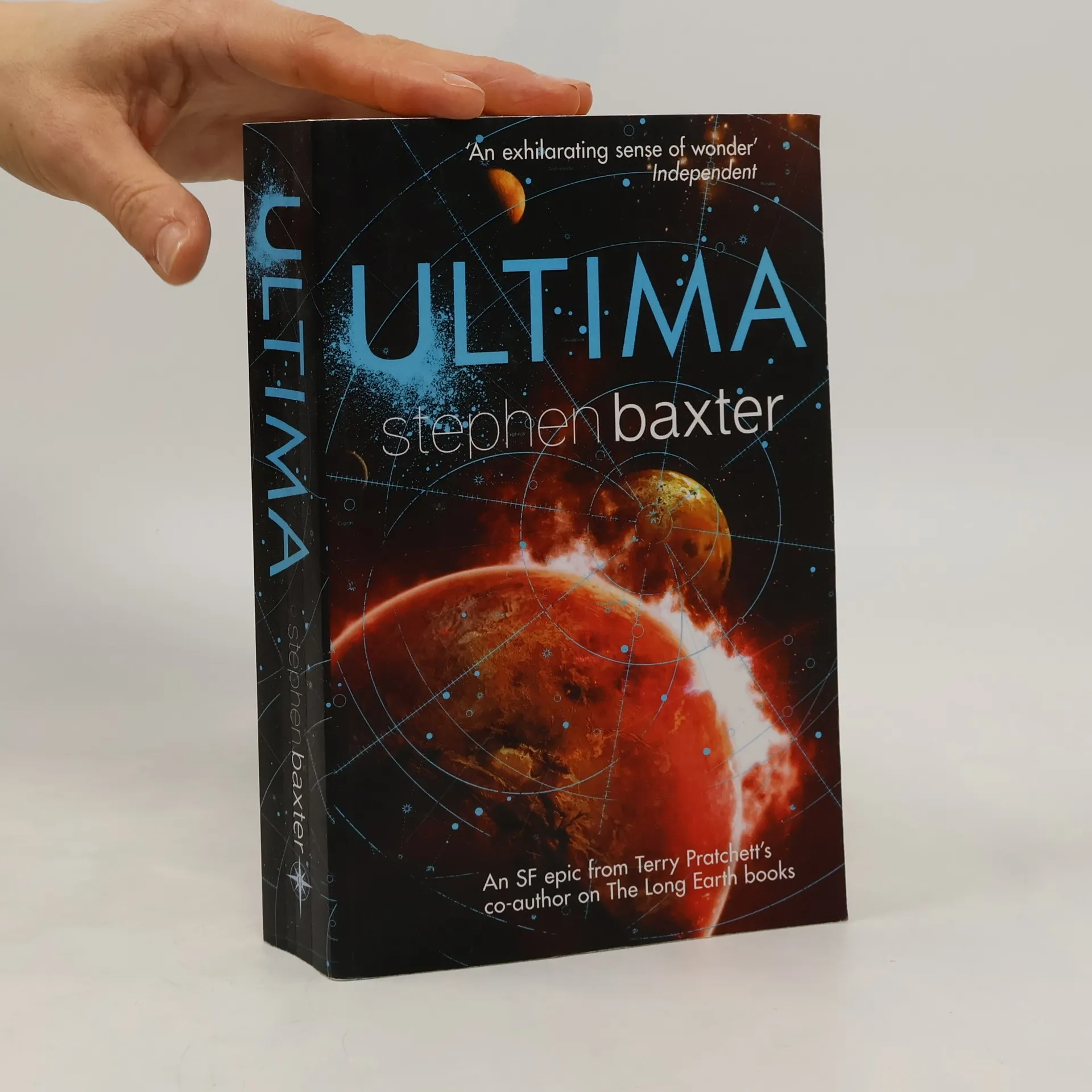
Fresh from his latest collaboration with Terry Pratchett on the Long Earth sequence Stephen Baxter now returns to the mysteries and challanges first hinted at in his acclaimed novel PROXIMA. In PROXIMA we discovered ancient alien artifacts on the planet of Per Ardua - hatches that allowed us to step across light years of space as if we were stepping into another room. The universe opened up to us. Now in ULTIMA the consequences of this new freedom make themselves felt. And we discover that there are minds in the universe that are billions of years old and they have a plan for us. For some of us. But as we learn the true nature of the universe we also discover that we have countless pasts all meeting in this present and that our future is terrifyingly finite. It's time for us to fight to take back control. This is grand scale, big idea SF of the best possible sort. It is set to build on the massive success of PROXIMA and define Stephen Baxter's work going forward.
The Long Utopia
- 433 stránok
- 16 hodin čítania
The dazzling new science fiction adventure from the extraordinary imaginations of Terry Pratchett and Stephen Baxter -- the fourth novel in a collaborative series that has been hailed as 'sense-of-wonder SF at its best' (Independent on Sunday). 2045-2059. After the cataclysmic upheavals of Step Day and the Yellowstone eruption humanity is spreading further into the Long Earth, and society, on a battered Datum Earth and beyond, continues to evolve. Now an elderly and cantankerous AI, Lobsang lives in disguise with Agnes in an exotic, far-distant world. He's convinced they're leading a normal life in New Springfield -- they even adopt a child -- but it seems they have been guided there for a reason. As rumours of strange sightings and hauntings proliferate, it becomes clear that something is very awry with this particular world. Millions of steps away, Joshua is on a personal journey of discovery: learning about the father he never knew and a secret family history. But then he receives a summons from New Springfield. Lobsang now understands the enormity of what's taking place beneath the surface of his earth -- a threat to all the worlds of the Long Earth. To counter this threat will require the combined efforts of humankind, machine and the super-intelligent Next. And some must make the ultimate sacrifice.
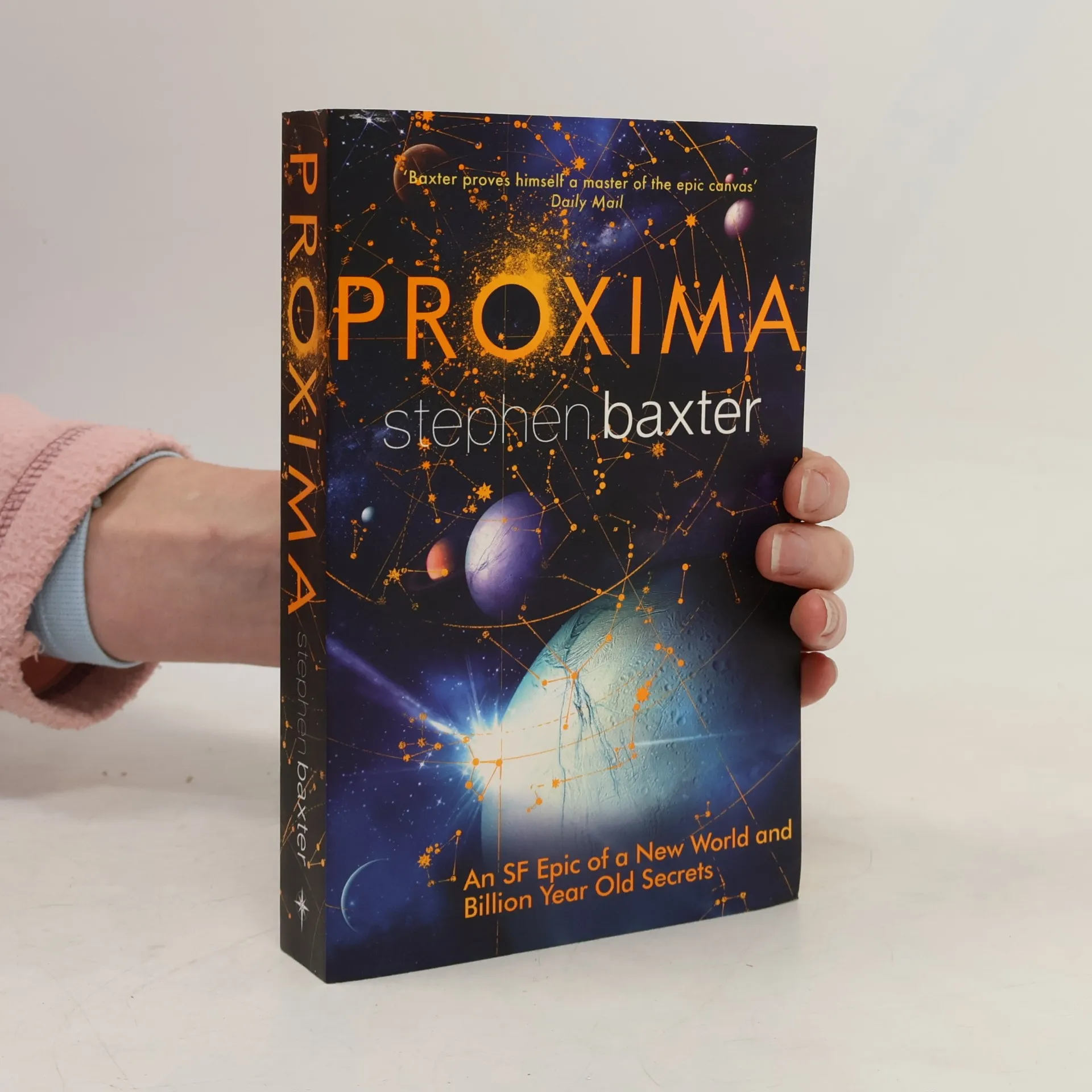
Proxima
- 455 stránok
- 16 hodin čítania
The very far future: the Galaxy is a drifting wreck of black holes, neutron stars, chill white dwarfs. The age of star formation is long past. Yet there is life here, feeding off the energies of the stellar remnants, and there is mind, a tremendous Galaxy-spanning intelligence each of whose thoughts lasts a hundred thousand years. And this mind cradles memories of a long-gone age when a more compact universe was full of light.
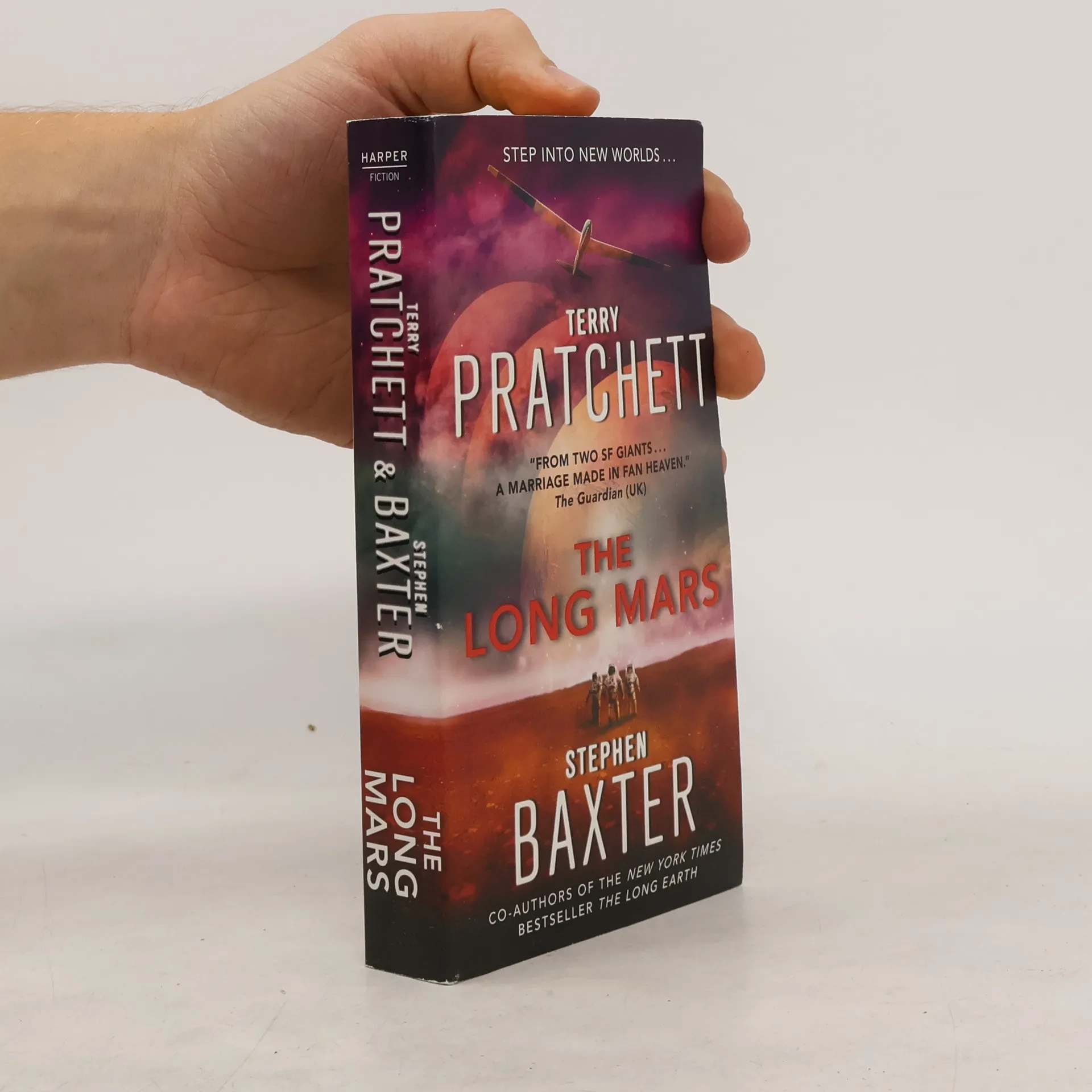
In 2040, following the Yellowstone eruption, society collapses as people flee to alternate Earths. Joshua Valiente confronts rising tensions with emerging super-bright post-humans, while Navy Commander Maggie Kauffman explores the far Long Earth. Meanwhile, Sally reconnects with her estranged father, who has his own secretive plans.
Doctor Who. The Wheel of Ice
- 311 stránok
- 11 hodin čítania
From Baxter, the award-winning author of "Ark," "Flood," and "Stone Spring" comes an amazing new adventure based on the iconic television show "Doctor Who."
Iron Winter
- 512 stránok
- 18 hodin čítania
Praised as “not only a gifted storyteller but also a master of speculative fiction" (Library Journal), bestselling author Stephen Baxter brings his epic Northland trilogy to a close as a once-thriving civilization faces winter without end.... Many generations ago, the Wall was built to hold back the sea. A simple dam, it grew into a vast linear city, home to scholars, builders, and merchants. But now days are growing shorter, temperatures colder, and in the wake of long winters come famine, destruction, and terror. As a mass exodus to warmer climes threatens to fracture Northland, one man believes he can outwit the cold and even salvage some scraps of the great civilization—before interminable gloom settles over the land; before the fires of war lay waste to an empire; before the ice comes....
A generation after the events of The Long Earth, mankind has spread across the new worlds opened up by Stepping. Where Joshua and Lobsang once pioneered, now fleets of airships link the stepwise Americas with trade and culture. Mankind is shaping the Long Earth – but in turn the Long Earth is shaping mankind ... A new ‘America’, called Valhalla, is emerging more than a million steps from Datum Earth, with core American values restated in the plentiful environment of the Long Earth – and Valhalla is growing restless under the control of the Datum government... Meanwhile the Long Earth is suffused by the song of the trolls, graceful hive-mind humanoids. But the trolls are beginning to react to humanity’s thoughtless exploitation ... Joshua, now a married man, is summoned by Lobsang to deal with a gathering multiple crisis that threatens to plunge the Long Earth into a war unlike any mankind has waged before.
An epic wall has been built to keep the sea out. And the history of the world has been changed. A superb alternate history from an SF master.
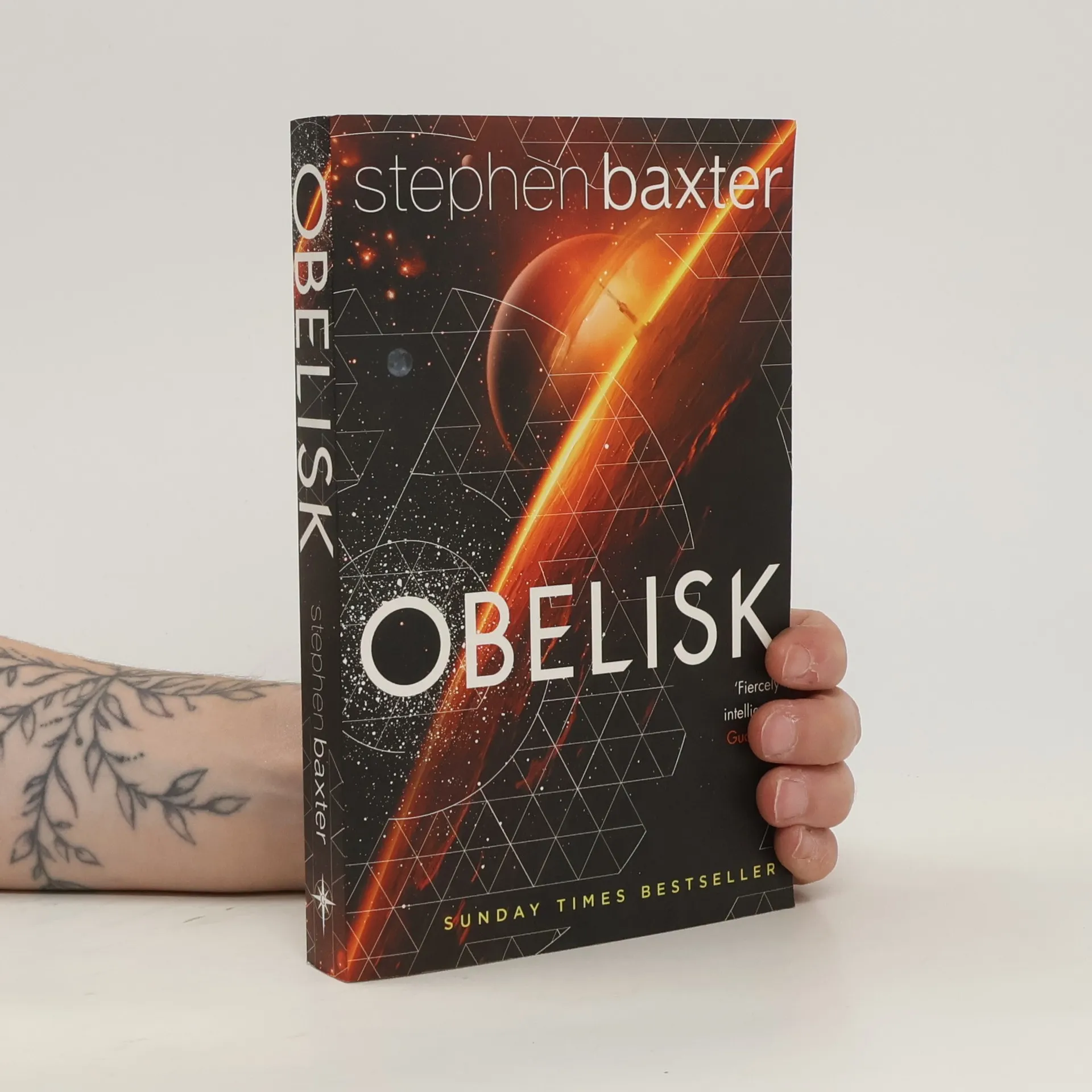
Obelisk
- 336 stránok
- 12 hodin čítania
One of the great SF writers returns with a collection of stories including a brand new novella! From the co author (with Terry Pratchett) of the LONG EARTH series.
1916: the Western Front. Private Percy Blakeney wakes up. He is lying on fresh spring grass. He can hear birdsong, and the wind in the leaves in the trees. Where has the mud, blood and blasted landscape of No Man's Land gone? 2015: Madison, Wisconsin. Cop Monica Jansson is exploring the burned-out home of a reclusive (some said mad, others dangerous) scientist when she finds a curious gadget - a box containing some wiring, a three-way switch and a...potato. It is the prototype of an invention that will change the way Mankind views his world for ever. And that is an understatement if ever there was one...
Engineering Infinity
- 333 stránok
- 12 hodin čítania
This science-fiction anthology collects together stories by some of the biggest names in the field including Stephen Baxter, Charles Stross and Greg Bear.
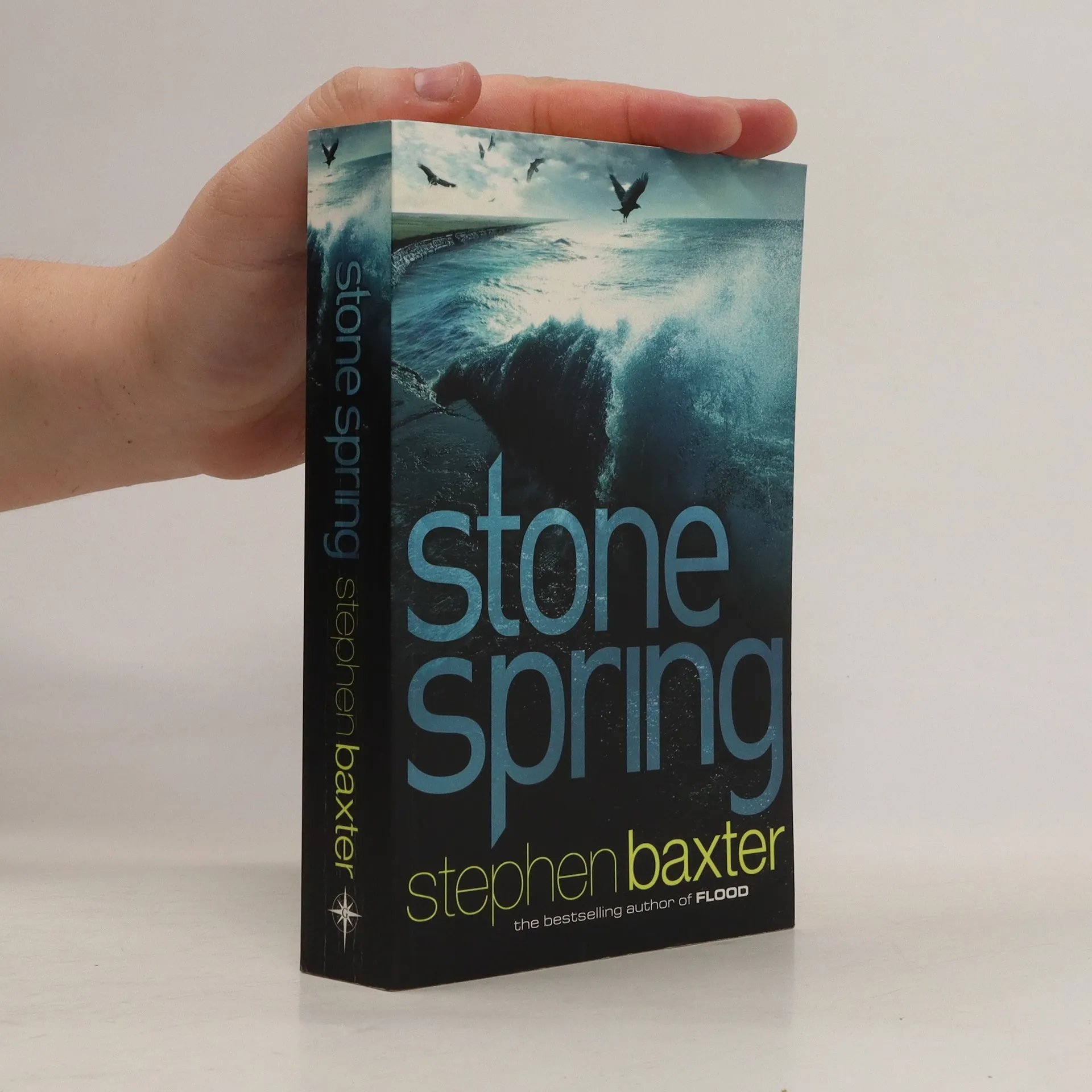
Stone Spring
- 528 stránok
- 19 hodin čítania
Eight thousand years ago Europe was a very different place. England was linked to Holland by a massive swathe of land. Where the North Sea is now lay the landmass of Northland. And then came a period of global warming.
Xeelee: An Omnibus
- 900 stránok
- 32 hodin čítania
The books that launched Stephen Baxter's career; the creation of one of the most astonishingly ambitious universes in SF's history: brought together in one astounding volume.
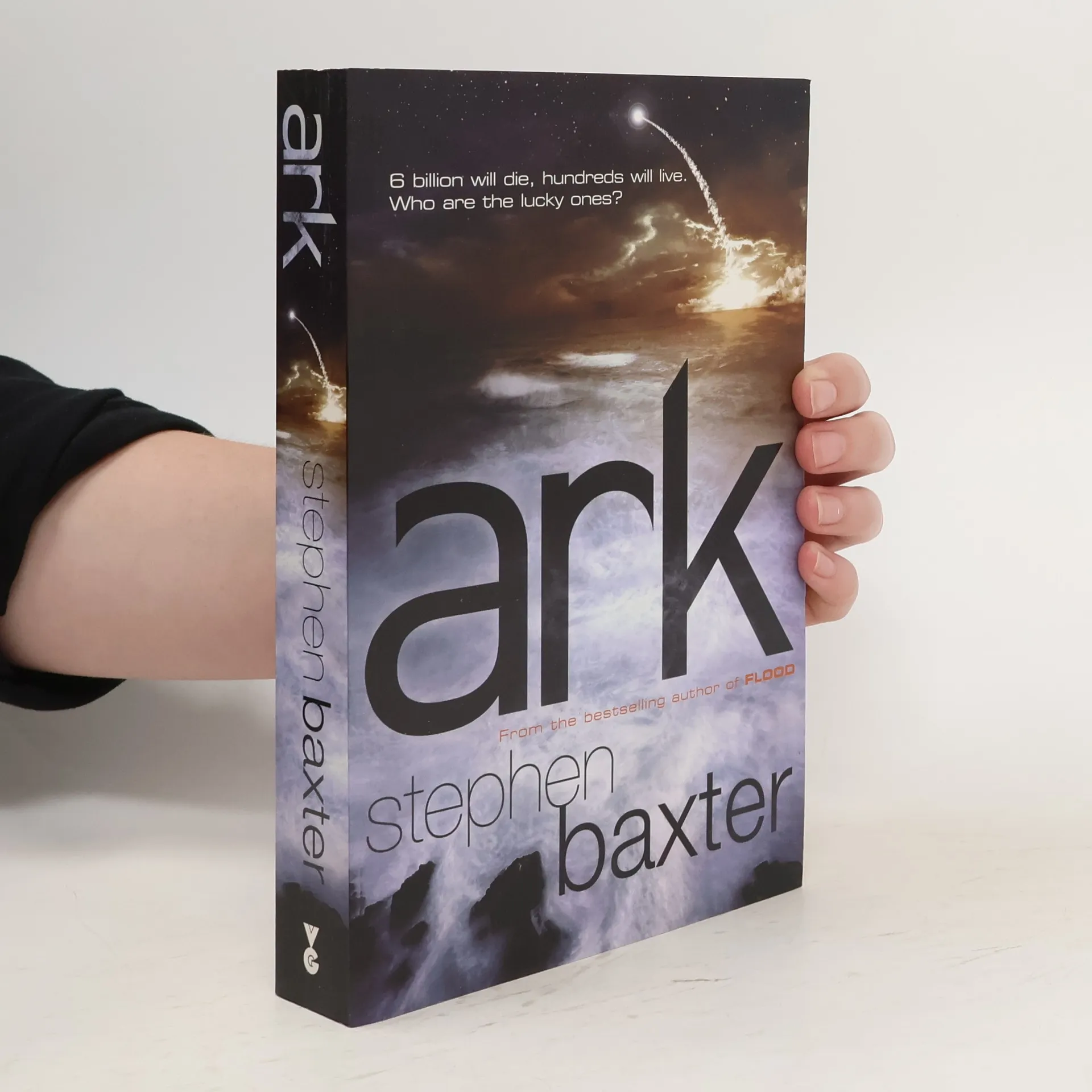
In FLOOD Baxter drowned the world, in ARK he shows that mankind's future is no less perilous.
A Time Odyssey - 3: Firstborn
- 416 stránok
- 15 hodin čítania
The Firstborn, a mysterious alien race first introduced in 2001: A Space Odyssey, have long been a part of Sir Arthur C. Clarke’s science fiction legacy. In the Time Odyssey series, co-authored with Stephen Baxter, they seek to halt human progress using technology akin to magic. Their initial act, the Discontinuity, transformed Earth into Mir, a patchwork world featuring figures like Alexander the Great and Genghis Khan. Bisesa Dutt, a UN peacekeeper, communicates with an alien artifact of immense power, which ultimately returns her to Earth. She becomes crucial in humanity's struggle against a doomsday solar storm orchestrated by the Firstborn, aimed at wiping out all life. This catastrophe is narrowly averted, but at a great cost. Twenty-seven years later, the Firstborn return with a "quantum bomb," an incomprehensible device that threatens to annihilate Earth. Bisesa embarks on a desperate quest for answers, traveling to Mars and then back to Mir, which faces its own extinction. As the situation grows dire, new revelations about the Firstborn's intentions emerge, and an unexpected ally arrives from light-years away, offering a glimmer of hope in a seemingly hopeless scenario.
Weaver
- 369 stránok
- 13 hodin čítania
The concluding volume of the acclaimed Time's Tapestry series. In the early days of World War II, the Nazis have a secret plan, far grander than simply subjugating an enemy. And three people are caught up in a conspiracy that threatens the fabric of the tapestry of time.
Flood. Die letzte Flut, englische Ausgabe
- 538 stránok
- 19 hodin čítania
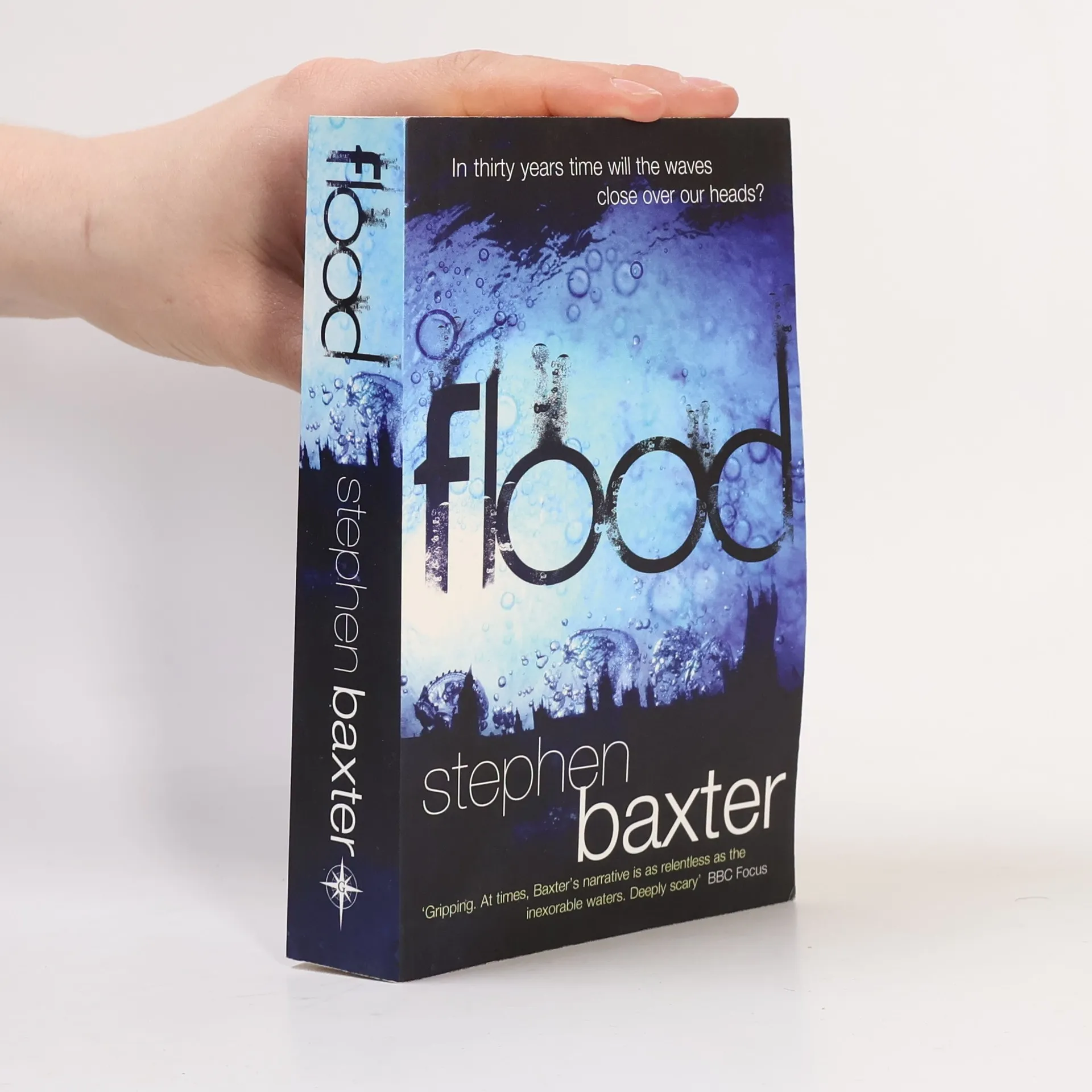
The seas are rising. At first global warming is blamed, but as London, then New York, then entire countries disappear beneath the waves, it is clear that something much worse is happening.
Fantasy & science fiction. Czech edition. Podzim 2008
- 240 stránok
- 9 hodin čítania
Česká mutace známého amerického sci-fi a fantasy magazínu přináší to nejlepší z fantastické literatury. Magazín Fantasy & Science Fiction, který vychází v USA již téměř šedesát let, se stal nejlepším zdrojem fantastických povídek na světě. Česká edice, ve spolupráci s americkou redakcí, nabízí jak klasické příběhy, tak díla současných autorů. Každé čtvrtletí se můžete těšit na pestré světy spisovatelské fantazie. Mezi novinkami najdete povídku Předplatné New York Times od Stephena Kinga, která vychází téměř současně s jejím světovým uvedením. Stephen Baxter přináší oceněnou science fiction, která nás zavede do postkatastrofické budoucnosti. Lucius Shepard odhaluje v jedné z nejlépe hodnocených novel, co znamená vidět hvězdy skrze kámen. David Moles vytvořil fascinující mimozemské prostředí v povídce Finisterra. Chris Willrich představuje zajímavou dvojici v fantasy příběhu o Slzách Krále Dešťoslava. Robert Reed přináší Pět dramatických příběhů o morálních dilematech, zatímco Orson Scott Card se vrací s povídkou Nádoba, která zkoumá vnitřní konflikt chlapce. Tento magazín je splněným snem pro všechny milovníky kvalitních příběhů.
Navigator
- 336 stránok
- 12 hodin čítania
Third in a thrilling new series of counter-factual historical thrillers from an SF master.
Conqueror
- 337 stránok
- 12 hodin čítania
More information to be announced soon on this forthcoming title from Penguin USA
The Solaris Book of New Science Fiction
- 416 stránok
- 15 hodin čítania
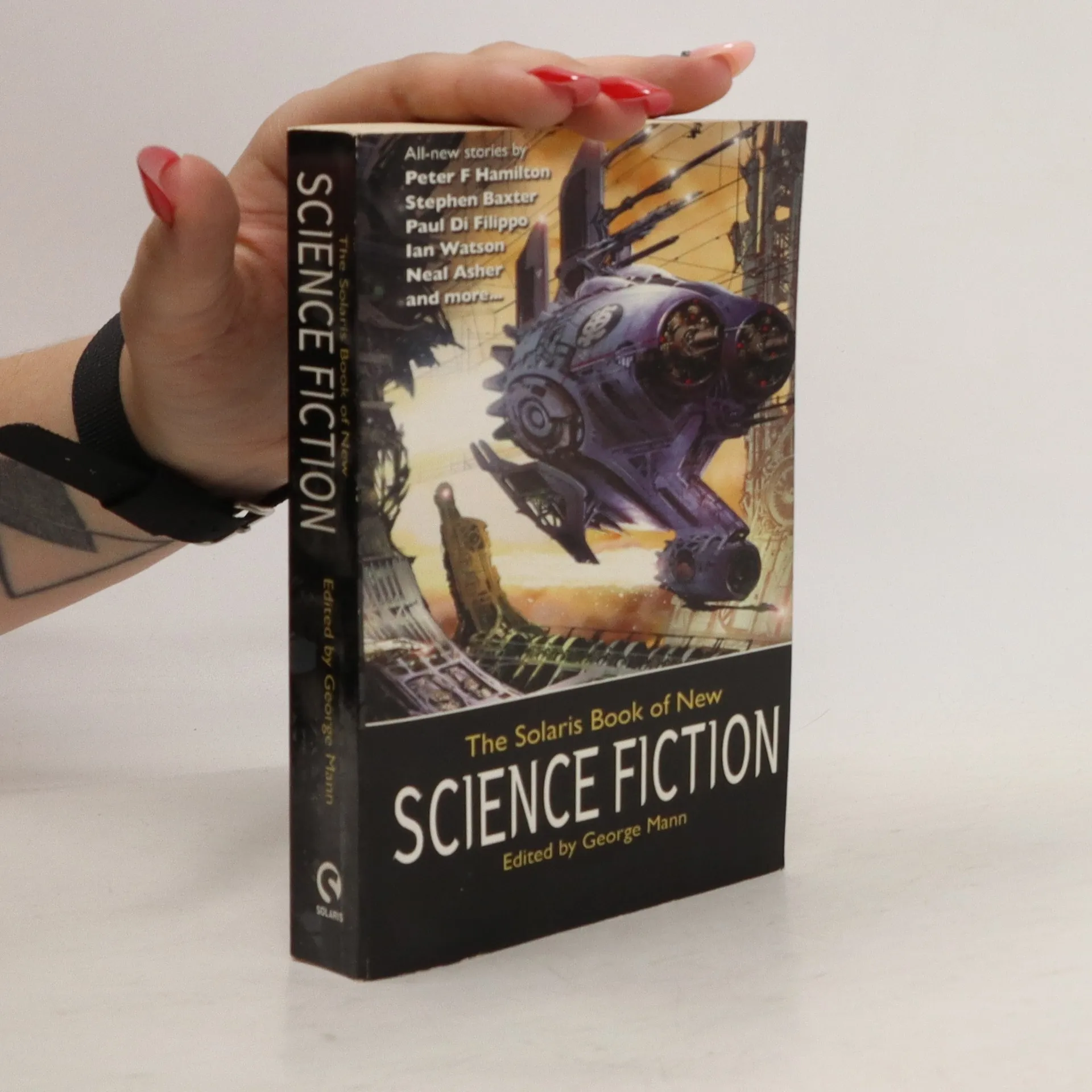
This is an eclectic collection of all-original science fiction stories from some of the foremost luminaries in the genre. Featuring new tales of far future murder, first contact, love and war from such well-regarded and award winning authors as Peter F. Hamilton, Stephen Baxter, Adam Roberts, Jeffrey Thomas, Eric Brown, Paul Di Filippo, Neal Asher, Jay Lake and Ian Watson, this collection is sure to delight all fans of good science fiction.
Emperor
- 352 stránok
- 13 hodin čítania
A thrilling new series of counter-factual historical thrillers from an SF master and co-author, with Terry Pratchett, of the Long Earth books.
Resplendent
- 608 stránok
- 22 hodin čítania
The final volume in Baxter's keynote series Destiny's Children.
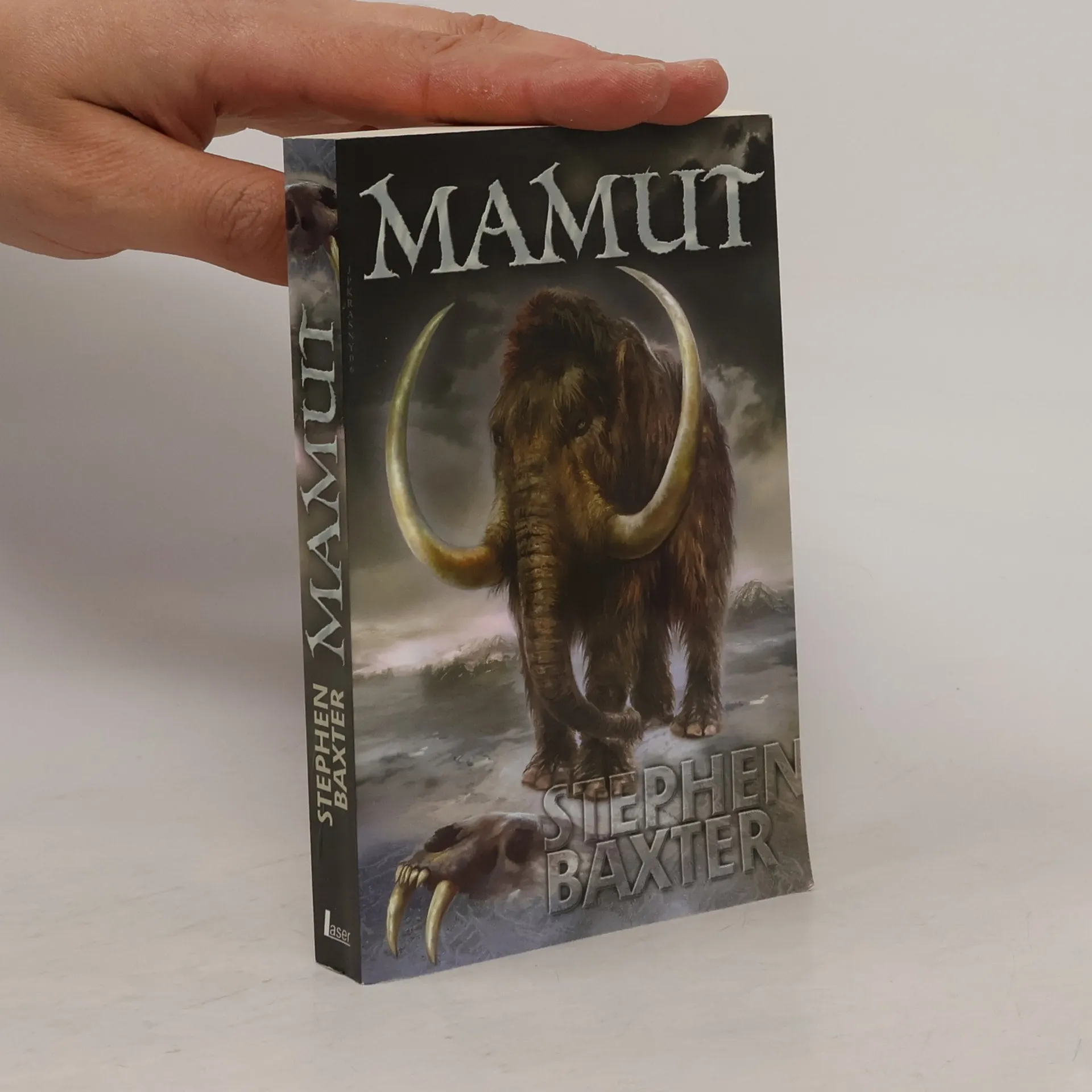
Sibiř - současnost. Zvedá se divoký vítr a ledová pole na severu se choulí v šedivé mlze. A z této mlhy cosi vykukuje: obrovitý útvar, napohled příliš velký, než aby se mohl hýbat, a přece se pohybuje. Blíží se mlžným závojem a je stále zřetelnější: tělo pokryté hustou rezavohnědou srstí, zavalité jako omletá skála. Zvedá se hlava. Chobot se vydává na průzkum a obrovské kly se napřahují. Otevírají se oči, teplé, hnědé, pronikavé, překvapivě lidské oči. Mamut. Dokázali přežít. Měřili pomalý tep ročních období střídajících se v rytmu majestátního tance planety Země. Jejich paměť se táhla zpět cykly milionů ledových let. Jejich příběhy vyprávějí o stvoření světa a velkých hrdinech a hrdinkách mamutích legend. Zmiňují se i o příchodu člověka. Legendy jim v průběhu tisíciletí mnohokrát ukázaly cestu. Až dosud. Do chvíle, než lidstvo ve vzdáleném útočišti sibiřského ostrova objevilo posledních pár mamutů a rozhodlo se dokončit dávno započatá jatka. Pro Šedivku je to osudová výzva.
Transcendent
- 512 stránok
- 18 hodin čítania
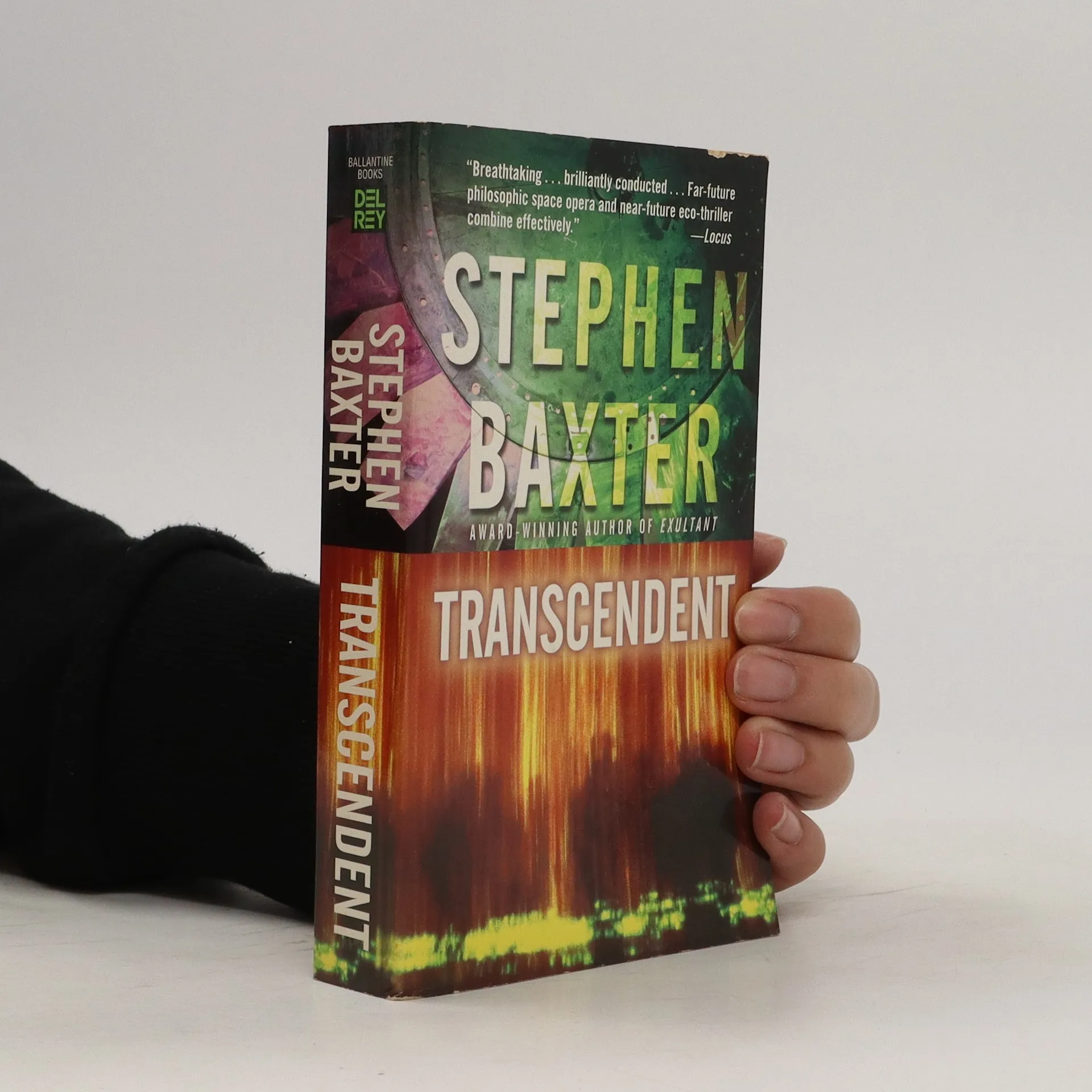
In the distant future, Alia is entrusted to Witness the life of Michael Poole, a man haunted by his wife's death and struggling to reconnect with his estranged son while fighting off a global disaster. Book #3.
Exultant
- 512 stránok
- 18 hodin čítania
“Baxter has an uncanny gift for mixing a punchy, cyberpunk cynicism with his resolutely hard SF story base. . . . [Exultant] rivals Asimov in its boundless vision for the future evolution of humanity.”—Kirkus Reviews (starred review) For more than twenty thousand years, humans have been at war with the alien race of Xeelee. Faced with certain death, a young pilot, Pirius, disobeys orders and travels into the future. Upon his return, Pirius is court-martialed and sentenced to penal servitude. But it is not only Pirius who pays the price. In flying into the future and back again, Pirius returned to a time before he’d left, a time inhabited by his younger self, who also receives punishment. Commissary Nilis believes that the elder Pirius, whom he dubs Pirius Blue, may know how to defeat the Xeelee. But Nilis can do nothing for Pirius Blue. Instead, he takes the younger Pirius—Pirius Red—back to Earth. There Pirius Red will discover truths that shatter his preconceived notions of all that he is fighting for, while Pirius Blue will learn even harsher truths. But the most shocking revelation of all is still to come. “Absurdly ambitious, technically brilliant, and downright exciting.”—SFX Magazine “Striking . . . chilling . . . [with] a triumphant conclusion.”—Starburst
Sunstorm
- 336 stránok
- 12 hodin čítania
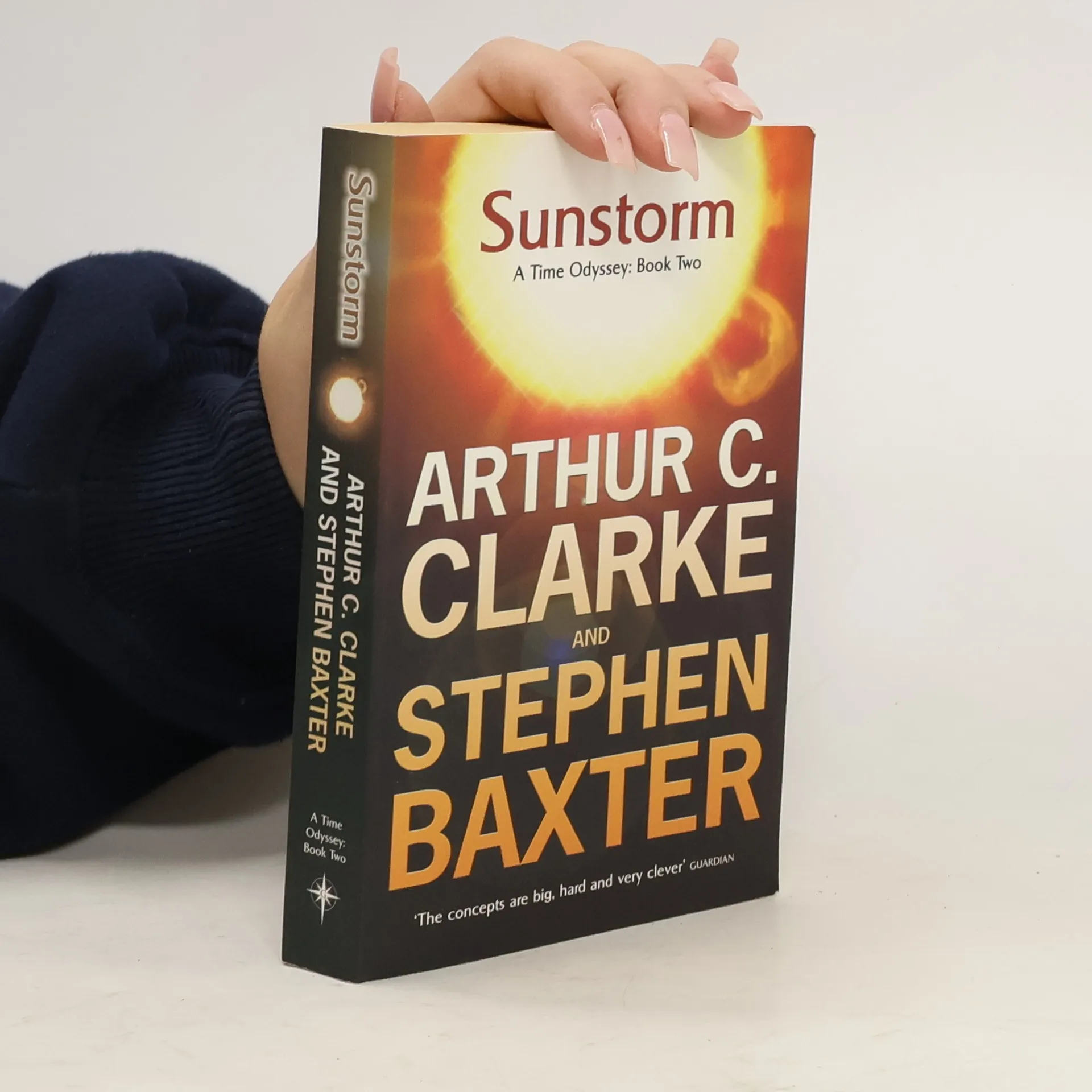
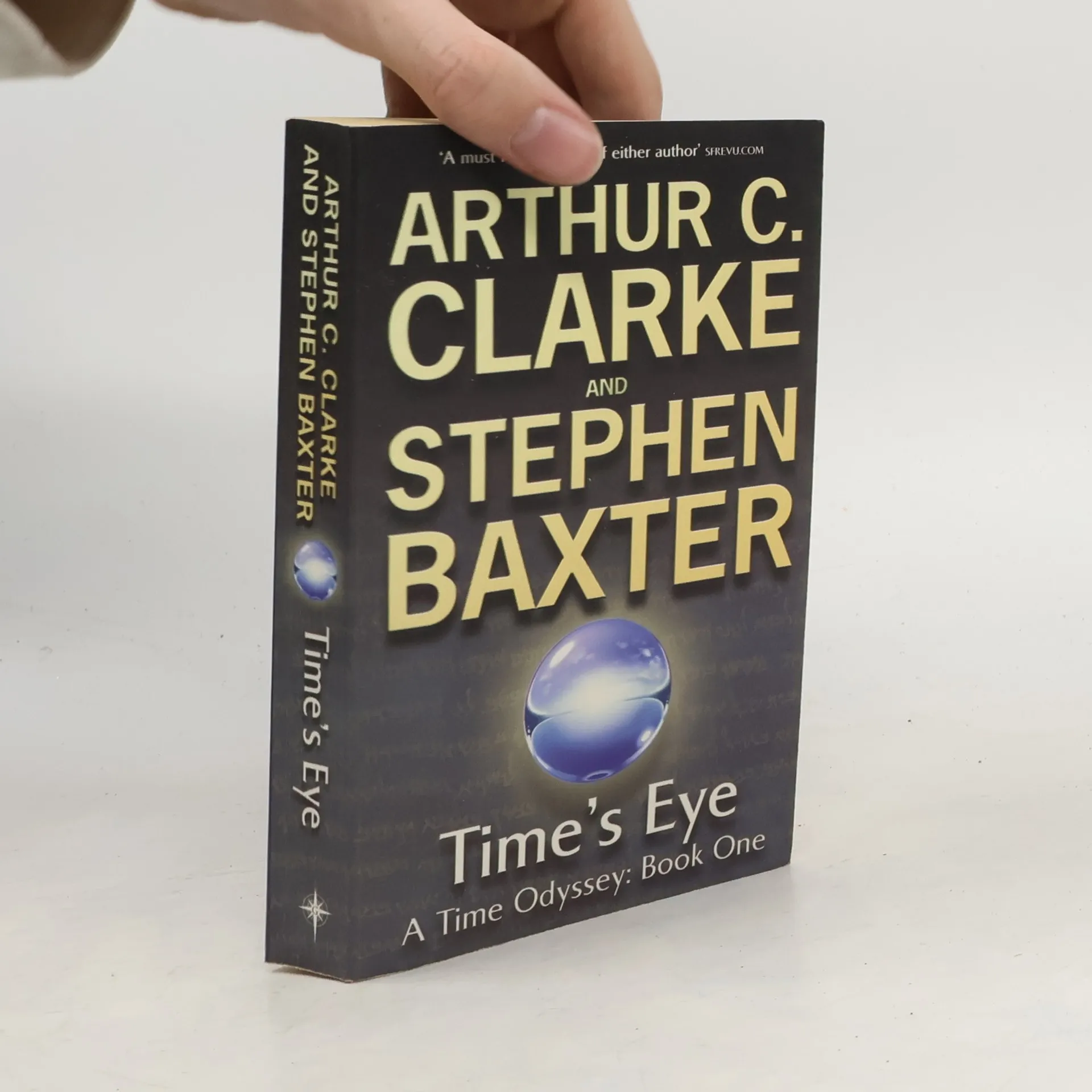
Two of the biggest names in SF together again; the sequel to the acclaimed Time's Eye.
A A Time's Eye
- 272 stránok
- 10 hodin čítania
A stunning new companion series to 2001 A SPACE ODYSSEY from the world's most important living SF writer and his acknowledged heir.
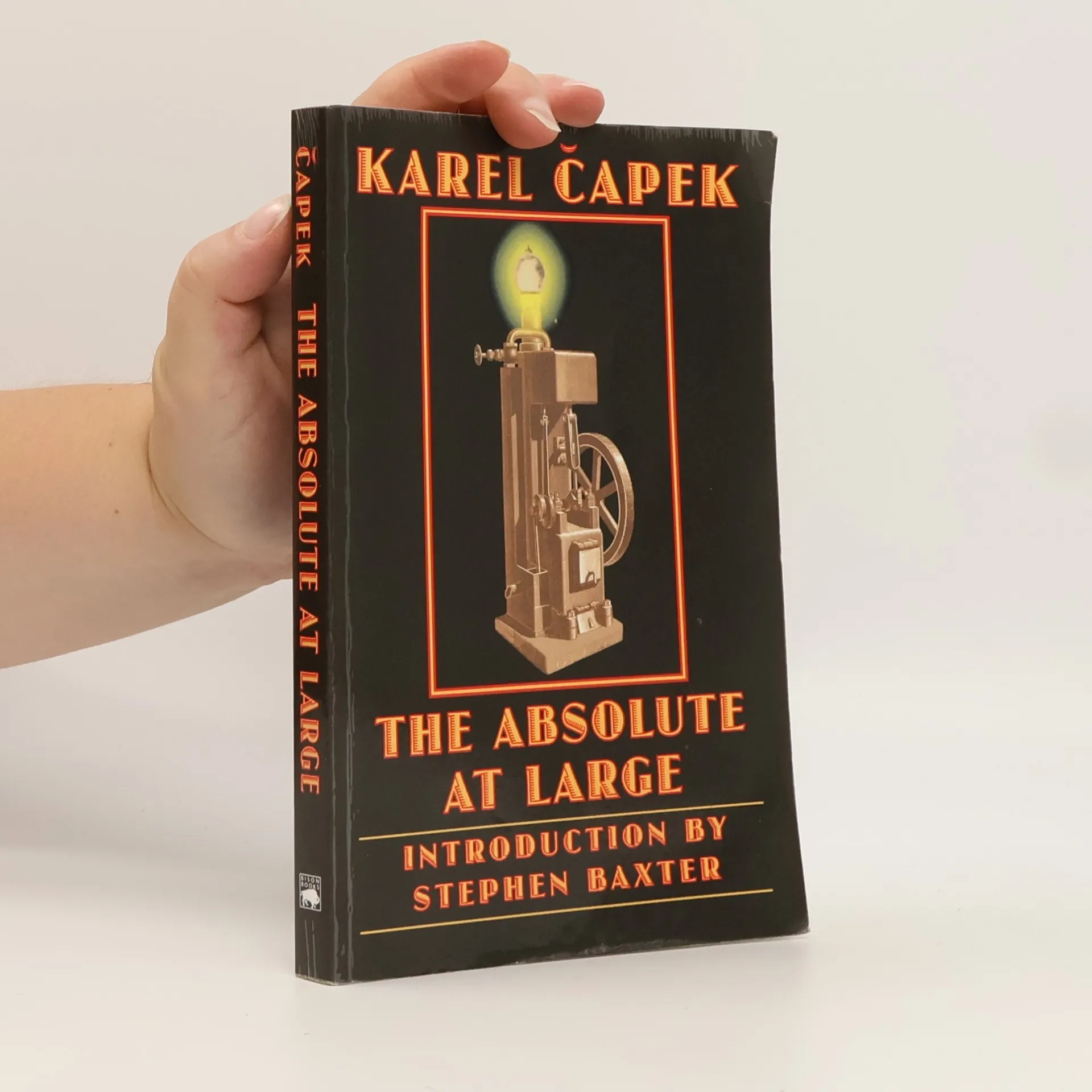
The Absolute at Large
- 248 stránok
- 9 hodin čítania
A brilliant scientist invents the Karburator, a reactor that can create abundant and practically free energy. However, the Karburator's super- efficient energy production also yields a powerful by-product the Absolute, the spiritual essence held within all matter, into the world.
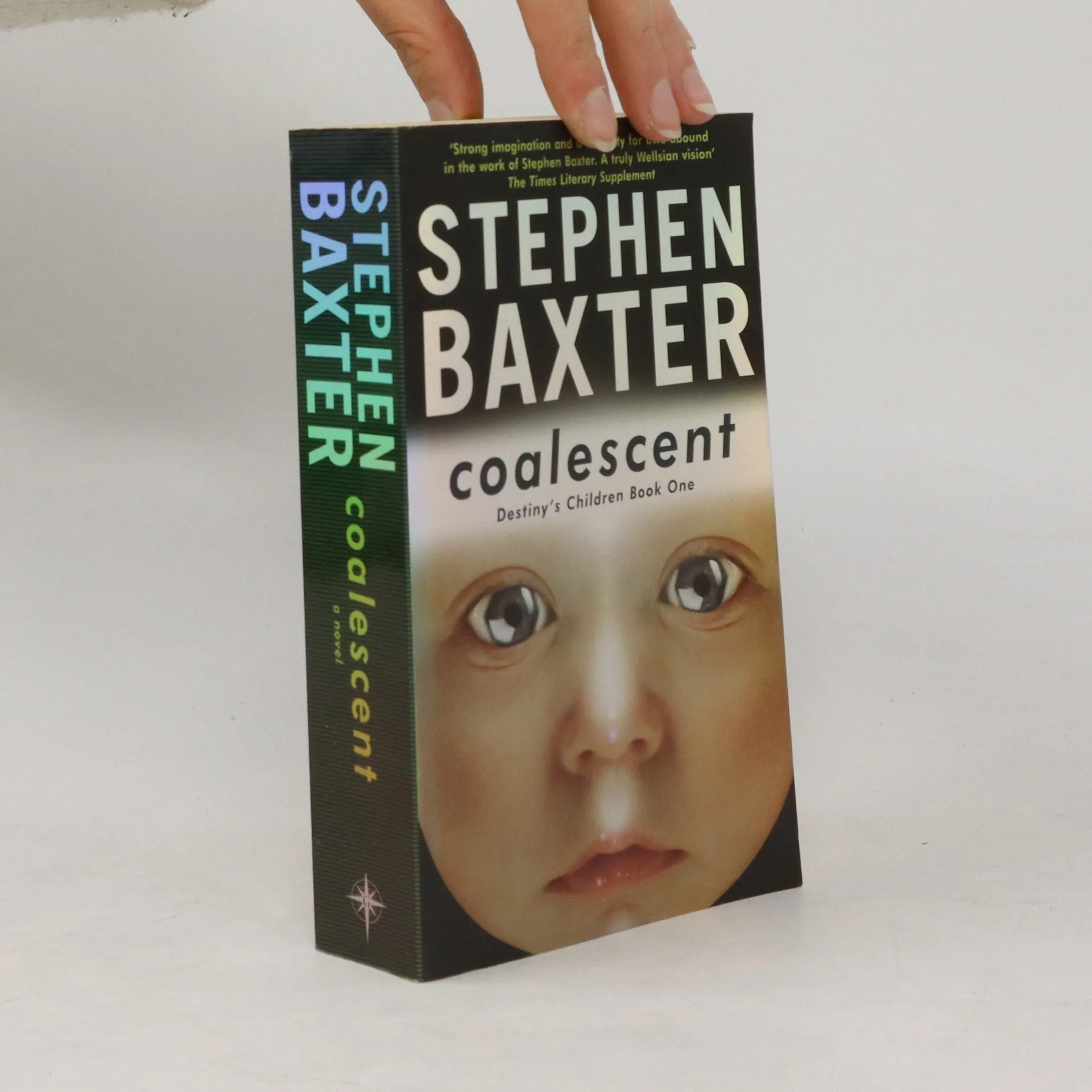
Coalescent
- 576 stránok
- 21 hodin čítania
The beginning of a new trilogy from perhaps the most significant SF writer of the 21st century and co-author with Terry Pratchett of the Long Earth books.
Behemoth: Silverhair, Long Tusk, Icebones
- 816 stránok
- 29 hodin čítania
They have measured the slow pulse of the seasons as the Earth spins its stately annual dance. Their memories stretch back across the million-year cycles of the ice sheets.Their stories tell of the making of the world. And as the millenia have passed, their legends have served them well.And a thousand years from now, on a different world, they will be the difference between life and death, between extinction and a future as long as the past.This new edition collects three of Stephen Baxter's early books together for the first time.
These thematically linked stories are drawn from the vast graph of possibilities across which the lives of hero Reid Malenfant have been scattered. It is the year 2025 - our hero Reid Malenfant is the commander of a NASA earth-orbiting science platform.
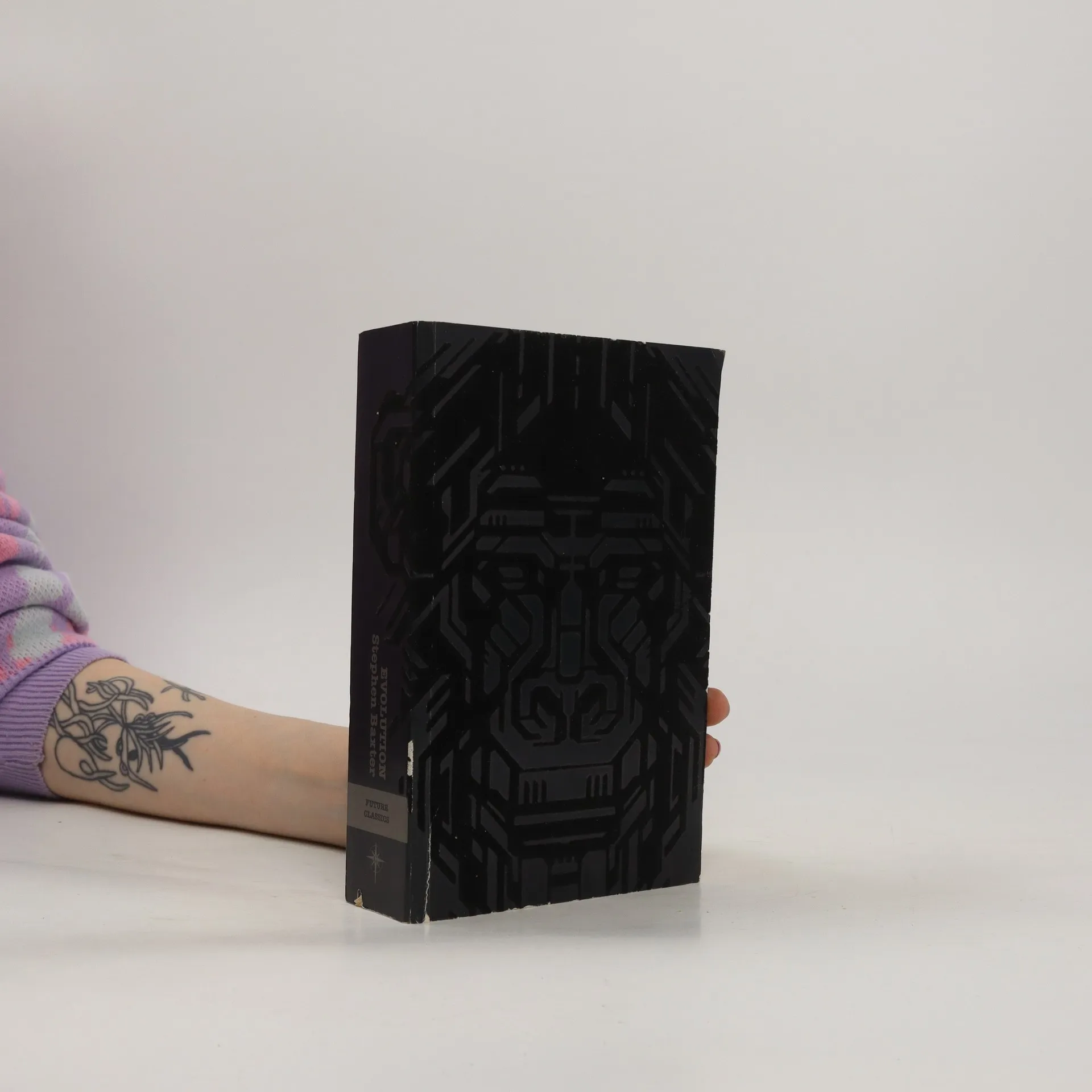
Evolution
- 672 stránok
- 24 hodin čítania
From their beginnings foraging at the feet of the dinosaurs, through the apocalypse of an asteroid strike, through countless years of the day to day life and death dramas of survival of the fittest the primate, to the rise and fall of mankind and the final destruction of earth by the expanding sun, the primates have survived. This is their story. EVOLUTION follows the ebb and flow of the fortunes of one group of creatures as they change and adapt to their world somewhere on the horn of Africa. It turns the story of Darwinian evolution into a constant drama, a daily life and death struggle, a heroic story of life¿s endurance. It is a story that transcends generations, species, mankind and, in the end, the Earth itself. In the tradition of Olaf Stapledon and HG Wells.
Space
- 464 stránok
- 17 hodin čítania
Fueled by an insatiable curiosity, Reid Malenfant ventures to the far edge of the solar system, where he discovers a strange artifact left behind by an alien civilization: A gateway that functions as a kind of quantum transporter, allowing virtually instantaneous travel over the vast distances of interstellar space.
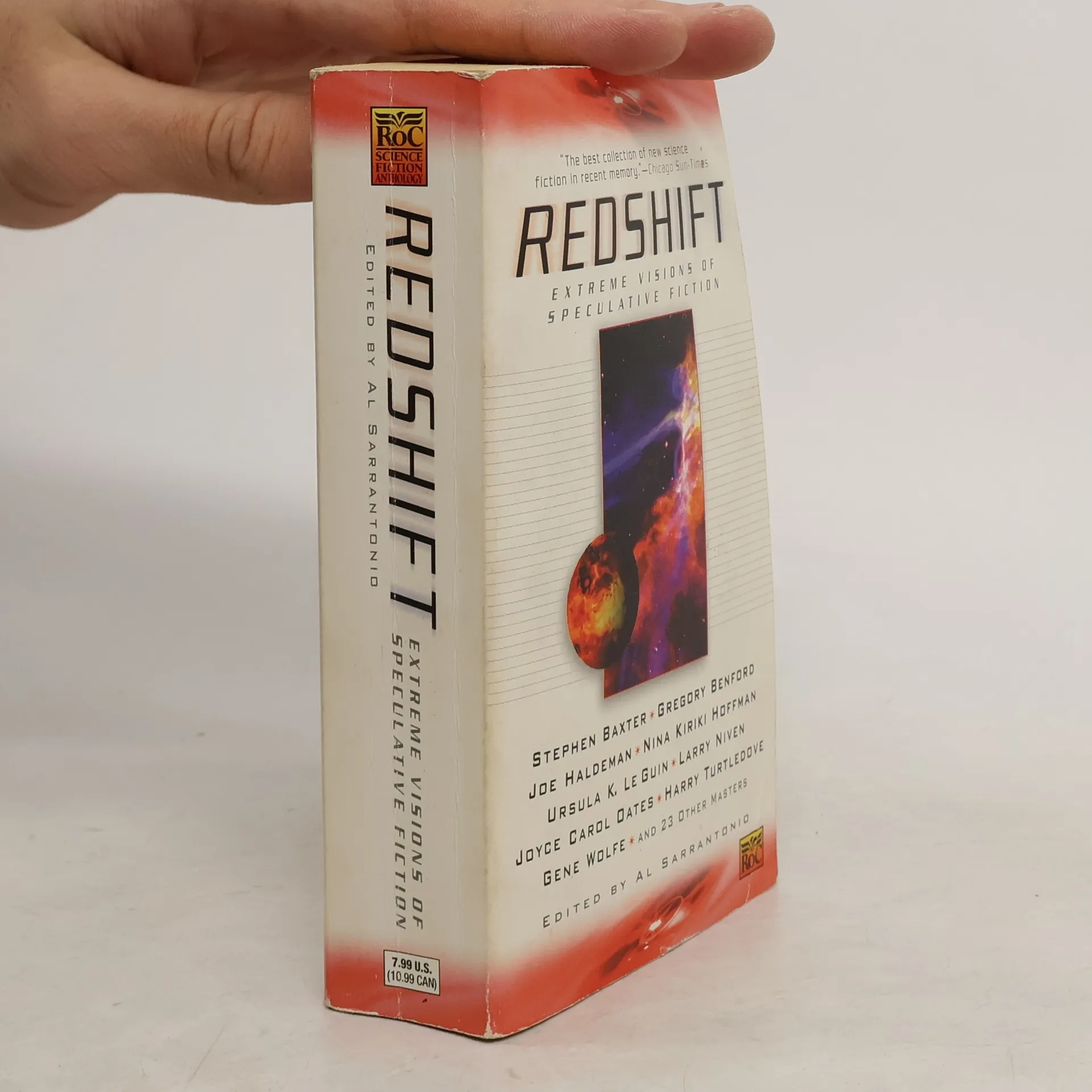
This landmark anthology presents thirty groundbreaking stories from the masters of speculative fiction heralding the future of the genre with original and revolutionary works. All-new, original stories by � Ursula K. Le Guin � Gregory Benford � Joe Haldeman � Joyce Carol Oates � and many others On K2 with Kanakaredes by Dan Simmons The Building by Ursula K. Le Guin Froggies by Laura Whitton What We Did That Summer by Kathe Koja and Barry N. Malzberg A Slow Saturday Night at the Surrealist Sporting Club by Michael Moorcock In Xanadu by Thomas M. Disch Commencement by Joyce Carol Oates Unique Visitors by James Patrick Kelly BIack TuIip by Harry Turtledove Belief by P. D. Cacek In the Un-Black by Stephen Baxter Weeping Walls by Paul Di Filippo Anomalies by Gregory Benford Captive Kong by Kit Reed Feedback by Robert E. Vardeman Between Disappearances by Nina Kiriki Hoffman Resurrection by David Morrell Cleopatra Brimstone by Elizabeth Hand Burros Gone Bad by Peter Schneider Pockets by Rudy Rucker and John Shirley Ave de Paso by Catherine Asaro Road Kill by Joe Haldeman Ting-a-Ling by Jack Dann ‘Bassador by Catherine Wells Ssoroghod’s People by Larry Niven Two Shot by Michael Marshall Smith Billy the Fetus by Al Sarrantonio Viewpoint by Gene Wolfe Fungi by Ardath Mayhar Rhido Wars by Neal Barrett, Jr.
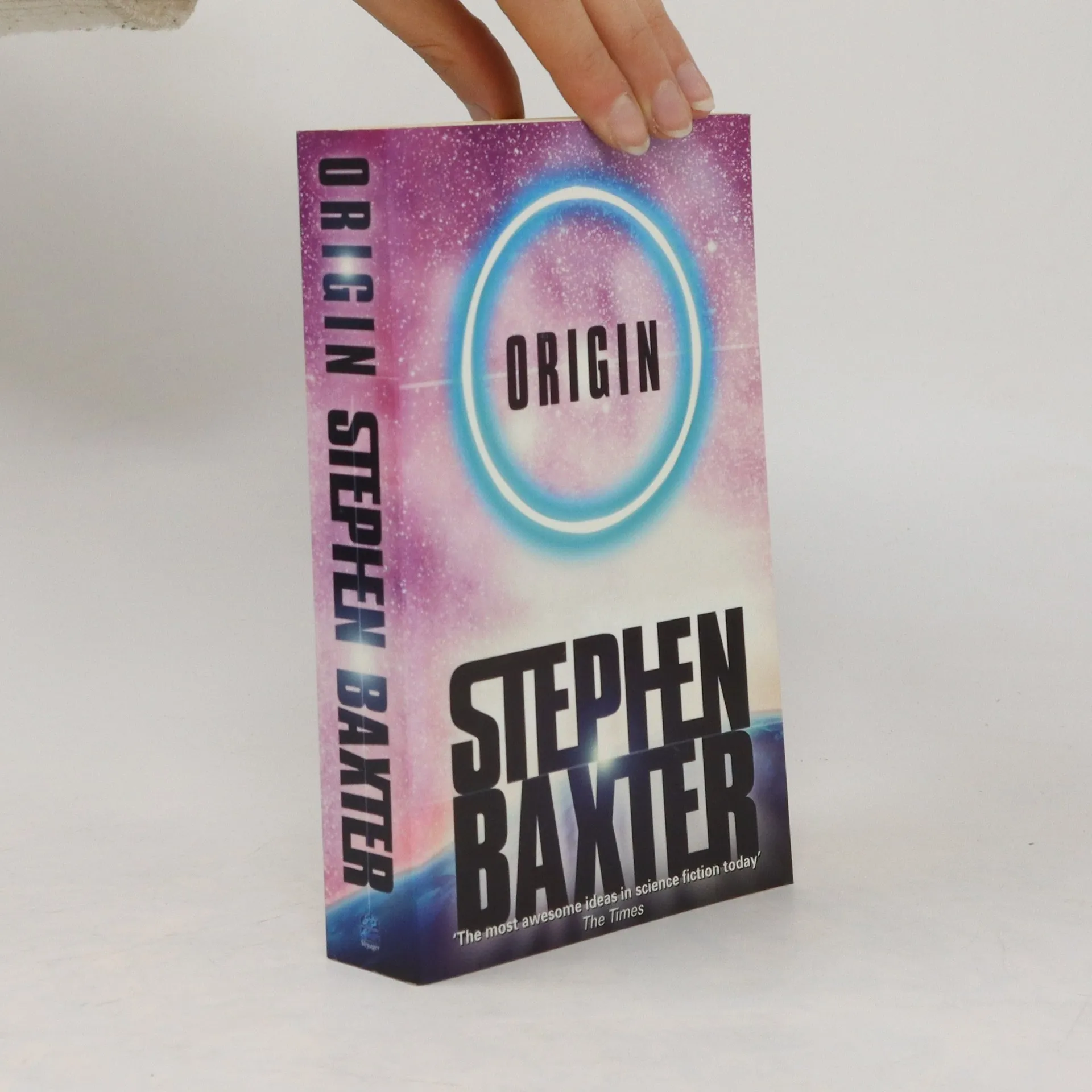
Origin
- 496 stránok
- 18 hodin čítania
Concluding the epic Manifold series that began with TIME and continued with SPACE: the adventures of the maverick astronaut Reid Malenfant bring him at last to the beginning of everything.
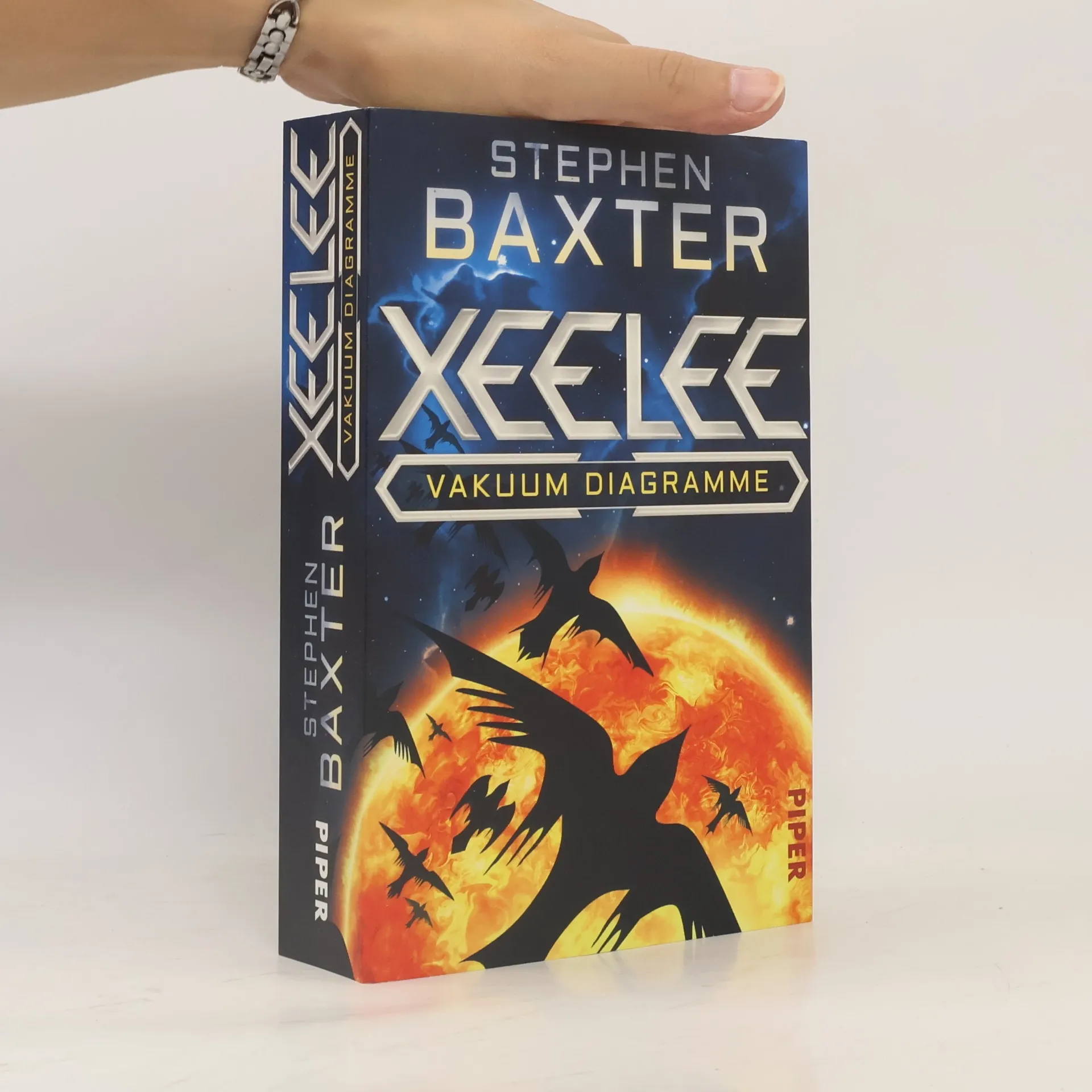
Xeelee - Vakuum Diagramme
- 656 stránok
- 23 hodin čítania
Seit Jahrtausenden führt die Menschheit einen aussichtslosen Kampf gegen die Xeelee. Doch die Geheimnisse der übermächtigen Herrscher des Alls konnten die Menschen nie ergründen. Erst im Jahr 5 Millionen in der Zukunft, im finalen Kampf um das Schicksal aller Lebewesen im Universum, offenbart sich eine furchtbare Wahrheit ... Stephen Baxter, einer der wichtigsten Science-Fiction-Autoren der Gegenwart, hat mit dieser Future History Maßstäbe gesetzt. Seine Vision vom Aufbruch der Menschen ins Weltall, dem ewigen Krieg gegen die uralte Rasse der geheimnisvollen Xeelee bis hin zum Ende des Universums fasziniert wie kaum ein anderes Werk.
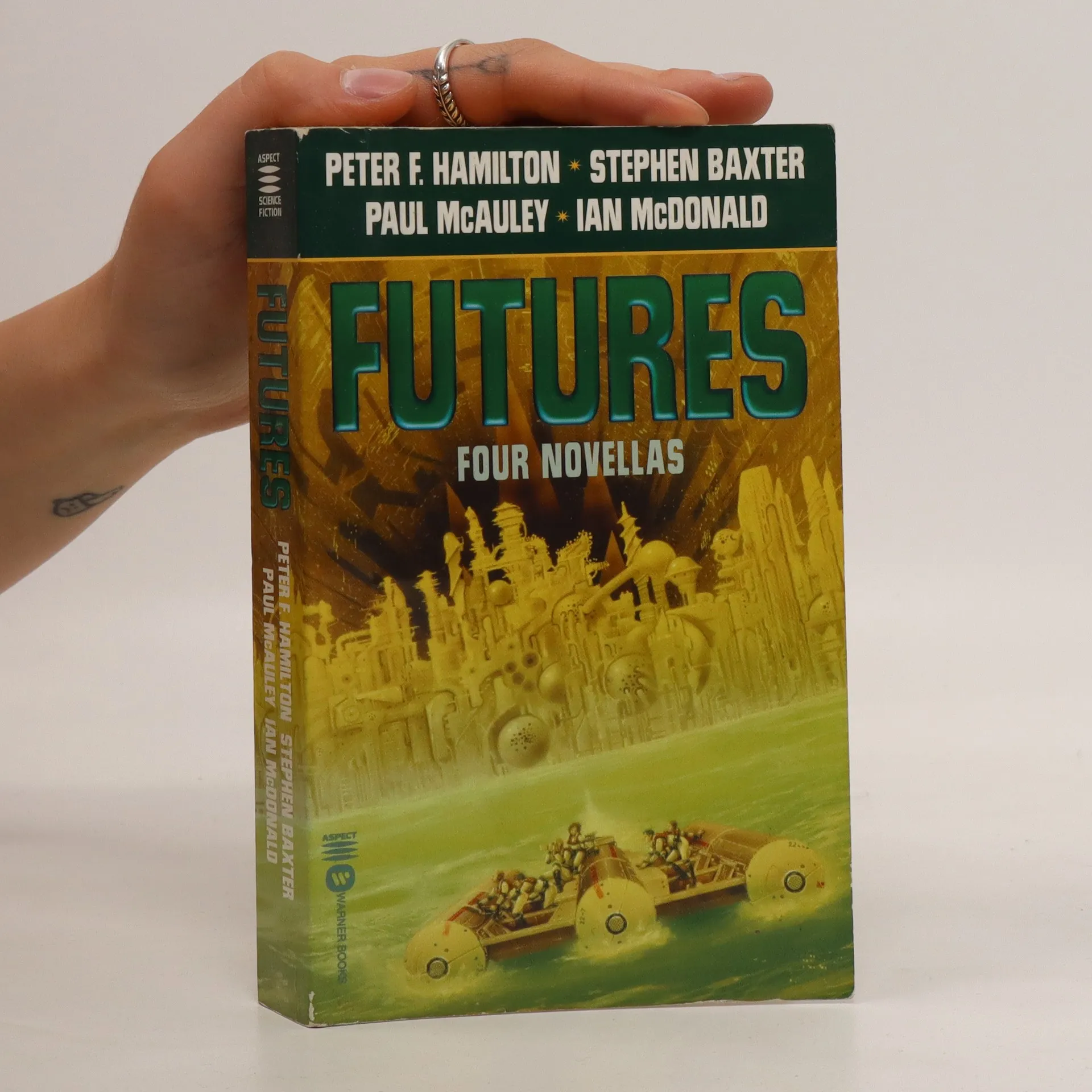
Futures. Four Novellas
- 384 stránok
- 14 hodin čítania
This collection of four novellas of humanity's struggle for survival in the far future features "Watching Trees Grow" by Peter F. Hamilton; "Reality Dust" by Stephen Baxter; "Making History" by Paul McAuley; and "Tendeleo's Story" by Ian McDonald.
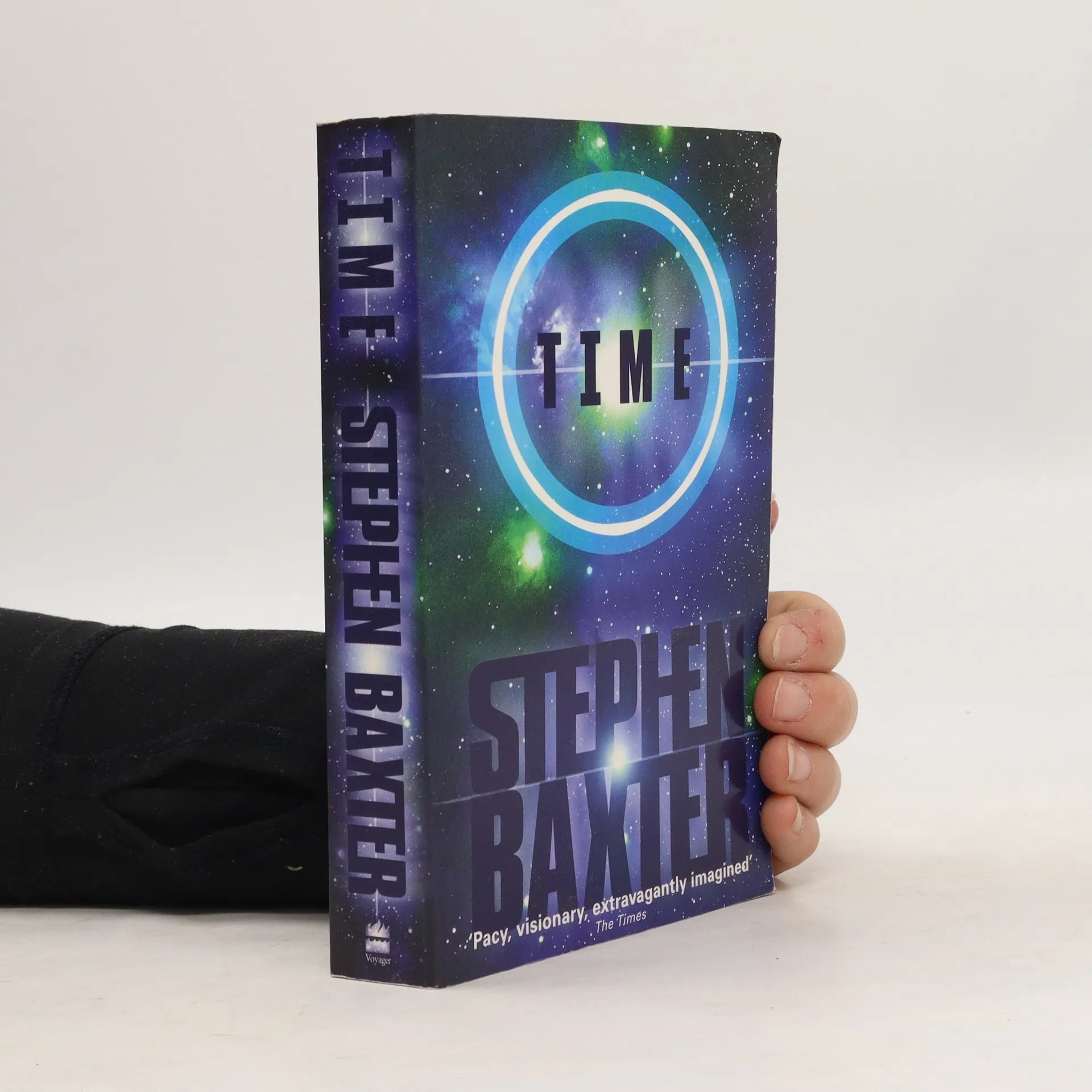
Time
- 464 stránok
- 17 hodin čítania
In the millennium's last great sf novel, Stephen Baxter takes us a short step byond Y2K. The year is 2010. We have survived ... so far.
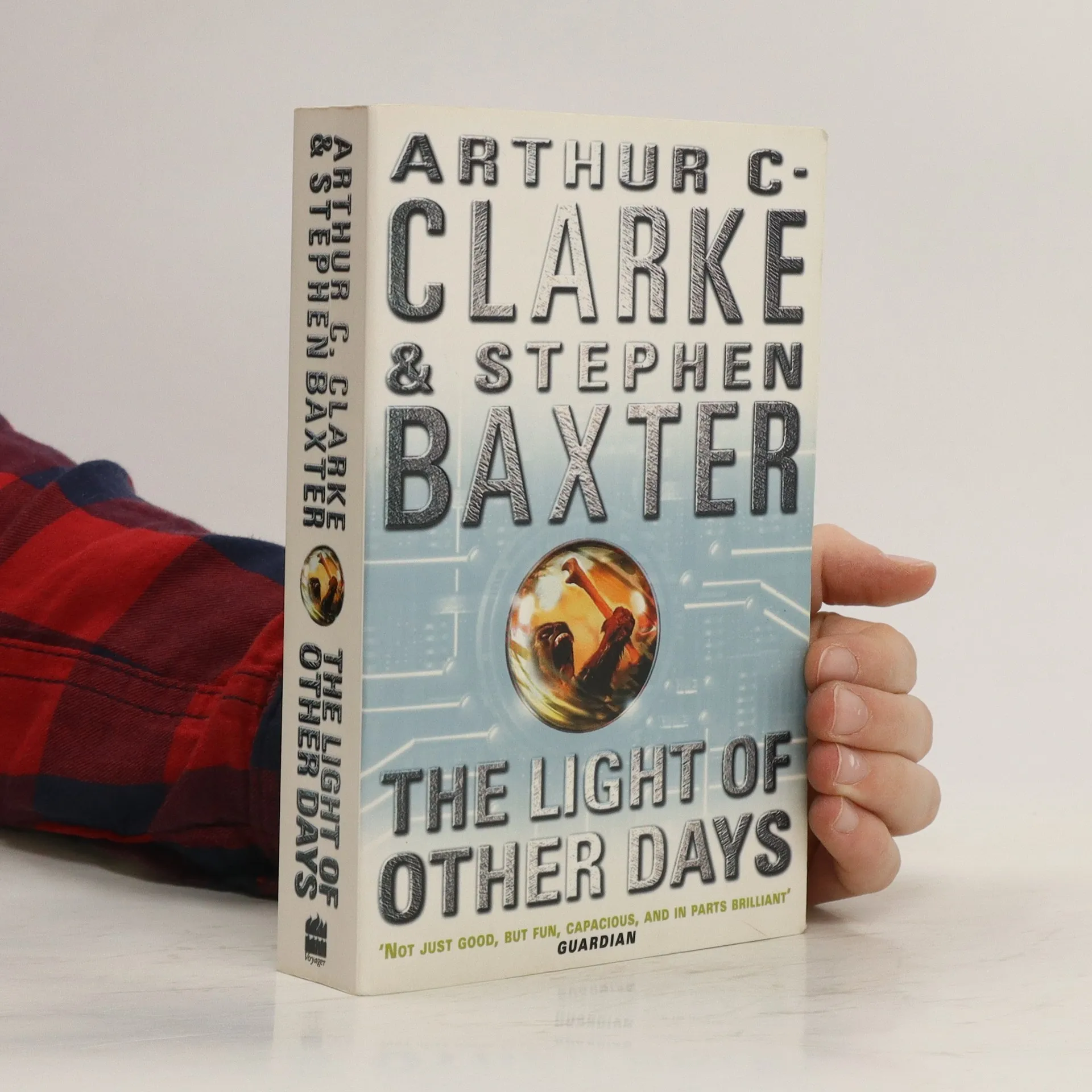
In the most exciting SF collaboration ever, Arthur C. Clarke and his universally acknowledged heir Stephen Baxter pool talent, fantastic ideas, unprecedented cosmic insights as well as page-turning plotting skills and breathlessly good writing to produce the most awesome novel of the future since 3001. 'Space is what keeps everything from being in the same place. Right?' With these words Hiram Patterson, head of the giant media corporation OurWorld, launches the greatest communications revolution in history. With OurWorld's development of wormhole technology, any point in space can be connected to any other, faster than the speed of light. Realtime television coverage is here: earthquakes and wars, murders and disasters can be watched, exactly as they occur, anywhere on the planet. Then WormCams are made to work across time as well as space. Humanity encounters itself in the light of other days. We witness the life of Jesus, go to the premiere of Hamlet, solve the enigmas that have baffled generations. Blood spilled centuries ago flows vividly once more - and no personal treachery or shame can be concealed. But when the world and everything in it becomes as transparent as glass and there are no more secrets, people find new ways to gain vengeance and commit crime, and Hiram Patterson finds new ways to keep his Machiavellian schemes secret.
Following the success of previous anthologies, popular editor Mike Ashley has curated a collection of over twenty new stories from acclaimed writers, including Stephen Baxter, Peter Tremayne, and Margaret Frazer. This anthology features regal detectives and victims such as Mary Queen of Scots, George IV, and Princess Anastasia of Russia, among others. The stories include intriguing titles like "The Snows of Saint Stephen" by M.G. Owen, "Night's Black Agents" by Peter Tremayne, and "Accidental Death" by Tom Holt. Readers will encounter historical mysteries such as "The White Ship Murders" by Susanna Gregory and "Who Killed Fair Rosamund?" by Tina & Tony Rath. Other contributions include "Provenance" by Liz Holliday, "A Frail Young Life" by Renee Vink, and "Perfect Shadows" by Edward Marston. Additionally, tales like "Borgia by Blood" by Claire Griffen and "The Curse of the Unborn Dead" by Derek Wilson delve into darker themes, while "The Gaze of the Falcon" by Andrew Lane and "Natural Causes" by Martin Edwards offer unique twists. This anthology promises a captivating blend of historical intrigue and mystery, showcasing the talents of both established and emerging writers in the genre.
Moonseed
- 672 stránok
- 24 hodin čítania
It Eats Planets. And It's Here. It starts when Venus explodes into a brilliant cloud of dust and debris, showering Earth with radiation and bizarre particles that wipe out all the crops and half the life in the oceans, and fry the ozone layer. Days later, a few specks of moon rock kicked up from the last Apollo mission fall upon a lava crag in Scotland. That's all it takes . . .Suddenly, the ground itself begins melting into pools of dust that grow larger every day. For what has demolished Venus, and now threatens Earth itself, is part machine, part life-form: a nano-virus, dubbed Moonseed, that attacks planets.Four scientists are all that stand between Moonseed and Earth's extinction, four brilliant minds that must race to cut off the virus and save what's left of Earth--a pulse-stopping battle for discovery that will lead them from the Earth's inner core to a daredevil Moon voyage that could save, or damn, us all.
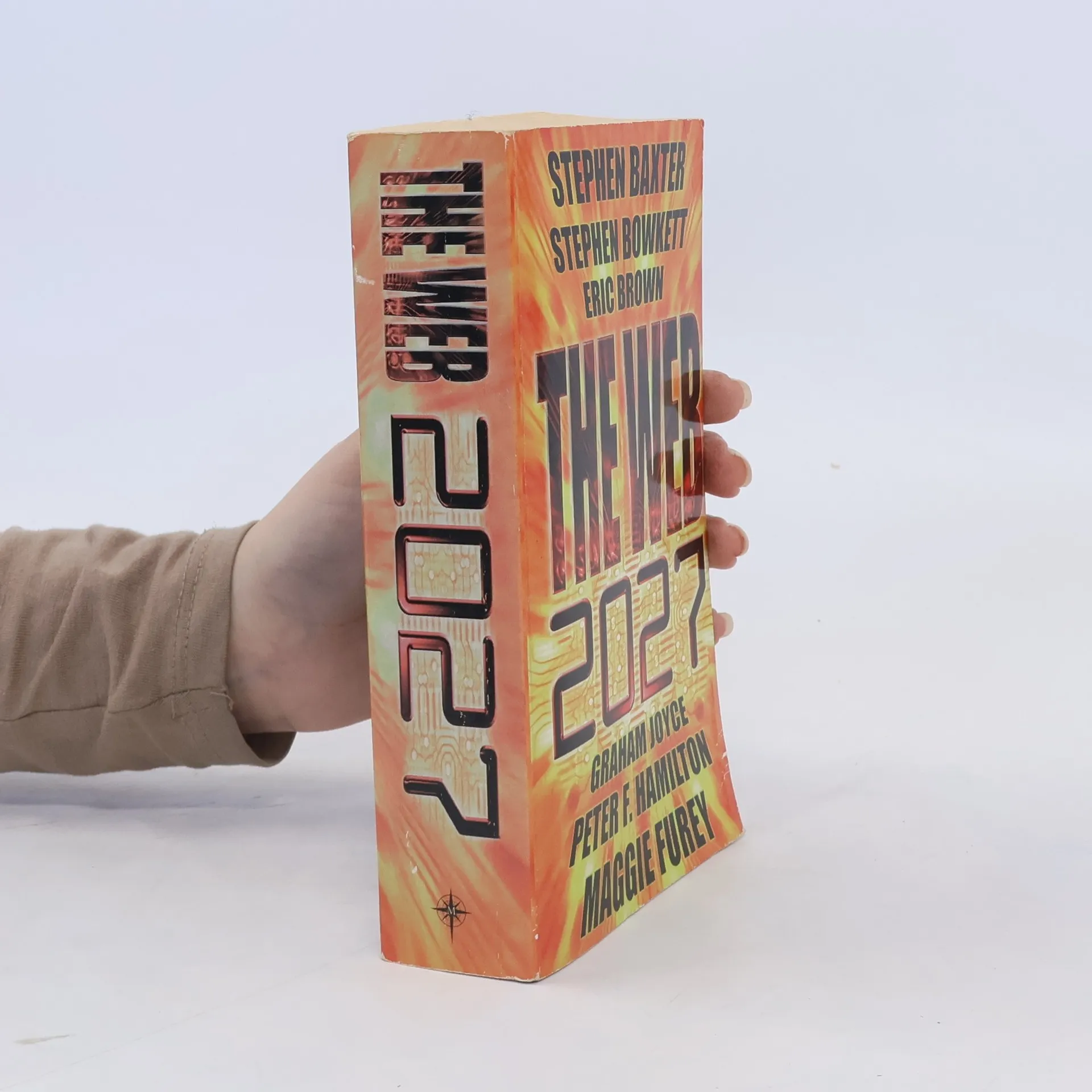
Web 2027
- 568 stránok
- 20 hodin čítania
THE WEB: 2027 depicts a world very different from ours. Life is dominated by the Web - a global cybernetwork of virtual worlds. And no-one's lives are dominated more than the children's - most of their schooling is in the Web and nearly all their leisure time is spent there. The Web has become big business. But there are pressure groups who see its influence as insidious, evil even. The actions of one ageing technocrat are about to make the worst fears of the doomsayers come true. And the children of the world are in the front line.
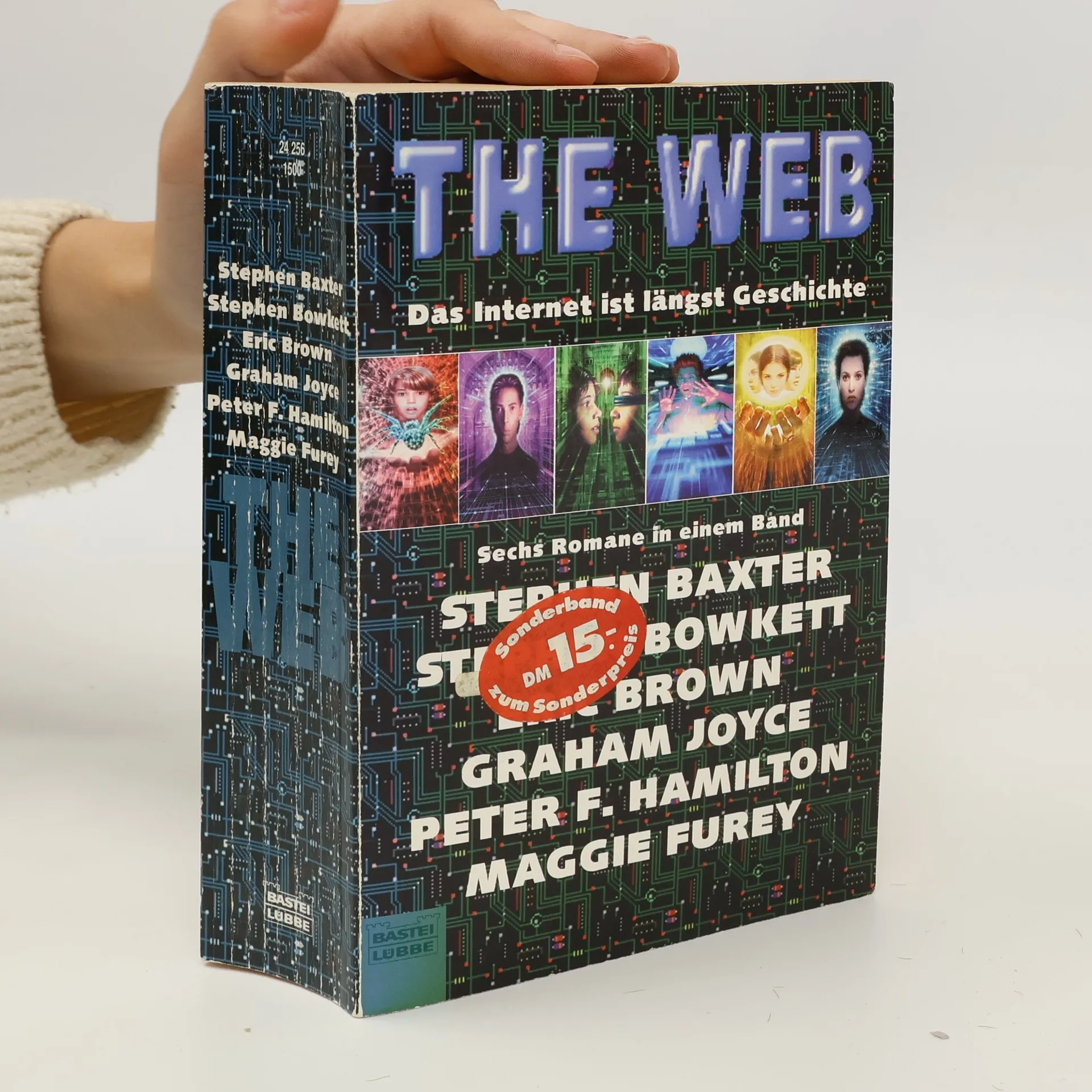
The Web - 6 Romane in einem Band
- 682 stránok
- 24 hodin čítania
DAS JAHR 2027 beschreibt eine Welt, die sehr anders ist als unsere. Das Leben wird vom Web dominiert - einem globalen Cybernetzwerk virtueller Welten. Und niemandes Leben wird mehr beherrscht als das der Kinder - der Großteil ihrer Schulbildung findet im Web statt und fast ihre gesamte Freizeit verbringen sie dort. Das Web ist zu einem großen Geschäft geworden. Doch es gibt Interessengruppen, die seinen Einfluss als heimtückisch, sogar als böse ansehen. Die Handlungen eines alternden Technokraten stehen kurz davor, die schlimmsten Ängste der Weltuntergangspropheten wahr werden zu lassen. Und die Kinder der Welt stehen an vorderster Front.
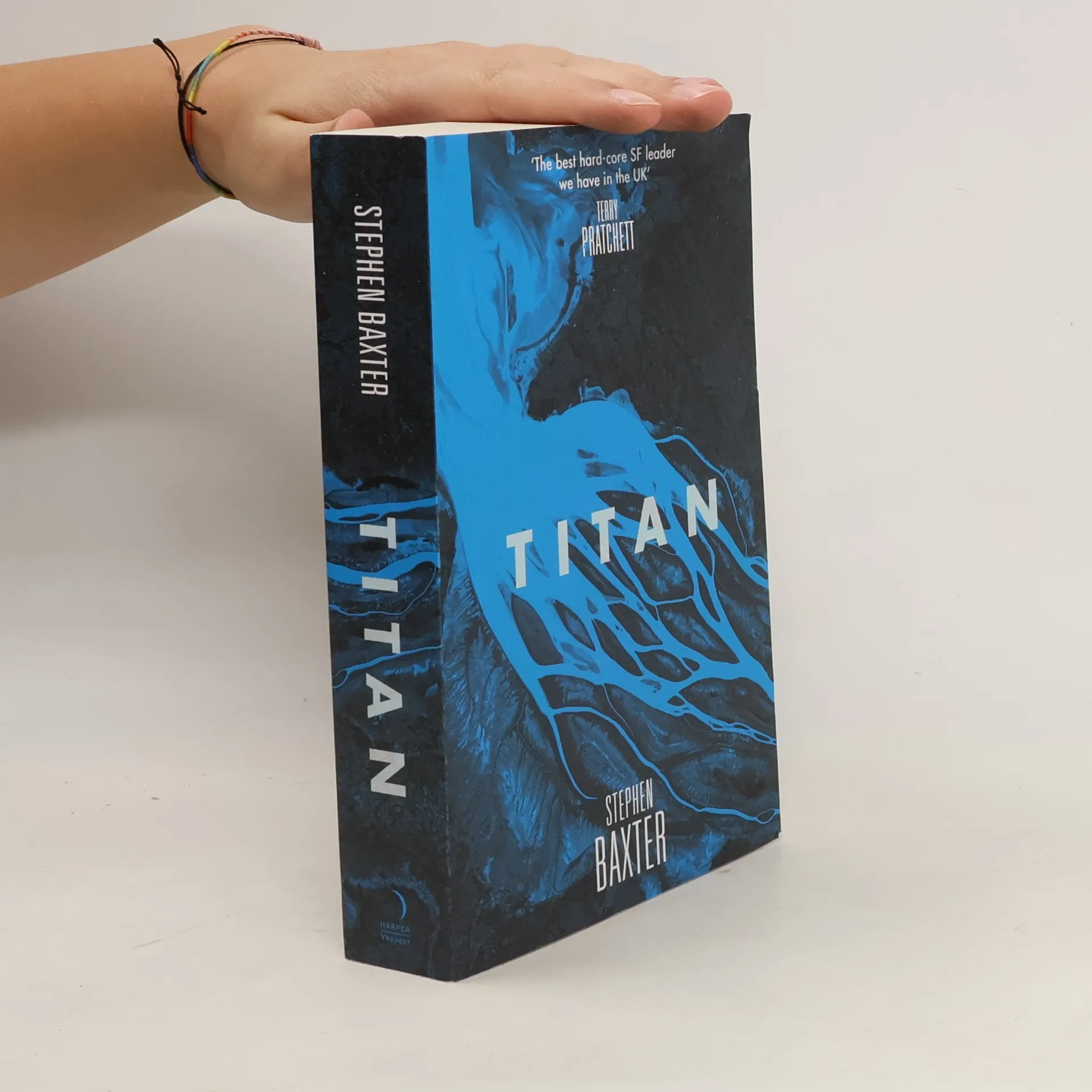
Titan
- 592 stránok
- 21 hodin čítania
Signs of life have been found on Titan, Saturn's largest moon.
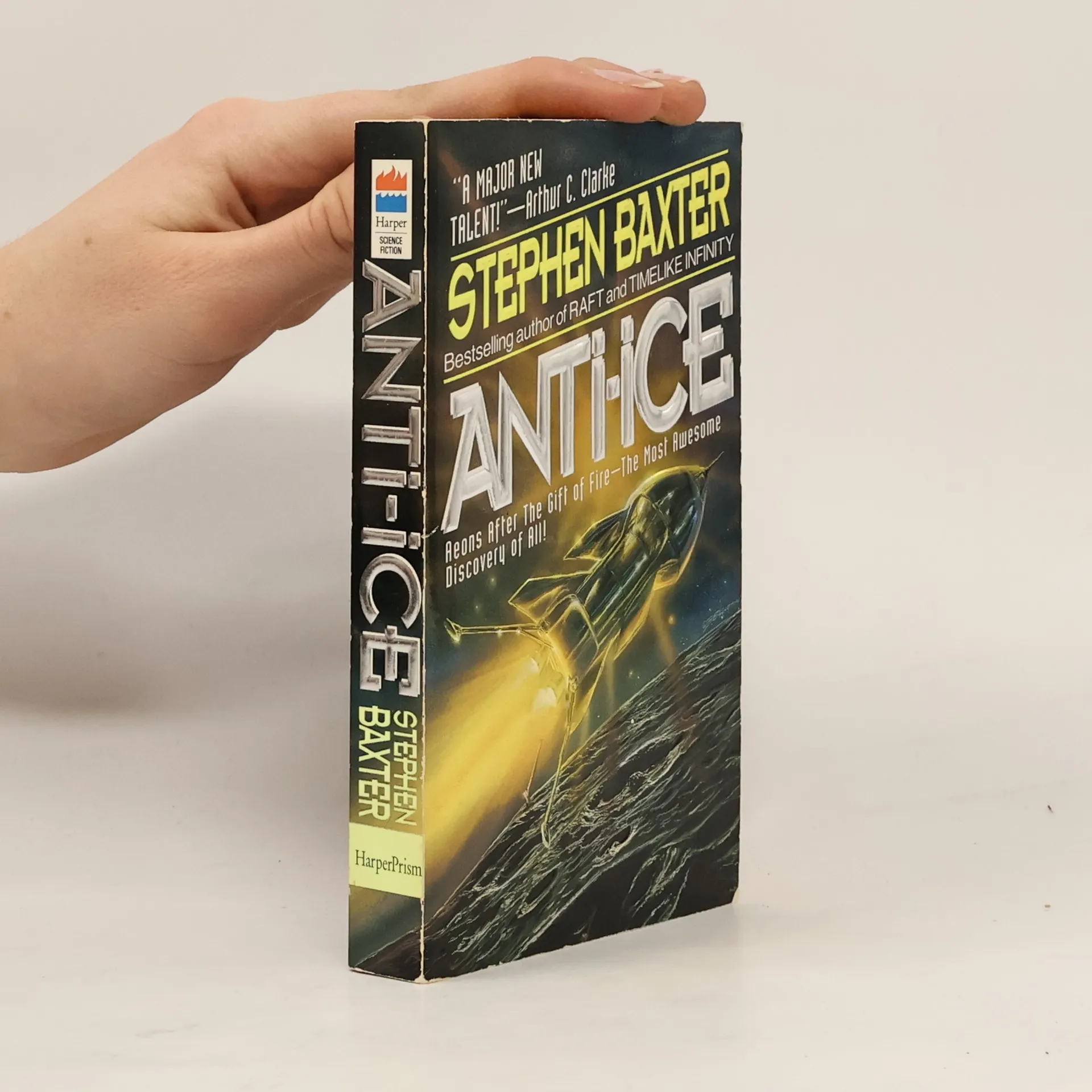
A new element has been discovered in a hidden vein near the South Pole. Anti-ice is harmless until warmed, when it releases vast energies that promise new wonders and threaten new horrors beyond humankind's wildest dreams.
Voyage
- 788 stránok
- 28 hodin čítania
Ring
- 516 stránok
- 19 hodin čítania
Michael Poole's wormholes constructed in the orbit of Jupiter had opened the galaxy to humankind. Then Poole tried looping a wormhole back on itself, tying a knot in space and ripping a hole in time. It worked. Too well. Poole was never seen again. Then from far in the future, from a time so distant that the stars themselves were dying embers, came an urgent SOS--and a promise. The universe was doomed, but humankind was not. Poole had stumbled upon an immense artifact, light-years across, fabricated from the very string of the cosmos. The universe had a door. And it was open...
Asimov's Science Fiction 1/1996
- 60 stránok
- 3 hodiny čítania
Now a dozen years old, the award-winning collection continues to provide dozens of the best stories of the year, including work by renowned veterans and exciting newcomers, including Stephen Baxter, Michael Bishop, Terry Bisson, Pat Cadigan, Greg Egan, Eliot Fintushel, Michael F. Flyn, Lisa Goldstein, Jose Haldemnan, Katherine Kerr, Nancy Kress, Ursula K. Le Guin, Maureen F. McHugh, Robert Reed, Mike Resnick, Mary Rosenblum.
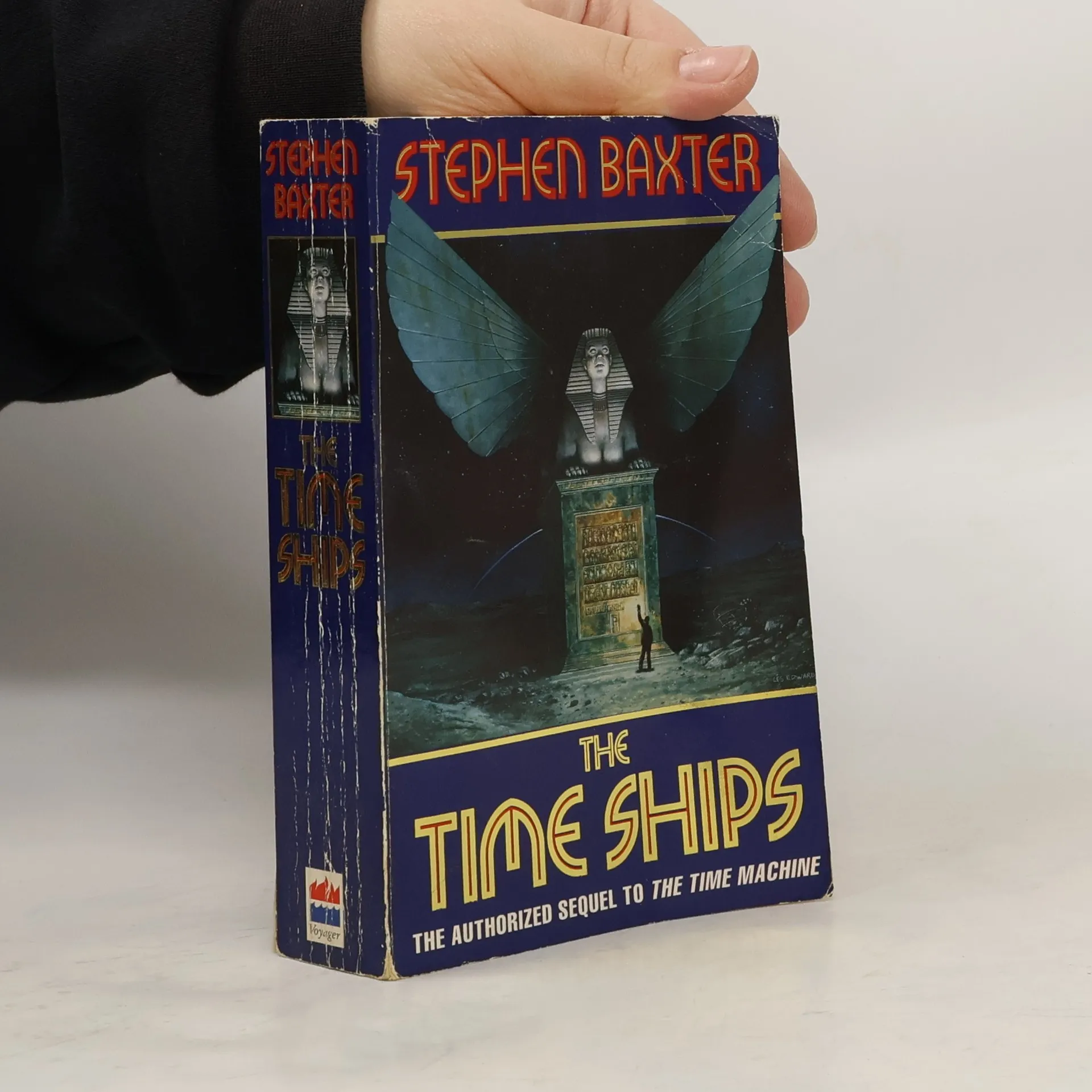
The Time Ships
- 496 stránok
- 18 hodin čítania
Hoping to rescue his Eloi friend Weena from the carnivorous clutches of the Morlocks, the heroic Victorian time traveller sets out to return to the year AD 802,701. He never arrives.
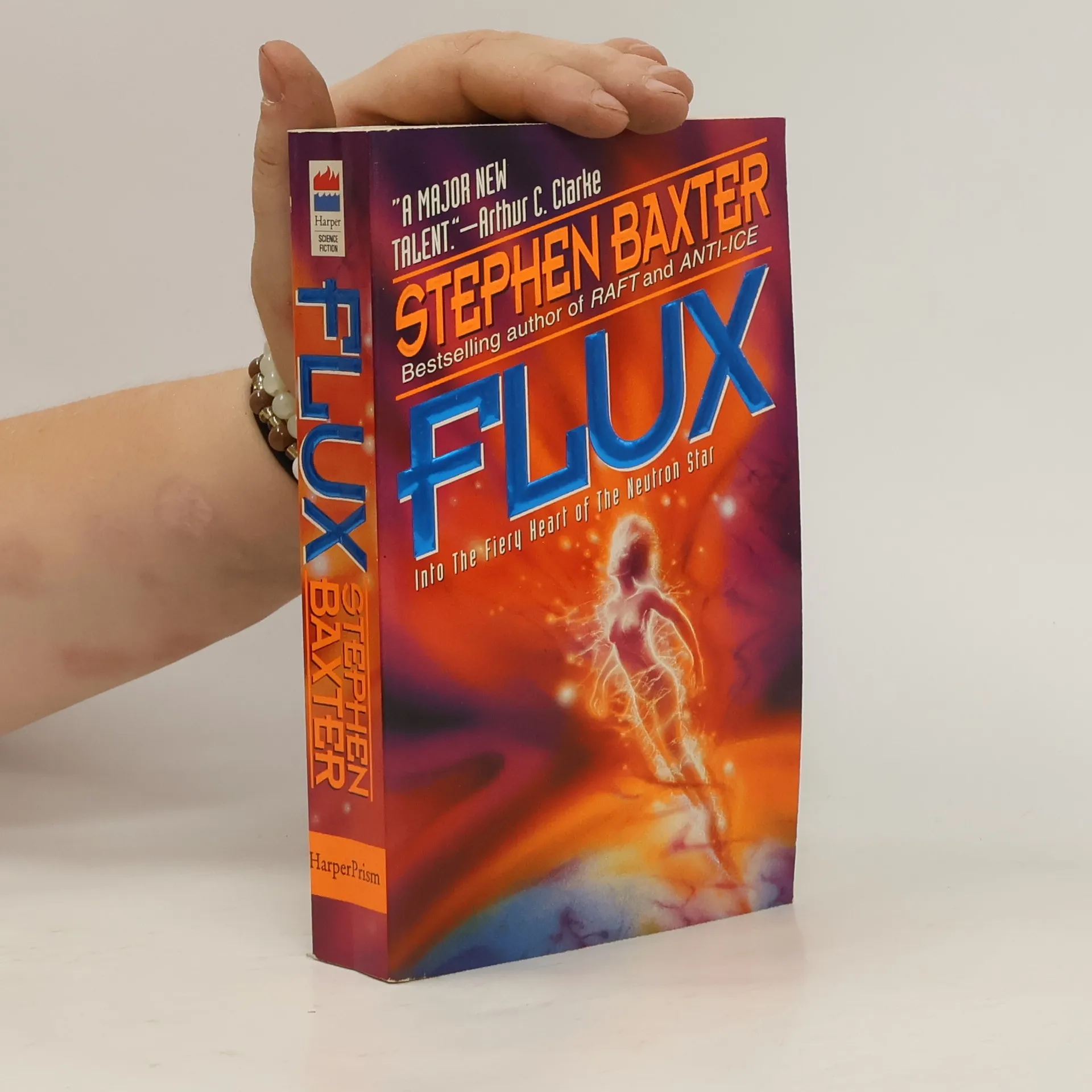
Flux
- 416 stránok
- 15 hodin čítania
Imagine a race of submicroscopic humans, genetically to live in the universe's most hostile environment, the turbulent superfluid mantle of a neutron star. Imagine that the memory of the superbeings who created them has been kept alive from generation to generation. Now imagine the most incredible family reunion in history--and you're ready for the latest mind-expanding adventure from the dazzling new master of Hard SF
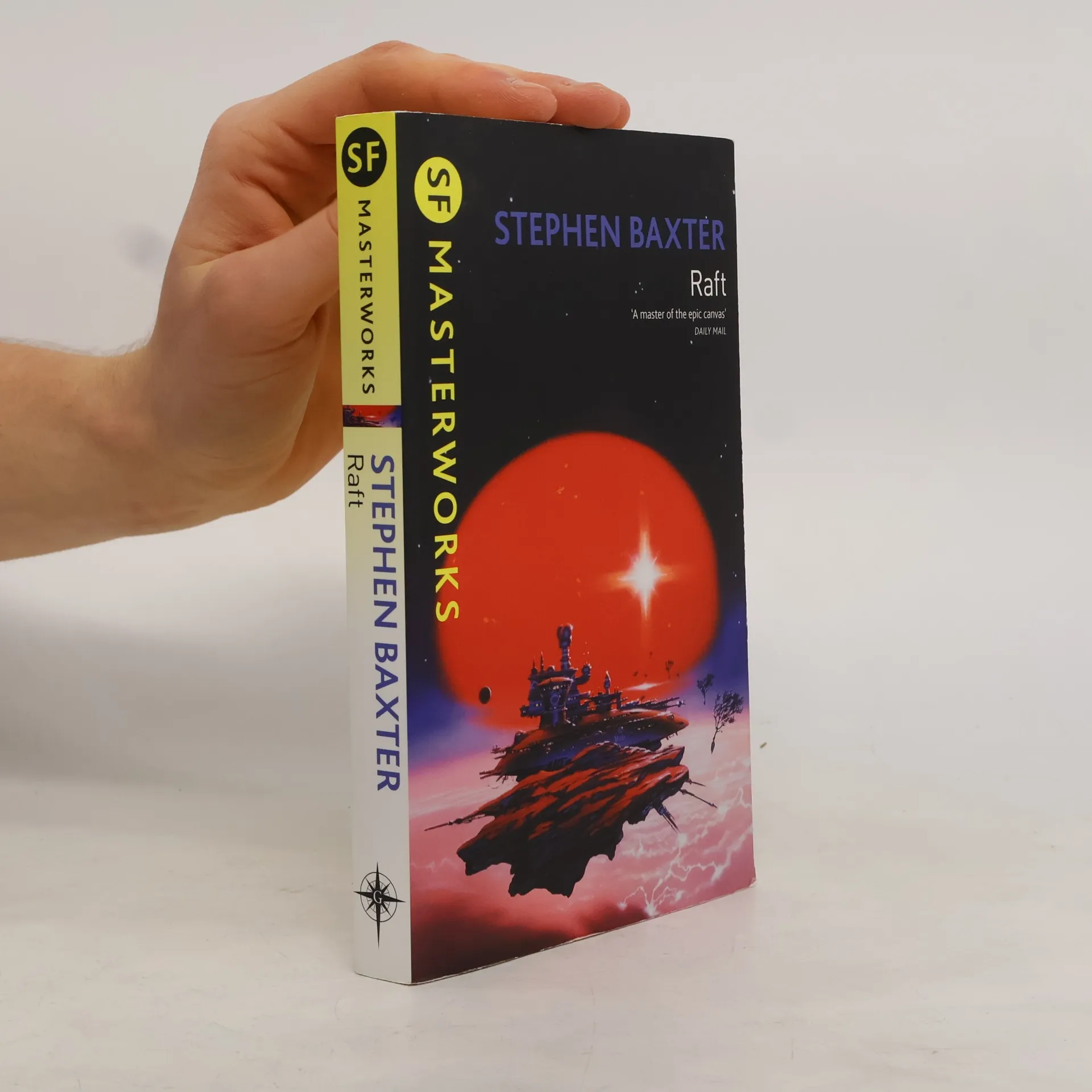
The first novel from one of the world's leading SF authors, now a SF Masterwork for the first time!
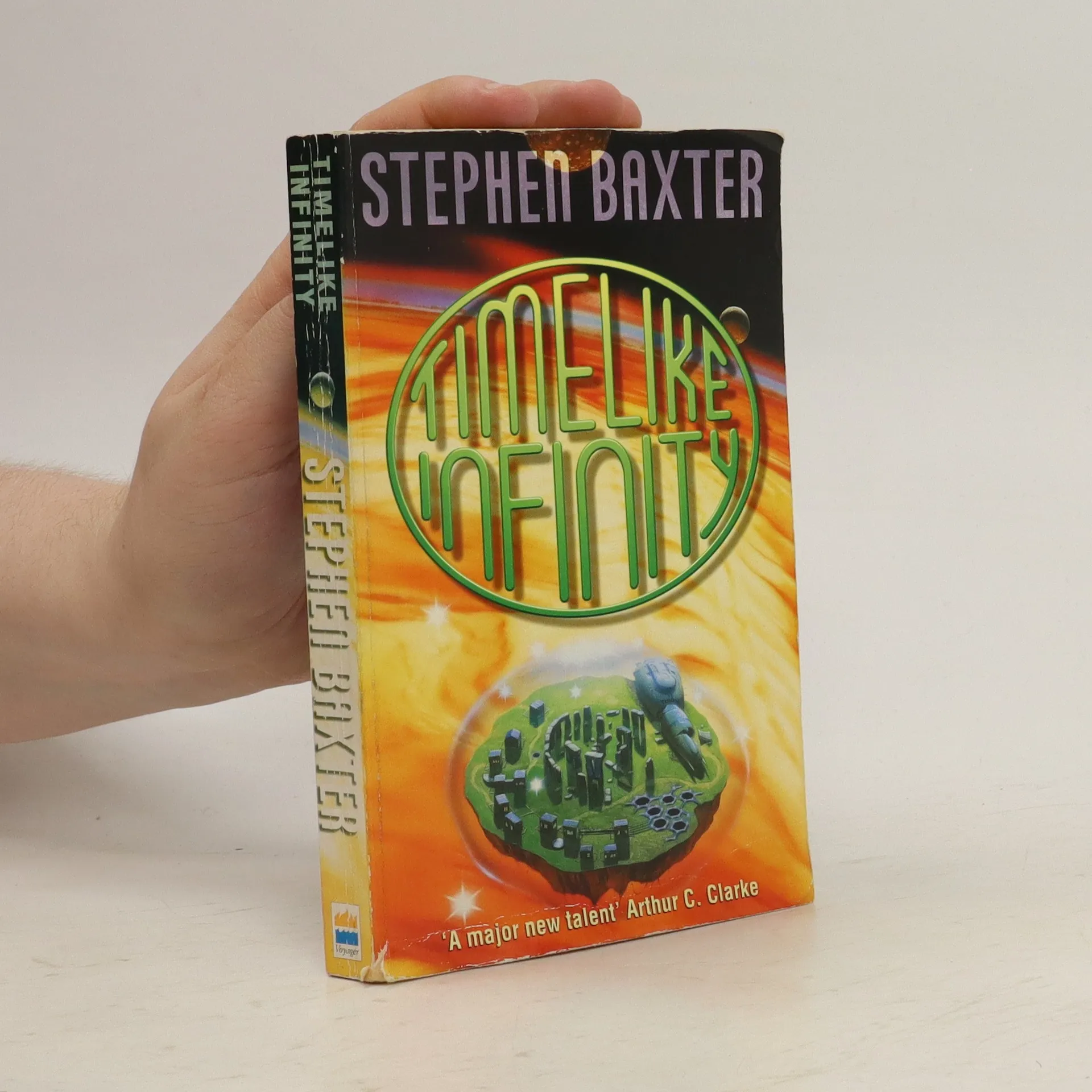
Timelike Infinity
- 256 stránok
- 9 hodin čítania
2000 years in the future, the solar system has fallen under the domination of an alien species, the Quax. But into this world appears a spaceship launched over 1500 years ago, intended to establish a link through which time travel is possible. To the humans this is a chance to reverse time.