

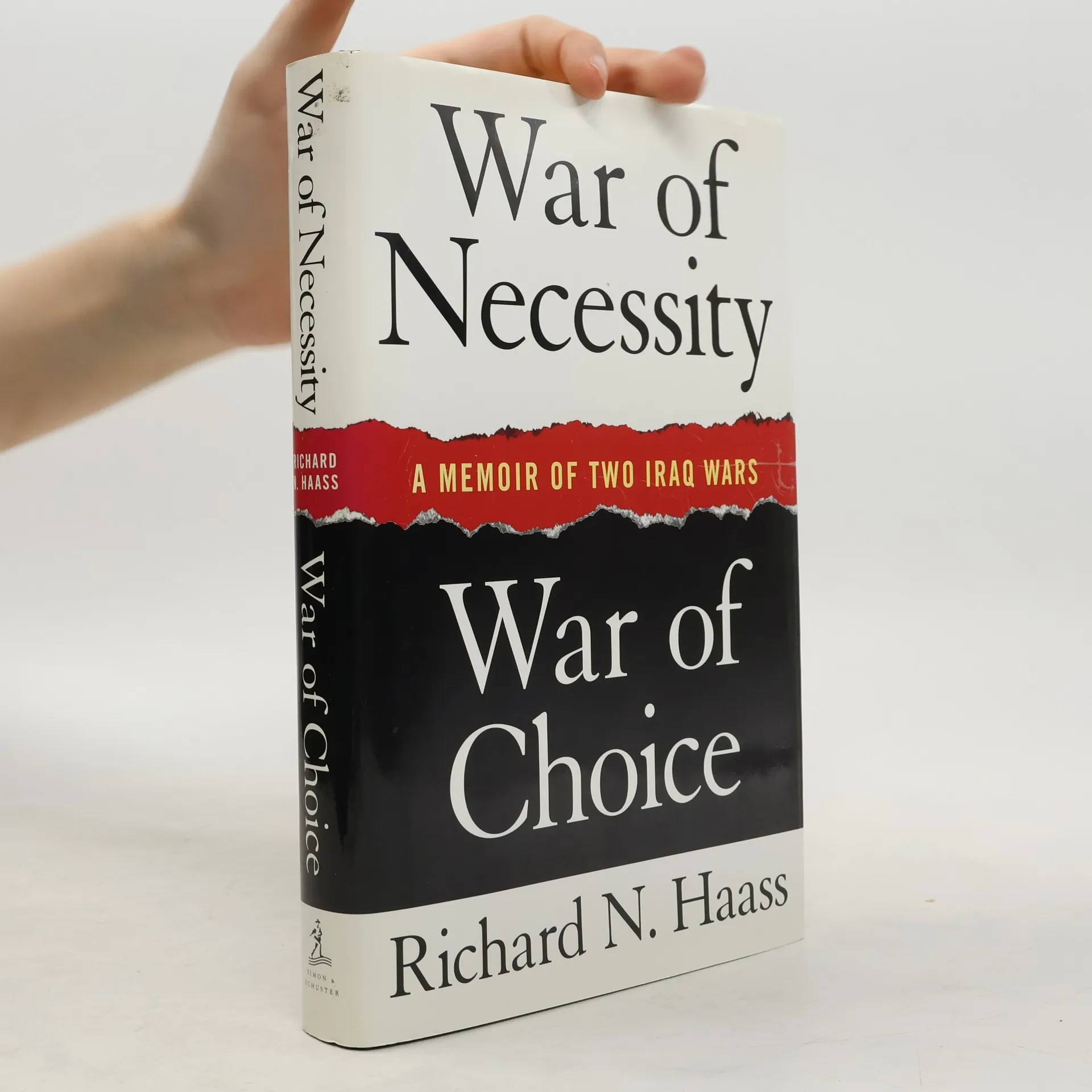
A president of the Council on Foreign Relations compares the reasons behind the two Middle-East wars during the Bush administrations, drawing on senior-level interviews to argue that the first war was warranted while the second was not, in a critical assessment that examines U.S. policy today and what the author believes that policy should seek.
Richard Haass Knihy
28. júl 1951
Dr. Richard Nathan Haass je uznávaný autor, ktorý sa venuje americkej zahraničnej politike a medzinárodným vzťahom. Jeho diela sa často zameriavajú na analýzu zložitých globálnych výziev a ponúkajú hlboký vhľad do formovania a uskutočňovania zahraničnej politiky. Haassov štýl písania je známy svojou jasnosťou a analytickou hĺbkou, vďaka čomu sú jeho práce prístupné odborníkom aj širokej verejnosti. Jeho písanie vychádza z rozsiahlych skúseností v oblasti diplomacie a medzinárodnej politiky, čo mu umožňuje ponúkať premyslené postrehy pre lepšie pochopenie sveta.
The World : A Brief Introduction
- 400 stránok
- 14 hodin čítania
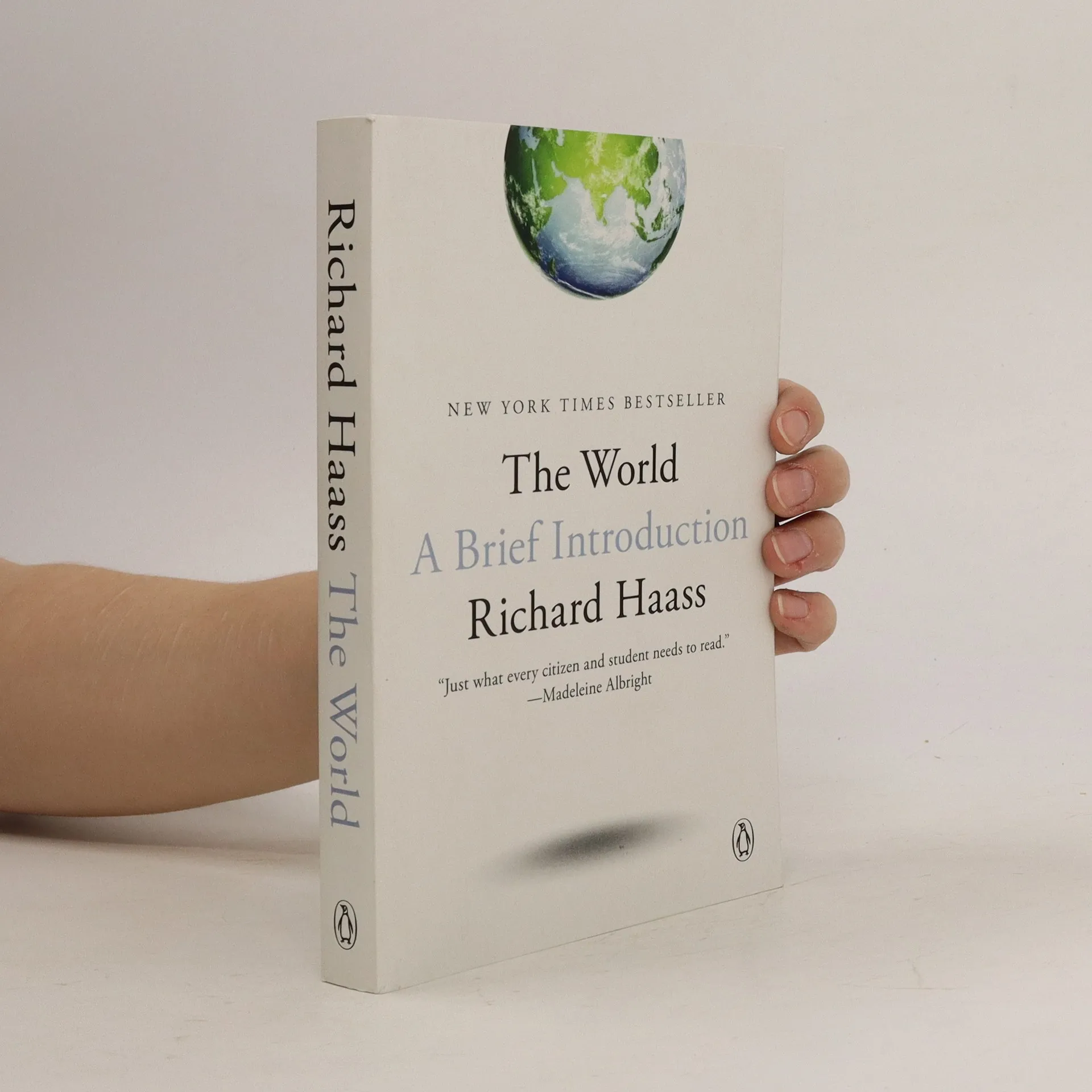
The New York Times Bestseller “A superb introduction to the world and global issues. Richard Haass has written something that is brief, readable, and yet comprehensive—marked throughout by his trademark intelligence and common sense.” —Fareed Zakaria An invaluable primer from Richard Haass, president of the Council on Foreign Relations, that will help anyone, expert and non-expert alike, navigate a time in which many of our biggest challenges come from the world beyond our borders. We live in a global era, in which what happens thousands of miles away often affects our lives. Although the United States is bordered by two oceans, those oceans are not moats. And the so-called Vegas rule—what happens there stays there—does not apply. Globalization can be both good and bad, but it is not something that individuals or countries can opt out of. The choice we face is how to respond. The World focuses on history, what makes each region of the world tick, the many challenges globalization presents, and the most influential countries, events, and ideas, to provide readers with the background they need to make sense of this complicated and interconnected world.
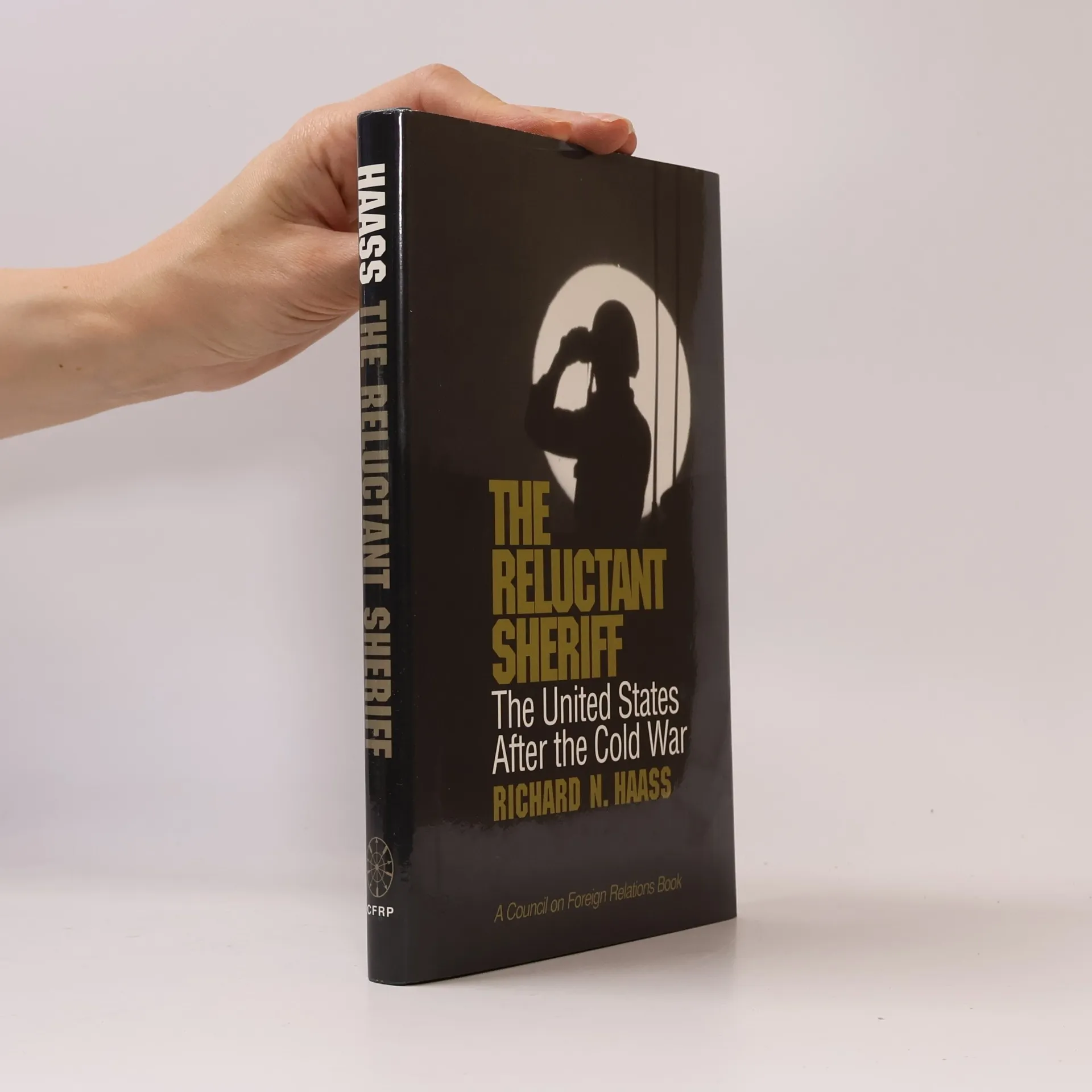
The Cold War came to an end in 1989 - and still there is no name for the present era, much less an American foreign policy to replace the now obsolete doctrine of containment. The Reluctant Sheriff by foreign policy expert Richard Haass fills this void. It is the first book both to provide a comprehensive understanding of the post-Cold War world and a compass to help the United States navigate it. The author proposes that the United States adopt a new foreign policy - "regulation" - and work to promote order in an often unruly world. To do this, the United States will frequently need to assume the role of global sheriff, one who forges coalitions or posses of states and other entities for specific tasks, much as was done during Operation Desert Storm. American unilateral action will rarely be a viable option; alliances and international organizations will be able to play a useful but limited role.