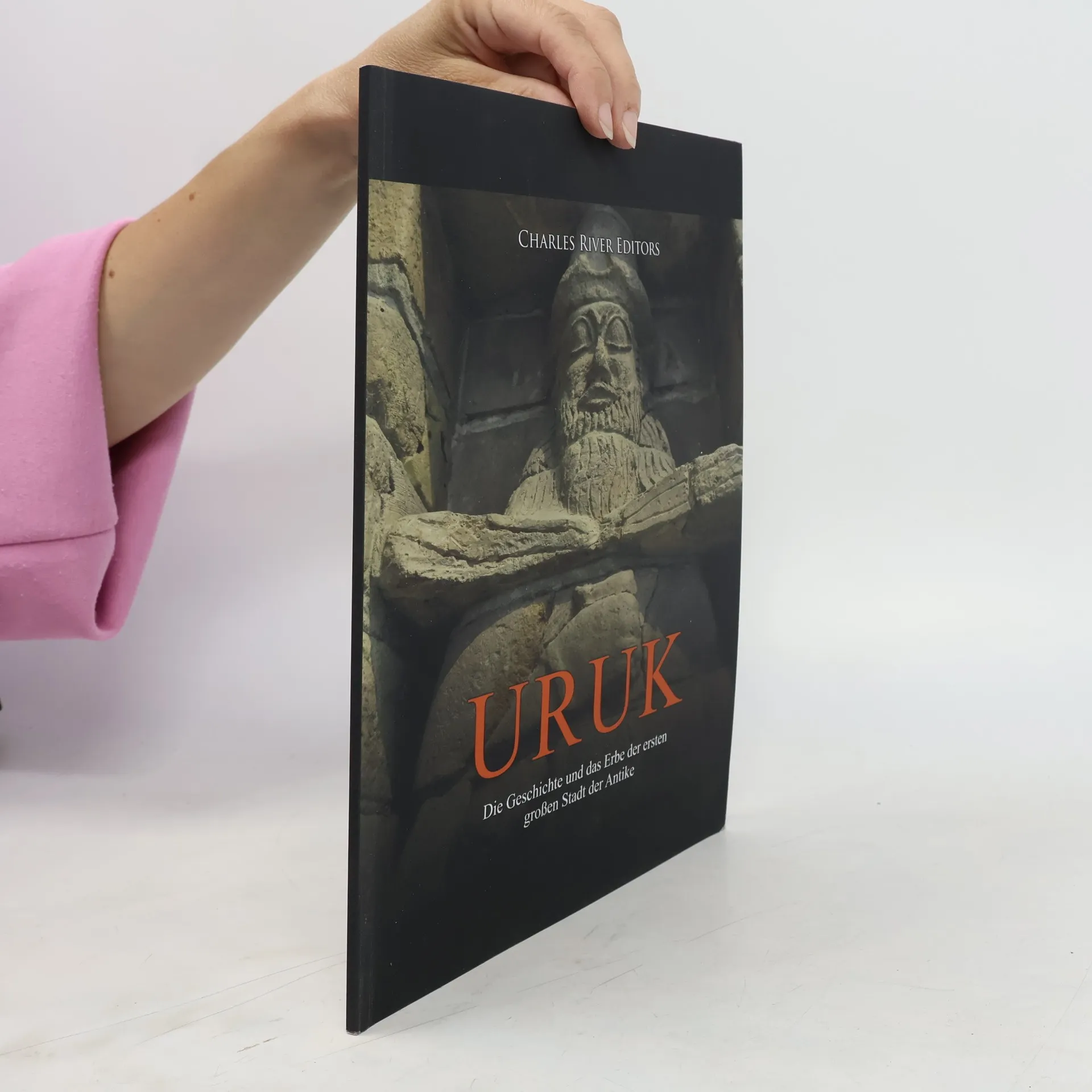
Im Südirak, wo die Stille über den Dünen herrscht, liegen die Überreste der Sumerer, der ältesten bekannten Zivilisation, seit fast 5.000 Jahren im Sand. Ende des 19. Jahrhunderts entdeckten amerikanische Archäologen Keilschrifttafeln, die eine unbekannte Sprache und ein Volk offenbarten, das den meisten Gelehrten des alten Mesopotamiens unbekannt war. Während die Errungenschaften anderer mesopotamischer Völker wie der Assyrer und Babylonier weithin bekannt waren, brachte die Entdeckung der sumerischen Tafeln die Kultur ans Licht, die die Grundlage für alle späteren mesopotamischen Zivilisationen bildete. Den Sumerern wird die Erfindung der Schrift, Bibliotheken, Städte und Schulen zugeschrieben, was sie möglicherweise zum ersten Volk machte, das solche Innovationen hervorbrachte. Trotz ihrer bedeutenden Beiträge zur Zivilisation blieben die Sumerer oft im Schatten ihrer Nachfolger, da sie nie ein großes Reich oder eine beeindruckende Stadt wie Babylon errichteten. Ihre Errungenschaften in Politik, Kunst, Literatur und Religion prägten jedoch über Jahrhunderte den kulturellen Ton in Mesopotamien. Auch heute noch hat die Welt den Sumerern viel zu verdanken; sie erfanden das Rad, teilten die Zeit und schufen Handelswege, deren Einfluss in vielen Ursprungsgeschichten und im Alten Testament weiterlebt. Ihr Erbe ist in der gesamten Zivilisation spürbar.
Charles River Editors Poradie kníh (chronologicky)
Tento autor je známy svojím rozsiahlym dielom a je vydavateľom tisícok elektronických kníh na rôznych platformách. Jeho práca zahŕňa širokú škálu tém a je dostupná pre čitateľov po celom svete. Ponúka originálny obsah pre rôzne tretie strany a prispieva k digitálnemu knižnému trhu.



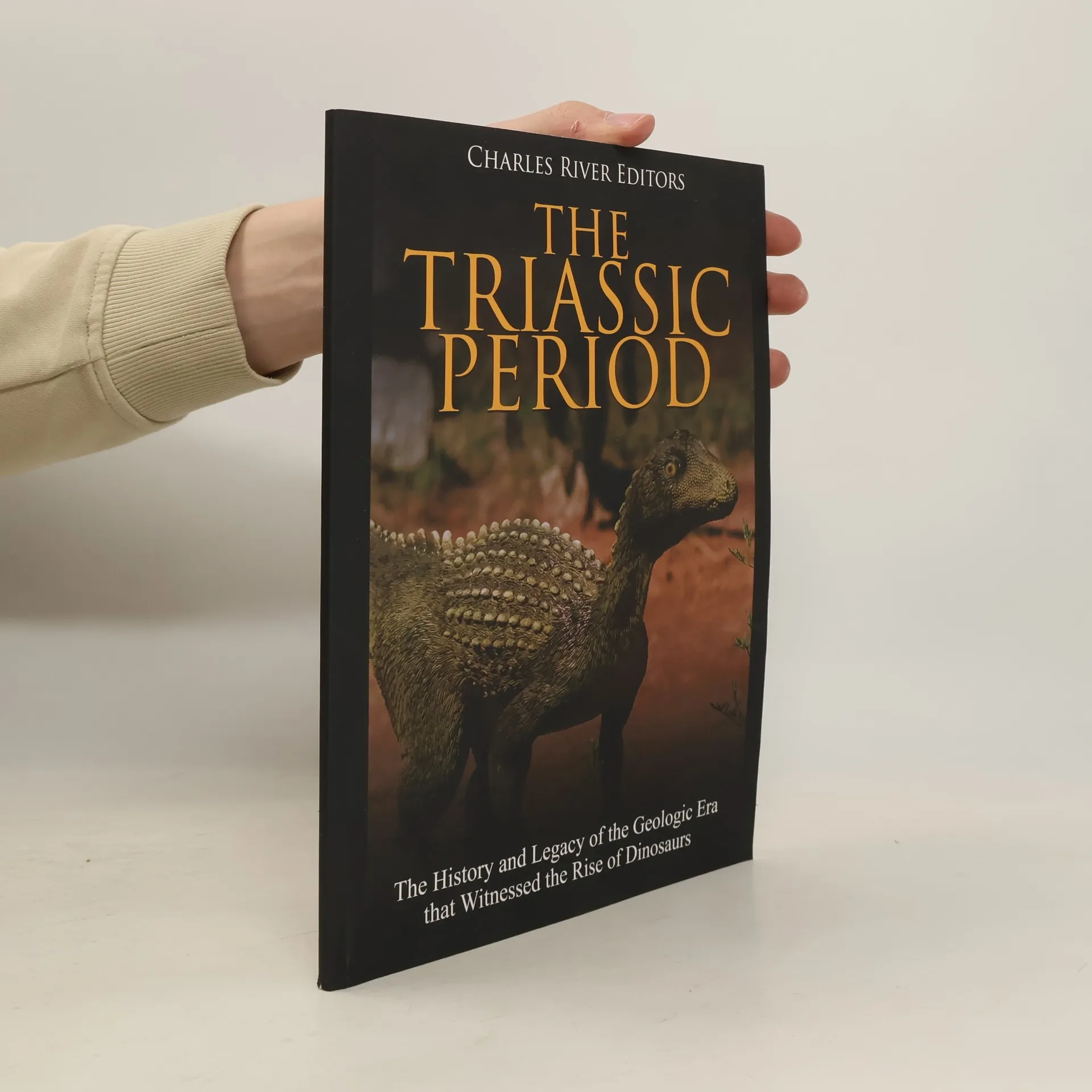


The Triassic Period
The History and Legacy of the Geologic Era That Witnessed the Rise of Dinosaurs
- 108 stránok
- 4 hodiny čítania
*Includes pictures *Includes a bibliography for further reading Scientists have long sought to understand Earth's history, dividing it into eons, eras, periods, epochs, and ages. The current eon, the Phanerozoic, signifies "visible life," marked by the evolution of multi-cellular organisms. This eon is divided into three eras: Paleozoic ("old life"), Mesozoic ("middle life"), and Cenozoic ("new life"). The Mesozoic era comprises three periods—Triassic, Jurassic, and Cretaceous. Prior to the Triassic, primitive life thrived in oceans, with some organisms venturing onto land during the Paleozoic. However, the Permian-Triassic mass extinction, the worst in Earth's history, drastically altered the landscape. Following another extinction at the end of the Triassic, dinosaurs emerged as dominant species in the Jurassic. Although the Triassic period may not boast as many iconic creatures as the Jurassic and Cretaceous, such as Tyrannosaurus rex and Stegosaurus, it played a crucial role in life’s recovery and evolution. The Triassic Period: The History and Legacy of the Geologic Era that Witnessed the Rise of Dinosaurs explores the era's development, preceding extinction events, and the evolution of dinosaurs in the Late Triassic, enriched with visuals of significant figures, locations, and events.
The Partition of Ireland and the Troubles
The History of Northern Ireland from the Irish Civil War to the Good Friday Agreement
- 105 stránok
- 4 hodiny čítania
*Includes pictures, online resources, and a bibliography for further reading, as well as a table of contents. The relationship between the English and the Irish is one of the most complex and enigmatic in history. Despite their geographical and historical connections, animosity often overshadows mutual regard, stemming from deep-rooted conflicts. During World War I, Ireland fought for the British Empire with enthusiasm similar to other dominions, yet simultaneously, there were plots to ally with Germany against British rule. In World War II, despite maintaining neutrality, 12,000 Irish soldiers volunteered for the British army, facing backlash upon their return. The struggle for Home Rule and Irish independence has been one of the most divisive issues in British history, with Northern Ireland's quest for secession or union remaining contentious. This duality of love and hate is reflected in cultural expressions like the song “Danny Boy,” which can evoke tears from both sides. The imperialist tendencies of the English have contributed to this relationship, creating a legacy of alienation not only with the Irish but also with the Scots and Welsh. The Partition of Ireland and the ensuing Troubles illustrate the tumultuous history surrounding Northern Ireland's creation and the conflicts arising from partition, revealing the intricate dynamics of this Anglo-Irish relationship.
East Germany
The History and Legacy of the Soviet Satellite State Established After World War II
- 150 stránok
- 6 hodin čítania
Esta es la historia de la Santa Muerte, culto de crisis; remix de catolicismo, kermesse y New Age; un culto hedonista pero tambien de sacrificio corporal; reflejo de fuerzas economicas, psicologicas y sociales mas amplias de lo que tal vez ninguno de sus acolitos sospecha."
Prominent Algonquian Tribes
The History of the Shawnee, Cheyenne, Arapaho, Chippewa, and Blackfeet
- 204 stránok
- 8 hodin čítania
*Includes pictures *Includes accounts of the tribes written by contemporaries *Includes bibliographies for further reading *Includes a table of contents Throughout the 19th century, American settlers encountered diverse tribes, leading to significant conflicts across the Western frontier, from the Great Plains to the Southwest. Notable leaders like Geronimo and Sitting Bull emerged during this tumultuous period, with Sitting Bull's victory at Little Bighorn marking a traumatic moment in U.S. history. Tecumseh, a prominent Shawnee leader, sought to establish a Native American nation east of the Mississippi River post-American Revolution. The Cheyenne, a significant tribe on the Great Plains, transitioned from agriculture to a nomadic lifestyle, influencing American history and engaging in critical battles, including Little Bighorn. Similarly, the Arapaho evolved from sedentary agriculture to nomadism, forming alliances with the Sioux and Cheyenne amid westward expansion. The Sand Creek Massacre of 1864 highlighted the violent consequences of these tensions. The Chippewa, while less recognized outside the Midwest, played a crucial role in early European exploration and fur trading around the Great Lakes. The Blackfeet's territory extended across Alberta and Montana, with the Sweet Grass Hills holding sacred significance in their culture, serving as a site for vision quests and inscribed petroglyphs, reflecting their rich history
The 27 Club
The Lives and Legacies of Jimi Hendrix, Janis Joplin, Jim Morrison, and Kurt Cobain
- 138 stránok
- 5 hodin čítania
*Includes pictures. *Includes the stars' own quotes about their lives and careers. *Includes suggested playlists and analyses of their music. *Includes bibliographies for further reading. In music, consensus on greatness is rare, but when it comes to guitar mastery and the psychedelic era, Jimi Hendrix (1942-1970) stands out as unparalleled. His revolutionary sound and electric guitar skills set him apart, making him a pivotal figure in genres like blues and heavy metal. Hendrix's influence remains unmatched, as noted by Pete Townshend, who acknowledged the impossibility of rivaling Hendrix's talent. Janis Joplin, born in 1943, emerged as a striking contrast to the traditional female music archetype of her time. Her raw, authentic blues singing defied norms and captivated audiences, marking her as a unique force in the 1960s music scene. Tragically, she, along with Hendrix and Jim Morrison, who died at 27, became part of the infamous "27 Club," a group of rock stars who succumbed to substance abuse. Morrison, the charismatic frontman of The Doors, transformed rock music with his provocative poetry and haunting voice, challenging societal norms. Kurt Cobain's "Smells Like Teen Spirit" heralded the grunge movement of the 1990s, resonating with disaffected youth and capturing a cultural shift. Grunge became a defining sound and aesthetic of the decade, even as Cobain grappled with the pressures of fame.
American Legends
- 56 stránok
- 2 hodiny čítania