Pyataya volna 1. 2024
- 206 stránok
- 8 hodin čítania


Maxim Osipov, ruský spisovateľ a kardiológ, je známy svojimi poviedkami, novelami, esejami a divadelnými hrami. Jeho diela často skúmajú zložité vzťahy medzi medicínou a ľudským osudom, pričom sa vyznačujú prenikavým vhľadom do ľudskej povahy a jemným zmyslom pre iróniu. Osipovov štýl je zároveň precízny ako lekárska diagnóza a hlboko ľudský, čo čitateľom ponúka jedinečný pohľad na ruskú spoločnosť a jej obyvateľov.
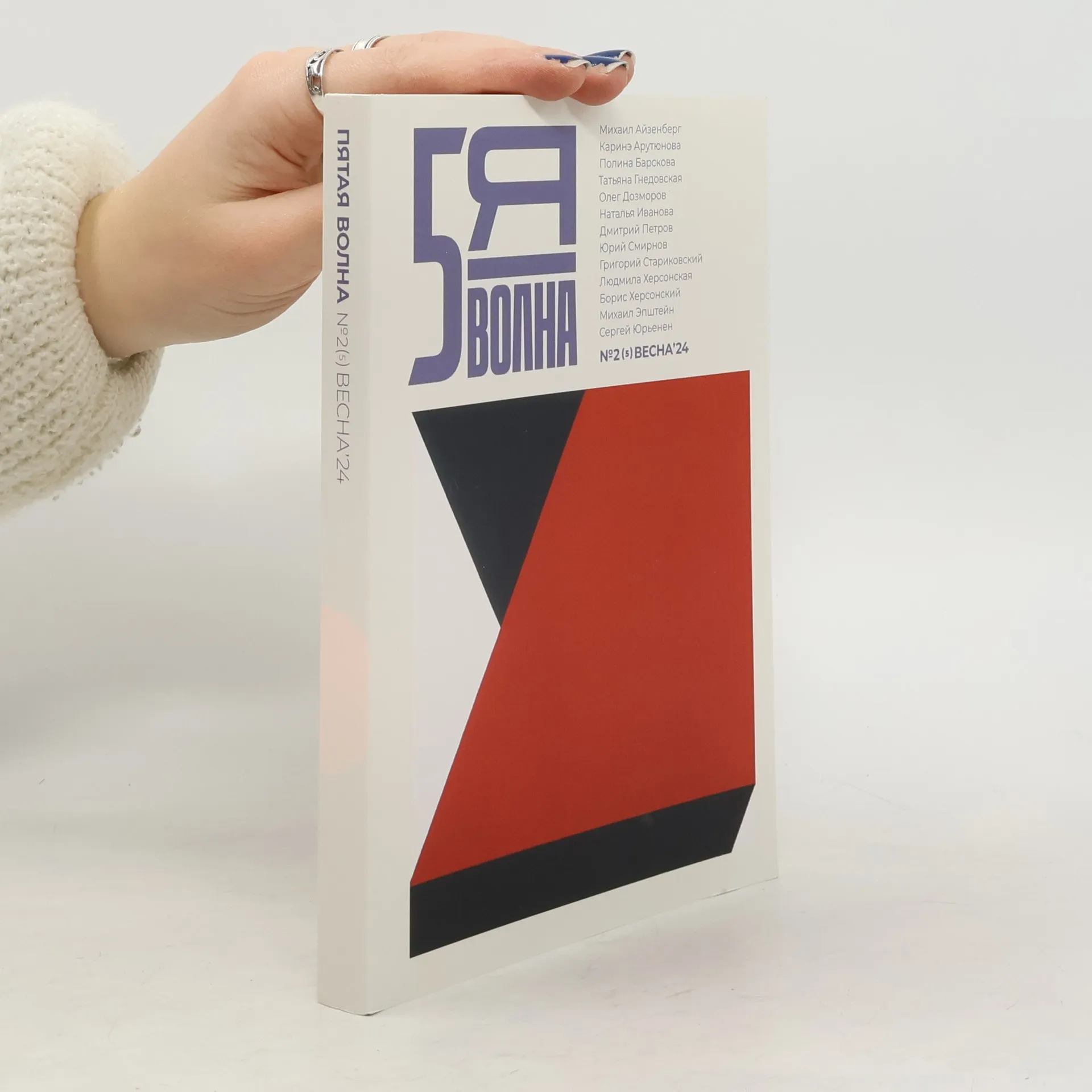
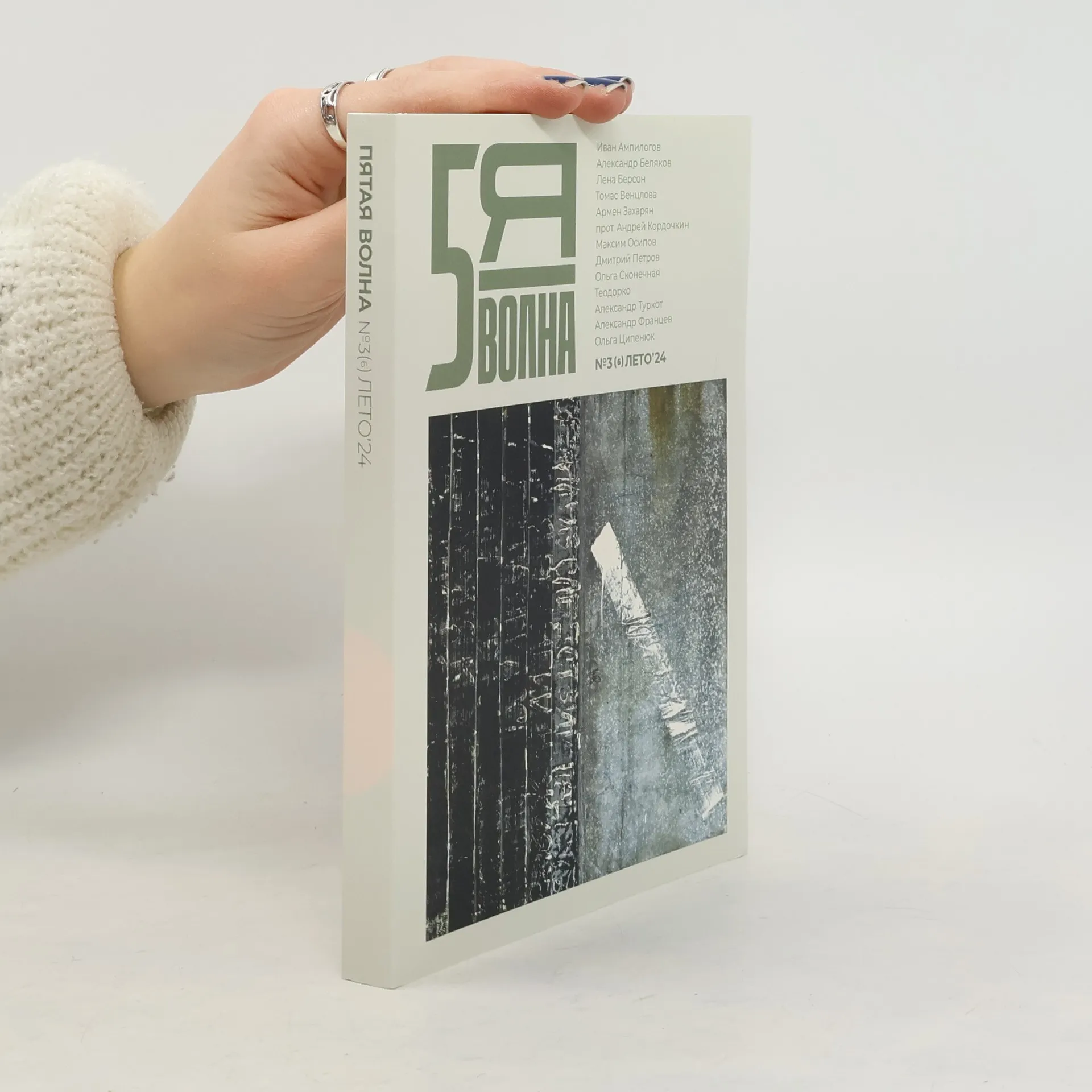
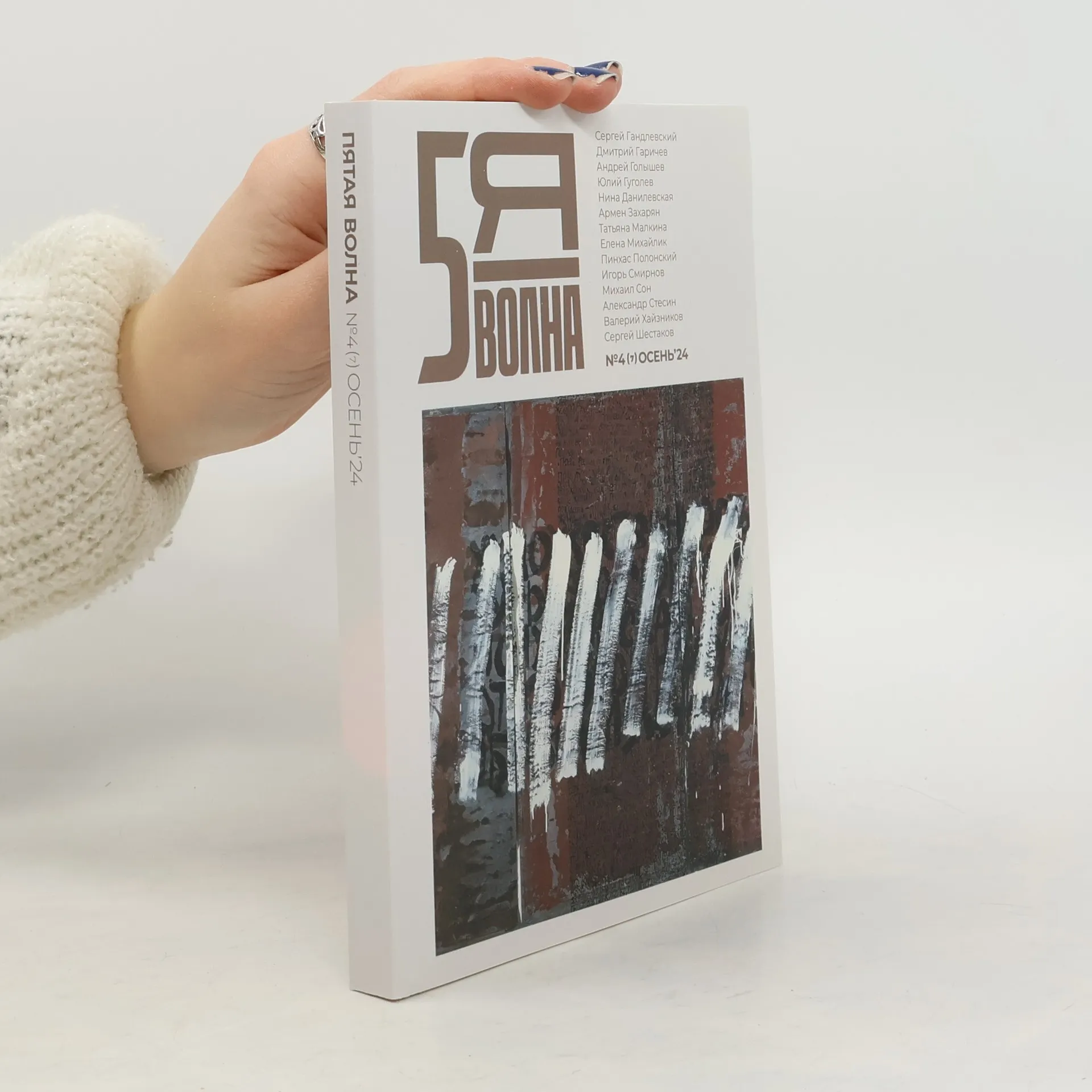

Since the beginning of the twentieth century, every generation of Russians - those whose native language is Russian - has experienced its own catastrophe. The current generation has not broken that pattern: totalitarianism has again come to Russia; freedom of speech is severely oppressed; the number of the regime's victims and political prisoners continues to grow; and Russia is waging a war of aggression against its neighbor, Ukraine. Each catastrophe triggers an outflow of productive people from the country. The current wave of emigration is the fifth in the last hundred years or so, and just as before, both writers and readers feel an increasingly urgent need for uncensored publications. The purpose of this magazine, which we have titled The Fifth Wave, is to play a part in satisfying that need. The Fifth Wave project is literary, not socio-political: we plan to feature exciting, well-crafted work in various genres, including poetry, fiction, art history, memoir, etc., and not only on the burning topics of the day. The contributions will be solicited from authors living in Russia and abroad, all of whom are united by their rejection of war and totalitarianism, their love for Russian culture as part of European culture, their sense of personal involvement in and responsibility for what is happening, and their desire to see Russia as a free, peace-loving country, no matter how far-fetched this wish may seem.
Since the beginning of the twentieth century, every generation of Russians - those whose native language is Russian - has experienced its own catastrophe. The current generation has not broken that pattern: totalitarianism has again come to Russia; freedom of speech is severely oppressed; the number of the regime's victims and political prisoners continues to grow; and Russia is waging a war of aggression against its neighbor, Ukraine. Each catastrophe triggers an outflow of productive people from the country. The current wave of emigration is the fifth in the last hundred years or so, and just as before, both writers and readers feel an increasingly urgent need for uncensored publications. The purpose of this magazine, which we have titled The Fifth Wave, is to play a part in satisfying that need. The Fifth Wave project is literary, not socio-political: we plan to feature exciting, well-crafted work in various genres, including poetry, fiction, art history, memoir, etc., and not only on the burning topics of the day. The contributions will be solicited from authors living in Russia and abroad, all of whom are united by their rejection of war and totalitarianism, their love for Russian culture as part of European culture, their sense of personal involvement in and responsibility for what is happening, and their desire to see Russia as a free, peace-loving country, no matter how far-fetched this wish may seem.