Hidden Valley
- 288 stránok
- 11 hodin čítania
The story of the real 'good life' of an off-grid existence in rural Spain.


Paul Farmer je poprednou postavou v oblasti lekárskej antropológie a zakladateľom organizácie Partners In Health. Jeho práca sa hlboko zaoberá sociálnymi a ekonomickými nerovnosťami, ktoré ovplyvňujú globálne zdravie, najmä v chudobnejších komunitách. Farmer skúma, ako sú choroby často zakorenené v historických a štrukturálnych nespravodlivostiach a ako sa dajú tieto problémy riešiť prostredníctvom sociálnych intervencií a globálnej solidarity. Jeho písanie, ktoré sa opiera o rozsiahly terénny výskum, odhaľuje zložité vzťahy medzi chudobou, chorobou a politikou.

The story of the real 'good life' of an off-grid existence in rural Spain.
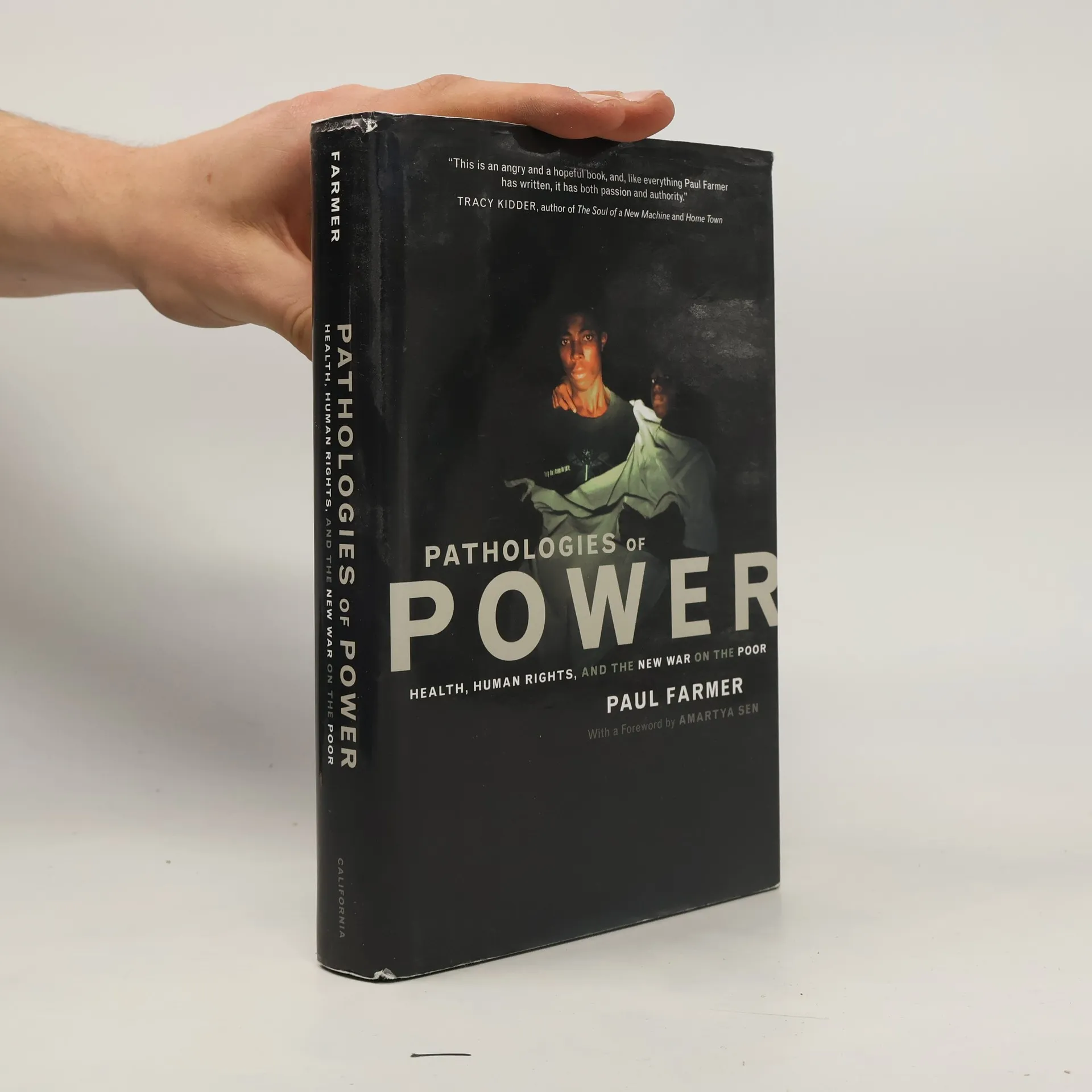
Health, Human Rights, and the New War on the Poor
Pathologies of Power uses harrowing stories of life—and death—in extreme situations to interrogate our understanding of human rights. Paul Farmer, a physician and anthropologist with two decades of experience in Haiti, Peru, and Russia, argues that promoting the social and economic rights of the world’s poor is the most crucial human rights struggle of our times. Through passionate eyewitness accounts from Russian prisons and the beleaguered villages of Haiti and Chiapas, the book connects individual victims' experiences to a broader analysis of structural violence. Farmer challenges conventional human rights thinking, revealing the links between political and economic injustice and the suffering of the powerless. He demonstrates that the same social forces leading to epidemic diseases like HIV and tuberculosis also increase the risk of human rights violations. Racism and gender inequality in the U.S. are shown to manifest as disease and death. However, the book is not a mere catalog of abuse; Farmer's examples are tied to a guarded optimism that new medical and social technologies can evolve alongside a more informed sense of social justice. He warns that failing to address structural violence will result in merely managing social inequality. Farmer’s urgent call to view human rights through the lens of global public health and to prioritize quality and access for the world’s poor is critical in a world marked by stark contra