

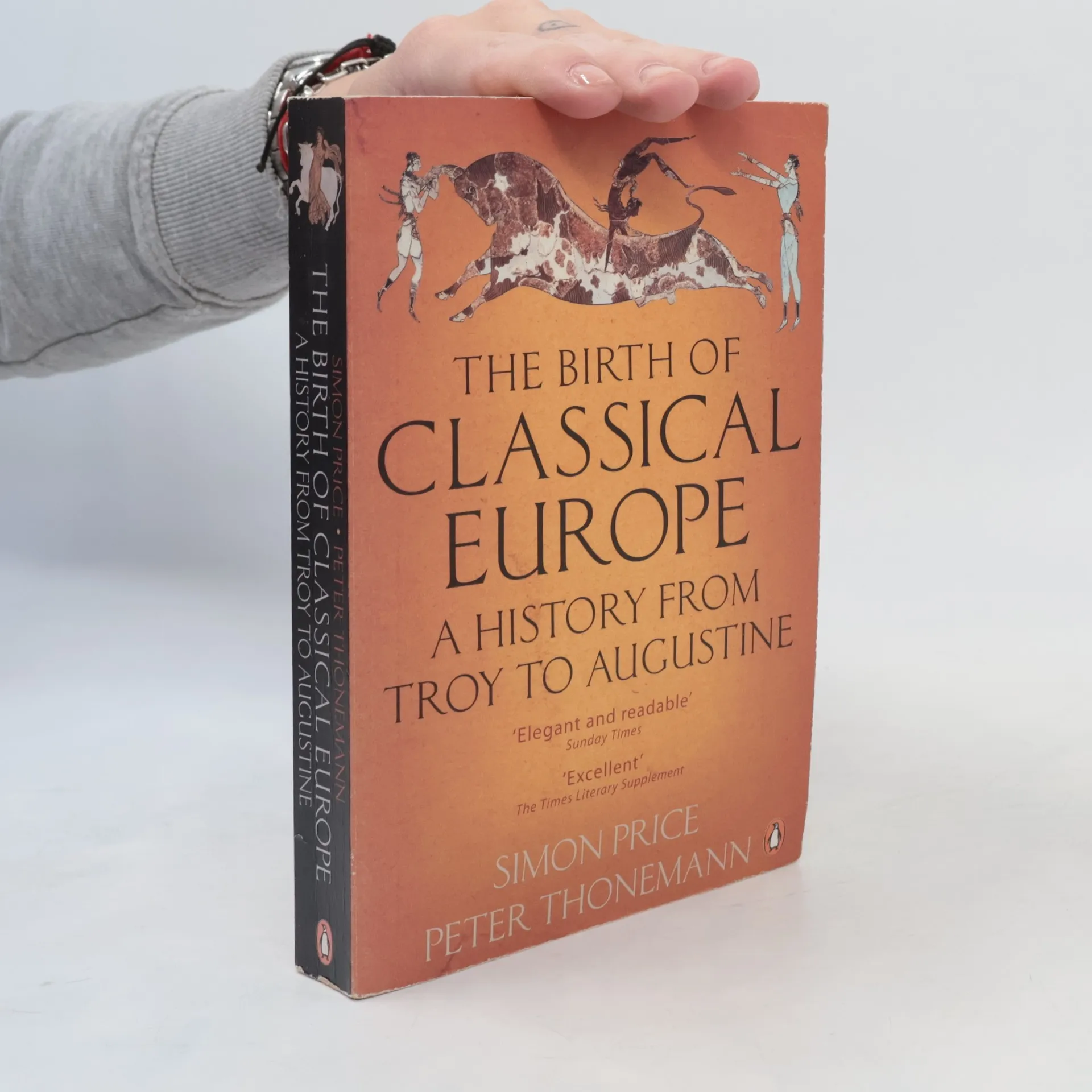
This comprehensive, readable survey of the Classical past is ambitious in scope: it ranges from the Aegean world of the second millenium BC to Augustine's City of God . More than that, it considers not only how the ancient world is remembered today but also how the Greeks and Romans perceived and felt the influence of their own past.
Peter Thonemann Knihy
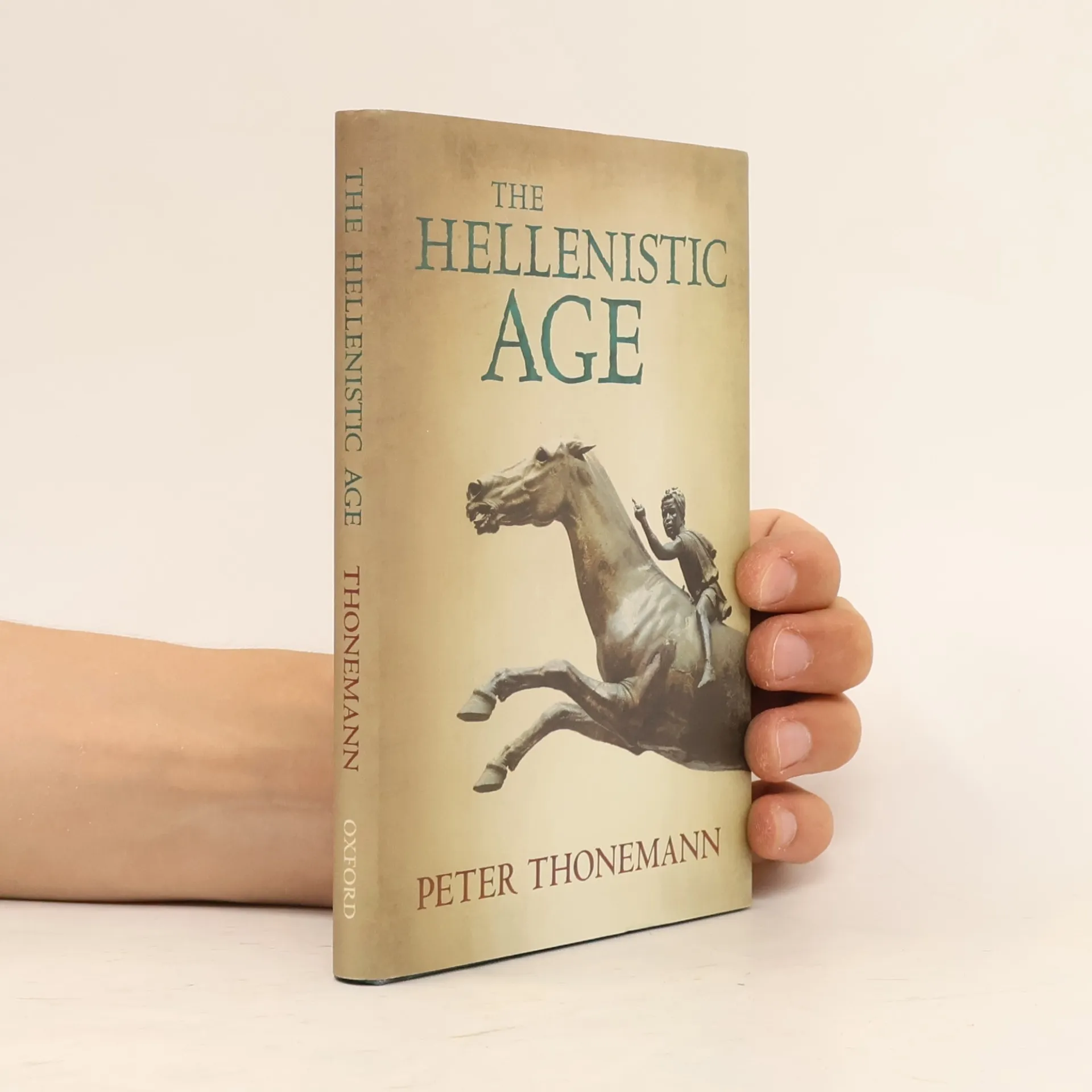
The Hellenistic Age
- 152 stránok
- 6 hodin čítania
The three centuries which followed the conquests of Alexander are perhaps the most thrilling of all periods of ancient history. This was an age of cultural in the third century BC, a single language carried you from the Rhone to the Indus. A Celt from the lower Danube could serve in the mercenary army of a Macedonian king ruling in Egypt, and a Greek philosopher from Cyprus could compare the religions of the Brahmins and the Jews on the basis of first-hand knowledge of both. Kings from Sicily to Tajikistan struggled to meet the challenges of ruling multi-ethnic states, and Greek city-states came together under the earliest federal governments known to history. The scientists of Ptolemaic Alexandria measured the circumference of the earth, while pioneering Greek argonauts explored the Indian Ocean and the Atlantic coast of Africa.Drawing on inscriptions, papyri, coinage, poetry, art, and archaeology Peter Thonemann opens up the history and culture of the vast Hellenistic world, from the death of Alexander the Great (323 BC) to the Roman conquest of the Ptolemaic kingdom (30 BC).
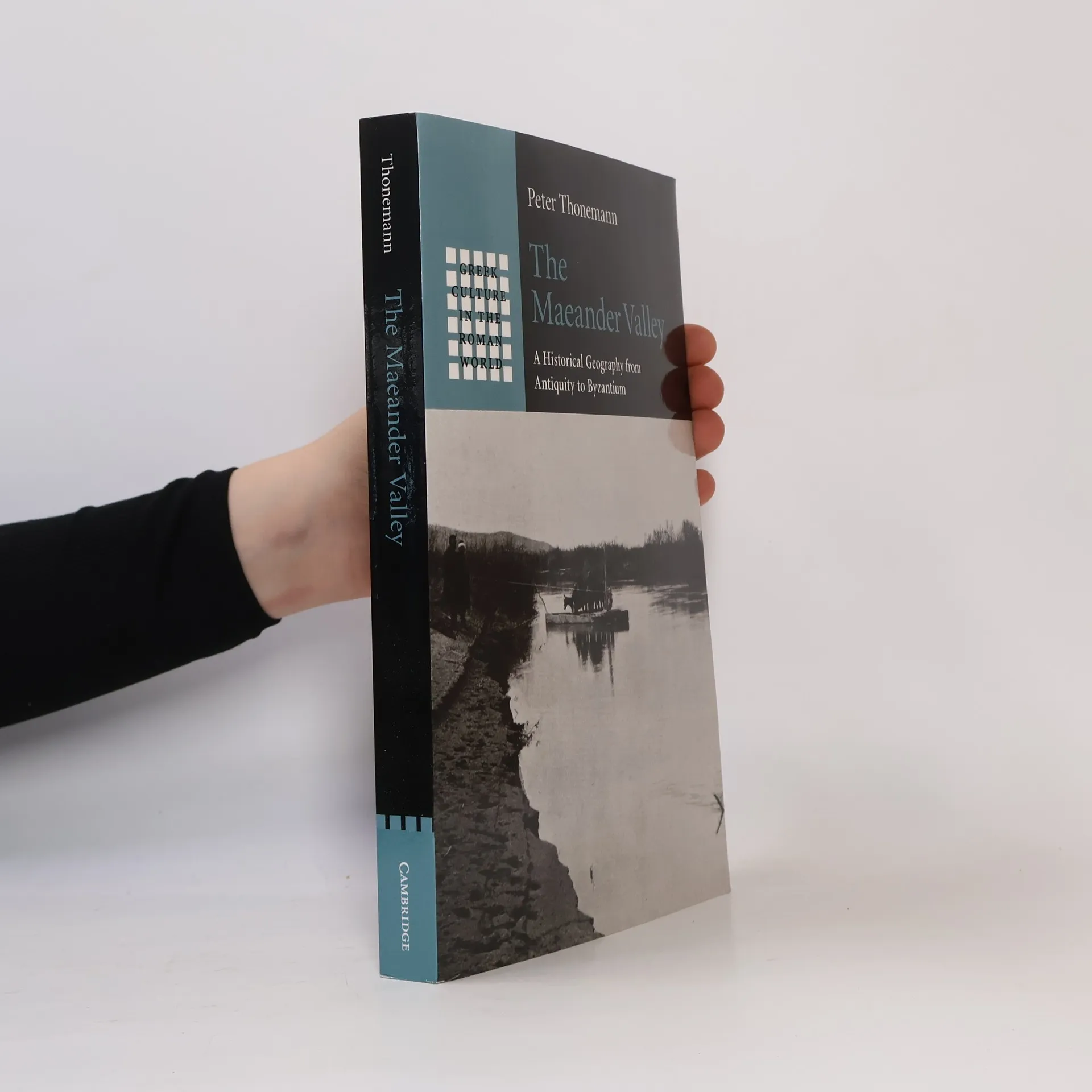
Greek Culture in the Roman World: The Maeander Valley
- 414 stránok
- 15 hodin čítania
This is a study of the long-term historical geography of Asia Minor, from the fourth century BC to the thirteenth century AD. Using an astonishing breadth of sources, ranging from Byzantine monastic archives to Latin poetic texts, ancient land records to hagiographic biographies, Peter Thonemann reveals the complex and fascinating interplay between the natural environment and human activities in the Maeander valley. Both a large-scale regional history and a profound meditation on the role played by geography in human history, this book is an essential contribution to the history of the Eastern Mediterranean in Graeco-Roman antiquity and the Byzantine Middle Ages.