

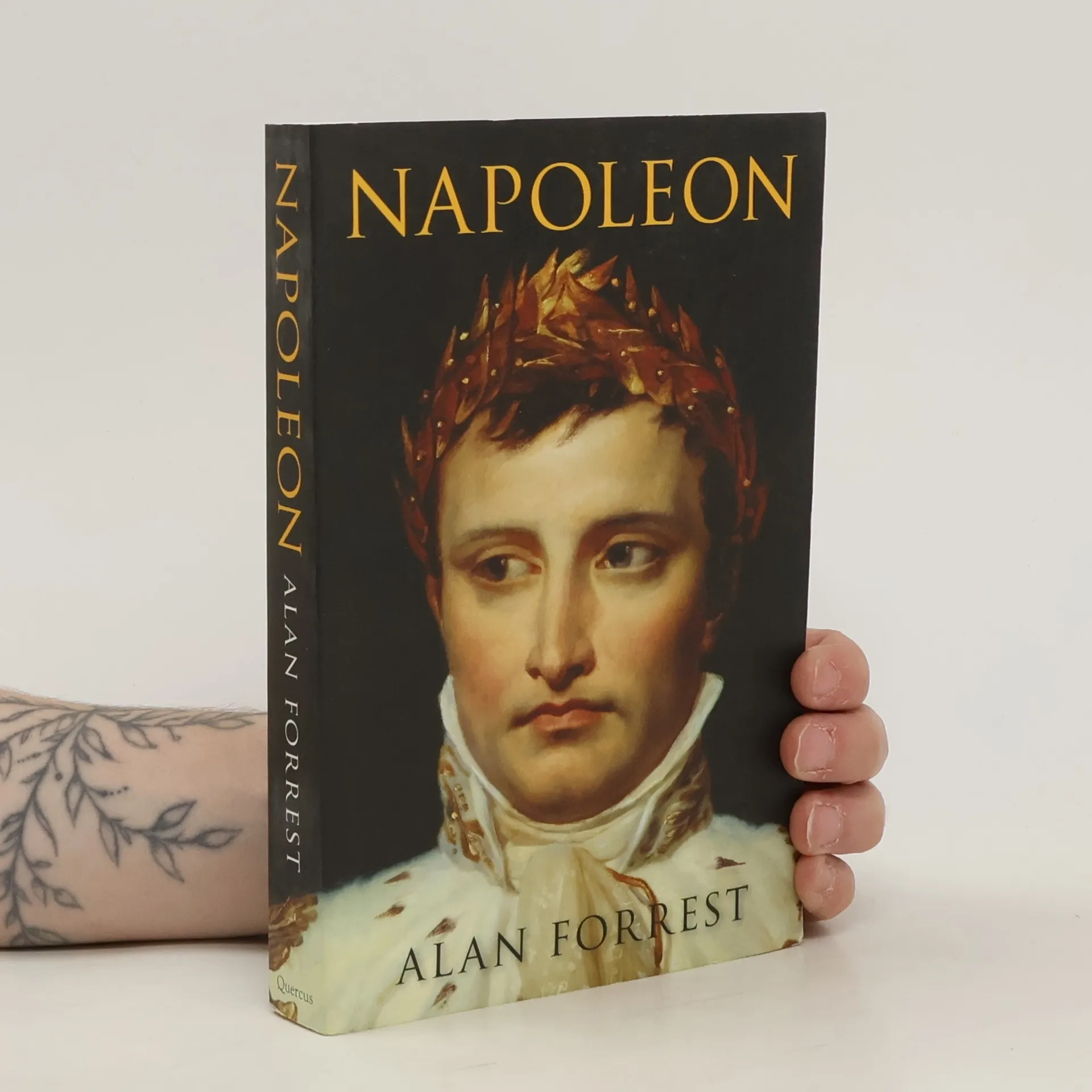
The story of Waterloo, the battle that finally ended Napoleon's imperial dreams: how it was fought, how it has been remembered, and what it has come to mean.
Alan Forrest Poradie kníh
Alan Forrest je emeritným profesorom moderných dejín na Univerzite v Yorku. Jeho práca sa zameriava na moderné francúzske dejiny, najmä na obdobie Francúzskej revolúcie a cisárstva, a na dejiny moderného vojenstva. Jeho odbornosť spočíva v hlbokom porozumení kľúčovým momentom európskych dejín a vývoju vojenskej stratégie a jej dopadu na spoločnosť. Prostredníctvom svojho akademického pôsobenia a publikačnej činnosti prispieva k formovaniu nášho chápania týchto zložitých období.


- 2023
- 2013
The Legacy of the French Revolutionary Wars
The Nation-In-Arms in French Republican Memory
- 288 stránok
- 11 hodin čítania
Exploring the concept of national defense, the book delves into the French republican myth that emphasizes the necessity of citizens actively participating in the protection of their nation. It examines the implications of this belief on identity, citizenship, and the collective responsibility of individuals in safeguarding their homeland. Through historical and contemporary analysis, it highlights how this ideology shapes societal views on patriotism and civic duty.
- 1965
Emil Ludwig's biography of Napoleon, now 74 years old, continues its remarkable presence as a classic of Napoleonic literature and has yet to be surpassed for its unique presentation. Writing in the present tense, Ludwig brings to life his subject's character better than any other biography of Napoleon. The biography is divided into five books One, "The Island" (birth to marriage); Two, "The Torrent" (Army of Italy to First Counsel); Three, "The River" (Marengo to birth of Napoleon II); Four, "The Sea" (Russia to Waterloo); and Five, "The Rock" (St. Helena). Each book begins with a quote from Goethe. Although Ludwig does not include a bibliography, the concluding four pages, the "Envoy", he states, "In this book, all the data are recorded facts, except the soliloquies." Also, in the acknowledgments he thanked Professor Pariset and Kurt Wildhagen for advice on the book and Edouard Driault and F.M. Kircheisen for help with supplying material for the illustrations.