Robert Jervis je popredný teoretik medzinárodných vzťahov, ktorého práca sa zameriava na komplexnosť politických a spoločenských systémov. Skúma, ako emergentné vlastnosti zložitých systémov ovplyvňujú politické správanie a globálnu dynamiku. Jeho analýzy sú kritické k súčasným zahraničnopolitickým doktrínam, najmä k tým, ktoré sa týkajú globálnej bezpečnosti. Jervis prináša do diskusie o svetovej politike jedinečný pohľad, ktorý spája teoretické poznatky s hlbokým porozumením medzinárodnej reality.
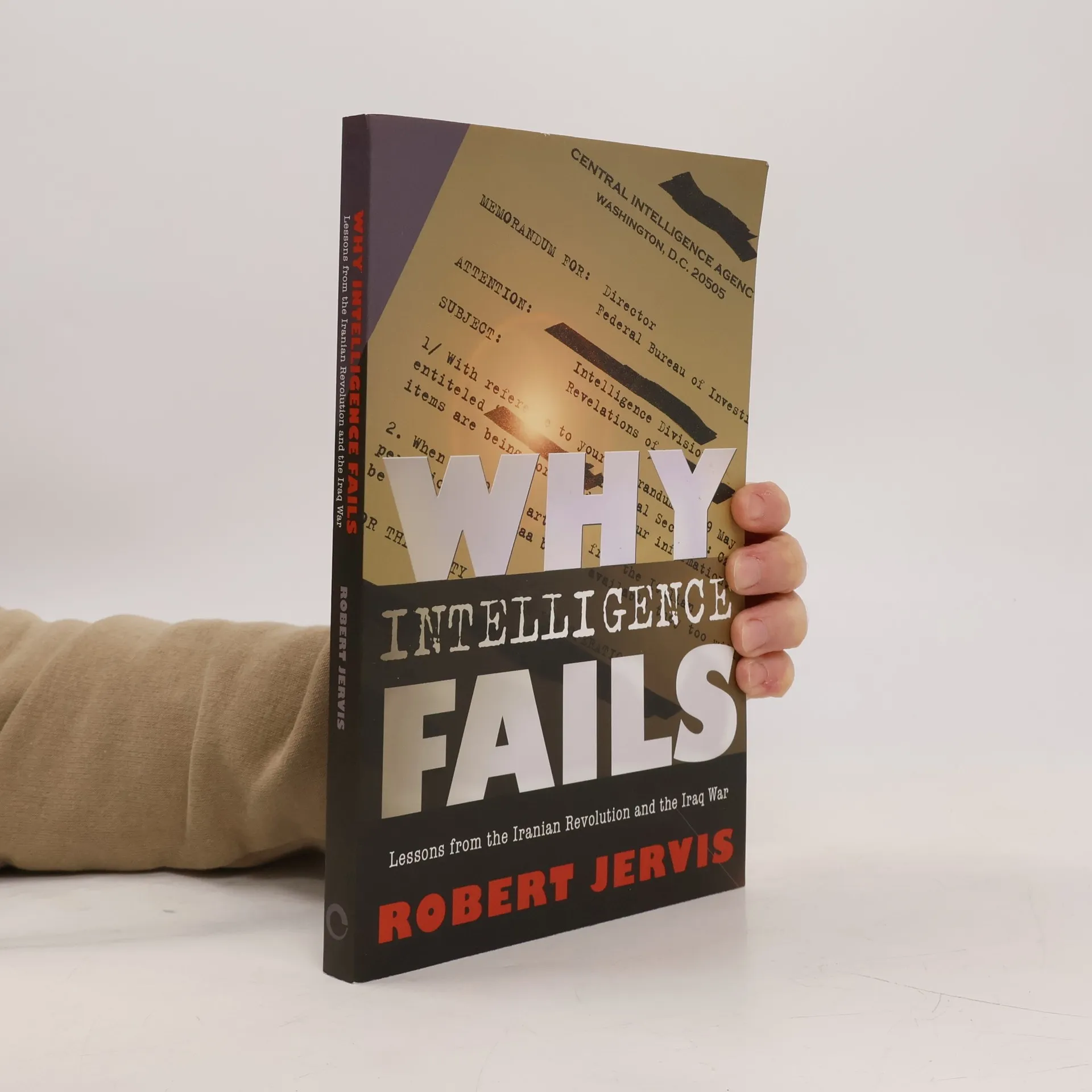
Jervis examines the politics and psychology of two of the more spectacular intelligence failures in recent memory: the mistaken belief that the regime of the Shah in Iran was secure and stable in 1978, and the 2002 claim that Iraq had active WMD programs.
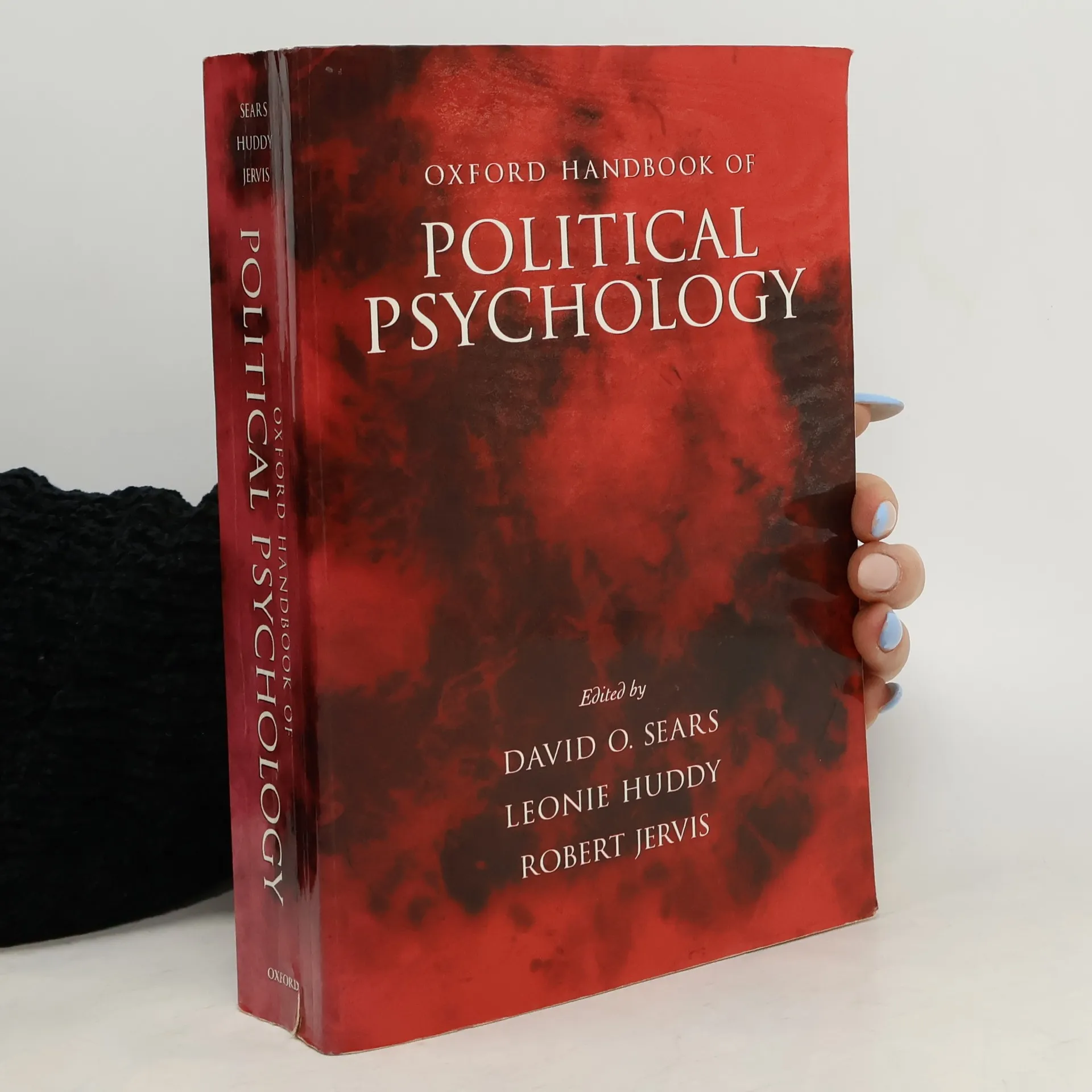
Political psychology applies what is known about human psychology to the study of politics. It examines how, for example, people reach political decisions on topics such as voting, party identification, and political attitudes as well as how leaders mediate political conflicts and makeforeign policy decisions.The Oxford Handbook of Political Psychology gathers together a distinguished group of scholars from around the world to shed light on such questions how does personality affect leadership style? What are the origins of racial prejudice? How does violent communal conflict originate?Focusing first on political psychology at the individual level (attitudes, values, decision-making, ideology, personality) and then moving to the collective (group identity, mass mobilization, political violence), this fully interdisciplinary volume covers models of the mass public and politicalelites and addresses both domestic issues and foreign policy.Providing an up-to-date account of cutting-edge research within both psychology and political science, this is an essential reference for scholars and students interested in the intersection of the two fields.
The best statement of the psychological position in the literature on
international politics. Highly readable, informative, and thought-provoking.--
Library Journal