
Bookbot

Natsume S¿seki

    Natsume Sōseki bol japonský prozaik, ktorý zásadne ovplyvnil modernú japonskú literatúru. Ako učenec britskej literatúry a autor haiku, kanshi a rozprávok vnášal do svojich diel hlboké filozofické úvahy a majstrovsky skúmal ľudskú psychiku. Jeho diela, charakteristické prenikavým vhľadom a jedinečným štylistickým prístupom, sa často zaoberajú témami identity, odcizenia a hľadania zmyslu v modernom svete. Sōseki je považovaný za jedného z najvýznamnejších japonských spisovateľov, ktorého vplyv je badateľný u generácií nasledujúcich autorov.

    Miniatury na wiosenne dni
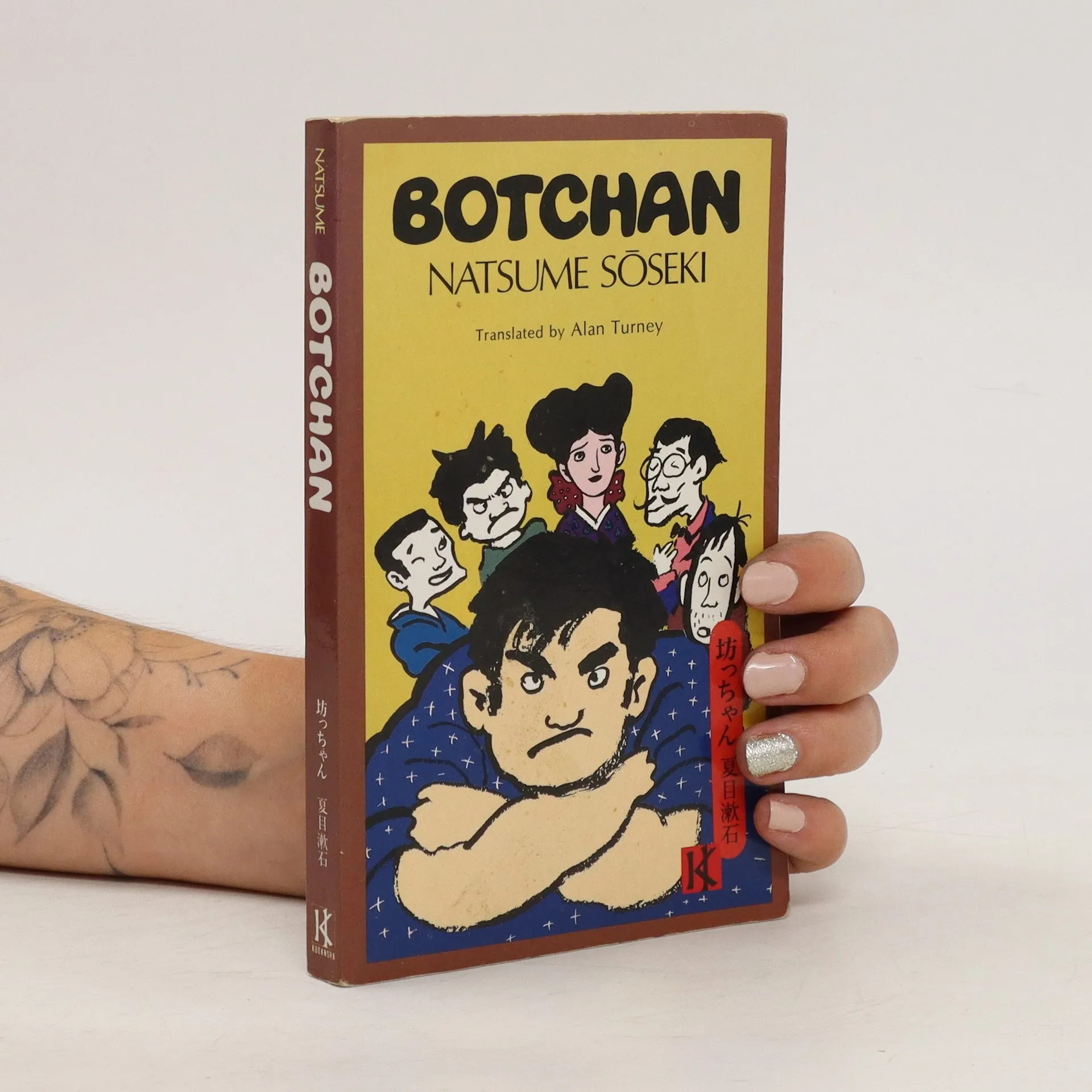
    Botchan
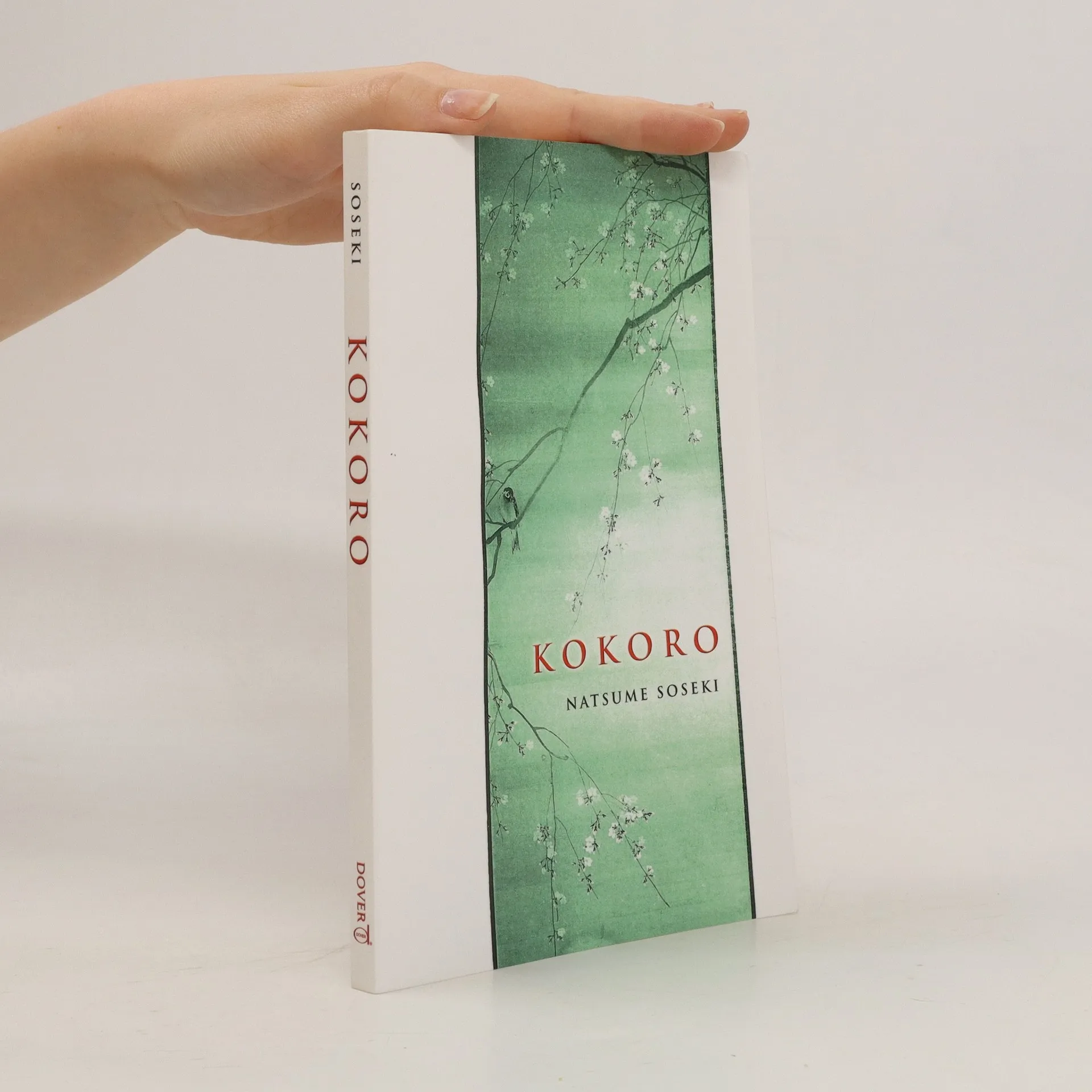
    Kokoro
    • Kokoro

      • 208 stránok
      • 8 hodin čítania

      "Rich in understanding and insight."—The New YorkerWhat is love, and what is friendship? What is the extent of our responsibility to ourselves and to others? Kokoro, signifying "the heart of things," examines these age-old questions in terms of the modern world.A trilogy of stories that explores the very essence of loneliness, Kokoro opens with "Sensei and I," in which the narrator recounts his relationship with an intellectual who dwells in isolation but maintains a sophisticated worldview. "My Parents and I" brings the reader into the narrator's family circle, and "Sensei and His Testament" features the eponymous character's explanation of how he came to live a life of solitude.Natsume Soseki (1867–1916), perhaps the greatest novelist of the Meiji period, remains one of Japan's most widely read authors. He wrote this novel in 1914, at the peak of his career, and it remains an excellent introduction to modern Japanese literature.

      Kokoro
      4,1
    • Botchan

      • 176 stránok
      • 7 hodin čítania

      Like The Adventures of Huckleberry Finn, BOTCHAN, a hilarious tale about a young man's rebellion against "the system" in a country school, is a classic. Among both young and old in Japan, it has enjoyed a timeless popularity, making it, in the words of Donald Keene, "probably the most widely read novel in modern Japan."

      Botchan
      3,7