Problémy filozofie
- 105 stránok
- 4 hodiny čítania


Bertrand Russell bol waleský filozof, historik a logik, ktorý sa preslávil svojím racionálnym myslením a obhajobou sociálnej reformy. Jeho rozsiahle a významné spisy boli ocenené Nobelovou cenou za literatúru za jeho humanitárne ideály a obhajobu slobody myslenia. Russell sa vo svojej tvorbe zameriaval na logiku, matematiku a spoločenské otázky, čím zanechal trvalý odkaz v intelektuálnom svete.

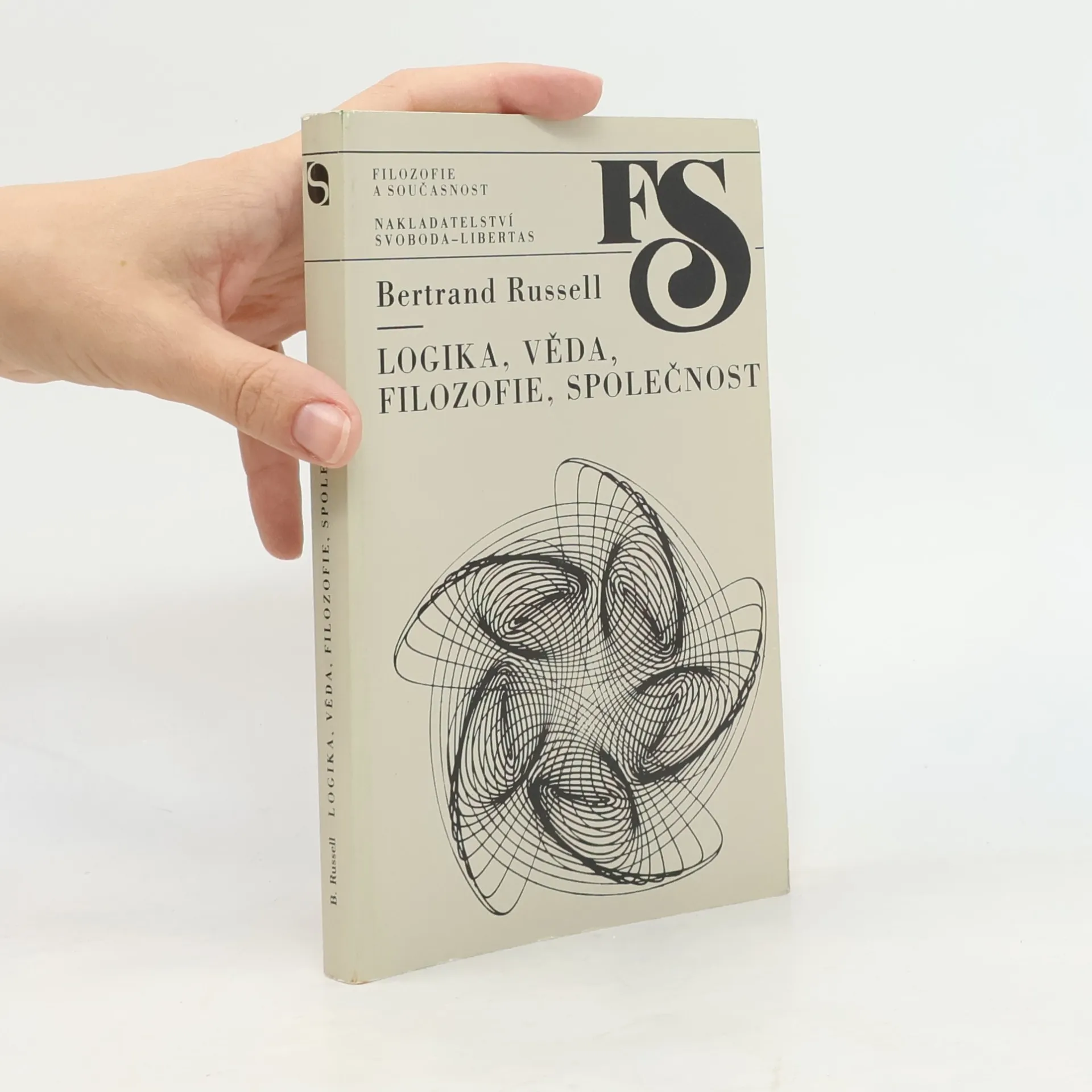

Podľa nositeľa Nobelovej ceny za literatúru Bertranda Russella je podstatou filozofie logika, logická analýza. Človek má do činenia so zmyslovými údajmi, za ktorými sa nachádzajú buď nezávislé zmyslové elementy, alebo fakty. Fakty nemožno pokladať ani za fyzické, ani za psychické, sú neutrálne. Podľa Russella musí akékoľvek poznanie vychádzať z bezprostredného kontaktu s entitami sveta. Z toho, čo on nazýva „poznanie konfrontáciou“.
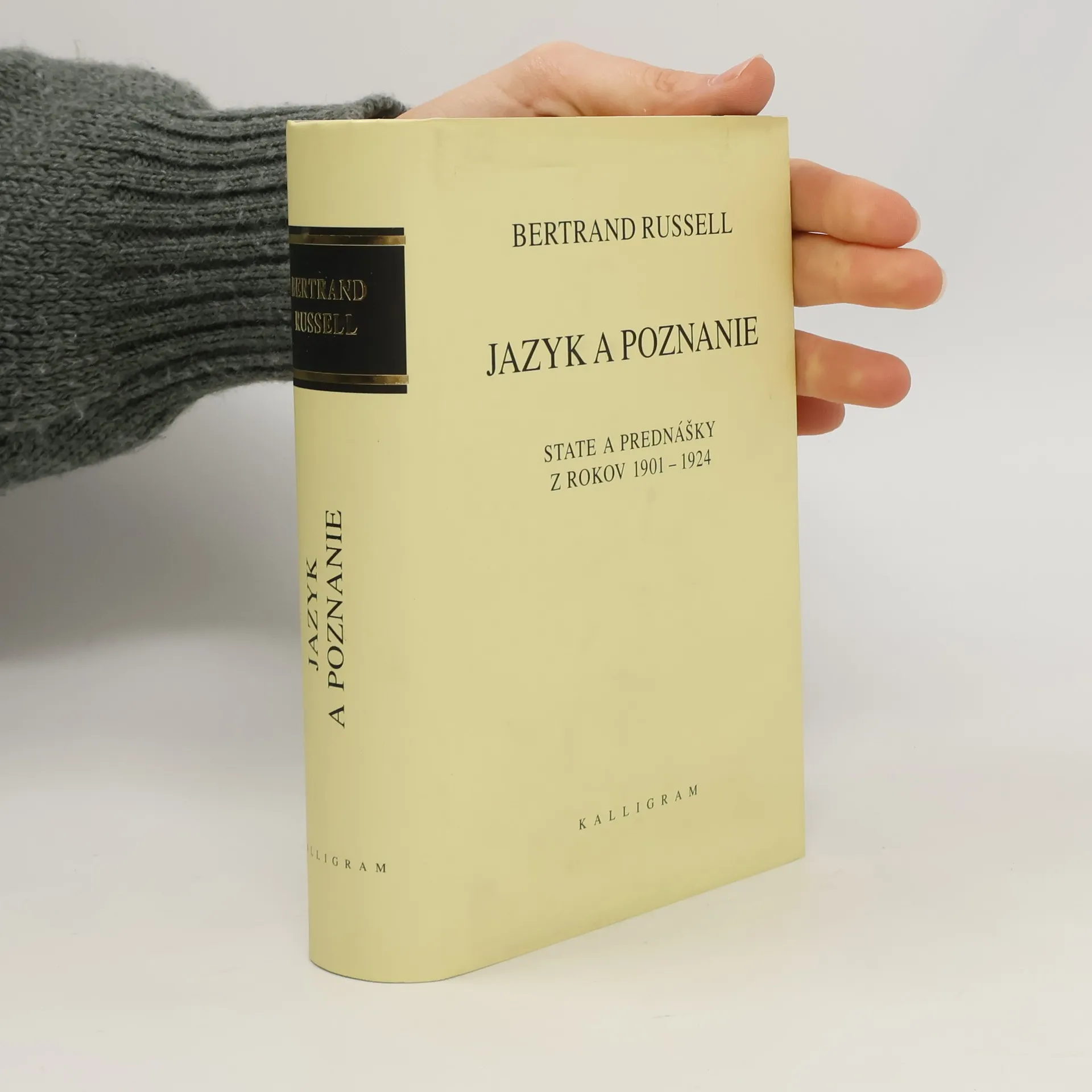
Kniha Jazyk a poznanie pozostáva z dvoch desiatok statí a prednášok, ktoré spadajú do Russellovho filozoficky najplodnejšieho obdobia, do rokov 1901-1924. V tomto období vznikli jeho najvýznamnejšie objavy na poli logiky, a vytvoril aj svoje najznámejšie filozofické teórie.
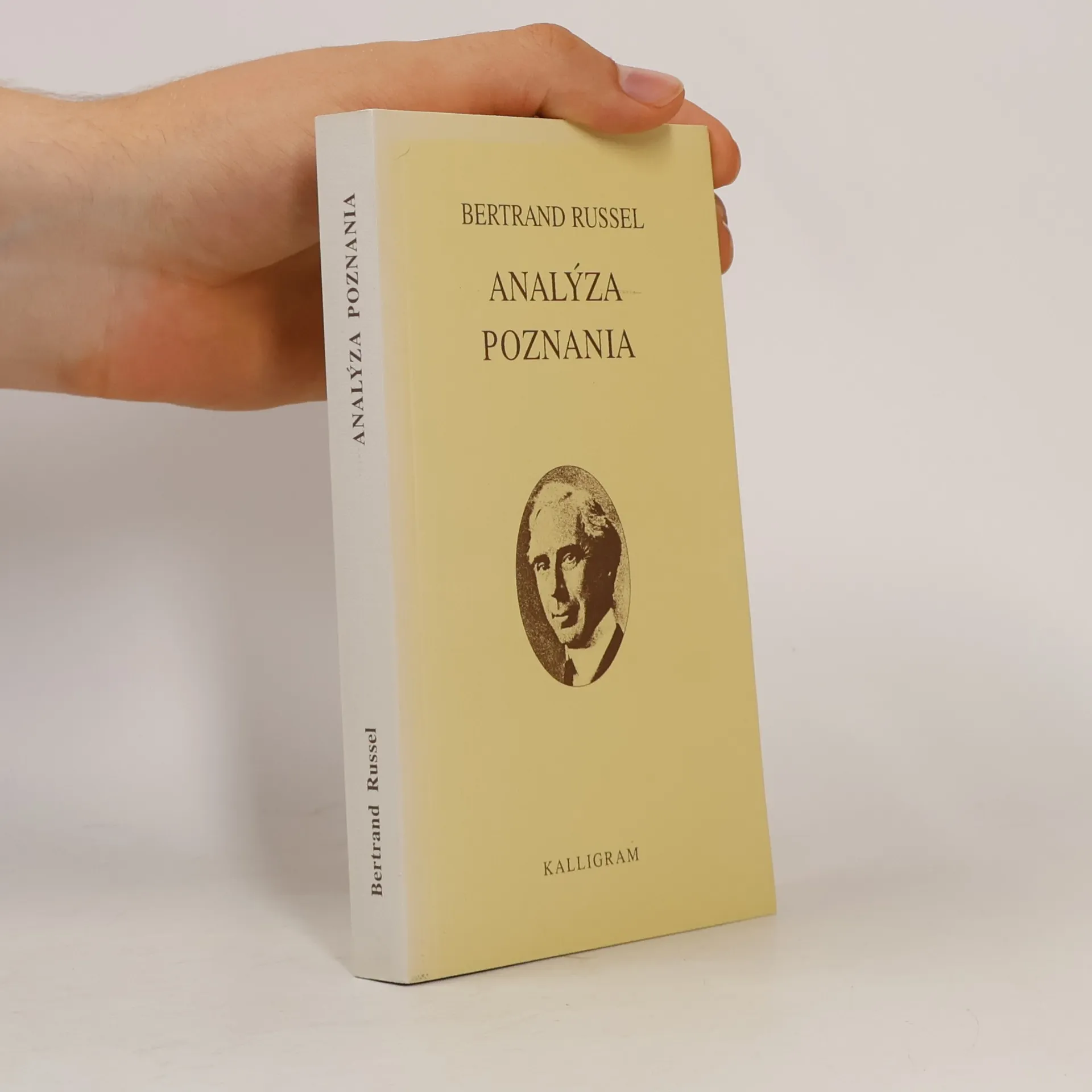
Výber z epistemologických prác významného anglického filozofa, logika a moralistického sociológa, jedného zo zakladateľov logického atomizmu. Nový, transparentný spôsob filozofovania má byť podľa neho založená na logickej analýze.
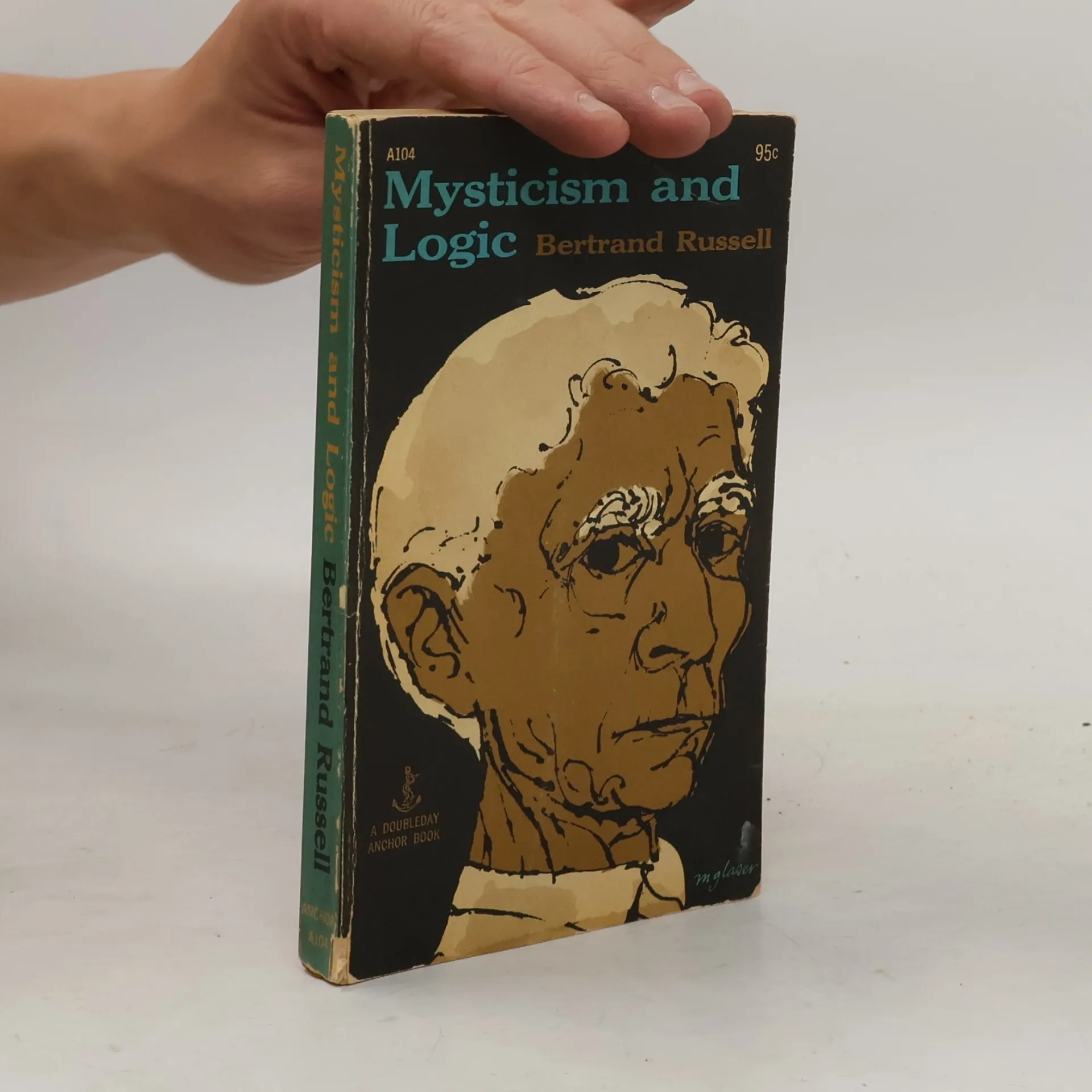
'Mysticism and Logic' is concerned with different ways of knowing, the ultimate nature of matter and the particular problems of philosophy. They reveal one of Russell's lifelong preoccupations: the disentanglement of what is subjective or intellectually cloudy from what is objective or capable of logical demonstration.
V češtině dosud nepublikované práce z různých tematických okruhů představují hlavní oblasti autorova vědeckého zájmu.
Anglický filosof a jeho vidění etiky v manželství.
Významný představitel buržoazní filosofie 20. století vykládá své životní krédo, které vyznívá v rozhodné odsouzení náboženství v jeho historických i soudobých formách. Russell se neomezuje jen na negativní kritiku. I když není marxista, hlásí se otevřeně k víře v pokrok, vědu, sociální spravedlnost a světový mír.
Z prací anglického filosofa, matematika a logika vybrali překladatelé do první části texty z oblasti logiky a filosofie matematiky (zejména stať O označení, poněvadž je mezníkem ve vývoji jeho názorů z doby, kdy odmítlMelnongovo učení o existenci logicky rozporných objektů a kdy počíná navazovat na Fregeovu teorii popisů). Druhou část tvoří problematika jazyka ve vztahu k teorii poznání. Z ní je zvlášť významný jeho výklad ostenzívních definic jako pojítka mezi jazykem a objektivní realitou a jeho pojetí tzv. egocentrickych částic. Třetí část výběru je věnována Russellově filosofii, tzv. logickému atomismu, a v ní vystupujícím problémům příčiny, množinové definice minimálních slovníků a pojetí struktury.
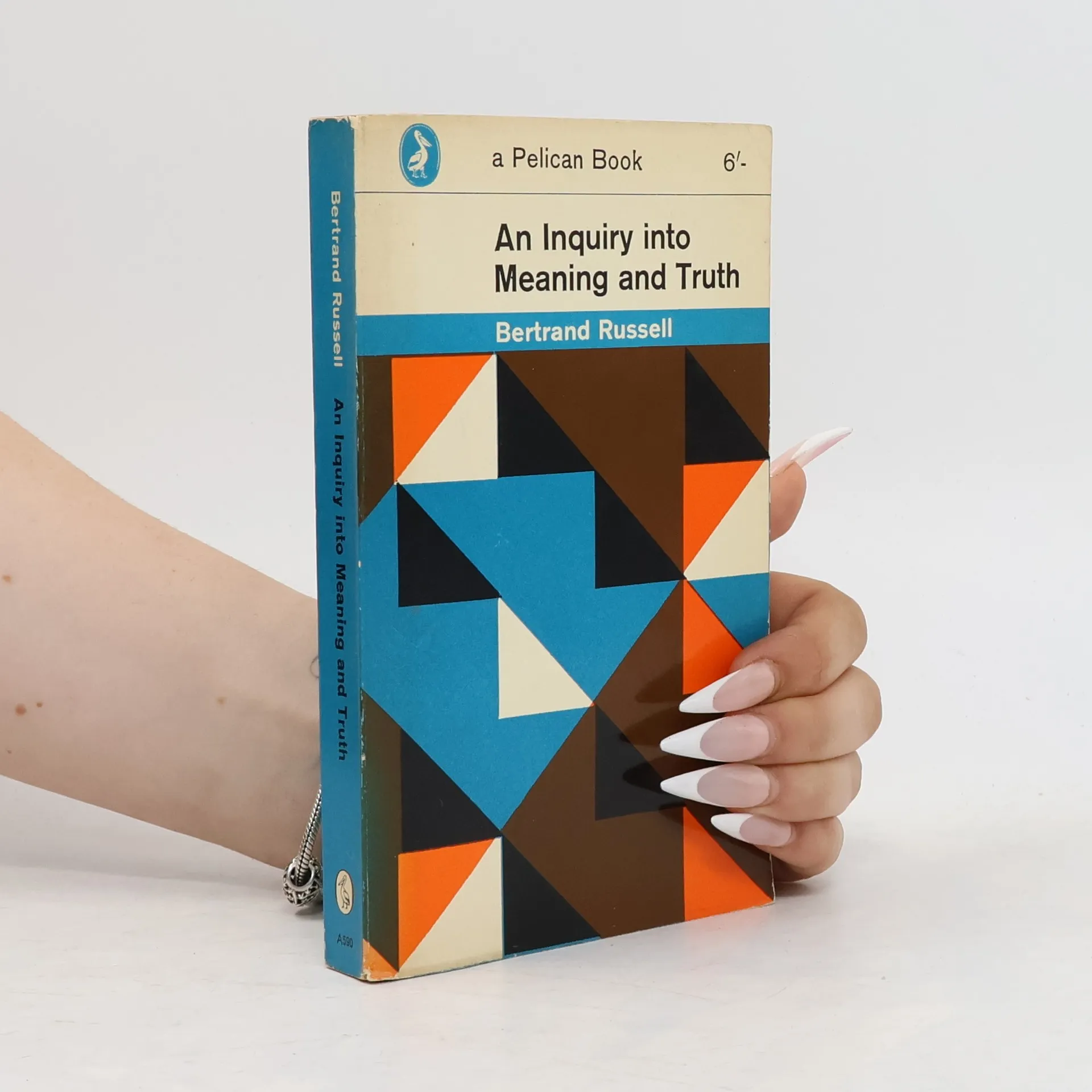
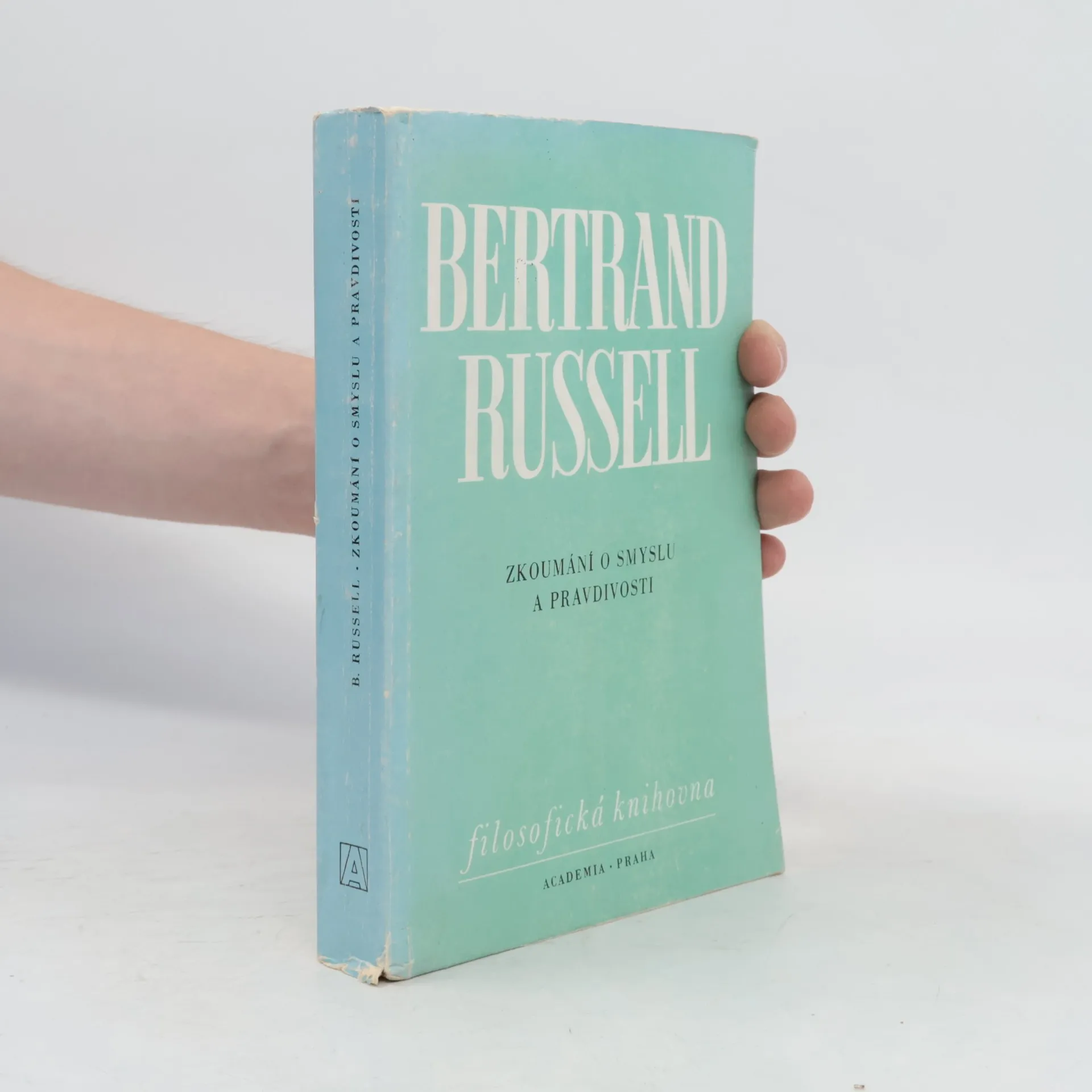
Kniha vznikla z přednášek, jež Russell konal koncem 30. let na amerických univerzitách. Jejím cílem je prozkoumat určité problémy týkající se empirického poznání. Při svých úvahách o problematice smyslu a pravdivosti vychází z čistého empiricismu a rozvíjí jej v závislosti na své koncepci logického atomismu. Úvodní studie K. Berky kriticky analyzuje přínos i slabiny Russellových filozofických závěrů.
Studie seznamuje čtenáře s moderní logikou z pohledu sto let starého (vzatého ze spisu Principia Mathematica). Jejím cílem je, kromě představení klasického analytického postupu a myšlenky důkazu, nabídnout vlastní odpovědi na některé otázky, které dnes studium moderní logiky provázejí: Z čeho v logice vycházíme? K čemu nám jsou pravidla? Mluvíme jen v metajazyce?
An anthology of essays written by British philosopher Bertrand Russell between 1903 and 1959, including his thoughts on language, epistemology, metaphysics, politics, education, and other topics.
Written at a time when China was largely regarded by the West as backward, The Problem of China sees Russell rise above the prejudices of his era and assess China's past, present and future. This Routledge Classics edition includes a new introduction by Bernard Linsky.
An Essay on the Foundations of Geometry was first published in 1897 and marks Bertrand Russell's first foray into analytic philosophy, a movement in which Russell is one of the founding members and figurehead. This Routledge Classics edition includes a new Foreword by Michael Potter.
This volume is one of the most significant documents on the thought of the giant of the twentieth-century philosophy. Russell's 'Reply to Criticisms,' supplemented by a 1971 'Addendum,' displays his unrivalled clarity, perceptiveness, and scalpel-like wit, on topics ranging from mathematical logic to political philosophy, from epistemology to philosophy of history.
This collection of essays explores the absurdities of conventional wisdom through sharp wit and insightful commentary. The author, renowned for their mastery of the essay form, challenges societal norms and expectations, inviting readers to reconsider accepted beliefs. Each piece combines humor with critical analysis, making the exploration of these themes both entertaining and thought-provoking.
Previously published: New York: Simon and Schuster, 1953.
A vital book for understanding Russell's philosophy, which explores fundamental questions about the mind, including desire and feeling; psychological and physical laws; sensations and mental images; memory; belief; and emotions and the will. Includes an Introduction by Thomas Baldwin.
In this volume of essays Bertrand Russell is concerned to combat, in one way or another, the growth of dogmatism, whether of the Right or of the Left, which has hitherto characterised our tragic century. This serious purpose inspires them even if, at times, they seem flippant; for those who are solemn and pontifical. In subject they range from Philosophy for the Layman, The Functions of a Teacher, and The Future of Mankind to an Outline of Intellectual Rubbish, Ideas that have helped Mankind and Ideas that have Harmed Mankind.
Theory of Knowledge gives us a picture of one of the great minds of the twentieth century at work. It reveals the unsolved problems left without disguise or evasion. Historically, it is invaluable to our understanding of both Russell's own thought and his relationship with Wittgenstein.
Exploring the philosophical desire for omnipotence, the book delves into the human inclination to seek god-like control and the struggle to accept its unattainability. It examines the implications of this yearning on personal identity and societal structures, drawing on insights from Bertrand Russell. Through thought-provoking analysis, it challenges readers to reflect on their aspirations and the nature of power, ultimately confronting the limits of human capability and the search for meaning in a complex world.
Not only specialists in philosophy but also those interested in human problems and their future received regular testimonies of Bertrand Russell's ability to confront a wide range of issues throughout his long and fruitful life, from the very technical aspects of epistemology and mathematical philosophy to the justice and morality of political regimes, war conflicts, and social systems. This volume of philosophical essays gathers several writings on ethics, history, and truth, with particular interest in the works dedicated to the exposition and analysis of conceptions of truth and falsehood, as presented by William James, and to the general critique of pragmatism.
The Analysis of Matter is the product of thirty years of thinking by one of the twentieth century's best-known philosophers. This Routledge Classics edition includes the 1992 Introduction by John G. Slater.
Bertrand Russell is considered to be one of the most significant educational innovators of his time. In this influential and controversial work, Russell calls for an education that would liberate the child from unthinking obedience to parental and religious authority. He argues that if the basis of all education is knowledge wielded by love then society can be transformed. One of Bertrand Russell’s most definitive works, the remarkable ideas and arguments in On Education are just as insightful and applicable today as they were on first publication in 1926.
The book presents a vision of the future shaped by scientific advancements aimed at enhancing human happiness, inspired by Mr. Haldane's optimistic outlook. However, the author expresses skepticism rooted in extensive experience with political leaders and governance, questioning the feasibility of such idealistic predictions. This tension between hope and realism invites readers to consider the complexities of progress and the role of human decision-making in shaping the future.
In this book the author is concerned with the foundations of knowledge. He approaches his subject through a discussion of language and a look into how knowledge of the structure of language helps our understanding of the structure of the world.
This book has been considered by academicians and scholars of great significance and value to literature. This forms a part of the knowledge base for future generations. We have represented this book in the same form as it was first published. Hence any marks seen are left intentionally to preserve its true nature.
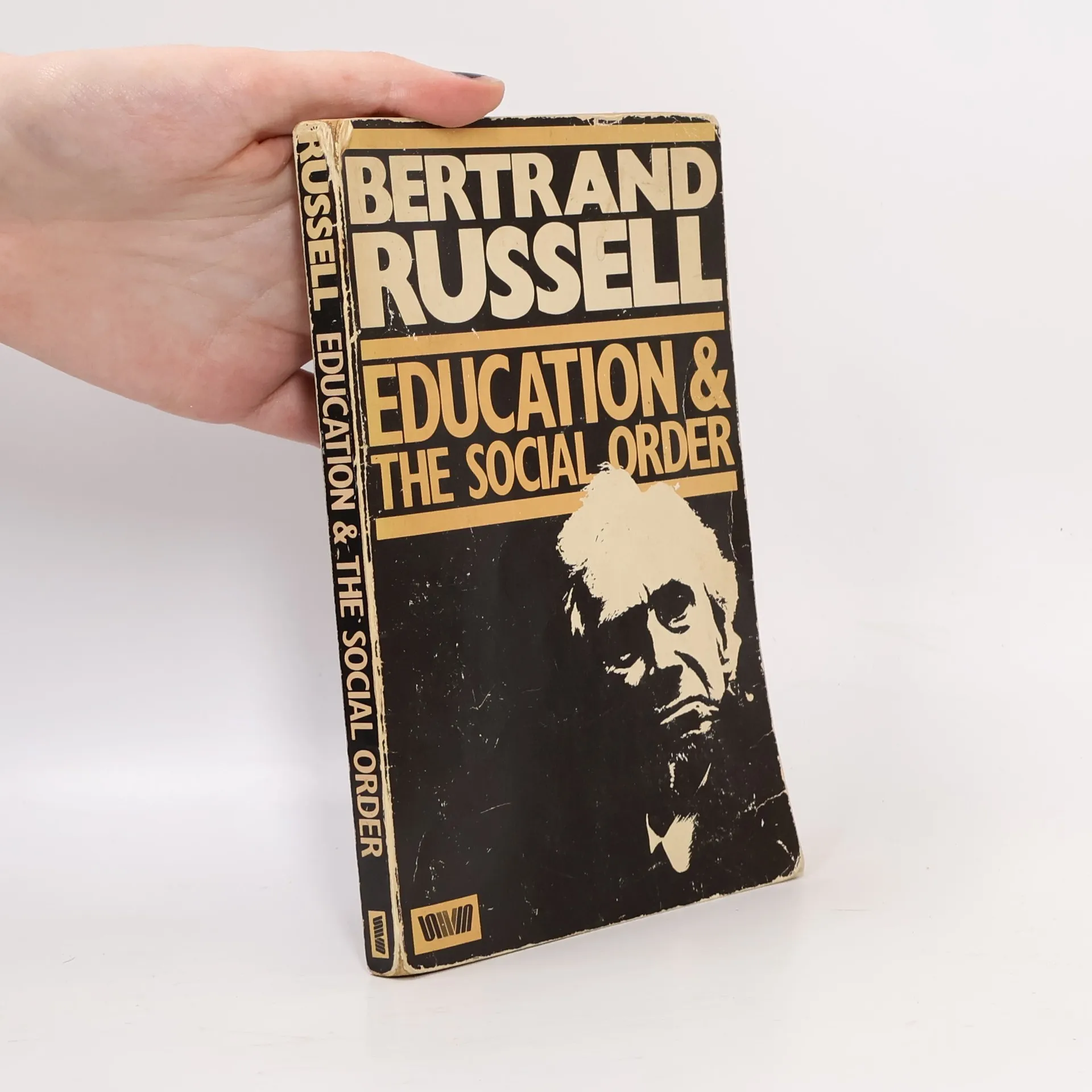
Bertrand Russell was renowned for his provocative views on education. Considered an educational innovator, Russell attempted to create the perfect learning institution. Despite the failure of this practical vision, it didn't stop him from continuing to strive towards inventing & arguing for a system of education free from repression. In Education & the Social Order, Russell dissects the motives behind educational theory & practice, & in doing so lays out original & controversial arguments for the reformation of the education of the individual.
Friendship, Politics and Physics in Uncertain Times
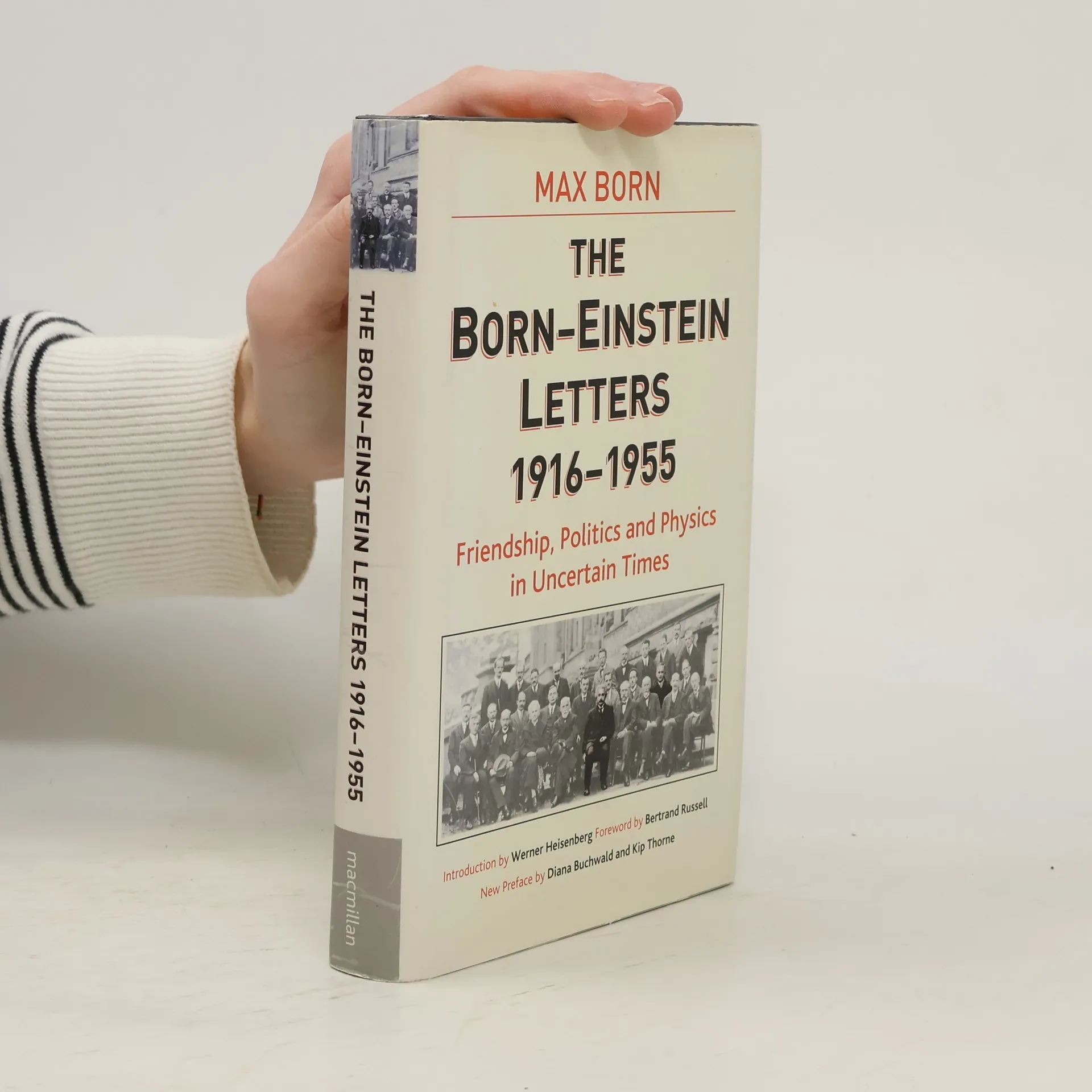
Albert Einstein and Max Born were great friends. Their letters span 40 years and two world wars. In them they argue about quantum theory, agree about Beethoven's heavenly violin and piano duets (that they played together when they met) and chat about their families. Equally important, the men commiserate over the tragic plight of European Jewry and discuss what part they should play in the tumultuous politics of the time. Fascinating historically, The Born-Einstein Letters is also highly topical: scientists continue to struggle with quantum physics, their role in wartime and the public's misunderstanding. First published by Macmillan in 1971, this book is re-issued, with a substantial new preface by leading US physicists Kip Thorne and Diana Buchwald, as part of 2005's Relativity Centenary celebrations.
Featuring a collection of vivid recollections, this edition showcases Russell's mastery in capturing the essence of his experiences and insights. With a new foreword by Nicholas Griffin, it offers both newcomers and longtime fans a chance to explore the depth of Russell's reflections. The work stands out for its engaging prose and thought-provoking themes, making it a compelling read for anyone interested in philosophy and personal narrative.
Exploring personal beliefs and philosophical perspectives, this essay presents Bertrand Russell's insights on religion, ethics, and the meaning of life. Known for his clarity and wit, Russell offers a compelling examination of his thoughts, reflecting the influence he wielded in the 20th century.
This classical work, published over a century ago, explores the principles and beliefs of Bolshevism, emphasizing its significance in human history. Alpha Editions has undertaken a modern reformatting and retyping of the text to ensure clarity and readability, preserving the original's impact for contemporary and future readers. The effort highlights the importance of maintaining access to influential historical texts.
'These propositions may seem mild, yet, if accepted, they would absolutely revolutionize human life.' With these words Bertrand Russell introduces what is indeed a revolutionary book. Taking as his starting-point the irrationality of the world, he offers by contrast something 'wildly paradoxical and subversive' Sceptical Essays has never been out of print since its first publication in 1928. Today, besieged as we are by the numbing onslaught of twenty-first-century capitalism, Russell's defense of scepticism and independence of mind is as timely as ever. In clear, engaging prose, he guides us through the key philosophical issues that affect our daily life.
First published in 1946, History of Western Philosophy went on to become the best-selling philosophy book of the twentieth century. A dazzlingly ambitious project, it remains unchallenged to this day as the ultimate introduction to Western philosophy. Providing a sophisticated overview of the ideas that have perplexed people from time immemorial, it is 'long on wit, intelligence and curmudgeonly scepticism', as the New York Times noted, and it is this, coupled with the sheer brilliance of its scholarship, that has made Russell's History of Western Philosophy one of the most important philosophical works of all time.
2017 Reprint of 1919 Edition. Full facsimile of the original edition, not reproduced with Optical Recognition software. Introduction to Mathematical Philosophy has been a seminal work for more than nine decades. It gives the general background necessary for any serious discussion on the foundational crisis of mathematics in the beginning of the twentieth century. Requiring neither prior knowledge of mathematics nor aptitude for mathematical symbolism, the book serves as essential reading for anyone interested in the intersection of mathematics and logic and in the development of analytic philosophy in the twentieth century. Russell offers to his readers a penetrating discussion on certain issues of mathematical logic that embodies the dawn of modern analytic philosophy.
First published in 1903, Principles of Mathematics was Bertrand Russell's first major work in print. It was this title which saw him begin his ascent towards eminence. In this groundbreaking and important work, Bertrand Russell argues that mathematics and logic are, in fact, identical and what is commonly called mathematics is simply later deductions from logical premises. Highly influential and engaging, this important work led to Russell's dominance of analytical logic on western philosophy in the twentieth century. -- Back cover
The British philosopher's 1926 treatise on the values of intellectual and moral education
Examines Ancient Greek philosophy, the French Revolution and the modern welfare state.
Marriage and Morals is a compelling cross-cultural examination of individual, familial and societal attitudes towards sex and marriage. By exploring the codes by which we live our sexual lives and conventional morality, Russell daringly sets out a new morality, shaped and influenced by dramatic changes in society such as the emancipation of women and the wide-spread use of contraceptives. From the origin of marriage to the influence of religion, Russell explores the changing role of marriage and codes of sexual ethics. The influence of this great work has turned it into a worthy classic.
Three vols within an illustrated soft sleeve.
“Should be read by every parent, teacher, minister, and Congressman in the land.”—The Atlantic In The Conquest of Happiness, first published by Liveright in 1930, iconoclastic philosopher Bertrand Russell attempted to diagnose the myriad causes of unhappiness in modern life and chart a path out of the seemingly inescapable malaise so prevalent even in safe and prosperous Western societies. More than eighty years later, Russell’s wisdom remains as true as it was on its initial release. Eschewing guilt-based morality, Russell lays out a rationalist prescription for living a happy life, including the importance of cultivating interests outside oneself and the dangers of passive pleasure. In this new edition, best-selling philosopher Daniel C. Dennett reintroduces Russell to a new generation, stating that Conquest is both “a fascinating time capsule” and “a prototype of the flood of self-help books that have more recently been published, few of them as well worth reading today as Russell’s little book.”
In this collection of essays, Russell surveys the social and political consequences of his beliefs with characteristic clarity and humour. In Praise of Idleness is a tour de force that only Bertrand Russell could perform.
An ideal philosophical companion volume to Russell's own Autobiography, My Philosophical Development is testament to one of the greatest minds of the 20th century. This Routledge Classics edition includes a new Foreword by Nicholas Griffin.
Focusing on the balance between creativity and materialism, the book explores how prioritizing creative pursuits can enhance both political and personal life. It advocates for a shift away from possessive desires, suggesting that fostering creativity leads to a more fulfilling existence. This philosophical approach encourages readers to reflect on their values and the impact of their choices on society and individual well-being.
The title-essay, with its incisive analysis of Christianity, is followed by a major statement of Russell's own beliefs, discussions of immortality, the misery caused by religion, and the danger of looking to it for help.
The key to social dynamics that Marx found in wealth and Freud in sex, Russell finds in power. This brilliant study brings a new order of comprehension into the problems of human government.
Ethics are necessary because of the conflict between intelligence and impulse - if one were without the other, there would be no place for ethics. This title offers an account of the author's political position and an absorbing exploration of the ways individuals become socially purposeful.
Philosophy, Russell argues, is concerned with the universe as a whole. He reveals how the world in which we seem to live differs from reality and makes clear how scientific advance has transformed our concept of the world.
Explores the nature and scope of scientific knowledge, the increased power of nature that science affords and the changes in the lives of human beings that result from different forms of science.
Three passions, simple but overwhelmingly strong, have governed my life: the longing for love, the search for knowledge, and the unbearable pity for the suffering of mankind. These passions, like great winds, have blown me hither and thither over a deep ocean of anguish, reaching to the very verge of despair. Champion of intellectual, social and sexual freedom, campaigner for peace and for civil and human rights, Bertrand Russell remains one of the greatest and most complex and controversial figures of the twentieth century. His childhood was bitterly lonely but rich in experience. His adulthood was spent grappling with both his own beliefs and the problems of the universe and mankind, and the pursuit of love and permanent happiness which resulted in five marriages.
Ask a dozen people to name a genius and the odds are that "Einstein" will spring to their lips. Ask them the meaning of "relativity" and few of them will be able to tell you what it is. The basic principles of relativity have not changed since Russell first published his guide for the general reader. In the text Russell steers the reader who has no knowledge of maths or physics through the subtleties of Einstein's thinking. In easy, assimilable steps, he explains the theories of special and general relativity and describes their practical application to, amongst much else, discoveries about gravitation and the invention of the hydrogen bomb.
Nightmares Of Eminent Persons And Other Stories By Bertrand Russell.
Gathers the correspondence of the British mathematician, philosopher, social reformer, and peace activist
Approaching a liberal arts tradition in the classroom, across the curriculum, and beyond, The McGraw-Hill Reader offers rich and diverse readings in education, the social sciences, business and economics, the humanities, and the sciences. This new eleventh edition offers a new focus on reading and composing across various media; it includes over 100 selections from prominent thinkers and writers; each essay was chosen to provoke critical thought and encourage effective writing.
Excerpt from Free Thought and Official Propaganda: Delivered at South Place Institute on March 24, 1922 The practical value OF ethnology. By prof. A. C. Haddon. M.a., f.r.s. (in cloth or paper cover.) About the Publisher Forgotten Books publishes hundreds of thousands of rare and classic books. In rare cases, an imperfection in the original, such as a blemish or missing page, may be replicated in our edition. We do, however, repair the vast majority of imperfections successfully; any imperfections that remain are intentionally left to preserve the state of such historical works.
The Foundations of Geometry was first published in 1897, and is based on Russell's Cambridge dissertation as well as lectures given during a journey through the USA. This is the first reprint, complete with a new introduction by Professor John Slater. The book provides both an insight into Russell's earliest analytical and critical thought and an introduction to the philosophical and logical foundations of non-Euclidean geometry, a version of which is central to Einstein's theory of relativity. As such it is an invaluable resource, not only for students of philosophy, but also for those interested in understanding Russell's philosophical development. Foundations of Geometry consists of four chapters which explore the various concepts of geometry and their philosophical implications, including a historical overview of the development of geometrical theory.
This collection of literature attempts to compile many of the classic works that have stood the test of time and offer them at a reduced, affordable price, in an attractive volume so that everyone can enjoy them.
Delve into the profound thoughts of a 20th-century philosophical titan through a comprehensive anthology that showcases Bertrand Russell's pivotal works. Covering topics such as humanism, ethics, and societal issues, this collection highlights his analytical prowess and offers timeless insights into reason and knowledge. Readers will encounter a rich tapestry of reflections that illuminate the complexities of human experience, making it an essential resource for those seeking to understand Russell's enduring impact on philosophy and thought.
Valued by scholars for its literary significance, this book serves as a crucial part of the knowledge base for future generations. Presented in its original print format, it retains intentional marks and annotations to preserve its authentic nature, ensuring that its historical context and insights remain accessible and appreciated.
This volume covers a transitional period in Russell's political life, shifting from a staunch defense of the West in the early post-war years to advocating for nuclear disarmament and détente in the mid-1950s. The writings reflect a mix of earlier criticisms of Soviet expansionism and growing concerns about American foreign policy's recklessness and the negative impact of anti-communist hysteria on civil liberties. Russell's primary aim was to prevent a catastrophic war, navigating between fear and hope as he articulated his evolving political views. His work includes autobiographical reflections and practical advice for living well, presented through a variety of formats such as articles, letters, radio broadcasts, and a Nobel Prize acceptance speech. Additionally, he undertook two significant lecture tours in the United States and a notable visit to Australia. The volume provides an in-depth examination of these journeys, utilizing manuscript materials and unpublished correspondence from the Bertrand Russell Archives at McMaster University, offering a comprehensive look at this pivotal phase in Russell's life and thought.
This book has been deemed as a classic and has stood the test of time. The book has been considered by academicians and scholars of great significance and value to literature. This forms a part of the knowledge base for future generations.
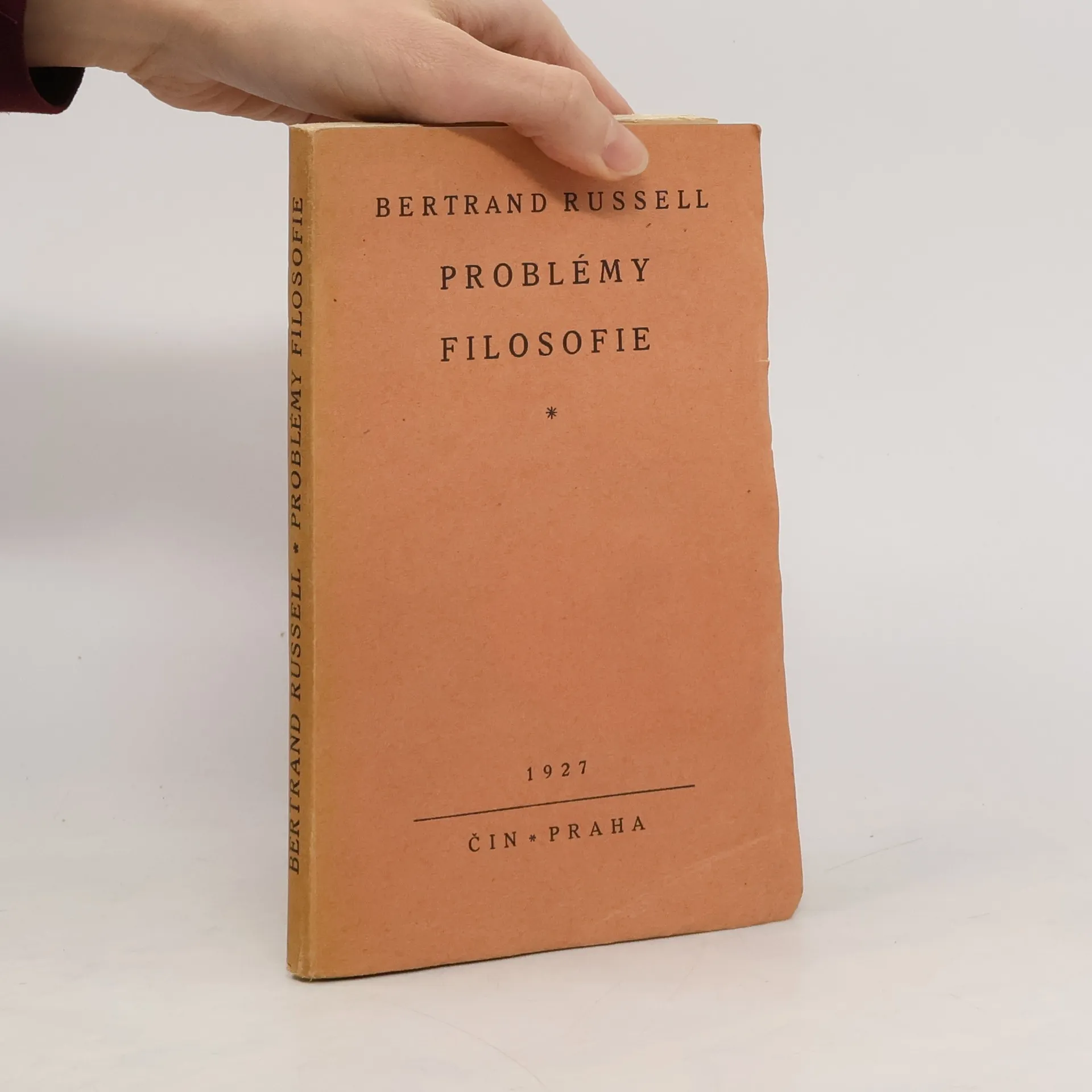
Bertrand Russell was one of the greatest logicians since Aristotle, and one of the most important philosophers of the past two hundred years. As we approach the 125th anniversary of the Nobel laureate's birth, his works continue to spark debate, resounding with unmatched timeliness and power. The Problems of Philosophy, one of the most popular works in Russell's prolific collection of writings, has become core reading in philosophy. Clear and accessible, this little book is an intelligible and stimulating guide to those problems of philosophy which often mistakenly lead to its status as too lofty and abstruse for the lay mind. Focusing on problems he believes will provoke positive and constructive discussion, Russell concentrates on knowledge rather than metaphysics, steering the reader through his famous 1910 distinction between "knowledge by acquaintance and knowledge by description," and introducing important theories of Descartes, Kant, Hegel, Hume, Locke, Plato, and others to lay the foundation for philosophical inquiry by general readers and scholars alike
In this timely work, Russell, philosopher, agnostic, mathematician, and renowned peace advocate, offers a brief yet insightful study of the conflicts between science and traditional religion during the last four centuries. Examining accounts in which scientific advances clashed with Christian doctrine or biblical interpretations of the day, from Galileo and the Copernican Revolution, to the medical breakthroughs of anesthesia and inoculation, Russell points to the constant upheaval and reevaluation of our systems of belief throughout history. In turn, he identifies where similar debates between modern science and the Church still exist today. This classic is sure to interest all readers of philosophy and religion, as well as those interested in Russell's thought and writings.
1872-1914, 1914-1944, 1944-1967
«История западной философии» — самый известный, фундаментальный труд Б. Рассела. Впервые опубликованная в 1945 году, эта книга представляет собой всеобъемлющее исследование развития западноевропейской философской мысли — от возникновения греческой цивилизации до 20-х годов двадцатого столетия. Альберт Эйнштейн назвал ее «работой высшей педагогической ценности, стоящей над конфликтами групп и мнений». Классическая Эллада и Рим, католические «отцы церкви», великие схоласты, гуманисты Возрождения и гениальные философы Нового Времени — в монументальном труде Рассела находится место им всем, а последняя глава книги посвящена его собственной теории поэтического анализа.
Hermann Lenz erzählt über dreißig Jahre die Geschichte seines Alter ego, des Schriftstellers Eugen Rapp. Diese Romanfolge erscheint nun erstmals in einer Kassette.
Das Buch ist die Autobiografie von Bertrand Russell (1872-1970), einem herausragenden englischen Mathematiker, Logiker, Philosophen und Essayisten, der von Biografen und Kritikern als der Voltaire des 20. Jahrhunderts bezeichnet wird. Er war Absolvent von Cambridge, Diplomat und Dozent in Cambridge, London, Peking und an vielen amerikanischen Universitäten. Russell war viermal verheiratet. Sein Werk behandelt eine Vielzahl von Themen, seine etwas extravaganten Äußerungen und Handlungen sowie sein turbulentes Privatleben weckten Interesse, doch seine wissenschaftlichen Leistungen sicherten ihm einen Platz in der Kulturgeschichte. Der englische Schriftsteller Lytton Strachey verglich Russells Verstand mit einer Kreissäge: Alle Zähne bewegen sich gleichzeitig und in entgegengesetzte Richtungen, aber sie schneidet und bewegt sich geradeaus. Die einfache, ehrliche und hervorragend geschriebene Autobiografie besteht aus drei Bänden. Der präsentierte Band umfasst die Jahre 1872-1914, also die Jugend und die ersten Jahre des Erwachsenenlebens, und zeigt ein interessantes Bild der viktorianischen Sitten in England.



![Manželství a mravnost = [Marriage and Morals]](https://rezised-images.knhbt.cz/1920x1920/268276.webp)