Bookbot

Harry Brockway

    Brideshead Revisited
    Muž, ktorý sadil stromy
    Crime & Punishment
    • Crime & Punishment

      • 560 stránok
      • 20 hodin čítania

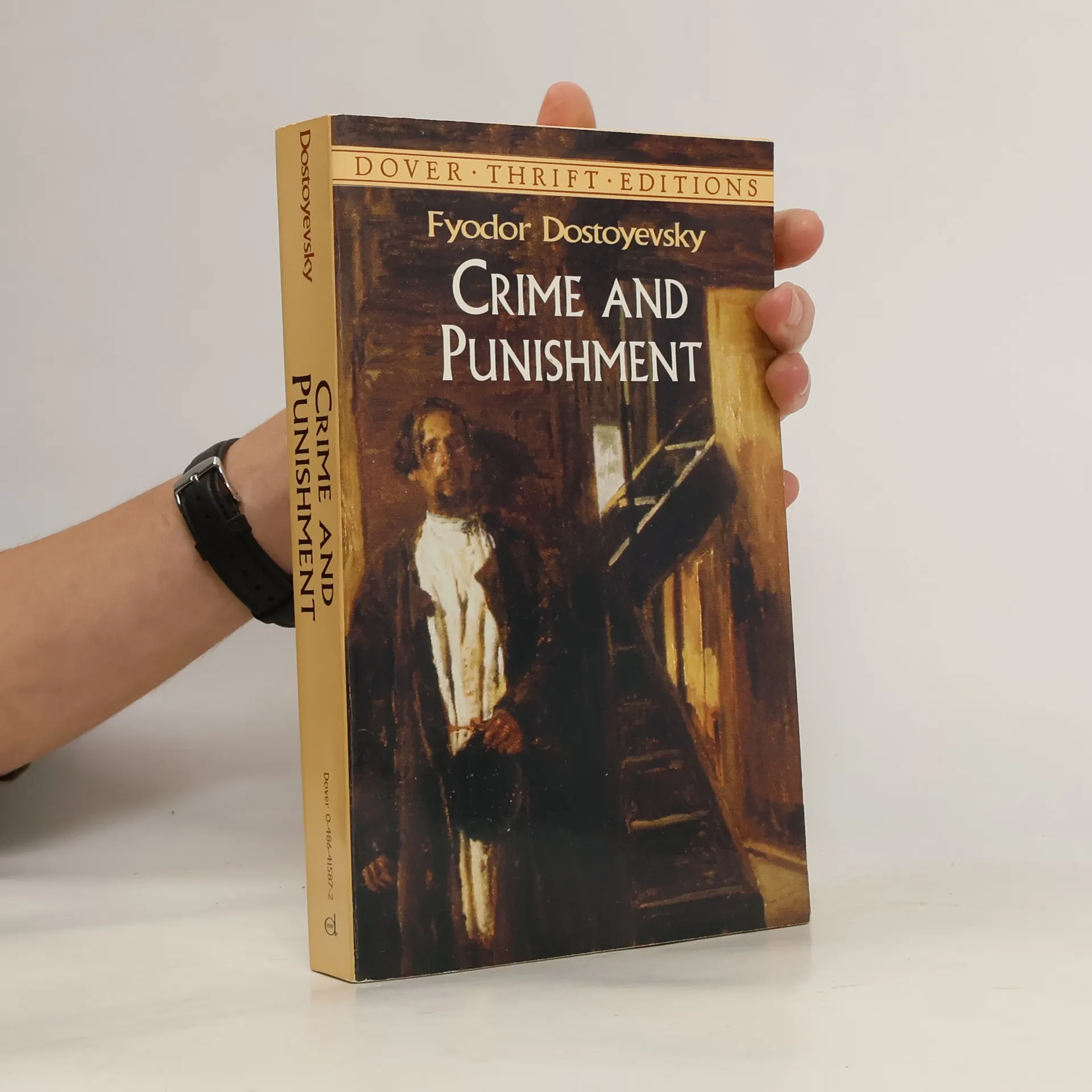
      Poverty-stricken and cut off from society, former law student Rodion Romanovich Raskolnikov leads a desolate life in a dreary little room in St Petersburg. Having abandoned all hopes of sustaining himself through work, he now obsesses over the idea of changing his fortunes through an act of extreme violence: the killing of an elderly pawnbroker. His mind baulks at the horror of his plan, but when he hears that his sister Dunya is about to agree to a loveless marriage in order to escape the advances of her employer, his disgust for the world becomes unbounded, and his feelings of rebellion and revenge push him closer and closer to the edge of the precipice. A masterpiece of psychological insight, Dostoevsky's 1866 novel features some of its author's most memorable characters – from the temperamental protagonist Raskolnikov to the amoral sensualist Svidrigailov and the immoral lawyer Luzhin. Presented here in a sparkling new translation by Roger Cockerell, Crime and Punishment is a towering work in nineteenth-century Russian fiction and a landmark of world literature.

      Crime & Punishment
      4,7
    • Muž, ktorý sadil stromy

      • 64 stránok
      • 3 hodiny čítania

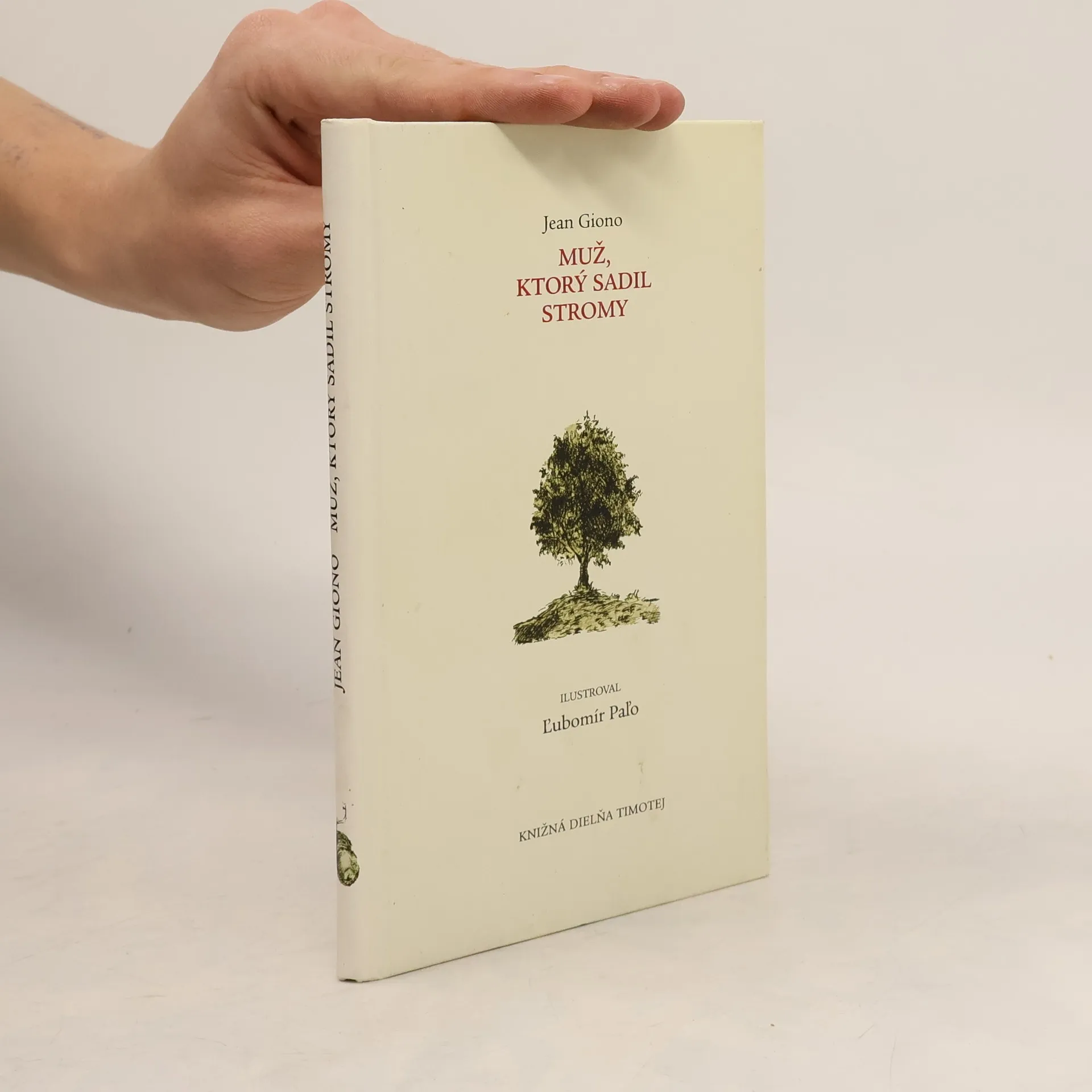
      Príbeh obyčajného francúzskeho pastiera, ktorý obyčajnou prácou zmenil krajinu. Krásna knižka o nádeji a zmysle života so skvelými ilustráciami Ľuboslava Paľa.

      Muž, ktorý sadil stromy
      4,6
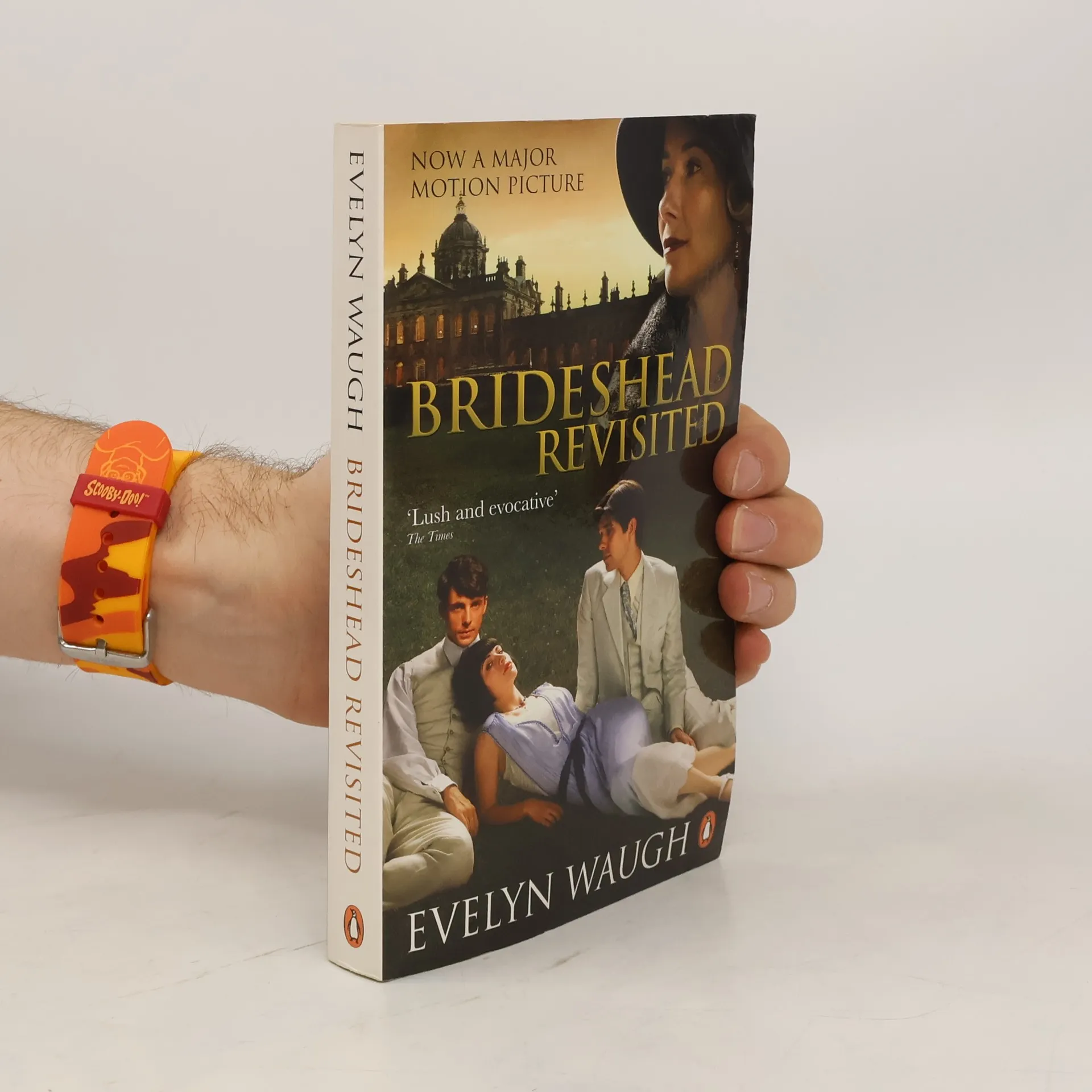
    • (Book Jacket Status: Jacketed)   Evelyn Waugh’s most celebrated novel is a memory drama about the intense entanglement of the narrator, Charles Ryder, with a great Anglo-Catholic family. Written during World War II, the novel mourns the passing of the aristocratic world Waugh knew in his youth and vividly recalls the sensuous pleasures denied him by wartime austerities; in so doing it also provides a profound study of the conflict between the demands of religion and the desires of the flesh. At once romantic, sensuous, comic, and somber, Brideshead Revisited transcends Waugh’s familiar satiric exploration of his cast of lords and ladies, Catholics and eccentrics, artists and misfits, revealing him to be an elegiac, lyrical novelist of the utmost feeling and lucidity.   The edition reprinted here contains Waugh’s revisions, made in 1959, and his preface to the revised edition.

      Brideshead Revisited
      4,1