Roger Lowenstein je autor, ktorý sa hlboko ponoril do sveta financií a kapitalizmu. Jeho diela sa vyznačujú bystrým analytickým pohľadom a schopnosťou zjednodušiť zložité ekonomické koncepty pre širšie publikum. Lowenstein sa zameriava na odhaľovanie mechanizmov, ktoré riadia finančné trhy a životy tých, ktorí ich formujú. Jeho písanie ponúka čitateľom podstatný vhľad do fungovania sveta peňazí.
In "When Genius Failed, " bestselling author Lowenstein captures the entire roller-coaster ride of long-term capital management in gripping detail. Drawing on confidential internal memos and interviews with dozens of key players, Lowenstein crafts a story that reads like a first-rate thriller from beginning to end.
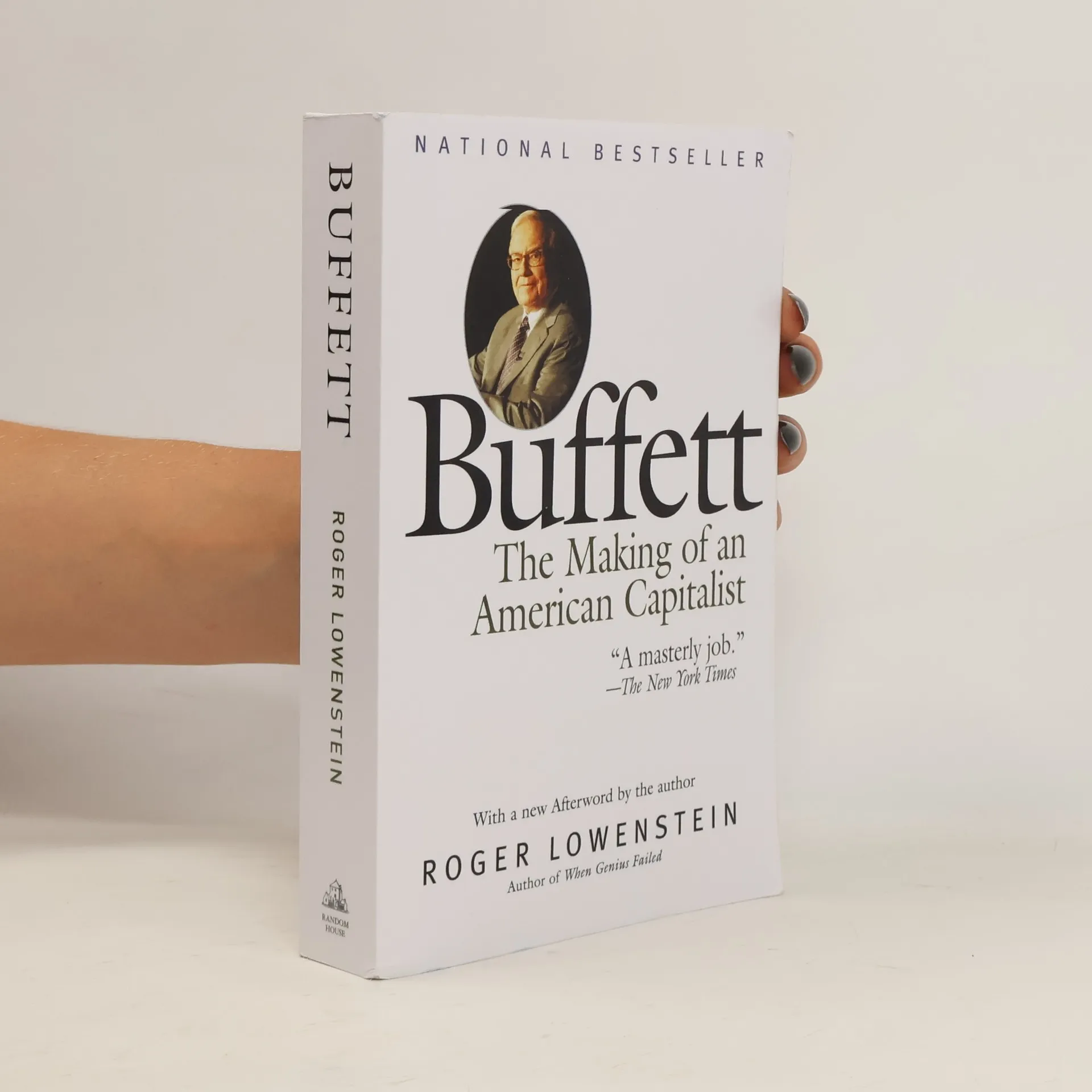
Since its hardcover publication in August of 1995, Buffett has appeared on the Wall Street Journal, New York Times, San Francisco Chronicle, Los Angeles Times, Seattle Times, Newsday and Business Week bestseller lists. Starting from scratch, simply by picking stocks and companies for investment, Warren Buffett amassed one of the epochal fortunes of the twentieth century—an astounding net worth of $10 billion, and counting. His awesome investment record has made him a cult figure popularly known for his seeming contradictions: a billionaire who has a modest lifestyle, a phenomenally successful investor who eschews the revolving-door trading of modern Wall Street, a brilliant dealmaker who cultivates a homespun aura. Journalist Roger Lowenstein draws on three years of unprecedented access to Buffett’s family, friends, and colleagues to provide the first definitive, inside account of the life and career of this American original. Buffett explains Buffett’s investment strategy—a long-term philosophy grounded in buying stock in companies that are undervalued on the market and hanging on until their worth invariably surfaces—and shows how it is a reflection of his inner self.
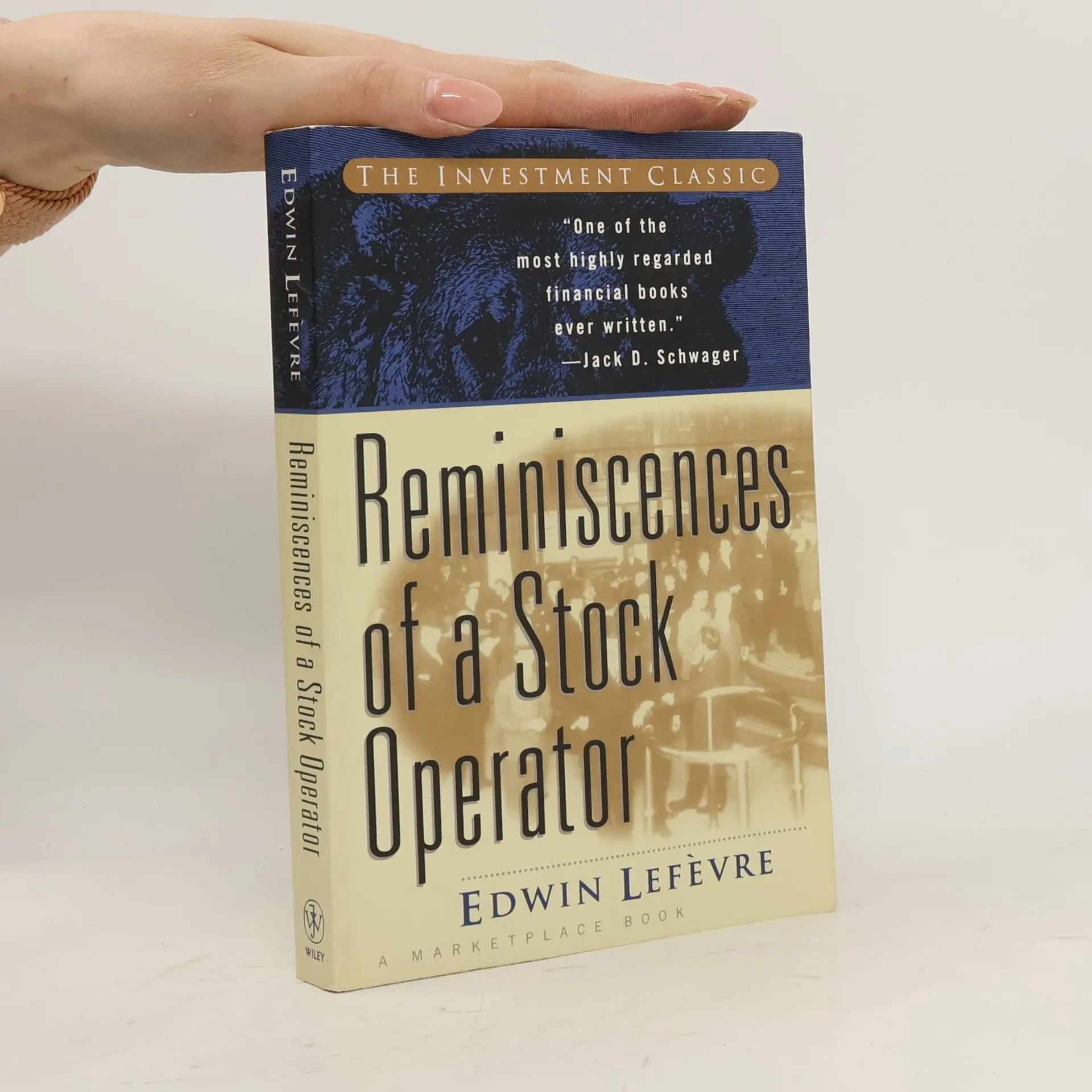
Critical Praise... "In my interviews with over 30 of the best traders of our time, I consistently asked if there were any books they found particularly valuable for aspiring traders. The most frequent response was a book that has been around for over 70 years!" —from the Foreword by Jack Schwager, author of Market Wizards. "Although first published 70 years ago, its insights on crowd psychology and market timing are as relevant as ever." —Worth magazine. "The most entertaining book on investing is by Edwin Lefevre, first published in 1923." —The Seattle Times. "The best book I've read is one I keep for new employees." —Martin Zweig. "After 20 years and many re-reads, it remains one of my all-time favorites." —Kenneth L. Fisher, Forbes. First published in 1923, this fictionalized biography of Jesse Livermore, one of the greatest speculators, remains the most widely read and recommended investment book. Generations of investors have discovered that it offers invaluable lessons about themselves and the market, often surpassing years of experience. This timeless narrative continues to enrich the lives and portfolios of today’s investors, just as it has for countless others in the past.
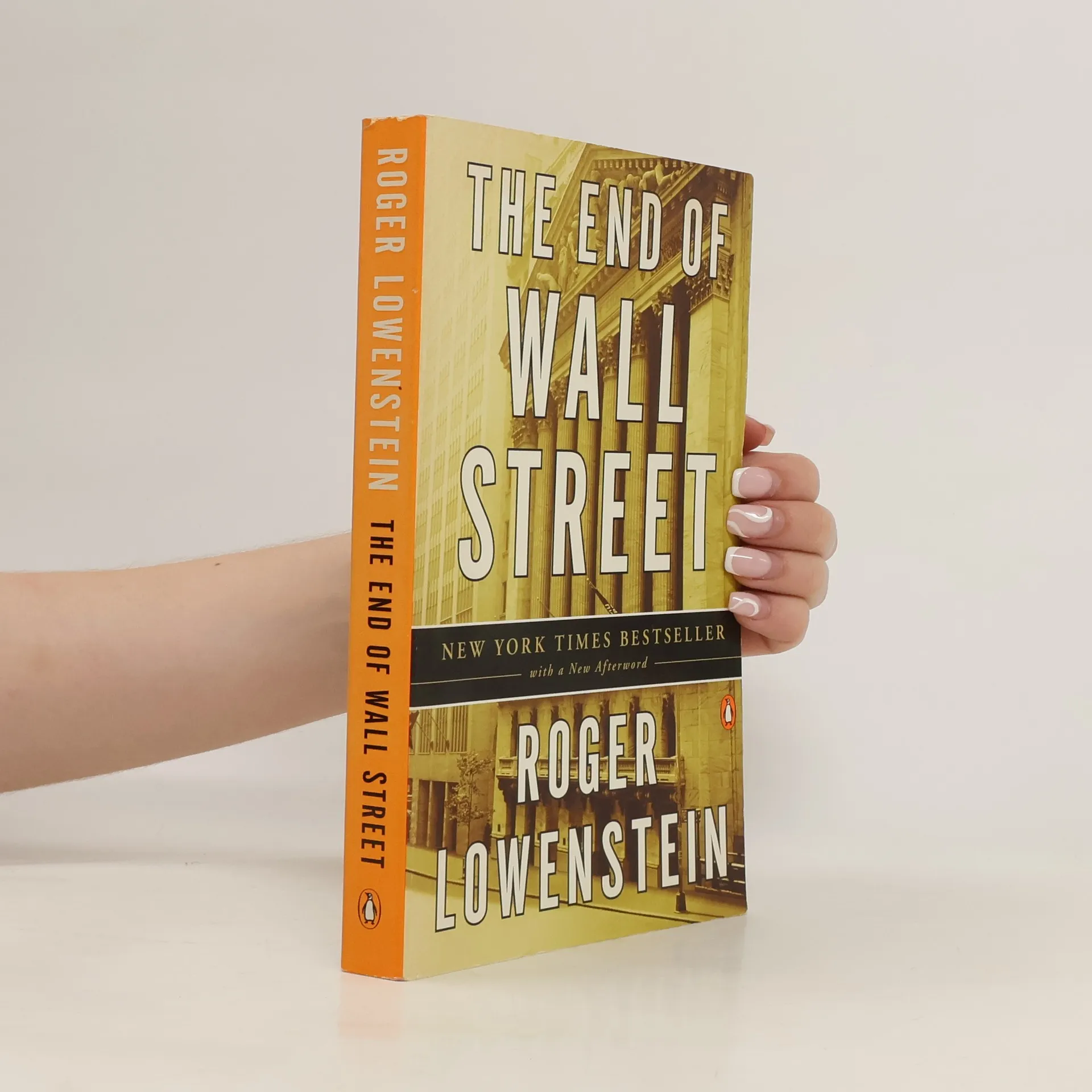
The New York Times bestseller “Think of Roger Lowenstein's The End of Wall Street as a tuition-free class in 21st-century U.S. macroeconomics." —USA Today With razor-sharp insight, bestselling author Roger Lowenstein tells the full story of the end of Wall Street as we knew it. Roger Lowenstein's The End of Wall Street unfurls a gripping chronicle of the 2008 financial collapse, drawing on 180 interviews with top government officials and Wall Street CEOs. Lowenstein looks to the roots of the crisis to reveal how America succumbed to the siren song of easy debt and speculative mortgages. Combining deep analysis with sizzling narrative, The End of Wall Street charts the end of an era of unprecedented and unwarranted optimism while looking ahead to the legacy of the bailout.
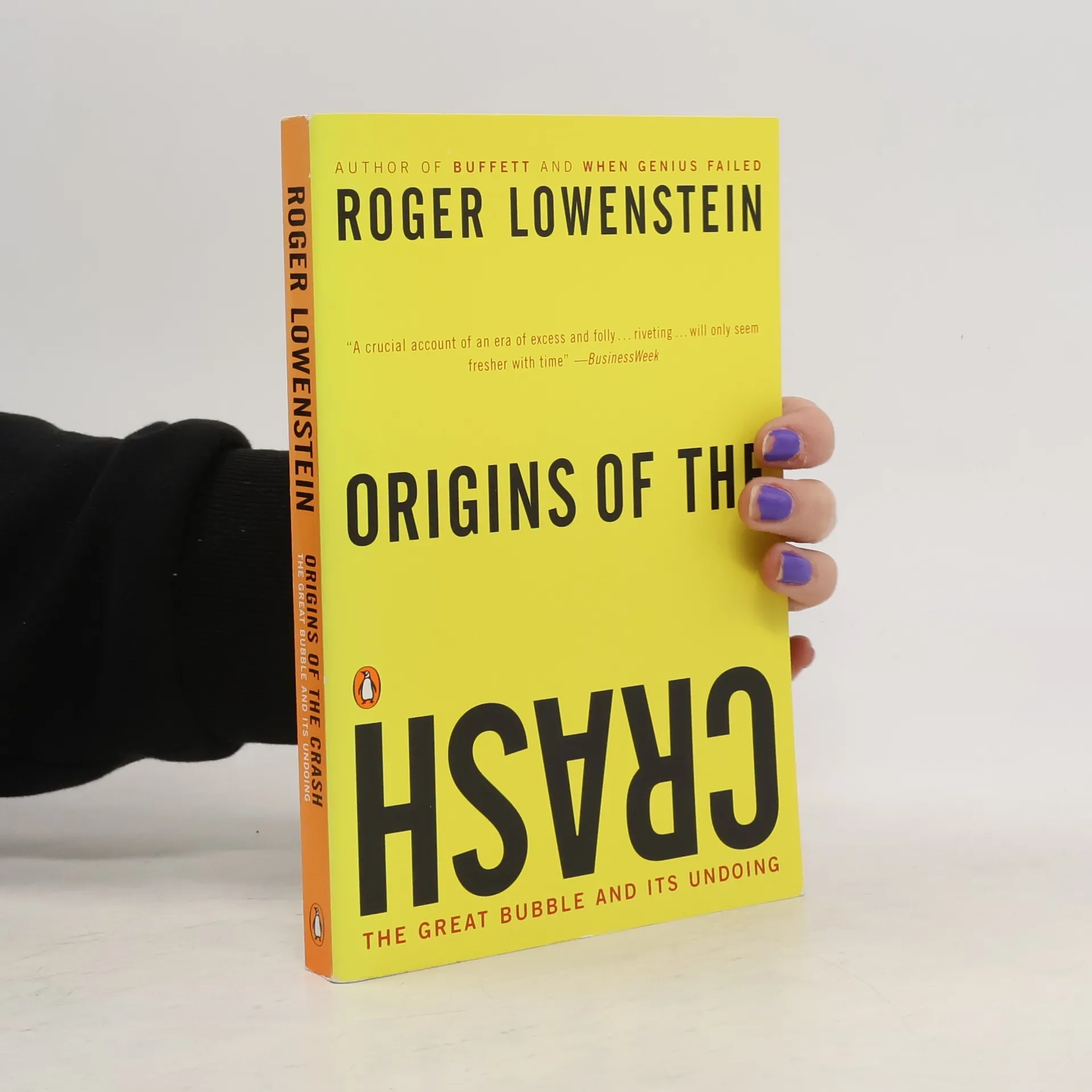
The book provides a comprehensive analysis of the dot-com boom and subsequent bust, highlighting the events and key players that shaped this pivotal era in technology and finance. Renowned for its insightful journalism, it delves into the economic factors, cultural shifts, and lessons learned from the rise and fall of internet companies, making it an essential read for those interested in understanding the complexities of this transformative period.