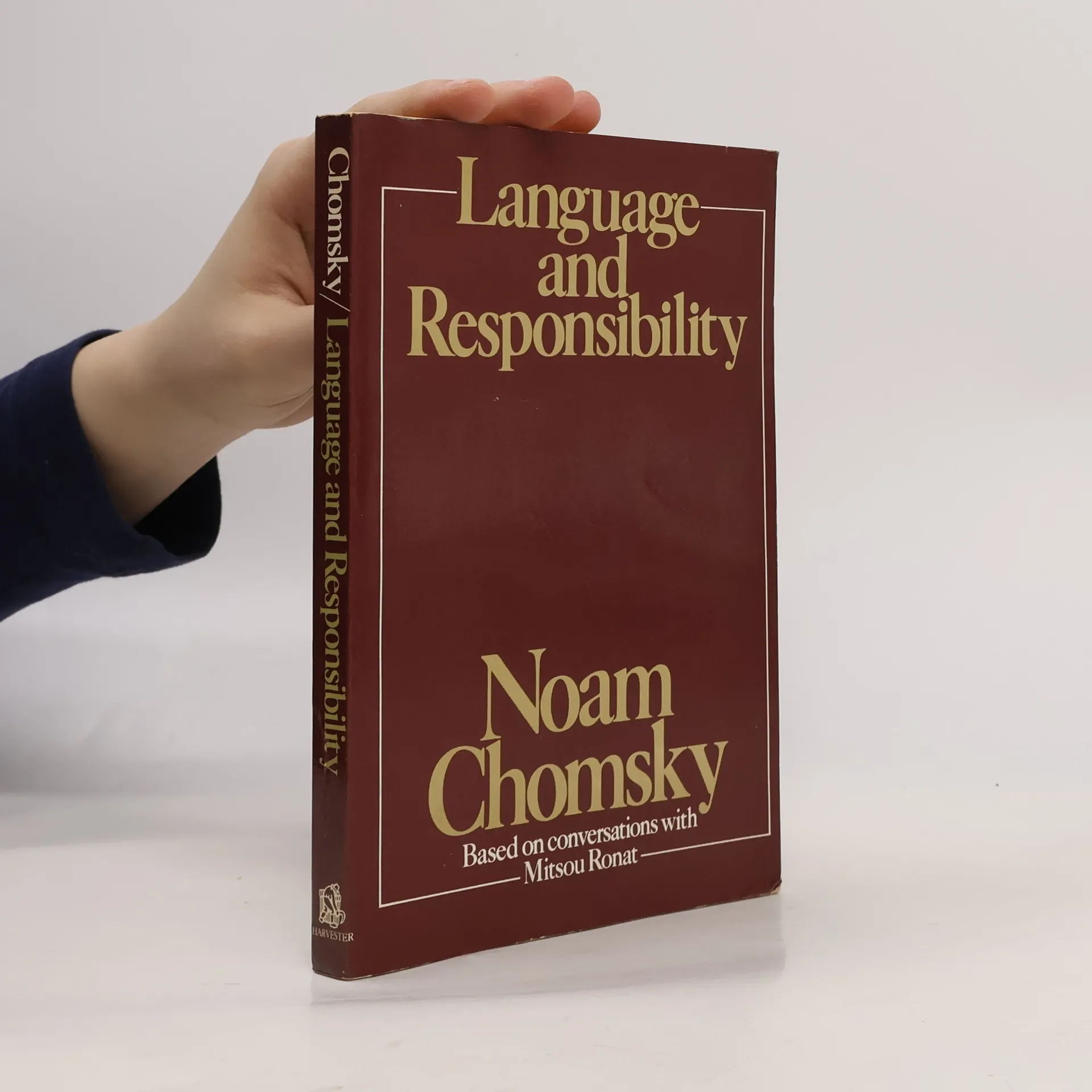
Jazyk a zodpovednosť
- 104 stránok
- 4 hodiny čítania
Kniha rozhovorov o ústredných myšlienkach Chomského systému "generatívnej gramatiky" a jeho názoroch na vývoj modernej lingvistiky.


Avram Noam Chomsky je uznávaný lingvista a filozof, ktorý zásadne ovplyvnil 20. storočie svojou teóriou generatívnej gramatiky. Jeho práca podnietila kognitívnu revolúciu v psychológii a jeho prirodzený prístup k štúdiu jazyka formoval filozofiu jazyka a mysle. Chomsky je tiež známy svojím rozsiahlym politickým aktivizmom a kritikou zahraničnej politiky Spojených štátov, čo z neho robí jedného z najcitovanejších učencov.

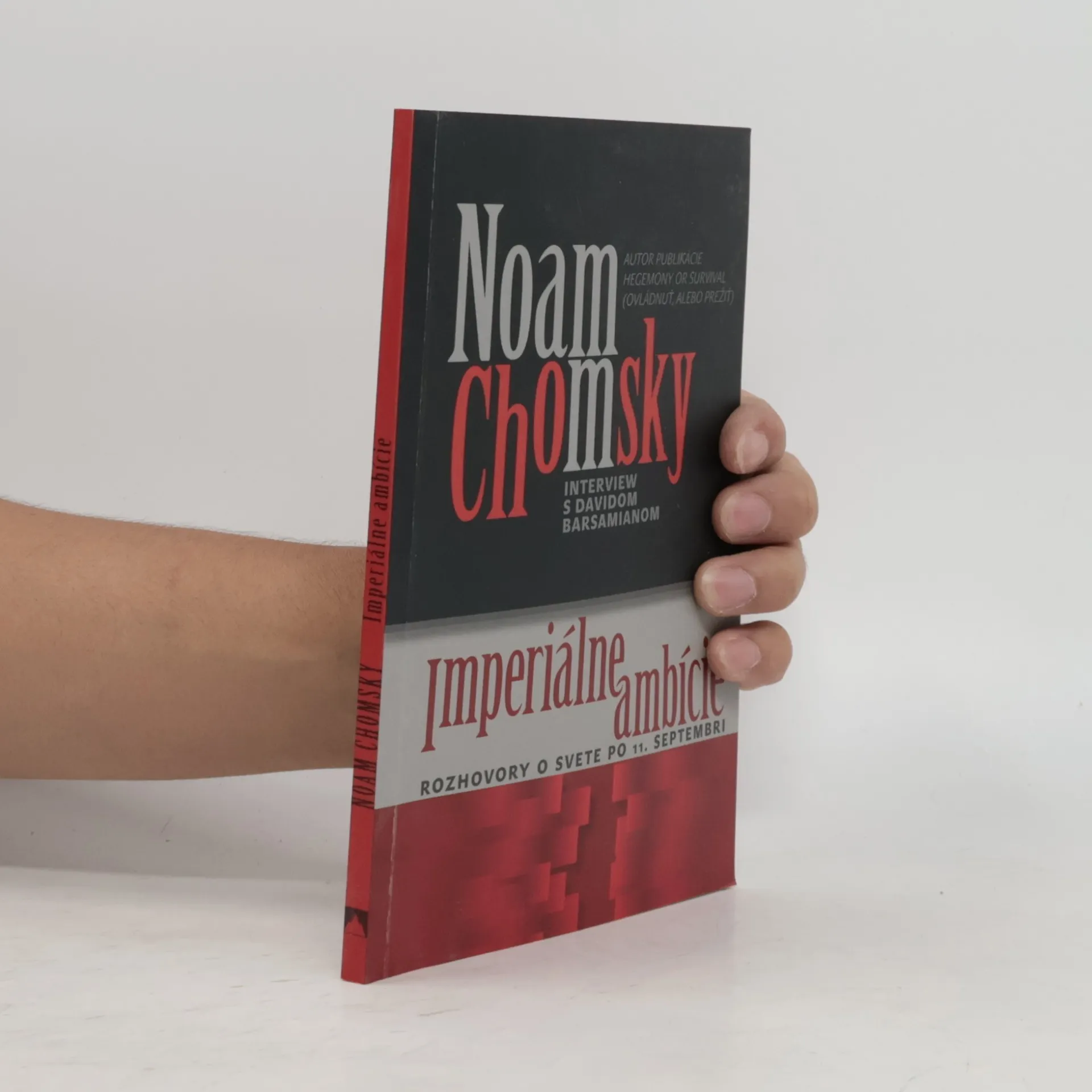

Kniha rozhovorov o ústredných myšlienkach Chomského systému "generatívnej gramatiky" a jeho názoroch na vývoj modernej lingvistiky.
Chomského kniha zásadných rozhovorov prináša čitateľovi najnovšie veľmi provokatívne, ale aj imaginatívne názory na najaktuálnejšie politické problémy doby. A tak, čitateľ môže sledovať vodopád jeho logicky vystavaných argumentov, postrehov, názorov a myšlienok. S Chomským možno nesúhlasiť, polemizovať, prieť sa, ale ignorovať jeho briskný intelekt, nepočúvať ho, neprieť sa s ním, znamená rezignáciu na kritické myslenie, zakrpatenie intelektuálneho diskurzu a nakoniec duchovnú stagnáciu. Je veľký predpoklad, že táto kniha by mohla oživiť jednostranný a upadajúci spoločenskovedný diskurz na Slovensku. O jeho pozitívnom dopade na kvalitu verejných rozpráv niet pochýb.
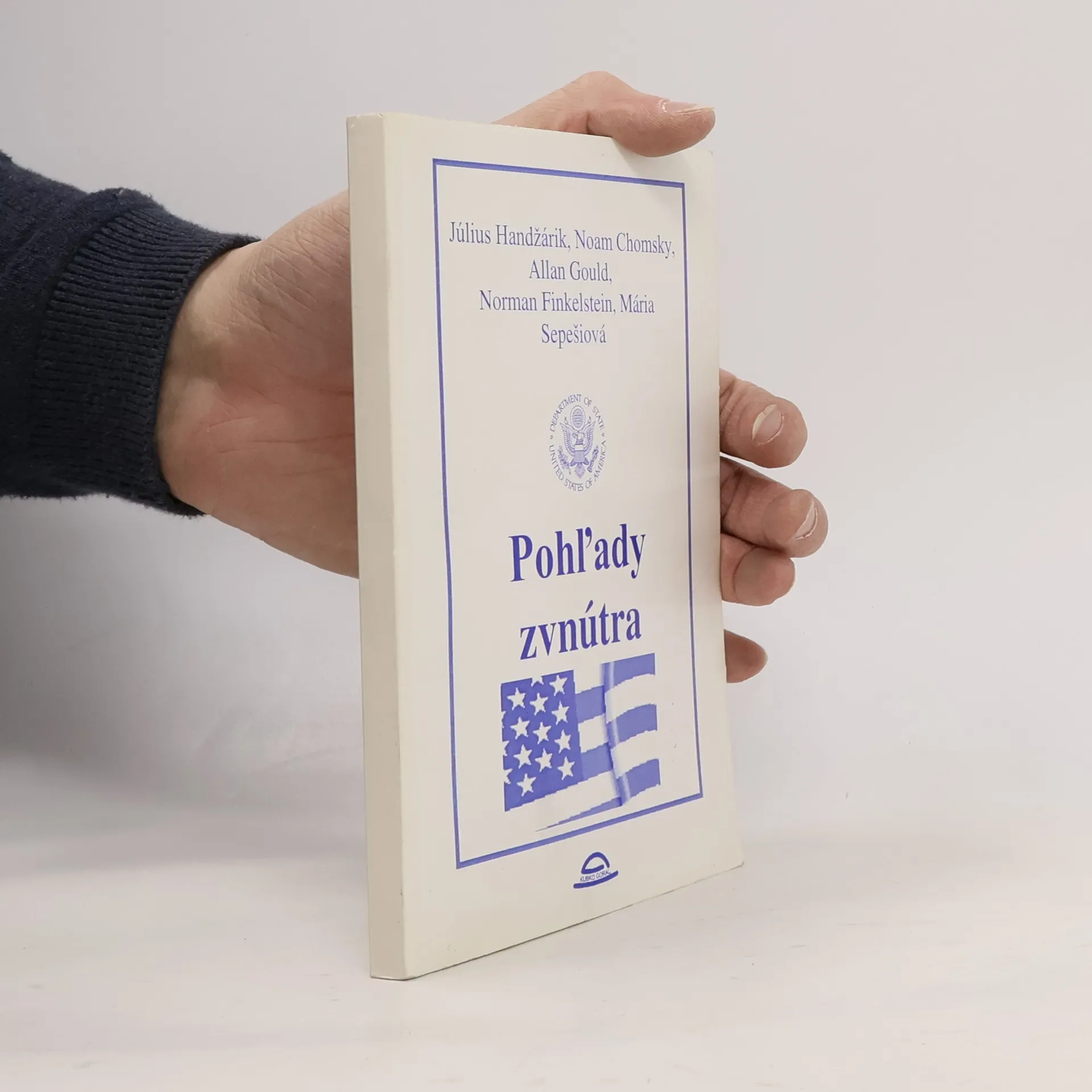
V tomto útlom zväzku dostáva čitateľ do rúk výňatky z diel štyroch autorov, ktorých zdanlivo takmer nič nespája. V skutočnosti ich však spája prinajmenšom jedna vec – zasvätený realistický pohľad priamo zvnútra západného demokratického sveta na mechanizmy a nástroje celosvetovej ekonomickej a mocenskej expanzie Spojených štátov amerických, ktorá sa skrýva za nič nehovoriaci slogan „globalizácia“.
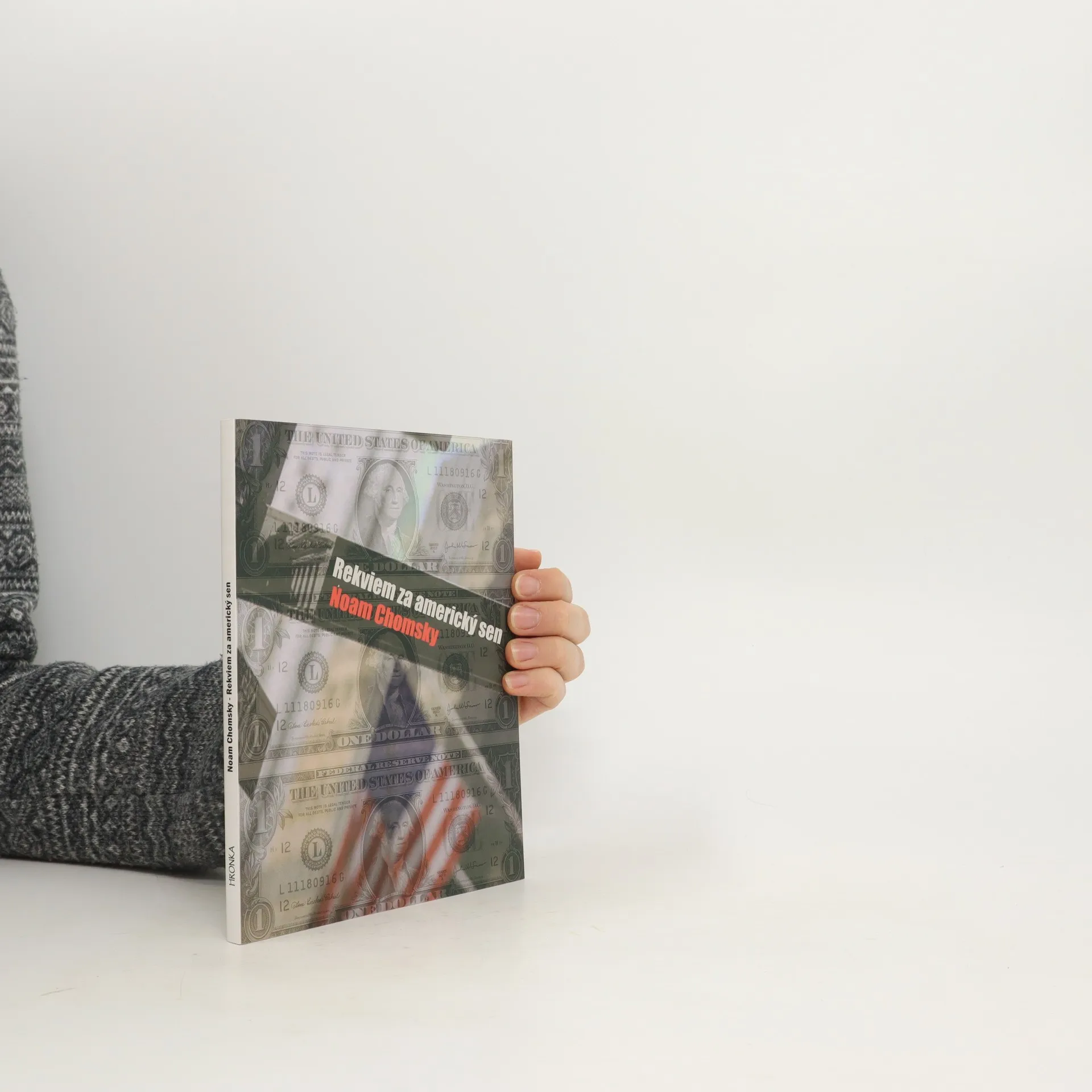
Vo svojej knihe Rekviem za americký sen: 10 princípov koncentrácie bohatstva a moci sa Noam Chomsky venuje utopickej predstave súčasného neoliberalizmu a kapitalizmu, ktorú dáva do nevšednej súvislosti s reálnym stavom americkej ekonomiky a spoločnosti. Postupne v nej rozoberá aj historický prechod k súčasnému politickému systému Spojených štátov od jeho počiatkov v druhej polovici 18. storočia, ktorý v konečnom dôsledku viedol k stabilizovaniu ideológie neoliberalizmu v americkej spoločnosti, kultúre a politike. Vysvetľuje, ako veľké korporácie indoktrinujú verejnosť, akadémiu a médiá pre podporu projektu, ktorý devastuje nižšie a stredné triedy populácie Spojených štátov. To celé Chomsky uchopuje a segmentuje do desiatich základných princípov, ktoré prispievajú k výraznému rozširovaniu príjmovej nerovnosti medzi vrstvami americkej spoločnosti. Medzi tieto princípy patria: redukovanie demokracie, tvarovanie ideológie, prestavovanie ekonomiky, prenášanie bremena, útočenie na solidaritu, riadenie regulačných úradov, konštruovanie volieb, držanie populácie v jednej línii, fabrikovanie súhlasu a marginalizácia populácie. Každý z týchto princípov Chomsky dôkladne popisuje a svoje tvrdenia podporuje prostredníctvom širokej palety rôznych primárnych zdrojov, od Aristotelovej Politiky, cez prejavy Martina Luthera Kinga Jr, až po sociologické štúdie Martina Gilensa a Benjamina Pagea.
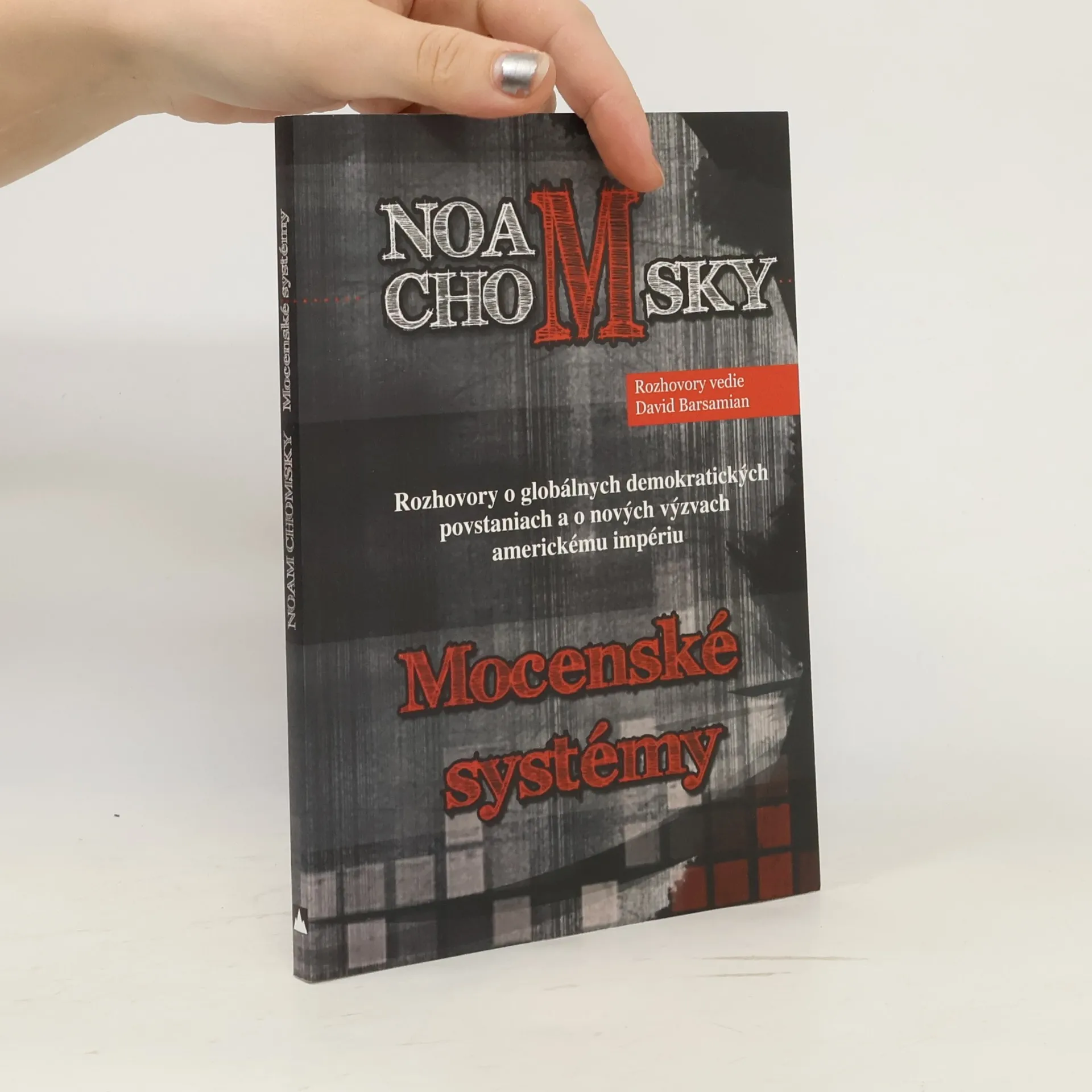
V knihe rozhovorov, uskutočnených v rokoch 2010 – 2012, sa Noam Chomsky zaoberá aktuálnymi a naliehavými otázkami súčasnosti: budúcnosťou demokracie v arabskom svete, európskou finančnou krízou, kolapsom amerických politických inštitúcií, vznikom a pôsobením hnutia Occupy. Osvedčená autorská dvojica Noam Chomsky a David Barsamian je zárukou vysokej kvality spoločenského diskurzu na rozličné témy. Chomsky, ako vždy, ponúka hlboký a zasvätený pohľad na príčiny krízy, s ktorou sa momentálne konfrontujeme, či už doma alebo v zahraničí, nekompromisne poukazuje na neduhy americkej spoločnosti. Kniha len potvrdzuje, že Chomsky je nevyčerpateľným zdrojom poznatkov pre každého, kto chce pochopiť zložitosť súčasného sveta.
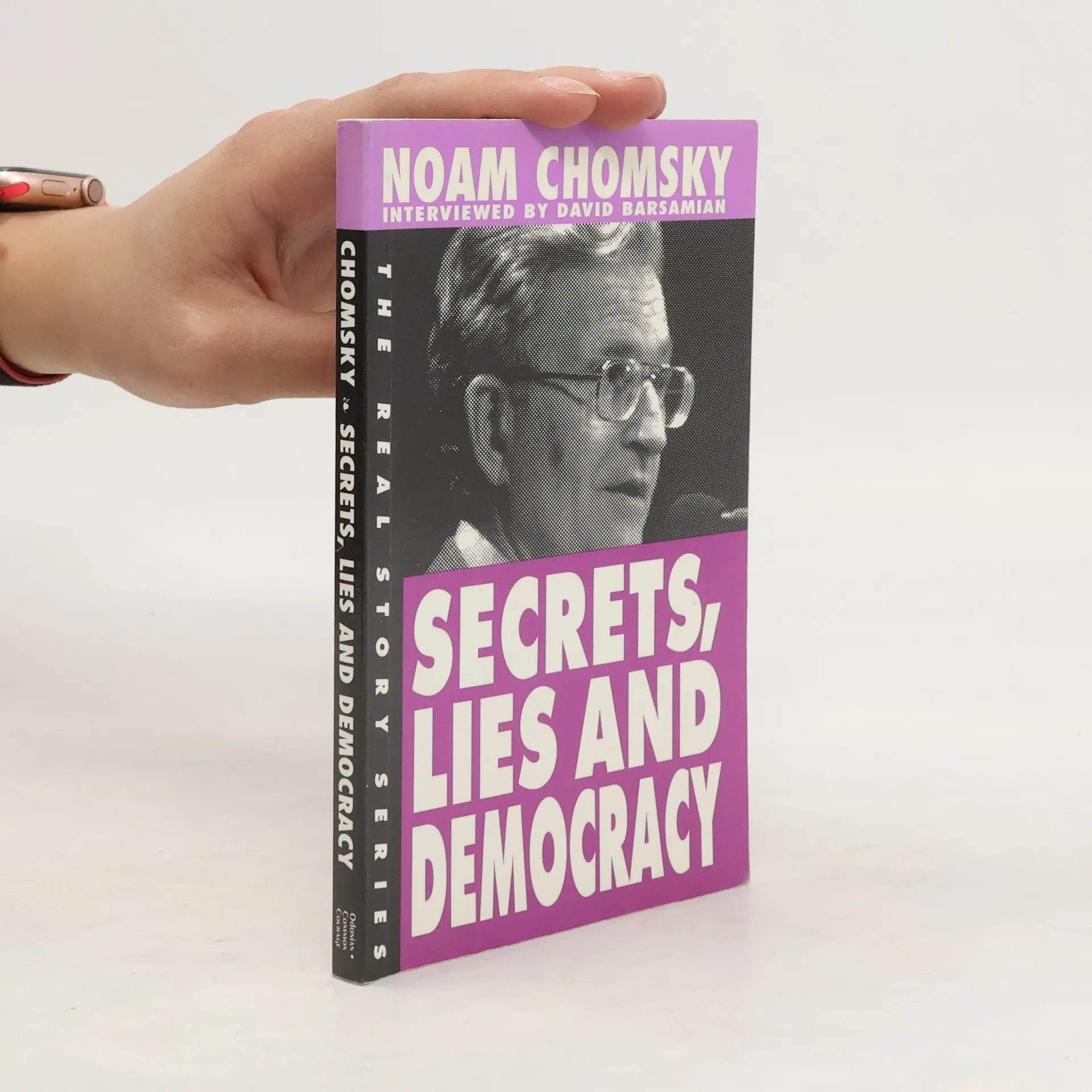
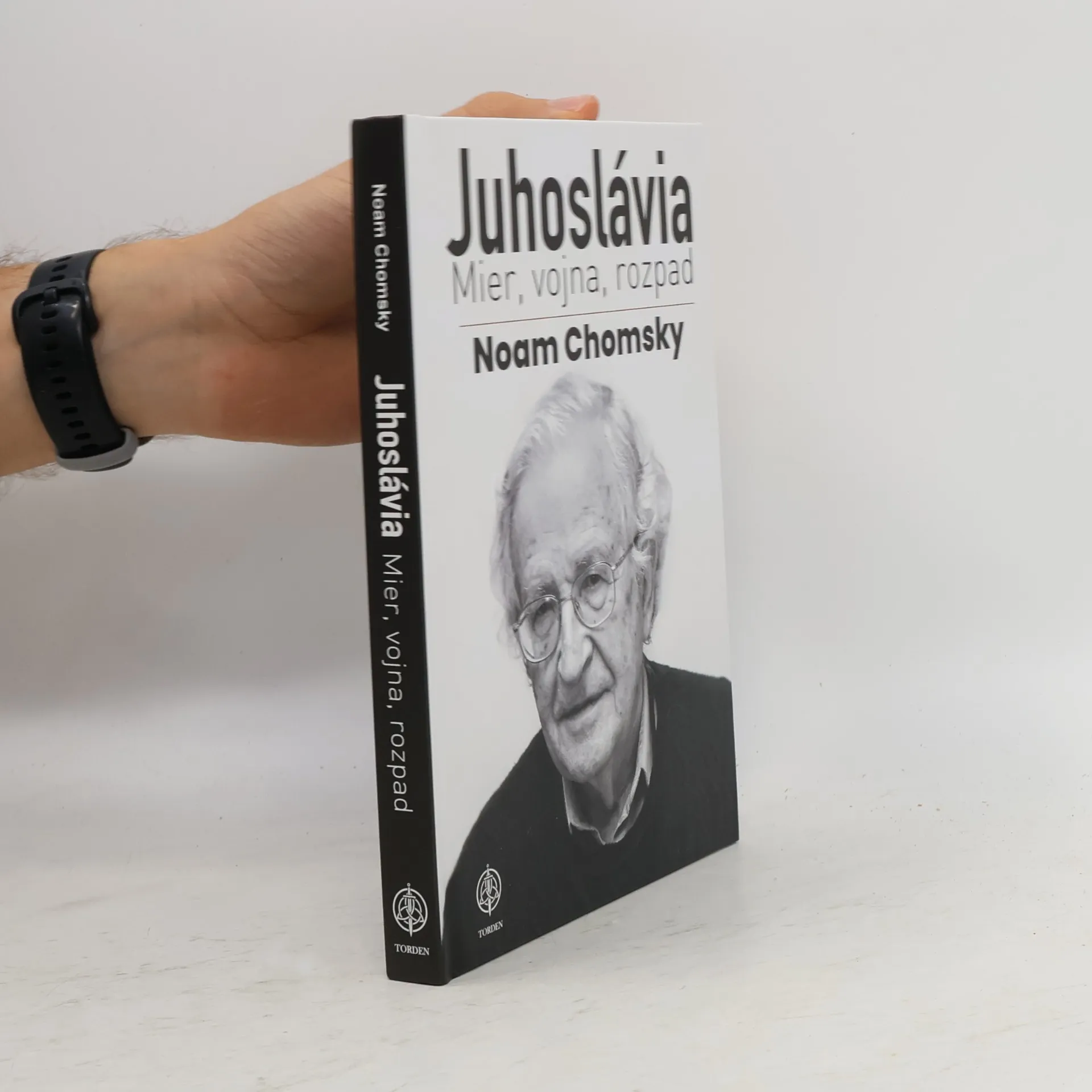
Ktože to pred dvadsiatimi rokmi hrubo porušil medzinárodné právo a bez akéhokoľvek mandátu OSN zaútočil pod vymyslenou zámienkou na suverénny európsky štát a zničil ho? Neposlušné Srbsko nebolo ochotné podriadiť sa diktátu USA a podpísať „mierový plán“ s neprijateľnými podmienkami /napr. aj rozmiestnenie cudzích vojsk v Kosove/. Táto oblasť bola posledným kútom Európy, ktorá sa nepodriadila neoliberálnym programom USA, neprebehli v nej ekonomické ani sociálne reformy. Noam Chomsky je jeden z najznámejších a najcitovanejších intelektuálov našej doby, svojím politickým aktivizmom patrí k ostrým kritikom amerického imperializmu a mediálnej propagandy, hoci sám je Američan. Kniha je komplexná analýza všetkých jeho textov a verejných rozhovorov o Juhoslávii.
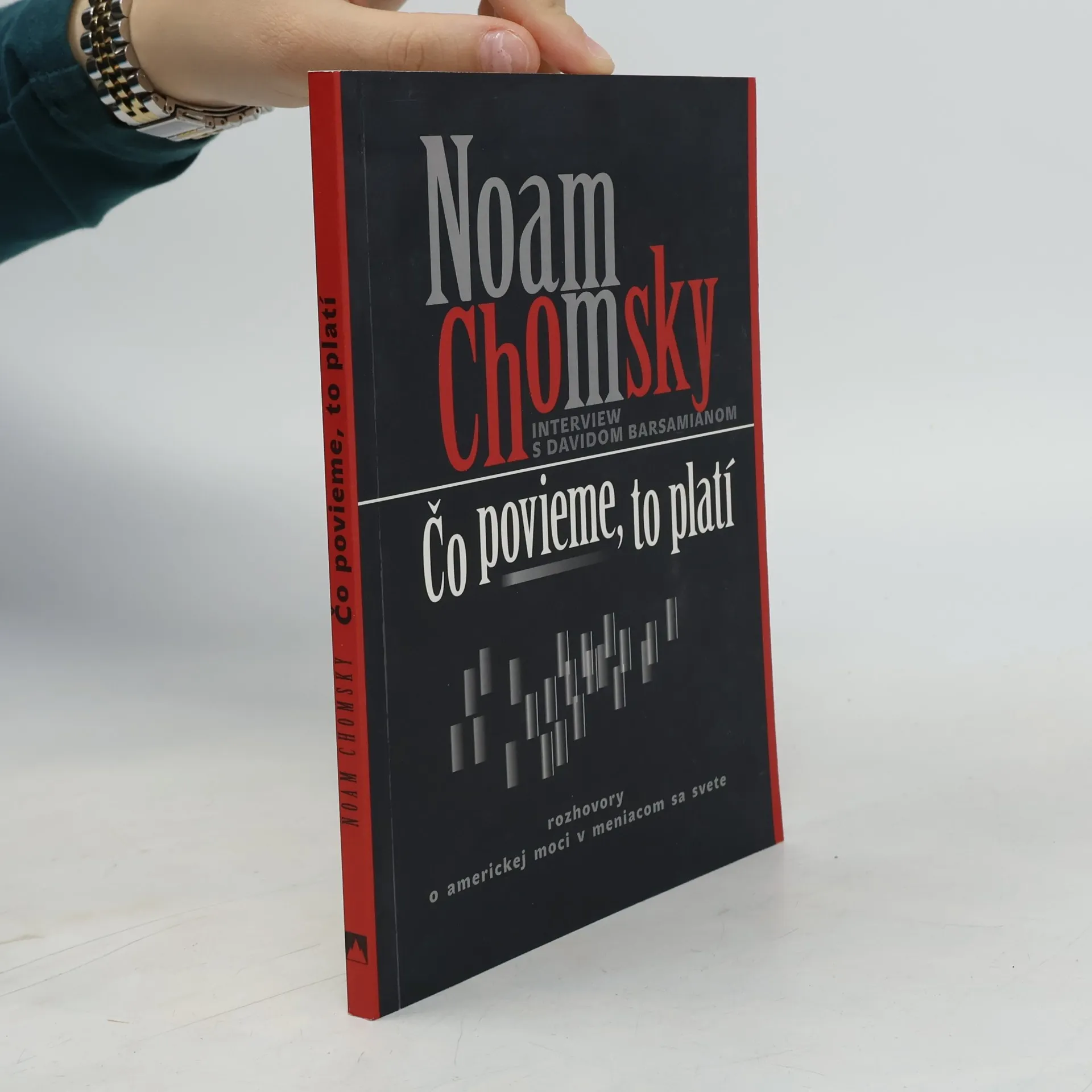
rozhovory o americkej moci v meniacom sa svete Titul Čo povieme, to platí je jedným zo série rozhovorov, v ktorých sa Noam Chomsky vyjadruje k aktuálnym politickým otázkam súvisiacim so zahraničnou politikou Spojených štátov amerických. Chomského za jeho odvahu a otvorenosť hovoriť o niektorých témach označujú aj ako „najužitočnejšieho občana Ameriky“. Iní sa o ňom vyjadrujú ako o „svetovom fenoméne“. V každom prípade, Chomsky patrí k najčítanejším autorom vo svojej oblasti. Aj predkladaný titul je vyváženým posúdením správania sa štátu, ktorý si naďalej myslí, že jeho poslaním je ovládať celý svet. V Chomskeho slovách objavíte muža, ktorý pociťuje hlboké sklamanie z toho, čo sa deje, a ktorý je frustrovaný z premrhaného potenciálu svojej krajiny. Napriek tomu môžeme objaviť v jeho úvahách nádej, ako aj konkrétne návrhy na riešenie niektorých problematických otázok. Či už bude čitateľ s Chomskym súhlasiť alebo nie, diela tohto významného mysliteľa našich čias sú minimálne akýmsi bezkonkurenčným podnetom na zamyslenie. Prvé vydanie
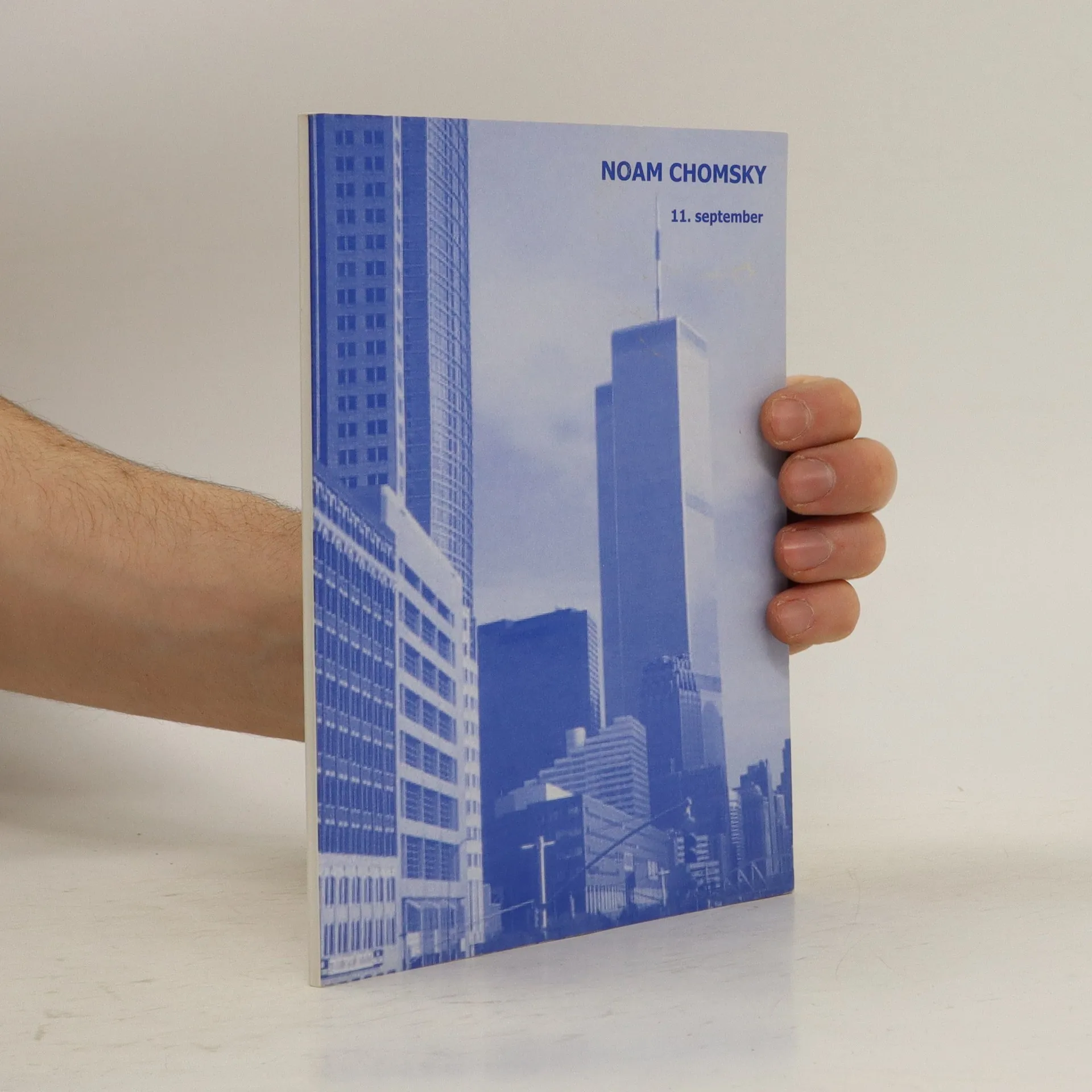
Rozhovory rôznych novinárov s Noamom Chomským počas prvého mesiaca po útokoch na WTC a Pentagón 11. septembra 2001.
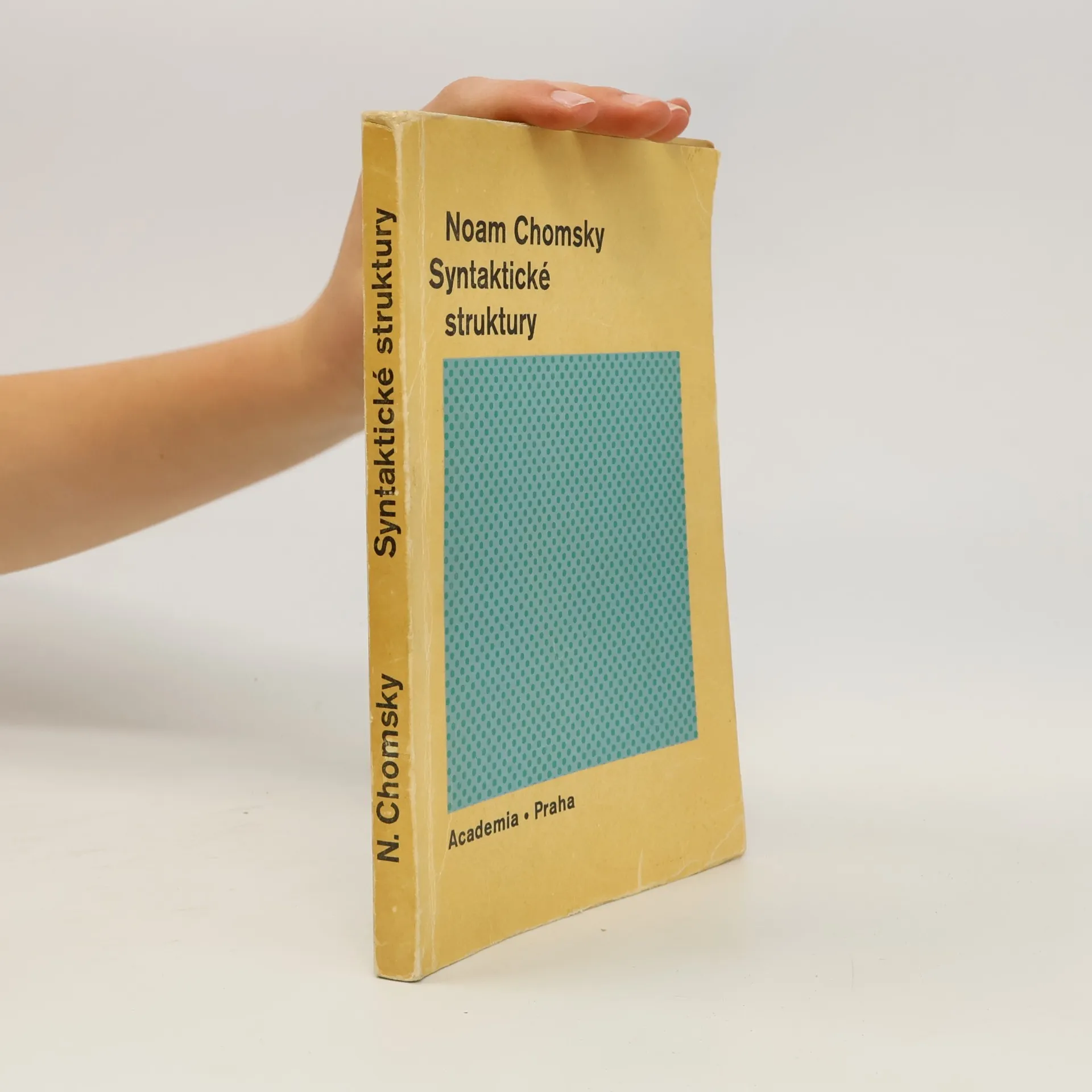
Syntaktické struktury N. Chomského představují základní text, s nímž by se měl seznámit každý, kdo se zajímá o formální popis přirozeného jazyka a v návaznosti i na počítačovou lingvistiku. I když je text poznamenán dobou svého vydání, je pro pochopení vývoje dané oblasti stále aktuální.
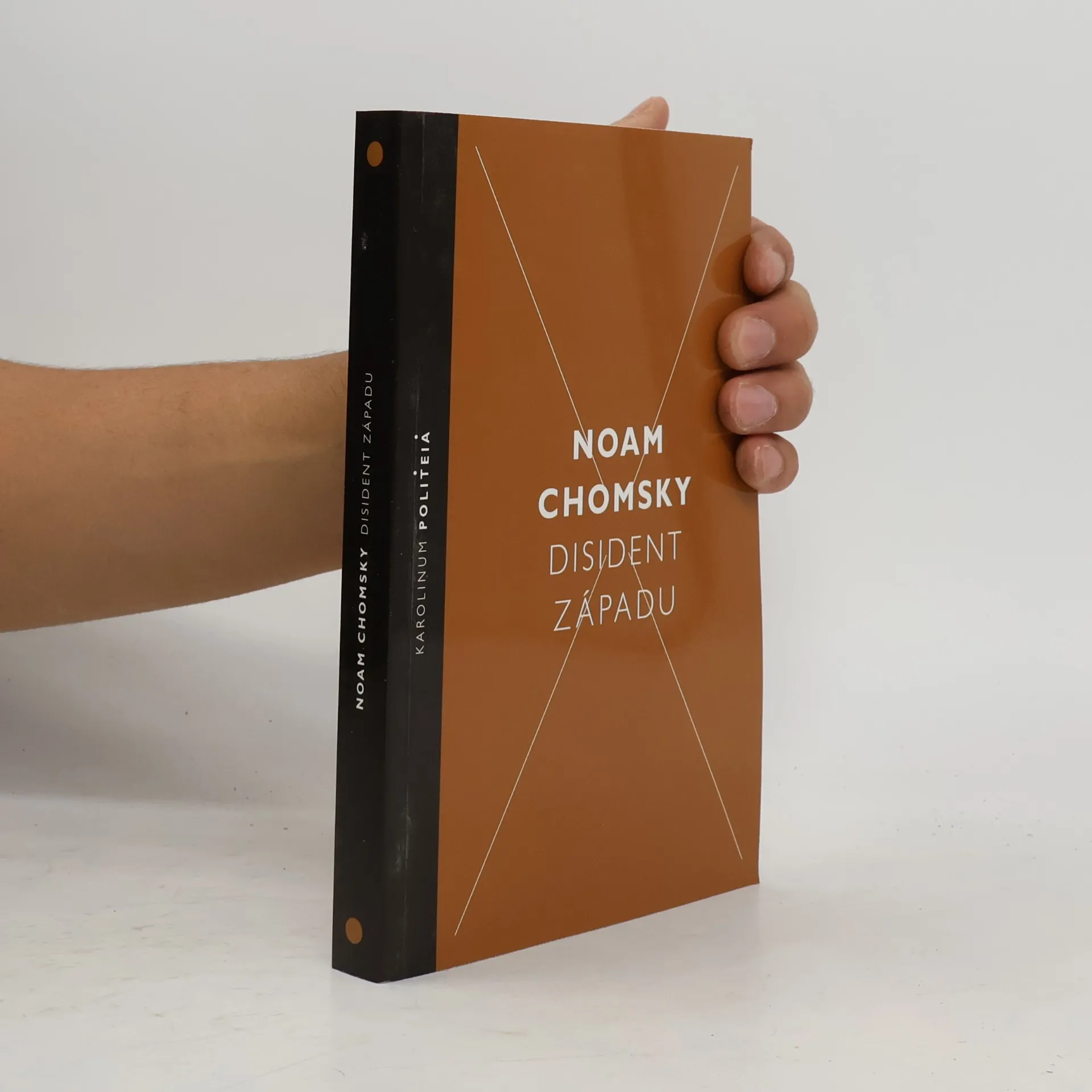
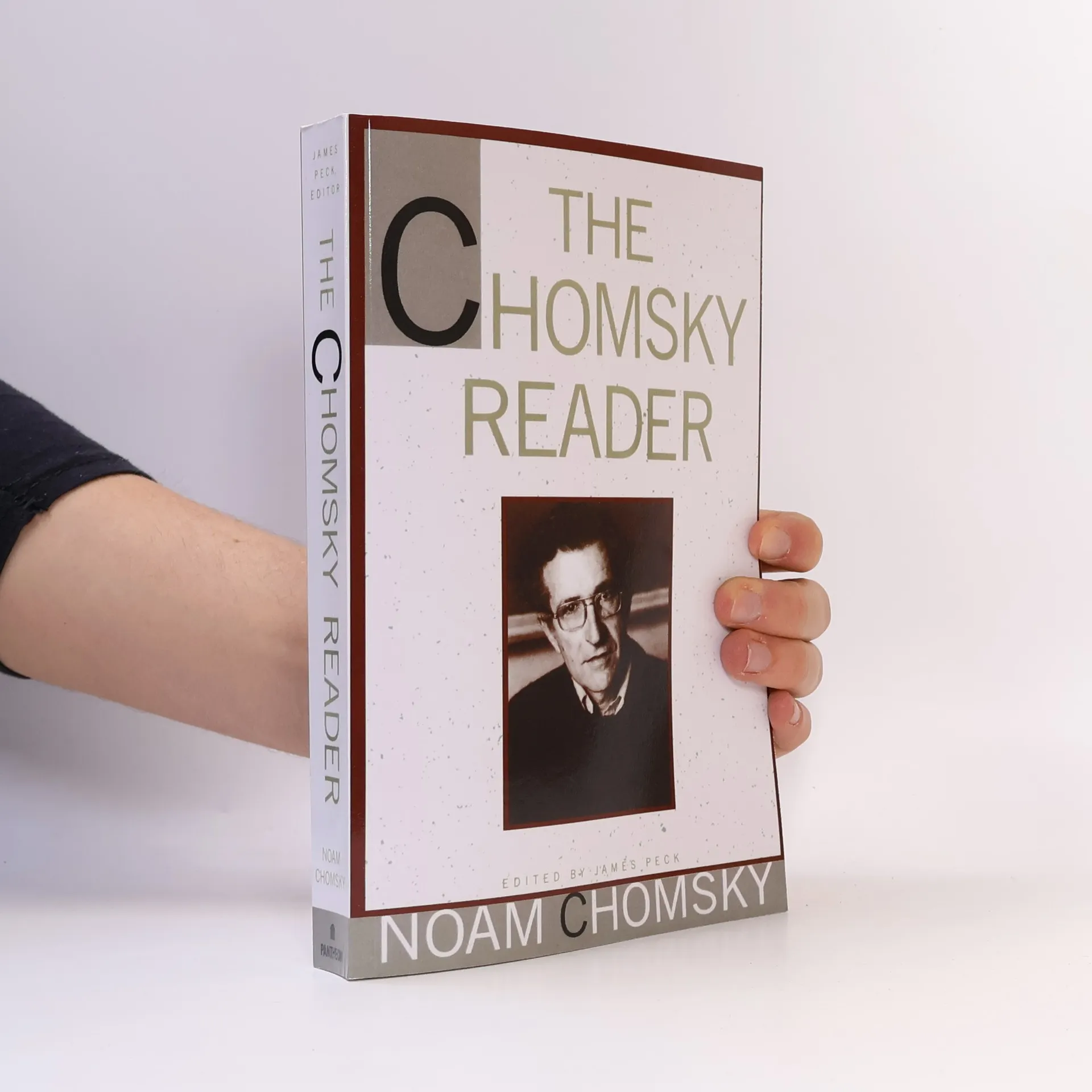
Výbor textů amerického jazykovědce a filosofa Noama Chomského zahrnuje jeho klíčové společenskokritické texty napříč časovými obdobími (od šedesátých let až po současnost). V jednotlivých esejích se vyrovnává s různými tématy – od role univerzit a intelektuálů, přes alternativní výklad studené války, až po vztahy mezi světovým Severem a Jihem a izraelsko-palestinský konflikt či hodnocení různých tradic politického myšlení. Věnuje se i propojení své lingvistické práce s politickým myšlením na pojmu svobody a jeho vztahu k lidské přirozenosti. Pokouší se také o formulaci politických alternativ zakotvených v anarchistické tradici, kterou reinterpretuje jako antielitářskou pokračovatelku liberalismu a libertariánskou verzi socialismu. Jednotícím motivem jeho textů je kritika elitářského pojetí demokracie, které je podle něj ústřední charakteristikou demokracie v USA a jejich vnitřní i zahraniční politiky. Toto elitářské pojetí demokracie podle Chomského omezuje a podvazuje ty části společnosti, které jsou vnímány jako její kritické instance – ať už se jedná o univerzity, média anebo intelektuální život.
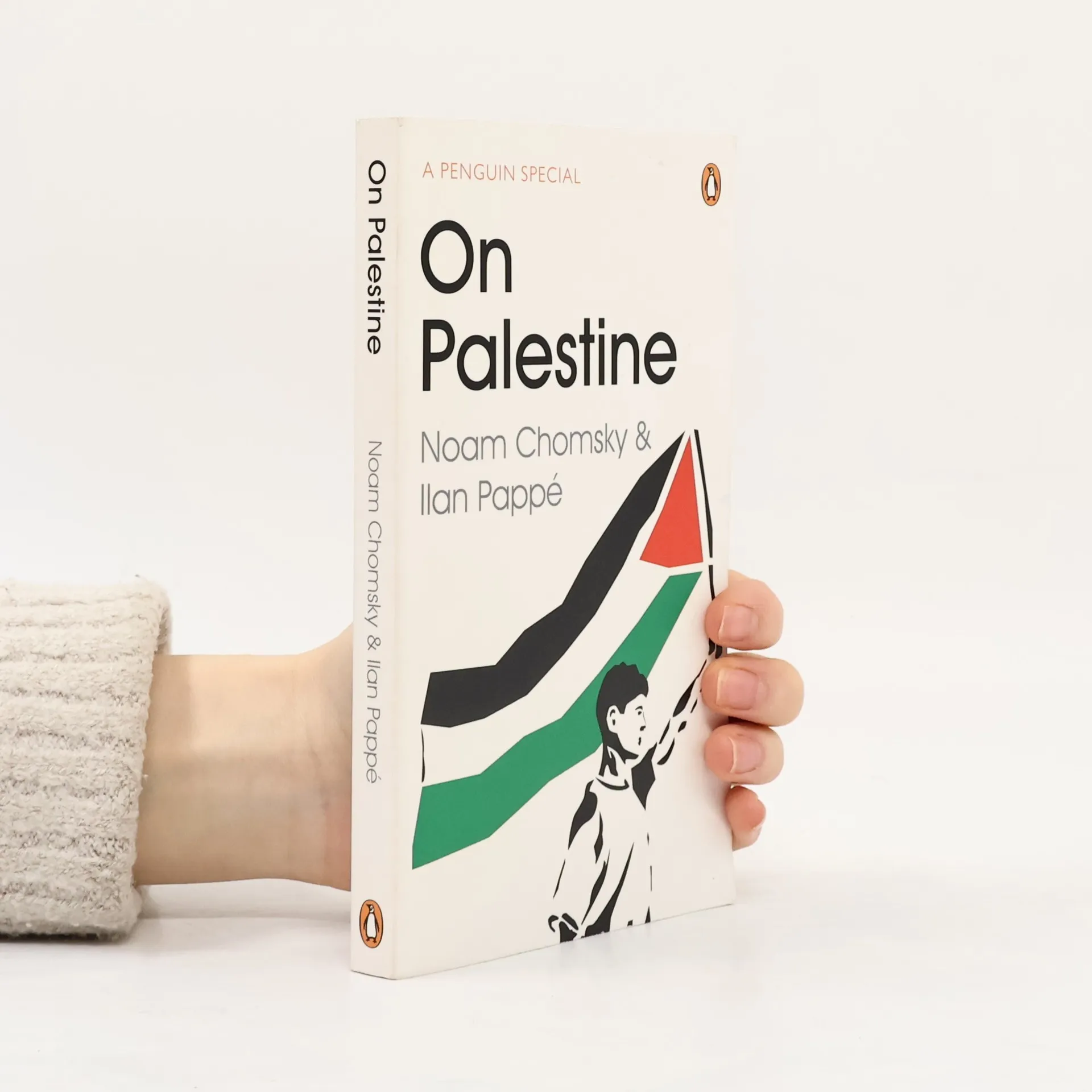
On Palestineis Noam Chomsky and Ilan Pappé's indispensable update on a suffering region. Operation Protective Edge, Israel's most recent assault on Gaza, left thousands of Palestinians dead and cleared the way for another Israeli land grab. The need to stand in solidarity with Palestinians has never been greater. Noam Chomsky and Ilan Pappé, two leading voices in the struggle to liberate Palestine, discuss the road ahead for Palestinians and how the international community can pressure Israel to end its human rights abuses against the people of Palestine. This urgent and timely book offers hope and a way forward for all those committed to the struggle to liberate Palestine. On Palestineis the sequel to Chomsky and Pappé's acclaimed book Gaza in Crisis. 'Noam Chomsky is a global phenomenom.' The New York Times Book Review 'Ilan Pappé is Israel's bravest, most principled, most incisive historian.' John Pilger
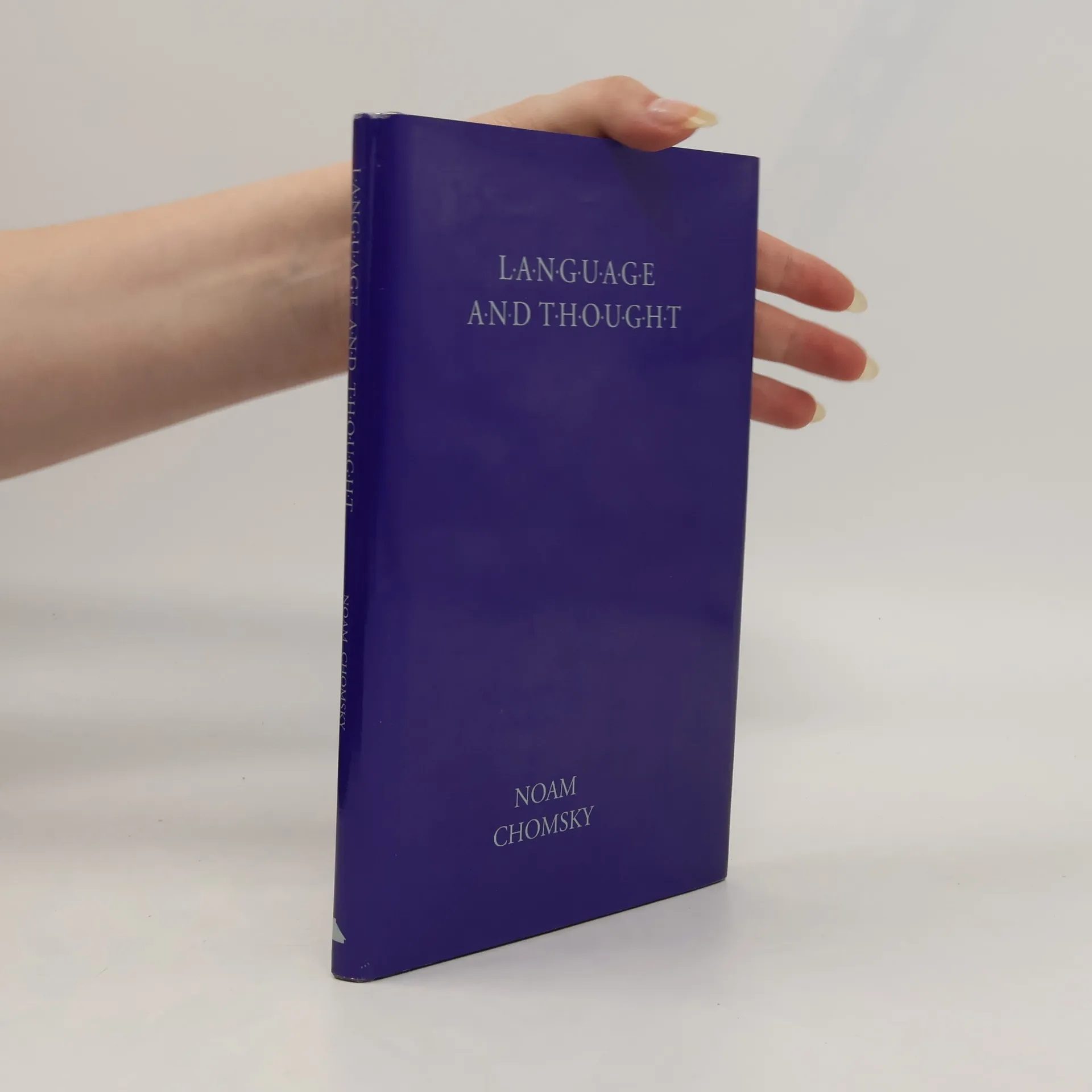
Jedná se o soubor tématicky značně odlišných přednášek (např. lingvistická problematika, odpovědnost intelektuála v současném světě, politická situace na Středním Východě a Východním Timoru), které jeden z průkopníků tzv. generativní gramatiky pronesl roku 1995 během svého pobytu v Austrálii. Text Jazyk a myšlení rozebírá možnosti zkoumání jazyka coby cesty k poznání nitra lidského myšlení především z hlediska tzv. kognitivní revoluce. Následující přednáška hledá význam jazyka v oblasti přírody a interpretuje vztah slov k jazyku. Příspěvek Spisovatelé a odpovědnost intelektuála se zabývá různými aspekty intelektuální odpovědnosti spisovatele v současném světě. Čtvrtá přednáška vymezuje podstatu vztahu mezi vizí coby koncepcí budoucí společnosti a cílem jako dosažitelným úkolem či volbou. Text Demokracie a trhy odhaluje význam demokratických principů v globalizovaném kapitalismu. Závěrečné tři přednášky se zabývají situací v oblasti dodržování lidských práv na Středním Východě a Východním Timoru. Odborně nenáročné texty přibližují amerického jazykovědce nejen jako žijícího klasika světové lingvistiky, ale i coby radikálního analytika mocenských mechanismů současné společnosti.
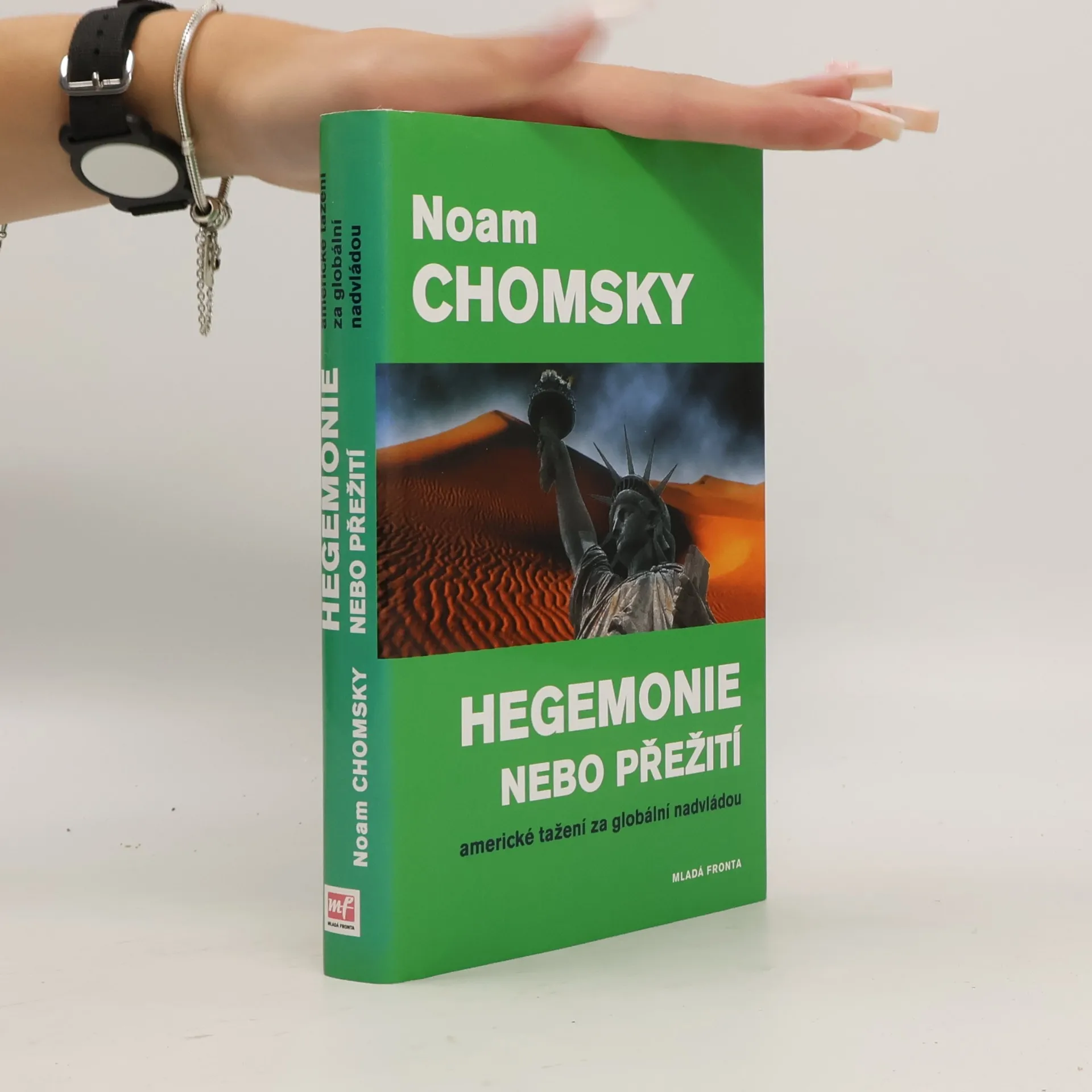
Kde se vzal všudypřítomý terorismus? Proč žije svět ve strachu? Známou odpověď denně nabízejí oficiální média a politici západních mocností. S jinou přichází Noam Chomsky v knize Hegemonie nebo přežití. Je terorismem spíše odpálení bomby v autobuse anebo napadení státu, který pouze nehodlá sledovat politickou linii suveréna? Jistě obojí, ovšem následky jsou neporovnatelné. Kuba, Nikaragua, Panama, Vietnam, Irák - oficiálně vojenské intervence ve jménu světového míru. Podle Chomského však šlo o preventivní zničení narušitelů suverenity USA. Právě v touze Spojených států po světové hegemonii vidí autor největší nebezpečí pro Zemi. Jsou to USA, kdo terorismus živí a kdo jej, ovšem ve skutečně masovém měřítku, uplatňuje. Nenasytnost hegemona více než kdy jindy staví svět na hranu přežití. Nazrál čas, kdy by se uctivé přitakávání krokům USA mělo změnit v kritickou debatu. Tato kniha k ní vybízí....
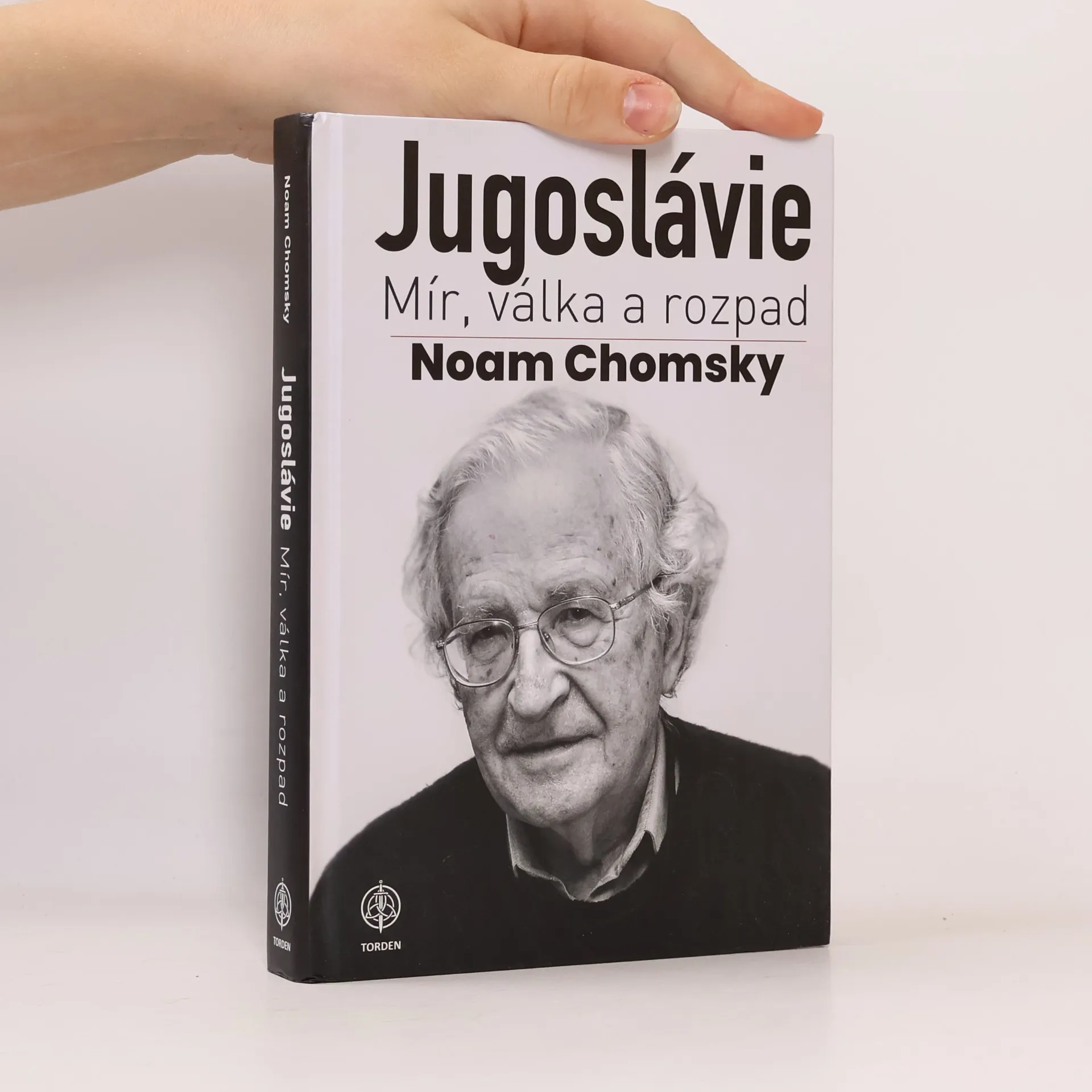
Kdo tenkrát před dvaceti lety hrubě porušil mezinárodní právo a bez jakéhokoliv mandátu OSN zaútočil pod smyšlenou záminkou na suverénní evropský stát a zničil ho? Neposlušné Srbsko nebylo ochotné se podřídit diktátu USA. Podepsat mírový plán s nepřijatelnými podmínkami, např. i rozmístění cizích vojsk v Kosovu. Tato oblast byla posledním koutem Evropy, která se nepodřídila neoliberálním programům USA, neproběhly v ní ekonomické ani sociální reformy. Noam Chomsky je jedním z nejznámějších a nejcitovanějších intelektuálů naší doby. Svým politickým aktivismem patří k ostrým kritikům amerického imperialismu a mediální propagandy, přestože sám je Američan. Kniha je komplexní analýzou všech jeho textů a veřejných rozhovorů o Jugoslávii.
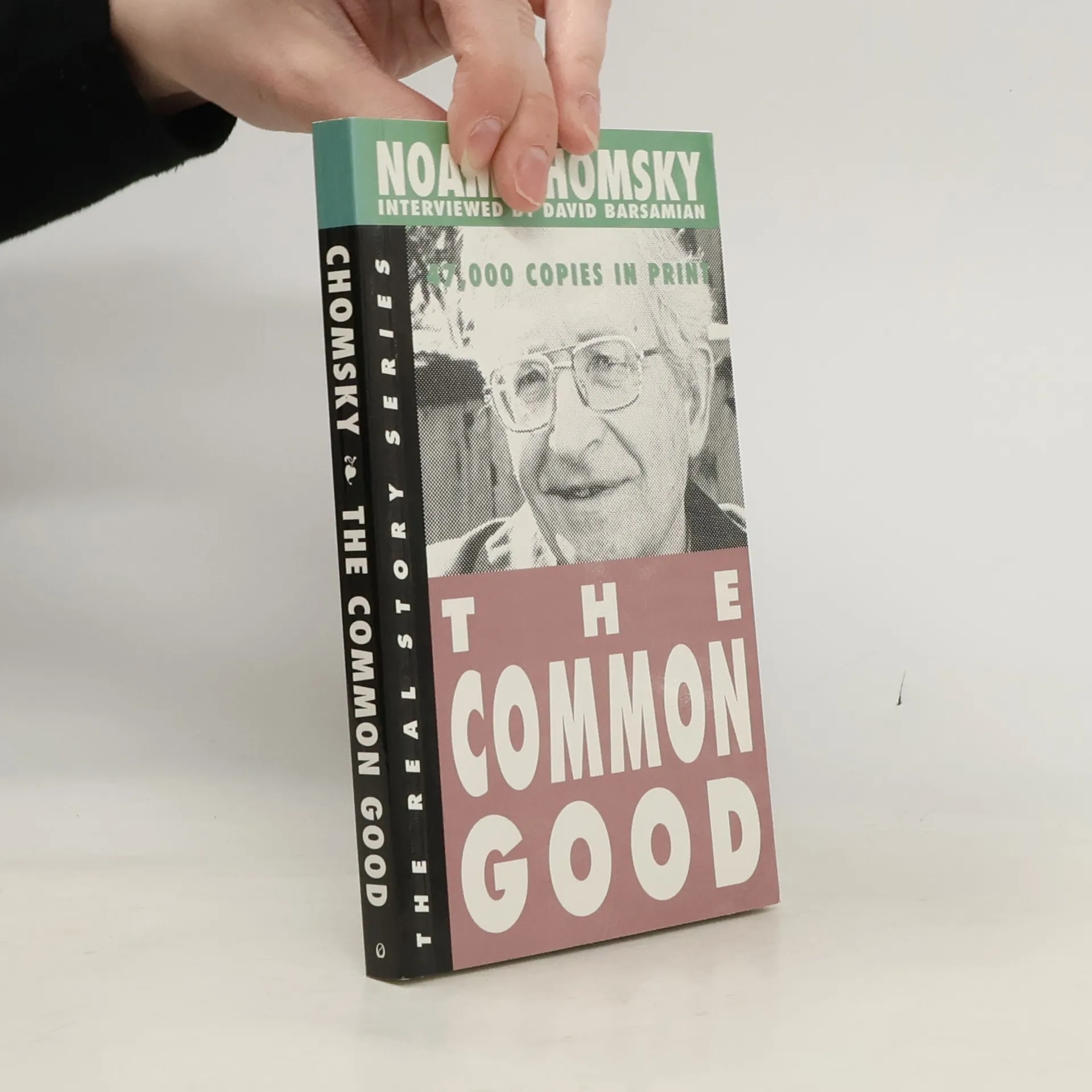
This fascinating book describes how the Nazis won WWII, the coming eco-catastrophe, and much more. It has averaged 1700 copies a month for years, and sales are actually increasing.Noah Chomsky has been hailed by the New York Times as "arguably the most important intellectual alive". In this third volume in a series of illuminating interviews, Chomsky discusses why the U.S. is more violent than other countries, how our claim to be a democracy is defective, and what "democracy" actually describes in the real world.
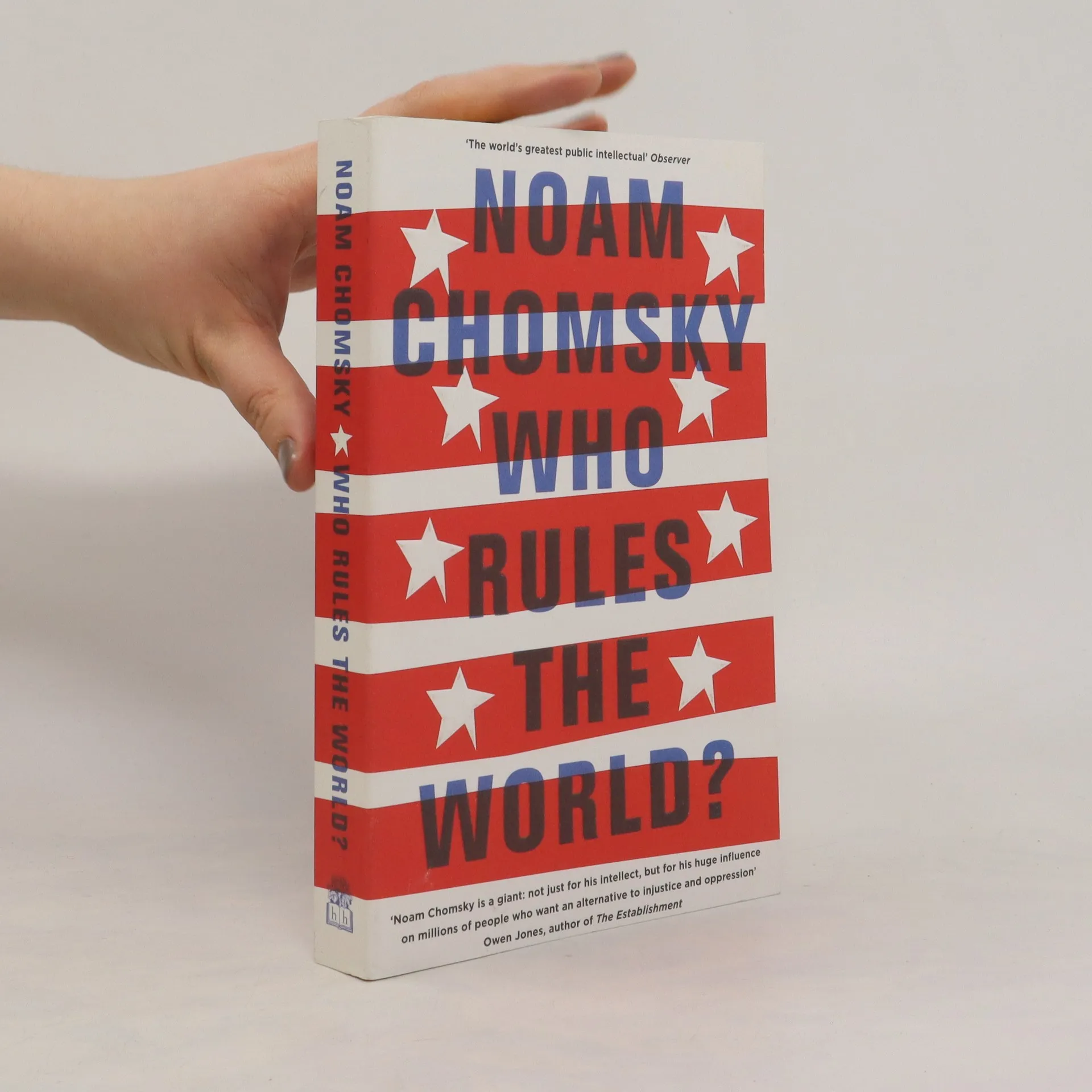
"Noam Chomsky is the world's foremost intellectual activist. Over the last half century, no one has done more to question the great global powers who govern our lives, forensically scrutinizing policies and actions, calling our politicians, institutions and media to account. The culmination of years of work, Who Rules the World?Is Chomsky's definitive intellectual investigation into the major issues of our times. From the dark history of the US and Cuba to China's global rise, from torture memos to sanctions on Iran, Chomsky explores how America's talk of freedom and human rights is often at odds with its actions. Delving deep into the conflicts in Iraq, Afghanistan and Israel/Palestine, he provides nuanced, surprising insights into the workings of modern-day imperial power. The world's political and financial elite have become ever more insulated from democratic constraints on their actions. Chomsky shines a powerful light on this inconvenient truth. With climate change and nuclear proliferation threatening the survival of our civilization, the message has never been more pertinent or more urgent- the need for an engaged and active public to steer the world away from disaster grows ever greater. Fiercely outspoken and rigorously argued, Who Rules the World?is an indispensable guide to how things really are from the lone authoritative voice courageous and clear-sighted enough to tell us the truth. "
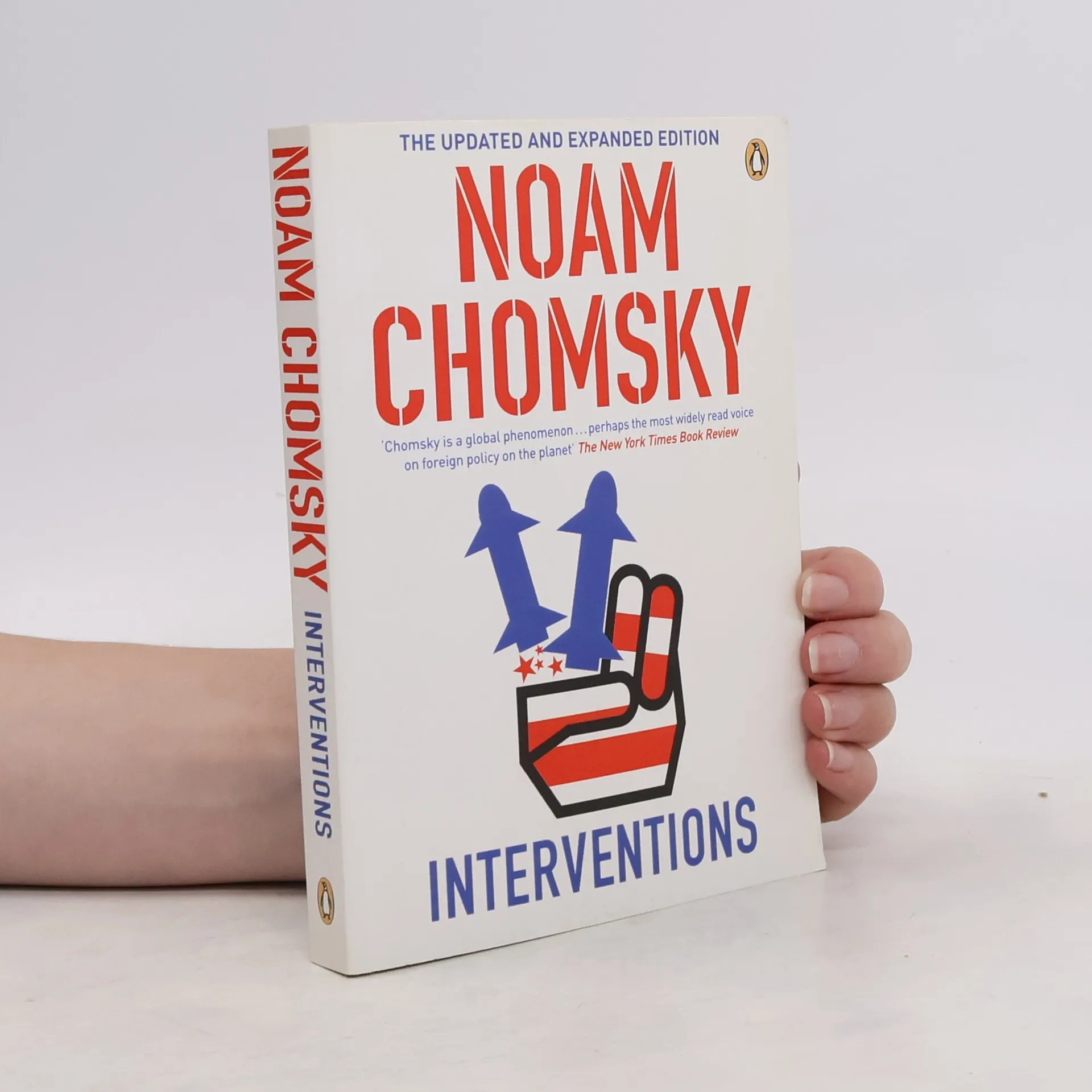
At a time when the United States exacts a greater and greater power over the rest of the world, America’s leading voice of dissent needs to be heard more than ever. In over thirty timely, accessible and urgent essays, Chomsky cogently examines the burning issues of our post-9/11 world, covering the invasion and occupation of Iraq, the Bush presidency and the Israeli invasion of Lebanon. This is an essential collection, from a vital and authoritative perspective.
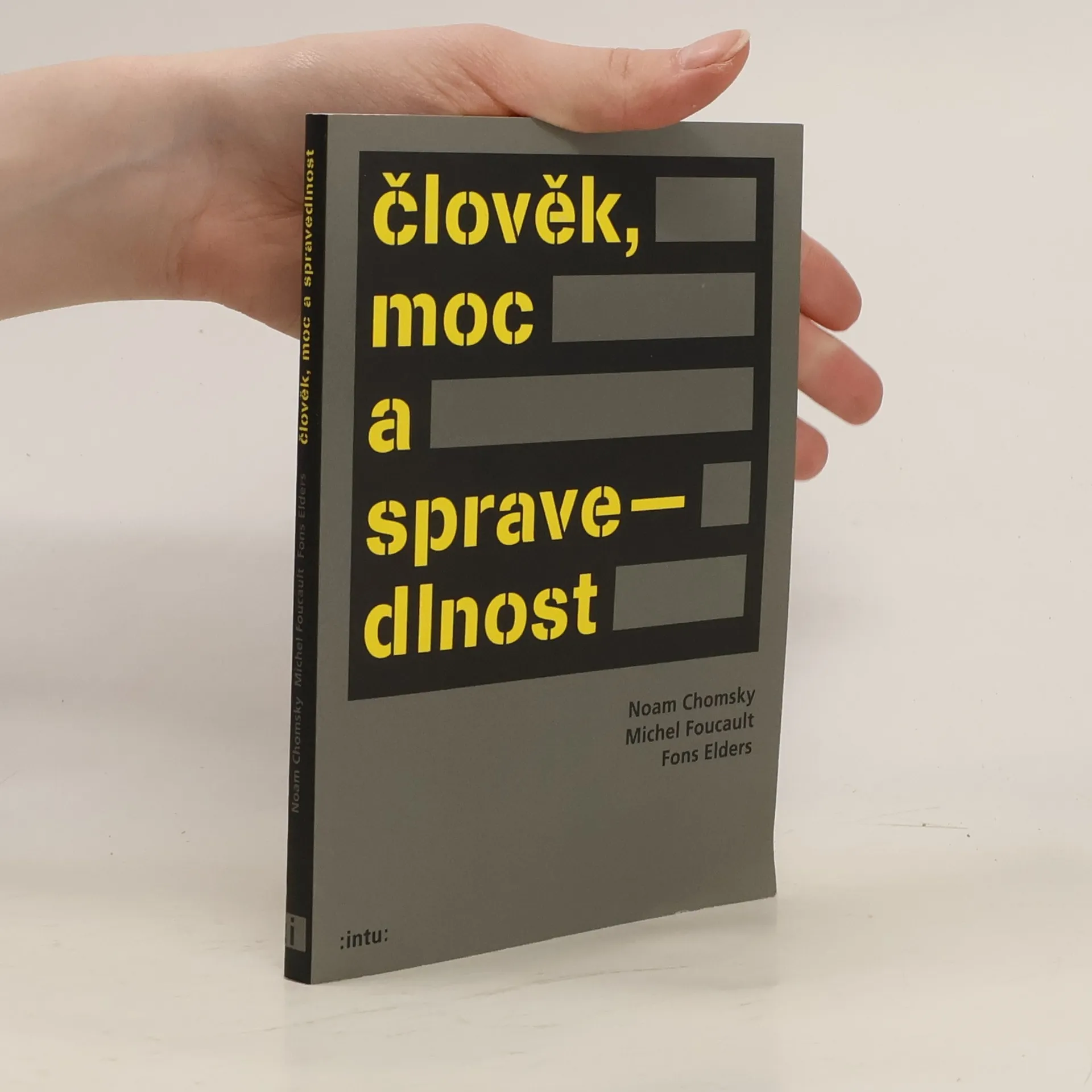
V roce 1971 se Noam Chomsky a Michel Foucault zúčastnili televizní debaty v Holandsku, která představovala střet dvou významných myšlenkových směrů. Chomsky, lingvista a politický aktivista, vycházel z racionalistické tradice a optimistického pohledu na lidskou přirozenost a možnosti společnosti. Naopak Foucault, filozof zpochybňující zavedené normy, upozorňoval na mocenské vztahy a dominantní diskurzy, které ovlivňují lidskou činnost. Debata se nejprve soustředila na lidskou přirozenost, jazyk a dějiny vědy. Chomsky obhajoval tvořivou podstatu člověka a jeho schopnost rozvíjet vědění, zatímco Foucault kritizoval pojem lidské přirozenosti a zdůrazňoval význam kolektivního vědění. V druhé části se oba myslitelé zaměřili na politiku a společenskou změnu. Chomskyho anarchistické pojetí socialismu kontrastovalo s Foucaultovým maoistickým marxismem. Jejich výměna názorů se stala pokračováním diskuse o lidské přirozenosti a způsoby, jak dosáhnout změny ve společnosti. Český překlad obsahuje také dvě eseje, které debatu interpretují z různých politických perspektiv. Politolog Pavel Barša přistupuje k tématu z pohledu postrevoluční politiky, zatímco Ondřej Slačálek z časopisu A-kontra zvažuje možnosti světové revoluce.
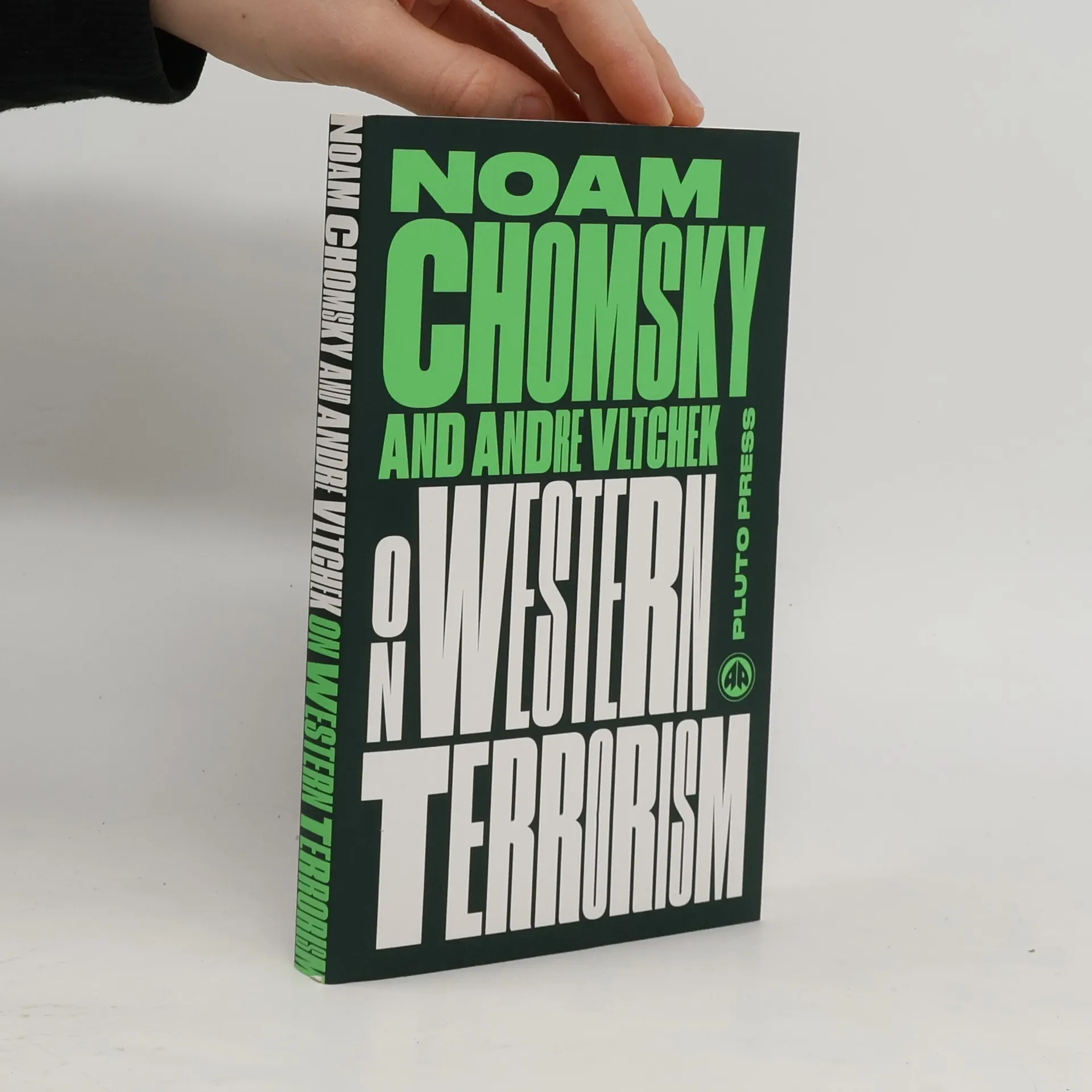
Admired by some, condemned by others, and feared by all—the military might of the West is undeniably colossal. In On Western Terrorism , world-renowned intellectual Noam Chomsky discusses Western power and propaganda with filmmaker and investigative journalist Andre Vltchek. It offers the perfect introduction to Chomsky’s significant political thought and provides an accessible approach for anyone who wishes to better understand the West’s fraught role in the world. Beginning with stories of the New York newsstand where Chomsky started his political education as a teenager, the discussion broadens out to encompass colonialism, imperial control, propaganda, the Arab Spring, and drone warfare. Chomsky and Vltchek offer a powerful critique of the legacy of colonialism, touching upon many countries including Syria, Nicaragua, Cuba, China, Chile, and Turkey. Updated with a fresh design and a new foreword by Chomsky, On Western Terrorism remains an influential and powerful critique of the West’s role in the world, inspiring all who read it to think independently and critically.
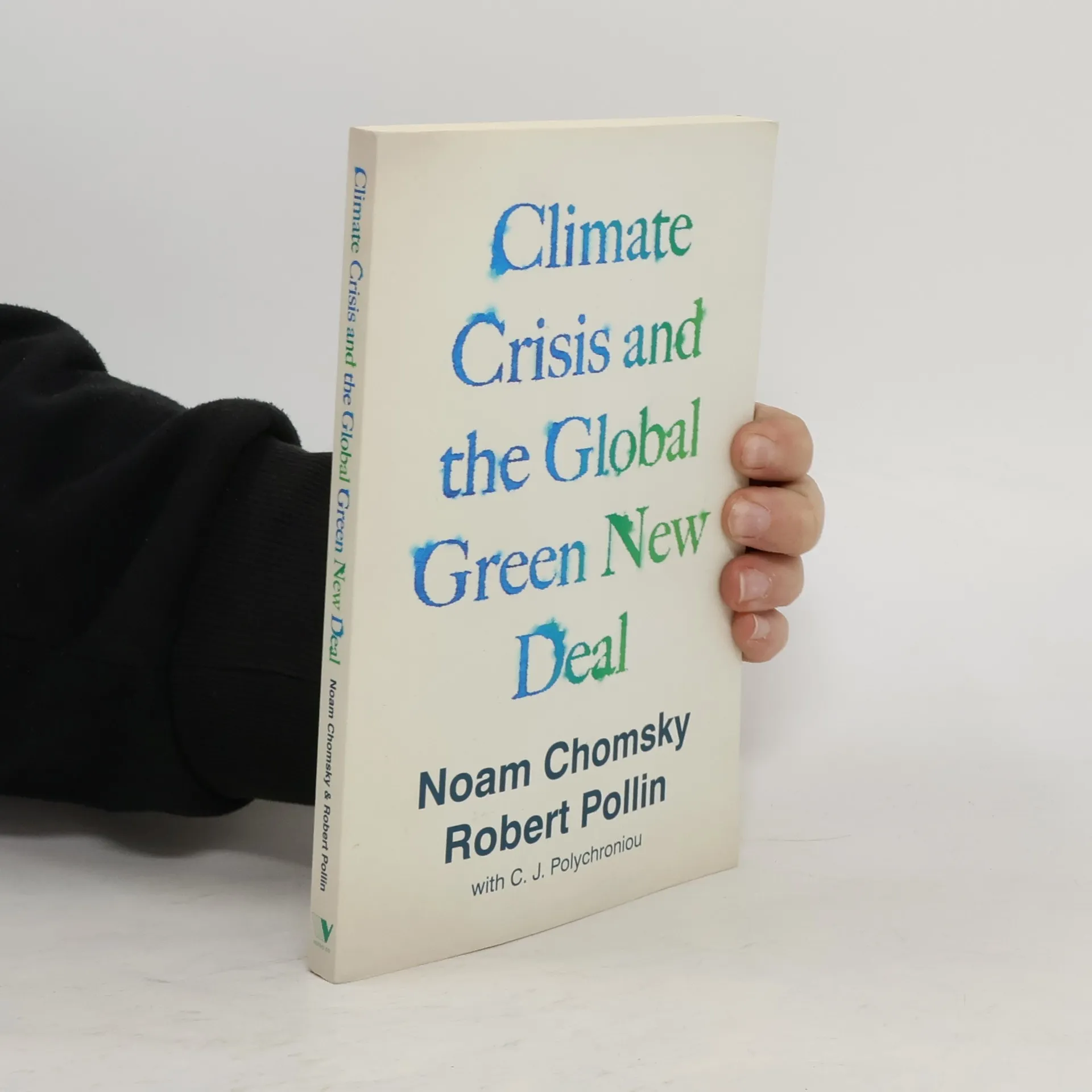
An engaging conversation with Noam Chomsky—revered public intellectual and Manufacturing Consent author—about climate change, capitalism, and how a global Green New Deal can save the planet. In this compelling new book, Noam Chomsky, the world’s leading public intellectual, and Robert Pollin, a renowned progressive economist, map out the catastrophic consequences of unchecked climate change—and present a realistic blueprint for change: the Green New Deal. Together, Chomsky and Pollin show how the forecasts for a hotter planet strain the imagination: vast stretches of the Earth will become uninhabitable, plagued by extreme weather, drought, rising seas, and crop failure. Arguing against the misplaced fear of economic disaster and unemployment arising from the transition to a green economy, they show how this bogus concern encourages climate denialism. Humanity must stop burning fossil fuels within the next thirty years and do so in a way that improves living standards and opportunities for working people. This is the goal of the Green New Deal and, as the authors make clear, it is entirely feasible. Climate change is an emergency that cannot be ignored. This book shows how it can be overcome both politically and economically.
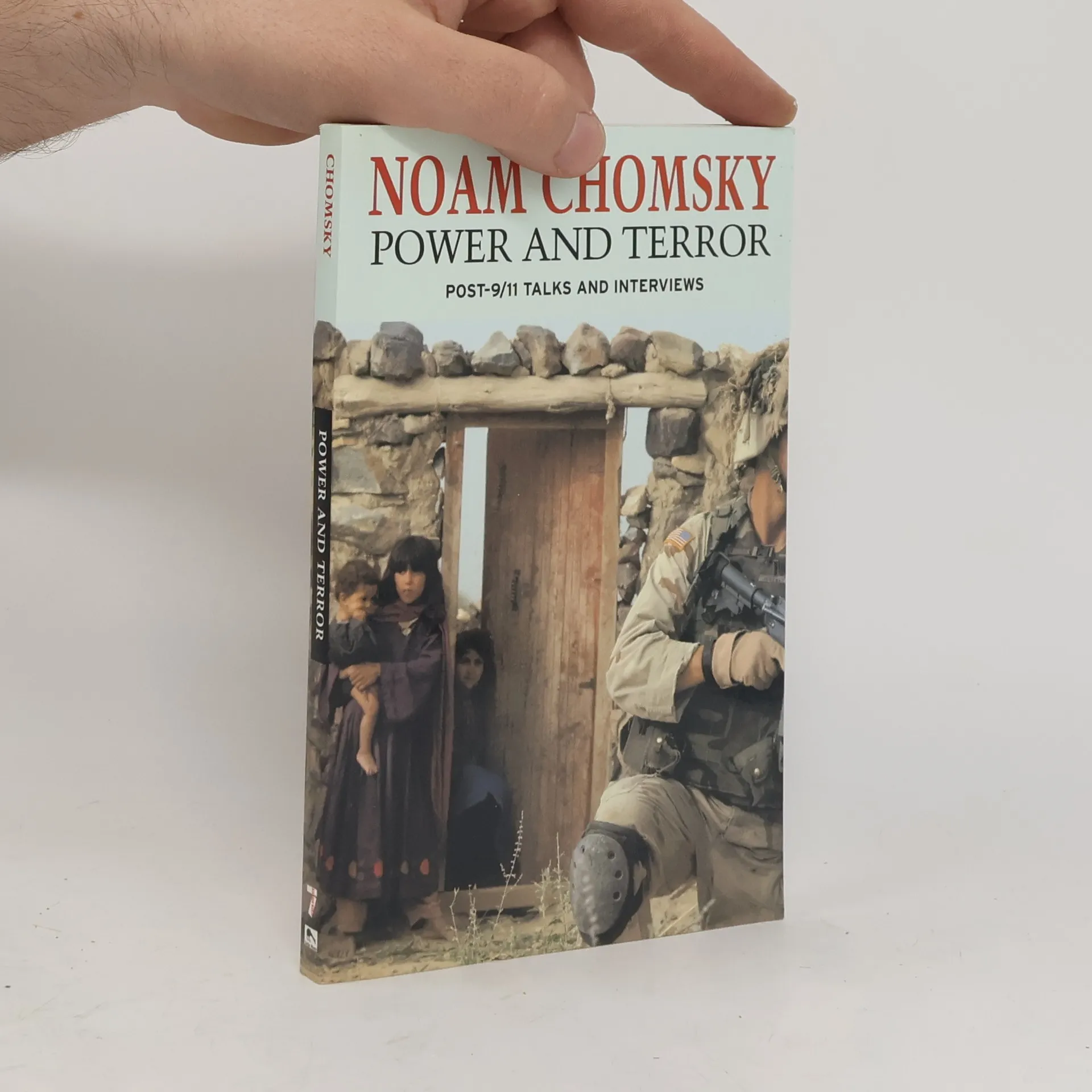
Post-9/11 talks and interviews
In this, his first new book since the international bestseller 9-11 , Noam Chomsky presents his latest thinking on terrorism and U.S. foreign policy, focusing on alternatives to the current course of armed provocation. Noam Chomsky is the author of, among many other books, Profit over People , and the international anti-war bestseller 9-11 , which has sold over 300,000 copies worldwide.
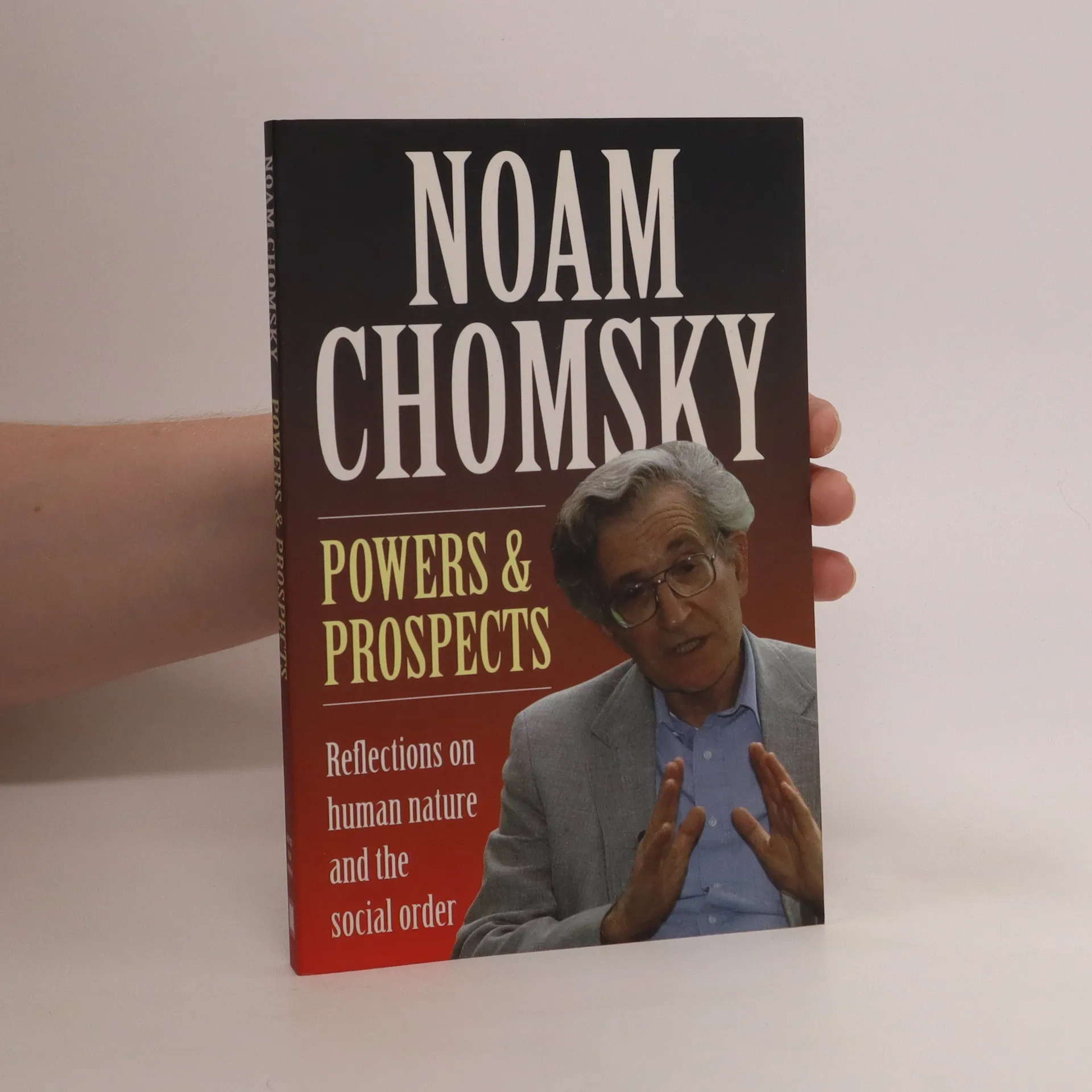
Noam Chomsky, a pivotal figure in modern linguistics, cognitive science, and political theory, presents a comprehensive reflection on his extensive research in these fields. In accessible language, he discusses over fifty years of advancements in language study, exploring its origins, the connection between language and thought, and its biological underpinnings. Chomsky critiques various alternative theories that prioritize social, communicative, and referential aspects of language, highlighting how recent discoveries challenge previous assumptions. He examines the scope and limitations of human cognitive abilities, drawing on the history of science and philosophical insights. Transitioning from language and cognition to societal and political themes, he offers a philosophical defense of "libertarian socialism," linking it to anarchism and the ideas of notable thinkers like John Dewey, Marx, and Mill. Chomsky illustrates how this position has evolved from historical contexts and its relevance to contemporary issues. Through this exploration, he invites readers to consider the intricate relationship between language, thought, and society.
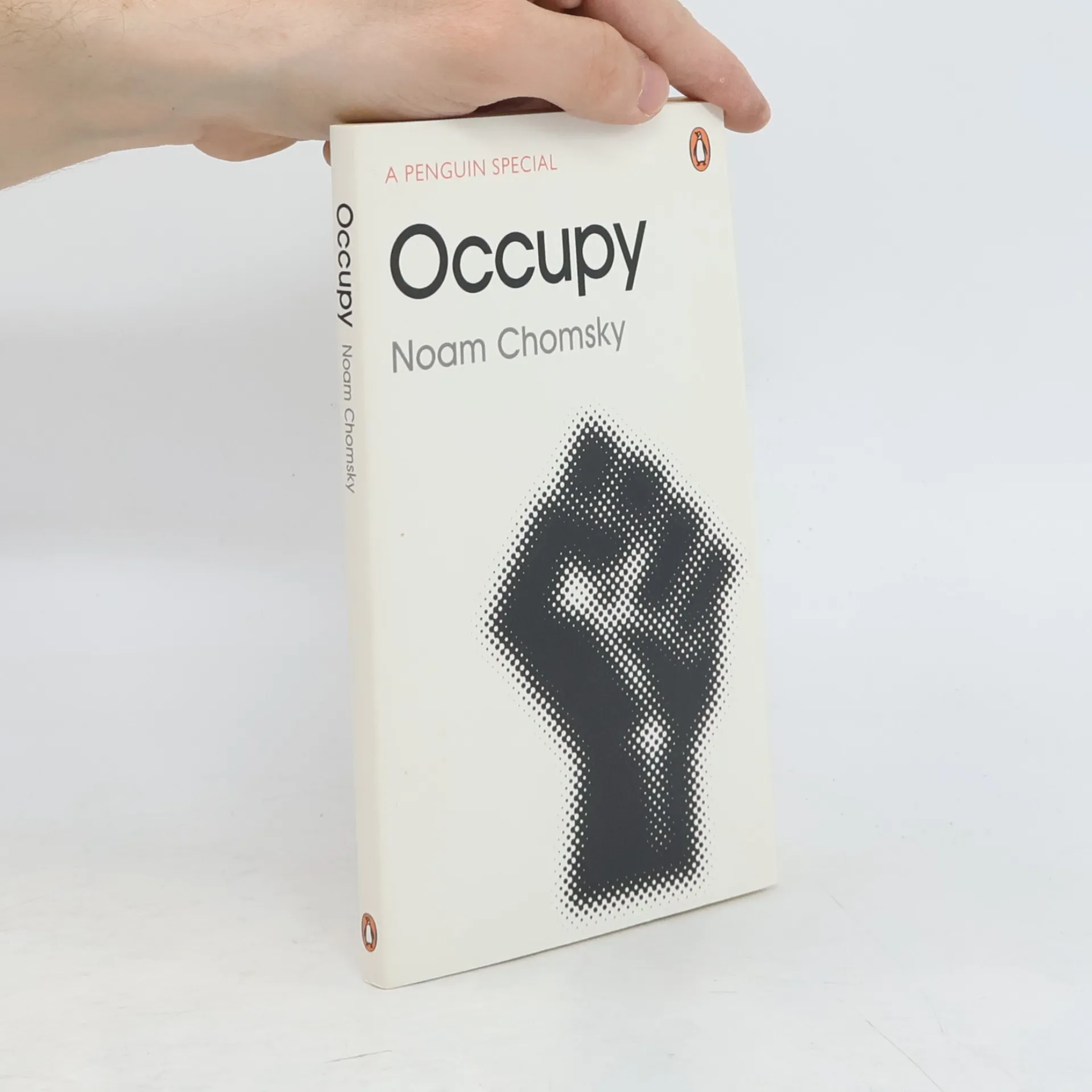
Since its appearance in Zuccotti Park, New York, in September 2011, the Occupy movement has spread to hundreds of towns and cities across the world. Through talks and conversations with movement supporters, 'Occupy' presents Chomsky's latest thinking on the central issues, questions, and demands that are driving people to protest.
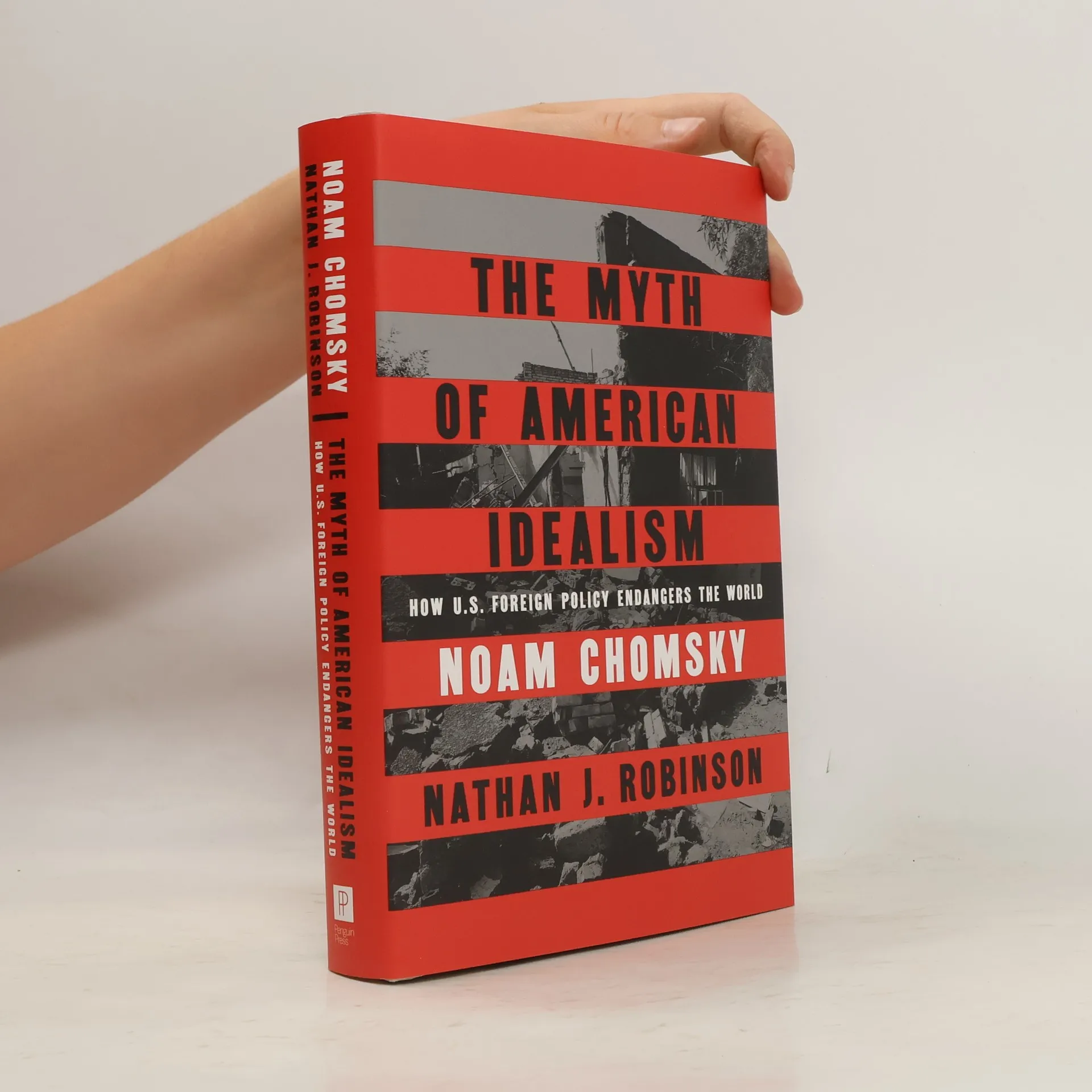
Critiquing U.S. military and economic actions globally, Chomsky and Robinson argue that the American pursuit of dominance has caused widespread chaos without enhancing national safety. They reveal how U.S. elites perpetuate myths about democracy to justify harmful foreign policies, with a focus on conflicts like those in Iraq and Afghanistan. The authors warn that these narratives are driving the U.S. toward dangerous confrontations with Russia and China, while also exacerbating threats like nuclear proliferation and climate change. This work serves as a critical examination of American ideals and their consequences.
An indispensable collection of lectures on the politic of power from the world's leading philosopher, linguist and critic, and author of the bestselling Who Rules the WorldNoam Chomsky is universally accepted as one of the pre-eminent public intellectuals of the modern era. schovat popis
An essential primer on capitalism, politics and how the world works, based on the hugely popular undergraduate lecture series 'What is Politics?' Is there an alternative to capitalism? In this landmark text Chomsky and Waterstone chart a critical map for a more just and sustainable society. 'Covid-19 has revealed glaring failures and monstrous brutalities in the current capitalist system. It represents both a crisis and an opportunity. Everything depends on the actions that people take into their own hands.' How does politics shape our world, our lives and our perceptions? How much of 'common sense' is actually driven by the ruling classes' needs and interests? And how are we to challenge the capitalist structures that now threaten all life on the planet? Consequences of Capitalism exposes the deep, often unseen connections between neoliberal 'common sense' and structural power. In making these linkages, we see how the current hegemony keeps social justice movements divided and marginalized. And, most importantly, we see how we can fight to overcome these divisions.
Taming the Rascal Multitude is a judicious selection of essays and interviews from Z Magazine from 1997 to 2014. In each, Chomsky takes up some question of the moment. The essays provide an historical overview of the history that preceded Trump and the reaction to Trump. The essays situate what followed even without having known what would follow. They explicate what preceded the current era and provide a step-by-step revelation or how-to for successfully comprehending social events and relations. They are a pleasure to read and they educate.
The broad range and brilliance of Chomsky's thought and analysis is on full display in this collection of interviews with his long-time collaborator/interlocuter David Barsamian.
The collection features essays by Noam Chomsky spanning from 1969 to 2013, many published as a book for the first time. Through incisive analysis, Chomsky critiques state power and imperial arguments, dismantling the myths that serve to uphold the privilege of a select few while neglecting the broader needs of the populace. His work offers a thought-provoking examination of the dynamics between power structures and societal interests.
U.S. Intervention in Central America and the Struggle for Peace
For decades, Noam Chomsky has been considered one of the most important critics of American's foreign policy in Central and Latin America and yet Turning the Tide is one of his only written works which makes that region its sole focus. At last back in print after almost thirty years, Turning the Tide explores such neglected but vital issues as Jimmy Carter's interventions in El Salvador, the violation of human rights in Nicaragua and Guatemala, and American involvement with death squads in many countries including Bolivia and El Salvador. For all activists and scholars whose work focuses on Central and Latin America, Turning the Tide remains essential.
NATO’s war on Yugoslavia in the spring of 1999 was unleashed in the name of democracy and human rights. This view was challenged by the world’s three largest countries, India, China and Russia, who saw the bombing of Serbia and Kosovo as a naked attempt to assert US dominance in an unstable world.In the West, media networks were joined by substantial sectors of left/liberal opinion in supporting the war. Nonetheless, a wide variety of figures emerged to challenge the prevailing consensus. Their work, gathered here for the first time, forms a collection of key statements and anti-war writings from some of democracy’s most eloquent dissidents—Noam Chomsky, Harold Pinter, Edward Said and many others—who provide carefully researched examinations of the real motives for the US action, dissections and critiques of the ideology of ‘humanitarian warfare’, and chartings of the unnecessary tragedy of a region laid to waste in the pursuance of Great Power politics.This reader presents some of the most important texts on NATO’s Balkan crusade and forms a major intervention in the debate on global geo-political strategy after the Cold War.
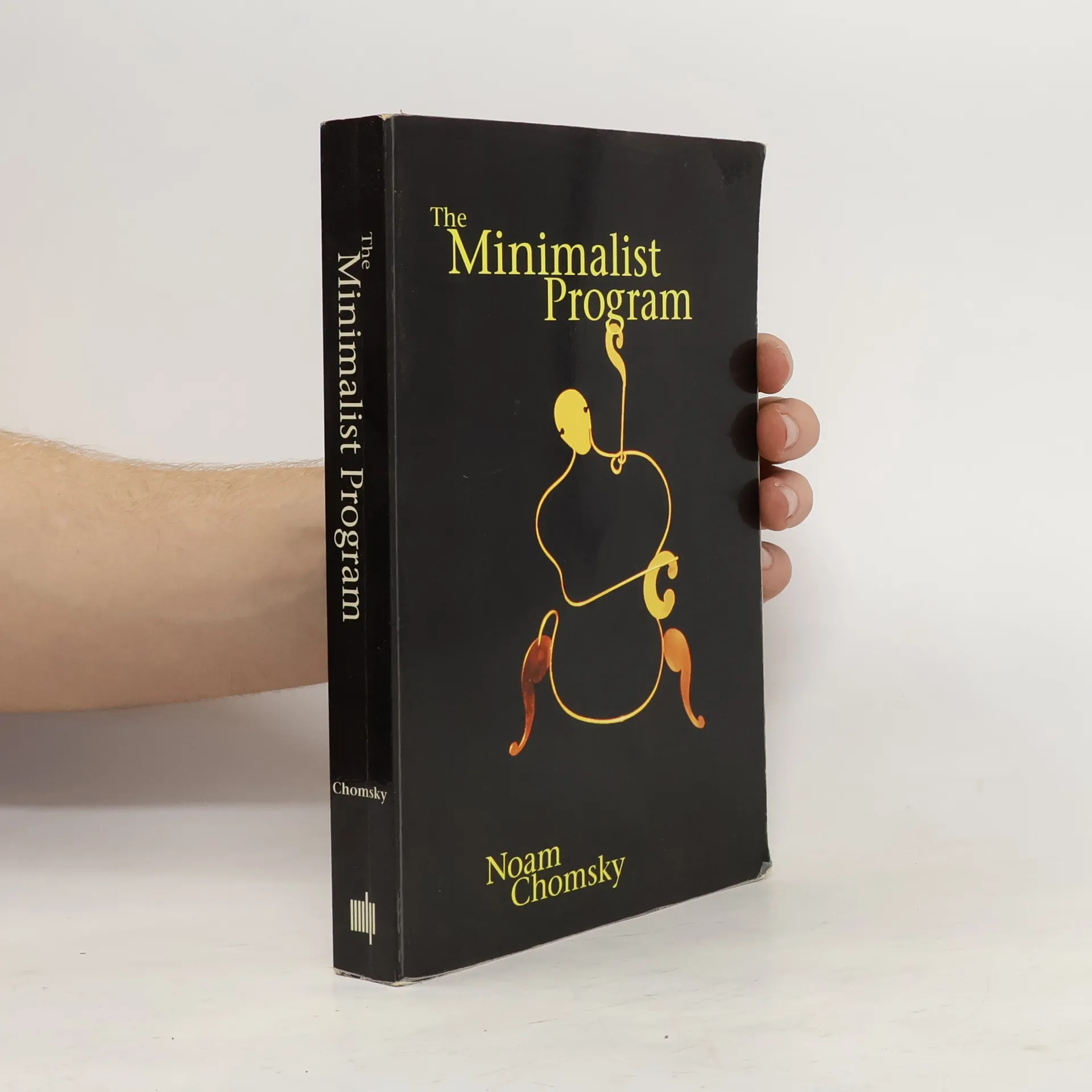
Attempts to situate linguistic theory in the broader cognitive sciences. In the essays, the minimalist approach to linguistic theory is formulated and progressively developed.
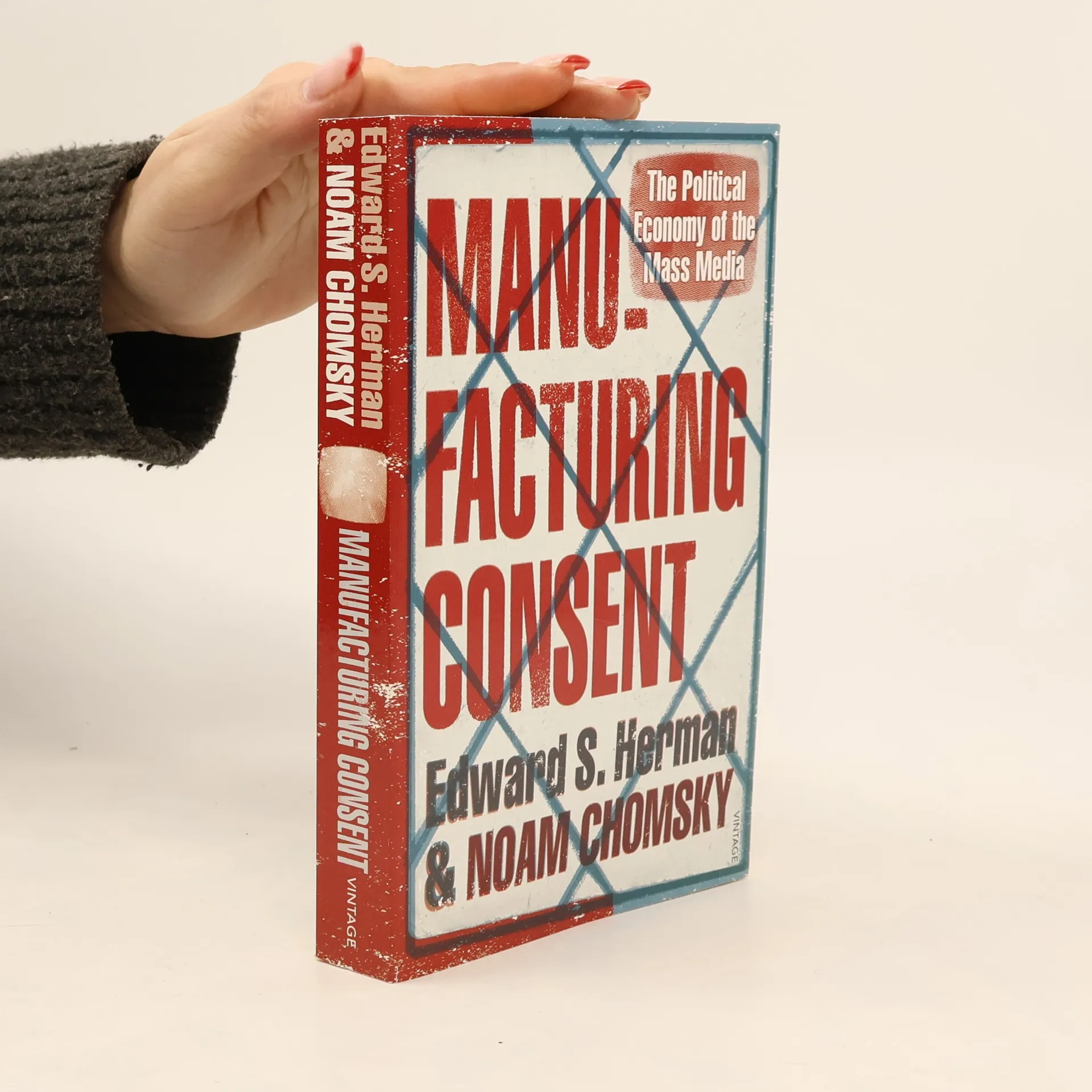
This work presents a compelling critique of the news media's role in obscuring errors and deceptions, rooted in the economics of publishing, by renowned scholars Edward S. Herman and Noam Chomsky. They argue that, contrary to the perception of the media as diligent seekers of truth, the actual practice often serves the interests of privileged groups that dominate society and the global order. Through various case studies, including the media's biased treatment of “worthy” versus “unworthy” victims and the portrayal of Third World elections, Herman and Chomsky develop a Propaganda Model to explain media behavior. Their updated introduction revisits the Propaganda Model and earlier case studies, examining the media's coverage of the North American Free Trade Agreement and the 1994-1995 Mexican financial crisis, as well as protests against the World Trade Organization and the regulation of the chemical industry. The analysis reveals a stark portrayal of U.S. mass media as propagandistic, highlighting their failure to fulfill their self-proclaimed role as essential information providers. This work invites readers to understand the media's function in a fundamentally new light.
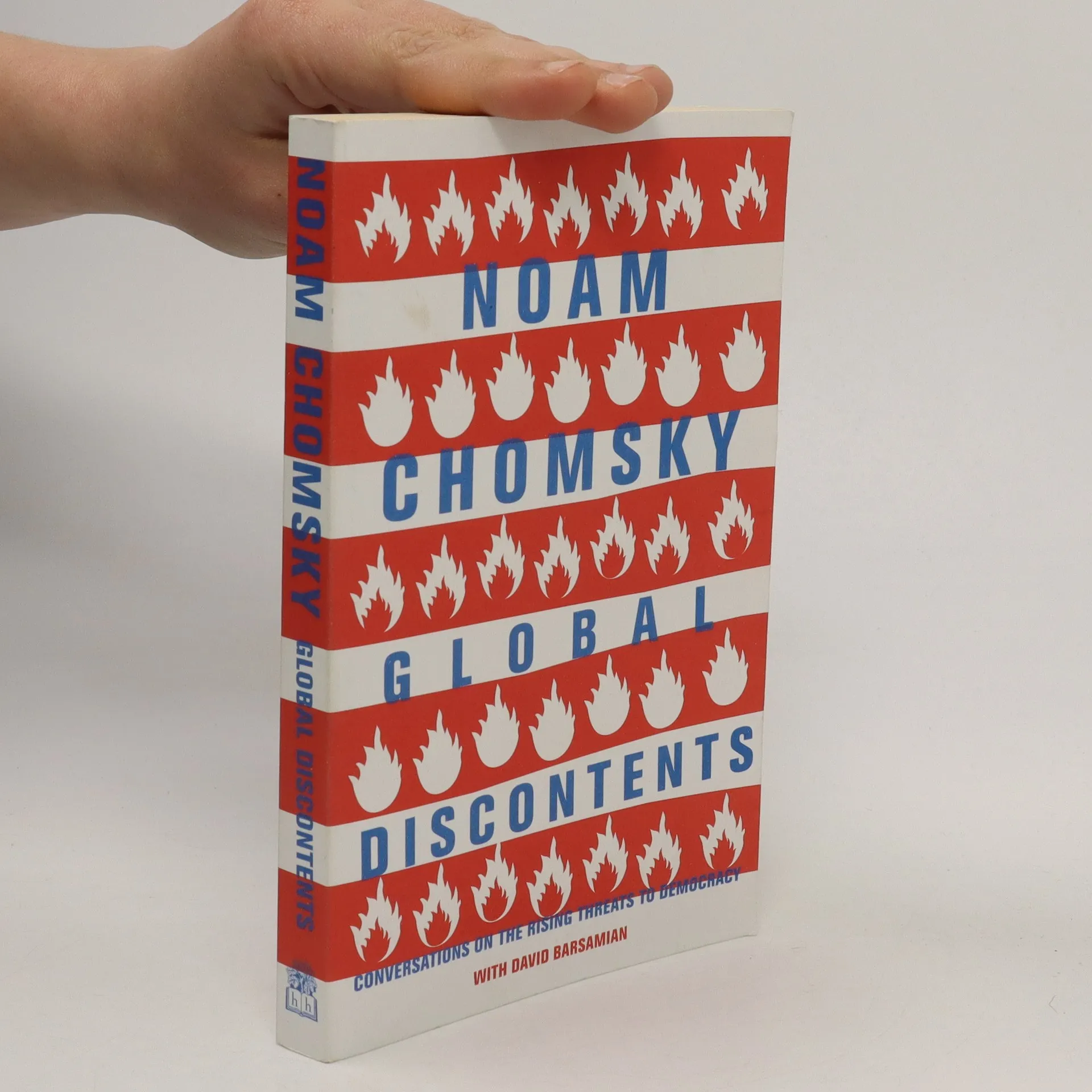
An essential guide to geopolitics in 2017 -- and how we should be fighting back -- from the world's leading public intellectual What kind of world are we leaving to our grandchildren? How are the discontents kindled today likely to blaze and explode tomorrow? From escalating climate change to the devastation in Syria, pandemic state surveillance to looming nuclear war, Noam Chomsky takes stock of the world today. Over the course of ten conversations with long-time collaborator David Barsamian, spanning 2013-2016, Chomsky argues in favour of radical changes to a system that cannot possibly cope with what awaits tomorrow. Interwoven with personal reflections spanning from childhood to his eighth decade of life, Global Discontents also marks out Chomsky's own intellectual journey, mapping his progress to revolutionary ideas and global prominence.
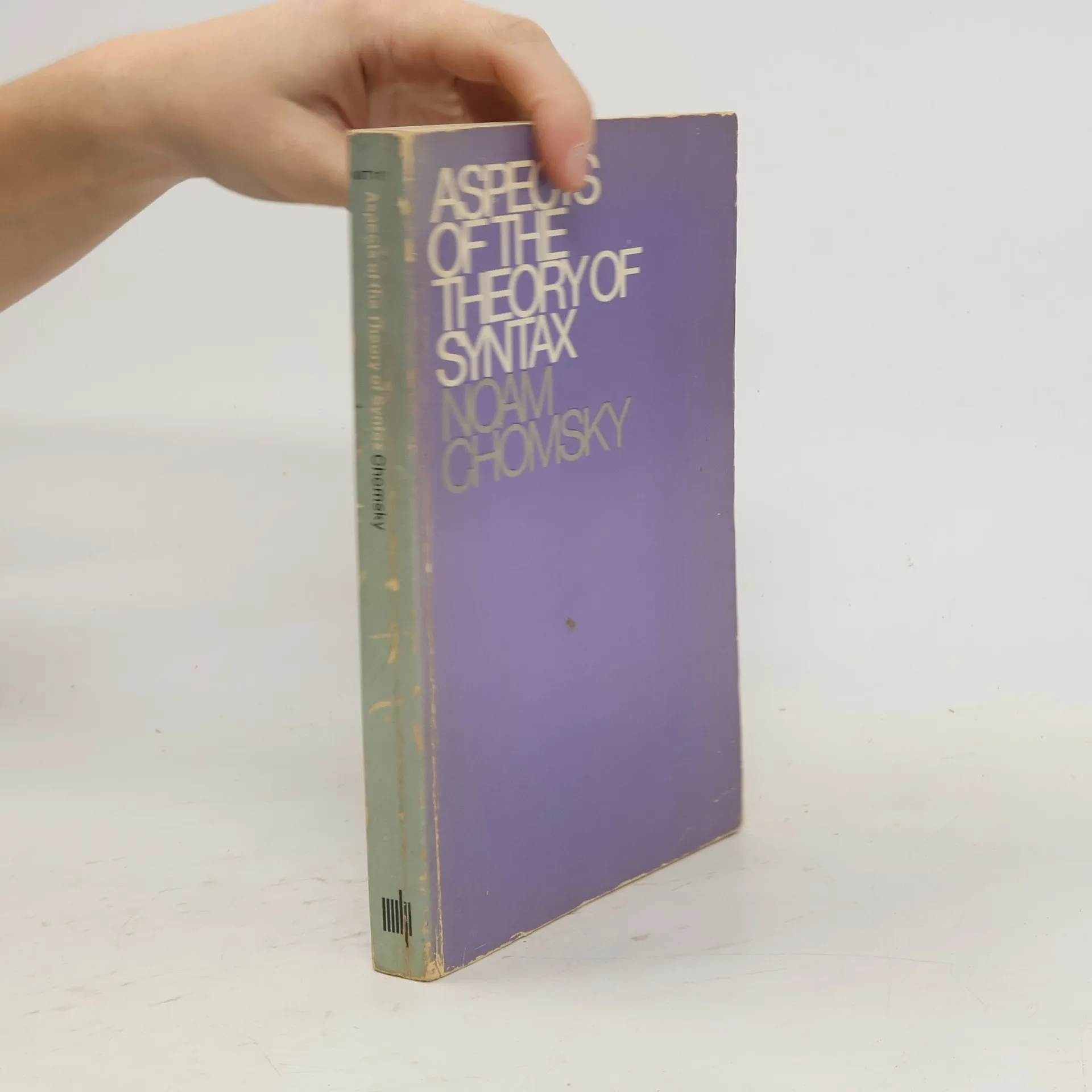
Noam Chomsky's 'Aspects of the theory of syntax', published in 1965, is a seminal work in generative grammar that introduced technical innovations still relevant today. The fiftieth anniversary edition features a new preface by Chomsky, highlighting enduring proposals, reviewing advancements in the formulation and application of core ideas, and addressing controversies surrounding the framework. Emerging from MIT in the mid-fifties, linguists developed a novel approach to linguistic theory and the study of language structure, significantly diverging from conventional modern linguistics. This new approach, termed 'generative grammar', maintained ties to traditional language study but proposed distinct conclusions about language structure. Initial formulations of transformational generative grammar revealed various deficiencies, prompting further exploration and refinement. Chomsky reviews these developments and suggests a reformulation of transformational generative grammar that incorporates these insights. The primary focus of this work is syntax, with semantic and phonological aspects discussed only as they relate to syntactic theory.
First published in 1988 and never out of print, this seminal analysis of how the media serve corporations that control and finance them is being reissued with a new Introduction by the authors.
From back cover: America's foremost linguist and perhaps its most controversial political critic brings together both sides of his life and work in this wide-ranging, informal, and highly acces sible work. Published in the form of dialogues with Mitsou Ronat, Language and Responsibility begins with the themes Noam Chomsky first made so famous in "The Responsibility of Intellectuals" and ends with a remarkably informative, easily understandable exploration of key issues in modern linguistics. Along the way, Chomsky presents a self portrait of his political, moral, and linguistic thinking. He deepens his analysis of American intellectuals, vividly depicting the bankruptcy of American social science; and he offers an illuminating assessment of the American peace movement, Watergate, American foreign policy, Russian dissident intellectuals, a host of other current political issues. Turning aside from the general ideological beliefs of American intellectuals, Chomsky provides an invaluable introduction to the history of generative grammar. He unveils the controversies that have shaped and structured the under standing of language for the last thirty-five years, and portrays the political social consequences that flow from the behaviorist assumptions so influential in the study of contemporary Society.
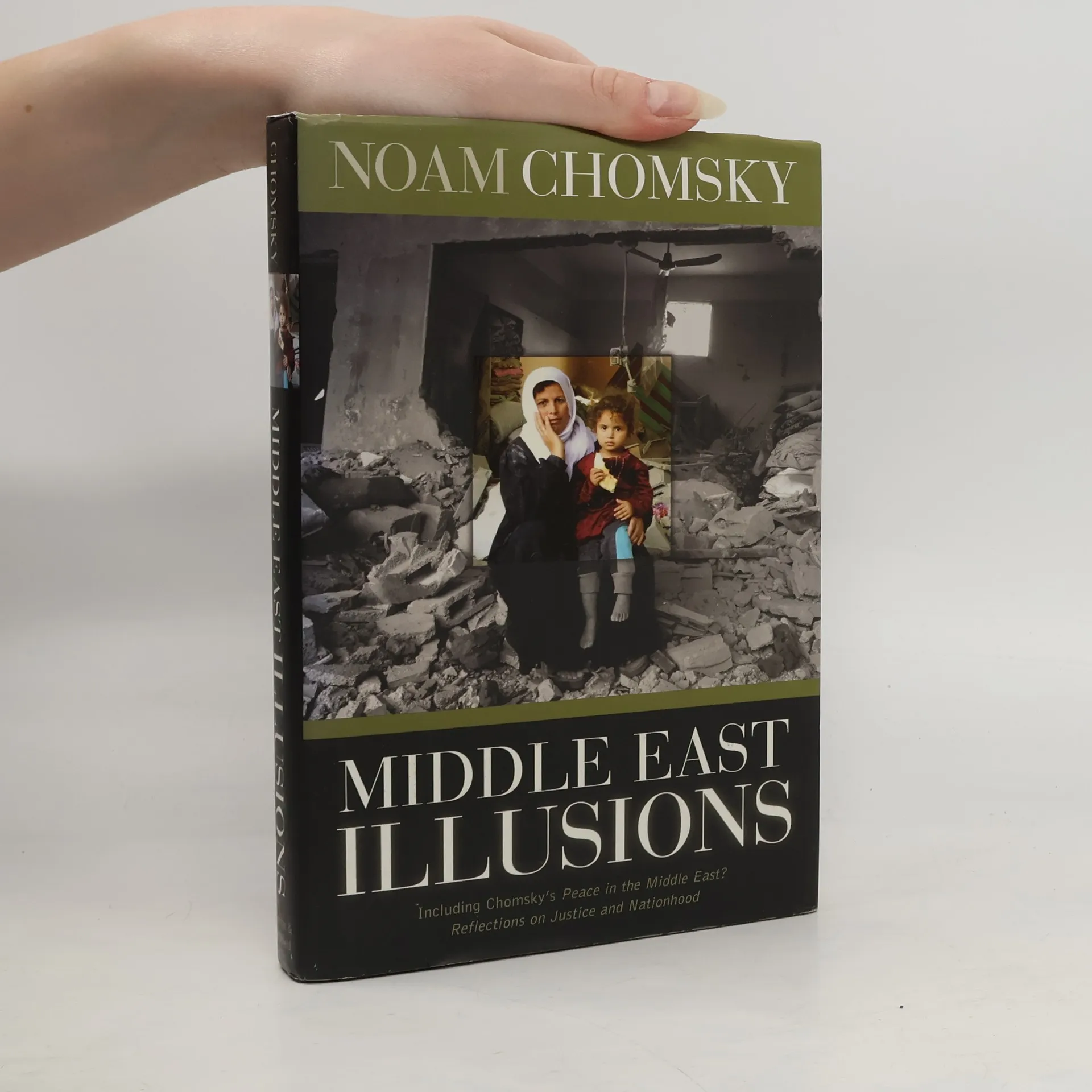
Including Peace in the Middle East? Reflections on Justice and Nationhood.
s/tReflections on Justice and Nationhood. Middle East Illusions offers chapters written by Chomsky just before the 2000 Palestinian Intifada and up through October 2002, when 9-11 and a prospective U.S. military campaign against Iraq add new pressures to age-old conflicts. The book also includes the full text of Chomsky's earlier book, Peace in the Middle East? Reflections on Justice and Nationhood, written during the crucial period spanning the Six-Day and 1973 wars, which continue to define and deeply influence events in the Middle East today.
قام بهذا العمل الشجاع والأستثنائي مجموعة من الأفراد الذين أسهموا في تقديم تحليل عميق حول التوجهات الإمبريالية الجديدة وتأثيرها على العلاقات الدولية. يتناول النص انقسام الشمال والجنوب وتداعياته على المناطق الغنية، مشيراً إلى التغيرات التي حدثت على مدار الثلاثين عاماً الماضية. يبرز التحول في الخطاب حول الغزو الأوروبي، الذي أصبح يُطلق عليه "مواجهة"، رغم رفض العديد من السكان لهذه التسمية. كما يُشير إلى إحباط الكثيرين من عدم قدرة حركة السلام على منع حرب الخليج، ويستعرض الاحتجاجات التي سبقت القصف، موضحاً الفارق بين تلك الفترة وما حدث في جنوب فيتنام قبل ثلاثة عقود. يتناول النص أيضاً تطور الحس الديموقراطي والاهتمام بالعدالة الاجتماعية، وكيف تعتبر هذه التطورات تهديداً للسلطات القائمة. يشدد على أهمية هذه الحركات في تقديم الأمل للبشرية في مواجهة القضايا البيئية والاجتماعية. يعرض نعوم تشومسكي دور الولايات المتحدة الاستعماري عبر التاريخ، مُبرزاً استمرار نفس السياسات الاستعمارية تحت مسميات جديدة. ويُظهر كيف أن الأفعال الاستعمارية لم تتغير كثيراً على مر الزمن، مما يعكس استمرار الإبادة الجماعية والاستغلال في ظل الإمبريالية الحديثة.
One of Chomsky's most accessible books, this succinct series of lectures lays out the parameters of his foreign policy analysis.
This work presents a significant exploration of the interplay between language and the mind, offering fresh insights into philosophical inquiries. Chomsky delves into the cognitive aspects of language, challenging existing paradigms and proposing innovative theories. His arguments emphasize the innate structures of human cognition that shape linguistic ability, making it a crucial text for those interested in linguistics, philosophy, and cognitive science.
Exploring the intricate connections between language, mind, and brain, this 2002 work by Noam Chomsky delves into the cognitive processes underlying linguistic capabilities. Chomsky presents his theories on how language shapes thought and perception, offering insights into the nature of human cognition and the neurological foundations that support linguistic development. Through this examination, he challenges existing paradigms and invites readers to reconsider the fundamental aspects of language acquisition and its implications for understanding the human mind.
American Power and the New Mandarins is Noam Chomsky’s first political book, widely considered to be among the most cogent and powerful statements against the American war in Vietnam. Long out of print, this collection of early, seminal essays helped to establish Chomsky as a leading critic of United States foreign policy. These pages mount a scathing critique of the contradictions of the war, and an indictment of the mainstream, liberal intellectuals—the “new mandarins”—who furnished what Chomsky argued was the necessary ideological cover for the horrors visited on the Vietnamese people.As America’s foreign entanglements deepen by the month, Chomsky’s lucid analysis is a sobering reminder of the perils of imperial diplomacy. With a new foreword by Howard Zinn, author of A People’s History of the United States, American Power and the New Mandarins is a renewed call for independent analysis of America’s role in the world.
In his 1988 CBC Massey Lectures, Noam Chomsky inquires into the nature of the media in a political system where the population cannot be disciplined by force and thus must be subjected to more subtle forms of ideological control. Specific cases are illustrated in detail, using the U.S. media primarily but also media in other societies. Chomsky considers how the media might be democratized (as part of the general problem of developing more democratic institutions) in order to offer citizens broader and more meaningful participation in social and political life.
Two of our most celebrated intellectuals grapple with the uncertain aftermath of the American collapse in Afghanistan Not since the last American troops left Vietnam have we faced such a sudden vacuum in our foreign policy--not only of authority, but also of explanations of what happened, and what the future holds. Few analysts are better poised to address this moment than Noam Chomsky and Vijay Prashad, intellectuals and critics whose work spans generations and continents. Called "the most widely read voice on foreign policy on the planet" by the New York Times Book Review, Noam Chomsky is the guiding light of dissidents around the world. In The Withdrawal, Chomsky joins with noted scholar Vijay Prashad--who "helps to uncover the shining worlds hidden under official history and dominant media" (Eduardo Galeano)--to get at the roots of this unprecedented time of peril and change. Chomsky and Prashad interrogate key inflection points in America's downward spiral: from the disastrous Iraq War to the failed Libyan intervention to the descent into chaos in Afghanistan. As the final moments of American power in Afghanistan fade from view, this crucial book argues that we must not take our eyes off the wreckage--and that we need, above all, an unsentimental view of the new world we must build together.
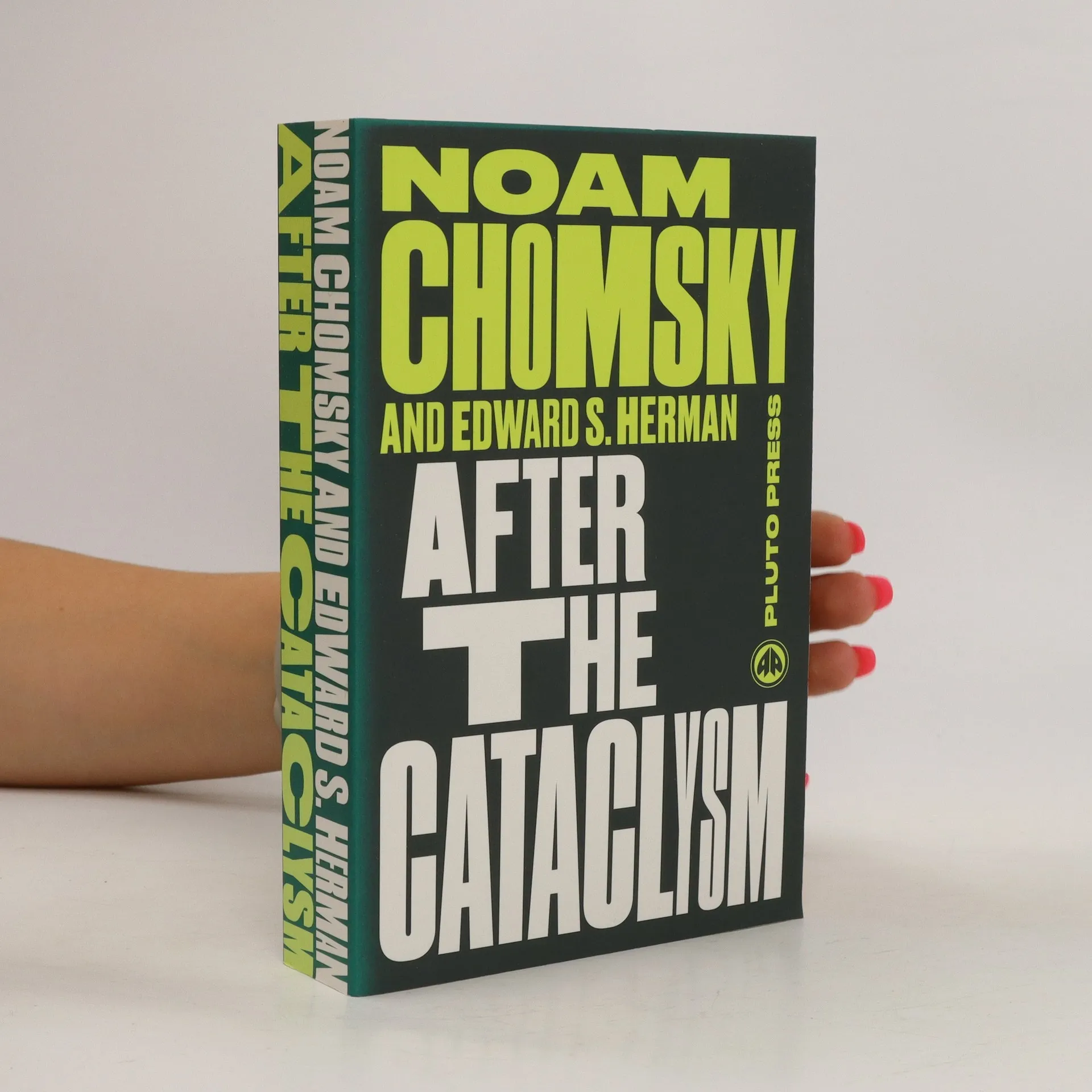
The second volume of The Political Economy of Human Rights remains one of the most controversial works produced by Chomsky to date. In a much discussed chapter on Cambodia, Chomsky and Herman questioned official Western narratives on the Khmer Rouge and suggested that the evidence available did not match up to the assertions being made at that time. These claims would resurface in a recent controversy with the Continental philosopher Slavoj Zizek and readers will now be able to judge for themselves the veracity of Zizek's claims. The work also contains important analysis of Western interventions across Indochina, including Vietnam and Laos, and provides a searing critique of American imperial aspirations in the region.For too long now, many important books by Noam Chomsky have been left to languish. Introducing Pluto's 'Chomsky Perspectives' series: a collectible, beautiful new list, with cover design by David Pearson. Including both enduring favourites and neglected essentials, these books will appeal to the serious Chomsky reader.
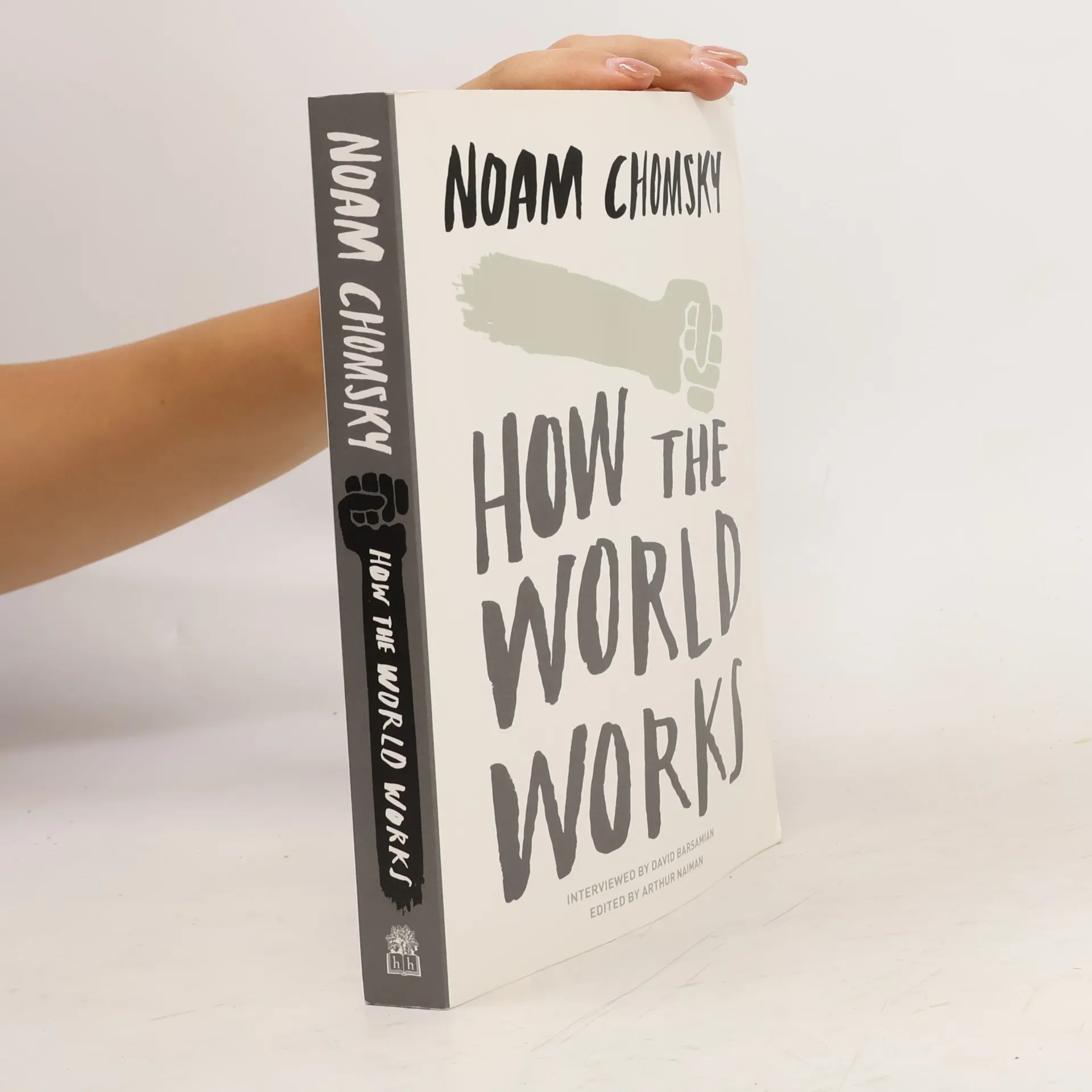
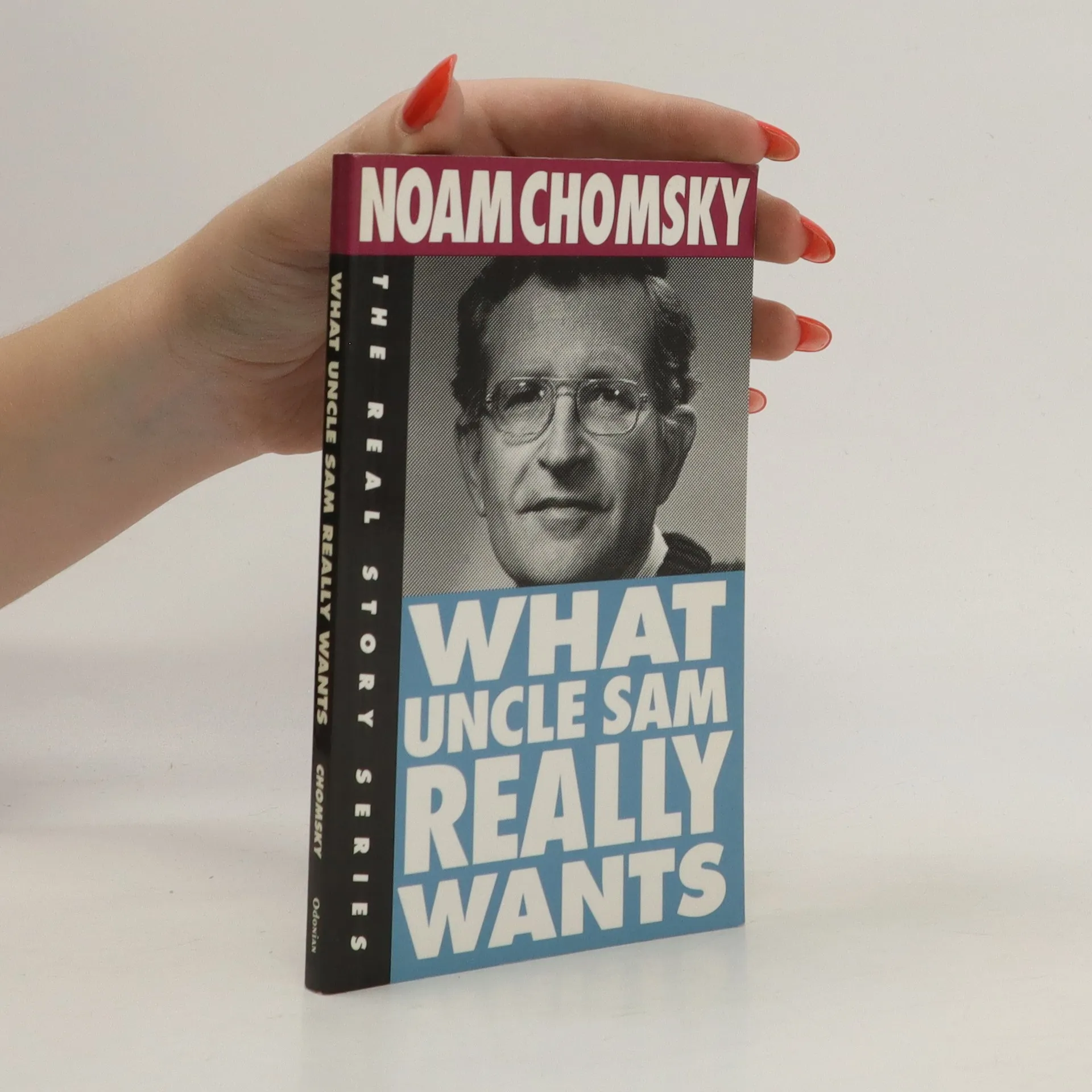
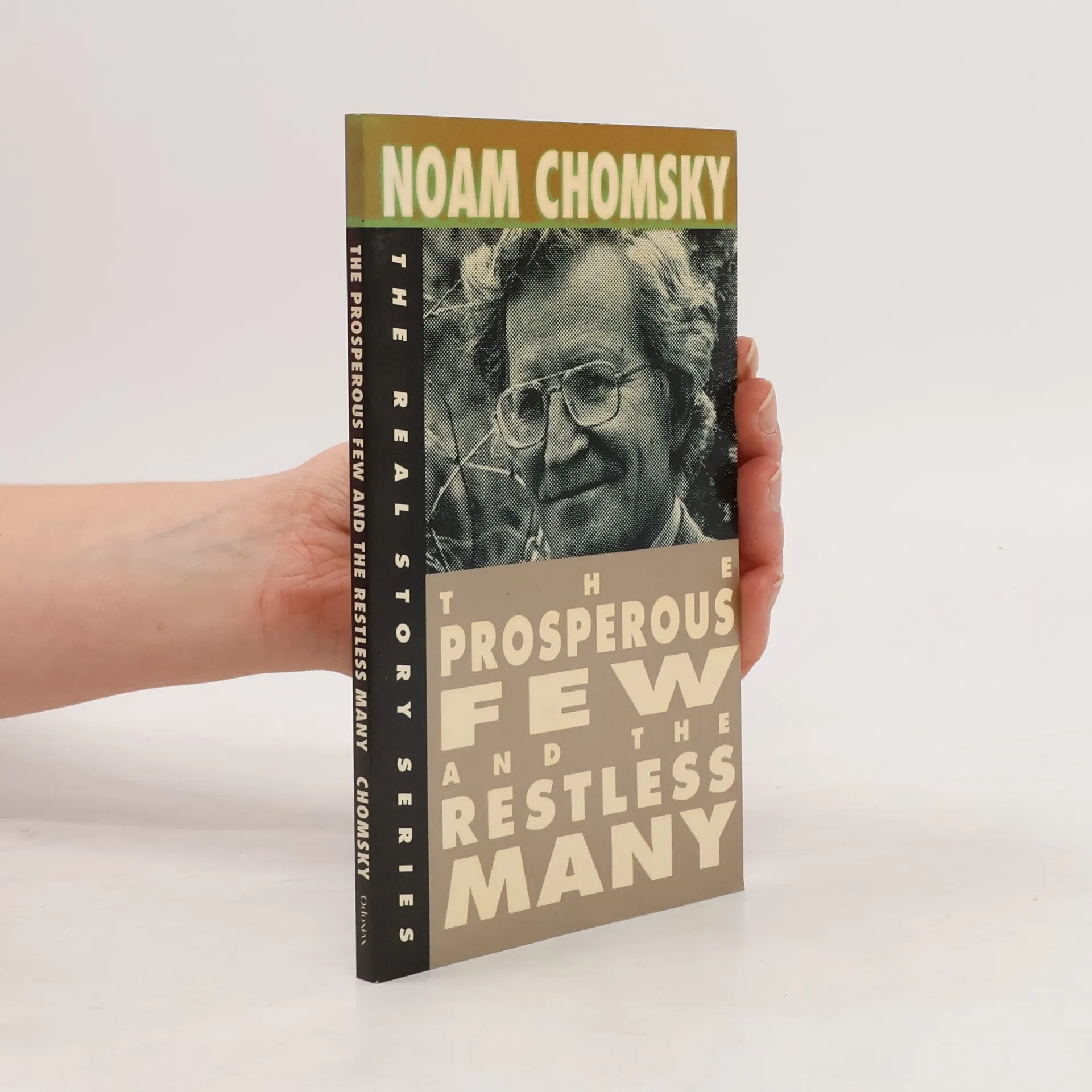
THE ESSENTIAL INTRODUCTION TO CHOMSKY'S POLITICAL IDEAS With exceptional clarity and power of argument, Noam Chomsky lays bare as no one else can the realities of contemporary geopolitics. Divided into four sections, originally published in the US only as individual short books, collectively selling over half a million copies, How the World Works covers: WHAT UNCLE SAM REALLY WANTS: the main goals of US foreign policy; the devastation caused abroad; the brainwashing at home. THE PROSPEROUS FEW AND THE RESTLESS MANY: The Prosperous Few and the Restless Many: the new global economy; food and Third World 'economic miracles'; the roots of racism. SECRETS, LIES AND DEMOCRACY: the US, the CIA, religious fundamentalism; global inequality; the coming eco-catastrophe. THE COMMON GOOD: equality, freedom, the media; the myth of Third World debt; manufacturing dissent. This is the perfect way in to the political thought and ideas of the world's most important and frequently-cited authority in the field.
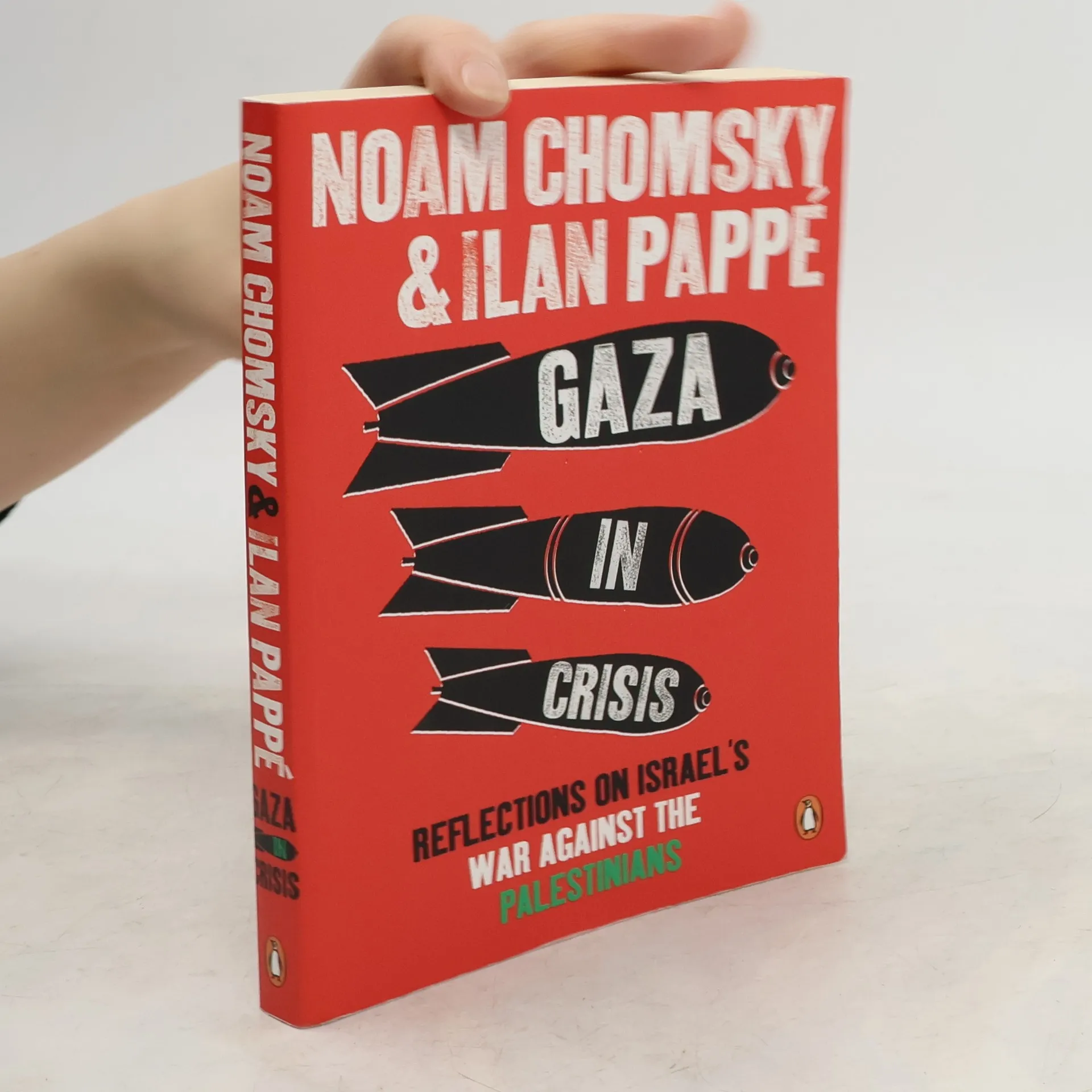
Surveying the fallout of Israel's conduct in Operation Cast Lead, Noam Chomsky and Ilan Pappe place the massacre in Gaza in the context of Israel's long-standing war against the Palestinians."
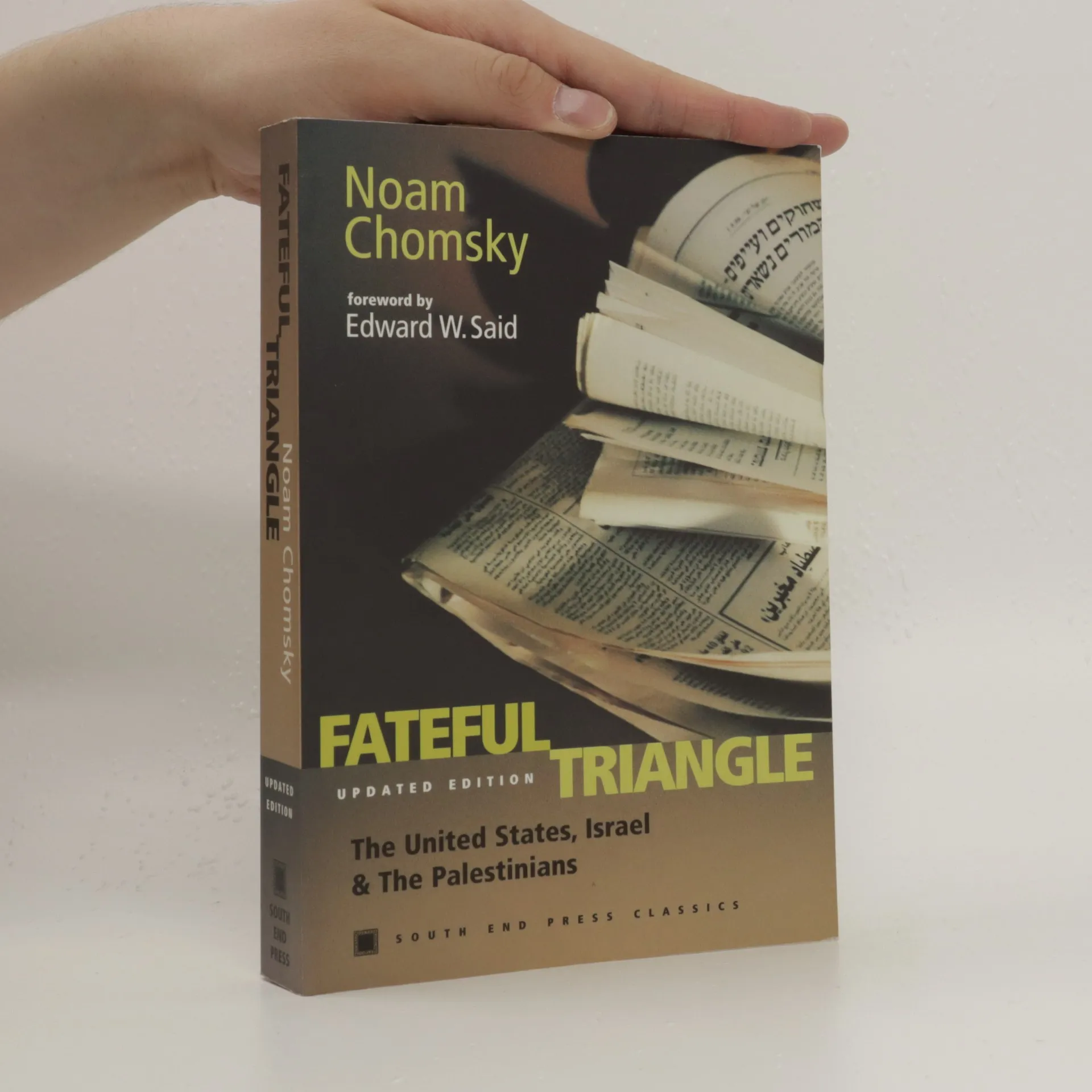
For some time, I've been compelled to arrange speaking engagements long in advance. A consistently effective title for these talks is "The current crisis in the Middle East." While the specifics of future crises remain unpredictable, their inevitability is assured as long as fundamental regional issues remain unaddressed. The crises will be significant in what President Eisenhower termed "the most strategically important area in the world." In the early post-War years, the U.S. effectively extended the Monroe Doctrine to the Middle East, limiting interference to Britain, which was swiftly reprimanded when it strayed (as in 1956). The region's strategic importance largely stems from its vast petroleum reserves and the power derived from controlling them, alongside the substantial profits benefiting Anglo-American interests, crucial for their economies. This dynamic has ensured that wealth primarily flows to the West rather than the local populace, perpetuating unrest. Additionally, the Israel-Arab conflict, with its complex ramifications, is intricately linked to U.S. strategic aims of dominating regional resources. For many years, the prevailing narrative framed Soviet subversion and expansionism as the core issue, justifying various policies since the Bolshevik takeover in 1917.
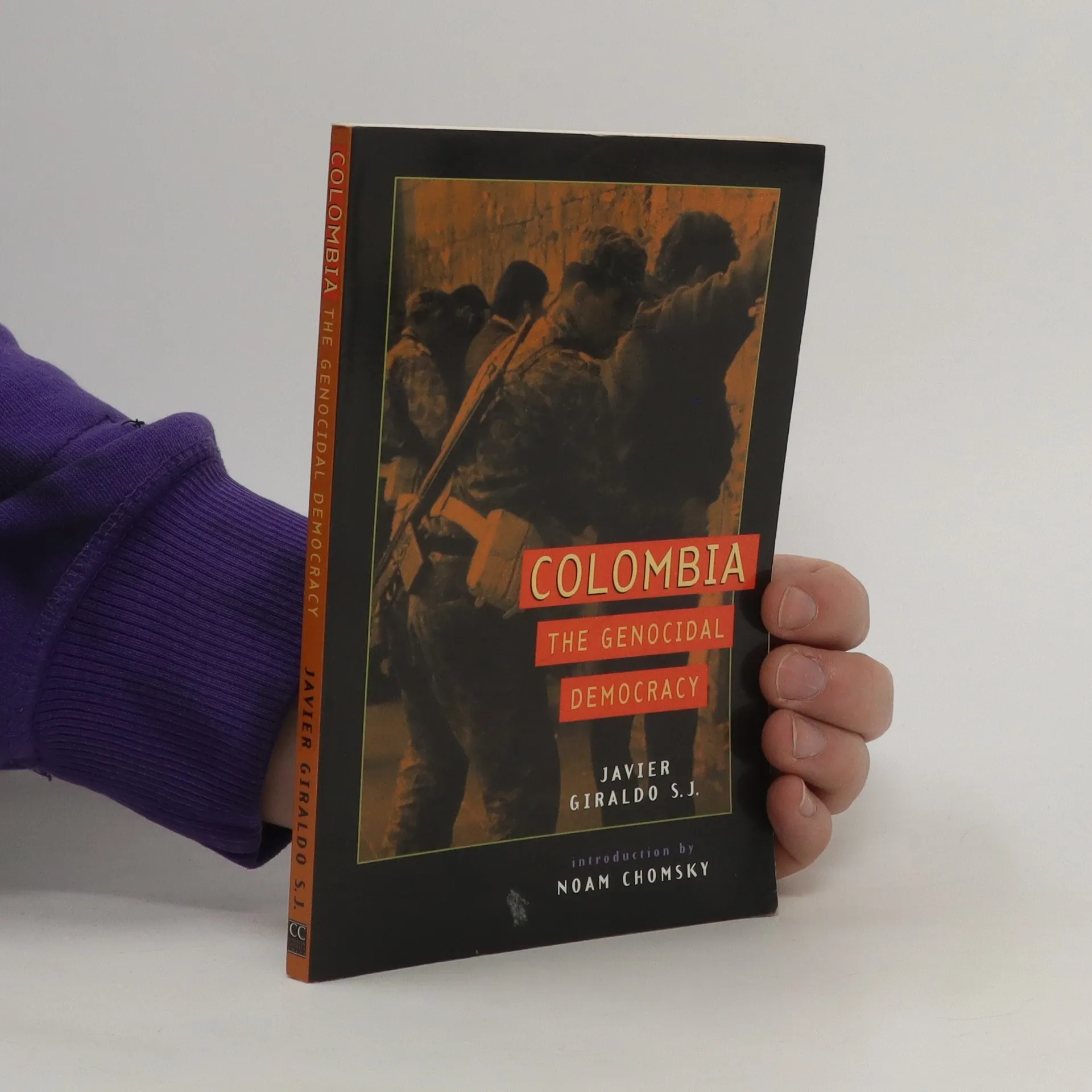
Father Giraldo, director of a leading Colombian human rights organization, carefully explains Colombia's human rights crisis, citing statistics on political violence and relating eyewitness accounts of extrajudicial assassinations and massacres. Directly implicates the Colombian State in these acti
"How adroitly he cuts through the crap and really says something, " describes The Village Voice of world-famous political writer and lecturer Noam Chomsky. In his latest report on the state of the world, Chomsky discusses a breathtaking variety of topics, ranging from Japan's trade policies to the "war" on drugs, corporate welfare, and much more.
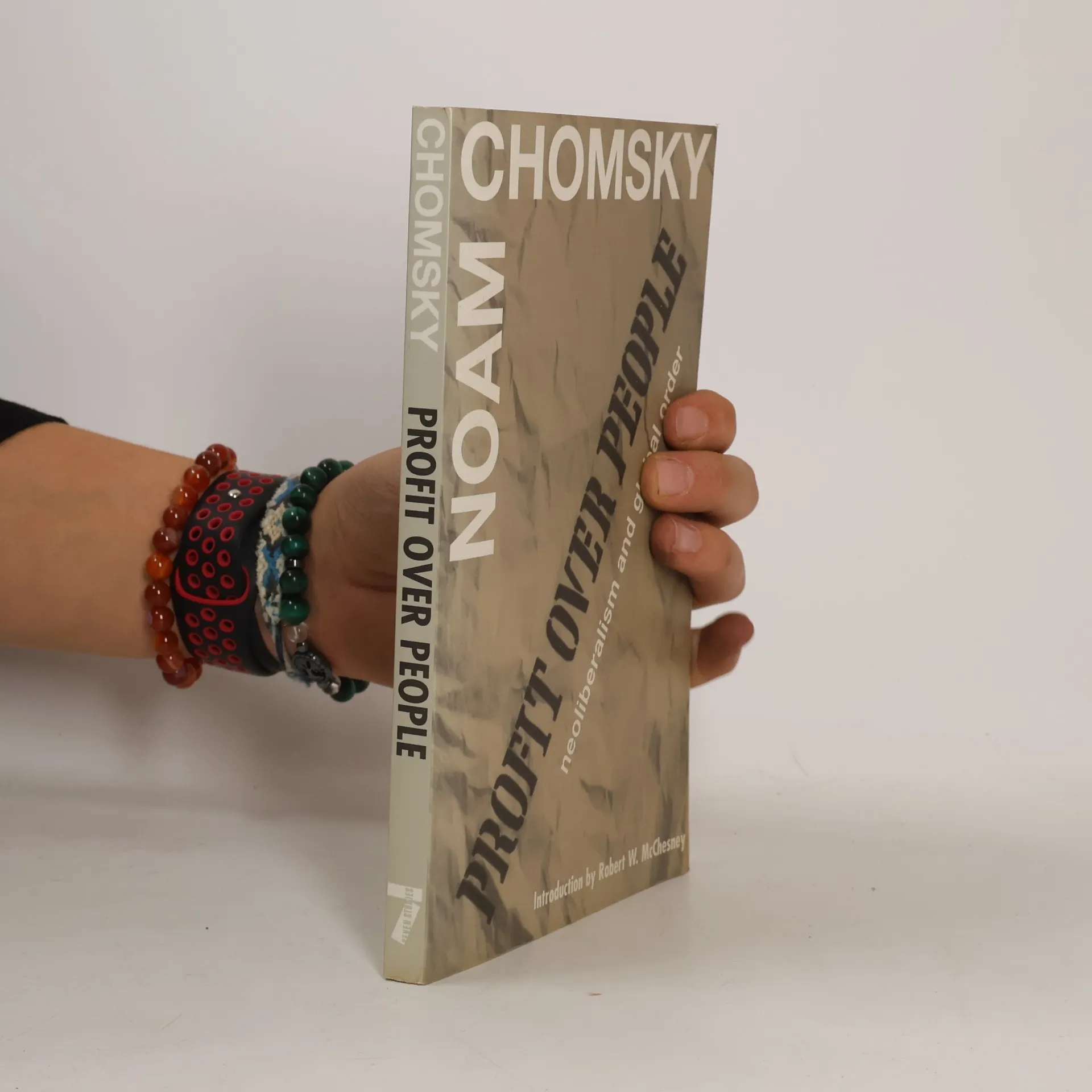
Excerpt paraphrased from back cover: Chomsky's thoughts on free market philosophy, and the corporate control of public opinion. Chomsky hopes that social activism will reclaim people's rights as citizens rather than as consumers, redefining demicracy as a global movement, not a global market
The prison writings of Kurdish freedom fighter and PKK leader Abdullah Ocalan
An invitation to take part in a conversation with one of the great minds of our time. First published in 2001, this book collects a series of discussions with the journalist David Barsamian. It is the perfect complement to Chomsky's major works of media study such as Manufacturing Consent and Necessary Illusions. Events discussed in detail are the so-called 'Battle of Seattle' protests against the World Trade Organisation, US involvement in East Timor, and the beginning of the movement towards a second Iraq War.
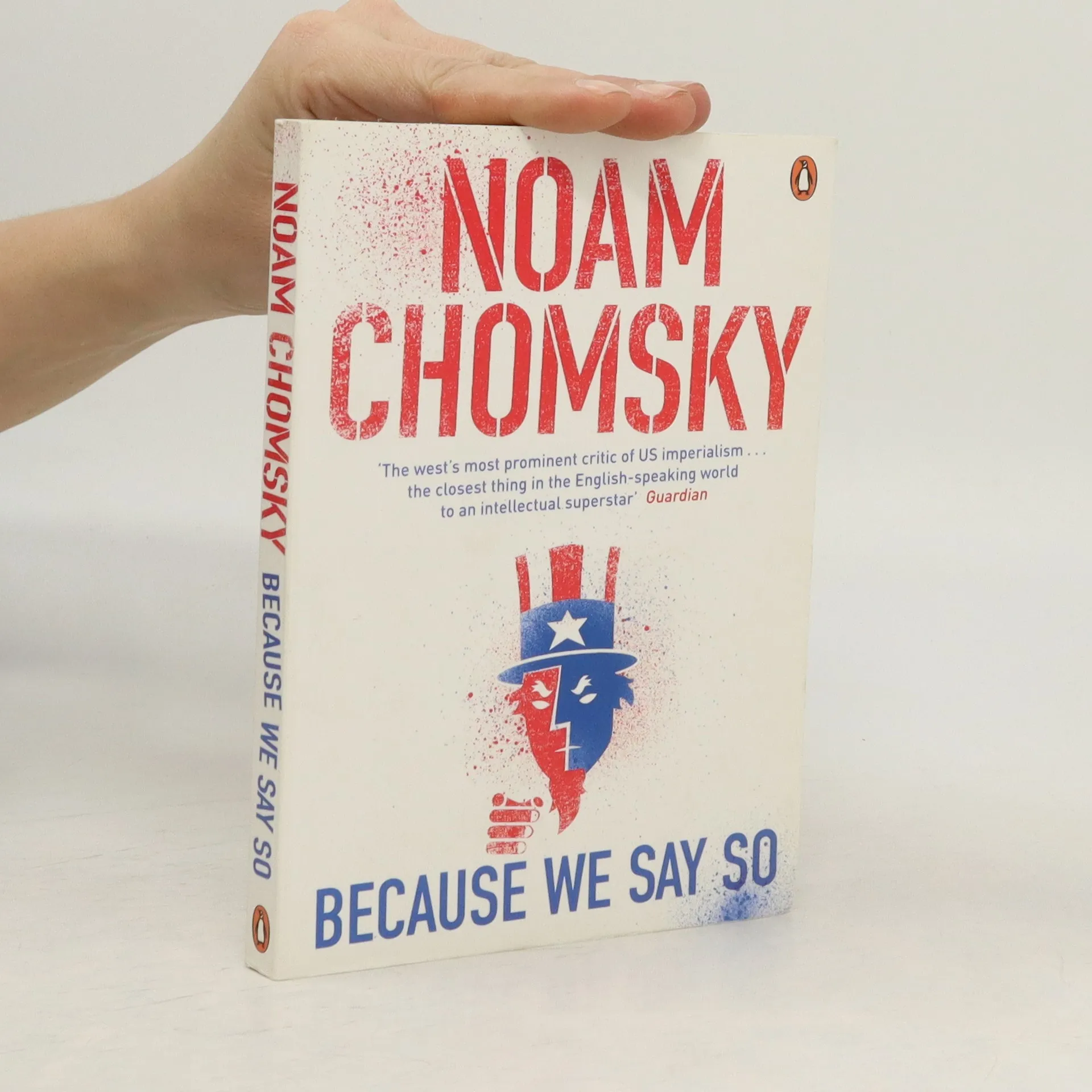
For over fifty years, one fact has dominated global politics- the United States can respond to any challenge to its power however it sees fit. Whatever the world may think, US actions are legitimate simply because they say so. With charateristic clarity and authority, Chomsky takes American imperialism head-on. From Edward Snowden and Palestinian-Israeli relations to political philosophy and how we structure democracy, Because We Say So offers a cross-section of perspectives on the question of America's ongoing hegemony.
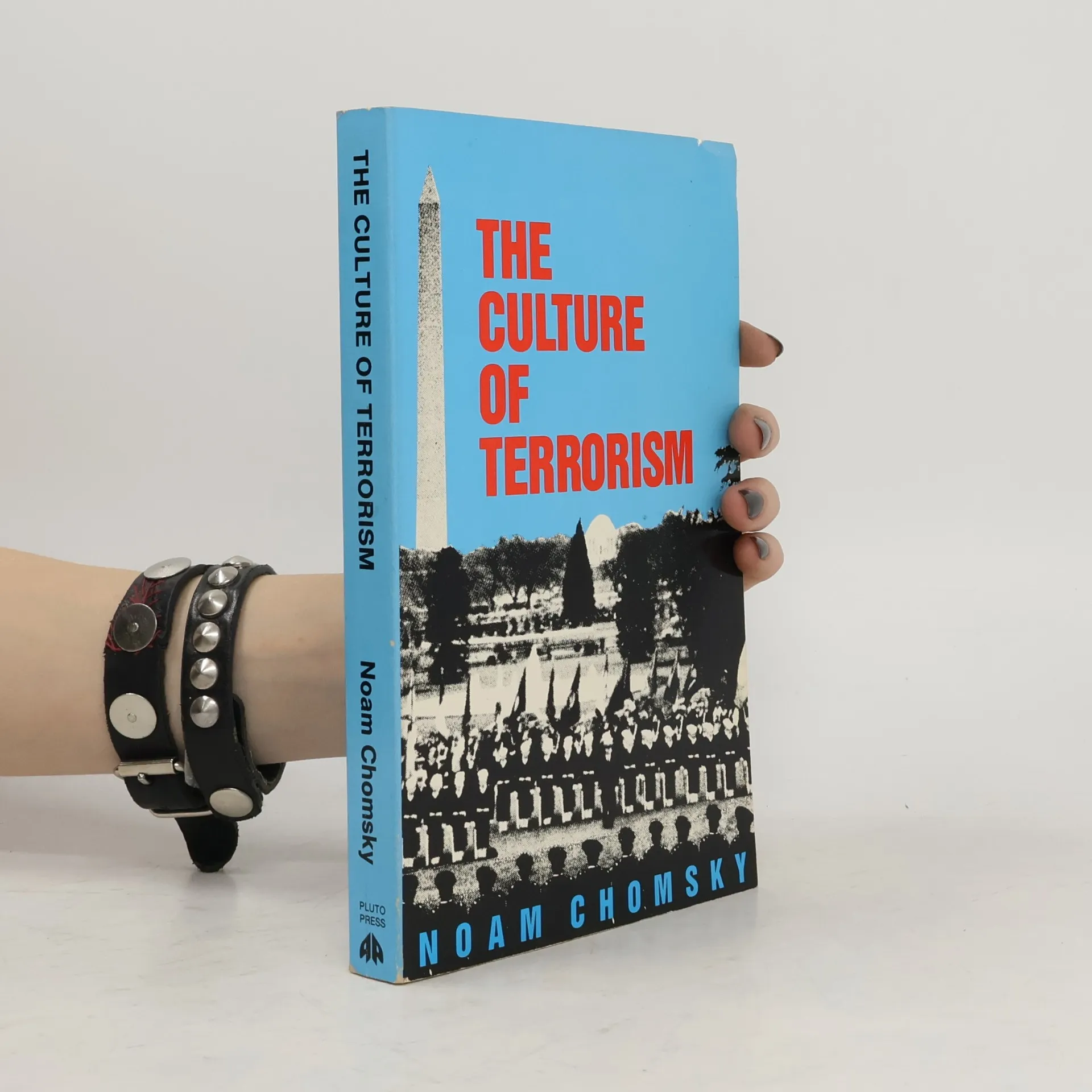
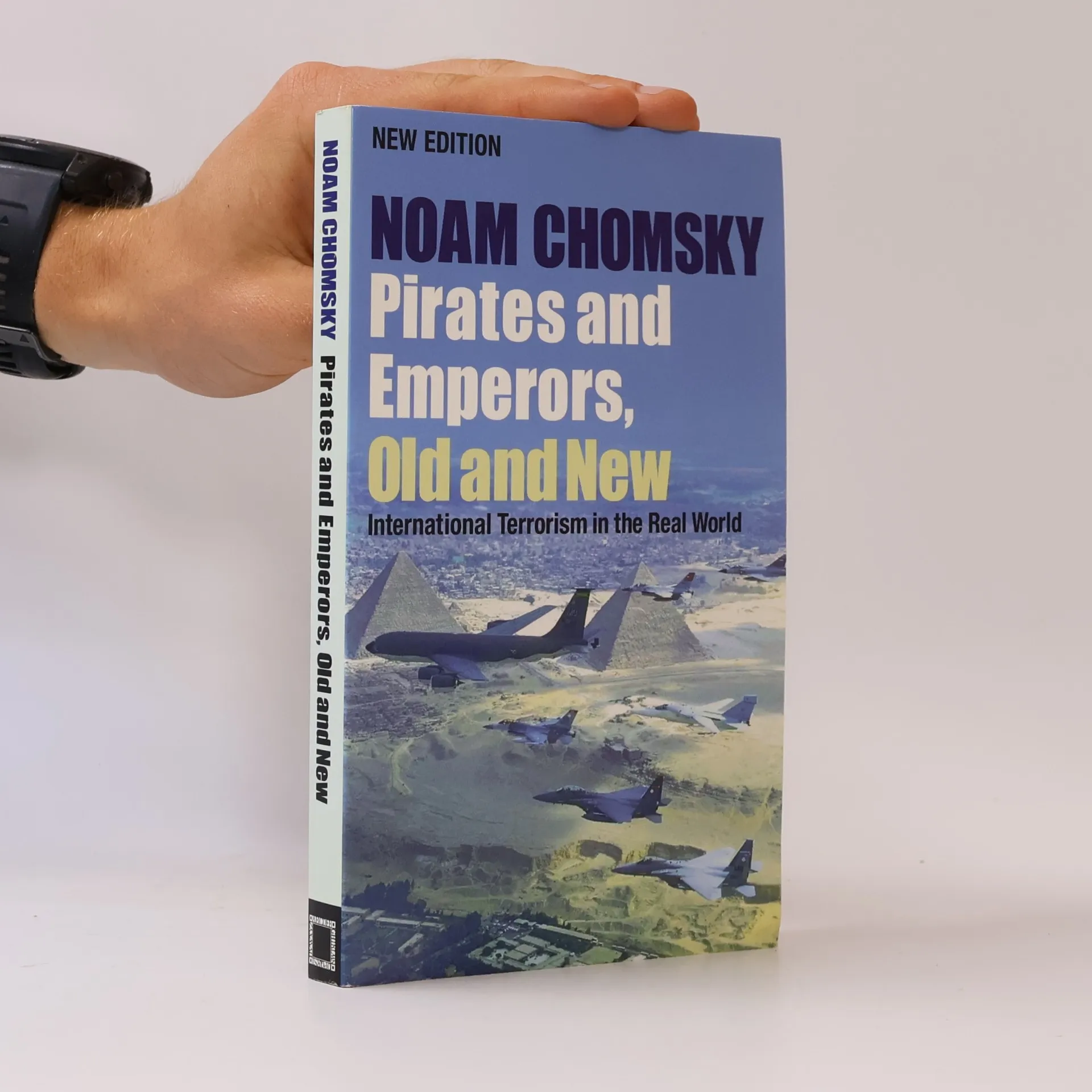
International Terrorism in the Real World - New Edition
This updated edition of Noam Chomsky’s classic dissection of terrorism delves into the U.S. role in the Middle East and how media shapes public perception of "terrorism." It features new chapters on the second Palestinian intifada, the effects of September 11 on U.S. foreign policy, and a critical analysis of terrorism's depiction since then, alongside original discussions on Iran and the U.S. bombing of Libya. Chomsky begins by tracing the evolving definition of "terrorism," originally linked to state violence aimed at ensuring compliance. He critiques the current notion of "retail terrorism," attributed to marginalized groups challenging the powerful. Emphasizing the importance of distinguishing between state and non-state terror, he argues this understanding is vital for addressing terrorism and comprehending events like the World Trade Center bombing. Chomsky contrasts the "war on terror" initiated by George W. Bush with those of previous administrations, referencing Winston Churchill’s views on the rights of the powerful and the consequences faced by the oppressed. This work offers a profound examination of state terrorism and critiques U.S. imperialism, showcasing Chomsky’s expertise as a philosopher, linguist, and political activist at MIT.
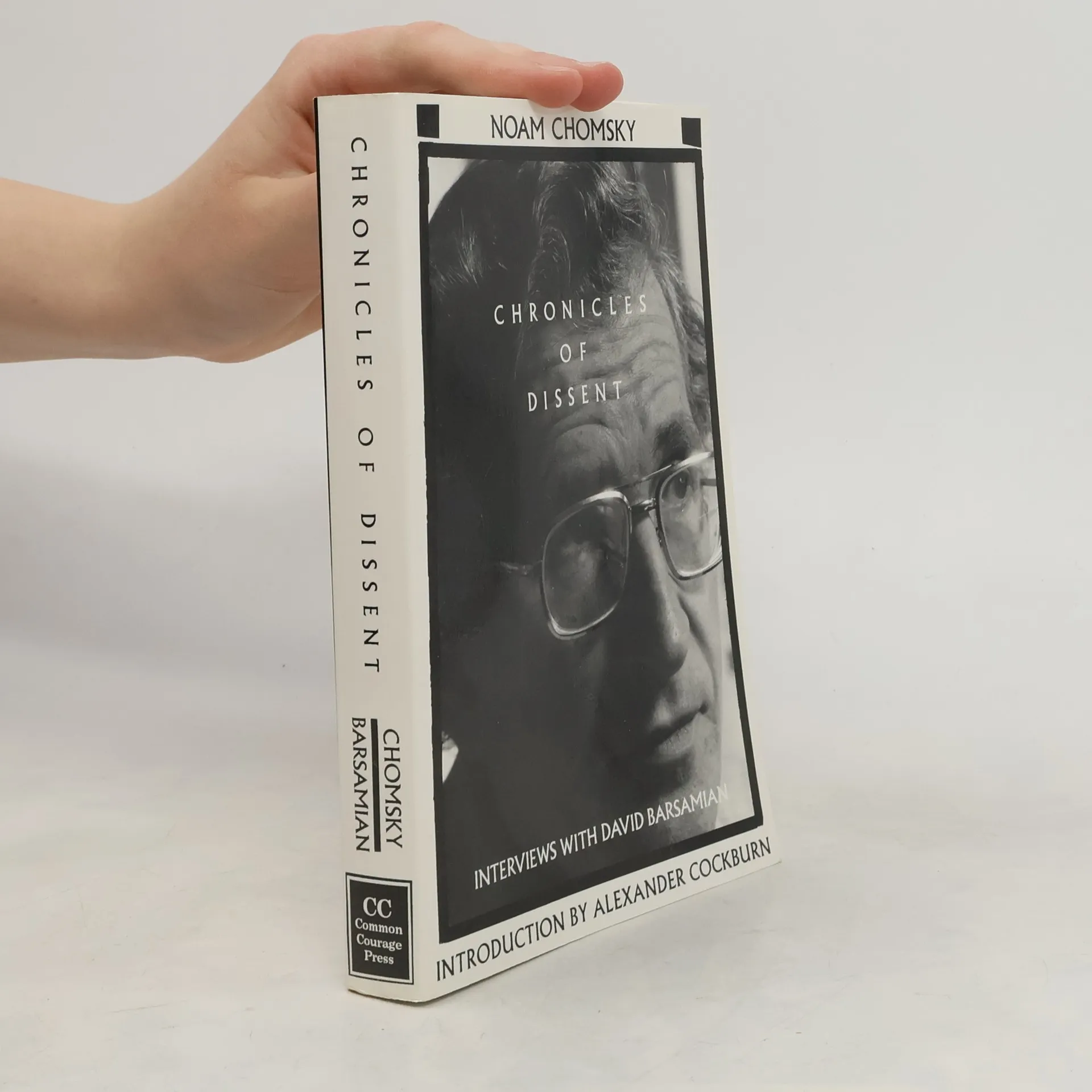
Published by Common Courage Press, Box 702, Corner 139 & Jackson Road, Monroe, ME 04951. Annotation copyright Book News, Inc. Portland, Or.
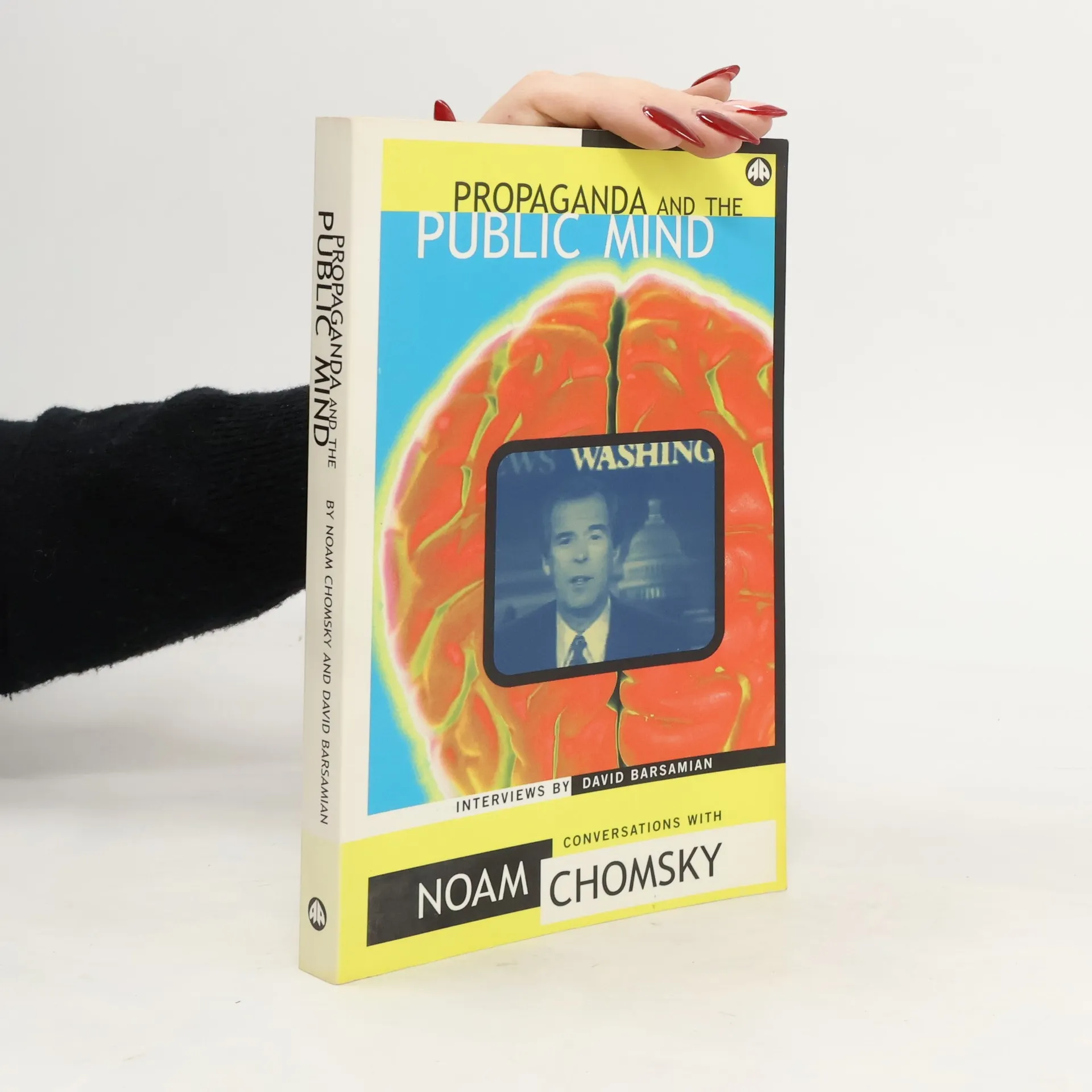
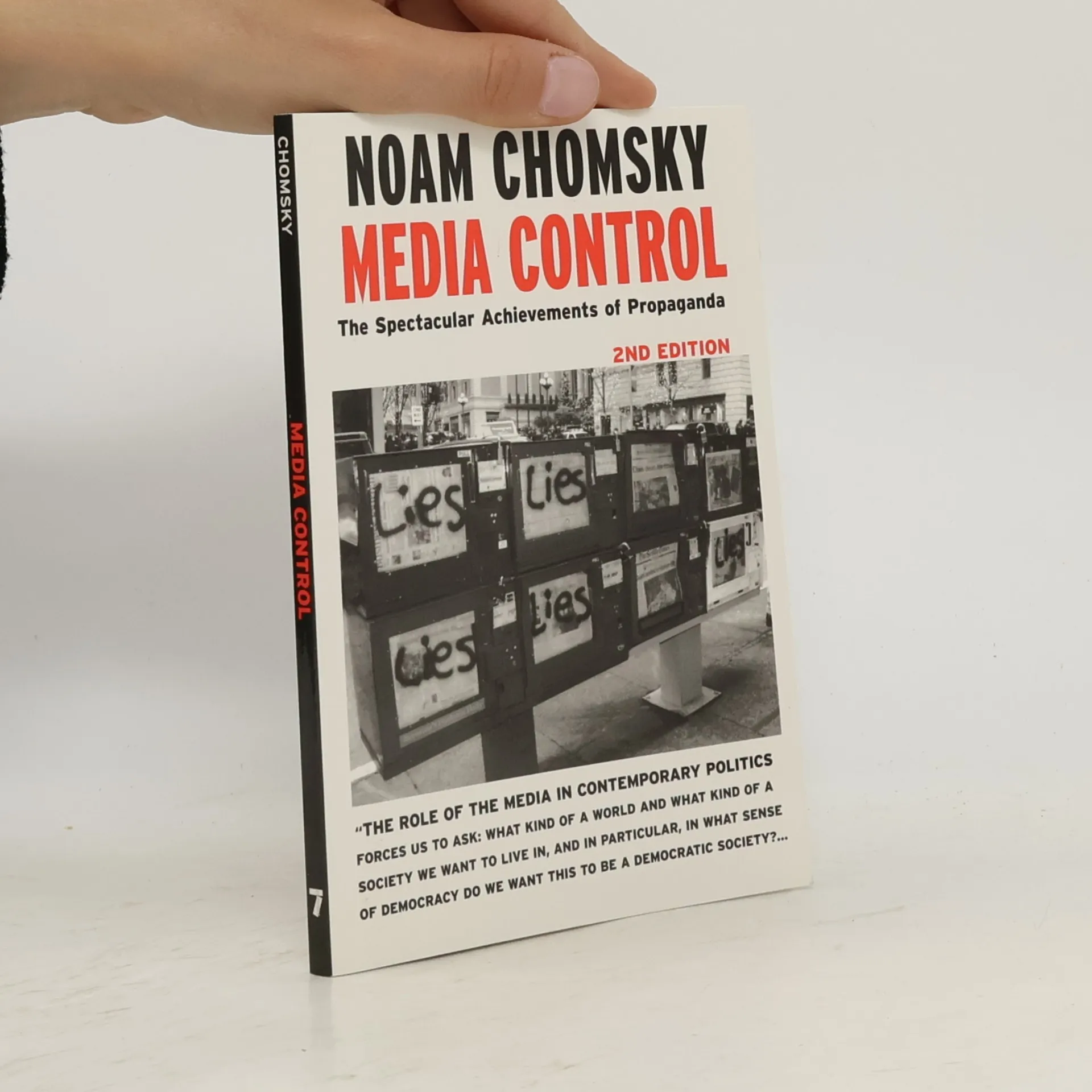
Noam Chomsky’s backpocket classic on wartime propaganda and opinion control begins by asserting two models of democracy—one in which the public actively participates, and one in which the public is manipulated and controlled. According to Chomsky, "propaganda is to democracy as the bludgeon is to a totalitarian state," and the mass media is the primary vehicle for delivering propaganda in the United States. From an examination of how Woodrow Wilson’s Creel Commission "succeeded, within six months, in turning a pacifist population into a hysterical, war-mongering population," to Bush Sr.'s war on Iraq, Chomsky examines how the mass media and public relations industries have been used as propaganda to generate public support for going to war. Chomsky further touches on how the modern public relations industry has been influenced by Walter Lippmann’s theory of "spectator democracy," in which the public is seen as a "bewildered herd" that needs to be directed, not empowered; and how the public relations industry in the United States focuses on "controlling the public mind," and not on informing it. Media Control is an invaluable primer on the secret workings of disinformation in democratic societies.From the Audiobook Download edition.
A brilliant distillation of the real motivations behind U.S. foreign policy, compiled from talks and interviews completed between 1986 and 1991, with particular attention to Central America.
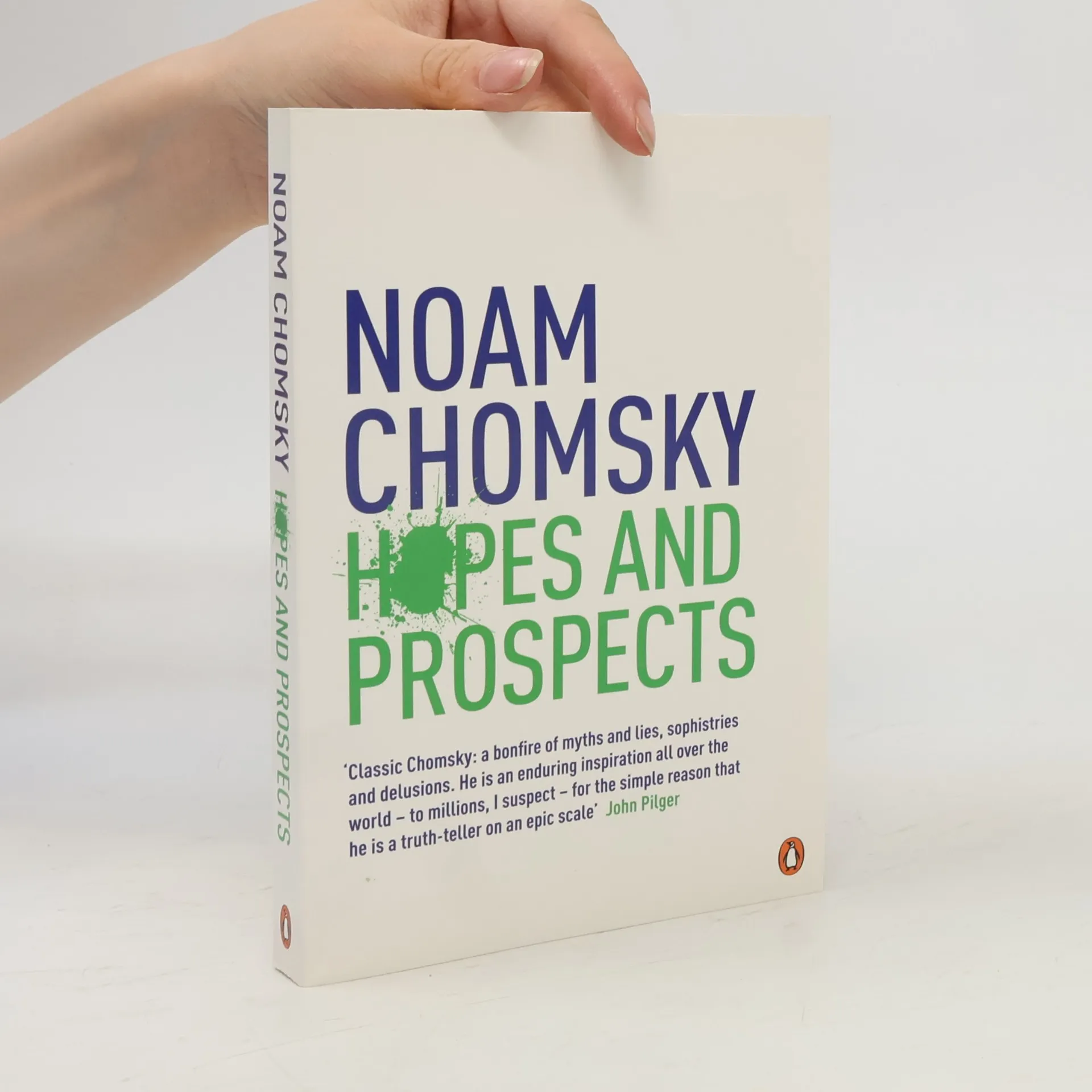
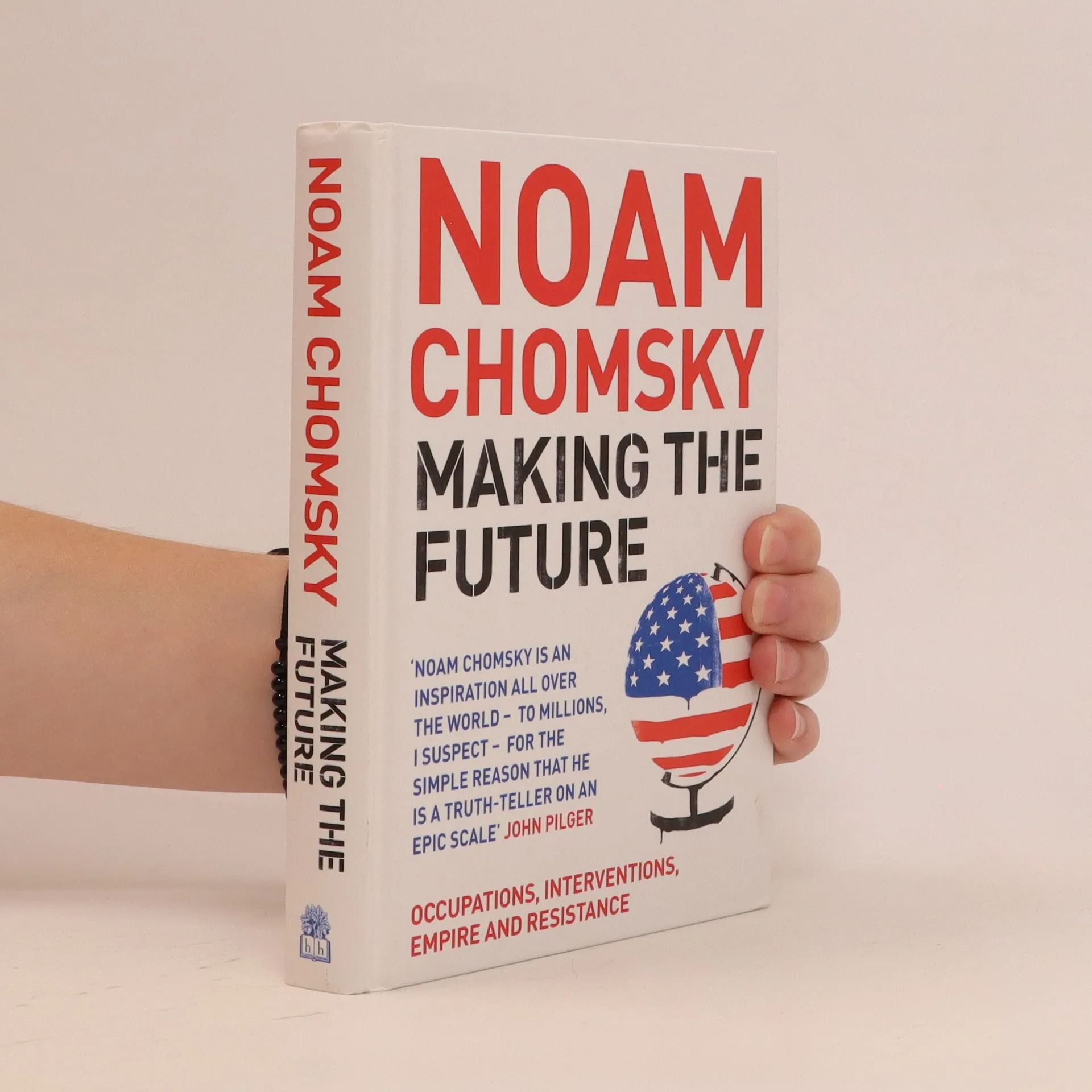
In this urgent new book, Noam Chomsky surveys the threats and prospects of our early twenty-first century. Exploring challenges such as the growing gap between North and South, American exceptionalism (even under Obama), the fiascos of Iraq and Afghanistan, the Israeli assault on Gaza and the recent financial bailouts, he also sees hope for the future and a way to move forward � in the so-called democratic wave in Latin America and in the global solidarity movements which suggest 'real progress towards freedom and justice'. Hopes and Prospects is essential reading for anyone who is concerned about the primary challenges still facing the human race and is wondering where to find a ray of hope.
These wide-ranging interviews, from 1992 and 1993, cover everything from Bosnia and Somalia to biotechnology and nonviolence, with particular attention to the "Third Worldization" of the United States.
The political and linguistic writings of America's leading dissident intellectual. He relates his political ideals to his theories about language.
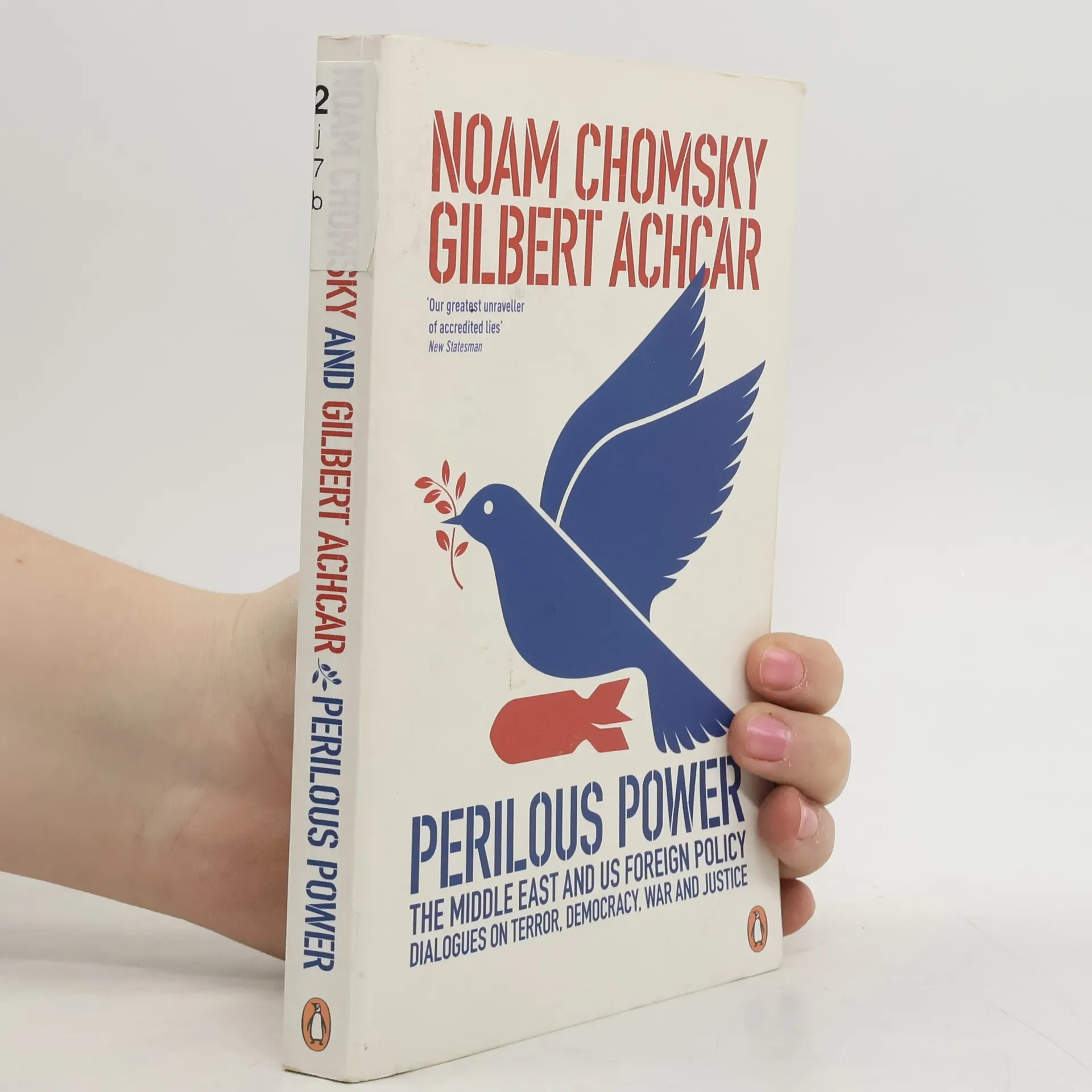
The volatile Middle East is a site of vast resources, profound passions, frequent crises, and long-standing conflicts, as well as a major source of international tensions and a key site of direct US intervention. Two of the most astute analysts of this part of the world are Noam Chomsky, the pre-eminent critic of US foreign policy, and Gilbert Achcar, a leading specialist of the Middle East who lived in that region for many years. In their new book, Chomsky and Achcar bring a keen understanding of the internal dynamics of the Middle East and of the role of the United States, taking up all the key questions of interest to concerned citizens, including such topics as terrorism, fundamentalism, conspiracies, oil, democracy and anti-Arab racism, as well as the war in Afghanistan, the invasion and occupation of Iraq, the Israeli-Palestinian conflict, and the sources of US foreign policy. Timely, erudite and incisive, Perilous Power provides the best readable introduction for all who wish to understand the complex issues related to the Middle East from a perspective dedicated to peace and justice.
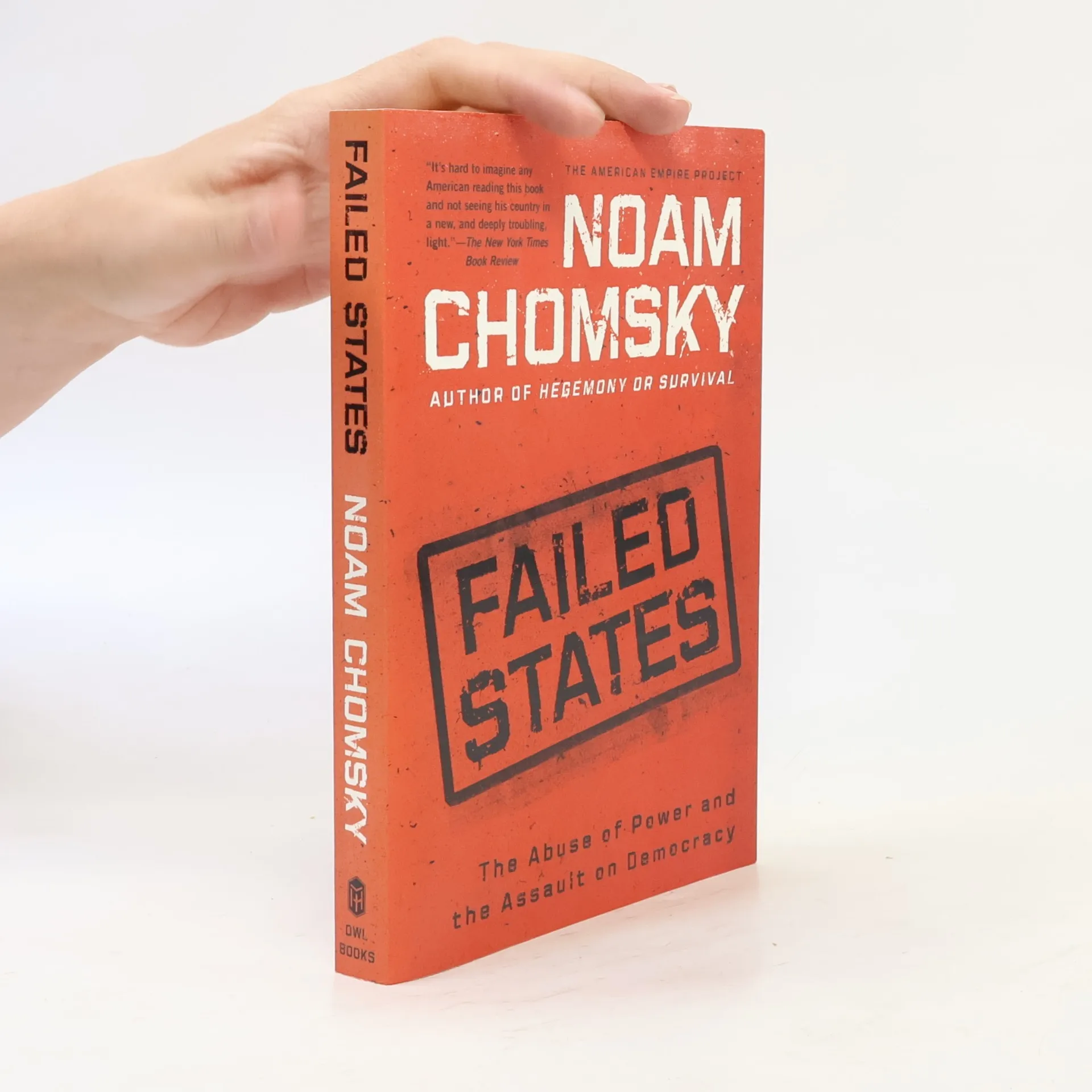
The United States has long claimed the right to intervene militarily in "failed states" worldwide. In this anticipated follow-up to his bestseller, Noam Chomsky flips the narrative, illustrating how the U.S. itself exhibits characteristics of a failed state. He highlights a significant "democratic deficit," disregard for both domestic and international law, and policies that jeopardize its citizens and global stability. Analyzing recent developments in U.S. foreign and domestic policy, Chomsky warns of plans to further militarize the world, raising the specter of nuclear conflict. He critiques the consequences of the Iraq occupation, documents Washington's self-exemption from international standards like the Geneva Conventions and the Kyoto Protocol, and examines how the electoral system stifles genuine political alternatives, hindering true democracy. Forceful and meticulously researched, this work provides a thorough analysis of a superpower that seeks to reshape other nations while grappling with its own democratic crisis. By dismantling the U.S.'s pretense as the world's democracy arbiter, Chomsky delivers his most focused and urgent critique yet.
A collection of previously unpublished interviews presents the critical thoughts of the noted scholar and activist on American foreign policy in the increasingly unstable global community following September 11th.
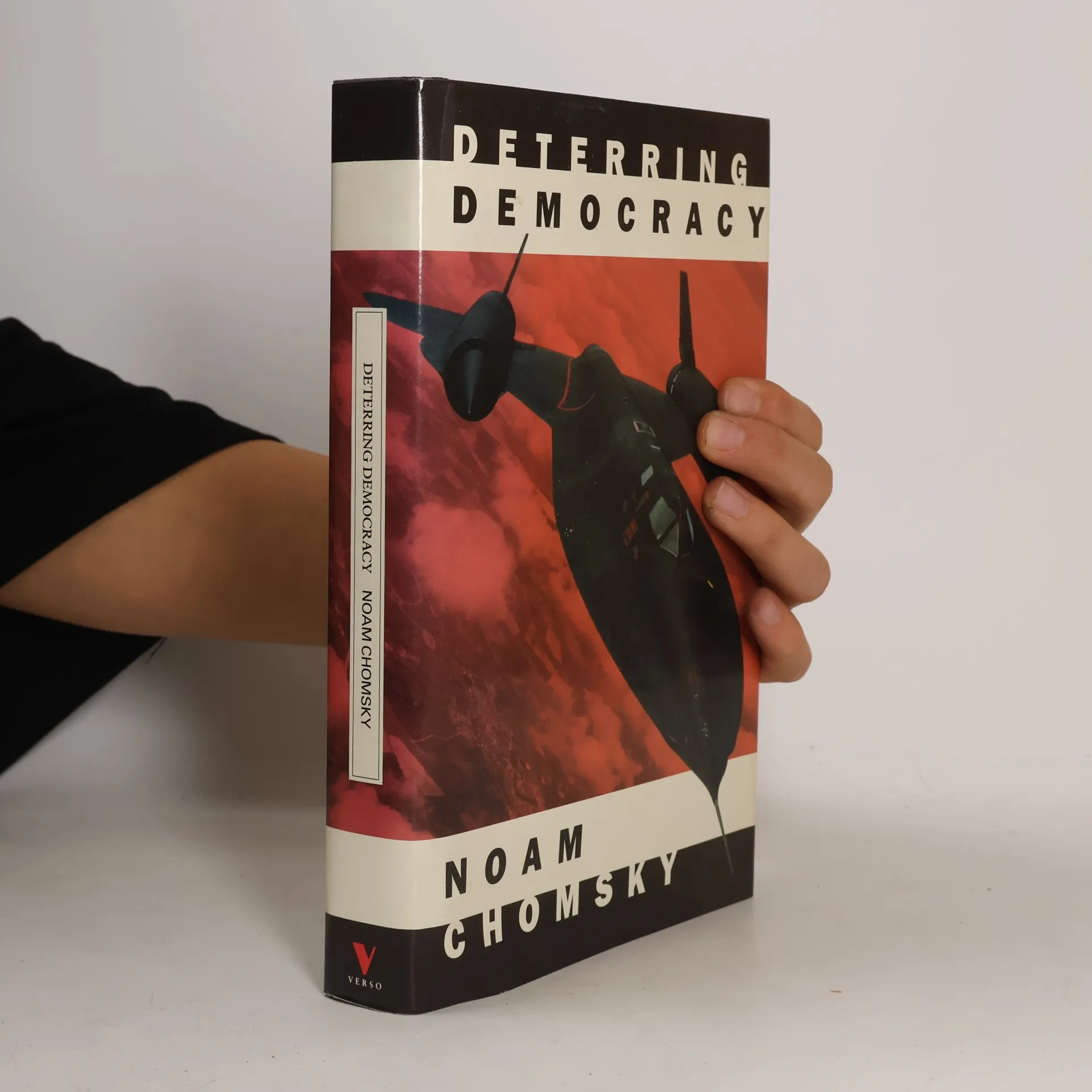
The United States is in the process of staking out not just the globe but the heavens as a militarized sphere of influence. Chomsky investigates how it came to this moment, what kind of peril it presents, and why rulers are willing to jeopardize the future of the species.
Chomsky argues that the so-called new world order is merely an old one in disguise. Its fundamental rules remain unchanged: the weak are subjected to the law's force, while the powerful exploit the law of force. The principles of "economic rationality" are imposed on the poor, while the rich benefit from state power and intervention. Chomsky develops his reasoning through concrete denunciations of events and situations, revealing a harsh reality often silenced or obscured by the media. His historical reconsideration of the Cold War accounts for the abuses and crimes committed by both sides, while his account of the horrors of the Gulf massacre exposes the political-economic order of the United States. This analysis allows him to explain how, after the fall of the wall, this "government of the world" operates to ensure the universal dominance of wealthy nations and the rich over the poor within them, offering a realistic view of the new world order we are beginning to inhabit and its rules.
Continuing his bestselling interviews with David Barsamian, CHomsky provides a road map to the concentration of corporate power. Amidst a devastating sketch of the ongoning destruction of civil society, Class Warfare unearths a cause for optimism in the ongoing struggle for human freedom. National ads/media.
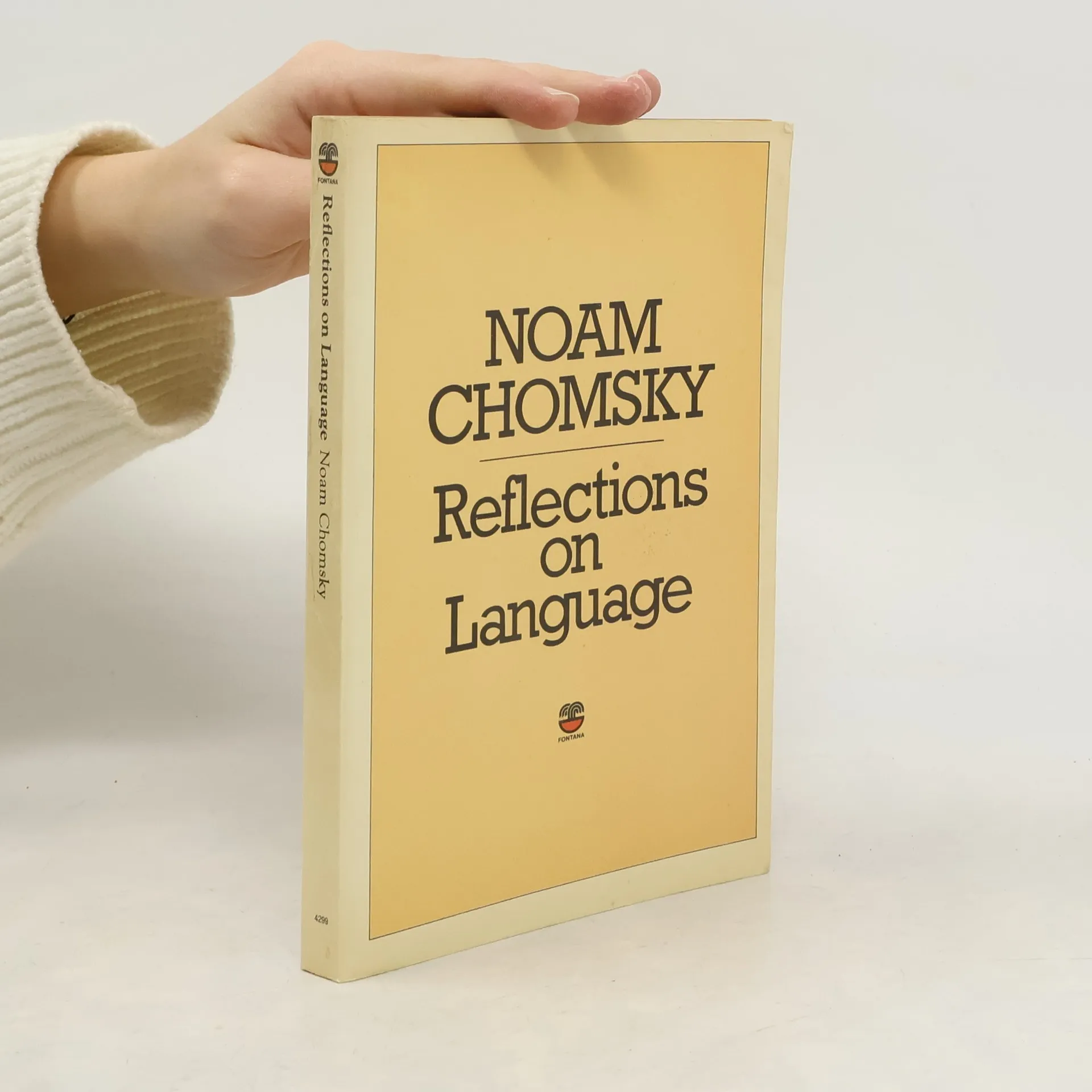
Chomsky's work in linguistics has transformed our understanding of language, prompting a deeper exploration of its significance and purpose. This collection of nontechnical Reflections delves into the intellectual implications of linguistic study, addressing classical questions that have intrigued philosophers from Plato to the present. Central to this inquiry is the mystery of how humans, despite limited personal experience, develop intricate systems of knowledge, beliefs, and values that shape their actions and interpretations. Chomsky posits that language growth parallels the development of a bodily organ, largely predetermined by genetic factors. His analyses engage with contemporary debates among psychologists, philosophers, and linguists regarding cognitive structures, the interplay of language with mental faculties, and how these structures influence behavior. He also examines the social and intellectual forces that have led to the predominance of certain thought patterns, questioning why the study of mind and behavior often diverges from natural science methodologies. Furthermore, he critiques the notion of humans as entirely malleable, arguing that this belief not only misrepresents human nature but also underpins reactionary social ideologies.
Traces U.S. foreign policy objectives throughout the Cold War and offers a commentary on the development of the post-Cold War economic and military structure.
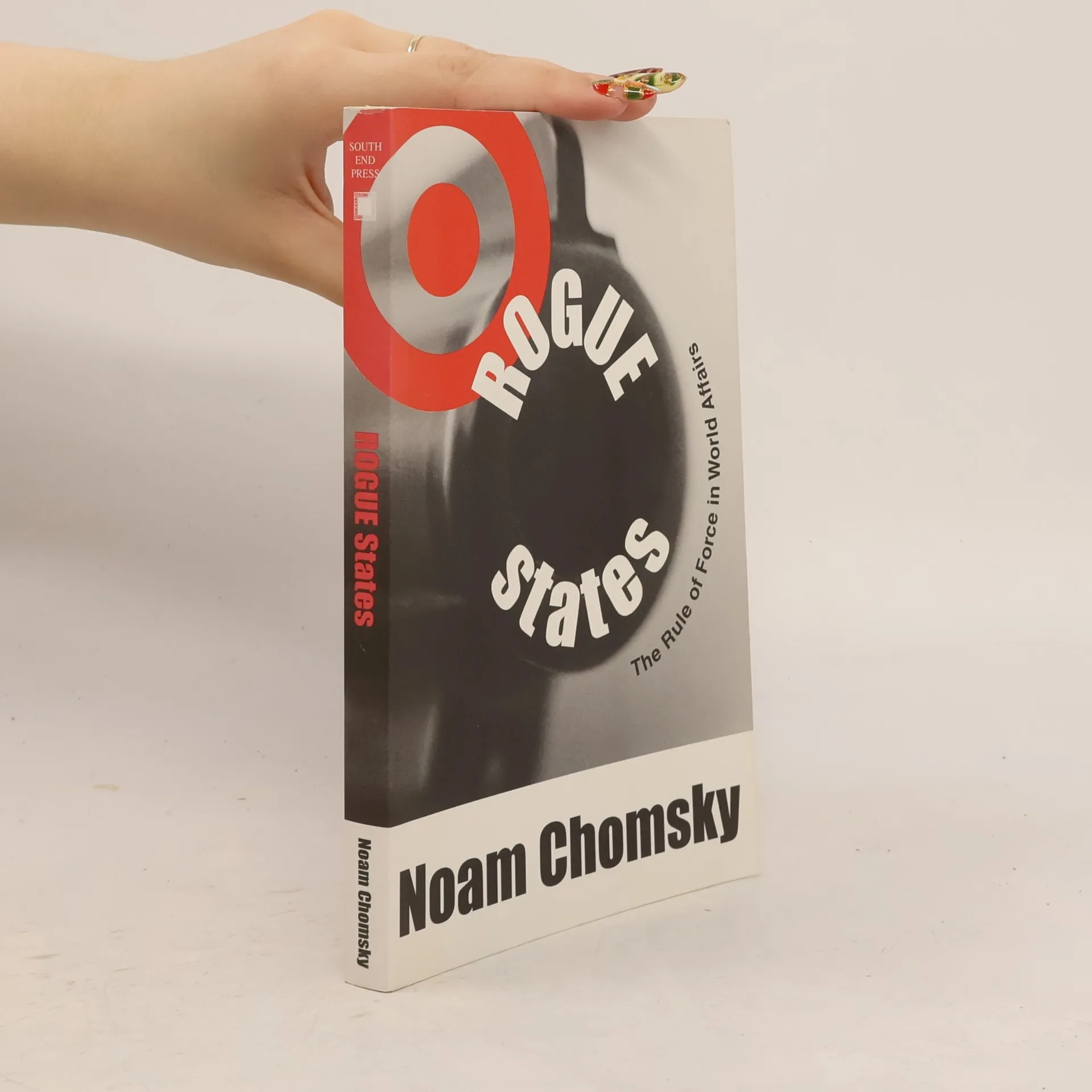
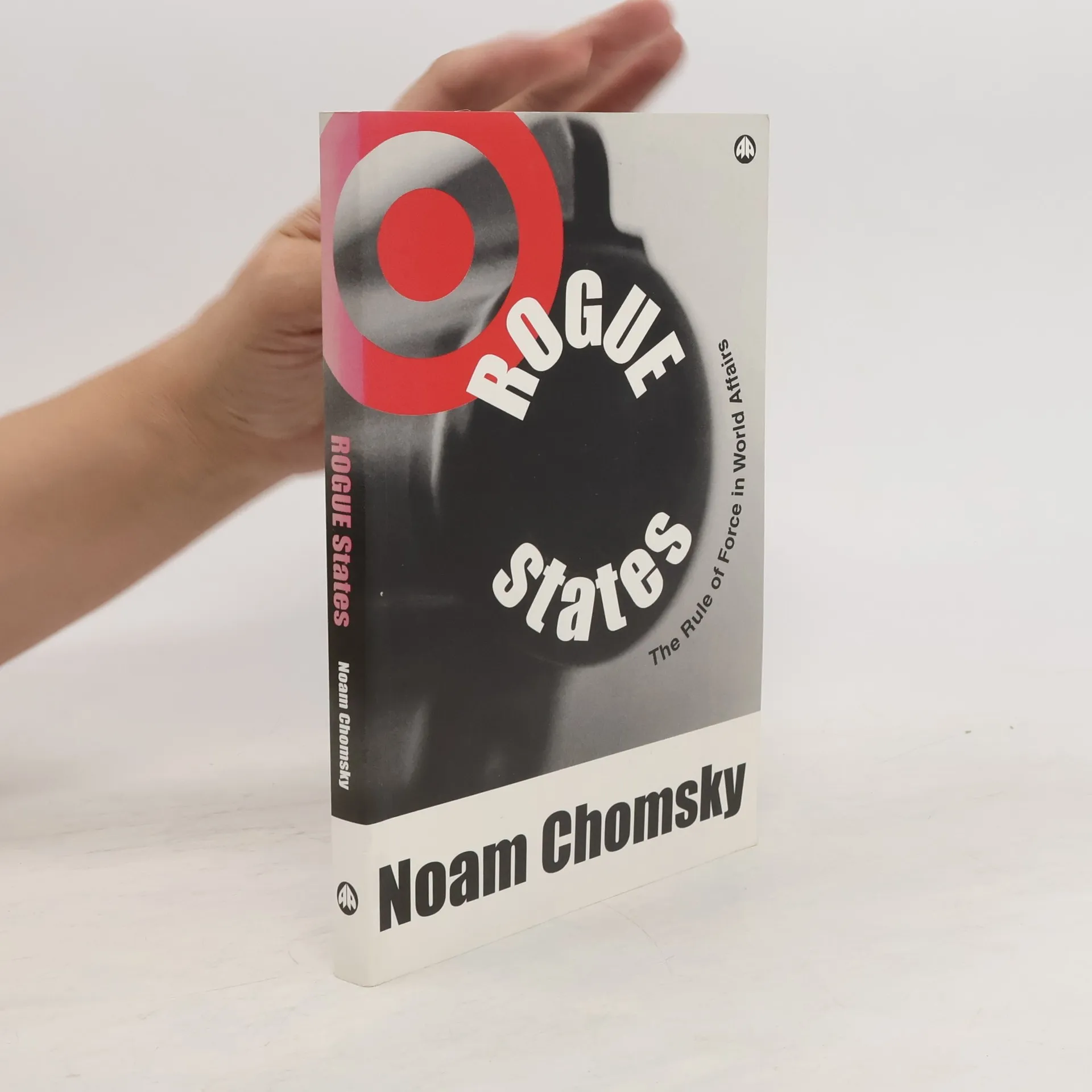
Rogue States: The Rule of Force in the World Affairs.
Originally published as a special supplement by The New York Review of Books, this work features critical essays that delve into the role of intellectuals in society. The primary essay examines the responsibilities they bear in shaping public discourse and moral accountability. Additionally, a second essay titled "The Responsibility of Intellectuals, Redux" revisits these themes, offering updated insights into the ongoing relevance of intellectual engagement in contemporary issues. The collection emphasizes the importance of thoughtful discourse in challenging times.
In this classic talk delivered at the Poetry Center, New York, on February 16, 1970, Noam Chomsky articulates a clear, uncompromising vision of social change. Chomsky contrasts the classical liberal, libertarian socialist, state socialist, and state capitalist world views and then defends a libertarian socialist vision as "the proper and natural extension . . . of classical liberalism into the era of advanced industrial society."In his stirring conclusion Chomsky argues, "We have today the technical and material resources to meet man’s animal needs.We have not developed the cultural and moral resources or the democratic forms of social organization that make possible the humane and rational use of our material wealth and power.Conceivably, the classical liberal ideals as expressed and developed in their libertarian socialist form are achievable. But if so, only by a popular revolutionary movement, rooted in wide strata of the population and committed to the elimination of repressive and authoritarian institutions, state and private. To create such a movement is a challenge we face and must meet if there is to be an escape from contemporary barbarism."
"As a linguist, Noam Chomsky aims not only at making a technical contribution with his generative theory of language but also at integrating his linguistic theory into a wider view of the relationship between language and the human mind. The crux of this view is his hypothesis that human beings are born with an innate knowledge of universal principles underlying the structure of human language. Chomsky's ideas have exerted a powerful influence on other disciplines by restoring language to a central position in cognitive psychology and in the philosophy of mind. The wider impact of his redefinition of the subject gives him a permanent place in the intellectual history of the twentieth century. Central to Chomsky's analysis is the distinction he draws between linguistic competence (knowledge of the system of rules that govern language) and an individual's actual performance as a user of language. As Dr. Klor de Alva points out, "... Chomsky's sober text makes clear why an avoidance of dogmatism and reductionism, in the human and natural sciences - as in all things - and a well-founded recognition of the limits of cognition are not only methodologically useful but also conceptually necessary.""--Jaquette de livre
Chomsky presents short, forceful commentaries on U.S. politics, from the domestic economic crisis to Obama's strategies in Afghanistan and around the world.
Chomsky argues that, contrary to popular perception, the real 'rogue' states in the world today are not the dictator-led developing countries we hear about in the news, but the United States and its allies
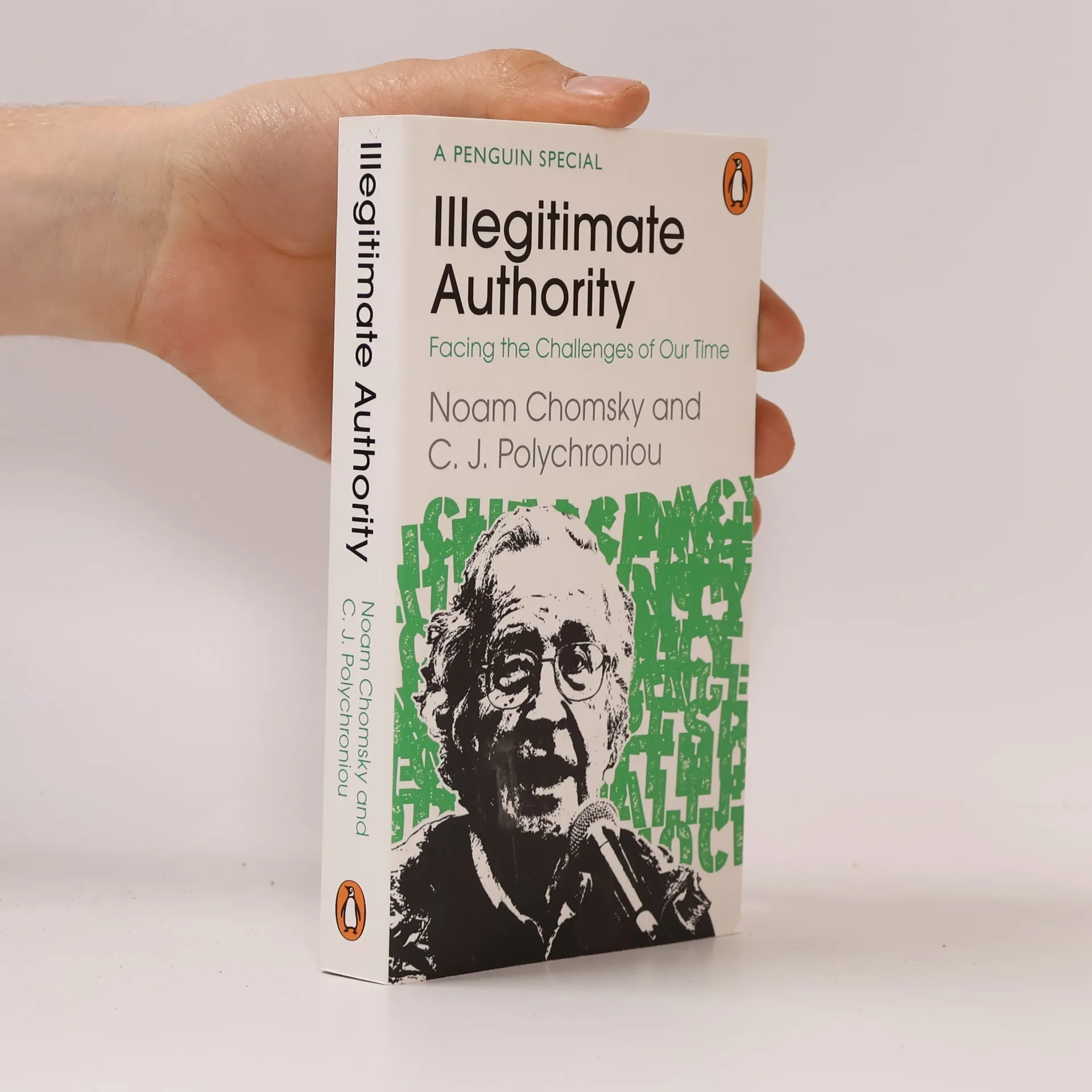
Noam Chomsky examines the crumbling of the social fabric and the fractures of the Biden era, including the halting steps toward a Green New Deal, the illegitimate authority of the Supreme Court, in particular its decision to overturn Roe v. Wade, and the ongoing fallout from COVID-19. Chomsky also untangles the roots of the War in Ukraine, the diplomatic tensions among the United States, China, and Russia, and considers the need for climate action on an international scale. Illegitimate Authority exposes those who wield power in their own self-interest and plots framework for how we can stand together and fight against injustice.
World politics, international relations, representative government. Author's works in demand.
Two of Chomsky's most famous and accessible works available in an affordable and attractive edition.Described by the New York Times as "arguably the most important intellectual alive," Noam Chomsky is known throughout the world for his highly influential writings on language and politics. Featuring two of Chomsky's most popular and enduring books in one omnibus volume, On Language contains some of the noted linguist and political critic's most informal and accessible work to date, making it an ideal introduction to his thought.In Part I, Language and Responsibility (1979), Chomsky presents a fascinating self-portrait of his political, moral, and linguistic thinking through a series of interviews with Mitsou Ronat, the noted French linguist. In Part II, Reflections on Language (1975), Chomsky explores the more general implications of the study of language and offers incisive analyses of the controversies among psychologists, philosophers, and linguists over fundamental questions of language.