



Viac o knihe
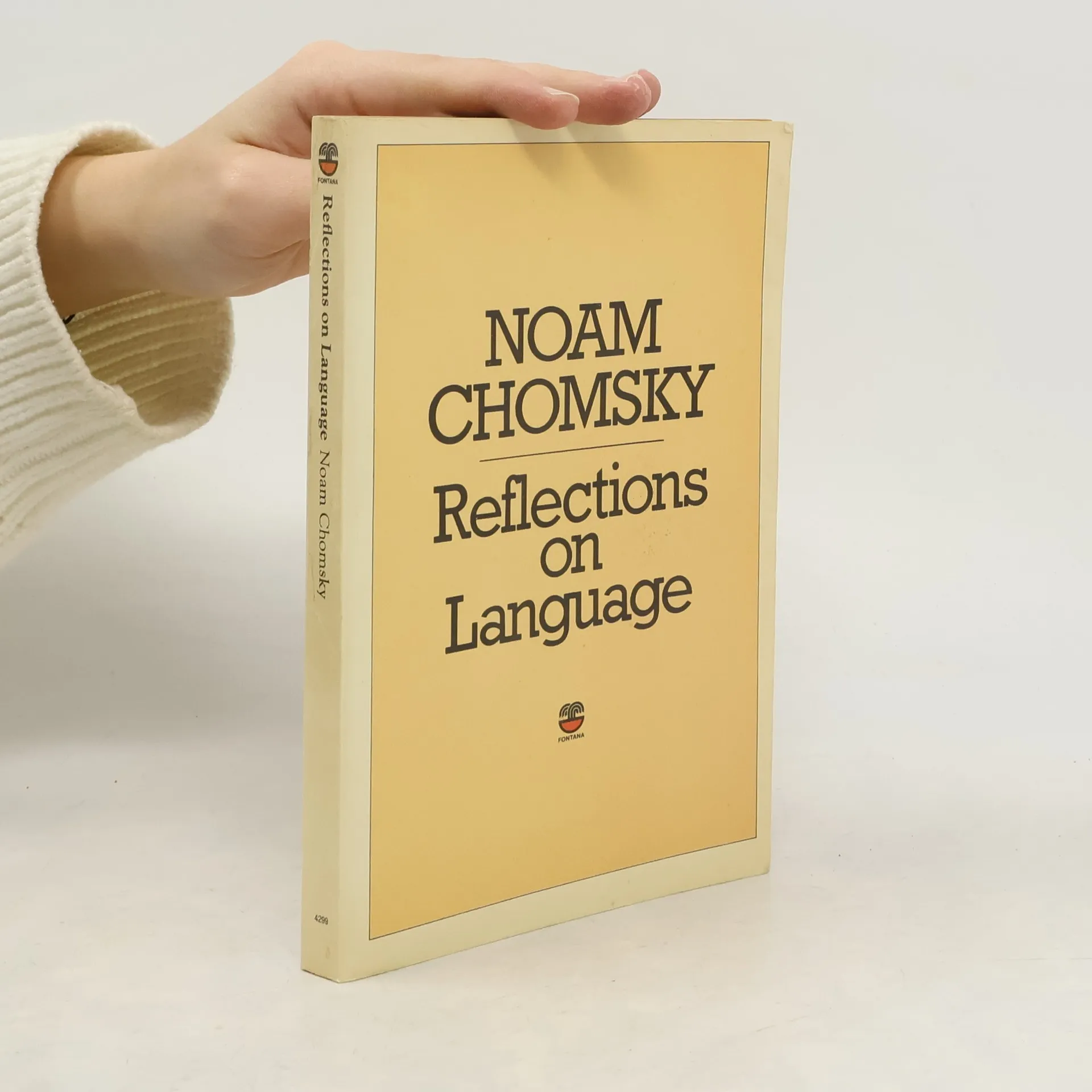
Chomsky's work in linguistics has transformed our understanding of language, prompting a deeper exploration of its significance and purpose. This collection of nontechnical Reflections delves into the intellectual implications of linguistic study, addressing classical questions that have intrigued philosophers from Plato to the present. Central to this inquiry is the mystery of how humans, despite limited personal experience, develop intricate systems of knowledge, beliefs, and values that shape their actions and interpretations. Chomsky posits that language growth parallels the development of a bodily organ, largely predetermined by genetic factors. His analyses engage with contemporary debates among psychologists, philosophers, and linguists regarding cognitive structures, the interplay of language with mental faculties, and how these structures influence behavior. He also examines the social and intellectual forces that have led to the predominance of certain thought patterns, questioning why the study of mind and behavior often diverges from natural science methodologies. Furthermore, he critiques the notion of humans as entirely malleable, arguing that this belief not only misrepresents human nature but also underpins reactionary social ideologies.

Nákup knihy
Reflections on Language, Noam Avram Chomsky
- Jazyk

- Rok vydania
- 1976
- Väzba
- (mäkká)
Tu nám chýba tvoja recenzia
- Titul
- Reflections on Language
- Jazyk
- anglicky
- Autori
- Noam Avram Chomsky
- Vydavateľ
- Fontána
- Rok vydania
- 1976
- Väzba
- mäkká
- Počet strán
- 269
- ISBN10
- 000634299X
- ISBN13
- 9780006342991
- Série
- Kategórie
- Hodnotenie
- 3,5 z 5
- Anotácia
- Chomsky's work in linguistics has transformed our understanding of language, prompting a deeper exploration of its significance and purpose. This collection of nontechnical Reflections delves into the intellectual implications of linguistic study, addressing classical questions that have intrigued philosophers from Plato to the present. Central to this inquiry is the mystery of how humans, despite limited personal experience, develop intricate systems of knowledge, beliefs, and values that shape their actions and interpretations. Chomsky posits that language growth parallels the development of a bodily organ, largely predetermined by genetic factors. His analyses engage with contemporary debates among psychologists, philosophers, and linguists regarding cognitive structures, the interplay of language with mental faculties, and how these structures influence behavior. He also examines the social and intellectual forces that have led to the predominance of certain thought patterns, questioning why the study of mind and behavior often diverges from natural science methodologies. Furthermore, he critiques the notion of humans as entirely malleable, arguing that this belief not only misrepresents human nature but also underpins reactionary social ideologies.