
Bookbot

Paul E. Johnson

    Paul Johnson bol uznávaným historikom, novinárom a autorom, ktorý sa zaoberal širokou škálou tém. Jeho diela sa často ponorili do hlbín histórie, analyzovali vývoj spoločností a kultúry s bystrým okom pre detail a súvislosti. Johnsonov rozsiahly katalóg publikácií svedčí o jeho neukojiteľnej zvedavosti a schopnosti sprístupniť komplexné historické naratívy širokému publiku. Jeho písanie vyznačuje jasnosť a presvedčivosť, čo čitateľom ponúka pútavé pohľady na minulosť.

    Political Disagreement
    Gold Fields
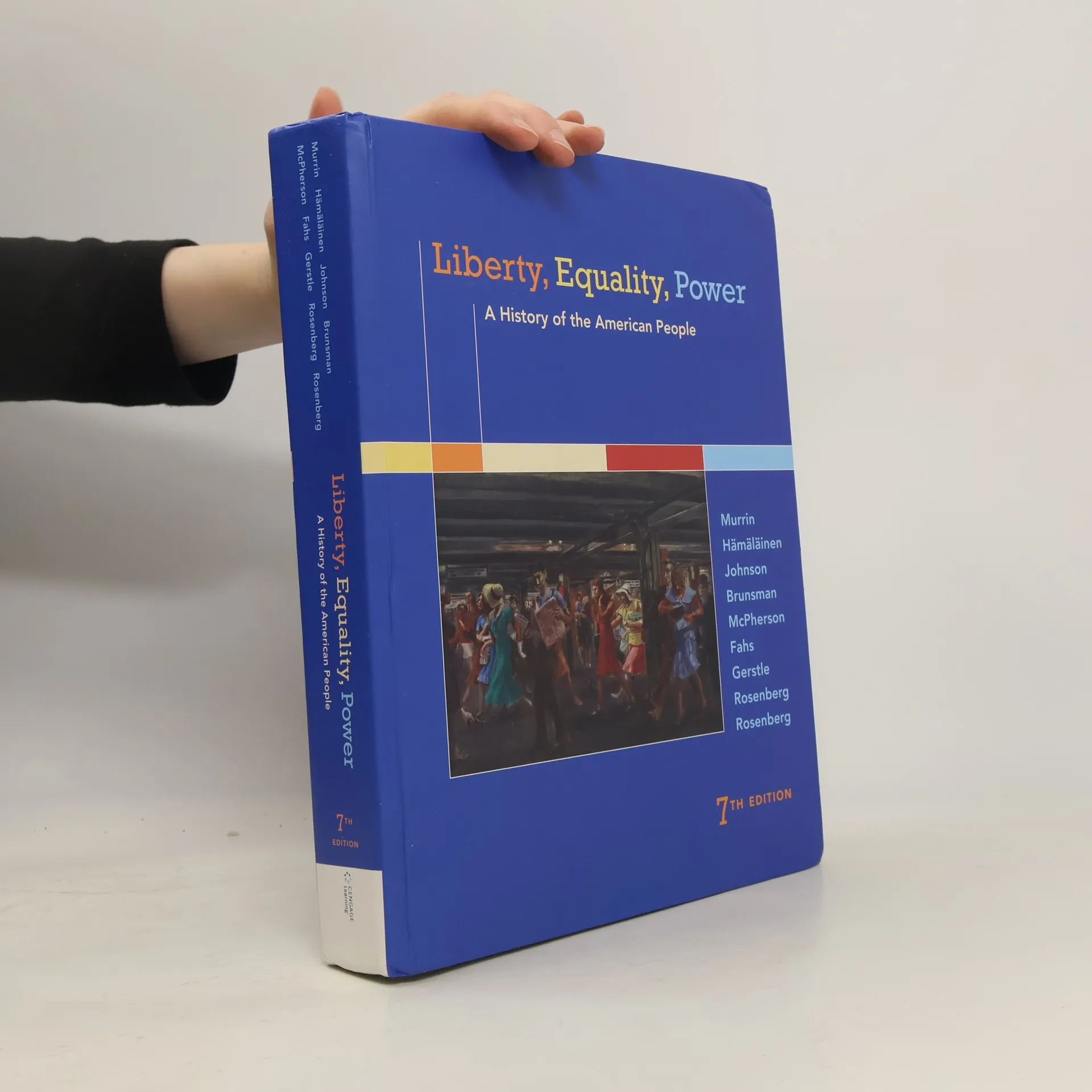
    Liberty, Equality, Power
    • Liberty, Equality, Power

      A History of the American People - 7th Edition

      • 1008 stránok
      • 36 hodin čítania

      Understanding the past helps us navigate the present and future. This book teaches readers about American history and exposes them to movies and other forms of popular culture that tell the stories of the nation's past. A highly respected and thoroughly modern approach to U.S. history, LIBERTY, EQUALITY, POWER, Seventh Edition, shows how the United States was transformed, in a relatively short time, from a land inhabited by hunter-gatherer and agricultural Native American societies into the most powerful industrial nation on Earth. This approach helps readers understand the impact of the notions of liberty and equality, which are often associated with the American story, and recognize how dominant and subordinate groups have affected and been affected by the ever-shifting balance of power.

      Liberty, Equality, Power
      3,0
    • Gold Fields

      A Centenary Portrait

      • 256 stránok
      • 9 hodin čítania
      Gold Fields
    • Political Disagreement

      • 274 stránok
      • 10 hodin čítania

      Without the experience of disagreement, political communication among citizens loses value and meaning. At the same time, political disagreement and diversity do not always or inevitably survive. This book, accordingly, considers the compelling issue of the circumstances that sustain political diversity, even in politically high stimulus environments where individuals are attentive to politics and the frequency of communication among citizens is correspondingly high. Inhaltsverzeichnis 1. Communication, influence, and the capacity of citizens to disagree; 2. New information, old information, and persistent disagreement; 3. Dyads, networks, and autoregressive influence; 4. Disagreement, heterogeneity, and the effectiveness of political communication; 5. Disagreement, heterogeneity, and persuasion: how does disagreement survive?; 6. Agent-based explanations, patterns of communication, and the inevitability of homogeneity; 7. Agent-based explanations, autoregressive influence, and the survival of disagreement; 8. Heterogeneous networks and citizen capacity: disagreement ambivalence, and engagement; 9. Summary, implications, and conclusion.

      Political Disagreement