

Bookbot

Sam Kean

    1. január 1953

    Sam Kean sa vo svojej práci zameriava na fascinujúce a často nečakané prepojenia medzi vedou a ľudskými príbehmi. S citom pre detail a zrozumiteľným jazykom odhaľuje skryté súvislosti v prírodných vedách a ich dopade na našu spoločnosť. Jeho písanie vťahuje čitateľov do sveta objavov a nezvyčajných faktov, ktoré sú pritom neodmysliteľne spojené s ľudskou skúsenosťou. Kean dokáže zložité témy podať pútavo a prístupne, čím čitateľov inšpiruje k hlbšiemu zamysleniu.

    Sam Kean
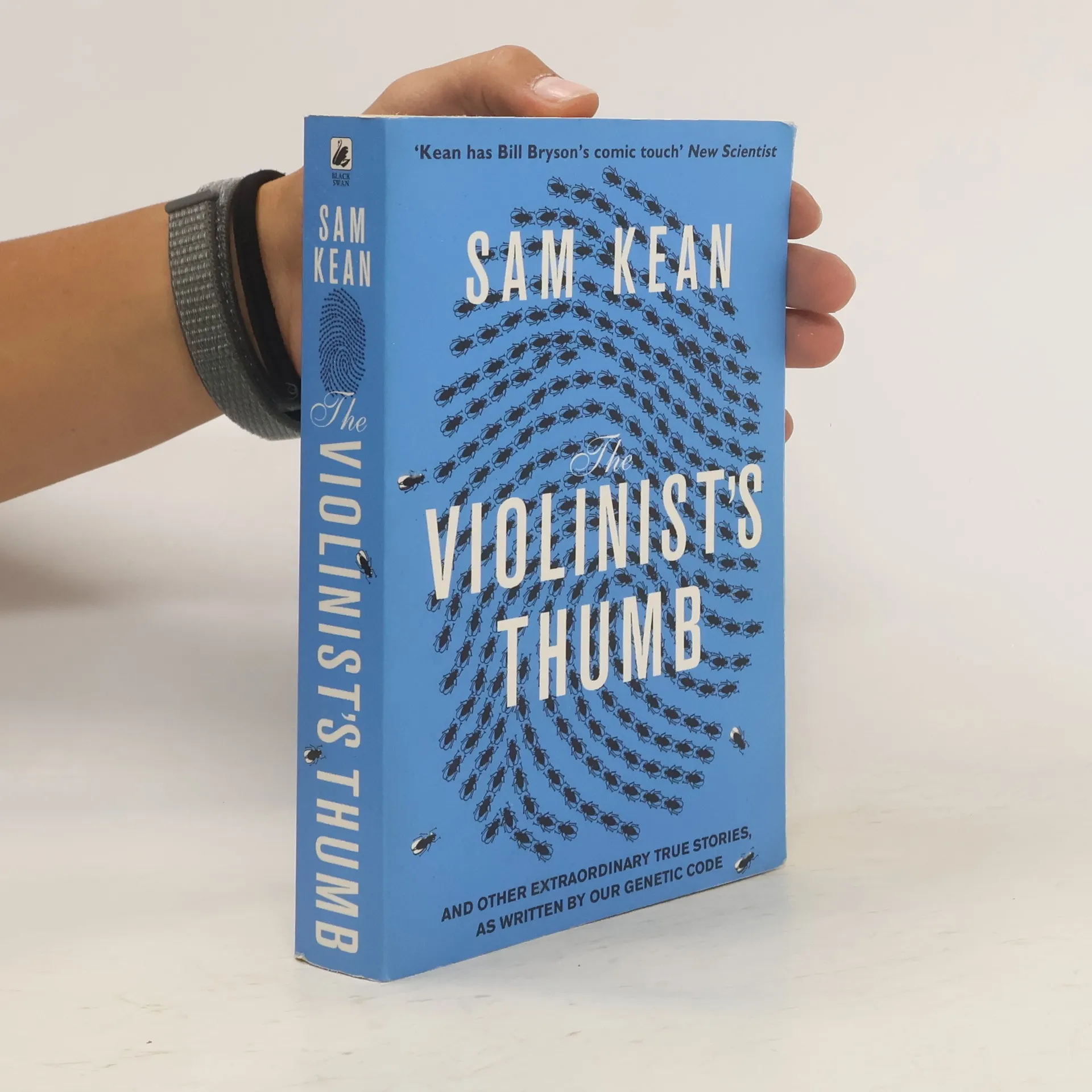
    The Violinist´s Thumb
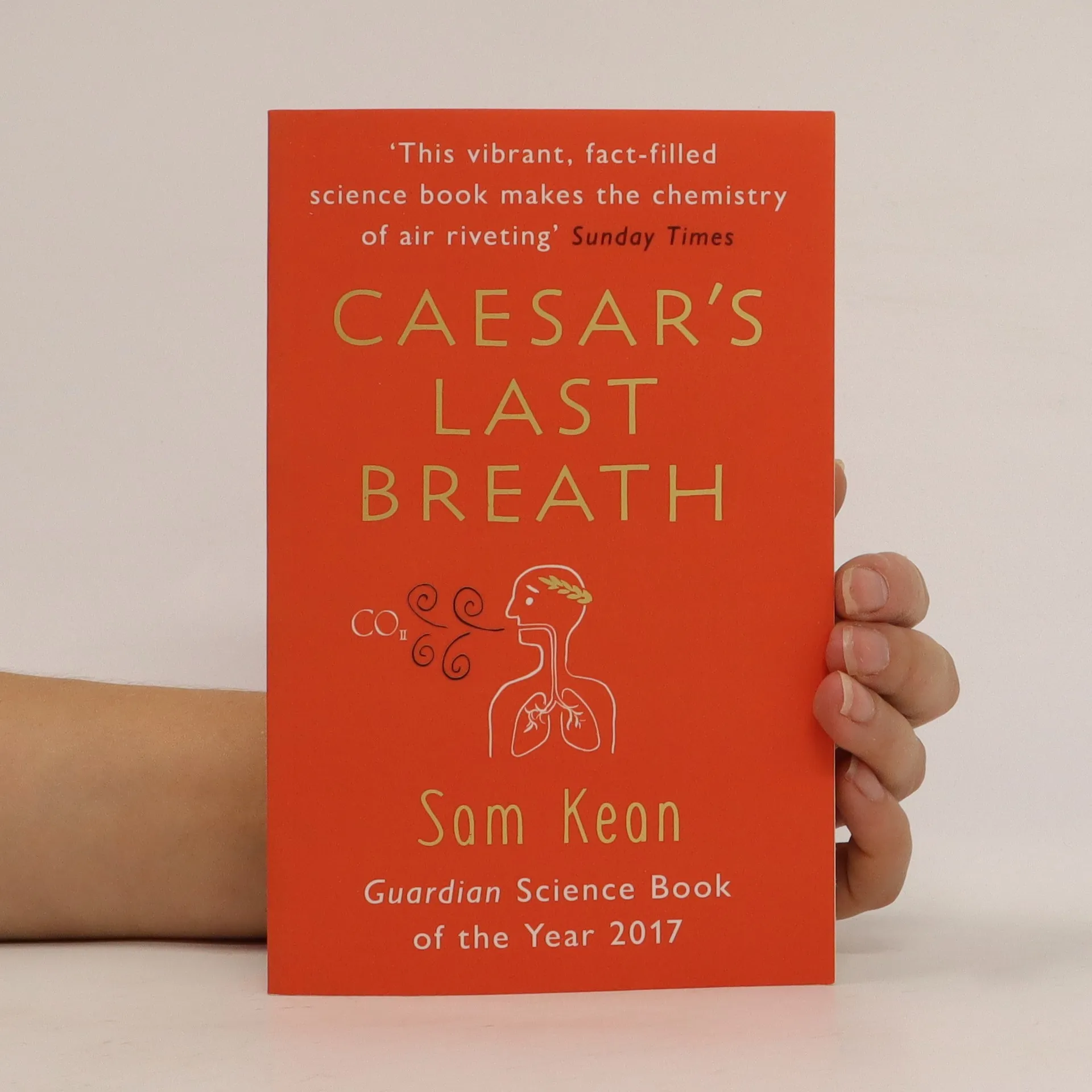
    Caesar's Last Breath
    The Tale of the Dueling Neurosurgeons
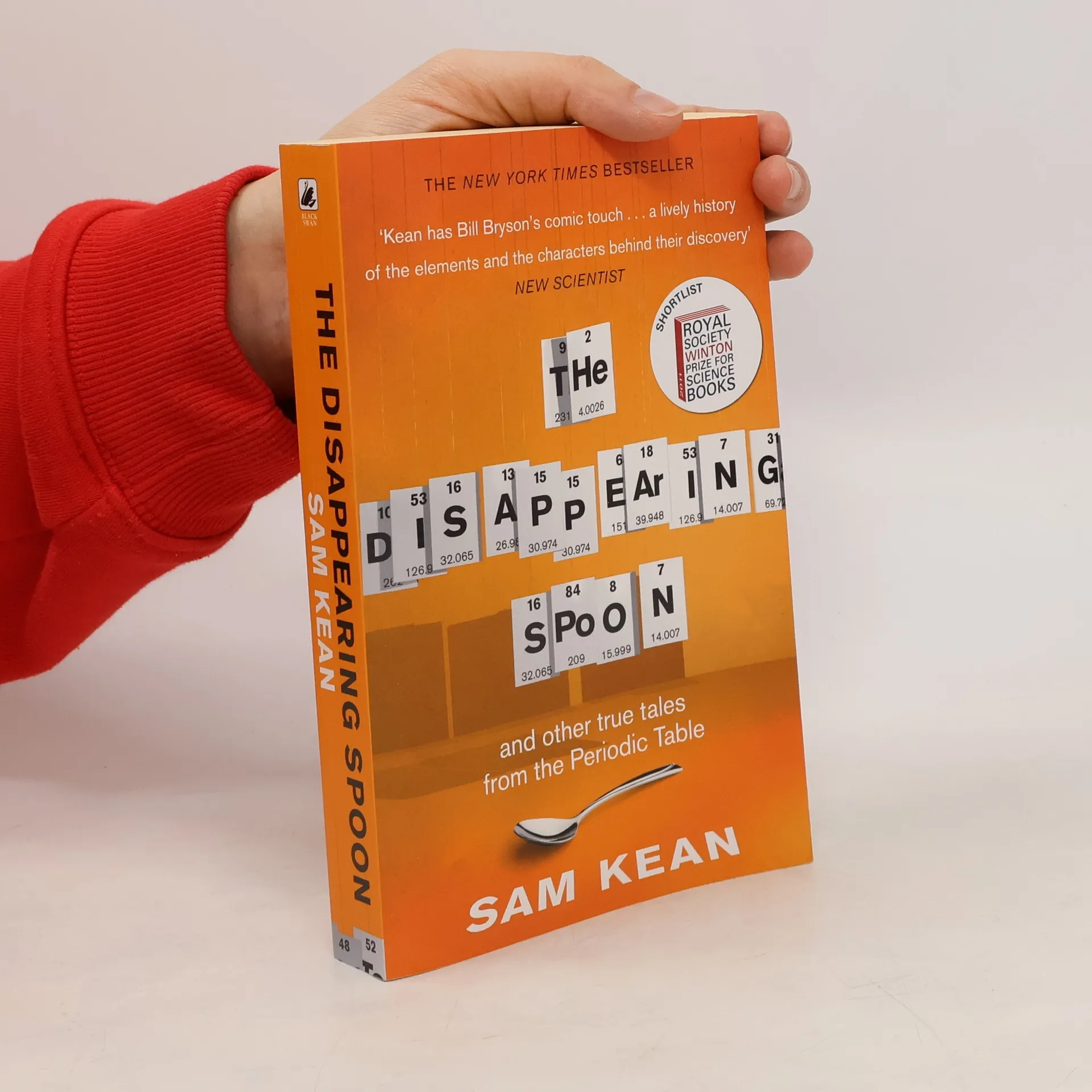
    The disappearing spoon : and other true tales from the Periodic Table
    The Bastard Brigade
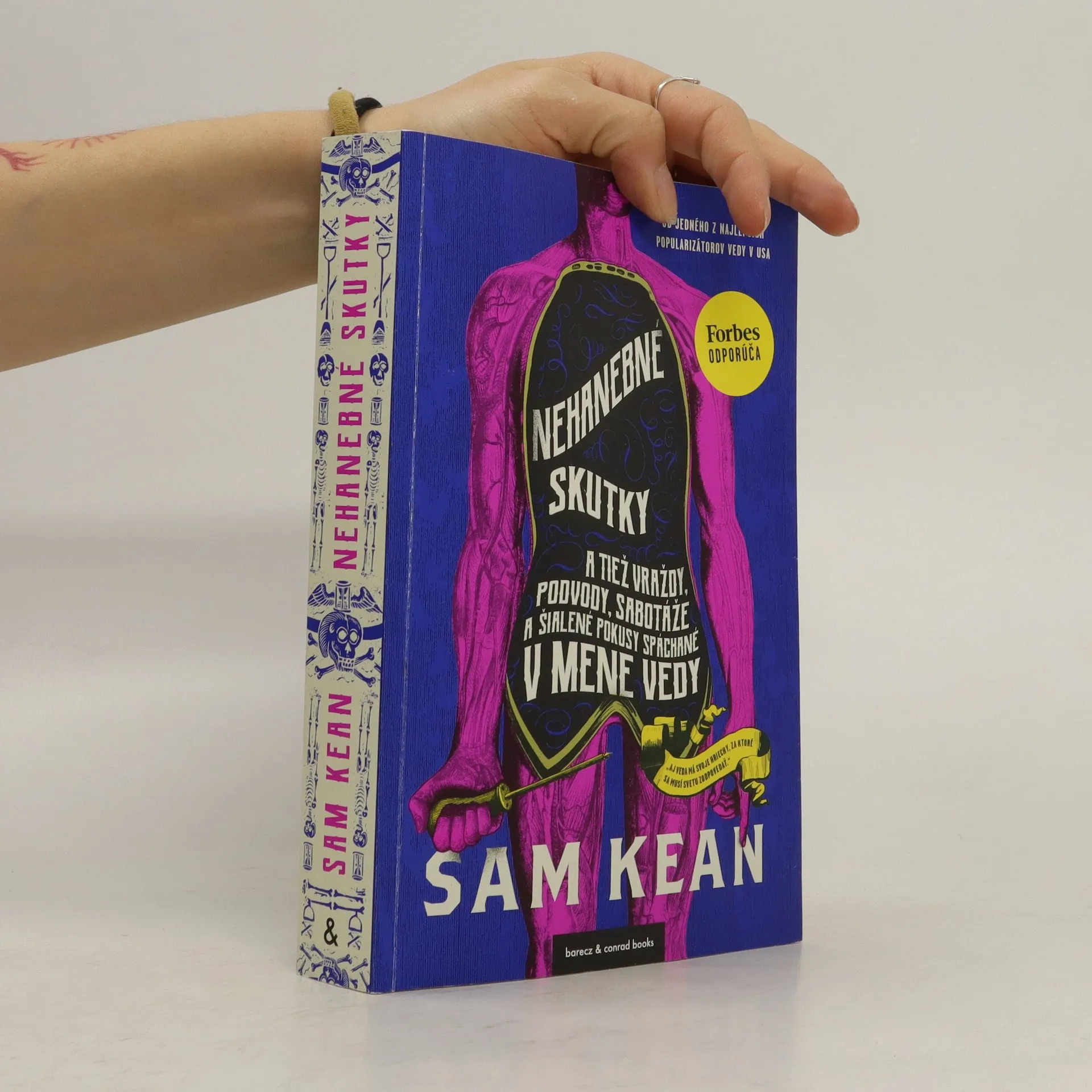
    Nehanebné skutky a tiež vraždy, podvody, sabotáže a šialené pokusy spáchané v mene vedy
    • „Aj veda má svoje hriechy, za ktoré sa musí svetu zodpovedať.“ Sam Kean, autor bestsellerov podľa New York Times, odhaľuje fascinujúce a temné dejiny vedy, ktorá, aj keď sa snaží o dobro, môže byť ovplyvnená ambíciou a zlovestnými úmyslami. Kean rozpráva príbeh o vedcoch, ktorí prekročili etické hranice a v mene vedy spáchali nehanebné činy, vrátane vražd, podvodov a šialených experimentov. Čitatelia sa prenesú do minulosti, kde objavia temné skutky, ako napríklad tie, ktoré súviseli s Kleopatrou v starovekom Egypte. Kniha odhaľuje, že moderná veda má korene v transatlantickom obchode s otrokmi v 18. storočí a skúma egoistické motivácie Thomasa Edisona pri podpore elektrického kresla. Mnohé hriechy vedy však pretrvávajú aj dnes; Kean ukazuje, ako zneužívanie medicíny v nacistickom Nemecku súvisí so súčasnou vakcinačnou zdráhavosťou a lobotómie s nedostatkami v starostlivosti o duševné zdravie. Autor sa pozerá aj do budúcnosti, kde pokročilé technológie a genetické inžinierstvo môžu otvoriť nové možnosti pre zlo.

      Nehanebné skutky a tiež vraždy, podvody, sabotáže a šialené pokusy spáchané v mene vedy
      4,2
    • The Bastard Brigade

      • 496 stránok
      • 18 hodin čítania

      New York Times bestselling author Sam Kean tells the incredible story of how a renegade group of spies kept Hitler from obtaining his ultimate prize: a nuclear bomb.

      The Bastard Brigade
      4,4
    • Why did Gandhi hate iodine (I, 53)? Why did the Japanese kill Godzilla with missiles made of cadmium (Cd, 48)? How did radium (Ra, 88) nearly ruin Marie Curie's reputation? And why did tellurium (Te, 52) lead to the most bizarre gold rush in history? The periodic table is one of our crowning scientific achievements, but it's also a treasure trove of passion, adventure, betrayal and obsession. The fascinating tales in The Disappearing Spoon follow carbon, neon, silicon, gold and every single element on the table as they play out their parts in human history, finance, mythology, conflict, the arts, medicine and the lives of the (frequently) mad scientists who discovered them. Why did a little lithium (Li, 3) help cure poet Robert Lowell of his madness? And how did gallium (Ga, 31) become the go-to element for laboratory pranksters? The Disappearing Spoon has the answers, fusing science with the classic lore of invention, investigation, discovery and alchemy, from the big bang through to the end of time

      The disappearing spoon : and other true tales from the Periodic Table
      4,0
    • The Tale of the Dueling Neurosurgeons

      • 432 stránok
      • 16 hodin čítania

      From the author of the bestsellers The Disappearing Spoon and The Violinist's Thumb, fascinating tales of the brain and the history of neuroscience. Early studies of the functions of the human brain used a simple method: wait for misfortune to strike-strokes, seizures, infectious diseases, lobotomies, horrendous accidents-and see how the victim coped. In many cases survival was miraculous, and observers could only marvel at the transformations that took place afterward, altering victims' personalities. An injury to one section can leave a person unable to recognize loved ones; some brain trauma can even make you a pathological gambler, pedophile, or liar. But a few scientists realized that these injuries were an opportunity for studying brain function at its extremes. With lucid explanations and incisive wit, Sam Kean explains the brain's secret passageways while recounting forgotten stories of common people whose struggles, resiliency, and deep humanity made modern neuroscience possible.

      The Tale of the Dueling Neurosurgeons
      4,4
    • Caesar's Last Breath

      • 384 stránok
      • 14 hodin čítania

      ** GUARDIAN SCIENCE BOOK OF THE YEAR 2017 ** 'Popular science at its best' Mail on Sunday 'Eminently accessible and enjoyable' Observer With every breath, you literally inhale the history of the world. On the ides of March, 44 BC, Julius Caesar died of stab wounds in the Roman Senate, but the story of his last breath is still unfolding. In fact, you're probably inhaling some of it now. Of the sextillions of molecules entering or leaving your lungs at this moment, some might also bear traces of Cleopatra's perfumes, German mustard gas, particles exhaled by dinosaurs or emitted by atomic bombs, even remnants of stardust from the universe's creation. In Caesar's Last Breath, New York Times bestselling author Sam Kean takes us on a journey through the periodic table, around the globe and across time to tell the epic story of the air we breathe.

      Caesar's Last Breath
      4,4
    • The Violinist´s Thumb

      • 496 stránok
      • 18 hodin čítania

      Did the human race almost go extinct? Can genetics explain a cat lady's love for felines? And how did the right combination of genes create the exceptionally flexible thumbs and fingers of a truly singular violinist? This title explains how genetics has shaped our past and how DNA will determine humankind's future.

      The Violinist´s Thumb
      4,0
    • Was treibt die Fruchtfliege in der Milchflasche? Warum häuten wir uns, wenn wir die Leber eines Eisbären essen? Wieso war John F. Kennedy selbst im Weißen Haus immer sonnengebräunt? Weshalb sahen die ägyptischen Pharaonen aus wie Außerirdische? Weswegen waren Paganinis Finger schneller als die aller anderen Geiger? Und warum war Einstein eigentlich so schlau? Diese und viele weitere Fragen beantwortet Sam Kean in seinem neuen Buch. Er entführt den Leser in die wundersame Welt der Genetik und erzählt von faszinierenden Erkenntnissen, die diese Wissenschaft seit dem vorletzten Jahrhundert gewonnen hat. In einem gekonnten Mix aus humorvollen Geschichten und anschaulichen Erklärungen öffnet Sam Kean für uns Nichtwissenschaftler ein verführerisches Tor zu einem elementaren Bereich des Lebens.

      Doppelhelix hält besser
      3,5