

The narrative unfolds the dramatic clash between a minuscule organism and a powerful empire, exploring themes of survival, resilience, and the far-reaching impacts of nature on human history. Through vivid storytelling, the author delves into the intricate relationship between humanity and the natural world, highlighting how a seemingly insignificant entity can challenge and reshape the course of an empire. Rich in historical detail, this epic tale captures the tension and consequences of this extraordinary encounter.
William Rosen Knihy
William Rosen bol historik a autor, ktorý sa venoval približovaniu zložitých tém prostredníctvom pútavého rozprávania. Jeho štýl, ktorý využíval anekdoty na prepojenie nití objavov a inovácií, čitateľov vtiahol do príbehov vedy a techniky. Rosen argumentoval, že schopnosť merať postupné pokroky je kľúčom k trvalým inováciám, čo odráža jeho hlboký záujem o to, ako pokrok formuje svet. Jeho práca ukazuje, ako sú historické udalosti a vedecké prielomy vzájomne prepojené a ako ovplyvňujú ľudskú civilizáciu.
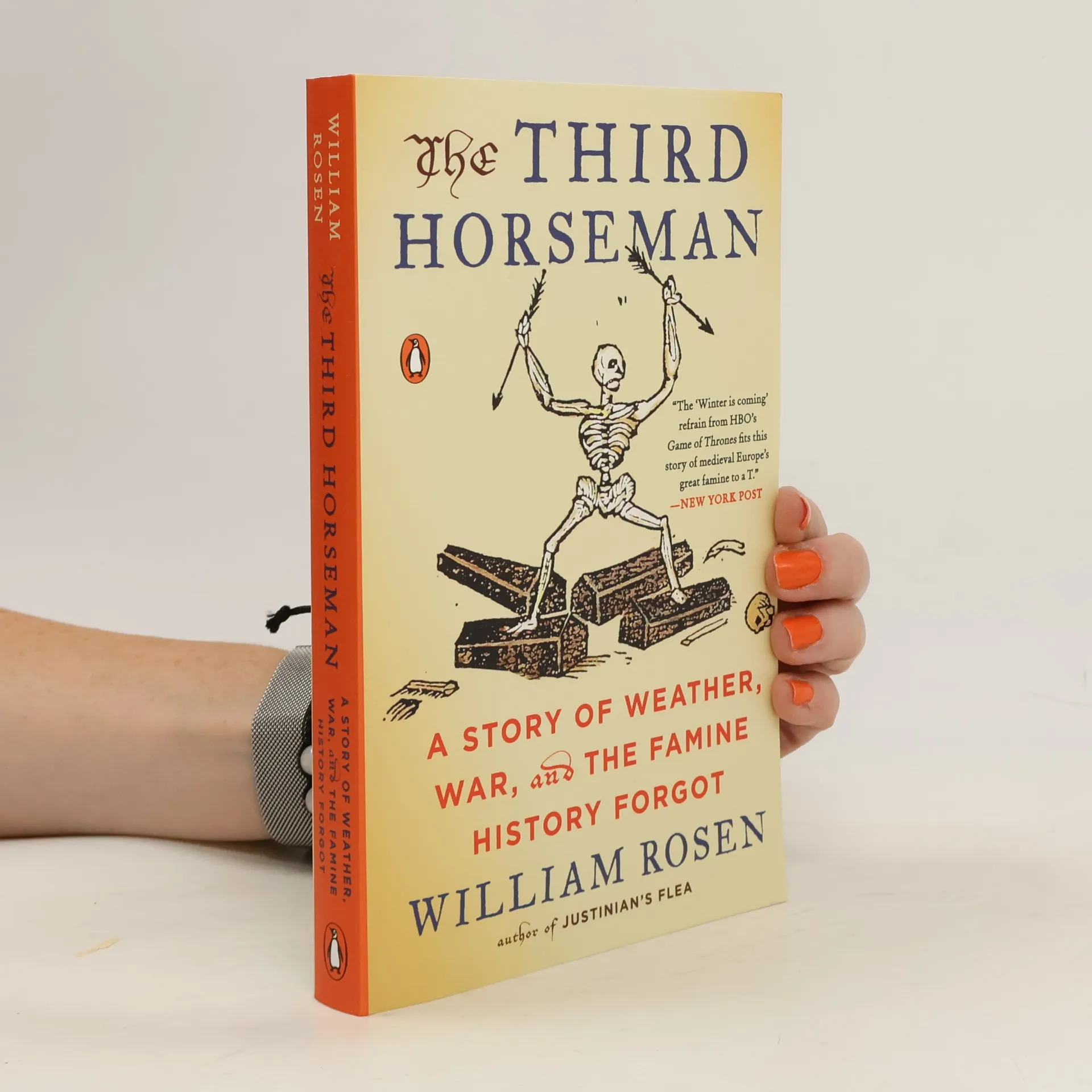
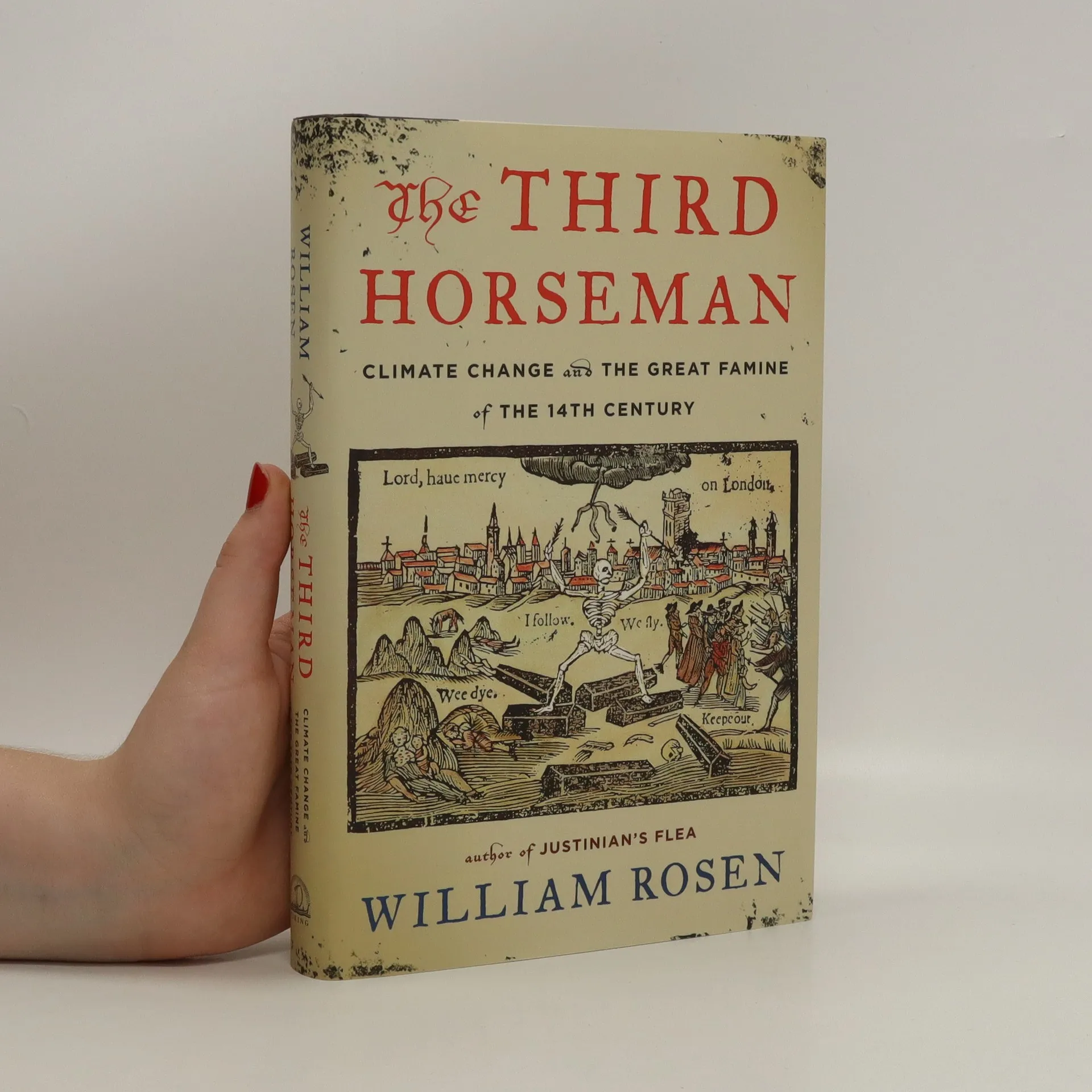

The third horseman
- 302 stránok
- 11 hodin čítania
In May 1315, relentless rain began in northern Europe, lasting until August, followed by the coldest winters in a millennium. Two animal epidemics decimated nearly 80 percent of livestock, while wars in Scotland, England, France, and Flanders ravaged farmland. Over seven years, these calamities resulted in the deaths of six million people—one eighth of Europe's population. This period marked one of the most catastrophic events in European history, known as the Great Famine. The narrative explores the intertwined forces that led to this disaster, linking feudalism, agricultural economics, climatology, and chivalric warfare to illustrate how impersonal traumas transformed hunger into starvation. Key figures, including Scotland's William Wallace and Robert Bruce, stand against Edward II of England, whose failures highlight shifting demographics. By integrating current scientific theories and economic models, the author underscores the implications of these historical events for contemporary climate change. This compelling account, rich in detail and insight, serves as a poignant reminder of how gradual shifts can disrupt the fragile balance of life and death throughout history.
The incredible true story of how a cycle of rain, cold, disease, and warfare created the worst famine in European history—years before the Black Death, from the author of Justinian's Flea and the forthcoming Miracle Cure In May 1315, it started to rain. For the seven disastrous years that followed, Europeans would be visited by a series of curses unseen since the third book of Exodus: floods, ice, failures of crops and cattle, and epidemics not just of disease, but of pike, sword, and spear. All told, six million lives—one-eighth of Europe’s total population—would be lost. With a category-defying knowledge of science and history, William Rosen tells the stunning story of the oft-overlooked Great Famine with wit and drama and demonstrates what it all means for today’s discussions of climate change.