

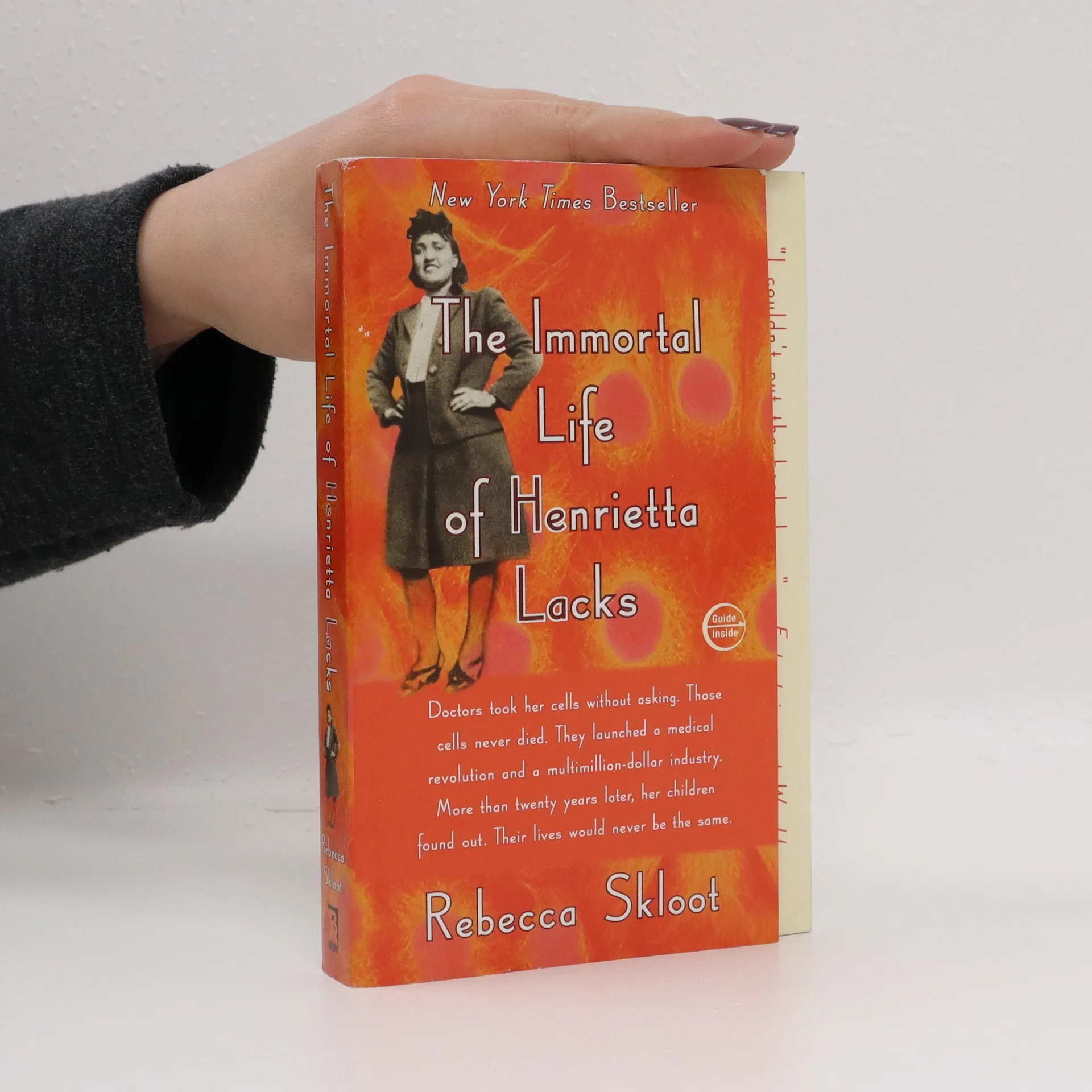
"Her name was Henrietta Lacks, but scientists know her as HeLa. She was a poor Southern tobacco farmer, yet her cells--taken without her knowledge--became one of the most important tools in medicine. The first "immortal" human cells grown in culture, they are still alive today, though she has been dead for more than sixty years. HeLa cells were vital for developing the polio vaccine; uncovered secrets of cancer and viruses; helped lead to in vitro fertilization, cloning, and gene mapping; and have been bought and sold by the billions. Yet Henrietta Lacks is buried in an unmarked grave. Her family did not learn of her "immortality" until more than twenty years after her death, when scientists began using her husband and children in research without informed consent. The story of the Lacks family is inextricably connected to the dark history of experimentation on African Americans, the birth of bioethics, and the legal battles over whether we control the stuff we are made of"--Publisher's description
Luigi Civalleri Poradie kníh (chronologicky)

Spillover. Die neuen Seuchen, englische Ausgabe
- 592 stránok
- 21 hodin čítania
Examines the emergence and causes of new diseases all over the world, describing a process called “spillover” where illness originates in wild animals before being passed to humans and discusses the potential for the next huge pandemic. 70,000 first printing.
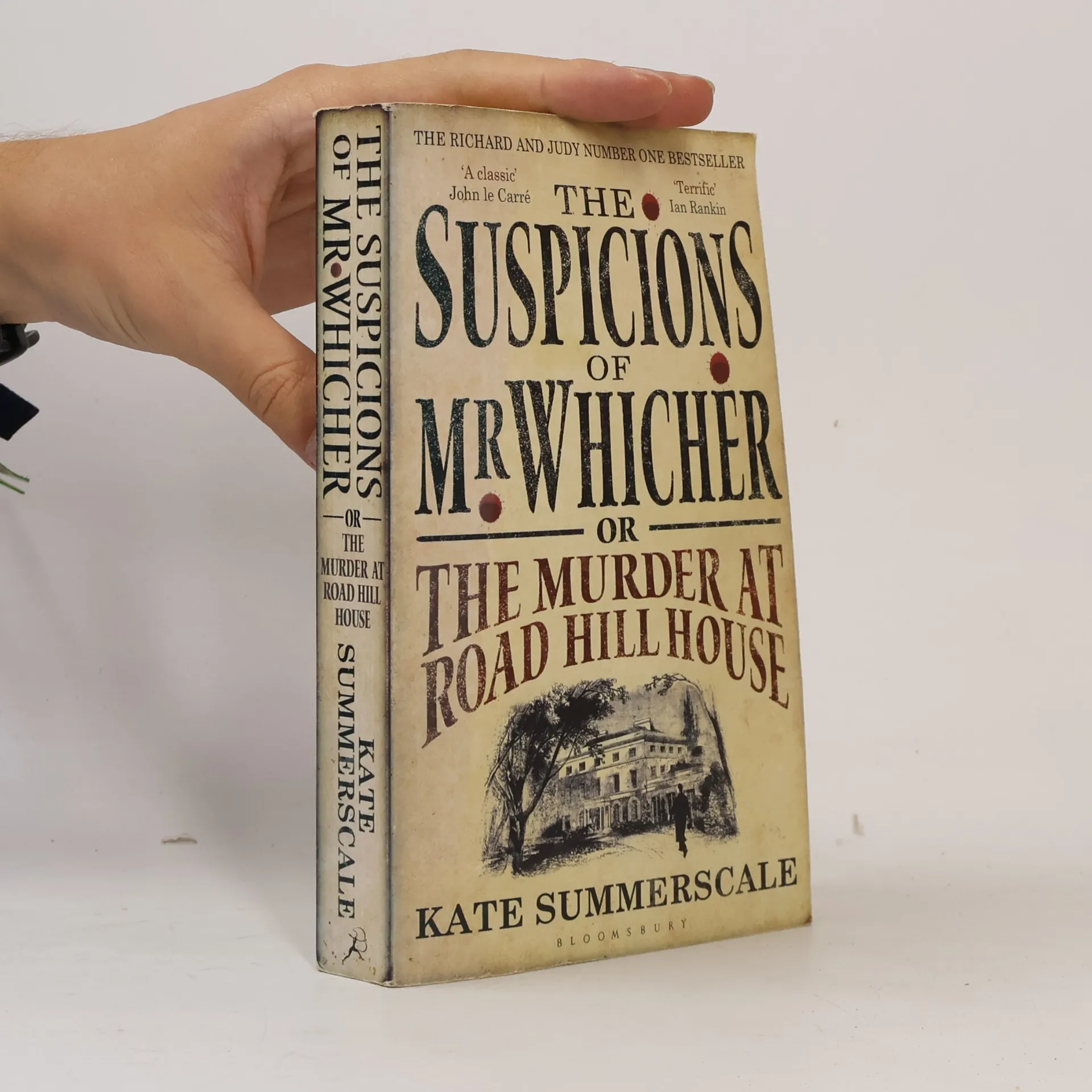
The Suspicions of Mr. Whicher
Or, The murder at Road Hill House
It is midnight on 30th June 1860 and all is quiet in the Kent family's elegant house in Road, Wiltshire. The next morning, however, they wake to find that their youngest son has been the victim of an unimaginably gruesome murder - the house was bolted from the inside. As Jack Whicher, the most celebrated detective of his day, arrives at Road to track down the killer, the murder provokes national hysteria at the thought of what might be festering behind the closed doors of respectable middle-class homes - scheming servants, rebellious children, insanity, jealously, loneliness and loathing.
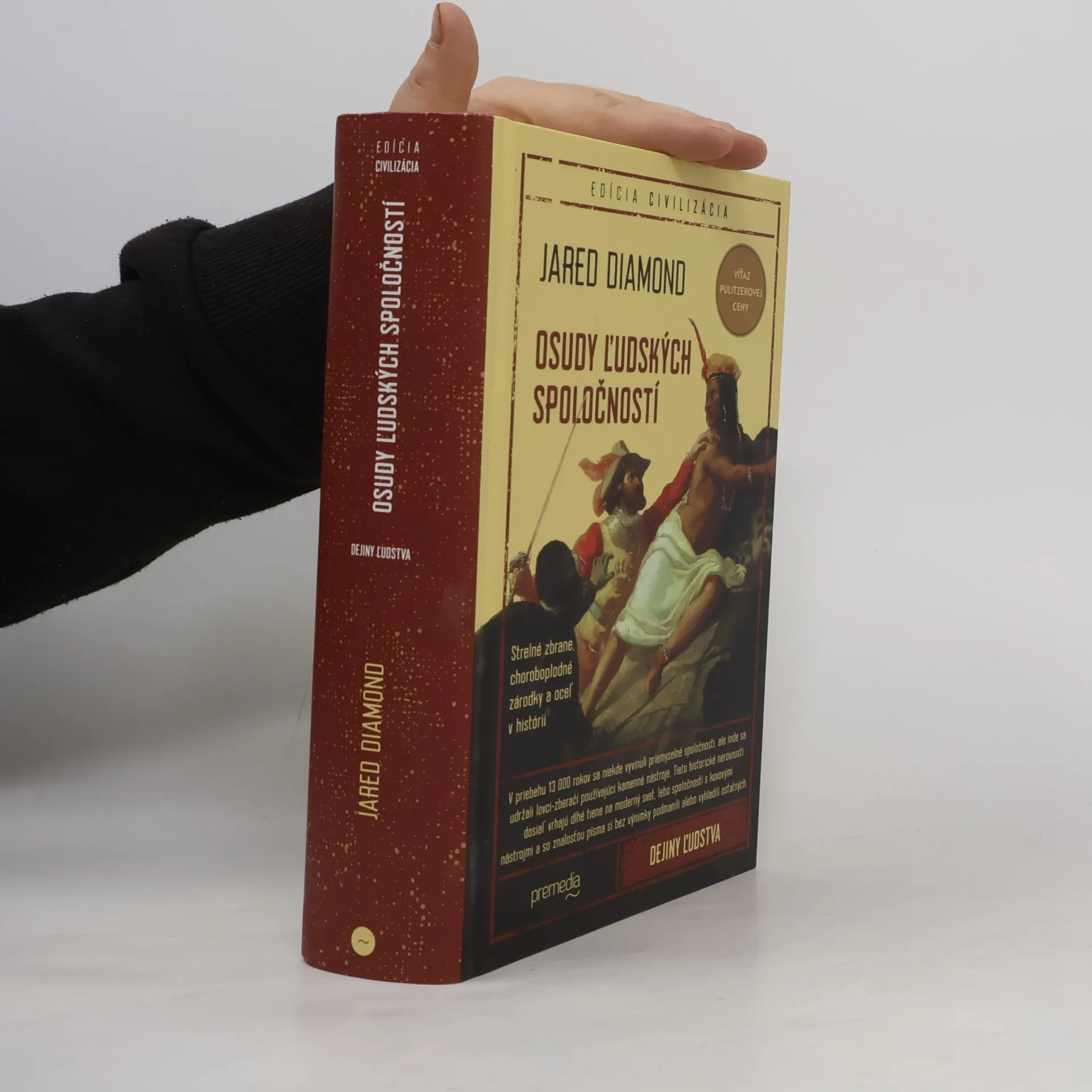
Osudy ľudských spoločností
- 592 stránok
- 21 hodin čítania
Kniha ocenená Pulitzerovou cenou ponúka fascinujúci pohľad na 13 000 rokov ľudskej histórie, skúmajúc, ako sa vývoj rôznych skupín a spoločností líšil a aké faktory to ovplyvnili. Dnes majú najviac bohatstva a moci národy s euroázijským pôvodom, zatiaľ čo na opačnom konci sú Afričania a pôvodní obyvatelia oboch Amerík a Austrálie. Autor analyzuje príčiny týchto rozdielnych trajektórií, pričom zdôrazňuje, že za nimi stoja najmä prírodné podmienky, ktoré buď podporovali, alebo brzdili rozvoj krajín. Odpúšťa si známe teórie o priaznivých klimatických podmienkach a odmieta rasistické názory, že za tým stoja vrodené predpoklady a inteligencia. Verí, že existuje množstvo faktorov, ako vynález a spracovanie železa, výroba strelných zbraní, používanie písma, rozvoj cestovania a šírenie choroboplodných zárodkov. Medzi ďalšie faktory patrí severo-južná orientácia Afriky, ktorá spomaľovala migráciu, a nedostatok zvierat vhodných na domestikáciu. Naopak, východo-západne orientovaná Eurázia mala väčšiu zásobáreň vhodných zvierat a rastlín, čo umožnilo rýchly presun vedomostí a ľudí. Autor zachytil príbeh ľudstva fascinujúcim a veľmi čítavým spôsobom.