

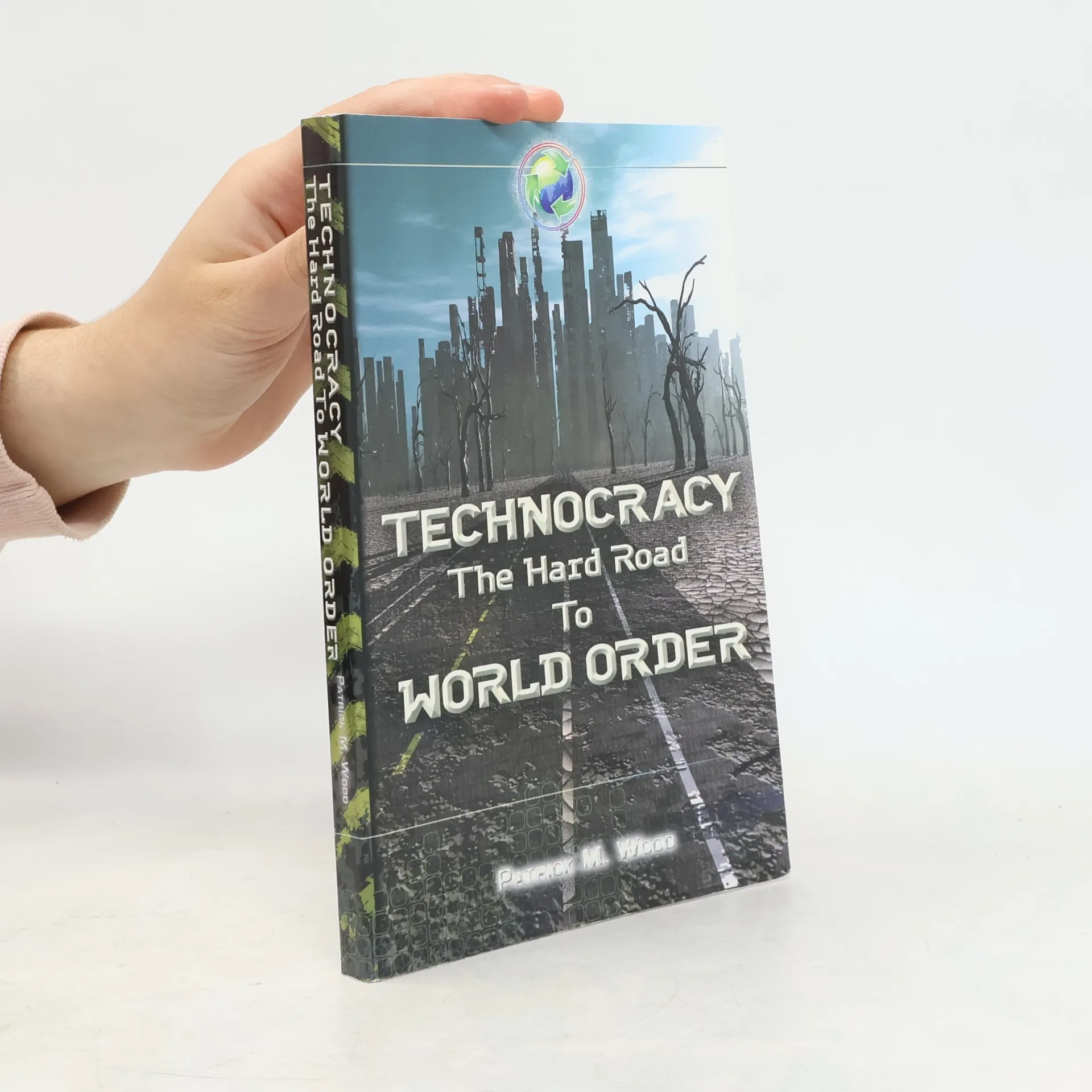
In 1974, Richard Gardner, a member of the Trilateral Commission, predicted a shift towards a New International Economic Order in his article "The Hard Road to World Order." He described an "end-run around national sovereignty" and emphasized building from the "bottom up." Nearly 45 years later, this examination reveals the developments leading to the UN's Sustainable Development initiatives, rooted in 1930s Technocracy. Programs like the 2030 Agenda, New Urban Agenda, and the Paris Climate Agreement aim to replace Capitalism and Free Enterprise as the dominant economic systems. Sustainable Development seeks to control all resources, production, and consumption globally, subjecting inhabitants to a Scientific Dictatorship. The text discusses the decline of federal governments alongside the rise of global Smart Cities and explores tools such as surveillance, collaborative governance, Public-Private Partnerships, Reflexive Law, and the push for a cashless society through Fintech and cryptocurrencies. It also delves into the spiritual manipulation inherent in Sustainable Development. Wood challenges the misleading narrative of globalization, exposing the elite's agenda against American liberty and the Constitution. He urges citizens to resist and outlines effective strategies for successful opposition.
Patrick M. Woodward Knihy
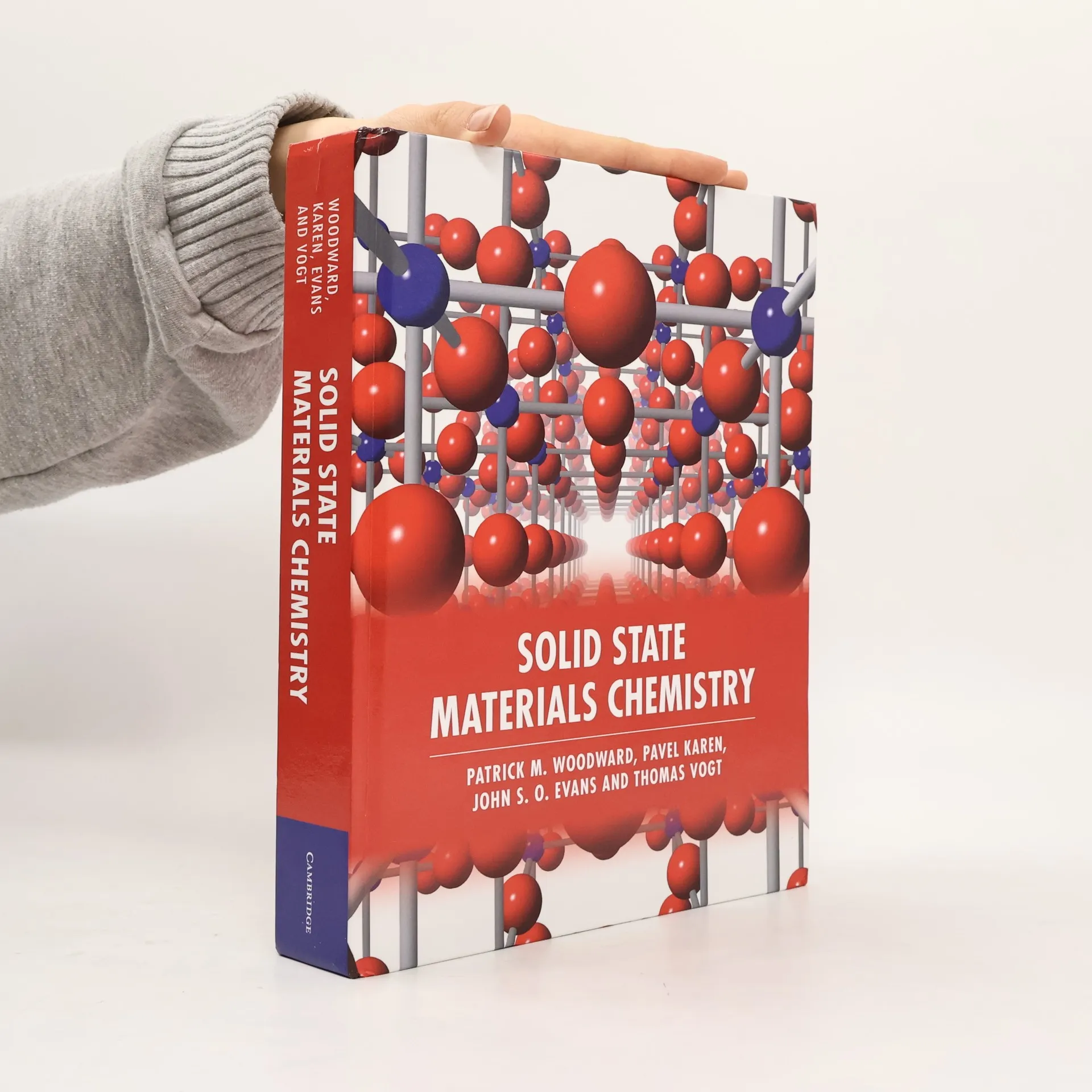
Solid State Materials Chemistry
- 708 stránok
- 25 hodin čítania
This comprehensive textbook provides a modern, self-contained treatment for upper undergraduate and graduate level students. It emphasizes the links between structure, defects, bonding, and properties throughout, and provides an integrated treatment of a wide range of materials, including crystalline, amorphous, organic and nano- materials. Boxes on synthesis methods, characterization tools, and technological applications distil specific examples and support student understanding of materials and their design. The first six chapters cover the fundamentals of extended solids, while later chapters explore a specific property or class of material, building a coherent framework for students to master core concepts with confidence, and for instructors to easily tailor the coverage to fit their own single semester course. With mathematical details given only where they strengthen understanding, 400 original figures and over 330 problems for hands-on learning, this accessible textbook is ideal for courses in chemistry and materials science.