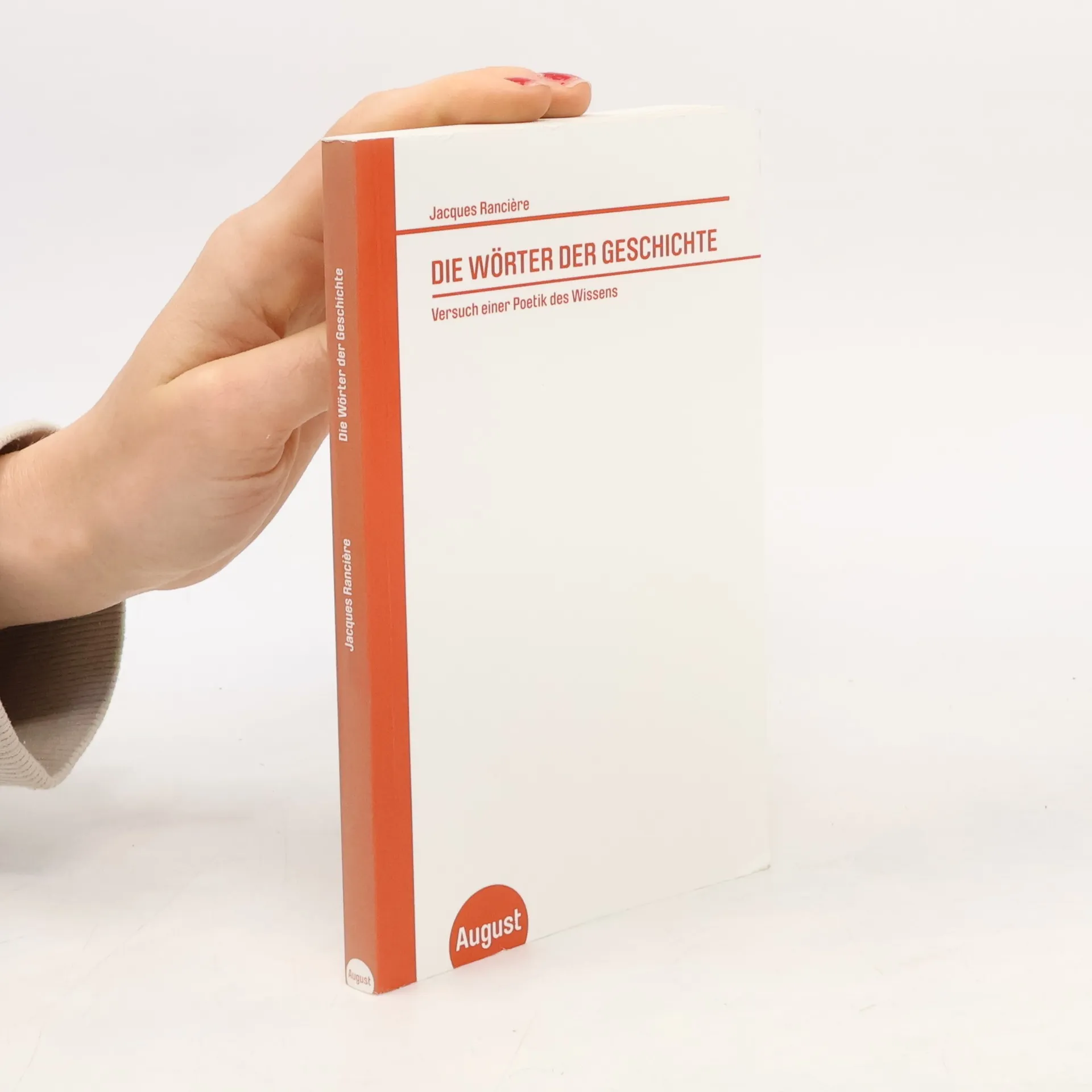
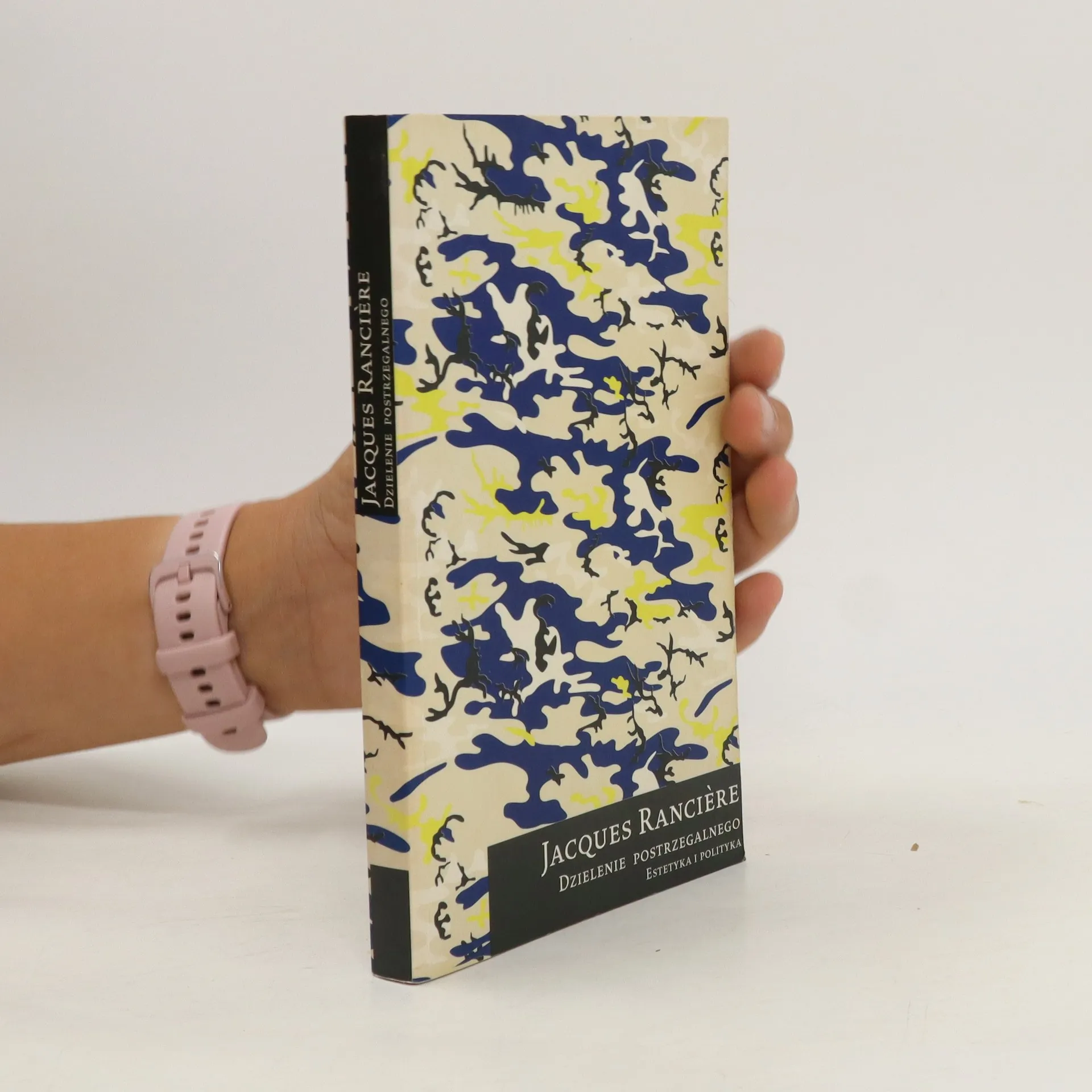
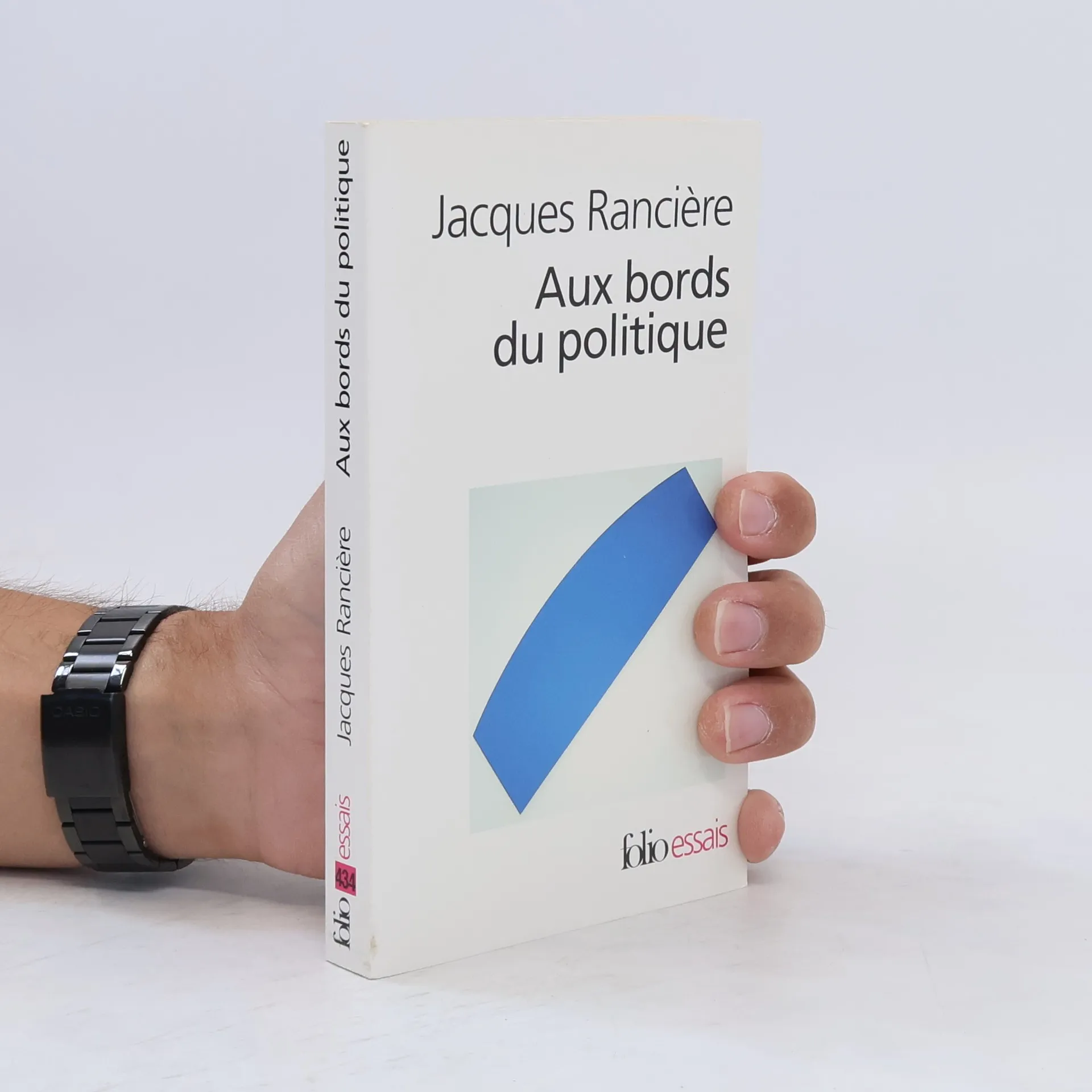
Im Jahre 1790 erhob Immanuel Kant die Gartenkunst in den Rang der schönen Künste. Im selben Jahr erblickte William Wordsworth in der französischen Landschaft die Zeichen der künftigen Freiheit und Gleichheit des Menschen, während Edmund Burke den Revolutionären vorwarf, sie zwängen der Gesellschaft die steife, autoritäre Ordnung der französischen Gärten auf. Jacques Rancière zeigt uns, dass die Landschaft mehr ist als ein beeindruckendes Schauspiel für das Auge oder die Seele. Er geht den ästhetischen Debatten und Kontroversen nach, die im Laufe des 18. Jahrhunderts zu einer radikalen Veränderung Kunstbegriffs und der Kriterien des Schönen geführt haben. Dabei wird deutlich, dass diese Revolution nicht nur die Normen der Kunst und der Gesellschaft betrifft, sondern auch die Formen der sinnlichen Erfahrung selbst
Jacques Ranciere Poradie kníh (chronologicky)
Jacques Rancière je francúzsky filozof, ktorého dielo sa zameriava na kľúčové pojmy politického diskurzu, ako je ideológia a úloha robotníckej triedy vo vzťahu k poznaniu. Odklonil sa od svojho učiteľa, aby preskúmal, ako vnímame masy a ich postavenie, a analyzoval napríklad vzťah filozofov k chudobným. Jeho neskoršie práce sa zaoberajú ľudskými právami a úlohou medzinárodných organizácií pri ich presadzovaní, čo sa dotýka aj otázok intervencií a vojny. Rancièreove myšlienky o estetike sa stali vplyvnými vo vizuálnom umení.





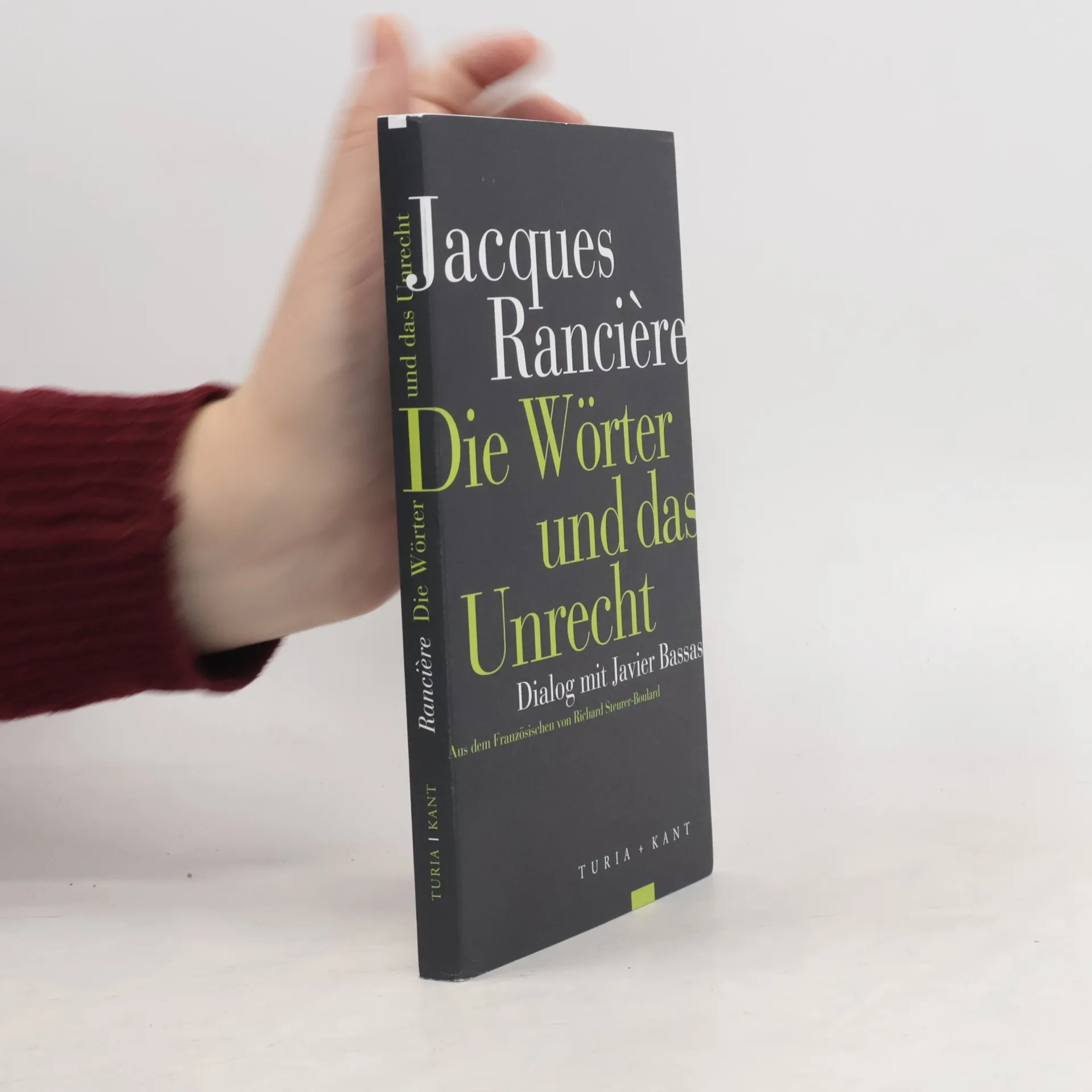
Die Wörter und das Unrecht
Dialog mit Javier Bassas
The critique of modernist ideology from France's leading radical theorist
In diesem Buch beantwortet Jacques Rancière Fragen zur politischen Gegenwart im Gespräch mit Éric Hazan. Er thematisiert Demokratie, Repräsentation und revolutionäre Bewegungen, während er die Bedeutung der aktuellen Zeit reflektiert. Rancière betont, dass die Politik nur aus Gegenwarten besteht, die neue Möglichkeiten der Emanzipation bieten können.
Emancipovaný divák
- 127 stránok
- 5 hodin čítania
„V deväťdesiatych rokoch 20. storočia sa ťažisko Rancierovho myslenia presúva k estetike, k histórii a teórii umenia. Aj v prácach z tohto obdobia však presvitá jeho záujem predovšetkým o politické účinky umeleckých diel. Estetika a politika tak tvoria dva základné piliere väčšiny Rancierových prác. Akčný rádius tohto mysliteľa je však oveľa širší a jeho prístup je výsostne interdisciplinárny. Vďaka tomu môže byť inšpiratívny nielen pre filozofov, humanitných či spoločenských vedcov či pre teoretikov a kritikov umenia, ale aj pre samých umelcov a umeleckých pedagógov. Kniha esejí Emancipovaný divák objasňuje viaceré tézy rozpracované v Rancierových predchádzajúcich dielach a zároveň citlivo reaguje na aktuálnu situáciu v súčasnom umení: v maliarstve, sochárstve, konceptuálnom umení, ale aj vo fotografii, filme a v neposlednom rade aj v divadle. Naň Ranciere nazerá nielen ako na umelecký druh či ako na umenie s mimoriadne dlhou tradíciou, pri ktorom sa „telá dávajú do pohybu pred zhromaždeným publikom“. Vníma ho aj v oveľa v širších spoločenských a politických súvislostiach – ako performanciu, ktorá môže mať množstvo podôb, či ako spektákulum – predstavenie sveta vo všadeprítomných médiách.”
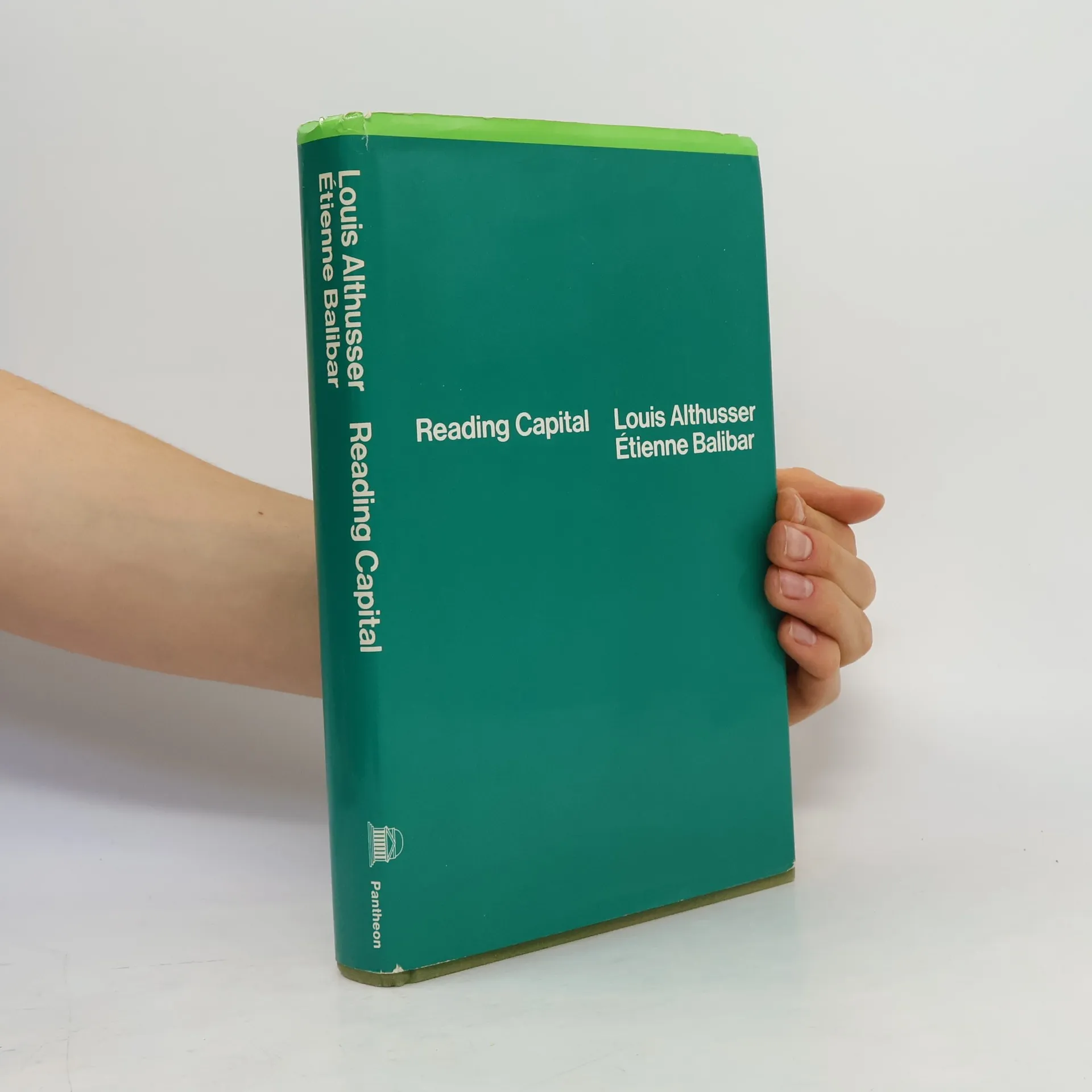
Reading Capital
- 340 stránok
- 12 hodin čítania
Together with Louis Althusser’s book For Marx , Reading Capital represents one of the foundational texts of the school of “structuralist Marxism” which transformed the face of modern philosophy and social theory. Presided over by the magnetic and intellectually coruscating figure of Althusser, the structuralist Marxists attempted no less than an intellectual revolution against dominant interpretations of Marx. Seeking to cleanse Marx of all Hegelian impurities and recast his thought on a rigorously scientific basis, in this work Althusser and one of his most brilliant students and colleagues, Etienne Balibar, subjected Marx’s method in Capital , his critique of classical political economy, and the fundamental terms of historical materialism, to searching textual analysis and challenging conceptual reconstruction. Inaugurating a new way of reading Marx that was to prove both intensely stimulating and capable of generating fierce controversy, Reading Capital is a work that cannot be bypassed by anyone interested in Marxism, and in theory more generally, in this century.
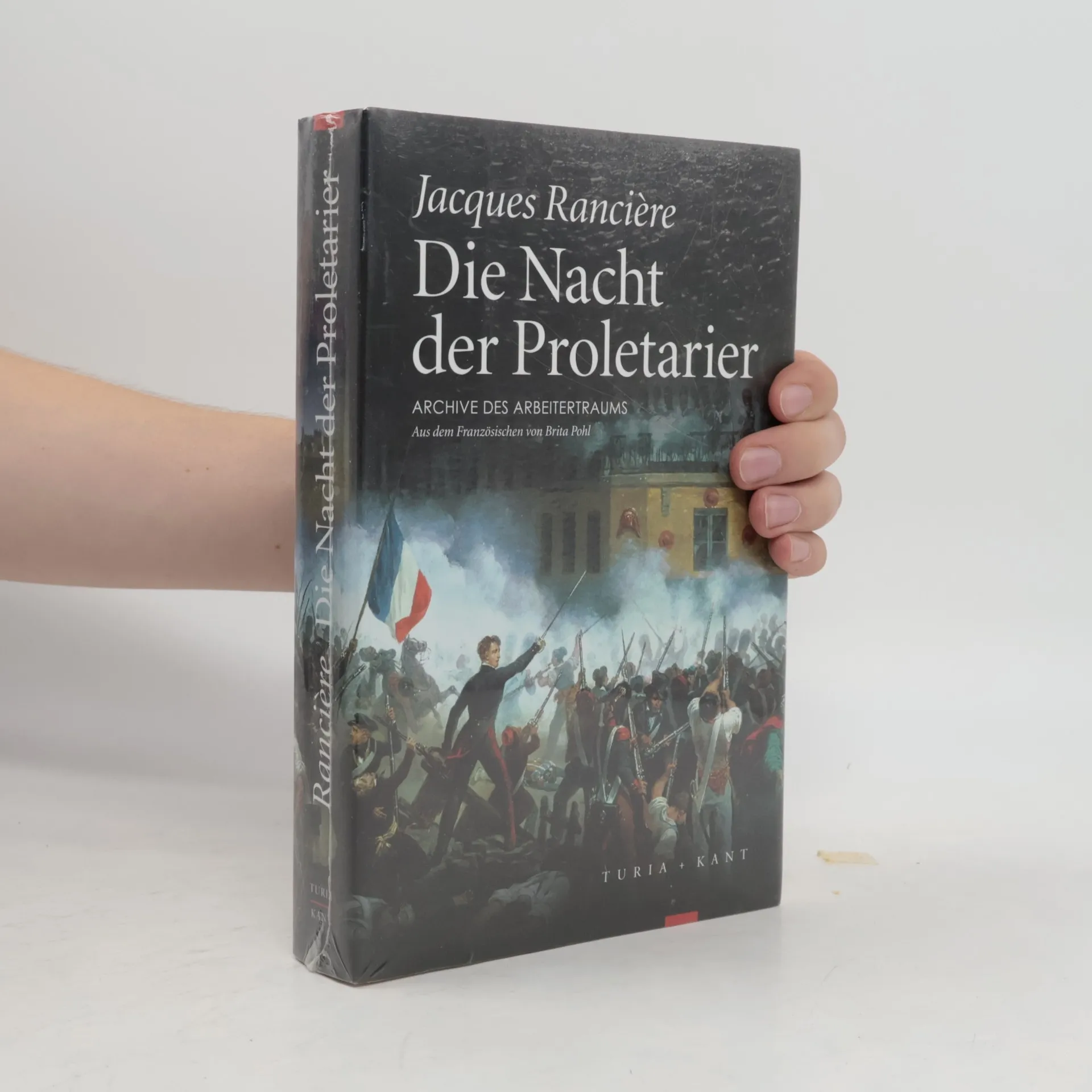
Incorporates the post-structuralist insistence on the production of meaning as a dynamic, conflictual process. This book reveals contradictions engendered by the suppression of 'writing'. It chooses to deconstruct the proletariat by exposing its conflicts and strategies of containment.
Bela Tarr, the Time After
- 81 stránok
- 3 hodiny čítania
From Almanac of Fall (1984) to The Turin Horse (2011), renowned Hungarian filmmaker B la Tarr has followed the collapse of the communist promise. The time after is the time when we are less interested in histories and their successes or failures than we are in the delicate fabric of time from which they are carved.
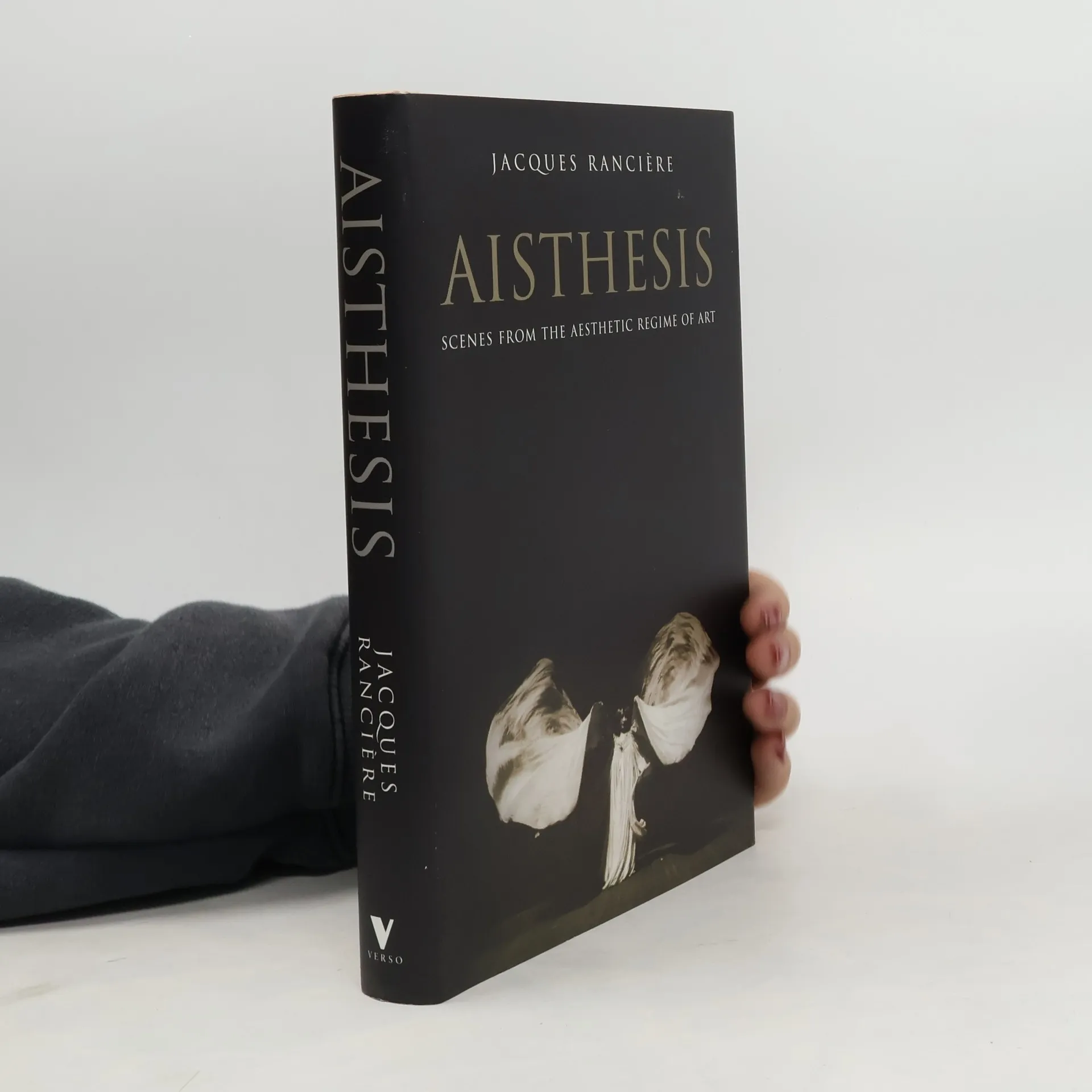
Aisthesis
- 304 stránok
- 11 hodin čítania
Composed in a series of scenes, Aisthesis–Rancière’s definitive statement on the aesthetic–takes its reader from Dresden in 1764 to New York in 1941. Along the way, we view the Belvedere Torso with Winckelmann, accompany Hegel to the museum and Mallarmé to the Folies-Bergère, attend a lecture by Emerson, visit exhibitions in Paris and New York, factories in Berlin, and film sets in Moscow and Hollywood. Rancière uses these sites and events—some famous, others forgotten—to ask what becomes art and what comes of it. He shows how a regime of artistic perception and interpretation was constituted and transformed by erasing the specificities of the different arts, as well as the borders that separated them from ordinary experience. This incisive study provides a history of artistic modernity far removed from the conventional postures of modernism.
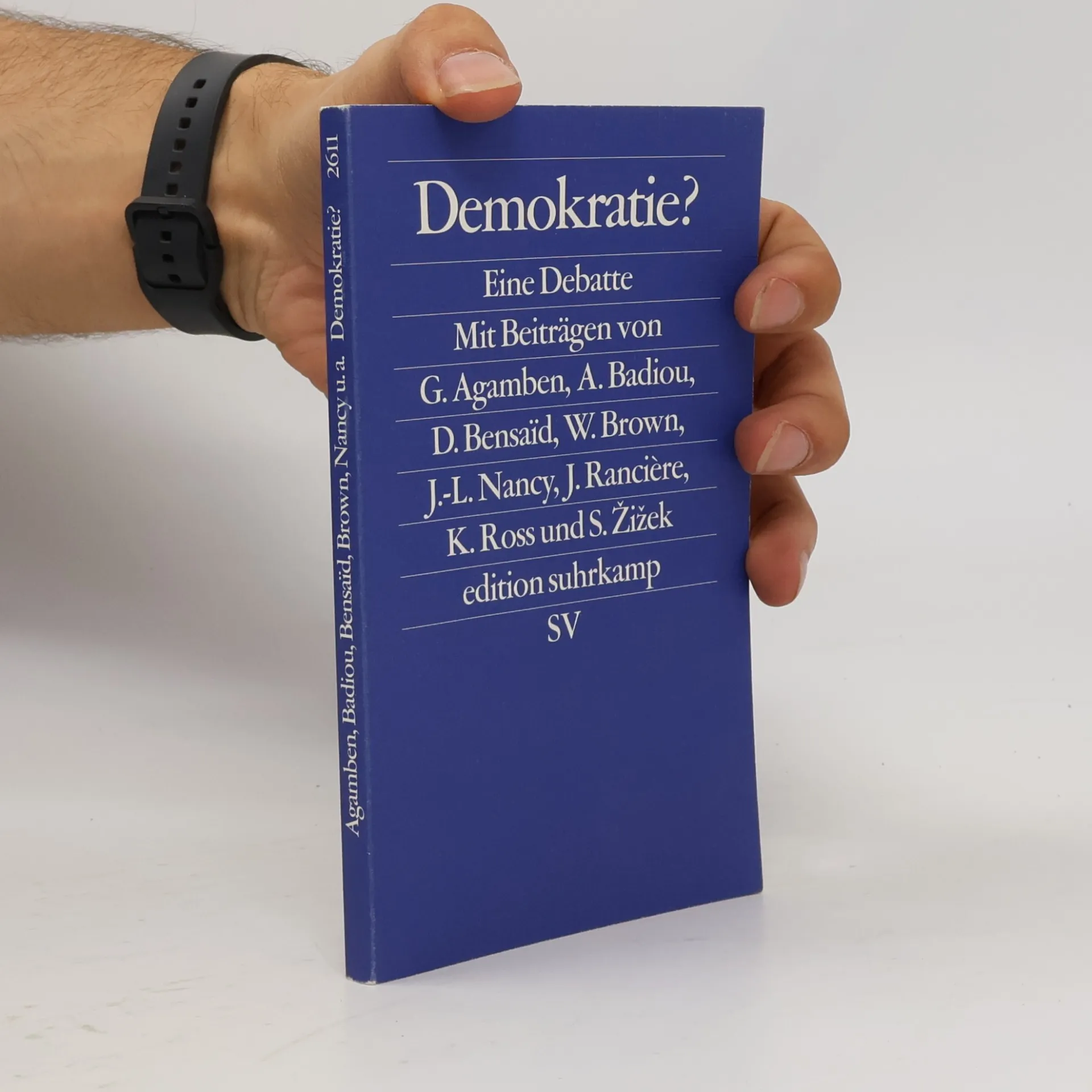
Zu Beginn des dritten Jahrtausends ist die Situation der Demokratie paradox: Einerseits sind mehr Staaten denn jemals zuvor demokratisch verfaßt, andererseits nehmen die Krisensymptome in den Staaten, die einstmals so etwas wie eine demokratische Avantgarde bildeten, zu: Die Wahlbeteiligung sinkt, schillernde Persönlichkeiten wie Silvio Berlusconi oder Nicolas Sarkozy gewinnen an Bedeutung, Wahlkämpfe geraten zu schalen Marketingkampagnen. Colin Crouch hat all diese Trends in dem Band „Postdemokratie“ präzise auf den Punkt gebracht. In diesem Band setzen sich nun acht herausragende politische Denkerinnen und Denker mit dem Zustand und den Perspektiven der am wenigsten schlechten aller Regierungsformen (Winston Churchill) auseinander, die tageszeitung sprach von einem »Who's who der internationalen linken Theorie«. Der Diskussionsband enthält Beiträge von Giorgio Agamben, Alain Badiou, Daniel Bensaïd, Wendy Brown, Jean-Luc Nancy, Jacques Rancière, Kristin Ross und Slavoj Žižek.
Cinema, like language, can be said to exist as a system of differences. In his latest book, acclaimed philosopher Jacques Rancière looks at cinematic art in comparison to its corollary forms in literature and theatre. From literature, he argues, cinema takes its narrative conventions, while at the same time effacing literature's images and philosophy; and film rejects theatre, while also fulfilling theatre's dream. Built on these contradictions, the cinema is the real, material space in which one is moved by the spectacle of shadows. Thus, for Rancière, film is the perpetually disappointed dream of a language of images.
Althusser's Lesson
- 199 stránok
- 7 hodin čítania
The first English translation of Jacques Ranciere's first book, in which he explores and begins to move beyond the thought of his mentor, Louis Althusser.
Als „Hass der Demokratie“ bezeichnet Jacques Rancière den Zusammenhang zweier beunruhigender Tendenzen unserer politischen Gegenwart: Während noch vor kurzem ein gemäßigtes Lob der „demokratischen Tugenden“ die offiziellen Diskurse bestimmte, scheint nun der wachsende Zweifel an Individualismus und radikalem Egalitarismus an seine Stelle zu treten. Dieser „Hass auf die Demokratie“ wird begleitet von einem anderen Hass, der von der Demokratie selbst ausgeht – dem „Hass der Demokratie“, der in den bewaffneten Versuchen, Demokratie in andere Länder zu exportieren, wohl seinen prägnantesten Ausdruck findet. Rancière erkennt in beiden Tendenzen aktuelle Formen der Entpolitisierung, die die subversive Kraft der demokratischen Idee aushöhlen. In diesem Buch werden sie zum Anlass, weitere Facetten seiner politischen Theorie zu entfalten, wie er sie in „Das Unvernehmen“ vorgestellt hat.
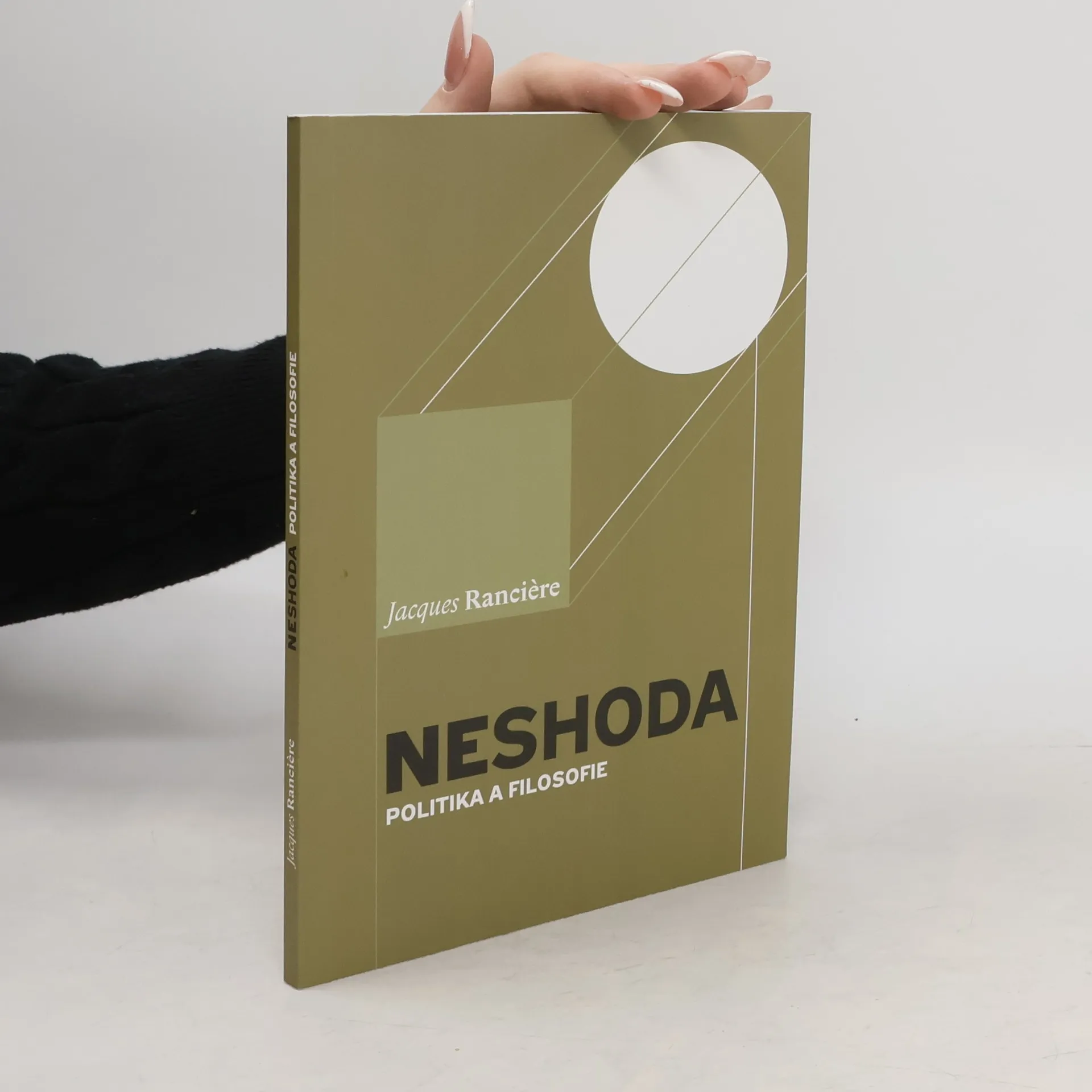
Neshoda. Politika a filosofie
- 135 stránok
- 5 hodin čítania
Ranciére se zde vrací ke kořenům politické filosofie (Platon, Aristoteles, Hobbes), aby demonstroval, jakým způsobem se střetávání politiky a filosofie vždy profilovalo na pozadí ambivalentního vztahu k tomu, co nazývá "díl lidí bez podílu", tedy části společenství, která si v té či oné podobě přisvojuje hlas tohoto společenství jako celku (athénský démos, moderní proletariát). Na základě této analýzy potom rozlišuje tři hlavní typy politiky, totiž arche-politiku, para-politiku a meta-politiku a v závěru knihy formuluje "výhledy", zasazující předchozí rozbory do současného kontextu. Kniha bezesporu patří k nejzásadnějším příspěvkům k post-marxistickému filosofickému i politickému myšlení.
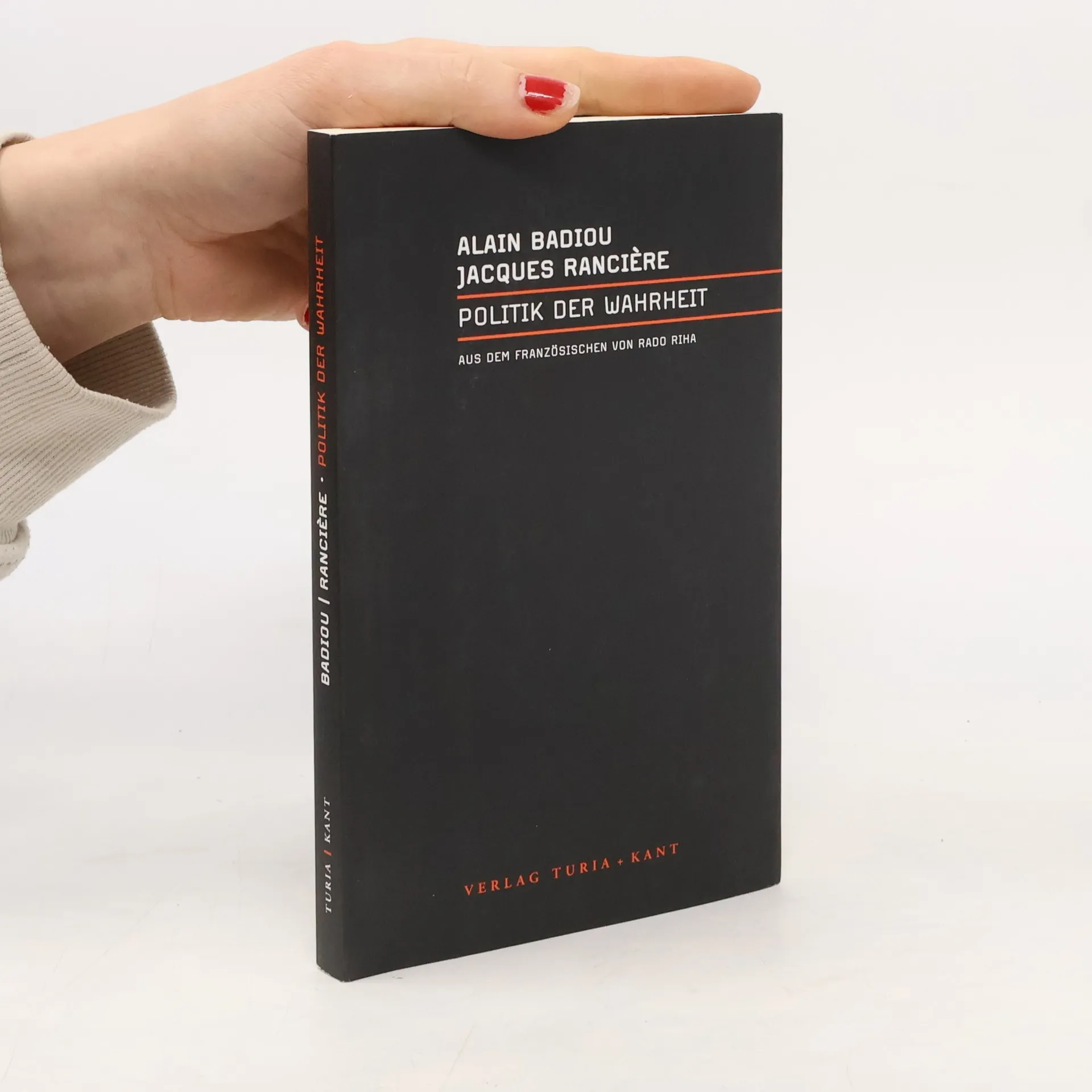
Politik der Wahrheit
- 187 stránok
- 7 hodin čítania
Dieser Band enthält die immer wieder nachgefragten Texte aus dem gleichnamigen legendären, aber vergriffenen Band (Turia + Kant 1996). Nun werden sie wieder zugänglich gemacht. Alain Badiou: - Die gegenwärtige Welt und das Begehren der Philosophie - Philosophie und Politik - Lacans Herausforderung der Philosophie - Wahrheiten und Gerechtigkeit Jacques Rancière: - Gibt es eine politische Philosophie? - Demokratie und Postdemokratie - Über den Nihilismus in der Politik Die Texte entstanden für zwei Vorlesungsreihen, die die beiden Philosophen 1992/93 in Ljubljana gehalten haben. Für die Publikation hat Alain Badiou den Text »Wahrheiten und Gerechtigkeit« hinzugefügt.
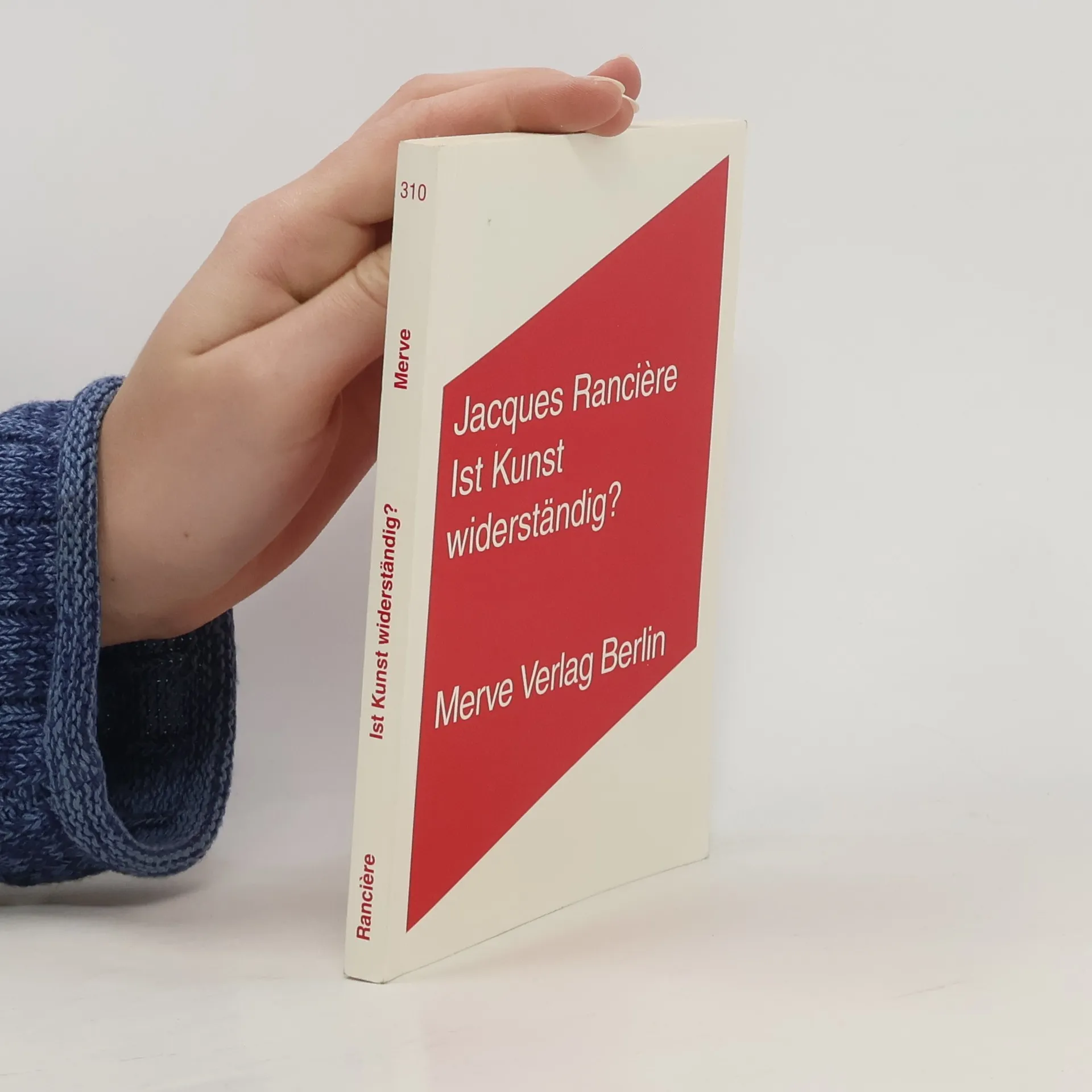
Internationaler Merve Diskurs: Ist Kunst widerständig?
Perspektiven der Technokultur
- 109 stránok
- 4 hodiny čítania
Nienawiść do demokracji
- 144 stránok
- 6 hodin čítania
Nienawisc do demokracji Jacquesa Rancierea to bezlitosna krytyka zachodnich elit politycznych ekonomicznych i intelektualnych Autor dowodzi ze sa one najwiekszym zagrozeniem dla demokracji na poczatku XXI stulecia Politycy i wladcy opinii publicznej w Europie i Stanach Zjednoczonych chetnie promuja demokracje w Iraku Iranie czy Afganistanie staja sie jednak jej wrogami u siebie Narzekania na przypadkowe spoleczenstwo ktore wciaz wysuwa nieodpowiedzialne roszczenia i glosuje wbrew wlasnym dobrze pojetym interesom plyna z samych szczytow wladzy w krajach Zachodu Pogardzie dla ludu na euroatlantyckich salonach towarzysza coraz smielsze proby ograniczenia jego suwerennosci Obserwujemy wzrost potegi osrodkow wladzy ekonomicznej oraz transformacje panstwa ktore wyzbywa sie funkcji socjalnych a w ich miejsce rozwija aparaty represji Polityka zmienia sie w zarzadzanie wybory w telewizyjne show bezwolna ludnosc zastepuje aktywny politycznie lud a prawa czlowieka to usprawiedliwienie interwencji zbrojnych zwanych humanitarnymi Wspolczesne demokracje przeksztalcily sie w panstwa prawa oligarchicznego Nadzieje na odrodzenie prawdziwej demokracji Ranciere widzi w walkach pracownikow i mlodziezy przeciw neoliberalnym reformom w imigrantach domagajacych sie rownych praw w rozmaitych mniejszosciach walczacych z dyskryminacja Demokracja jest wszedzie tam gdzie lud przeciwstawia sie odpolitycznieniu i logice nieograniczonej akumulacji kapitalu
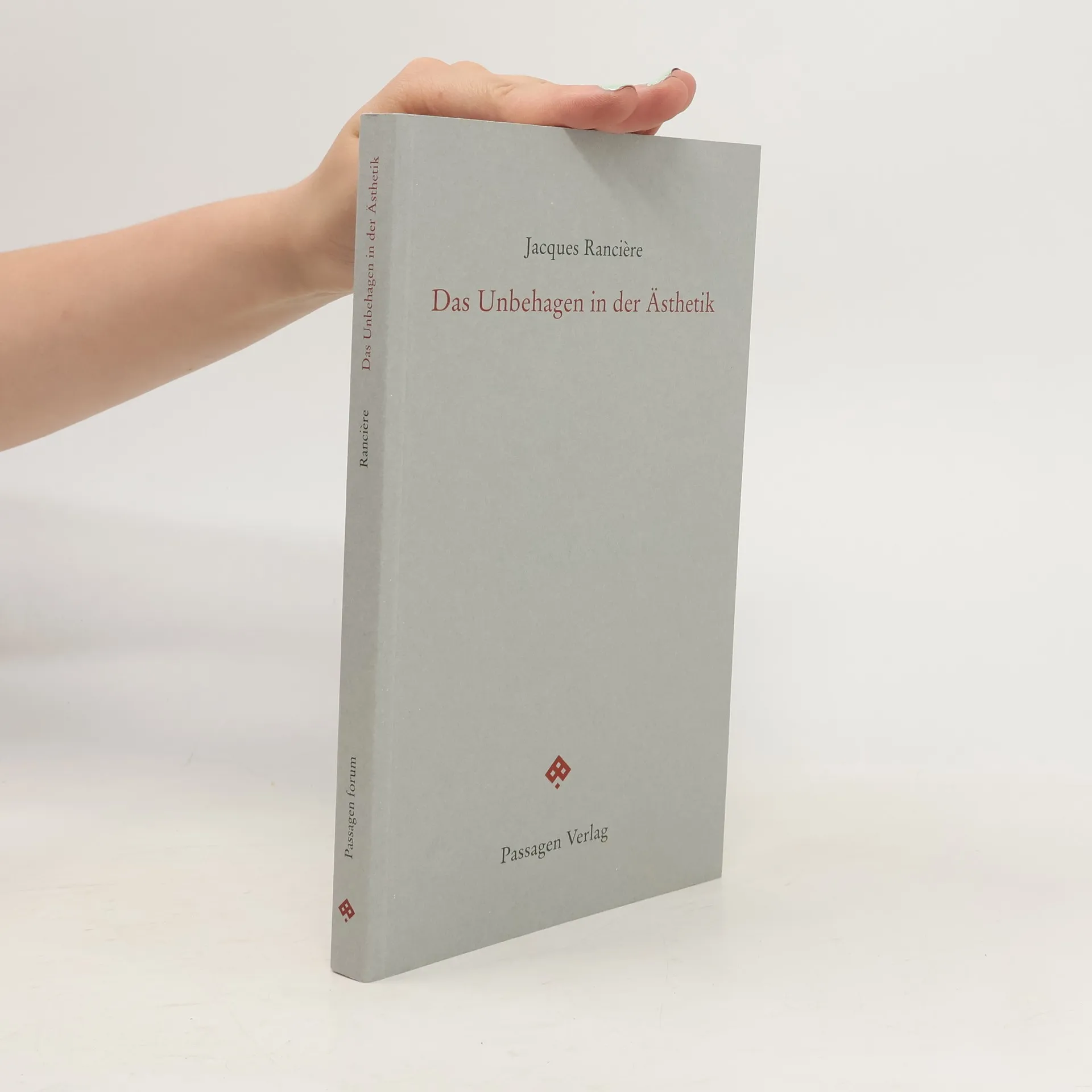
Das Unbehagen in der Ästhetik
- 157 stránok
- 6 hodin čítania
Damit es Kunst gibt, genügt es nicht, dass es Maler oder Musiker, Tänzer oder Schauspieler gibt. Damit es ästhetisches Empfinden gibt, genügt es nicht, dass wir Vergnügen daran finden, sie zu sehen oder zu hören. Damit es Kunst gibt, braucht es einen Blick und ein Denken, die sie identifizieren. Ästhetik ist der Name eines spezifischen Regimes der Identifizierung von Kunst.
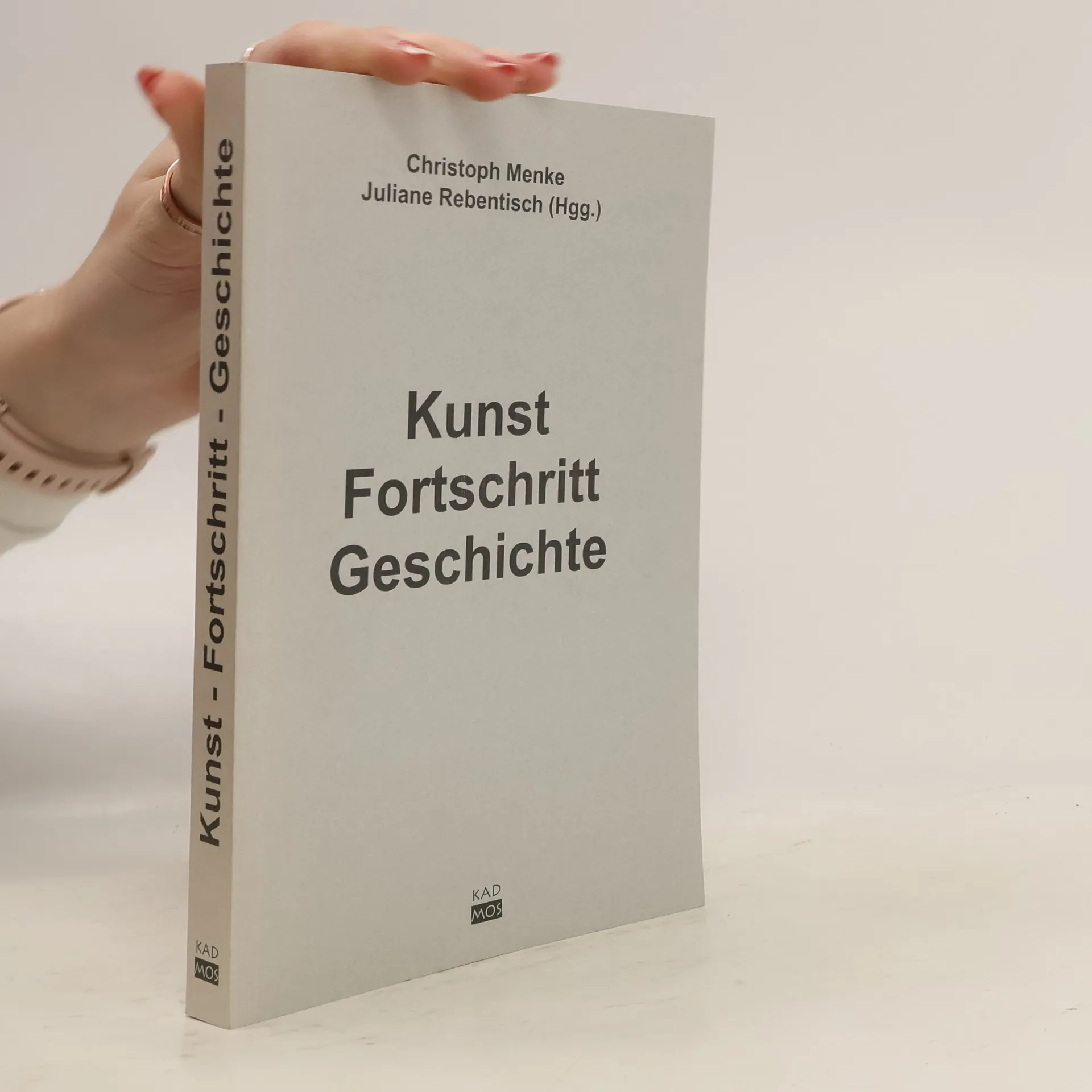
Kunst. Fortschritt. Geschichte
- 254 stránok
- 9 hodin čítania
Spätestens 1970 hat die Kunst eine Schwelle erreicht, nach der alles möglich, alles erlaubt zu sein scheint. Durch diese Situation ist kunsttheoretisch insbesondere der Begriff des Fortschritts, und mit ihm: ein ganzes Geschichtsmodell, in die Krise geraten. Die erneuerte Rede vom "Ende der Kunst" zeugt davon ebenso wie die Ablösung der modernen Werkästhetik durch Theorien der ästhetischen Erfahrung. Während sich mithin in der philosophischen Ästhetik eine generelle Skepsis gegenüber der geschichtlichen Platzierung von Werken oder künstlerischen Strategien eingestellt hat, ist eben dies jedoch nach wie vor ein zentrales Anliegen der Kunstkritik. So ist die Feststellung von Neuem für sie ebenso elementar wie dessen normative Auszeichnung: Man kann eben doch nicht alles zu jeder Zeit machen. Und das hat nicht nur einen innerkünstlerischen, sondern immer auch einen gesellschaftlichen und politischen Sinn. Von daher stellt sich die Frage, auf welche Weise heute, mit Blick auf die Entgrenzungstendenzen in der Kunst der letzten vierzig Jahre, - doch oder immer noch - von künstlerischem Fortschritt gesprochen werden kann und welche Konsequenzen dies für den Begriff von Kunst hat. Die Beiträge des Bandes diskutieren diese Frage für Bildende Kunst, Film, Musik, Literatur und Theater.
The politics of aesthetics : the distribution of the sensible
- 116 stránok
- 5 hodin čítania
Aiming to rethink the relation between art and politics, this title seeks to reclaim aesthetics from its contemporary narrow confines to reveal its significance for contemporary experience. It ranges across art and politics, the uses and abuses of modernity, the role of visual technologies, and the relationship between history and fiction.
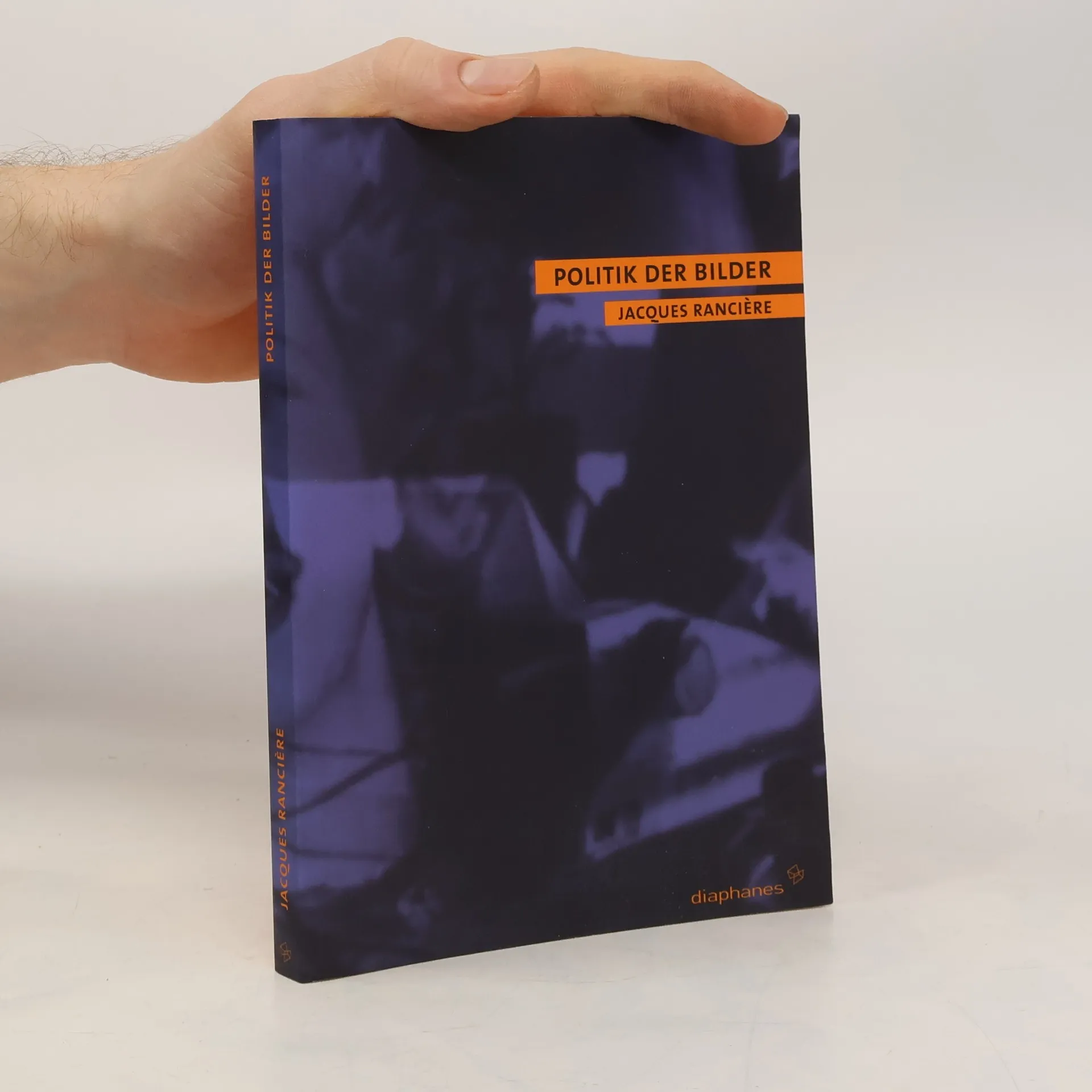
Unsere Zeit huldigt wieder einem Kult der Bilder, wo das Bild Darstellung und sinnliche Gegenwart (des Anderen, des fleischgewordenen Wortes) ist. Wenn jedwedes Motiv ästhetische Würde hat, Formen des Höheren und Niedrigen ununterscheidbar vermischt werden und keine Übereinkunft des Sichtbaren mit einer Ordnung besteht, gilt es, die Heterogenität der Bilder aufrechtzuerhalten. Die Bilder werden zu Vorgängen, die die Zusammenhänge in der Welt des Sehens, Sprechens und Denkens neu verteilen: ob ein Still aus einem Godard-Film, die Frage nach der Darstellbarkeit der Shoah, Installationen zeitgenössischer Kunst, ein philosophischer Diskurs oder das Industriedesign.
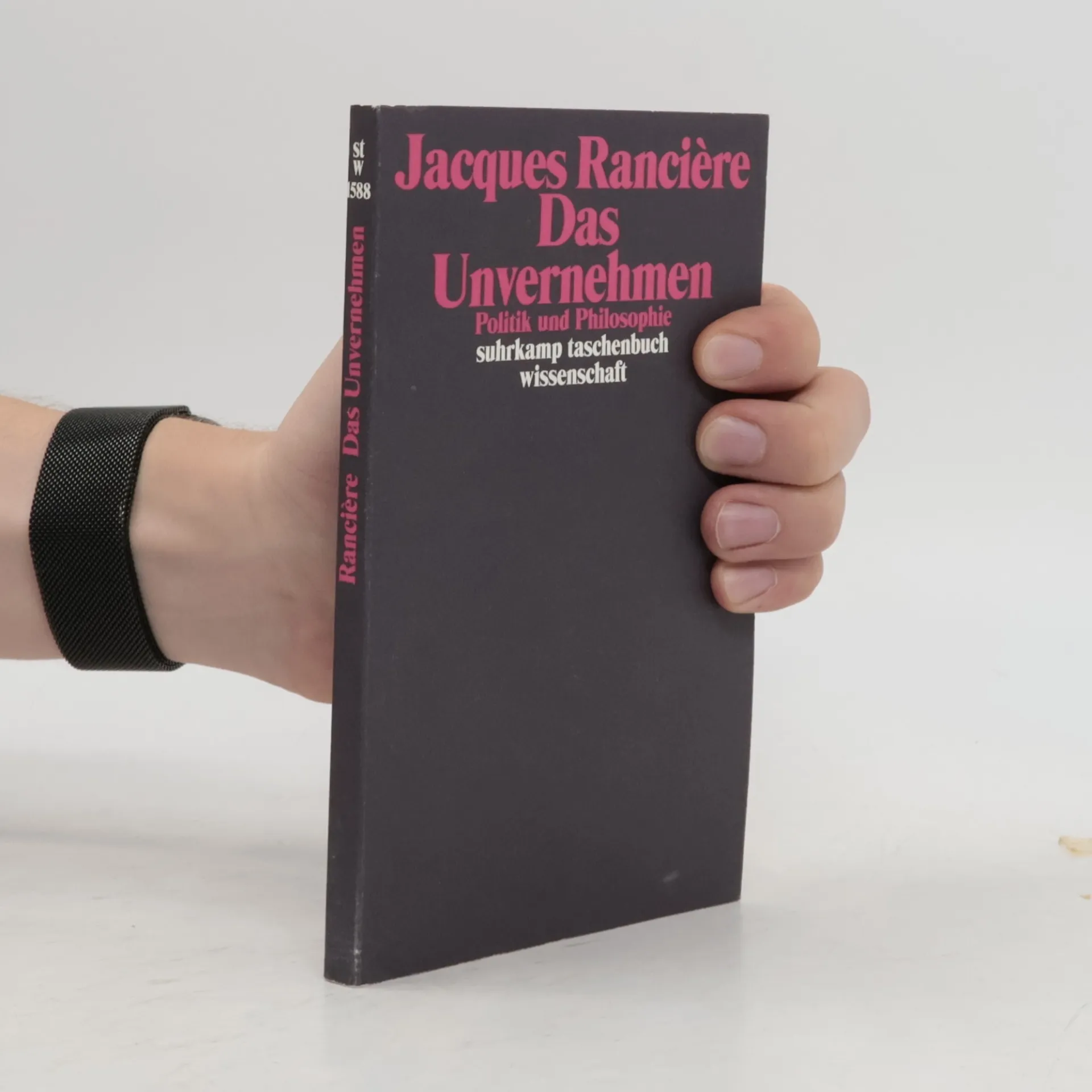
Jacques Rancières Das Unvernehmen war ein Paukenschlag in der philosophischen Landschaft Frankreichs. Bei seinem Erscheinen wurde es gleich als Manifest und Neubestimmung der politischen Philosophie wahrgenommen. Rancières Resituierung einer kritischen Gesellschaftstheorie setzt mit einer Kritik der Theorie der Politik bei Platon und Aristoteles ein, um dann als zentrales Moment der politischen Philosophie das Unvernehmen herauszuarbeiten: »Was aus der Politik einen skandalösen Gegenstand macht, das ist, daß die Politik eben die Aktivität ist, die als Rationalität selbst die Rationalität des Unvernehmens hat.« Rancière unternimmt den Versuch, die Rückkehr der politischen Philosophie im Feld der politischen Praxis und somit als Praxis zu denken.
En 1818, Joseph Jacotot, révolutionnaire exilé et lecteur de littérature française à l'université de Louvain, commença à semer la panique dans l'Europe savante. Non content d'avoir appris le français à des étudiants flamands sans leur donner aucune leçon, il se mit à enseigner ce qu'il ignorait et à proclamer le mot d'ordre de l'émancipation intellectuelle : tous les hommes ont une égale intelligence. Il ne s'agit pas de pédagogie amusante, mais de philosophie et de politique. Jacques Rancière offre, à travers la biographie de ce personnage étonnant, une réflexion philosophique originale sur l'éducation. La grande leçon de Jacotot est que l'instruction est comme la liberté elle ne se donne pas, elle se prend. [source : 4e de couv.]
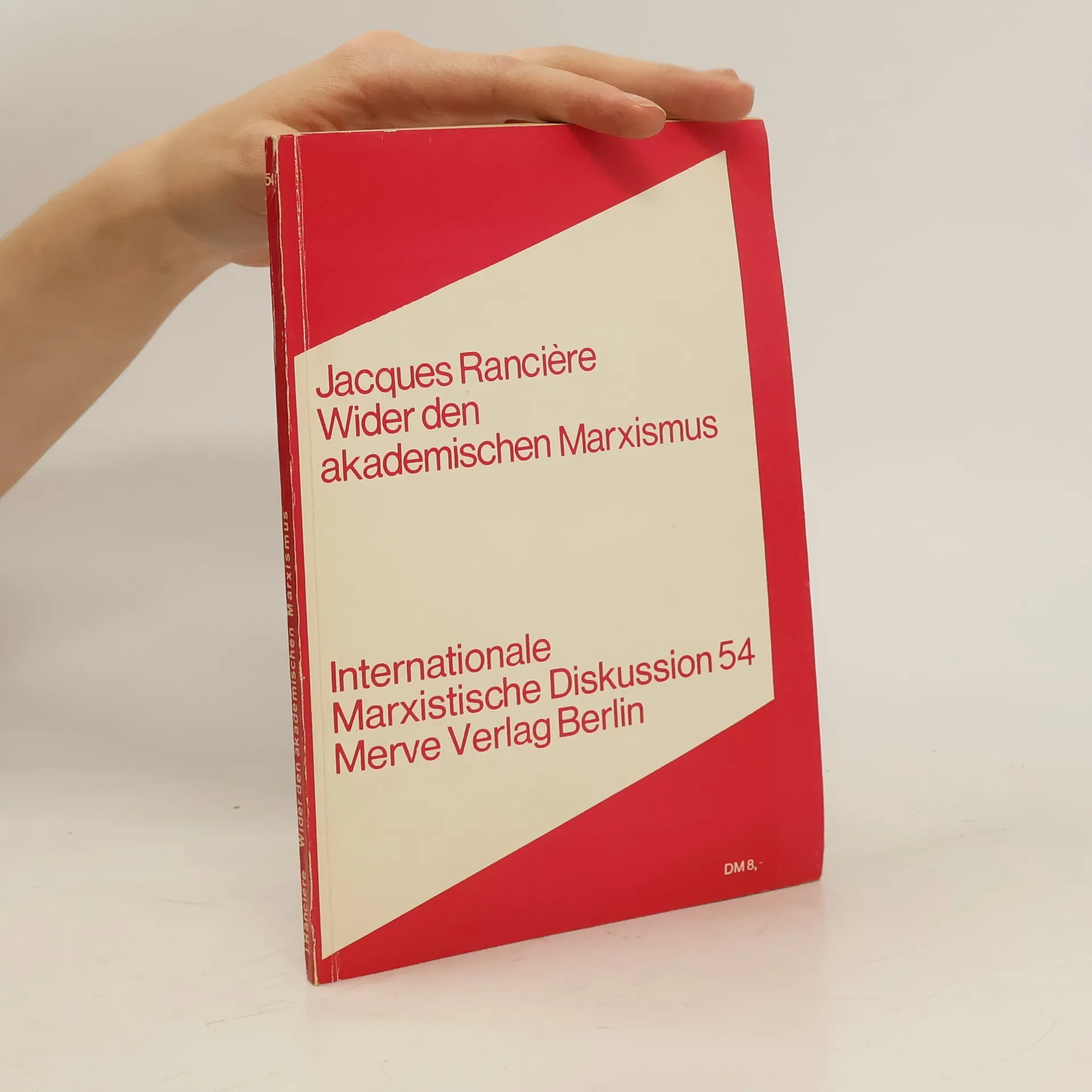
Wider den akademischen Marxismus
- 109 stránok
- 4 hodiny čítania