
Z Knihobotu sa stal Bookbot!
Bookbot

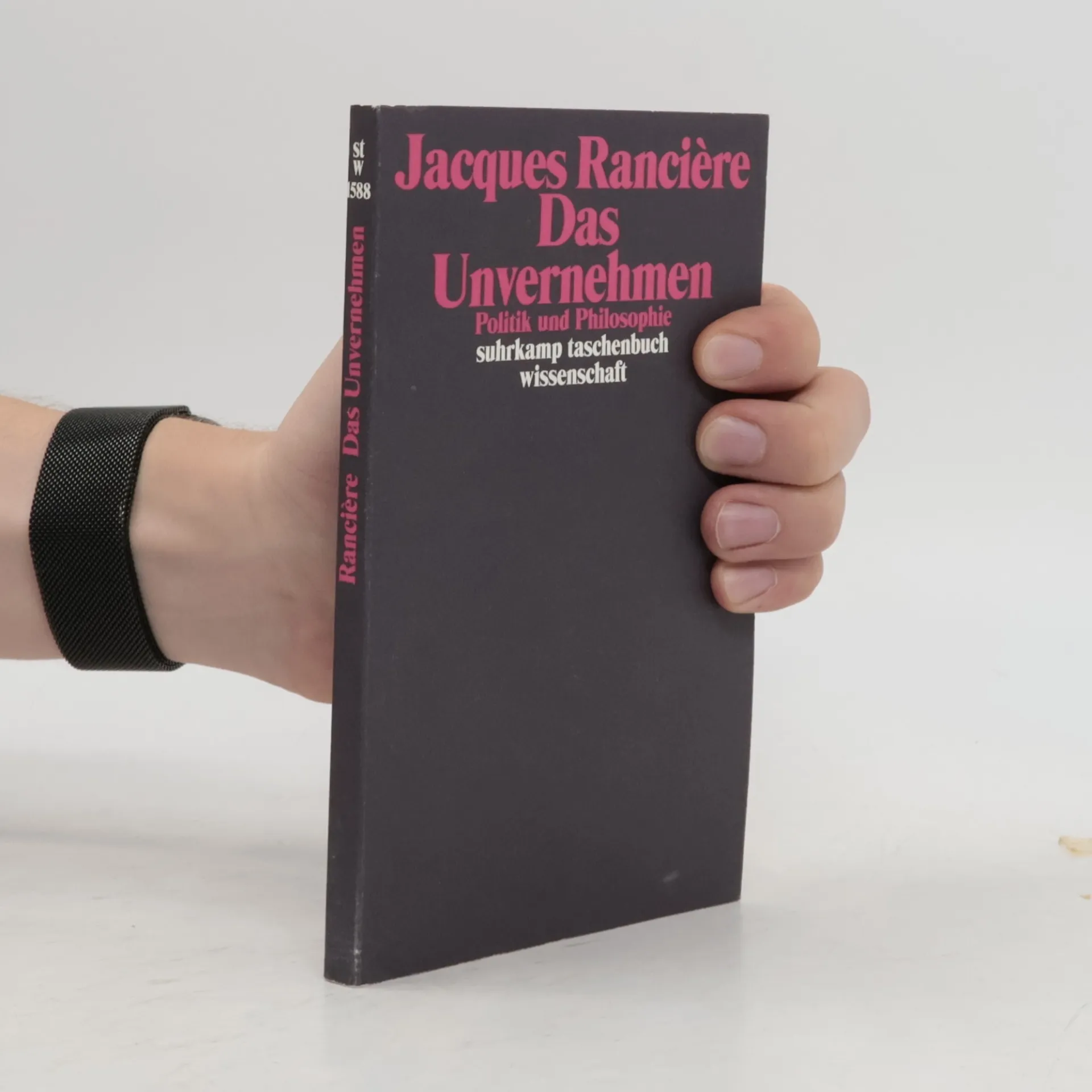
Jacques Ranciere

    10. jún 1940

    Jacques Rancière je francúzsky filozof, ktorého dielo sa zameriava na kľúčové pojmy politického diskurzu, ako je ideológia a úloha robotníckej triedy vo vzťahu k poznaniu. Odklonil sa od svojho učiteľa, aby preskúmal, ako vnímame masy a ich postavenie, a analyzoval napríklad vzťah filozofov k chudobným. Jeho neskoršie práce sa zaoberajú ľudskými právami a úlohou medzinárodných organizácií pri ich presadzovaní, čo sa dotýka aj otázok intervencií a vojny. Rancièreove myšlienky o estetike sa stali vplyvnými vo vizuálnom umení.

    Jacques Ranciere
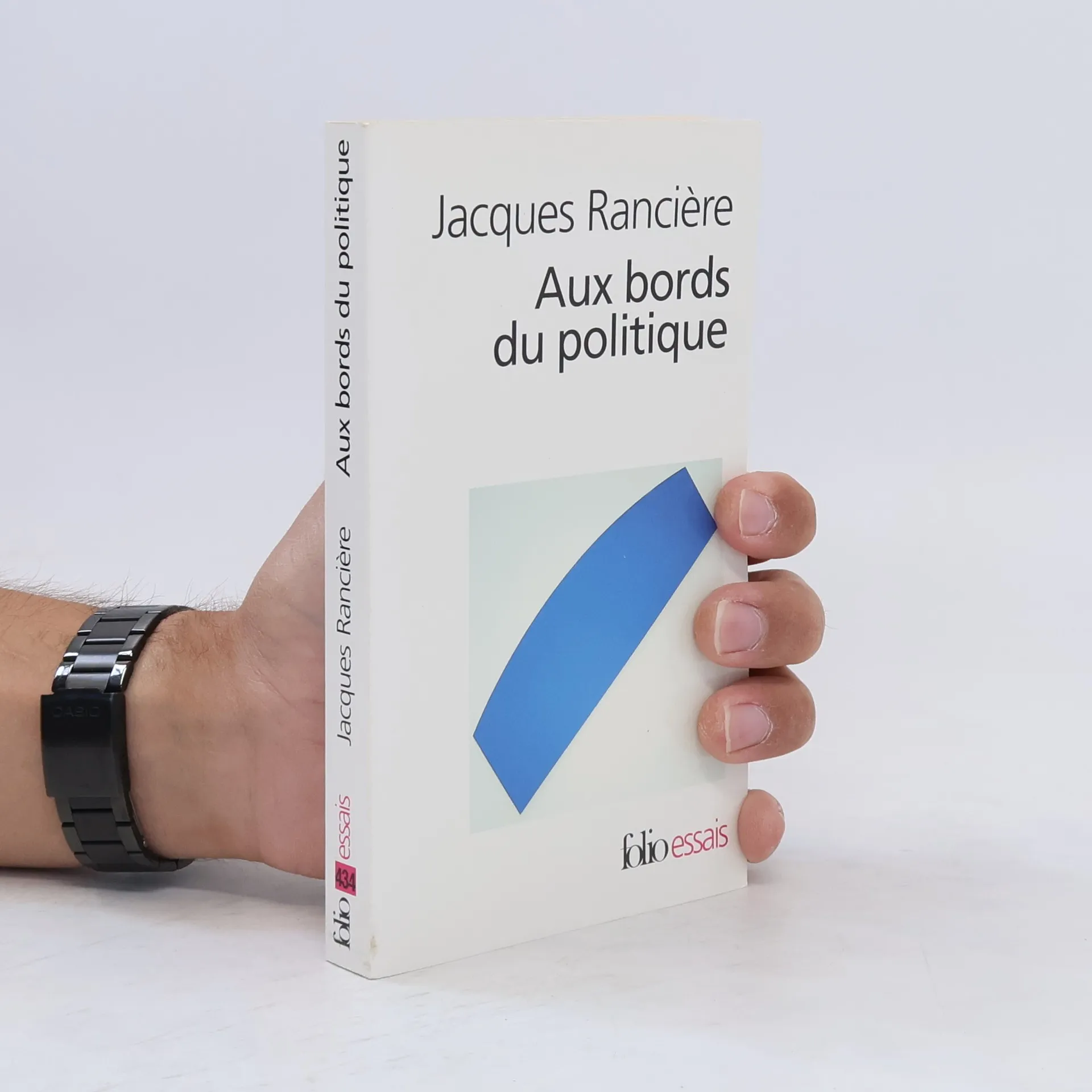
    On the Shores of Politics
    The Intellectual and His People
    What Times Are We Living In?
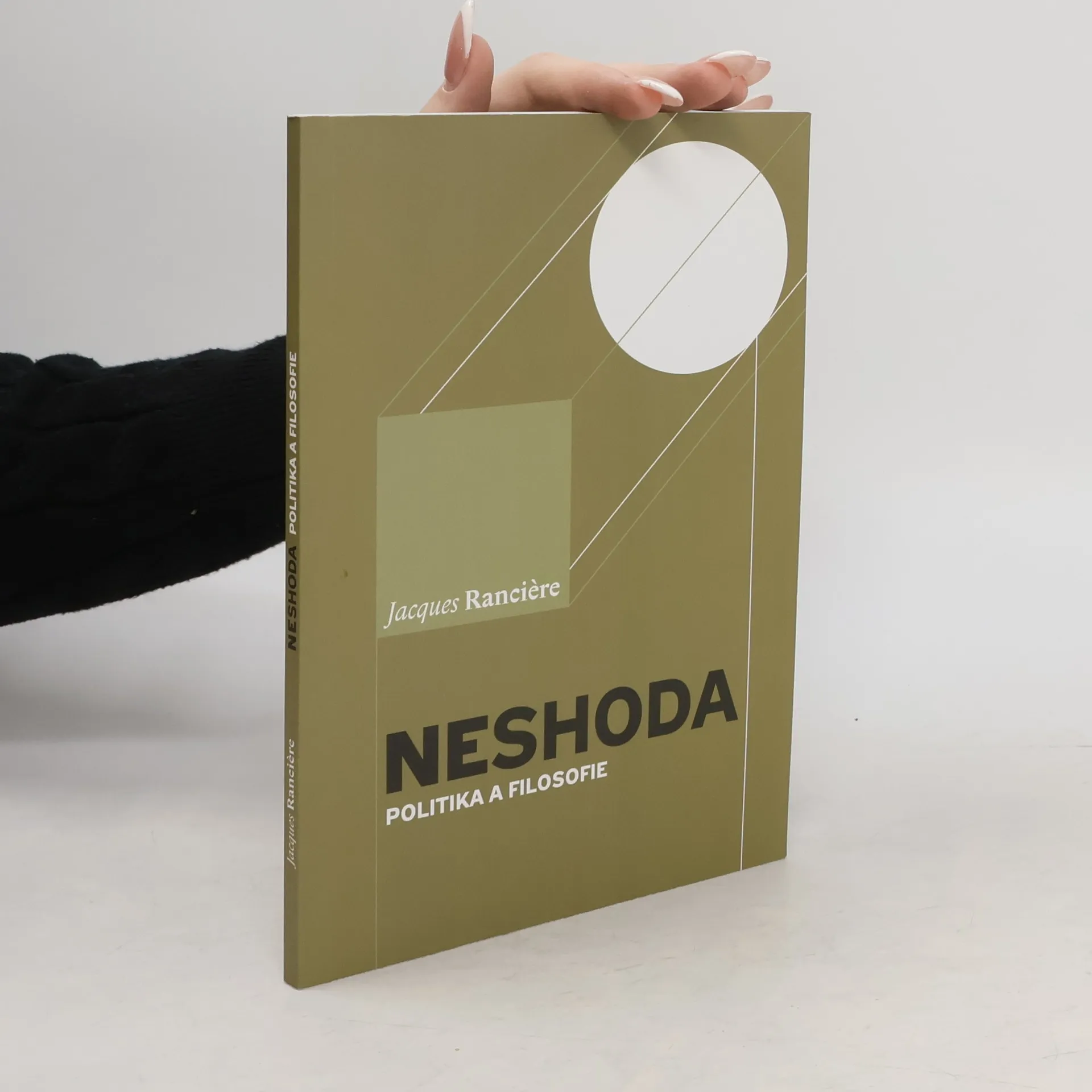
    Neshoda. Politika a filosofie
    Le maître ignorant
    Emancipovaný divák
    • Emancipovaný divák

      • 127 stránok
      • 5 hodin čítania
      4,1(35)Ohodnotiť

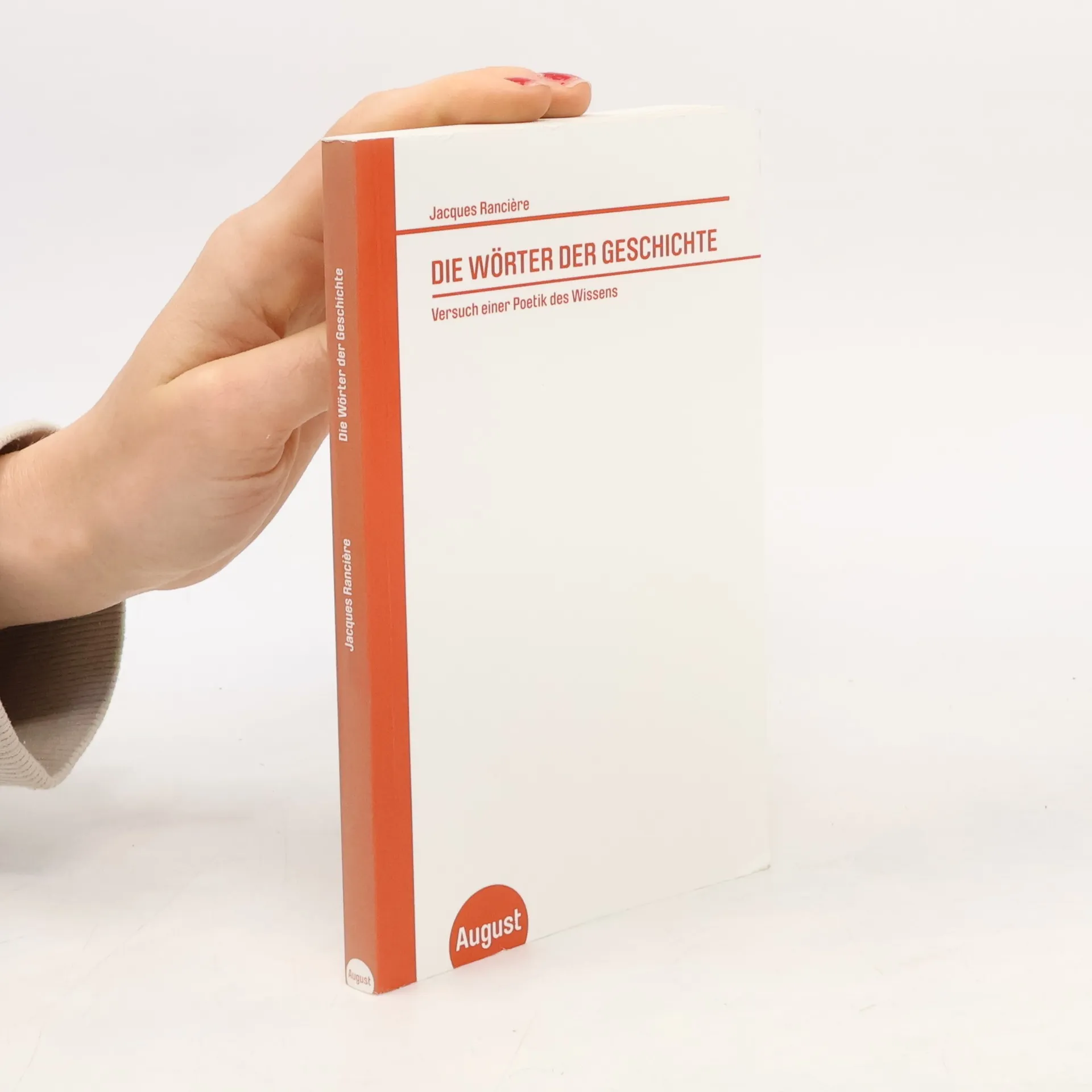
      „V deväťdesiatych rokoch 20. storočia sa ťažisko Rancierovho myslenia presúva k estetike, k histórii a teórii umenia. Aj v prácach z tohto obdobia však presvitá jeho záujem predovšetkým o politické účinky umeleckých diel. Estetika a politika tak tvoria dva základné piliere väčšiny Rancierových prác. Akčný rádius tohto mysliteľa je však oveľa širší a jeho prístup je výsostne interdisciplinárny. Vďaka tomu môže byť inšpiratívny nielen pre filozofov, humanitných či spoločenských vedcov či pre teoretikov a kritikov umenia, ale aj pre samých umelcov a umeleckých pedagógov. Kniha esejí Emancipovaný divák objasňuje viaceré tézy rozpracované v Rancierových predchádzajúcich dielach a zároveň citlivo reaguje na aktuálnu situáciu v súčasnom umení: v maliarstve, sochárstve, konceptuálnom umení, ale aj vo fotografii, filme a v neposlednom rade aj v divadle. Naň Ranciere nazerá nielen ako na umelecký druh či ako na umenie s mimoriadne dlhou tradíciou, pri ktorom sa „telá dávajú do pohybu pred zhromaždeným publikom“. Vníma ho aj v oveľa v širších spoločenských a politických súvislostiach – ako performanciu, ktorá môže mať množstvo podôb, či ako spektákulum – predstavenie sveta vo všadeprítomných médiách.”

      Emancipovaný divák
    • Le maître ignorant

      Cinq leçons sur l'émancipation intellectuelle

      • 233 stránok
      • 9 hodin čítania

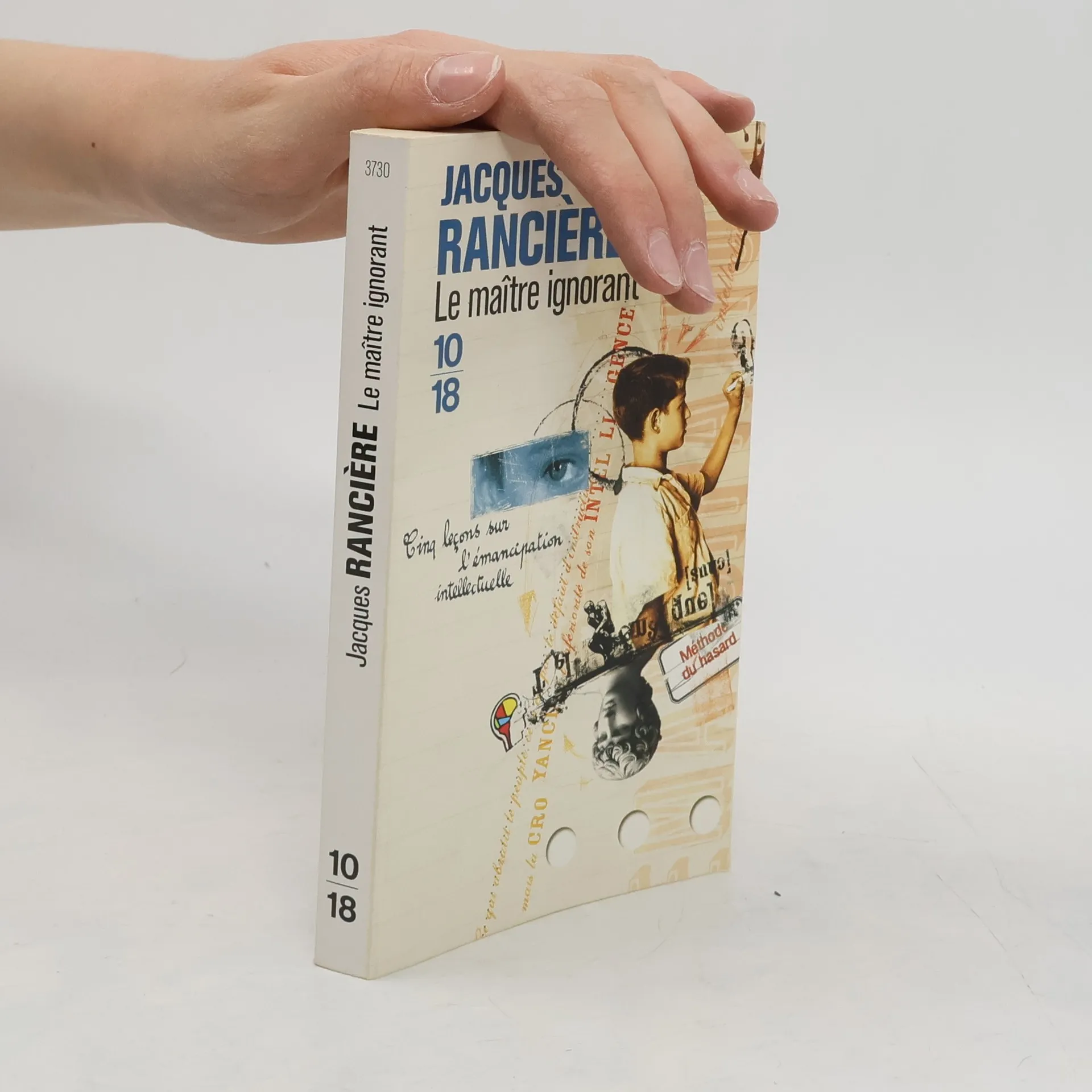
      En 1818, Joseph Jacotot, révolutionnaire exilé et lecteur de littérature française à l'université de Louvain, commença à semer la panique dans l'Europe savante. Non content d'avoir appris le français à des étudiants flamands sans leur donner aucune leçon, il se mit à enseigner ce qu'il ignorait et à proclamer le mot d'ordre de l'émancipation intellectuelle : tous les hommes ont une égale intelligence. Il ne s'agit pas de pédagogie amusante, mais de philosophie et de politique. Jacques Rancière offre, à travers la biographie de ce personnage étonnant, une réflexion philosophique originale sur l'éducation. La grande leçon de Jacotot est que l'instruction est comme la liberté elle ne se donne pas, elle se prend. [source : 4e de couv.]

      Le maître ignorant
    • Neshoda. Politika a filosofie

      • 135 stránok
      • 5 hodin čítania

      Ranciére se zde vrací ke kořenům politické filosofie (Platon, Aristoteles, Hobbes), aby demonstroval, jakým způsobem se střetávání politiky a filosofie vždy profilovalo na pozadí ambivalentního vztahu k tomu, co nazývá "díl lidí bez podílu", tedy části společenství, která si v té či oné podobě přisvojuje hlas tohoto společenství jako celku (athénský démos, moderní proletariát). Na základě této analýzy potom rozlišuje tři hlavní typy politiky, totiž arche-politiku, para-politiku a meta-politiku a v závěru knihy formuluje "výhledy", zasazující předchozí rozbory do současného kontextu. Kniha bezesporu patří k nejzásadnějším příspěvkům k post-marxistickému filosofickému i politickému myšlení.

      Neshoda. Politika a filosofie
    • From Almanac of Fall (1984) to The Turin Horse (2011), renowned Hungarian filmmaker B la Tarr has followed the collapse of the communist promise. The time after is the time when we are less interested in histories and their successes or failures than we are in the delicate fabric of time from which they are carved.

      Bela Tarr, the Time After
    • Aisthesis

      • 304 stránok
      • 11 hodin čítania
      4,0(154)Ohodnotiť

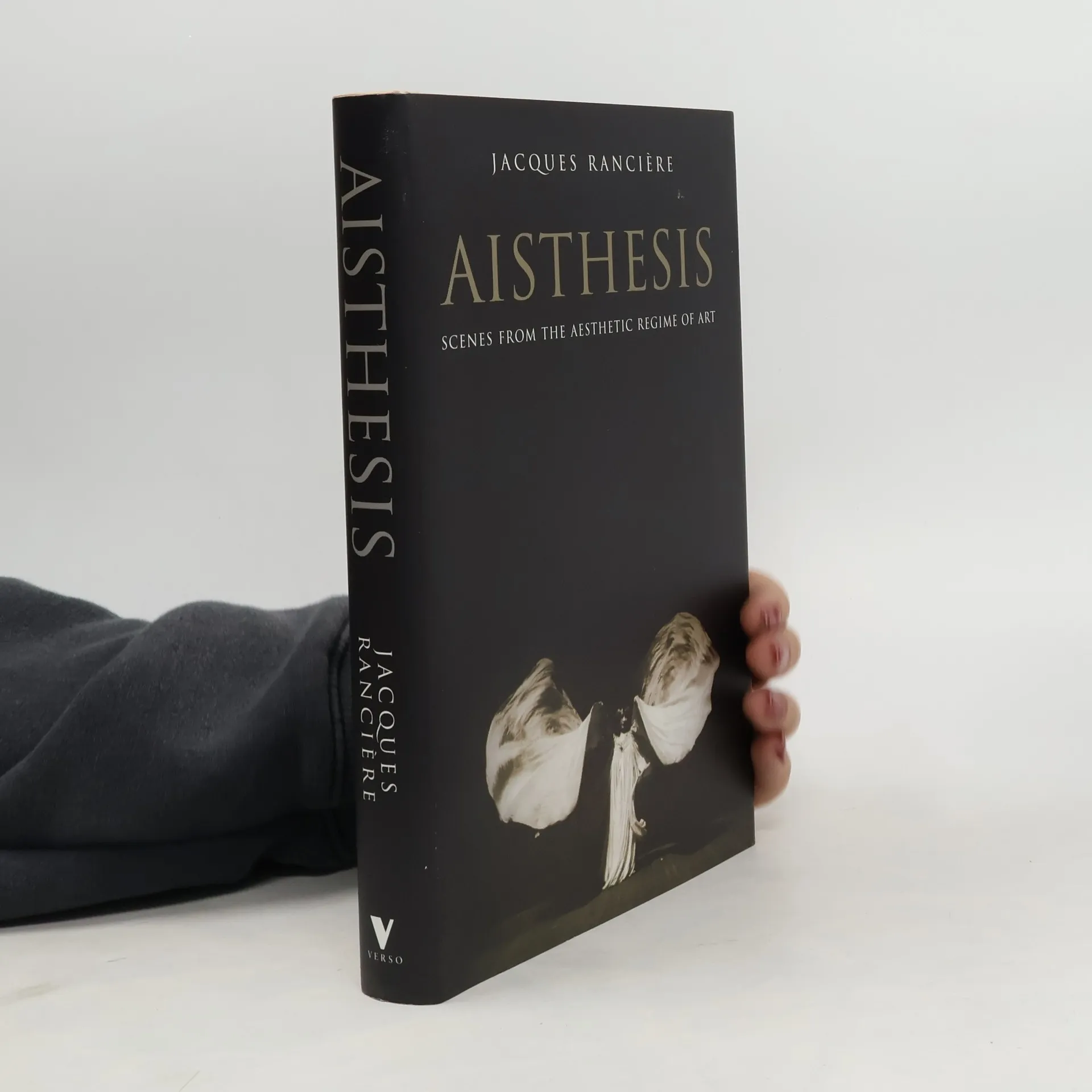
      Composed in a series of scenes, Aisthesis–Rancière’s definitive statement on the aesthetic–takes its reader from Dresden in 1764 to New York in 1941. Along the way, we view the Belvedere Torso with Winckelmann, accompany Hegel to the museum and Mallarmé to the Folies-Bergère, attend a lecture by Emerson, visit exhibitions in Paris and New York, factories in Berlin, and film sets in Moscow and Hollywood. Rancière uses these sites and events—some famous, others forgotten—to ask what becomes art and what comes of it. He shows how a regime of artistic perception and interpretation was constituted and transformed by erasing the specificities of the different arts, as well as the borders that separated them from ordinary experience. This incisive study provides a history of artistic modernity far removed from the conventional postures of modernism.

      Aisthesis
    • Althusser's Lesson

      • 199 stránok
      • 7 hodin čítania
      3,9(51)Ohodnotiť

      The first English translation of Jacques Ranciere's first book, in which he explores and begins to move beyond the thought of his mentor, Louis Althusser.

      Althusser's Lesson
    • Aiming to rethink the relation between art and politics, this title seeks to reclaim aesthetics from its contemporary narrow confines to reveal its significance for contemporary experience. It ranges across art and politics, the uses and abuses of modernity, the role of visual technologies, and the relationship between history and fiction.

      The politics of aesthetics : the distribution of the sensible