

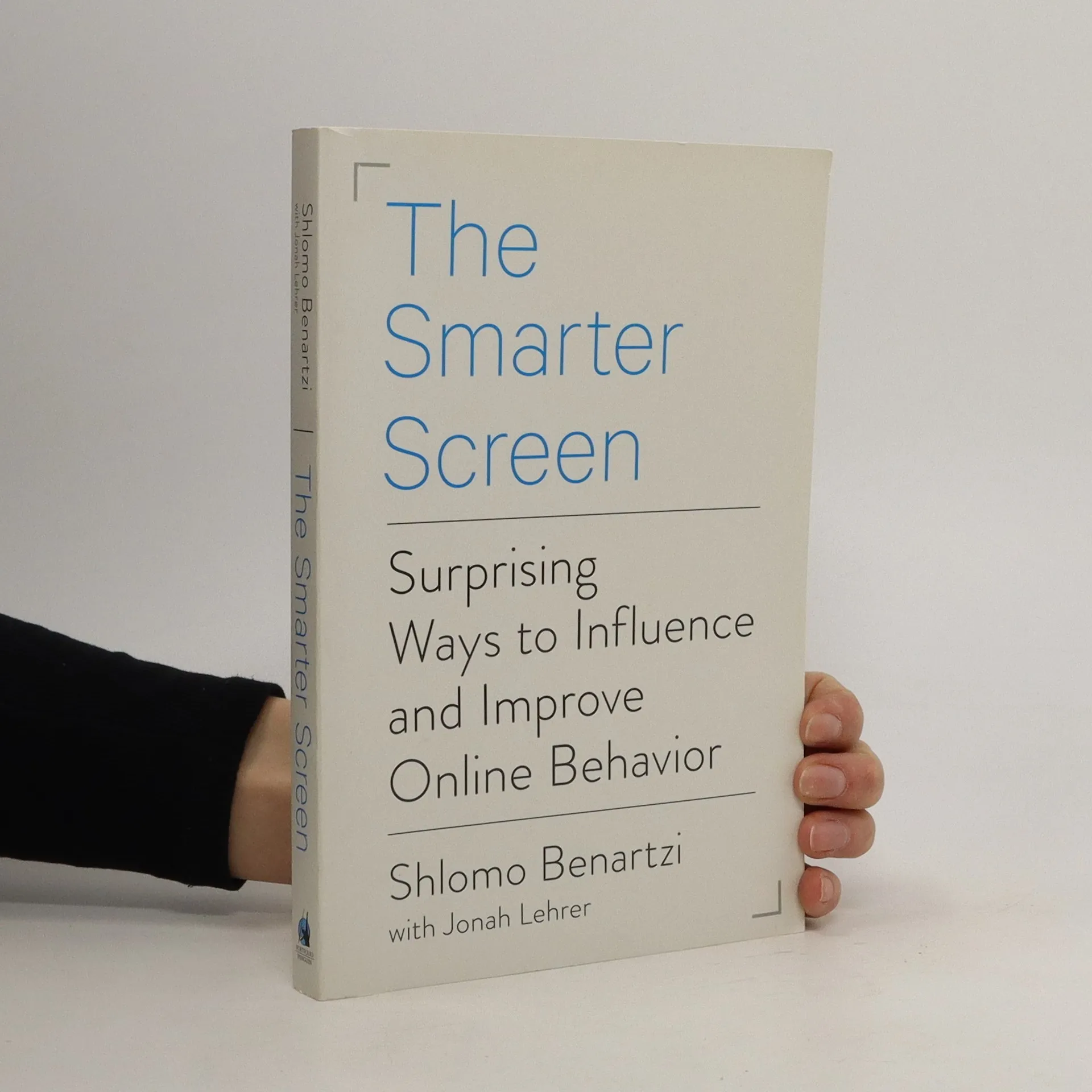
"A leading behavioral economist shows how businesses can improve consumer thinking and decision-making on screens, "--NoveList.
Jonah Lehrer Poradie kníh (chronologicky)
25. jún 1981

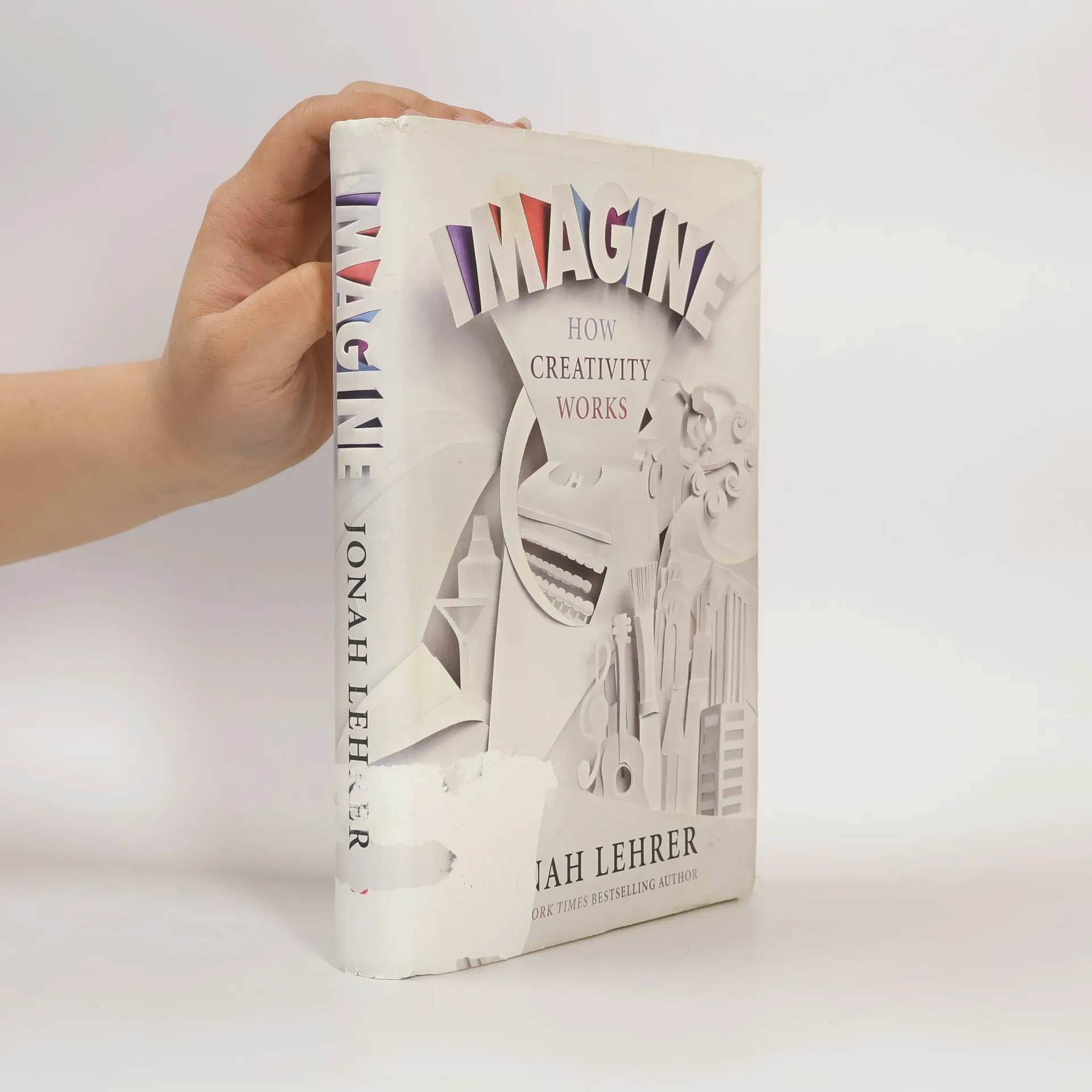

The profound mysteries of creative thought have long intimidated the world's finest brains. How do you measure the imagination? How do you quantify an epiphany? These daunting questions led researchers to neglect the subject for hundreds of years. In Jonah Lehrer's ambitious and enthralling new book, we go in search of the epiphany. Shattering the myth of creative 'types', Lehrer shows how new research is deepening our understanding of the human imagination. Creativity is not a 'gift' that only some possess. It's a term for a variety of distinct thought processes that we can all learn to use more effectively. Some acts of imagination are best done sipping espresso in a crowded cafe, while others require long walks in a quiet park. Lehrer helps us fit our creative strategies to the task at hand. The journey begins with the fluttering of neurons in the prefrontal cortex, before moving out to consider how this new science can also make neighbourhoods more vibrant, companies more productive and schools more effective. We'll learn about Bob Dylan's writing habits and the drug addiction of poets. We'll see why Elizabethan England experienced a creative explosion, and how Pixar designed its office space to get the most out of its talent. Collapsing the layers separating the neuron from the finished symphony, Imagine reveals the deep inventiveness of the human mind and its essential role in our increasingly complex world.
Ako sa rozhodujeme
- 304 stránok
- 11 hodin čítania
Ako sa rozhoduje ľudská myseľ a ako môžeme zlepšiť naše rozhodovanie? Dlhodobo sa považovalo, že rozhodovanie je buď racionálne, alebo emocionálne. Moderné neurovedy však odhaľujú, že myseľ funguje na základe spolupráce rozumu a emócií, pričom obidve zložky sú nevyhnutné pre zdravé fungovanie. Uprednostnenie jednej z nich vedie k horším výsledkom, než sme si mysleli. Napríklad pri kúpe domu si často myslíme, že racionálne zváženie všetkých premenných prinesie lepší výsledok. Avšak výskumy ukazujú, že naše emocionálne podvedomie pozná „správnu“ odpoveď skôr než racionálne časti mozgu. Neurologické a psychologické štúdie potvrdzujú, že racionalita správania je preceňovaná. Autor analyzuje faktory a mechanizmy rozhodovania, objasňuje, prečo nadmerné premýšľanie môže byť škodlivé, prečo je dôležité počúvať intuíciu, akú úlohu zohráva dopamín a prečo je lepšie vyhýbať sa preplneným informáciám. Taktiež skúma spojenie medzi morálkou a emocionalitou, čím ponúka nové pohľady na proces rozhodovania.
Proust was a neuroscientist
- 242 stránok
- 9 hodin čítania
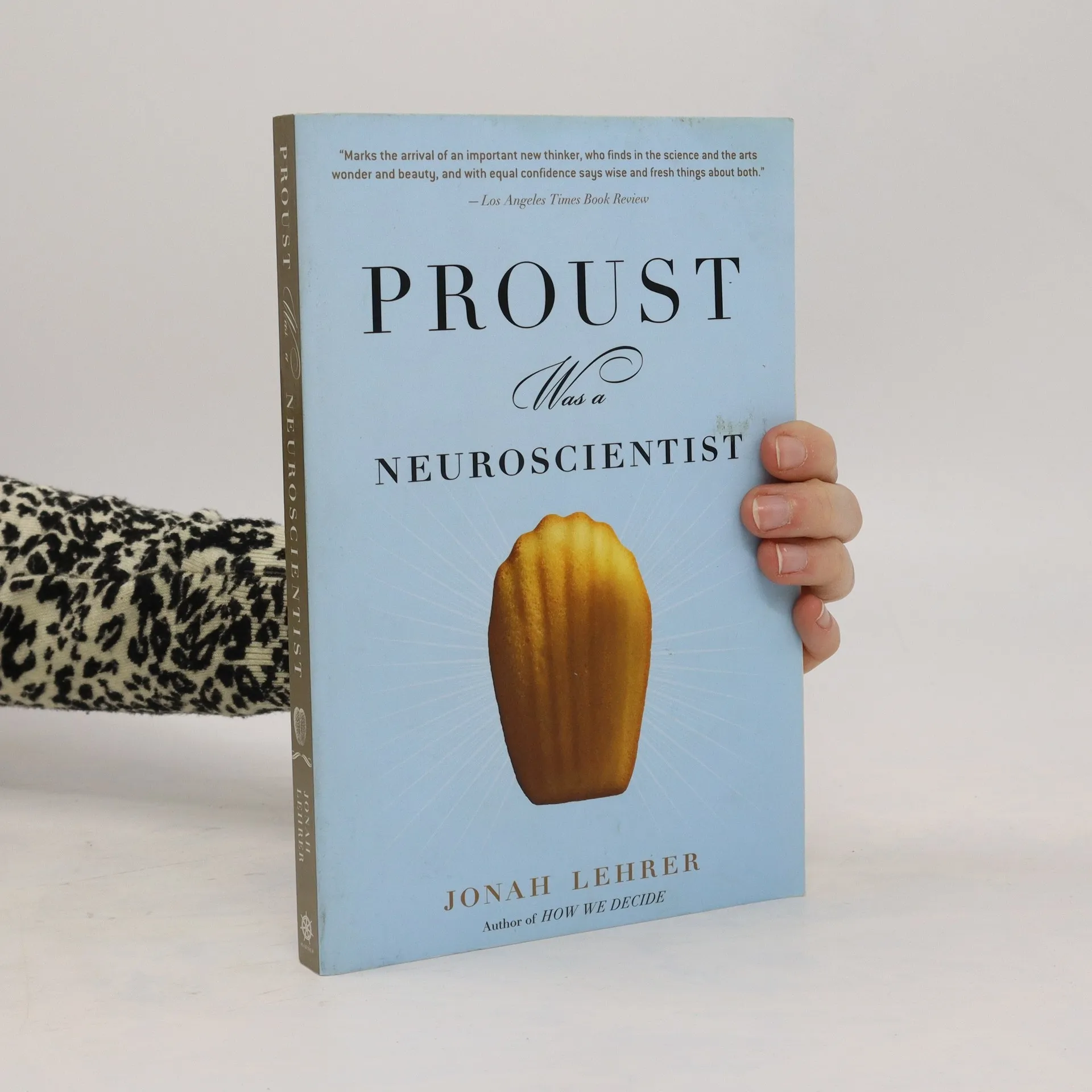
"In this technology-driven age, it's tempting to believe that science can solve every mystery. After all, science has cured countless diseases and even sent humans into space. But as Jonah Lehrer argues in this sparkling debut, science is not the only path to knowledge. In fact, when it comes to understanding the brain, art got there first. Taking a group of artists - a painter, a poet, a chef, a composer, and a handful of novelists - Lehrer shows how each one discovered an essential truth about the mind that science is only now rediscovering. We learn, for example, how Proust first revealed the fallibility of memory; how George Eliot discovered the brain's malleability; how the French chef Escoffier discovered umami (the fifth taste); how Cézanne worked out the subtleties of vision; and how Gertrude Stein exposed the deep structure of language -- a full half-century before the work of Noam Chomsky and other linguists. It's the ultimate tale of art trumping science. More broadly, Lehrer shows that there is a cost to reducing everything to atoms and acronyms and genes. Measurement is not the same as understanding, and art knows this better than science does. An ingenious blend of biography, criticism, and first-rate science writing, Proust Was a Neuroscientist urges science and art to listen more closely to each other, for willing minds can combine the best of both, to brilliant effect."--Publisher's description.