



Tento autor skúma politické a ekonomické filozofie, ktoré formovali moderné vládnutie, najmä v kontexte globálnych zmien a hospodárskeho rastu. Jeho dielo sa zaoberá rovnováhou medzi verejnou politikou a medzinárodnými príčinami, pričom kladie dôraz na riešenie pálčivých svetových problémov. Autor sa venuje komplexným prístupom k riadeniu štátu a dopadom týchto prístupov na spoločnosť.
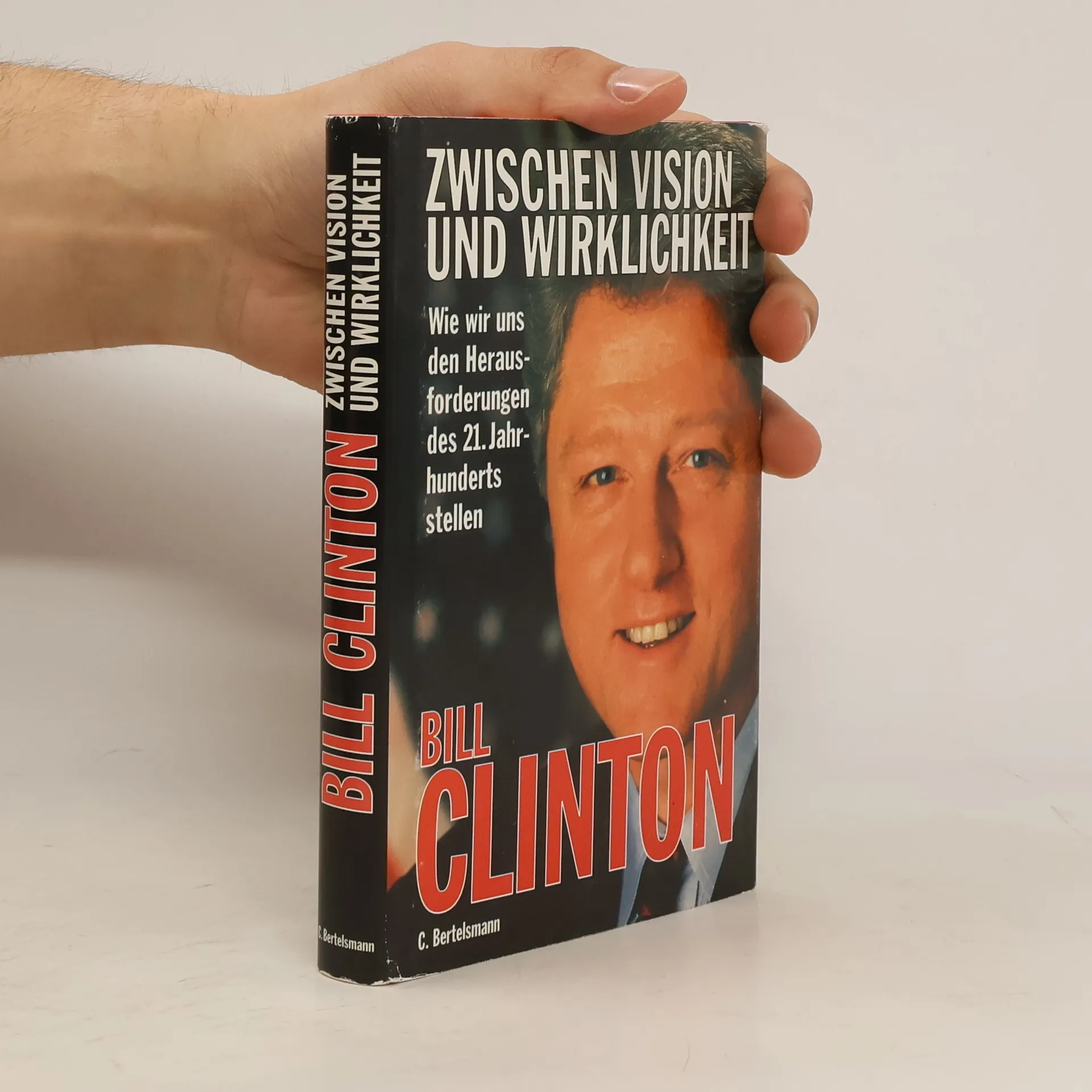
Mein Leben nach dem Weißen Haus | Der Ex-Präsident analysiert den Kulturkampf in den USA .
576 stránok
21 hodin čítania
Im Mittelpunkt der Erzählung stehen die Herausforderungen und Intrigen, die mit einem Leben im politischen Zentrum verbunden sind. Der Protagonist navigiert durch Machtspiele, persönliche Konflikte und moralische Dilemmata, während er versucht, seine Überzeugungen und Werte in einer oft korrupten Umgebung zu bewahren. Die Geschichte beleuchtet die komplexen Beziehungen zwischen Politikern, Beratern und der Öffentlichkeit und bietet einen tiefen Einblick in die Mechanismen der Macht und deren Auswirkungen auf das individuelle Leben.
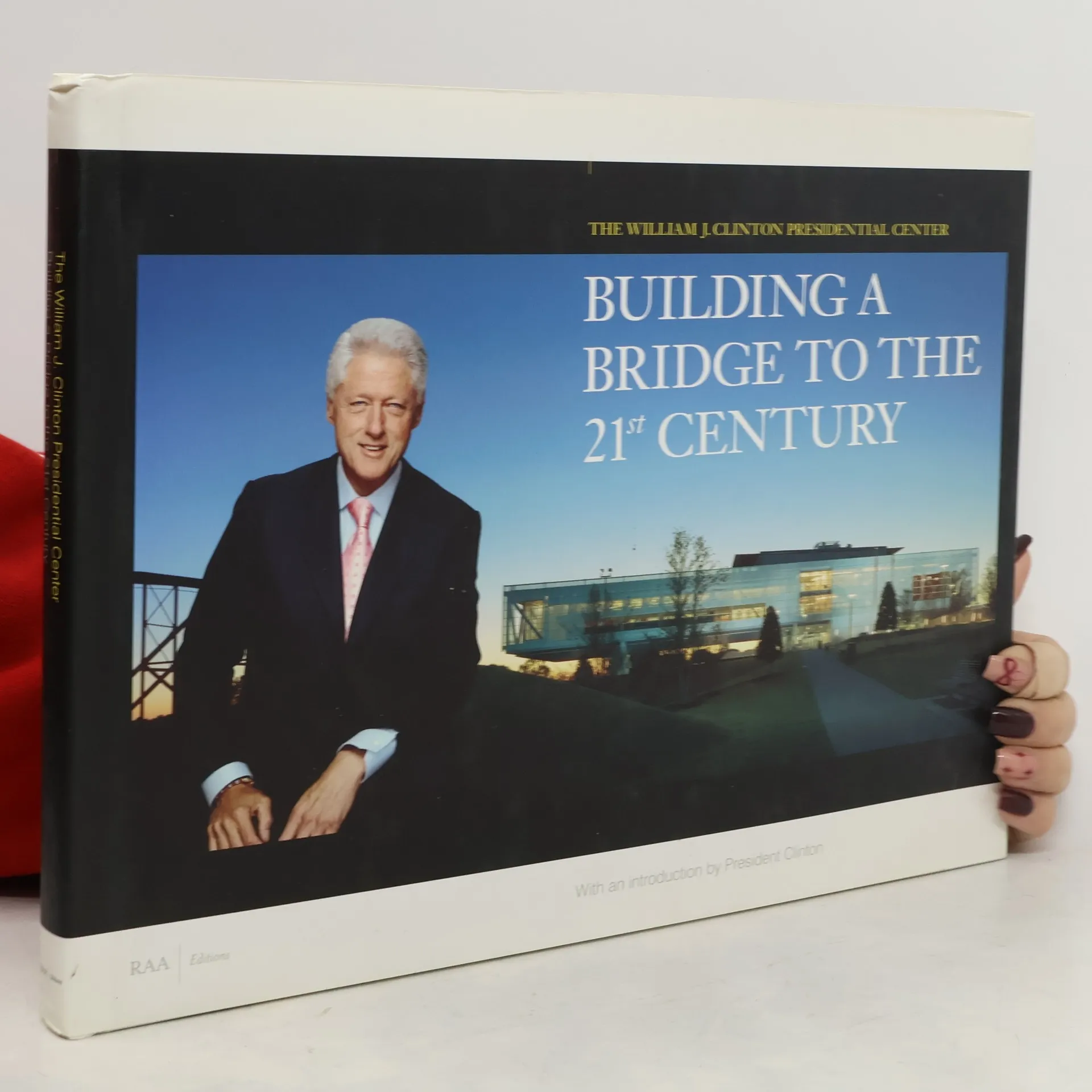
The memoir offers an intimate glimpse into the life of an American icon following their presidency, highlighting both the successes and challenges faced in this new chapter. With candid reflections and rich details, it explores the complexities of adjusting to life outside the political spotlight, revealing personal insights and experiences that resonate with readers.
Exploring themes of time, chance, and the impact of choices, this book invites readers on a journey of improvisation and discovery. It challenges perceptions and reveals how life unfolds unexpectedly, emphasizing the significance of decisions made along the way. The narrative unfolds in a way that keeps readers guessing until the end, highlighting the unpredictability of life's path.
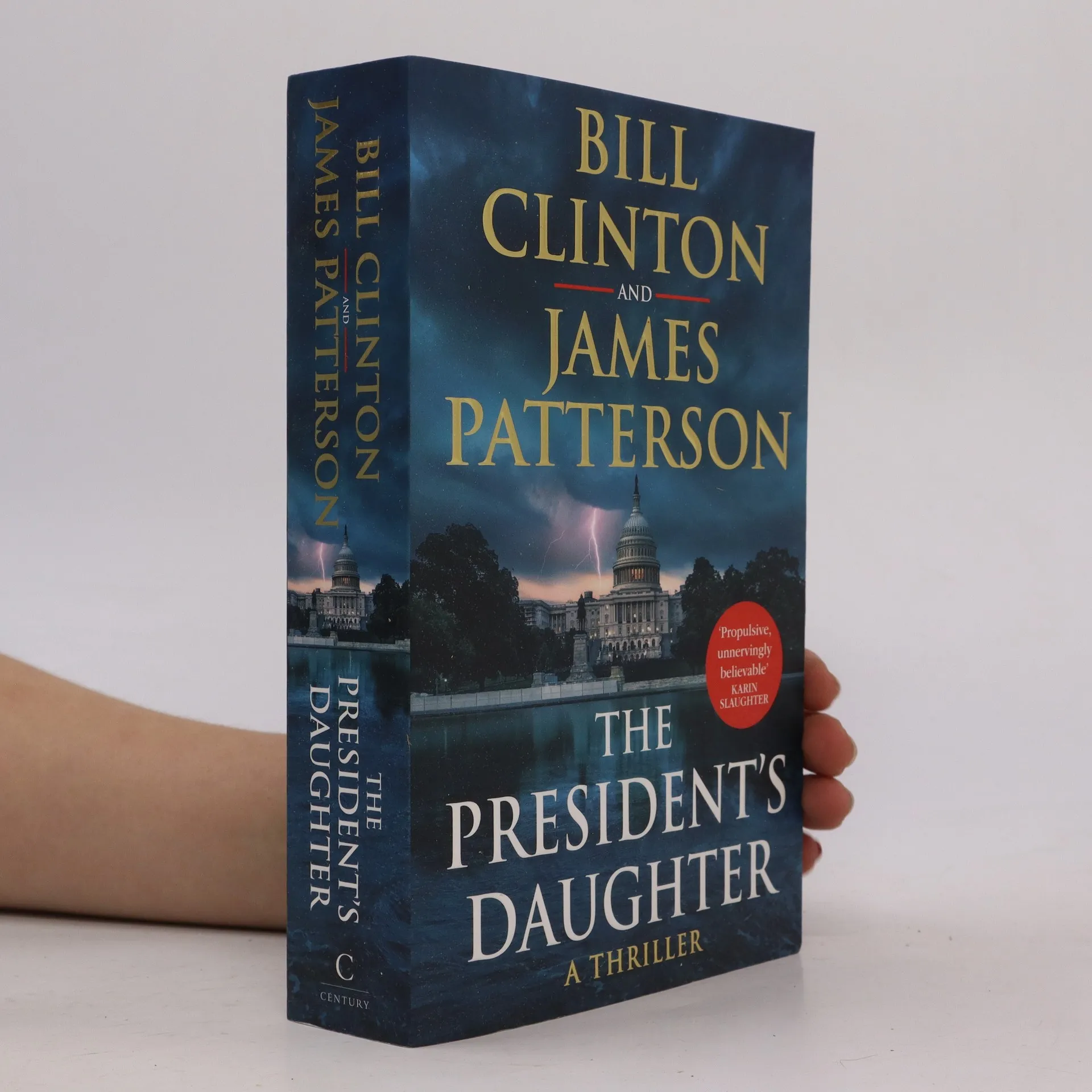
Matthew Keating, a one-time Navy SEAL and former US President, has always defended his family as fiercely as he has his country. Now these defences are under attack. And it's personal. Keating's teenage daughter, Melanie, has been abducted, turning every parent's deepest fear into a matter of national security. As the world watches, Keating embarks on a one-man special-ops mission that tests his strengths: as a leader, a warrior and as a father. Because Keating knows that in order to save Melanie's life he may end up losing his..
V Bielom dome zasadá Osobitný výbor Snemovne reprezentantov. Na programe je vypočúvanie prezidenta Spojených štátov Jonathan Duncana pre podozrenie zo zneužitia právomocí, čo Ústavnoprávnemu výboru Snemovne má stačiť na začatie procedúry ústavnej žaloby prezidenta, impeachmentu. Zatiaľ len simulované... Situácia je zložitá, hrozba terorizmu reálna, mocichtiví oponenti prezidenta a jeho strany sa nezastavia pred ničím.
Národ zachváti neistota a strach. Šepká sa o kyberterorizme, špionáži a vlastizradcovi v americkej vláde. Podozrenie padne aj na prezidenta, ktorý sa rozhodne konať. Odmietne ochranku, vyberie sa na tajné stretnutie a odrazu sa stratí z dohľadu verejnosti. Prezident je nezvestný!
Tri vzrušujúce dni v živote amerického prezidenta vrhajú svetlo na vnútorné fungovanie a slabosti Spojených štátov. Je to príbeh o obrovskom nebezpečenstve, ktoré ohrozuje nielen Biely dom a Wall Street, ale celú Ameriku. Vďaka informáciám, ktorými môže disponovať len bývalý hlavný veliteľ ozbrojených síl, román disponuje množstvom dôverných informáciami a napínavých zvratov.
Internationally acclaimed Shakespeare scholar James Shapiro presents a first-of-its-kind anthology tracing the rich and surprising story of how Americans made the Bard their own. Through poetry, fiction, essays, plays, memoirs, songs, speeches, letters, movie reviews and comedy routines, Shakespeare's legacy in the U.S is collected here. Contributions come from a remarkable range of American writers and statesmen, from Emerson, Melville, Lincoln and Twain to John Berryman, Cynthia Ozick and Bill Clinton (who wrote a foreword).
When Ann Richards delivered the keynote at the 1988 Democratic National Convention, her sharp wit, exemplified by her remark about President George H. W. Bush, catapulted her into the national spotlight and ignited a rivalry that would shape American politics. In 1990, she became the governor of Texas, defeating GOP candidate Clayton Williams. As the first prominent feminist in high office, Richards expanded public service opportunities for women, minorities, and the disabled. Her progressive legacy and dynamic personality left a profound impact that surpassed her gubernatorial tenure. In this biography, Jan Reid, drawing from his friendship with Richards and extensive research, presents a personal narrative of her extraordinary journey as a liberal Democrat in a conservative state. He chronicles her early life in Waco, her marriage, and her struggles with domesticity, alongside her encounters with political figures like Lyndon Johnson and Jimmy Carter. Reid details Richards's rise through local and state offices to the governorship, where she advocated for gun control, prison reform, and education funding. He also examines her reelection defeat to George W. Bush, which set the stage for his presidential ambitions. The portrayal captures Richards's later years as a globetrotting mentor and public speaker, revealing a complex figure who overcame personal challenges and a male-dominated political landscape to make her mark on hi
In Back to Work, Bill Clinton tackles the pressing economic challenges facing the United States and presents a plan to reinvigorate the nation’s economy. He outlines strategies to escape the current crisis and establish a foundation for long-term prosperity, including recommendations for job creation, increased bank lending, corporate investment, and export growth. Clinton emphasizes the importance of restoring the manufacturing base and fostering new businesses. He supports President Obama's focus on green technology, asserting that a shift in energy production and consumption is key to stimulating a fast-growing economy and enhancing national security. He argues that a strong economy and effective government must work in tandem to achieve prosperity and progress. Clinton warns against the temptation to blame government for economic woes, as it undermines the commitment to shared prosperity and investment in the future. He stresses the necessity of investing in infrastructure, such as broadband, electrical grids, and modernized transportation systems, to compete in the twenty-first century. Clinton believes that cooperation between government and the private sector yields better results than conflict, which has historically led to poor policies and economic weakness. His motivation for writing stems from a deep love for his country and concern for its future, advocating for the core American idea of opportunity through hard w