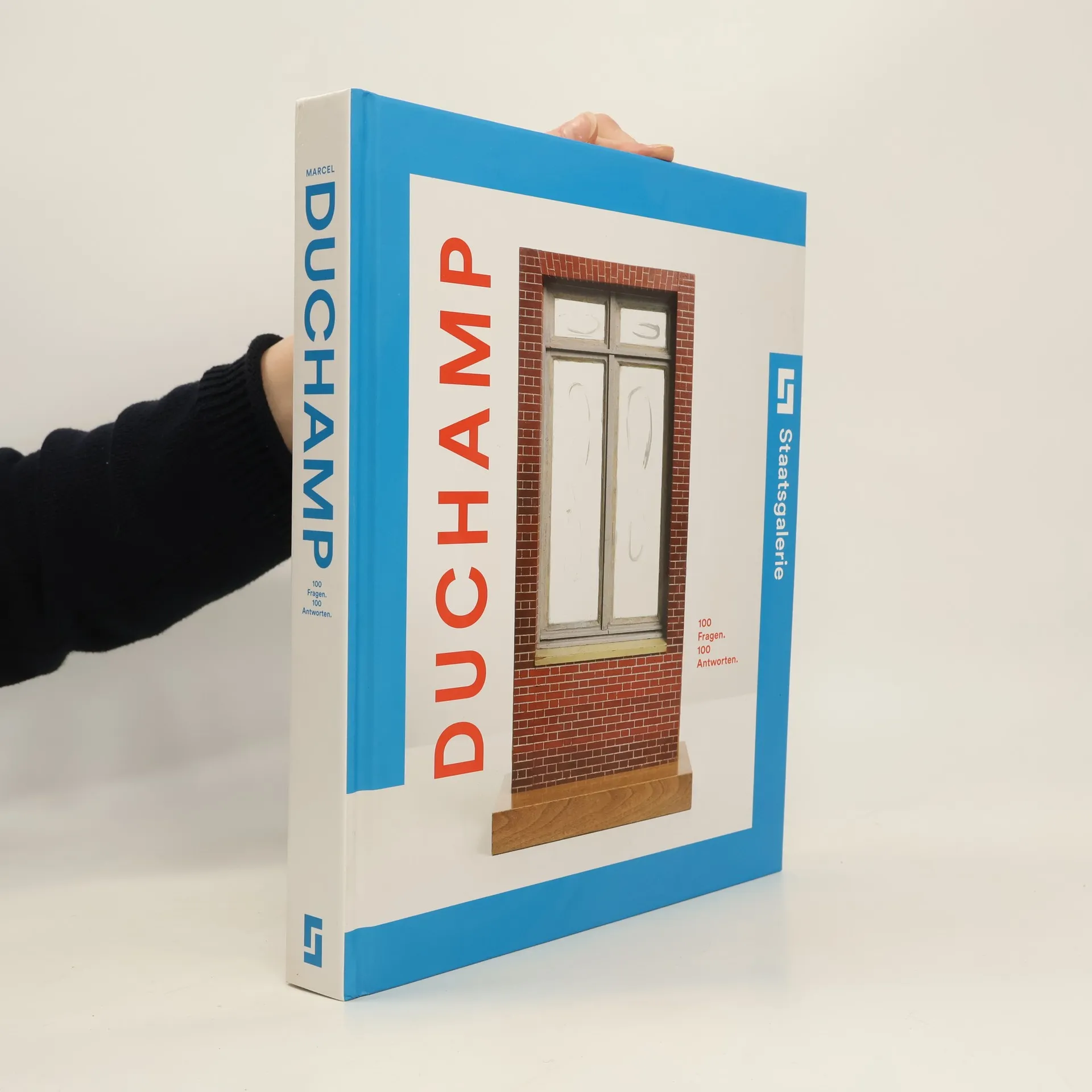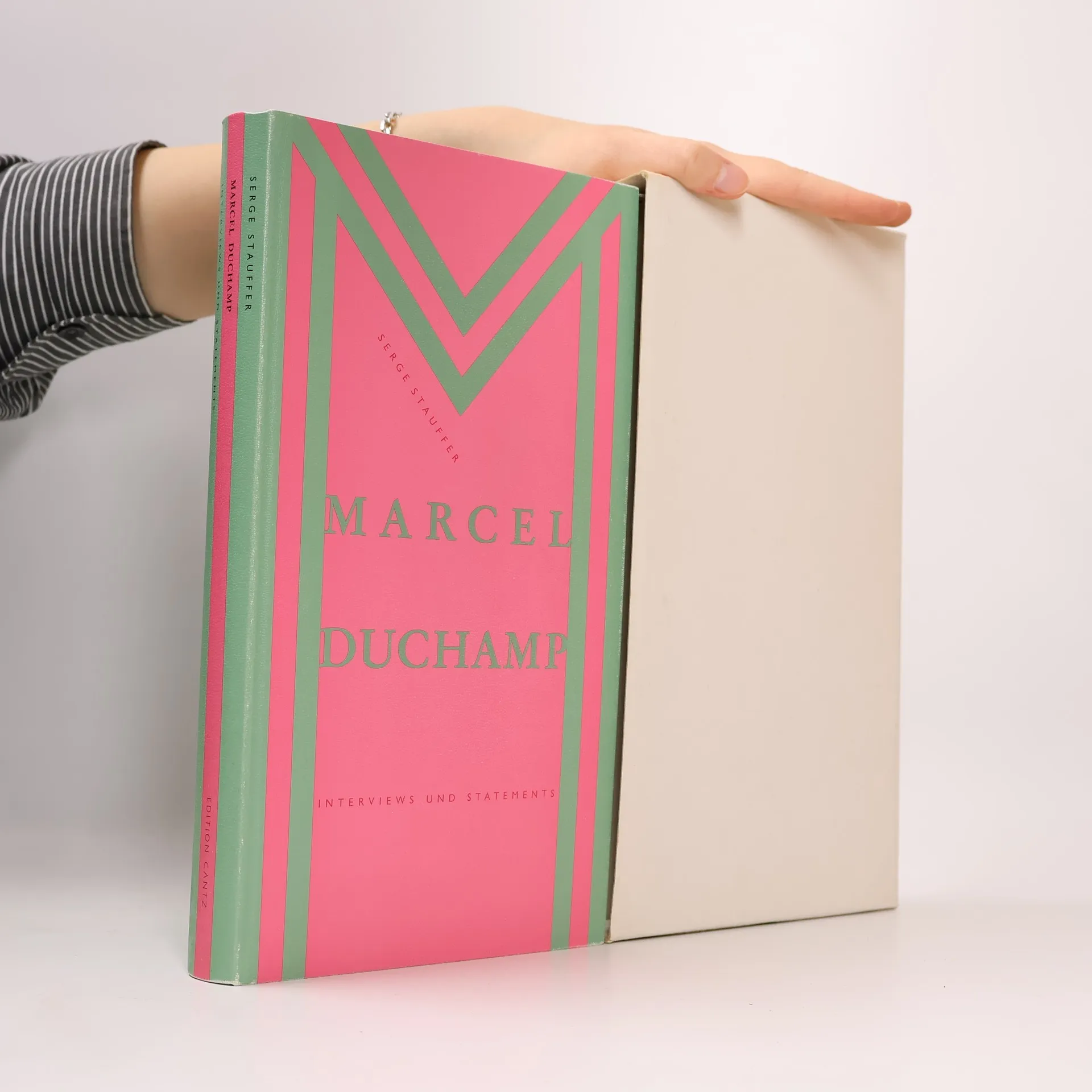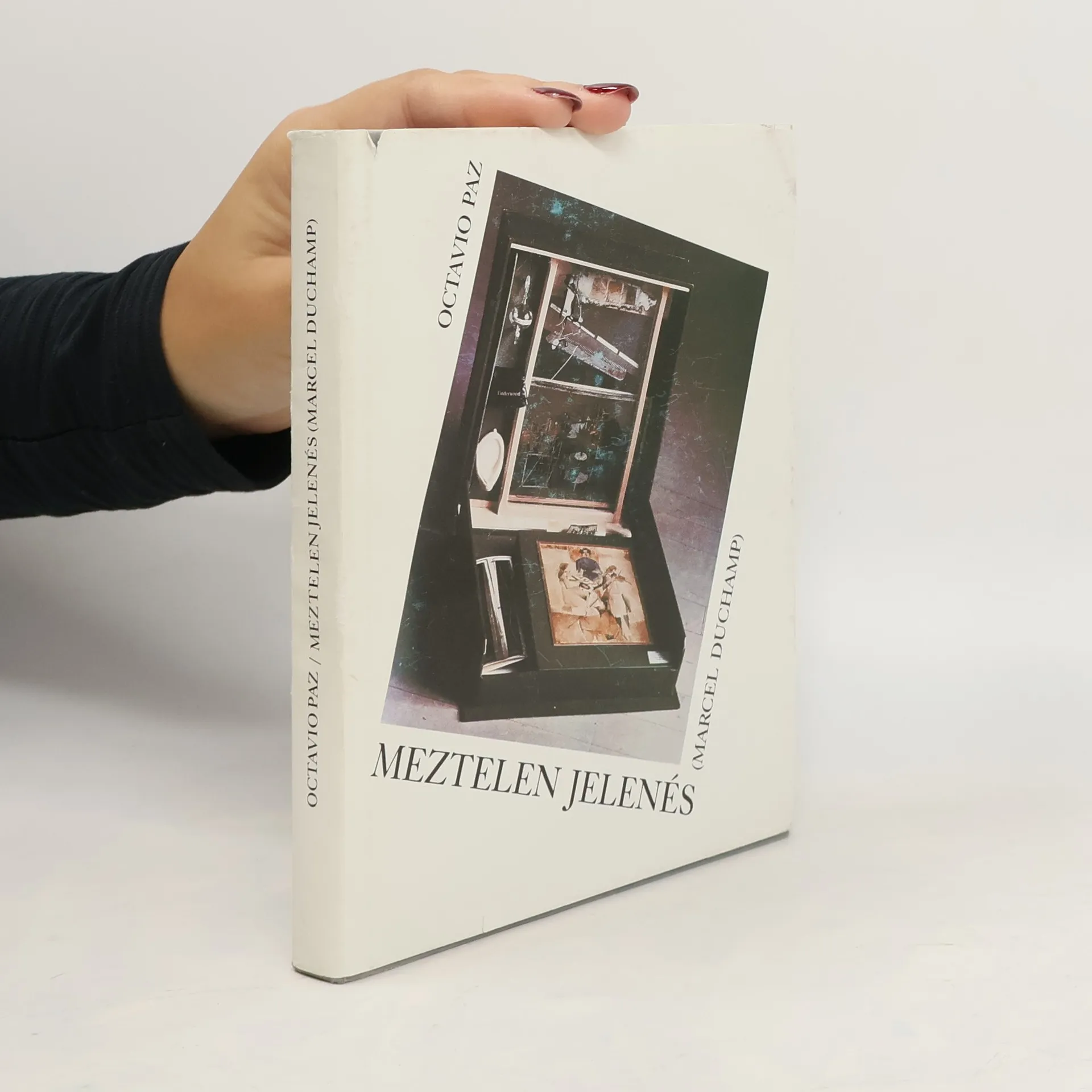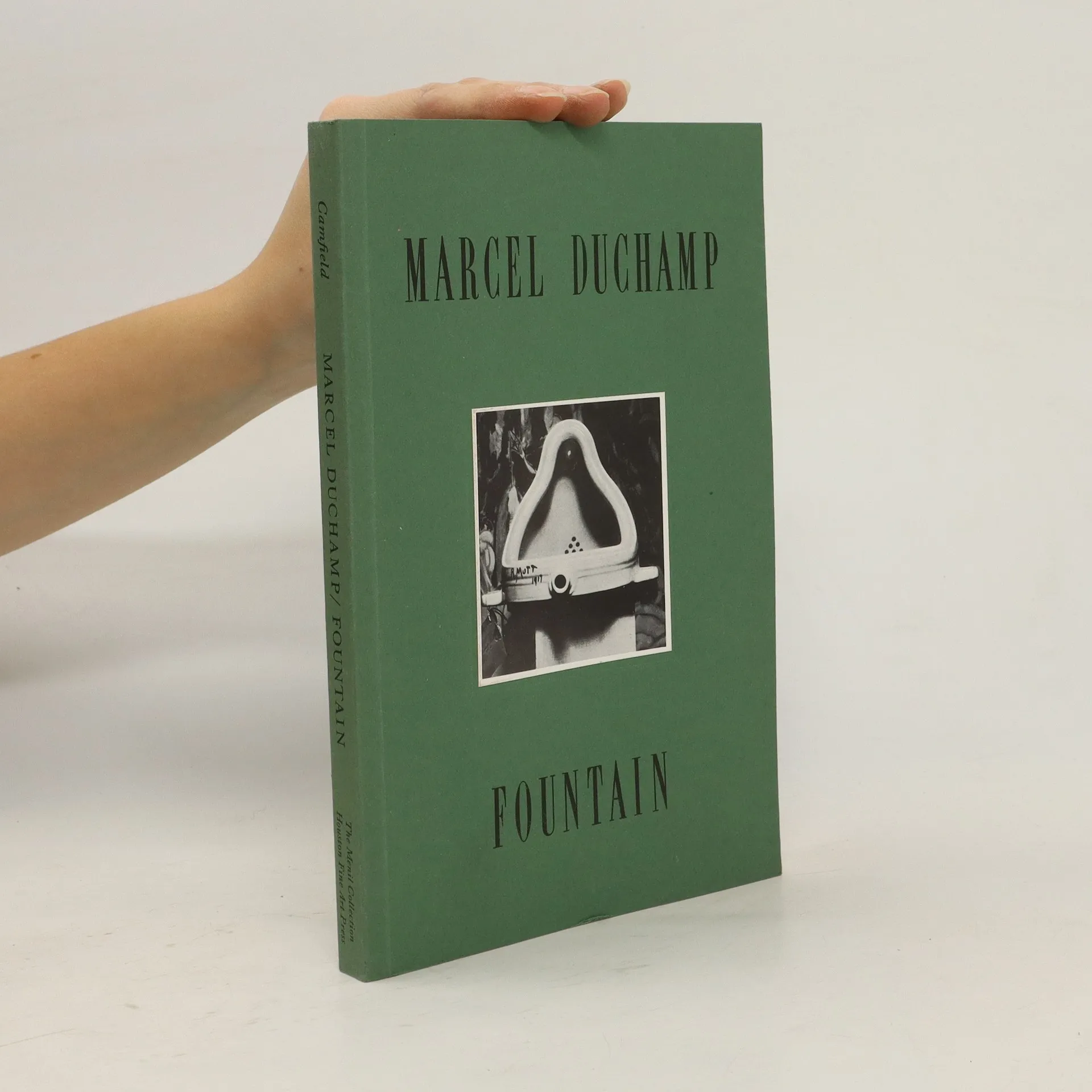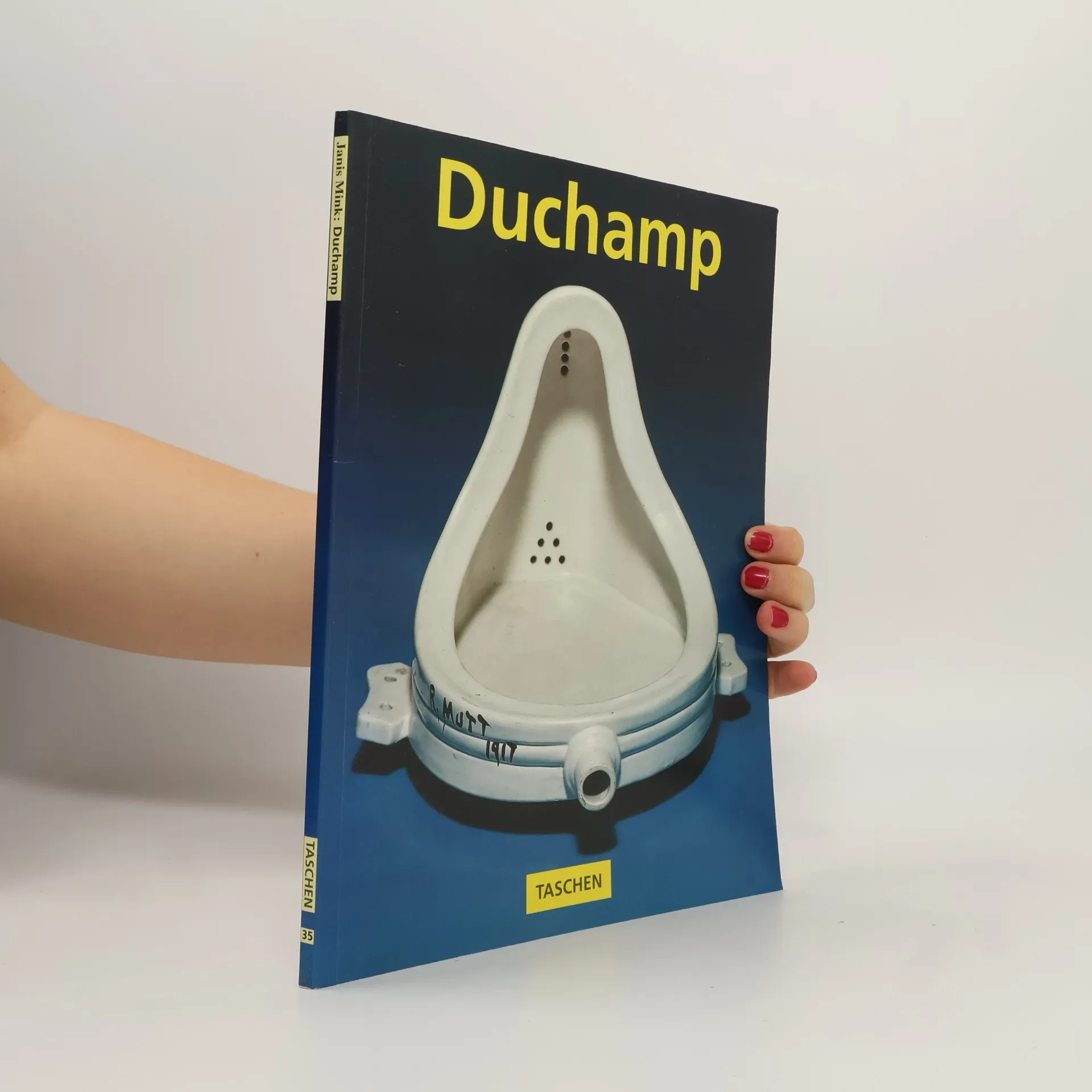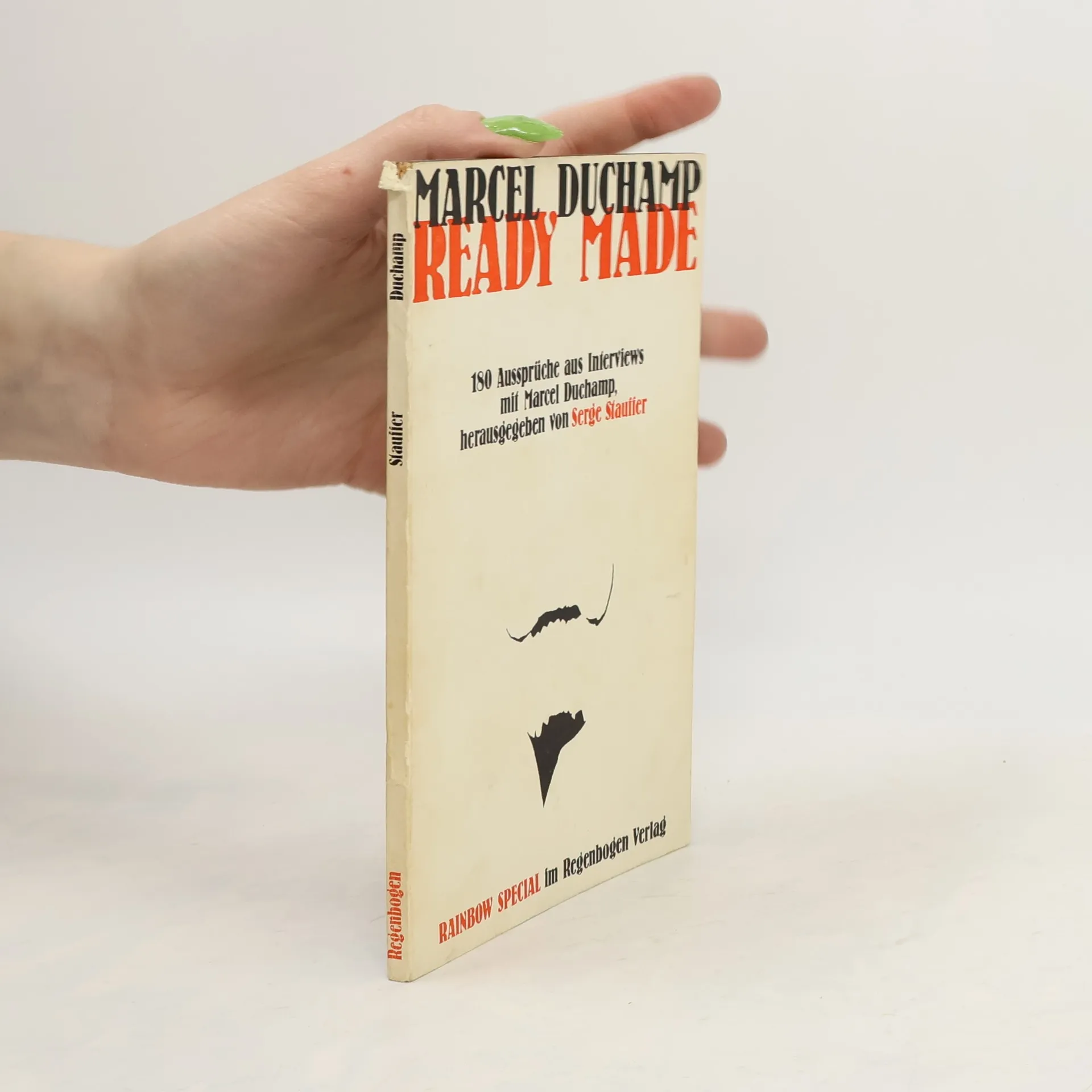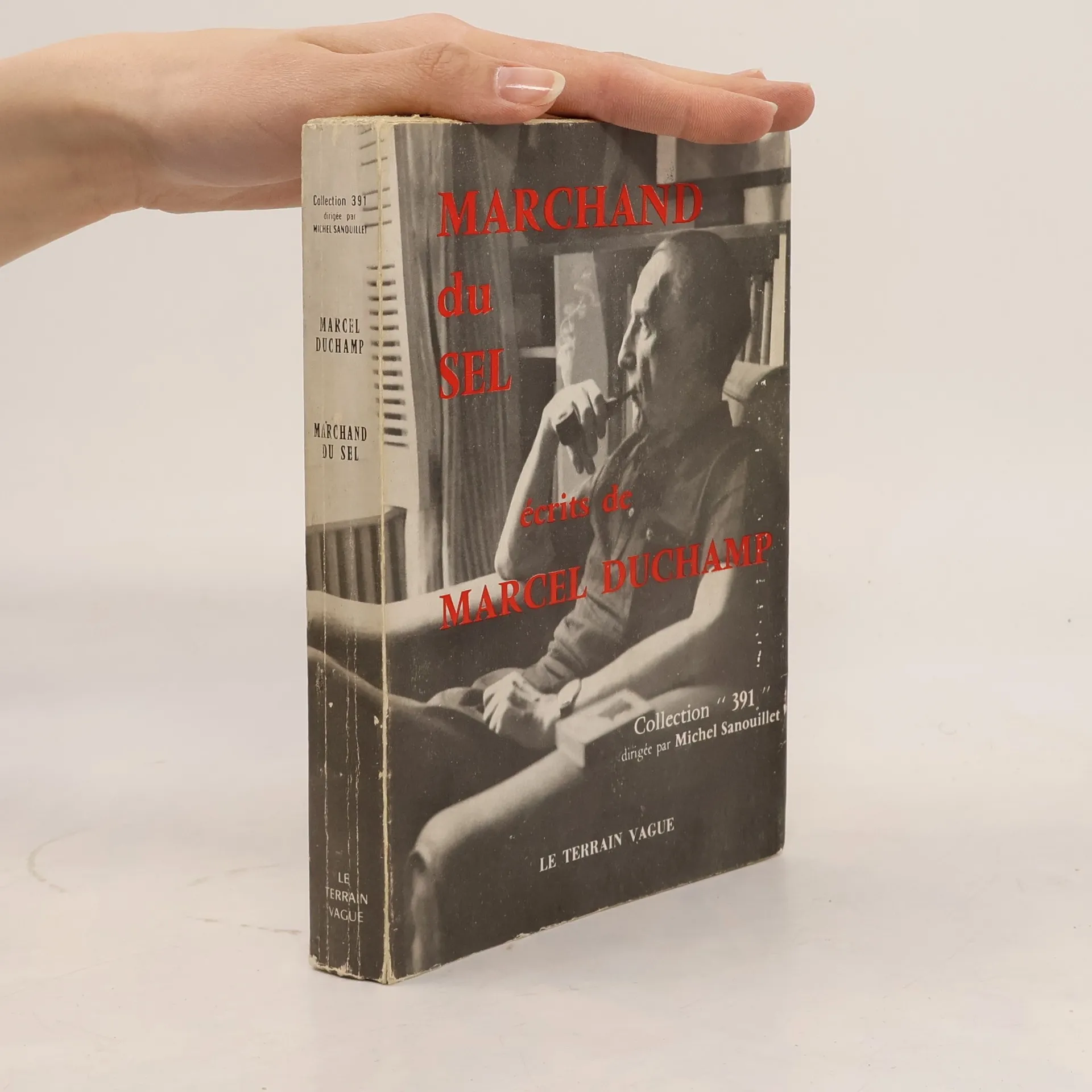
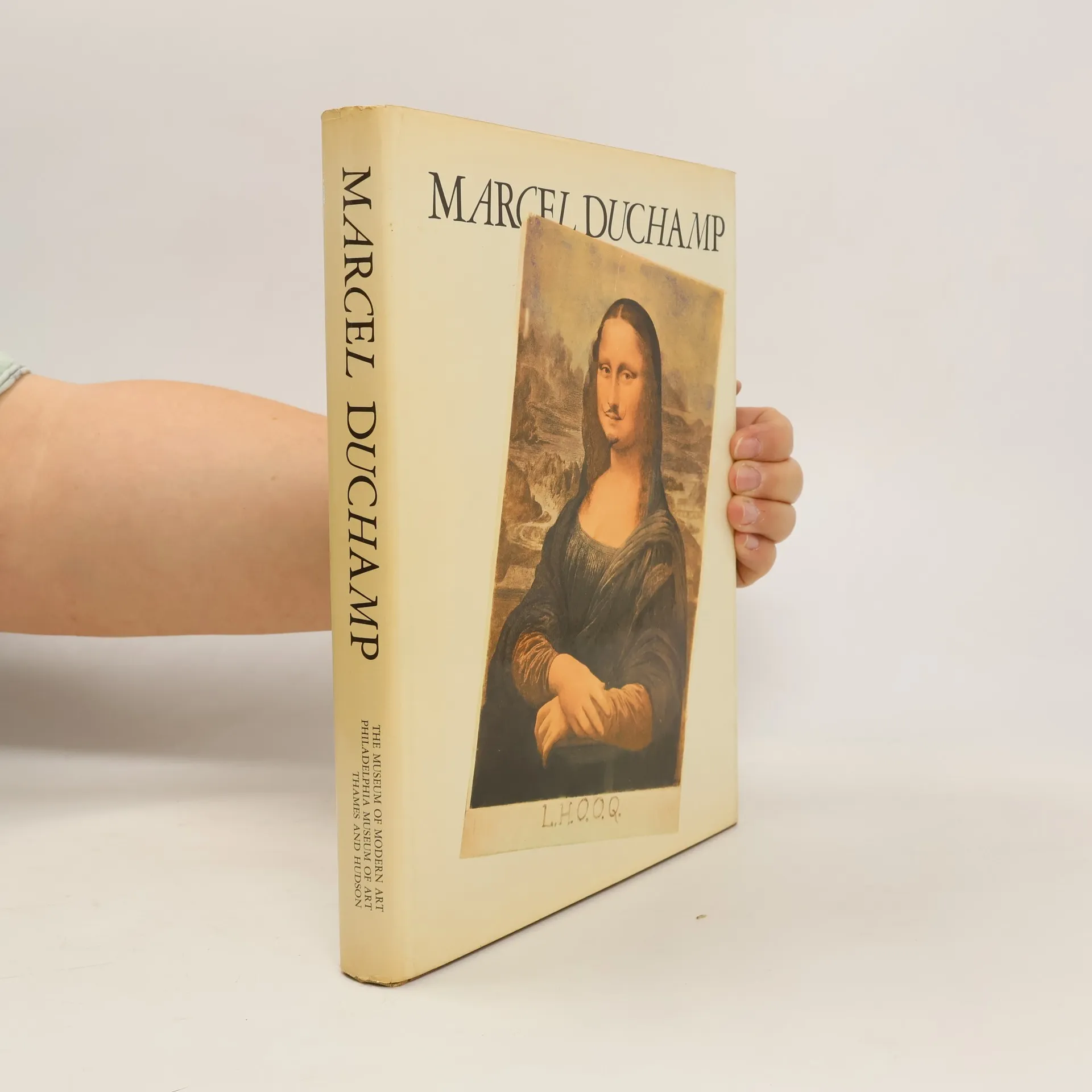
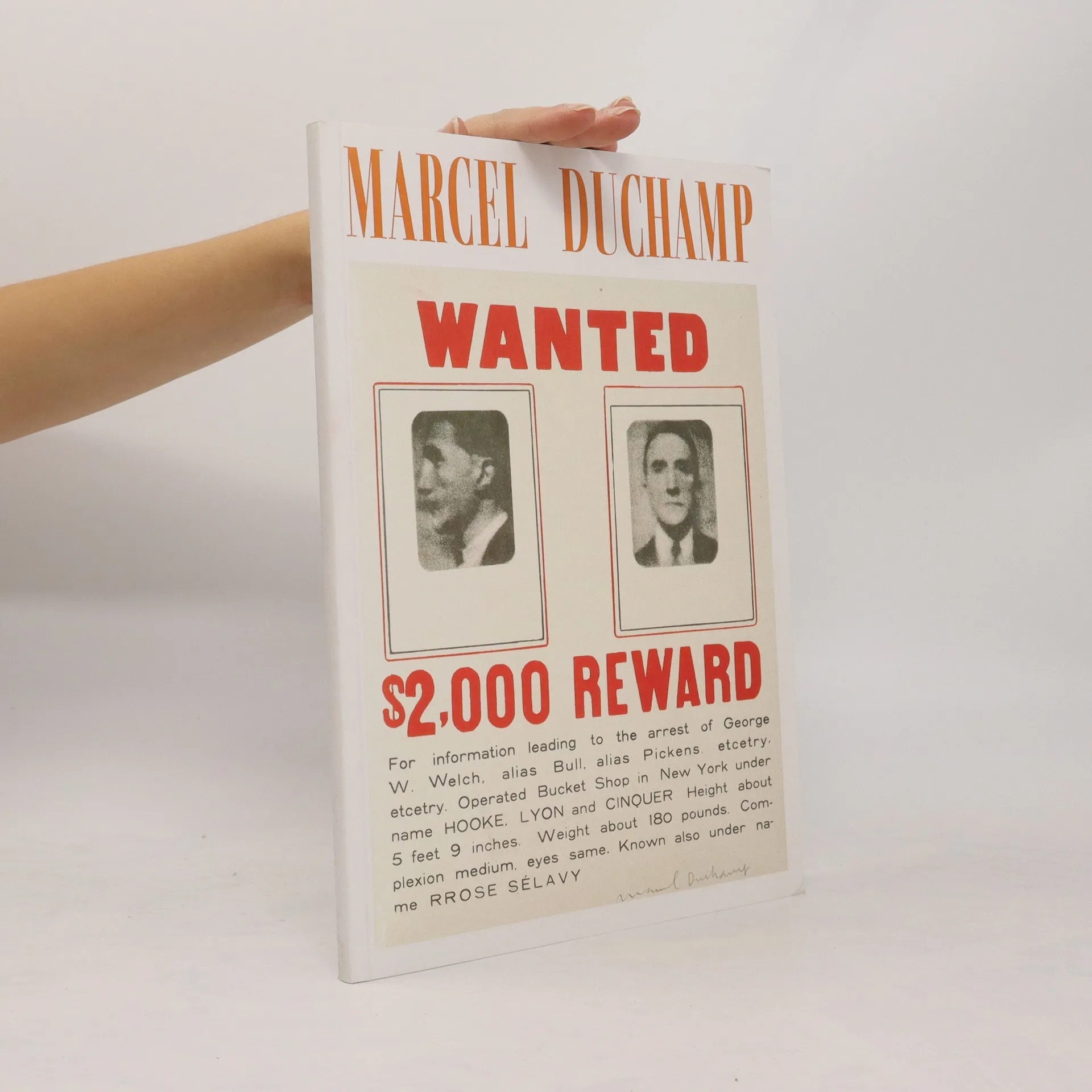
Thanks to Marcel Duchamp, we know that everything can become art and that there is no limit to thinking here. The first comprehensive exhibition in two decades shows Duchamp's works from all creative phases from 1902 to 1968. Through his early work of Post-Impressionist paintings, his caricatures and involvement with Cubism, to his iconic Readymakes, Duchamp's thinking is revealed. He created works with a persistent precision and stubborn anarchy peculiar to him, which only find their completion through us as viewers. In this way, the work changes with us and in time.
Marcel Duchamp Poradie kníh (chronologicky)
Marcel Duchamp bol francúzsky umelec, ktorého dielo a myšlienky výrazne ovplyvnili vývoj západného umenia po prvej svetovej vojne. Jeho rady zberateľom moderného umenia pomohli formovať vkus západného umeleckého sveta. Duchamp, známy svojou hravosťou, podnecoval k zamysleniu nad umeleckými procesmi a marketingom umenia svojimi činmi, napríklad označením pisoára za umelecké dielo a pomenovaním Fontána. Hoci bol spájaný s dadaizmom a surrealizmom, jeho skutočné umelecké a filozofické posolstvo zostáva zámerne tajomné, pričom samotný Duchamp prispieval k interpretáciám umenia ako k ďalším umeleckým kreáciám.


Marcel Duchamp (Französisch)
MMK Museum für Moderne Kunst, Frankfurt
Dank Marcel Duchamp wissen wir, dass alles zu Kunst werden kann und dem Denken hier keine Grenze gesetzt ist. Die erste umfassende Ausstellung seit zwei Jahrzehnten zeigt Duchamps Werke aus allen Schaffensphasen der Jahre 1902 bis 1968 zeigt. Über sein Frühwerk postimpressionistischer Gemälde, seine Karikaturen und Auseinandersetzung mit dem Kubismus bis zu seinen ikonischen Readymakes offenbart sich das Denken Duchamps. Er schuf mit einer ihm eigenen beharrlichen Genauigkeit und eigensinniger Anarchie Werke, die erst durch uns als Betrachtende ihre Vollendung finden. So verändert sich das Werk mit uns und in der Zeit.
Rozmluvy s Pierrem Cabannem
- 158 stránok
- 6 hodin čítania
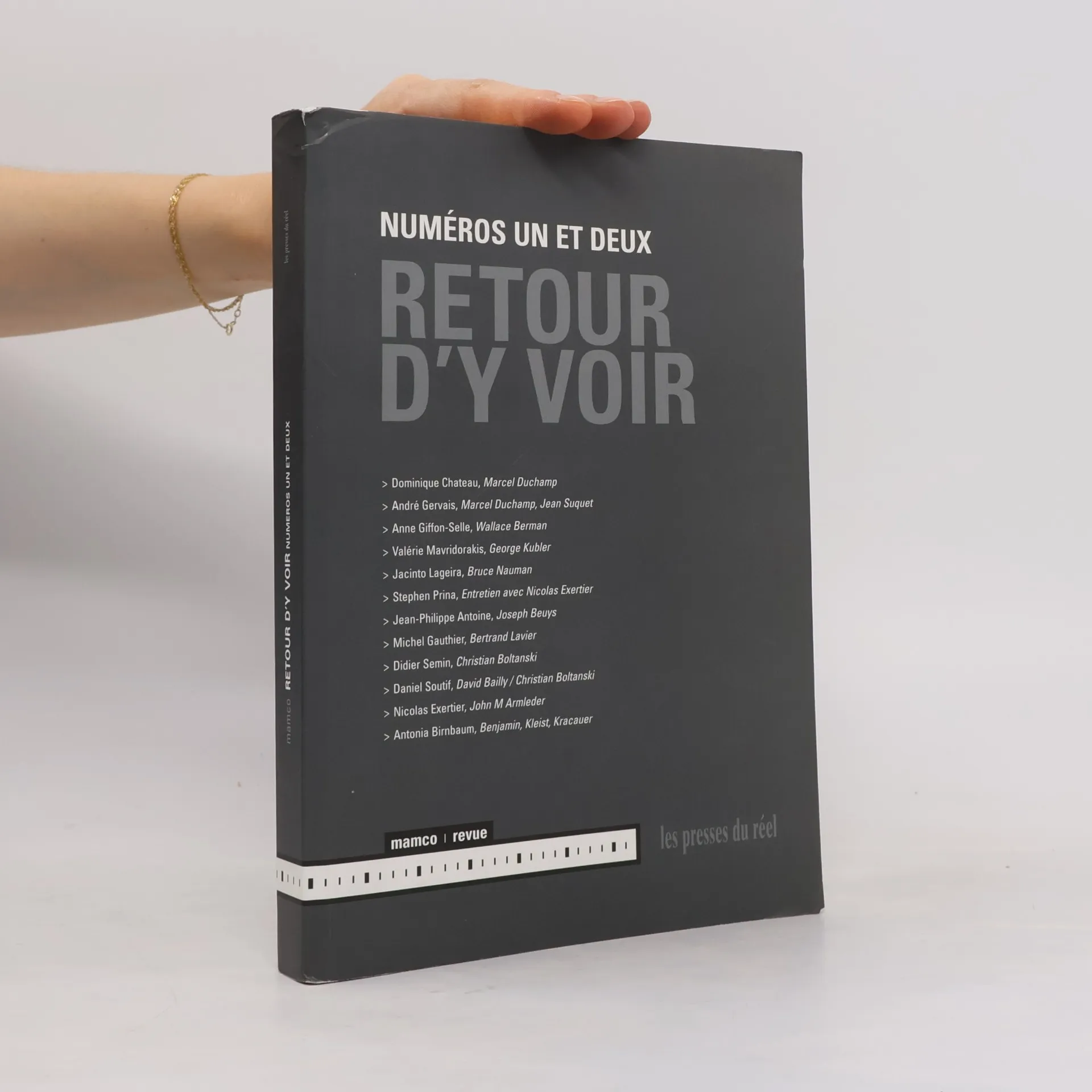
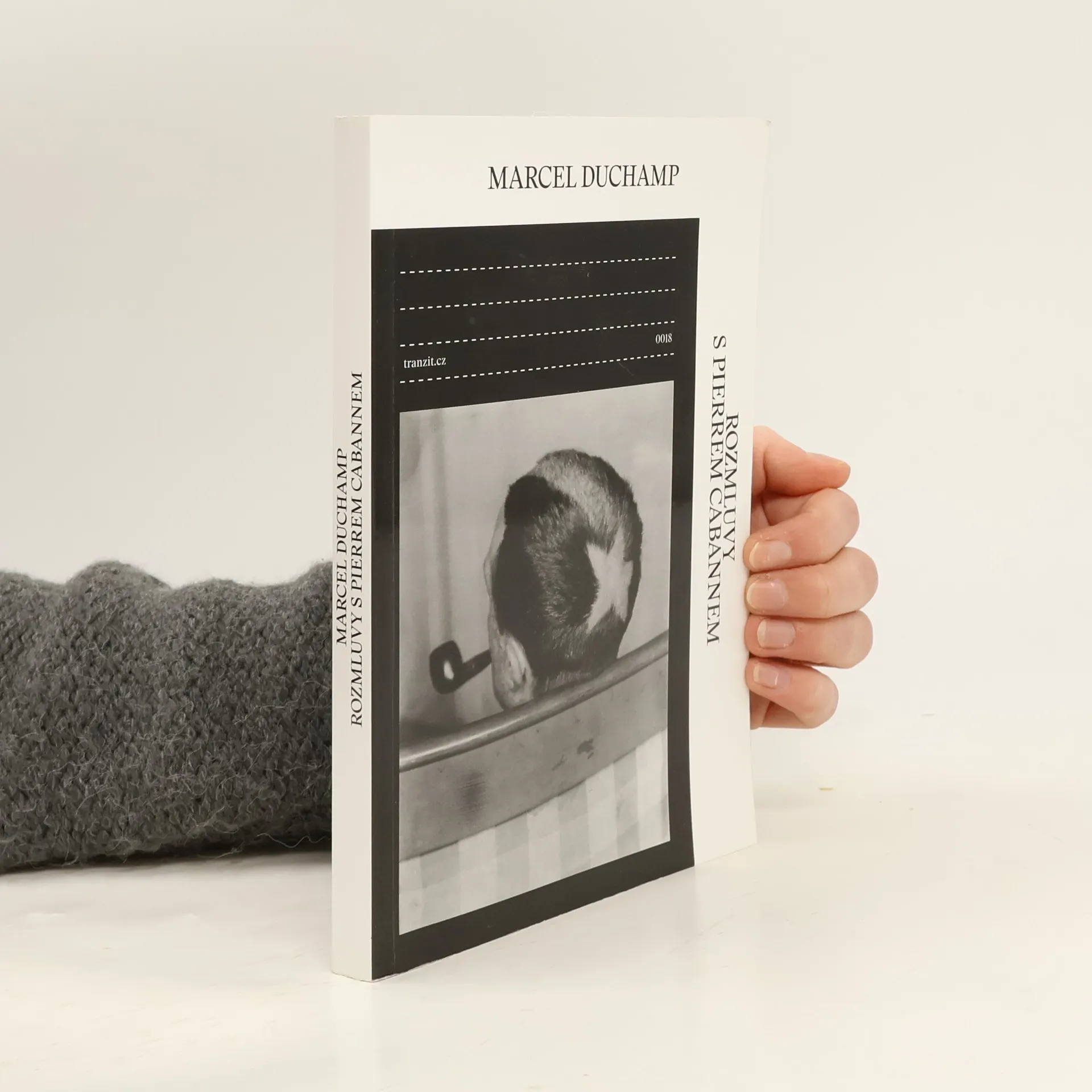
Kniha je nejrozsáhlejším Duchampovým mluvený komentářem, jehož kouzlo spočívá v jednoduchosti, s jakou svůj komplexní přístup k práci, životu a umění tlumočí. S citáty z této knihy se setkáme jak v učebnici pro základní školu, uvádějící děti do problematiky moderního umění, tak v komplikovaných textech o filozofii umění, estetice a dějinách umění dvacátého století. Duchampovy postoje nabízejí zcela nový pohled na dějiny zobrazování, funkci umění a jsou nutnou četbou pro ty, kdo si chtějí vytvořit názor na bouřlivý vývoj umění ve 20. a 21. století. Přelomový význam Duchampova díla zpochybňujícího vývoj umělecké reprezentace, začíná být v širším kontextu uznáván až díky umělcům a teoretikům konceptuálního umění, minimalistického umění a popartu na počátku šedesátých let. V nemalé míře k tomuto přesunu těžiště od sítnicového k mozkovému, jež bylo pro druhou polovinu 20. století příznačné, přispěla tato kniha. Kromě rozmluv kniha obsahuje předmluvy Pierra Cabanna ke třem historickým vydáním z let 1966, 1976 a 1995. Spíše než Duchampovy práce se tyto předmluvy relevantně dotýkají přijetí rozmluv a zprostředkovávají nám dobové reakce, jež vyvolaly.
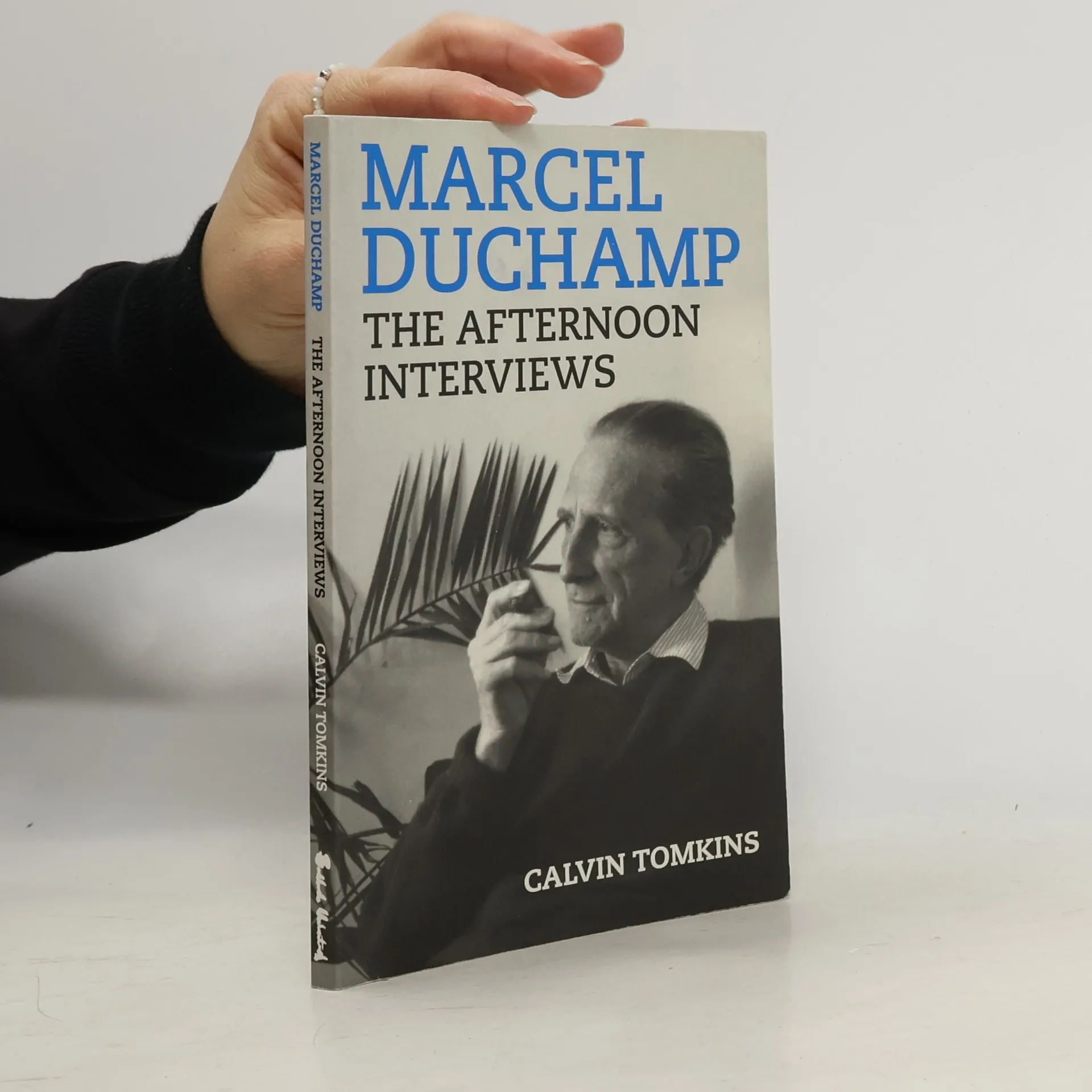
In 1964, Calvin Tomkins spent a number of afternoons interviewing Marcel Duchamp in his apartment on West 10th Street in New York. Casual yet insightful, Duchamp reveals himself as a man and an artist whose playful principles toward living freed him to make art that was as unpredictable, complex, and surprising as life itself. Those interviews have never been edited and made public, until now. "The Afternoon Interviews," which includes an introductory interview with Tomkins reflecting on Duchamp as an artist, guide and friend, reintroduces the reader to key ideas of his artistic world and renews Duchamp as a vital model for a new generation of artists. Calvin Tomkins was born in 1925 in Orange, New Jersey. He joined the New Yorker as a staff writer in 1960. His many profiles include John Cage, Robert Rauschenberg, Merce Cunningham, Leo Castelli, Damien Hirst, Richard Serra, Bruce Nauman, Cindy Sherman and Jasper Johns. Tomkins is the author of 12 books, including "The Bride and the Bachelors" (1965), "Living Well Is the Best Revenge" (1971), "Lives of the Artists" (2008) and "Duchamp: A Biography" (1996).
Chefs-d'œuvre ?
- 570 stránok
- 20 hodin čítania
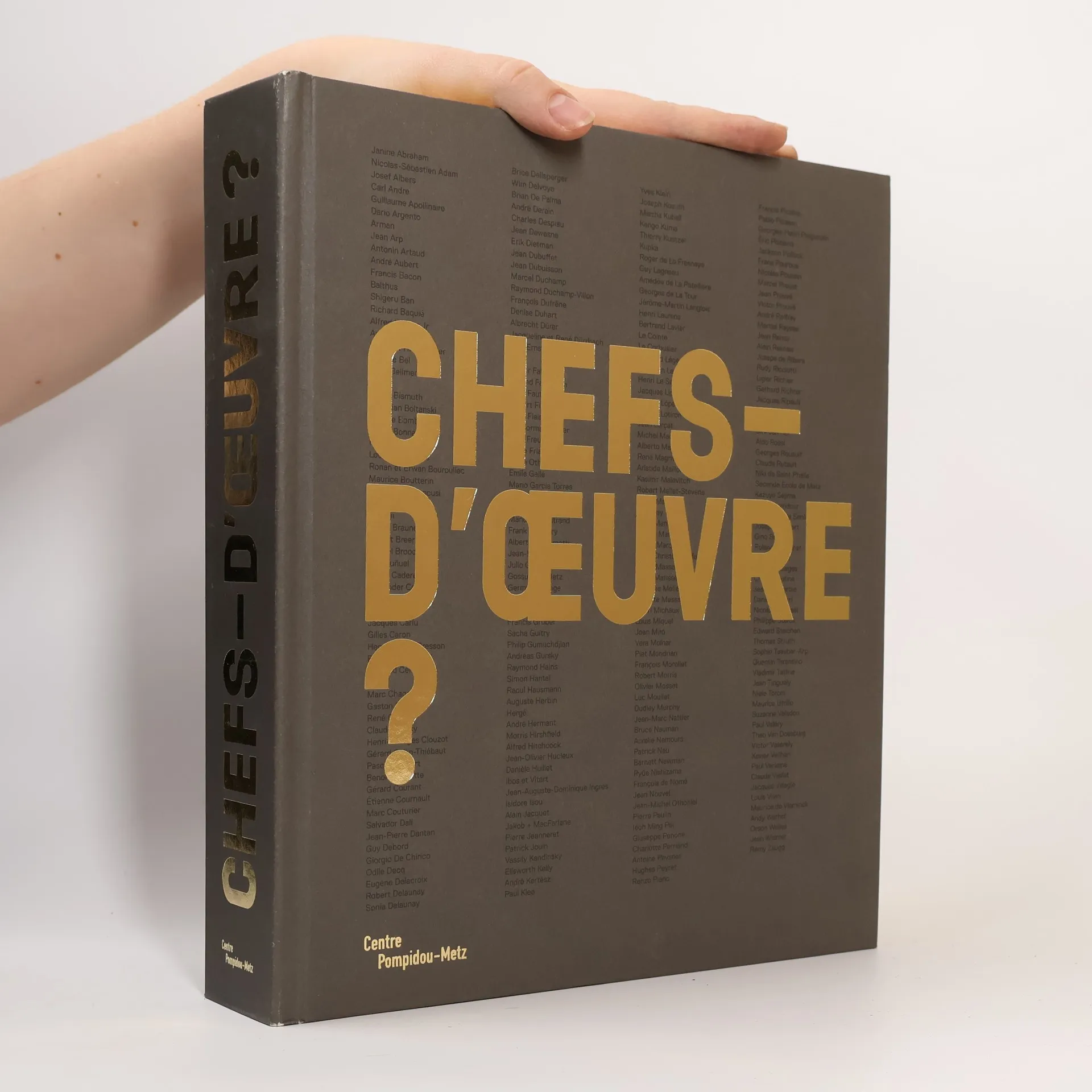
Chefs d'uvre L'exposition d'ouverture du centre Pompidou-Metz.
Themes and Movements: Pop
- 304 stránok
- 11 hodin čítania
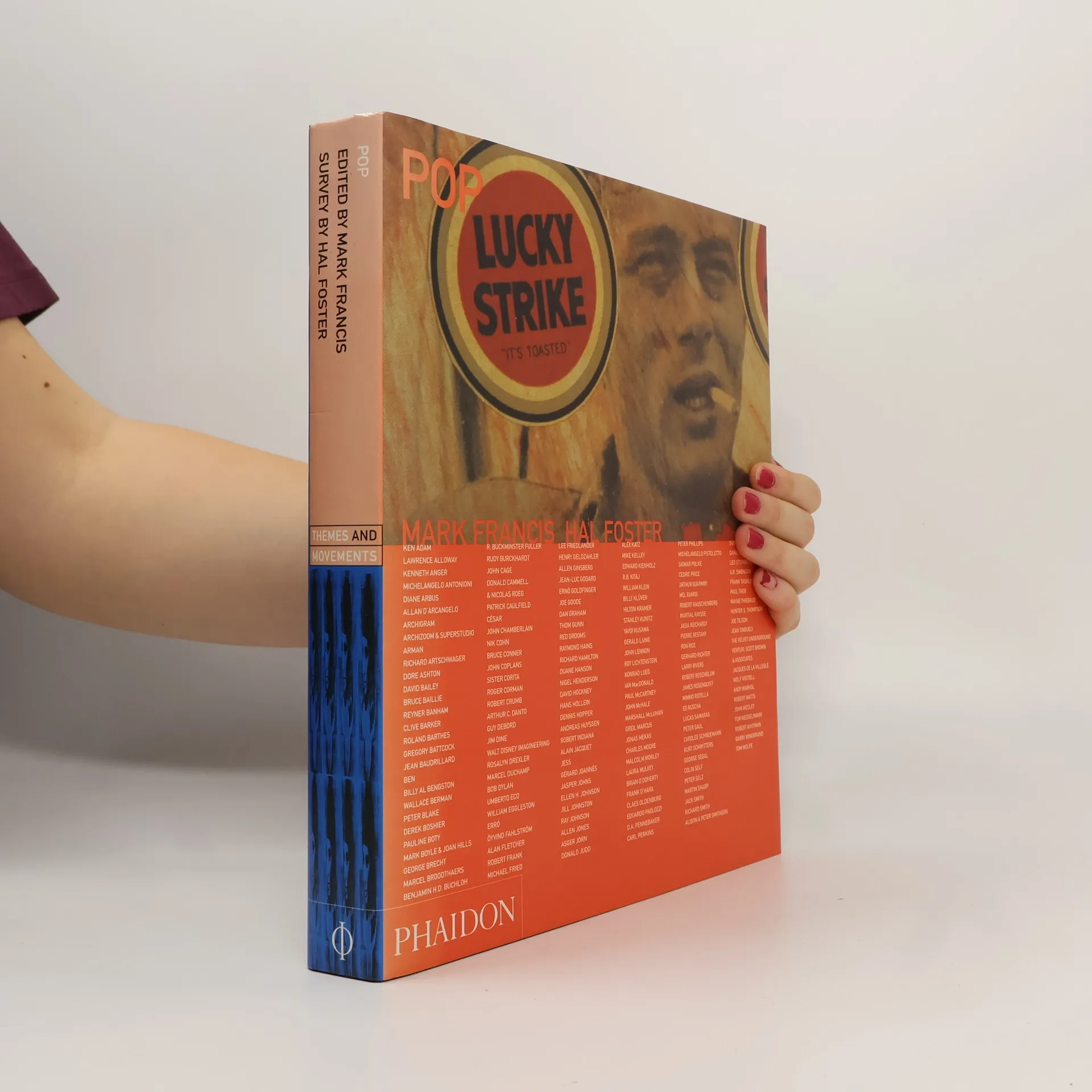
Exploring the evolution of Pop culture from the late 1950s to the late 1960s, this comprehensive survey examines its impact on art, film, photography, and architecture, highlighting the interplay between mass production and mass media. Unlike other works that focus solely on Pop art, it offers a holistic view of the movement's influence across America, Britain, and Europe, showcasing its diverse manifestations and cultural significance during this transformative era.
Debating American Modernism
Stieglitz, Duchamp, and the New York Avant-Garde
- 172 stránok
- 7 hodin čítania
When Duchamp moved from Paris to New York in 1915, he was disappointed by the predominantly nature-based abstraction he observed, publicly proclaiming that American artists were too dependent on outmoded European traditions and had overlooked their greatest subjects--the skyscraper and the machine. Meanwhile, the artists associated with Alfred Stieglitz and his "291" gallery remained loyal to their belief in nature as a source of ongoing renewal for visual culture, and emphasized the crucial role that intuition and spirituality played in their creation of art. The crossfire between Duchamp and Stieglitz and their respective circles defined a critical moment in early twentieth-century American art. Debating Modernism includes reproductions of work by artists from both camps, from Charles Demuth, Georgia O'Keeffe, and Paul Strand to Man Ray, Francis Picabia, and Marsden Hartley. An essay by curator Debra Bricker Balken traces the threads of the debate through the 1910s and 20s, and also addresses the appearance of sexualized imagery in nearly all of these artists' works, a phenomenon that ironically unifies the two seemingly opposed camps. Jay Bochner's essay focuses on the artists' respective violations of American expectations about art.