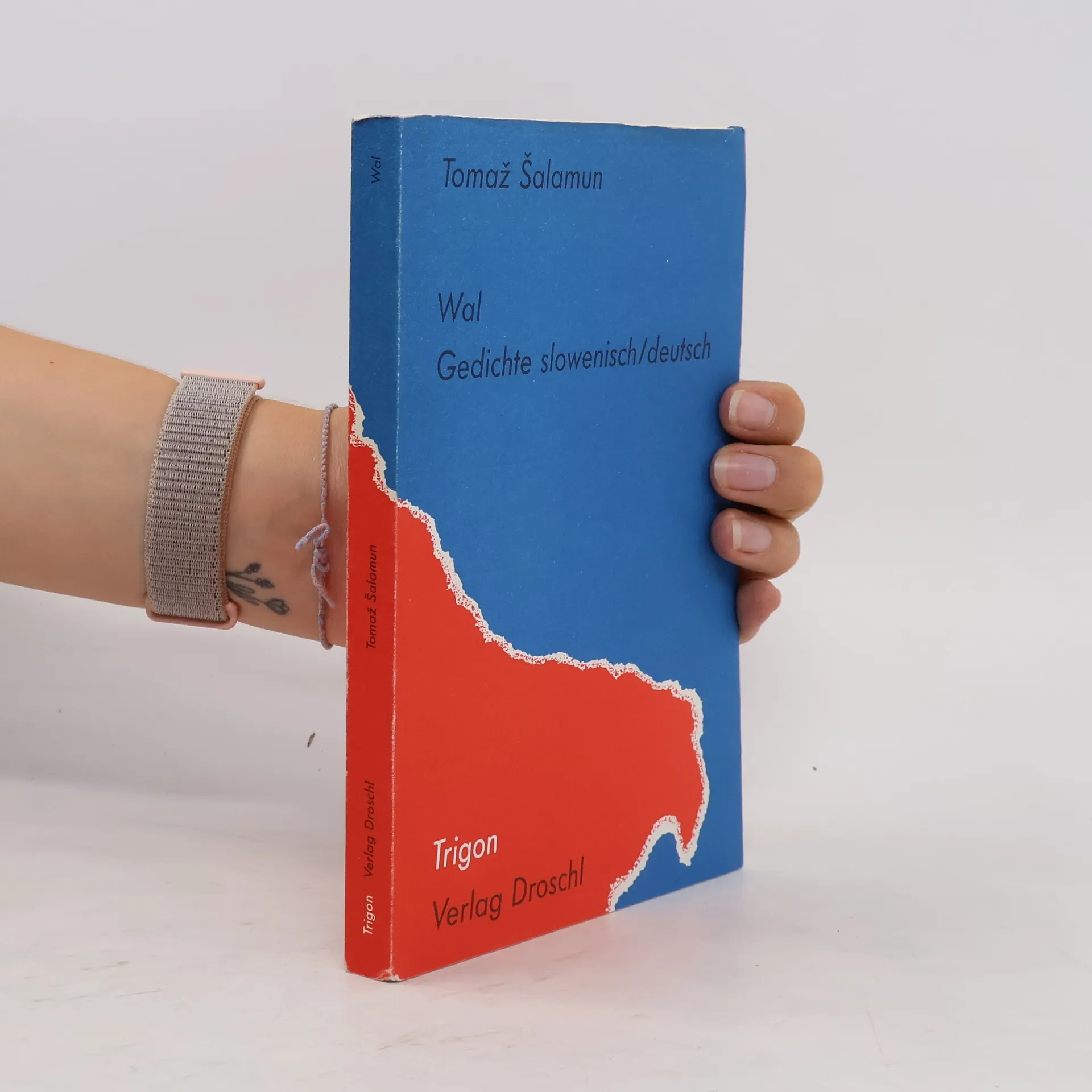
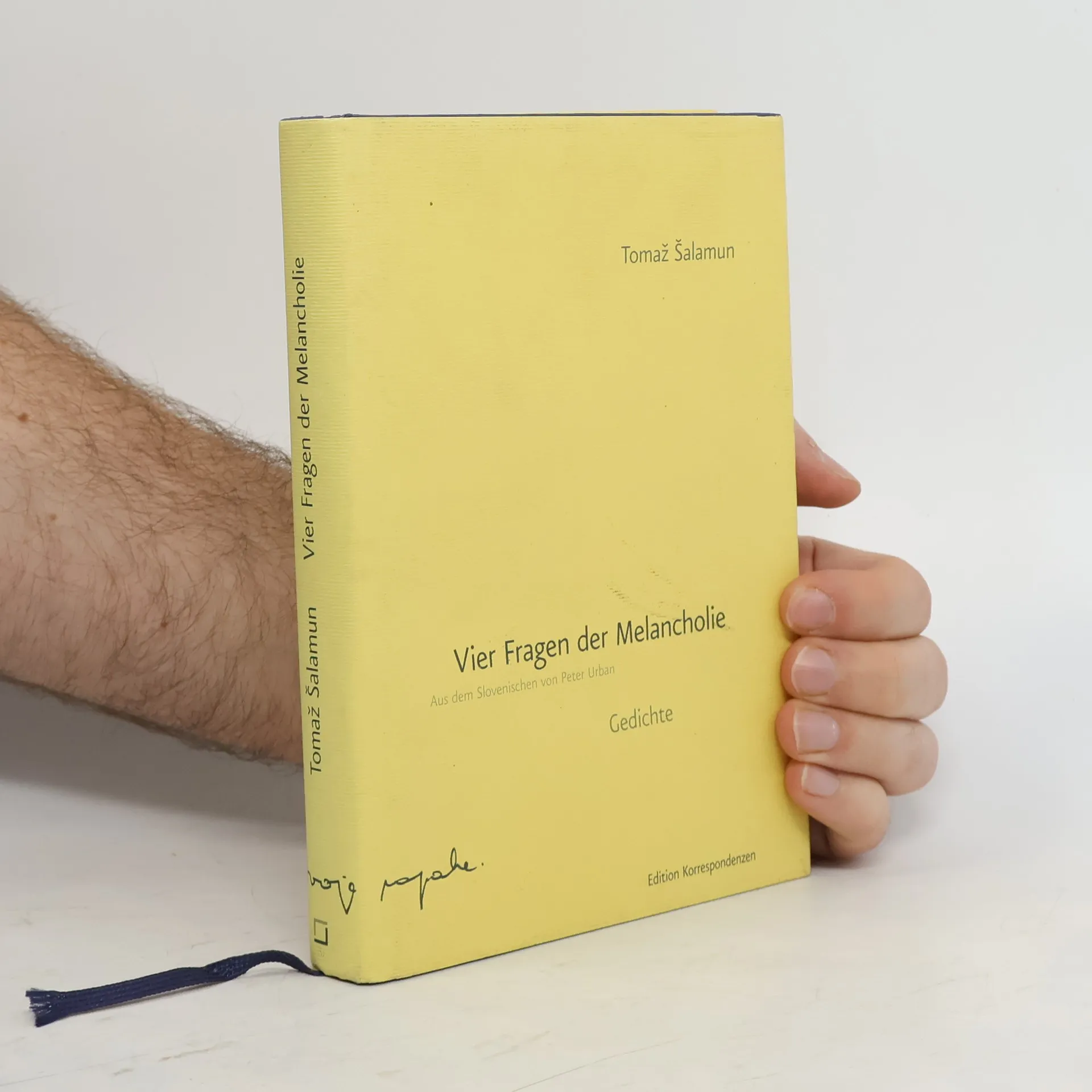
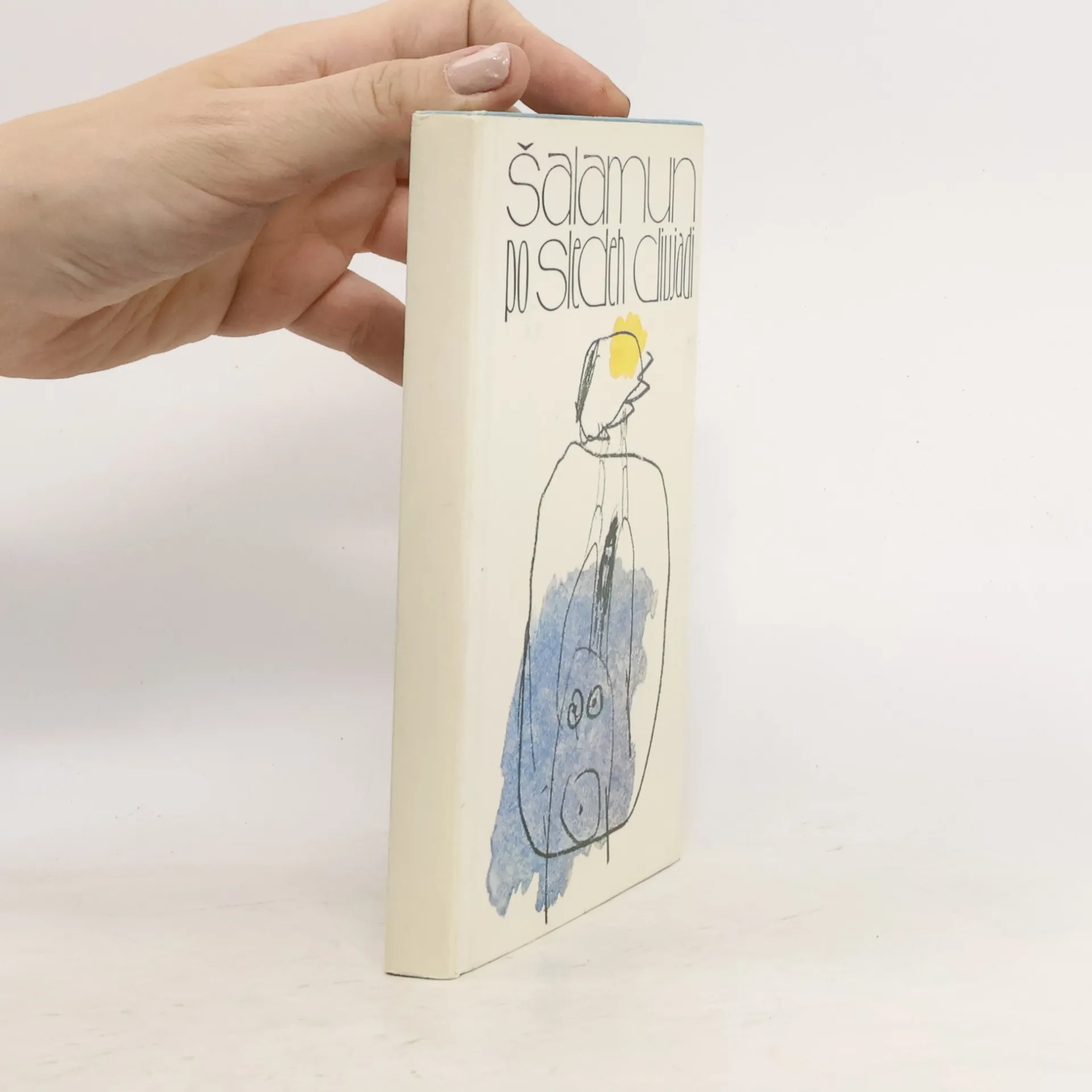
Tomaž Šalamun bol slovinský básnik, ktorého tvorba je charakteristická sviežim jazykom a surrealistickými obrazmi. Jeho poézia často skúma témy identity, pamäti a ľudskej existencie s hravou a provokatívnou víziou. Šalamunove básne ponúkajú jedinečný pohľad na svet, plný prekvapivých metafor a hlbokých úvah o živote. Jeho vplyv na modernú slovinskú literatúru je značný a jeho dielo je cenené pre svoju originalitu a silu.
Výbor z díla sedmi současných slovinských básníků, narozených v rozpětí pětadvaceti let, zachycuje vývojový rytmus slovinského básnictví za více než tři desetiletí. Závěrečný esej zařazuje tvorbu vybraných sedmi básníků do širšího kontextu poválečné slovinské poezie.
T0MAŽ ŠALAMUN (narozen 1941 v Záhřebu) vystudoval dějiny uměni, ale celý svůj život zasvětil poezii. Hned svou prvotinou Poker (1966) způsobil ve slovinské poezii úplnou revoluci, rázem zúčtoval s tradičním pojetím básnictví jako výchovy duše, popisu světa a rozvíjení myšlenek. Dokořán otevřel dveře alogičnosti a absurdnosti. Trvalo léta, než prorazil. Dnes je nejpřekládanějším slovinským básníkem, v cizině mu vyšlo dvacet šest knižních překladů a zastoupen je nejméně ve třiceti básnických antologiích. Bylo mu uděleno několik literárních cen. Hodně času prožil v cizině, hlavně v USA, a dá se říci, že jeho tvorba zasáhla nejen domácí literaturu slovinskou.
AMBRA vydaná v Lublani 1995, je dvacátá šestá básnická sbírka Tomaže Šalamuna. Podle slovinské kritiky patří k jeho nejlepším sbírkám. Jejích čtyřicet devět básní představuje autora v té nejpravější podobě rušitele navyklého smyslu, je v nich nesmírně mnoho „materie světa", životních útržků a náznaků příběhů, rozhovorů i myšlenek, jenže vše v naprosté zpřeházenosti a nesouvislosti, slova se vzpřičují svému smyslu a věty zásadně nechtějí znamenat nic. Forma, jak neznamenají nic, to je poezie, říká Šalamun. Básnické napětí vychází právě z alogičnosti, říká rovněž. A četba jeho veršů je skutečně neobyčejně vzrušující zážitek, zážitek, který umí utkvět v duši.
Kniha Stromořadí naděje obsahuje celkem 98 básní, vybraných z jednotlivých původních sbírek a uspořádaných podle časové posloupnosti, a je tedy nejobsažnéjším výborem z tohoto autora vůbec. Básně této knihy přeložil a spolu s autorem uspořádal František Benhart. Knihu doplňuje poměrně obsáhlá studie Milady K. Nedvědové.
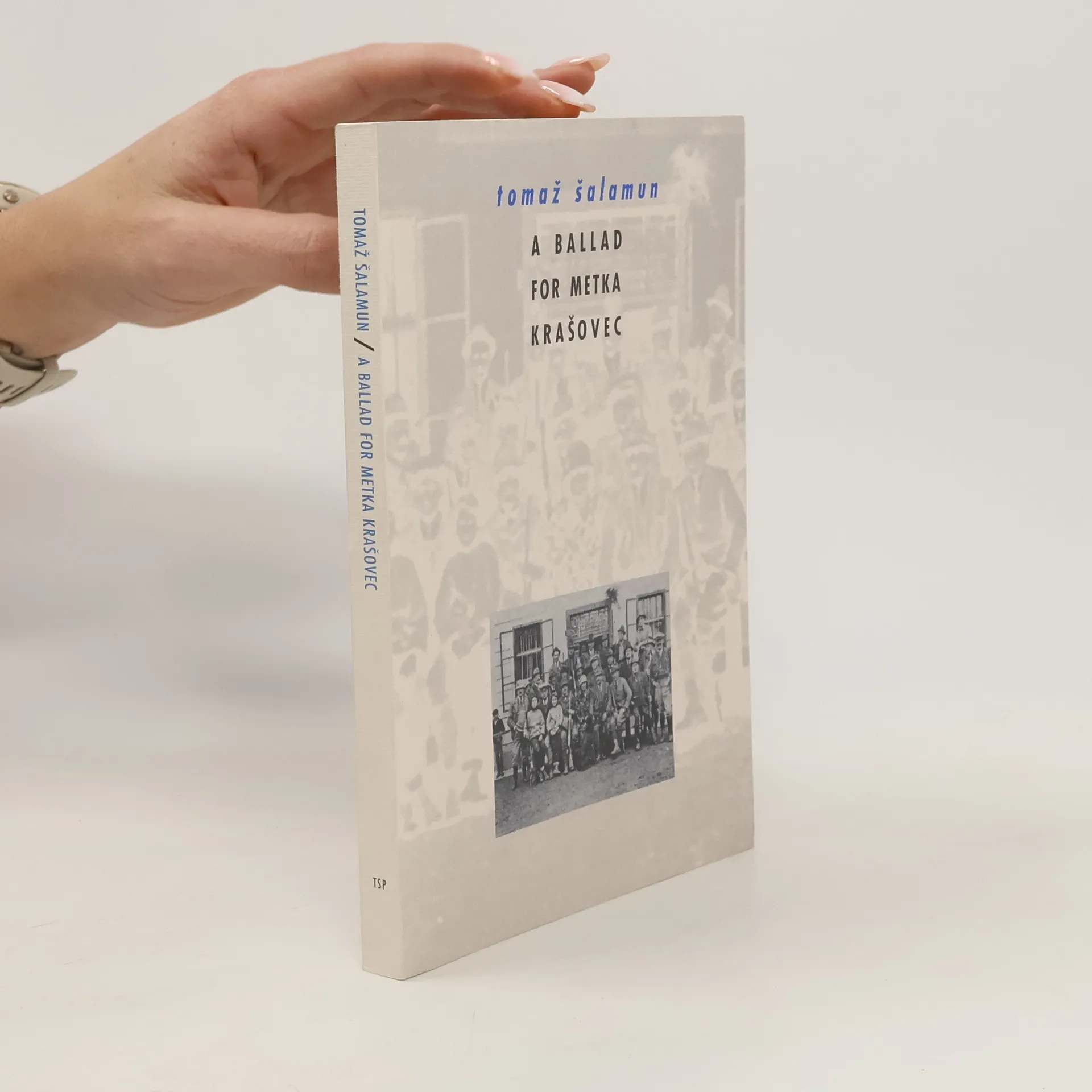
Tomaž Šalamun was one of the most influential and prolific poets in Central Europe over the past few decades. Thanks to the translation of his work, he also received wide international acclaim. A number of volumes of his poetry have been published in English, yet A Ballad for Metka Krašovec, originally published in Ljubljana, Slovenia, in 1981 at the mid-point of Šalamun’s career, is considered to be seminal in his oeuvre, not least for the influence it has had on younger poets both in his home country and abroad. The first time a complete single volume of Šalamun’s poetry was published in English translation, it is characterized by often striking imagery and a sexual turmoil that is pervasive, offering readers a unique opportunity to glimpse the author at a particular stage in his life and creative development. A Ballad for Metka Krašovec ranges from the incantatory and gnomic to reflections on Šalamun's lovers, family, and country to narrative-style recollections of stays in Mexico and the United States.
To read Tomaalamun is to understand the delights of contemporary poetry. He is one of the major names in the international avant-garde. Irreverent, self-mythologizing, tragic, and visionary, he is a poet of immense range and cunning, able to encompass everything from Balkan wars and politics to the most intimate personal experiences. Feast, his latest collection in English, brings together both early and more recent work. "Realism, surrealism, song. Aphorisms, lyric, anti-lyric," as Jorie Graham wrote, are all to be found in these poems. Here is the most blasphemous of poets who is also a great religious poet. "Throw open a window, pull up a chair, and enjoy the imaginative feast" (Edward Hirsch).
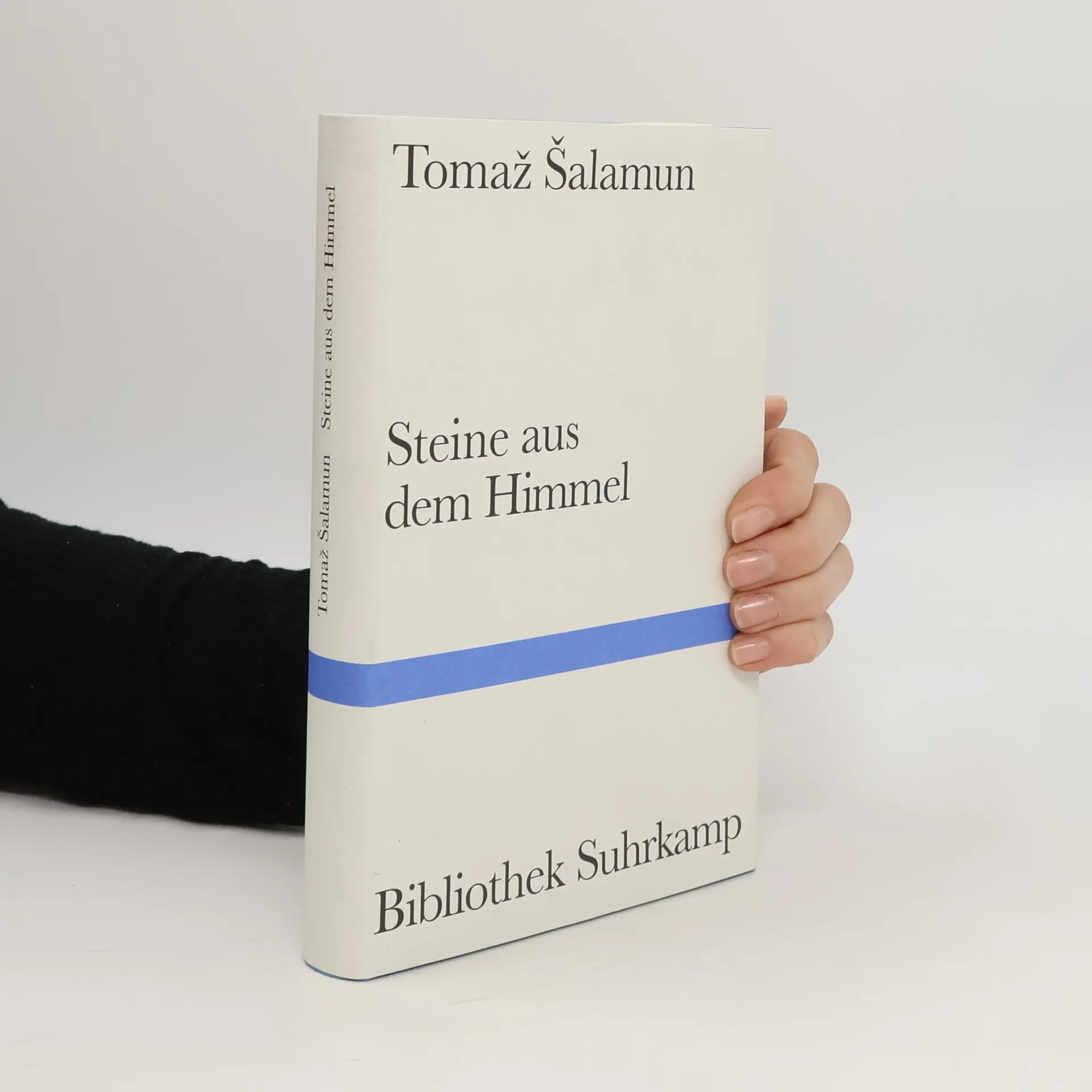
Tomaž Šalamun ist eine Legende. Ein Dichter, der nicht nur die slowenische Lyrik revolutioniert hat, sondern auch international höchstes Ansehen genoss. In den USA wird er bis heute als einer der bekanntesten europäischen Dichter seiner Generation verehrt. Zu Beginn seiner Karriere gab er das Literaturmagazin Perspektive heraus und wurde wegen eines vermeintlich regimekritischen Gedichts für einige Tage verhaftet. Er studierte Kunstgeschichte an der Universität von Ljubljana, arbeitete als Broker an der Börse, später auch als Kulturattaché in New York. Seit den 1960er Jahren bis zu seinem Tod im Jahr 2014 veröffentlichte er mehr als fünfzig Gedichtbände, seine Werke wurden in mehr als zwanzig Sprachen übersetzt. Als »Steine aus dem Himmel« bezeichnete Tomaž Šalamun seine Gedichte und die Weise, wie sie ihm zufielen. Der Band versammelt eine repräsentative Auswahl aus Šalamuns lyrischem Spätwerk erstmals in deutscher Sprache, brillant übertragen und mit einem Nachwort versehen von Monika Rinck und Matthias Göritz.
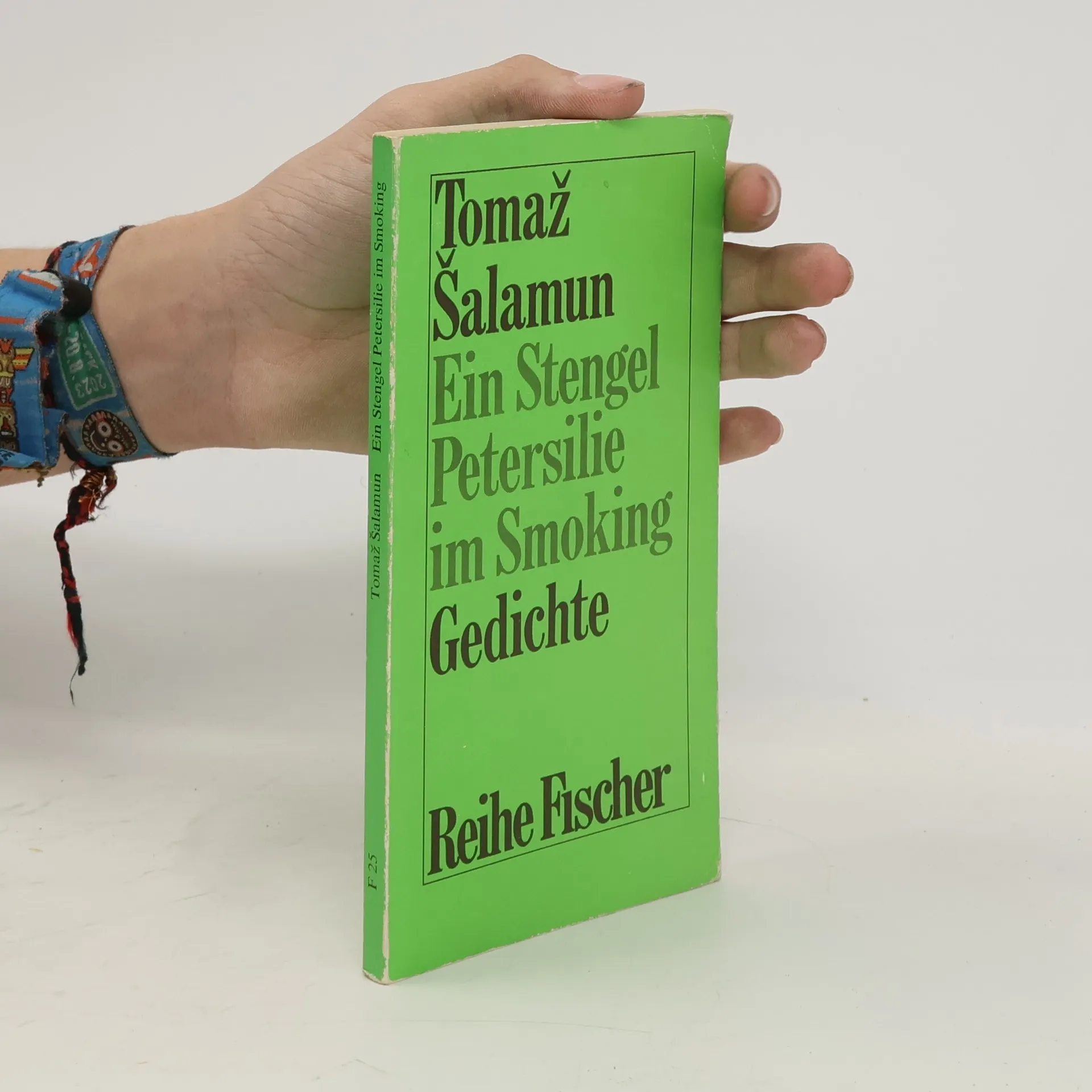
„Des Bildes meines Stammes müde / bin ich ausgewandert.“ - Mit diesem Fanfarenstoß eröffnete Tomaz Salamun, der als „eines der großen philosophischen Wunder“ in der europäischen Poesie und als „secret godfather to a species of new American poets“ apostrophiert wurde, sein Werk. Mit befreiender Respektlosigkeit schuf Salamun eine Poesie des Spiels und der Freude. Seine grenzenlose Sensibilität öffnet sich immer neuen Themen und Beziehungen. „Es gibt eine andere Welt, und sie ist in dieser einen“, sagt Paul Eluard. Salamuns Gedichte erwecken diese höhere Realität im Leser: die Lust und den Rausch des Subjektes, das sich der Weite und Vielfalt der Welt bewusst ist - albern, schrecklich und göttlich zugleich. In dem zweisprachigen Auswahlband ist das faszinierende Werk eines vielseitigen Dichters zu entdecken, eines auf die Phantasie vertrauenden Intellektuellen und Kosmopoliten, der immer die persönliche Wahl und das eigene Erleben respektiert.
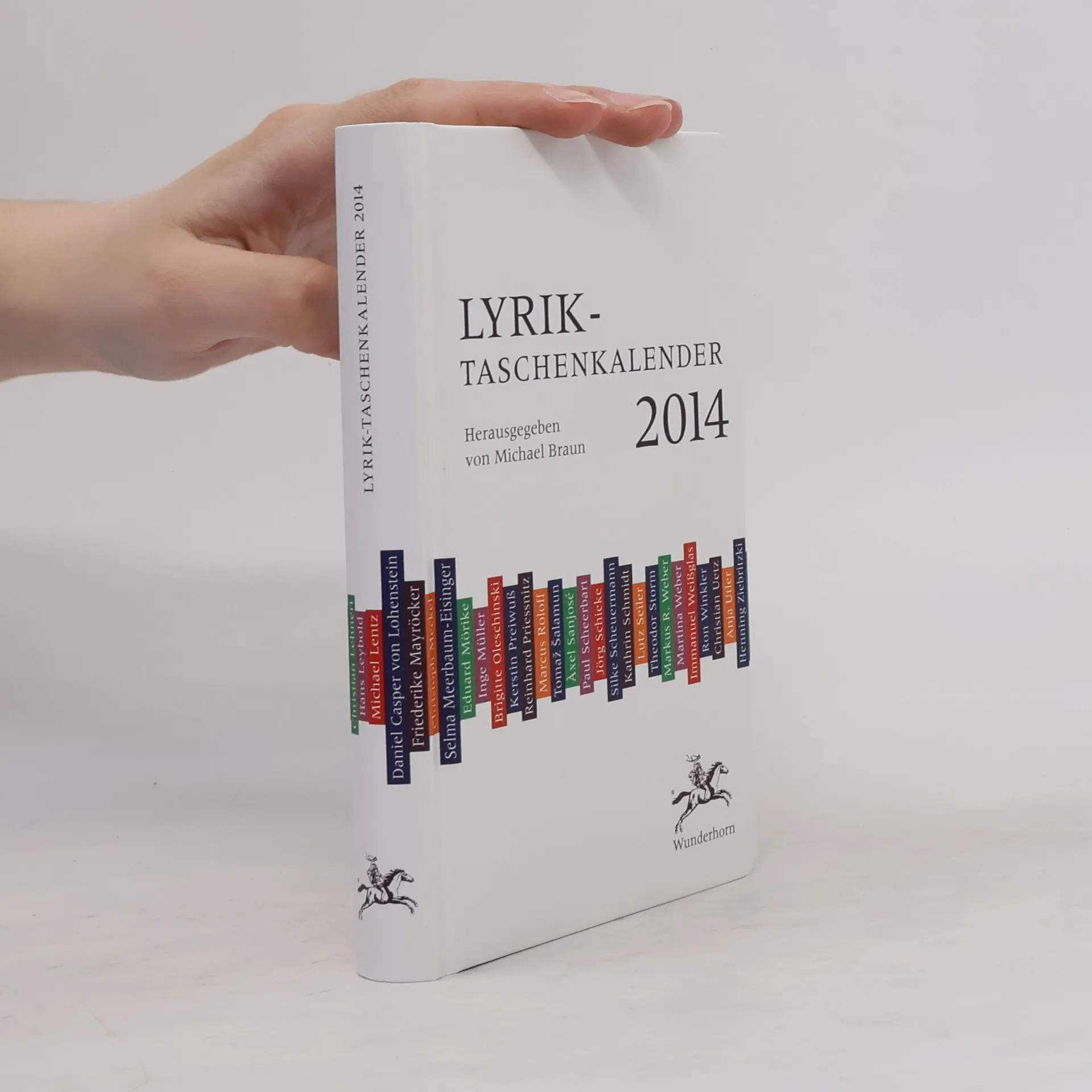
Der Lyrik-Taschenkalender 2014 setzt das Gespräch über Gedichte fort, indem 17 zeitgenössische Dichterinnen und Dichter ihre Lieblingsgedichte auswählen und kommentieren. Der Herausgeber Michael Braun stellt die Autoren vor und präsentiert wöchentlich ein Gedicht mit Informationen zu Autor und Text.