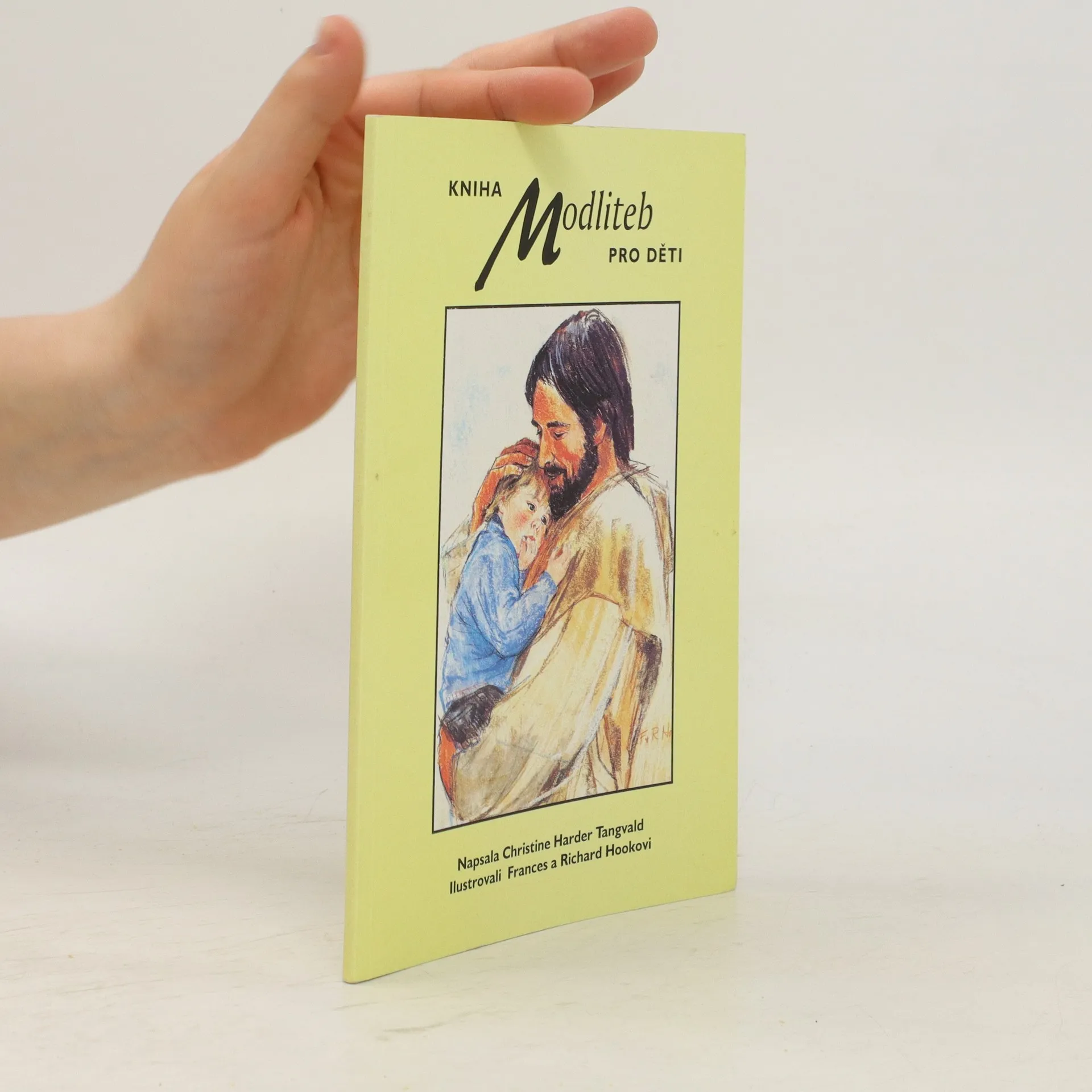


Richard Hook Poradie kníh (chronologicky)


Die Kommandeure und Krieger der Samurai waren die militärische Elite im frühen Japan. Die beiden Bände untersuchendas Leben, die Ausrüstung, die Schlachten und die erweiterete Rolle der Kommandeure und Krieger der Samurai zwischen 940 und 1638, den Zeitraum vor der Entstehung der Samurai bis zum Triumph von Oda Nobunaga, der Japan auf den Weg zur Wiedervereinigung gebracht hat. Besonders talentierte und bekannte Kommandeure wie Oda Nabunaga und Toyotomi Hideyoshi - große Männer, die sich aufgrund ihrer aufwendigen Rüstungen und Helme und ihrer atemberaubenden Persönlichkeit von den anderen abheben, werden detailliertanhand von zahlreichen, zum Teil auch farbigen Bildern beschreiben.
Osudná porážka Řádu německých rytířů. Kniha velice živě a plasticky popisuje události, jež vedly k jednomu z největších válečných střetnutí ve středověké Evropě, k bitvě mezi vesnicemi Grunwald a Tannenberg, kterou zde svedla vojska Řádu německých rytířů a polsko-litevského soustátí, v jehož řadách bojoval i mladý Jan Žižka. Podrobně líčí průběh bitvy a charakterizuje její účastníky, na četných mapách ukazuje postup armád, vřavu nelítostných soubojů ilustrují celostránkové barevné ilustrace. Pomocí dobových pramenů podává svědectví o složitých diplomatických jednáních, která se vedla v zákulisí a která ani přes veškerou snahu nedokázala po drtivé porážce Řádu zabránit jeho úpadku.
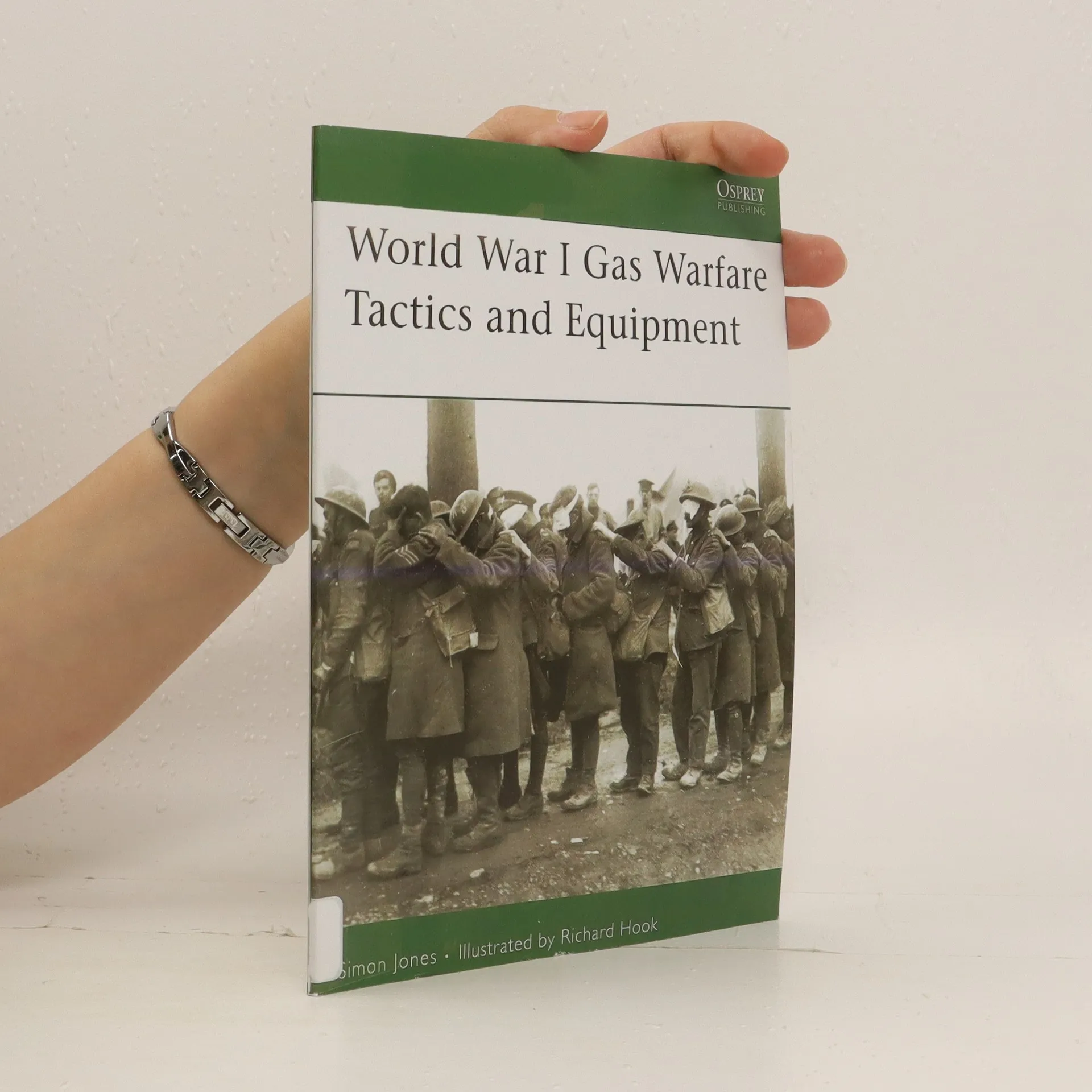
World War I Gas Warfare: Tactics and Equipment
- 64 stránok
- 3 hodiny čítania
Battlefield Gas was first employed in April 1915 at the village of Langemarck near Ypres. At 1700 hours the Germans released a five mile-wide cloud of 168 tons of chlorine gas from 520 cylinders, causing panic and death in the French and Algerian trenches. Despite initial widespread condemnation and disgust, its use rapidly spread with all the armies entering into the race to produce gases, new ways to use them, and protective measures including masks and warning systems.For the first time in detail, this book charts the development of gas as a battlefield weapon and the steps taken to counter it. Delivery methods, including the use of artillery, the consequences of changing wind direction, and infantry advancing into an area just gassed, are all covered alongside key milestones in its introduction and usage.With an abundant array of artwork and photographs illustrating the gas masks, insignia, and protective clothing of the protagonists, this book conveys the horror of the gas attack and reveals the practical challenges for soldiers struggling to cope with this new form of warfare.Conveying the reality behind the iconic Sargent painting of a column of blindfolded gas casualties, it is a fascinating survey of one of the darkest facets of 20th century warfare.
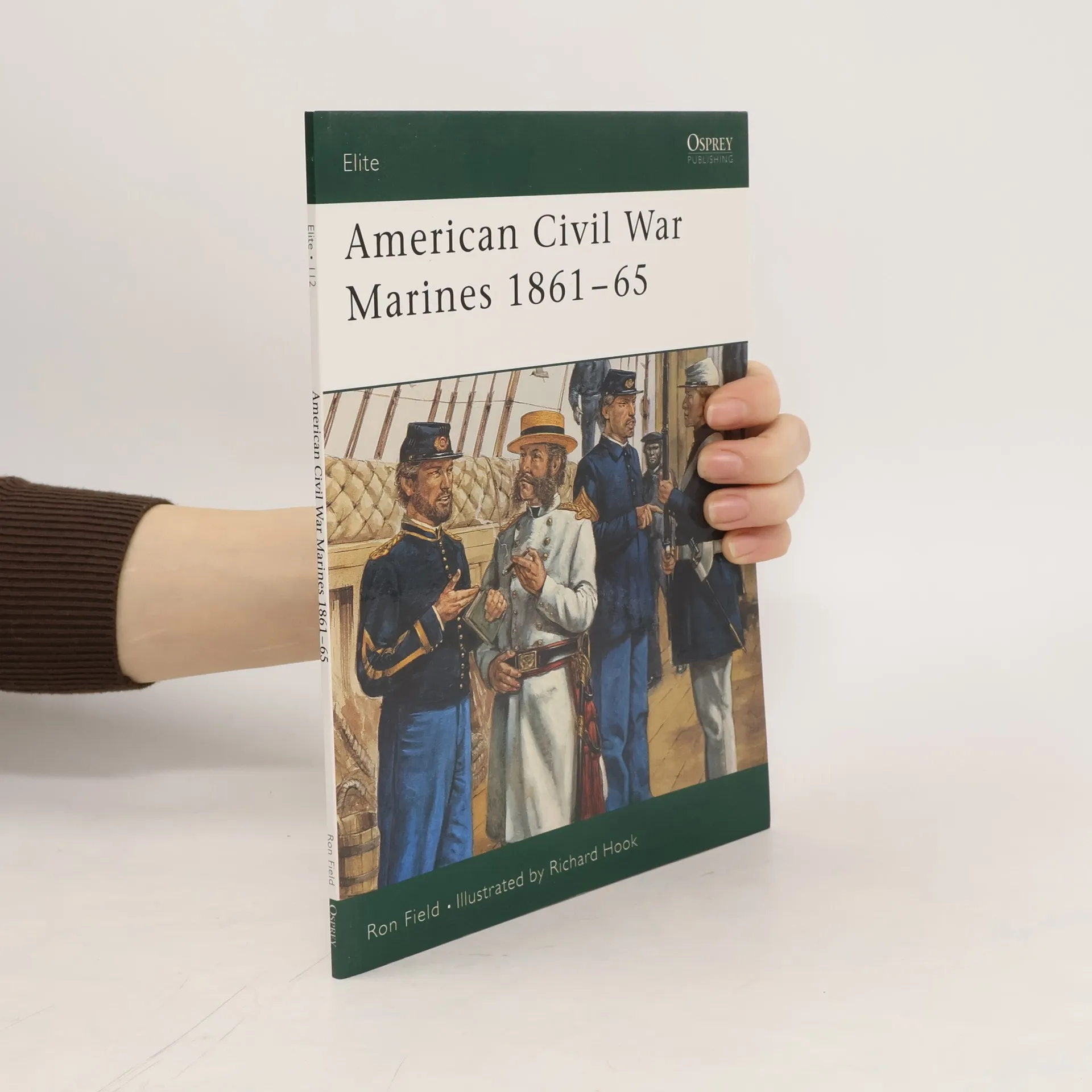
American Civil War Marines 1861-65
- 64 stránok
- 3 hodiny čítania
The part played in the Civil War (1861-1865) by the small Marine Corps of the United and Confederate States is overshadowed by the confrontations of the great armies. Nevertheless, the coastal and riverine campaigns were of real importance, given the strategic significance of the Federal blockade of southern ports, and of the struggle for the Mississippi River. Marines wearing blue and grey fought in many dramatic actions afloat and ashore – ship-to-ship engagements, cutting-out expeditions, and coastal landings. This book offers a comprehensive summary of all such battles, illustrated with rare early photographs, and meticulously researched color plates detailing the often obscure minutiae of Marine uniforms and equipment.
Moje první Bible v obrázcích. My First Bible in Pictures
- 256 stránok
- 9 hodin čítania
Česko-anglické vydání, obsahuje 125 nejdůležitějších příběhu z Bible.
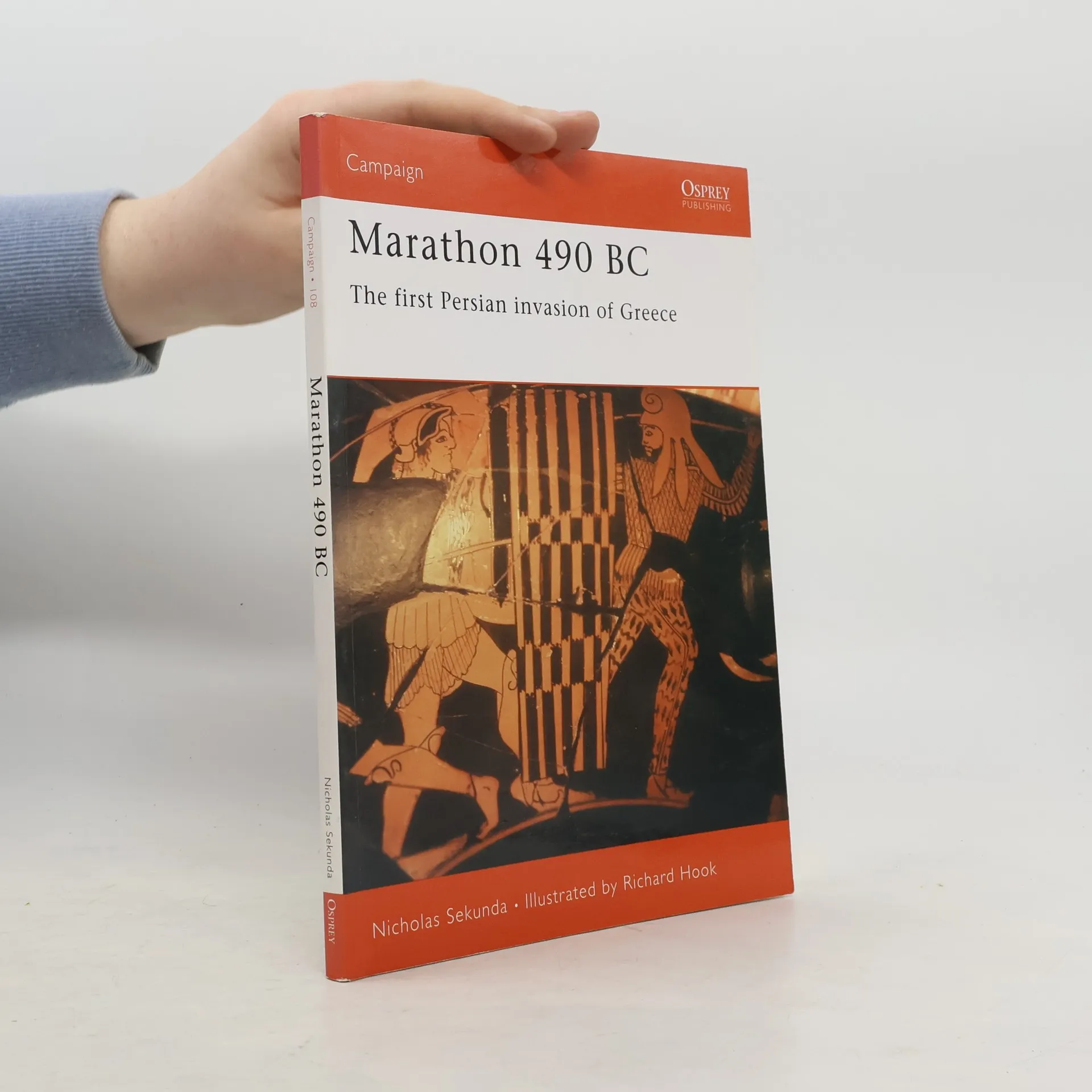
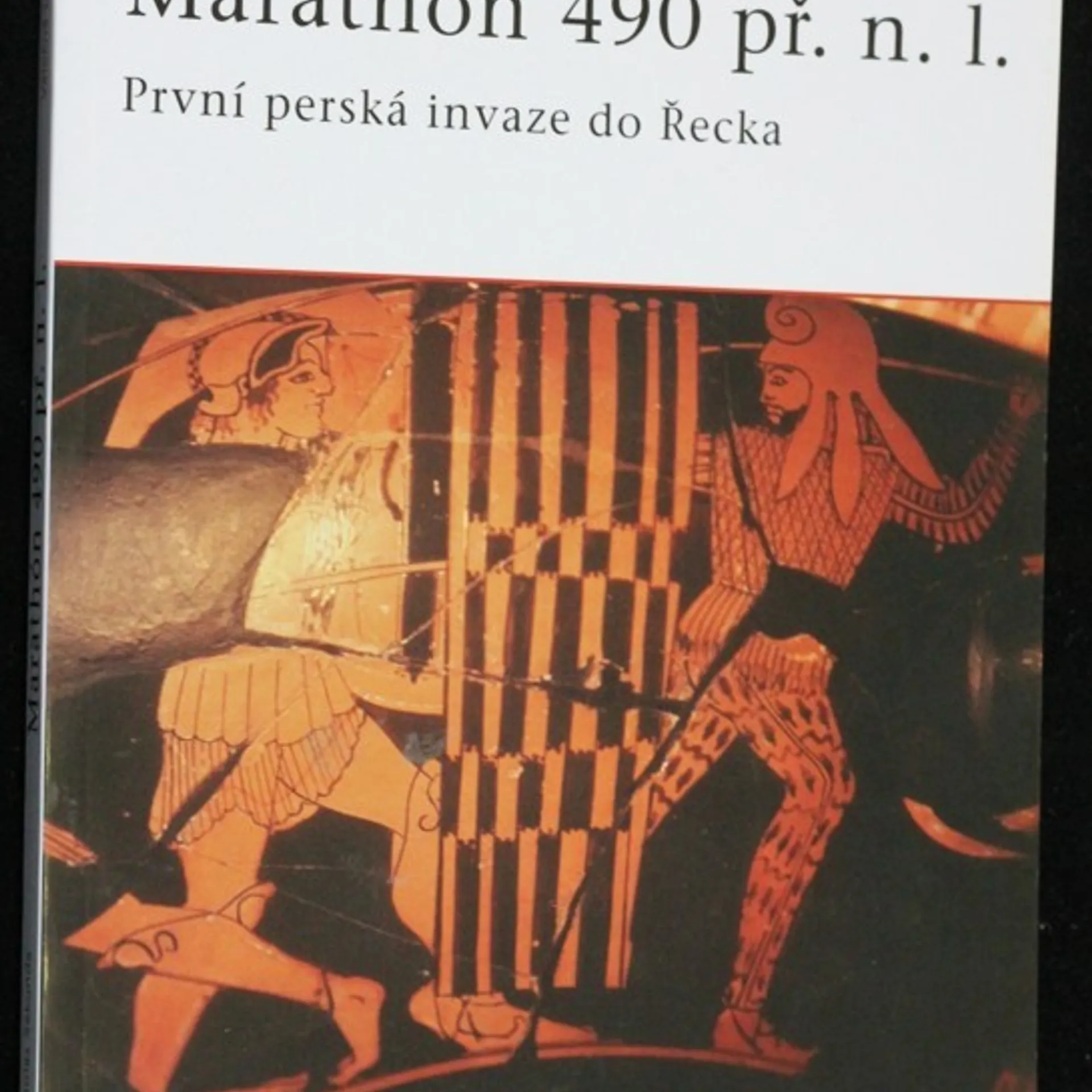
Osprey's study of the first Persian invasion of Greece in 490 BC. The story of the Marathon campaign is an epic of the Ancient World. When the Ionian Greeks revolted against their Persian overlords in 499 BC, the cities of Athens and Eretria came to their aid. The Persian King Darius swore vengeance and in 490BC a fleet of 600 ships packed with troops was sent to take revenge on the Athenians. At Marathon the Greeks met the Persians in battle and drove them in rout back to their ships. The moral effect of this victory was enormous – for the first time a Greek army had defeated the Persians and demonstrated the superiority of hoplite tactics.
Osprey's examination of one of the most controversial battles of the American Indian Wars (1775-1918). The death of George Armstrong Custer, and over half of his 7th Cavalry Regiment in the valley of the Little Big Horn on 25 July 1876, has become the most celebrated battle of the Indian Wars. It was the greatest, and the last, victory of the Native Americans over the United States military. Disobeying orders, Custer followed a trail to a large encampment of Indians and, without determining the numbers he faced split his command into three groups and attacked. In the resulting chaos Custer and more than half the troops under his command were killed.