

Bookbot

Elizabeth Kolbert

    1. január 1961

    Elizabeth Kolbertová sa zameriava na prepojenie vedy a spoločenského vplyvu, najmä v oblasti životného prostredia. Jej práca sa vyznačuje hĺbkovým výskumom a schopnosťou prinášať zložité témy prístupným spôsobom. Skúma vzťah medzi ľudskými aktivitami a prírodným svetom, čím čitateľov núti k zamysleniu sa nad našou planétou. Prostredníctvom svojho písania zdôrazňuje naliehavosť environmentálnych problémov a našu kolektívnu zodpovednosť.

    Elizabeth Kolbert
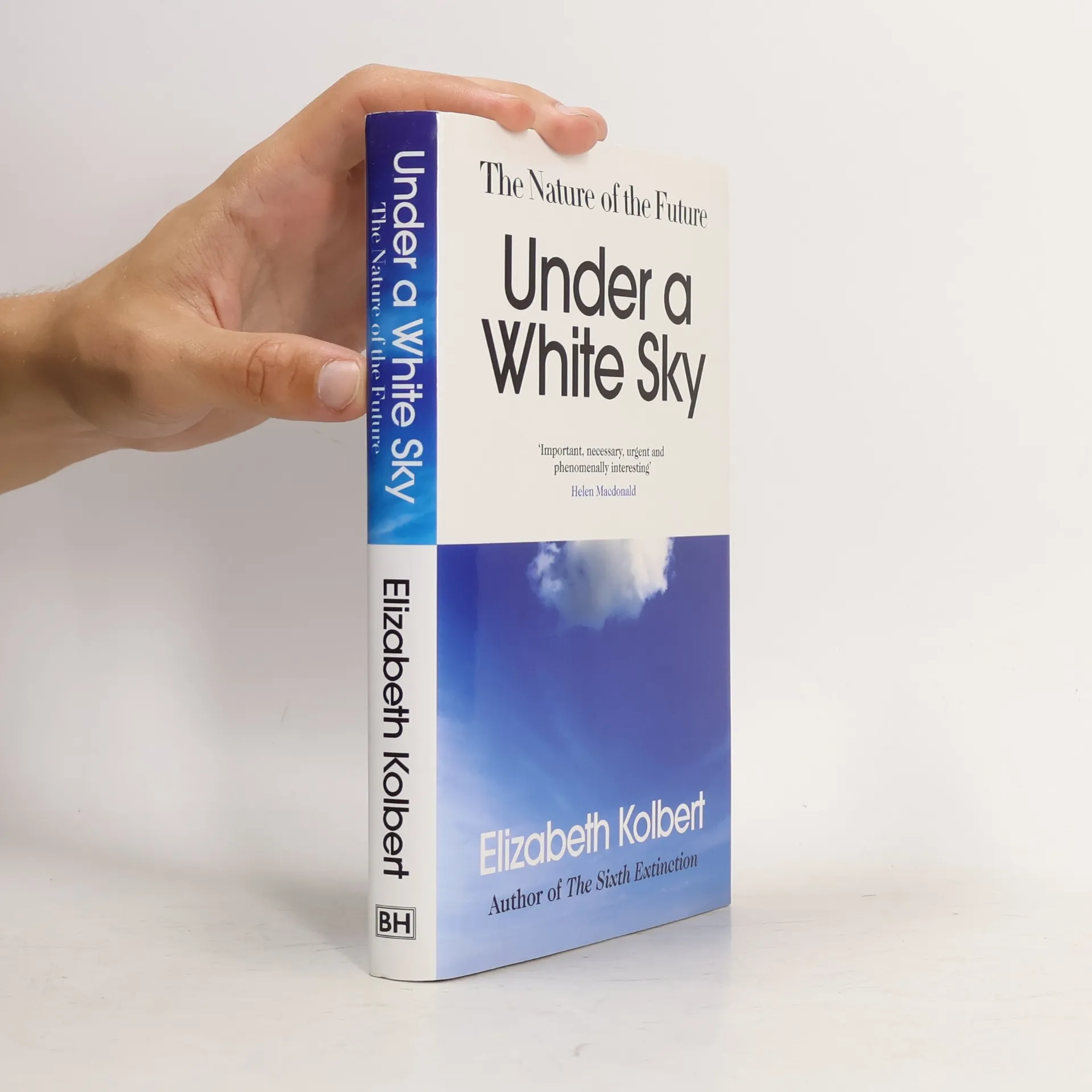
    Under a White Sky
    Under a White Sky
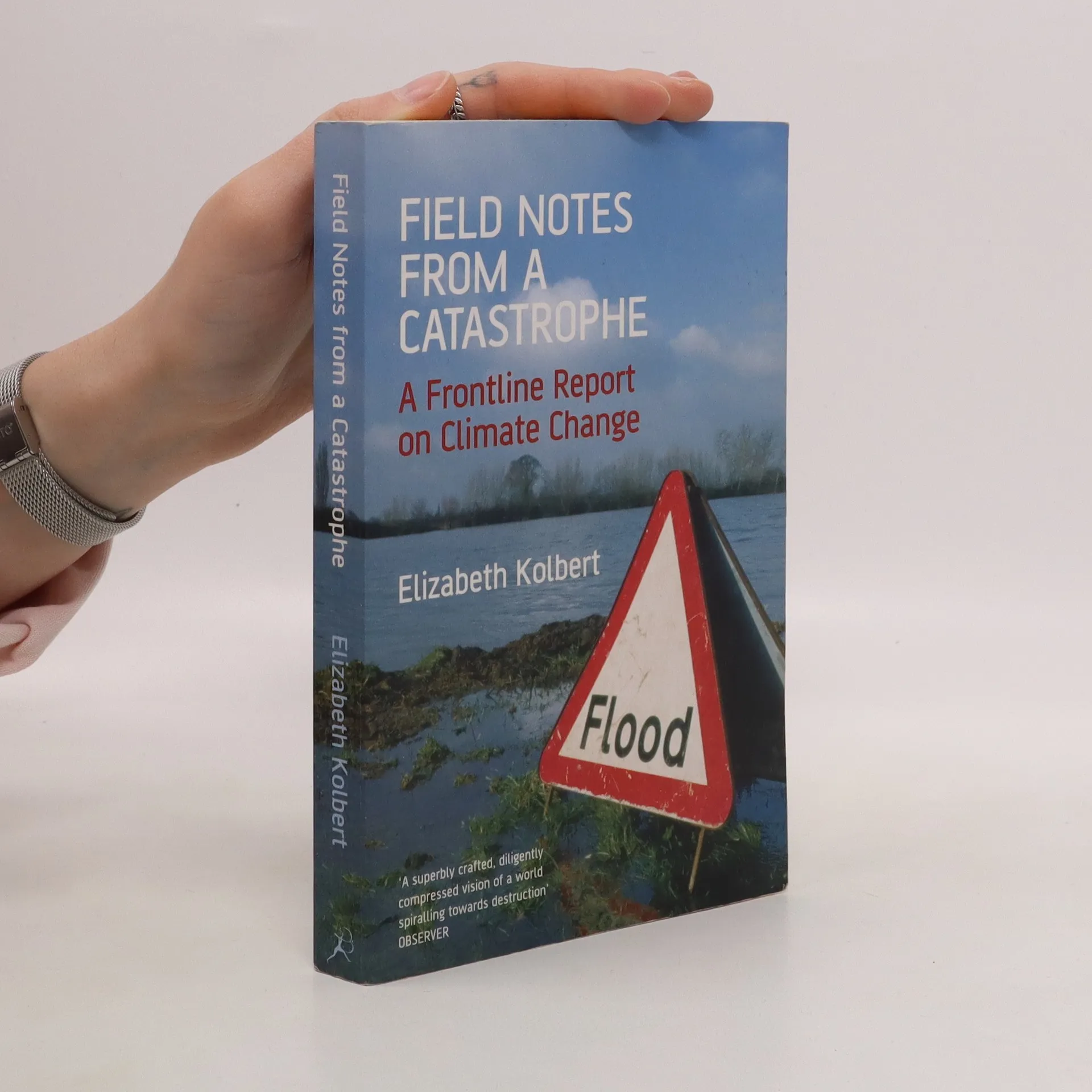
    Field notes from a catastrophe : a frontline report on climate change
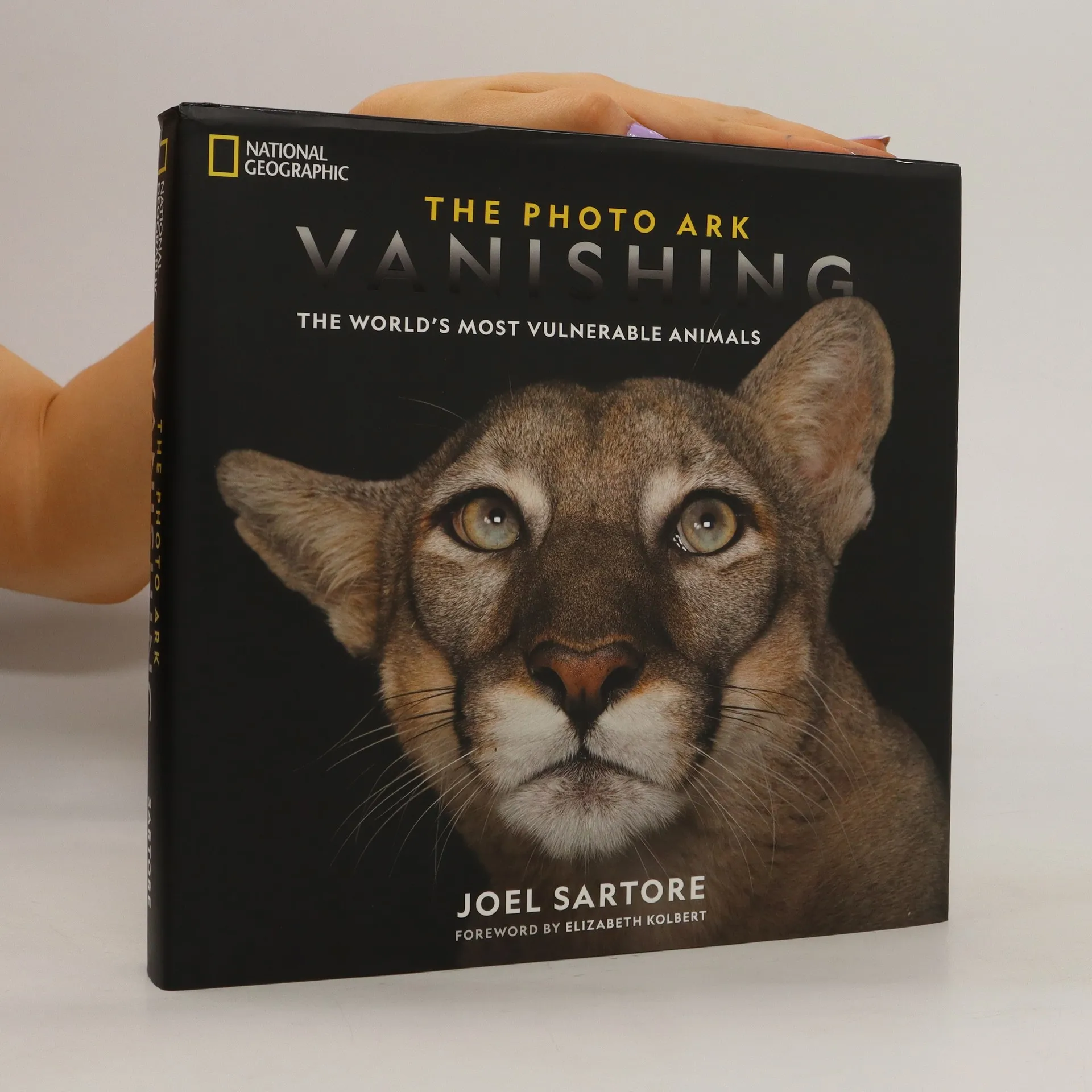
    The photo ark vanishing: the world's most vulnerable animals
    Pod bílou oblohou : jaká bude budoucnost
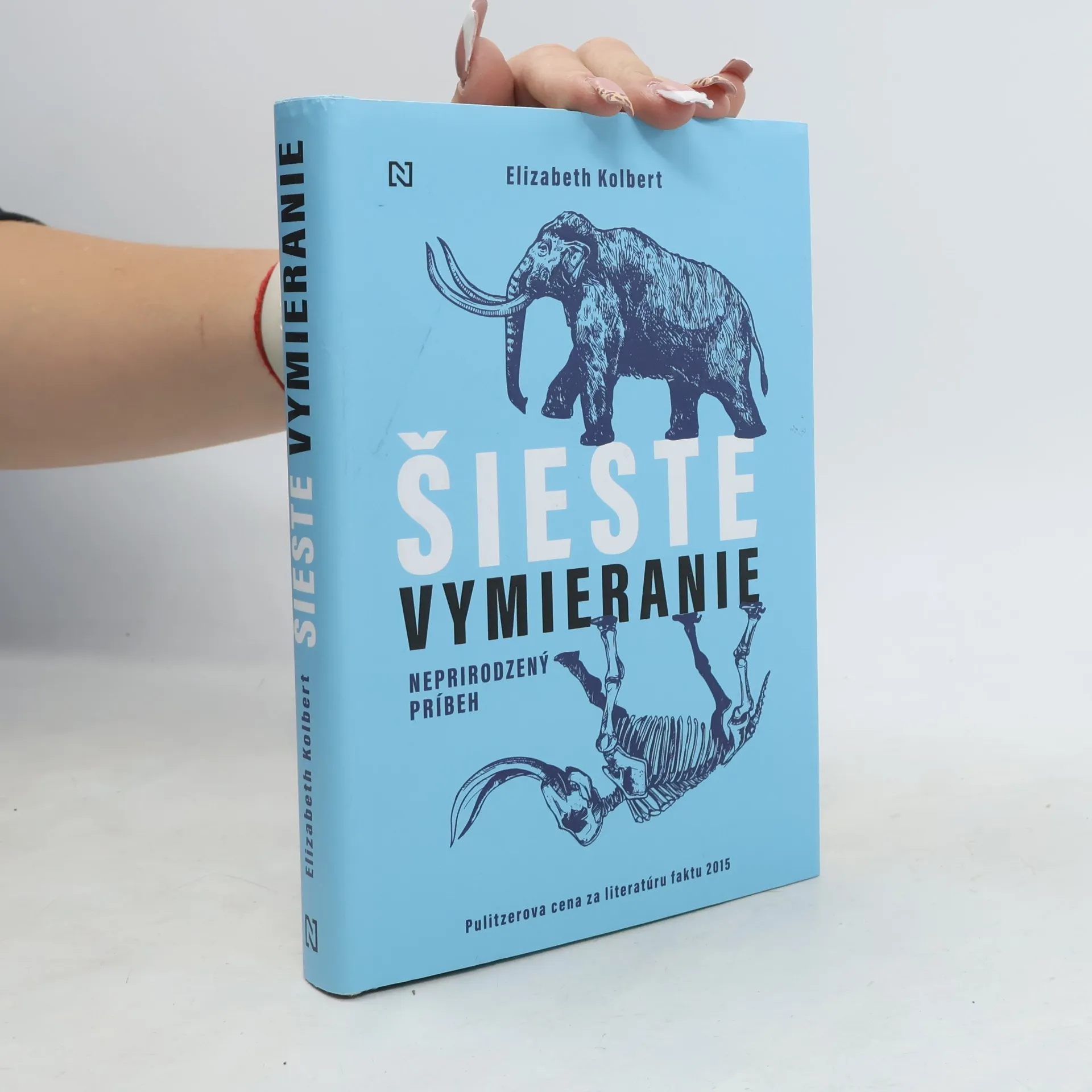
    Šieste vymieranie
    • Šieste vymieranie

      • 344 stránok
      • 13 hodin čítania

      Americká novinárka Elizabeth Kolbert prináša zásadnú knihu o budúcnosti nášho sveta a masovom vymieraní, ktorému čelíme. V histórii našej planéty došlo k piatim hromadným vyhynutiam, ktoré drasticky znížili rozmanitosť života. Vedci monitorujú šieste vymieranie, predpovedané ako najničivejšie od dopadu asteroidu, ktorý vyhubil dinosaury. Tentoraz však za túto katastrofu môžeme my, ľudia. Autorka sa s vedcami púšťa do terénu a prepája výskumy z geológie, morskej biológie, astronómie a genetiky, pričom na osudoch vyhynutých druhov ukazuje desivý obraz vymierania, ktorý pravdepodobne čaká aj ľudstvo, ak nezmeníme svoj smer. Zároveň objasňuje pozadie prírodovedných sporov, ktoré formovali jednotlivé vedné odbory. Prostredníctvom príbehov živočíšnych druhov a prírodných úkazov, ako Veľká koralová bariéra či amazonský dažďový prales, ponúka žalostné obrazy vymierania, na ktoré prvý upozornil Georges Couvier. Šieste vymieranie bude pravdepodobne trvalým dedičstvom ľudstva a núti nás prehodnotiť, čo znamená byť človekom. Kolbert skúma úlohu človeka v klimatickej zmene, ktorá ohrozuje vyhubenie mnohých druhov, vrátane nás samých. Napriek tomu nevnímame kolíziu medzi civilizáciou a ekosystémom ako dostatočne závažnú a pomaly prijímame opatrenia na riešenie globálnej environmentálnej krízy.
      Šieste vymieranie
      4,3
    • „Tato kniha je o lidech, kteří se snaží vyřešit problémy způsobené lidmi, kteří se snaží řešit problémy,“ komentuje soubor svých reportáží autorka. Zatímco v předchozí knize Šesté vymírání, za kterou získala Pulitzerovu cenu, názorně dokládá, jak je působením člověka svět přírody proměňován v samotné své podstatě, v novince Pod bílou oblohou se rozhodla zachytit posun v myšlení některých klimatologů: tytéž intervence, které naši planetu ohrožují, jsou těmito vědci stále častěji považovány za jedinou naději na její záchranu. Kniha, která umí být současně inspirativní i děsivá, nepostrádá nádech temného humoru, především však představuje originální pohled na éru antropocénu.

      Pod bílou oblohou : jaká bude budoucnost
      4,2
    • Celebrated National Geographic photojournalist Sartore continues his Photo Ark quest, photographing species around the world that are escaping extinction thanks to human efforts. The animals featured in these pages are either destined for extinction or already extinct in the wild but still alive today, thanks to dedication of a heroic group committed to their continued survival.l.

      The photo ark vanishing: the world's most vulnerable animals
      4,9
    • The world has known about global warming since the late 1970s, yet little has been done to halt it. The threat, if we fail, is nothing less than catastrophe - the flooding of coastal communities, the extinction of species and entry into a climate regime of which humans have no experience. Exploring the relationship between what we know and what we refuse to know, Elizabeth Kolbert takes us on an urgent journey from the Arctic to Central America, interviewing researchers, environmentalists and traditional Inuits whose lives have already been dramatically altered by climate change.

      Field notes from a catastrophe : a frontline report on climate change
      4,2
    • The Pulitzer Prize-winning author of The Sixth Extinction explores humanity's profound impact on the environment and poses a critical question: Can we alter nature to save it after causing so much damage? Elizabeth Kolbert, a prominent environmental writer, delves into the daunting challenges we face as we strive to reverse decades of harm to the atmosphere, oceans, forests, and rivers. In her signature persuasive and darkly comic style, she presents various innovations aimed at averting disaster, while also acknowledging the potential for unforeseen consequences. Readers meet scientists working to save the Devils Hole pupfish, the rarest fish species, and engineers transforming carbon emissions into stone. Kolbert discusses the creation of resilient "super coral" through assisted evolution and researchers considering the radical idea of shooting tiny diamonds into the stratosphere to reflect sunlight and alter the sky's color. She suggests that human civilization has long been an exercise in defying nature, and paradoxically, the very interventions that have endangered our planet may now represent our best hope for its salvation.

      Under a White Sky
      4,1
    • Under a White Sky

      The Nature of the Future

      • 256 stránok
      • 9 hodin čítania

      Exploring humanity's profound influence on the environment, the author examines the possibility of reversing ecological damage through intentional intervention. This thought-provoking narrative challenges readers to consider whether we can harness our capabilities to restore and preserve nature, rather than simply exploit it. With insights drawn from the author's Pulitzer Prize-winning background, the book delves into the urgent need for innovative solutions to environmental crises.

      Under a White Sky
      4,1
    • Delving into the Anthropocene, or Age of Humans, this work examines its causes and implications through diverse lenses such as anthropology, science, society, art, and economics. By integrating various perspectives, it offers a comprehensive understanding of how human activities shape the planet and our future.

      Living in the Anthropocene: Earth in the Age of Humans
      3,0
    • With twenty-six dazzling, interwoven pieces – one for each letter of the alphabet – Pulitzer Prize-winning author Elizabeth Kolbert creates an alternately hopeful and alarming manifesto on the climate crisis.

      H is for Hope
      3,9
    • The book jacket design by art director Susanna Dulkinys conveys Elizabeth Kolbert's message through a pattern of life forms, contrasted with distorted elements in acid green to symbolize change and destruction. The typeface FF Hertz is used for its uni-width feature, while Christoph Koeberlin's Fabrikat serves for titles and headings, reflecting geometric design.

      The Sixth Extinction. An Unnatural History
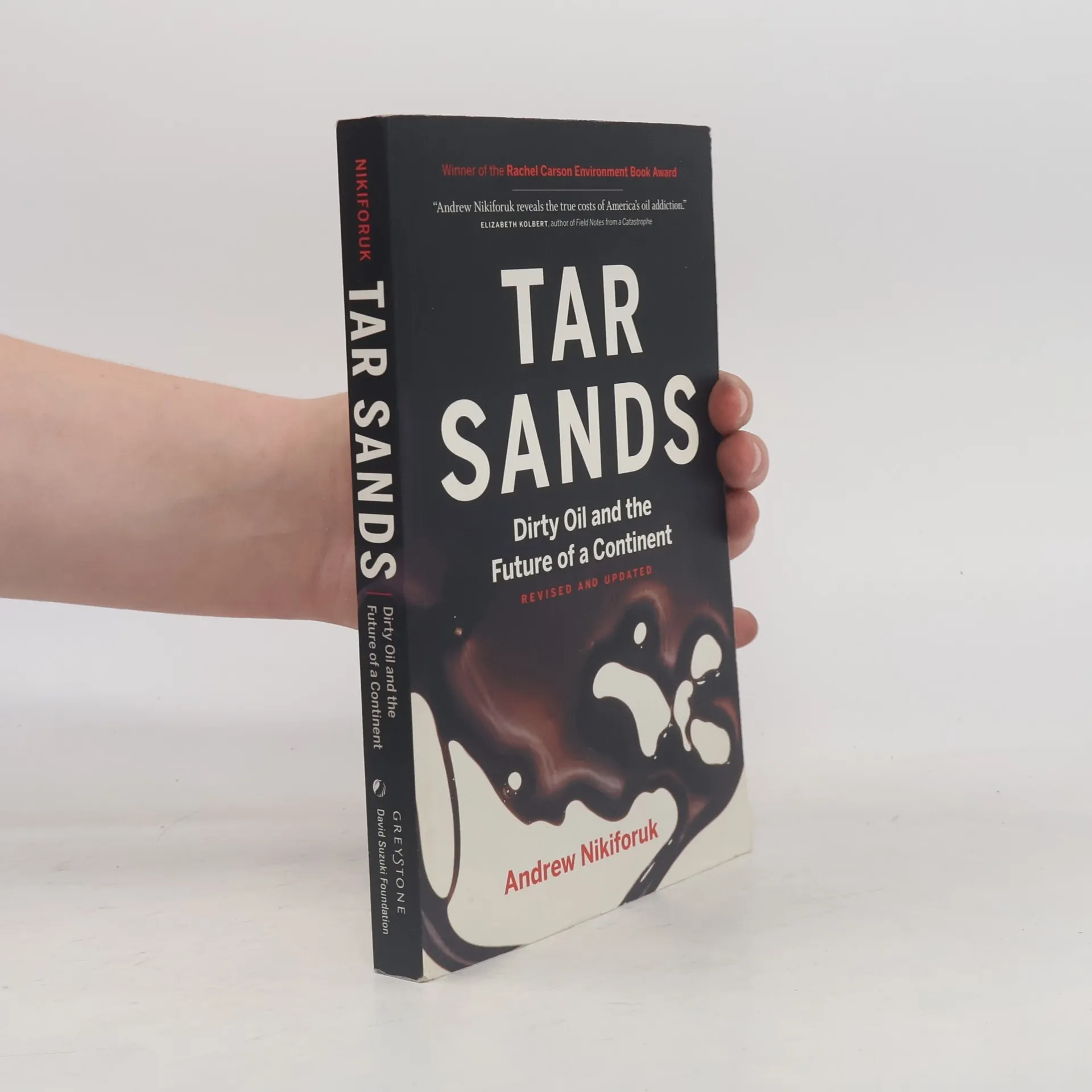
    • Tar Sands

      Dirty Oil and the Future of a Continent, Revised and Updated Edition

      • 280 stránok
      • 10 hodin čítania

      Tar Sands critically examines the frenzied development in the Canadian tar sands and the far-reaching implications for all of North America. Bitumen, the sticky stuff that ancients used to glue the Tower of Babel together, is the world’s most expensive hydrocarbon. This difficult-to-find resource has made Canada the number-one supplier of oil to the United States, and every major oil company now owns a lease in the Alberta tar sands. The region has become a global Deadwood, complete with rapturous engineers, cut-throat cocaine dealers, Muslim extremists, and a huge population of homeless individuals. In this award-winning book, a Canadian bestseller, journalist Andrew Nikiforuk exposes the disastrous environmental, social, and political costs of the tar sands, arguing forcefully for change. This updated edition includes new chapters on the most energy-inefficient tar sands projects (the steam plants), as well as new material on the controversial carbon cemeteries and nuclear proposals to accelerate bitumen production.

      Tar Sands
    • To be a well-informed citizen of Planet Earth, you need to read Elizabeth Kolbert. One of our most influential environmental writers, Kolbert compiles her urgent reporting and insights from the frontlines of the climate crisis. Traveling to the most affected corners of the globe, she reveals a world that is both dangerously fragile and remarkably resilient—showcasing Greenland's melting ice sheets, Utah's shrinking lakes, New Zealand's protected mountaintops, and Europe's regenerated plains. Along the journey, we encounter newly discovered species and the last survivors of others, learning how to bring animals back from the brink of extinction. The power of rewilding is highlighted, reminding us of the wonders of our natural world. Kolbert introduces us to dedicated individuals steering us toward a better future: scientists using AI to communicate with whales, activists advocating for nature's rights, and ordinary people like the Samsø islanders living carbon-neutral lives. The climate crisis is the defining challenge of our age, with threats to our planet intensifying. Now is the time to deepen our understanding of this incredible world at risk and to act while we still can. Kolbert is recognized as the premier chronicler of humanity's thoughtless destruction of our habitat.

      Life on a Little Known Planet
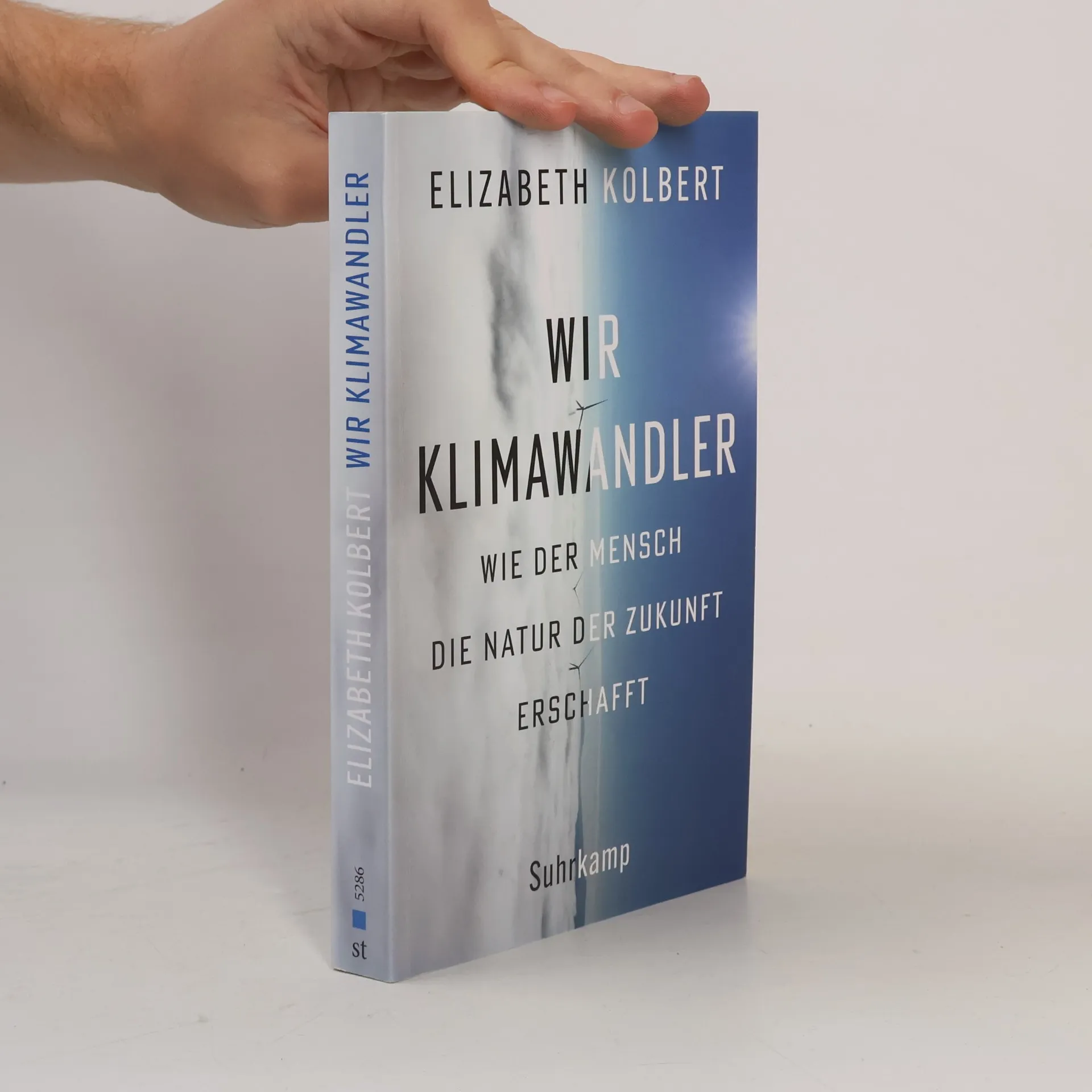
    • Aus dem biblischen Auftrag, sich die Erde untertan zu machen, ist düstere Realität geworden: Wir befinden uns mitten in einem Artensterben gigantischen Ausmaßes. Das Klima verändert sich, weil wir das Klima verändern. So tiefgreifend beeinflusst unser Handeln den Planeten, dass Wissenschaftler vom Erdzeitalter des Menschen sprechen, dem Anthropozän. In ihrem neuen Buch gewährt uns Elizabeth Kolbert einen Blick auf die Natur der Zukunft. Die Pulitzer-Preisträgerin erzählt von Ingenieuren, die mit aberwitzigen Folgen für das Ökosystem den Verlauf von Flüssen ändern oder ganze Küstenstreifen vor dem ansteigenden Meerwasser schützen. Sie trifft Biologen, die den Teufelskärpfling, den wohl seltensten Fisch der Erde, retten wollen, und sie berichtet von den kühnen Plänen, CO2 aus der Luft zu saugen oder winzig kleine Diamanten in der Stratosphäre zu verteilen. Temporeich schildert Kolbert das Dilemma, vor dem wir stehen: Unsere Eingriffe in die Umwelt haben uns an einen Punkt geführt, an dem diese Versuche die letzte Hoffnung im Kampf gegen die globale Erderwärmung sind. Vielleicht sind sie aber auch der letzte Schritt auf dem Weg in die Klimakatastrophe.

      Wir Klimawandler
      4,0