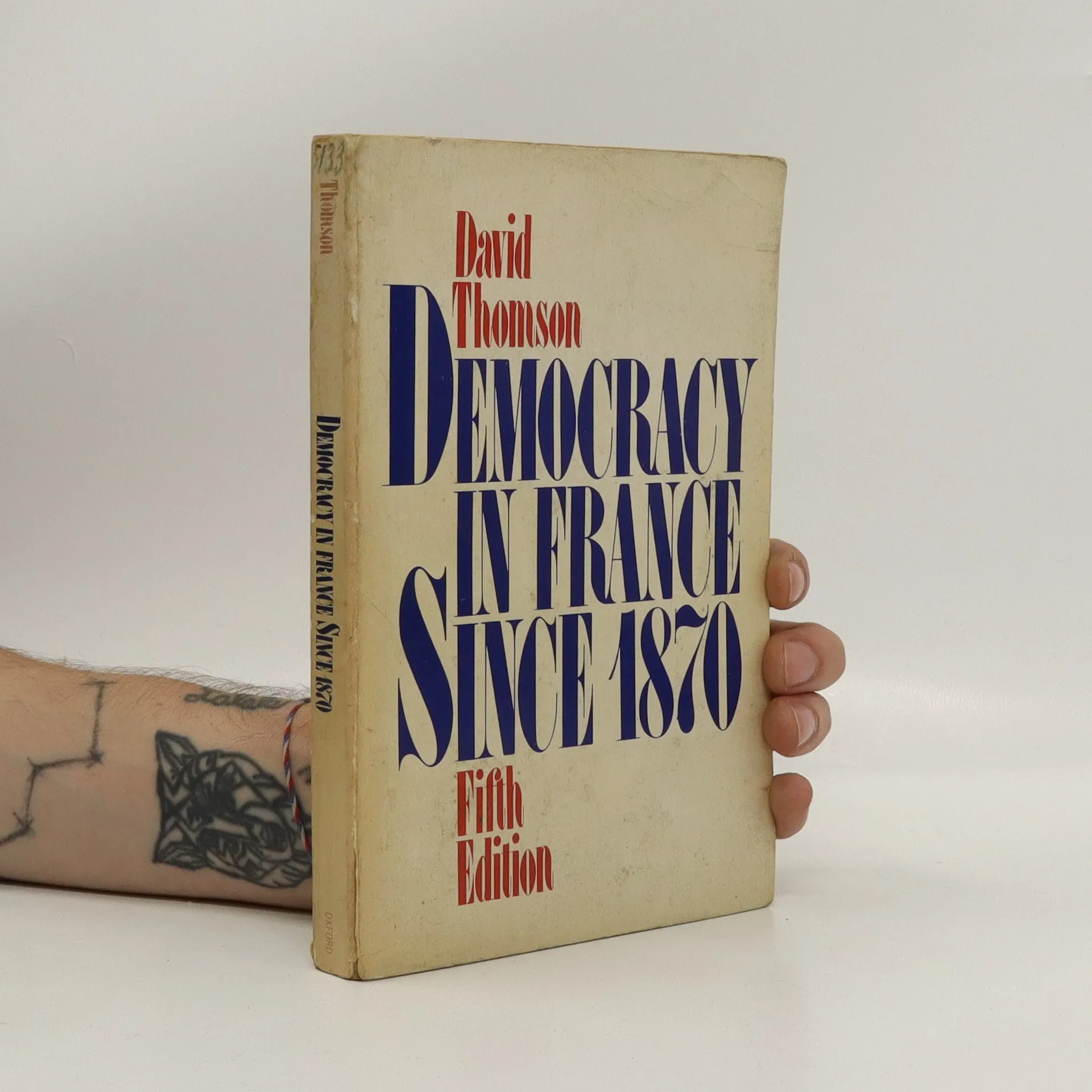
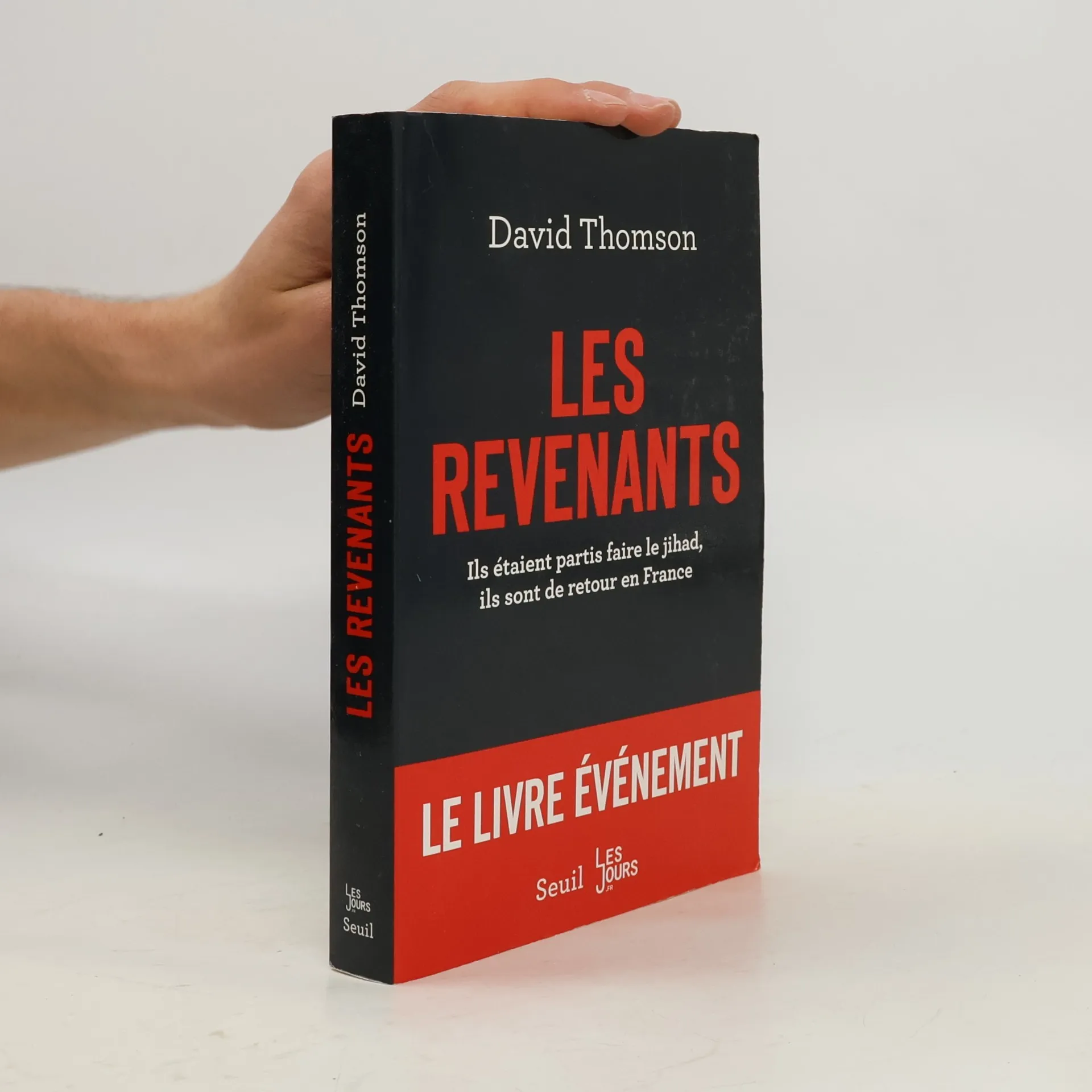
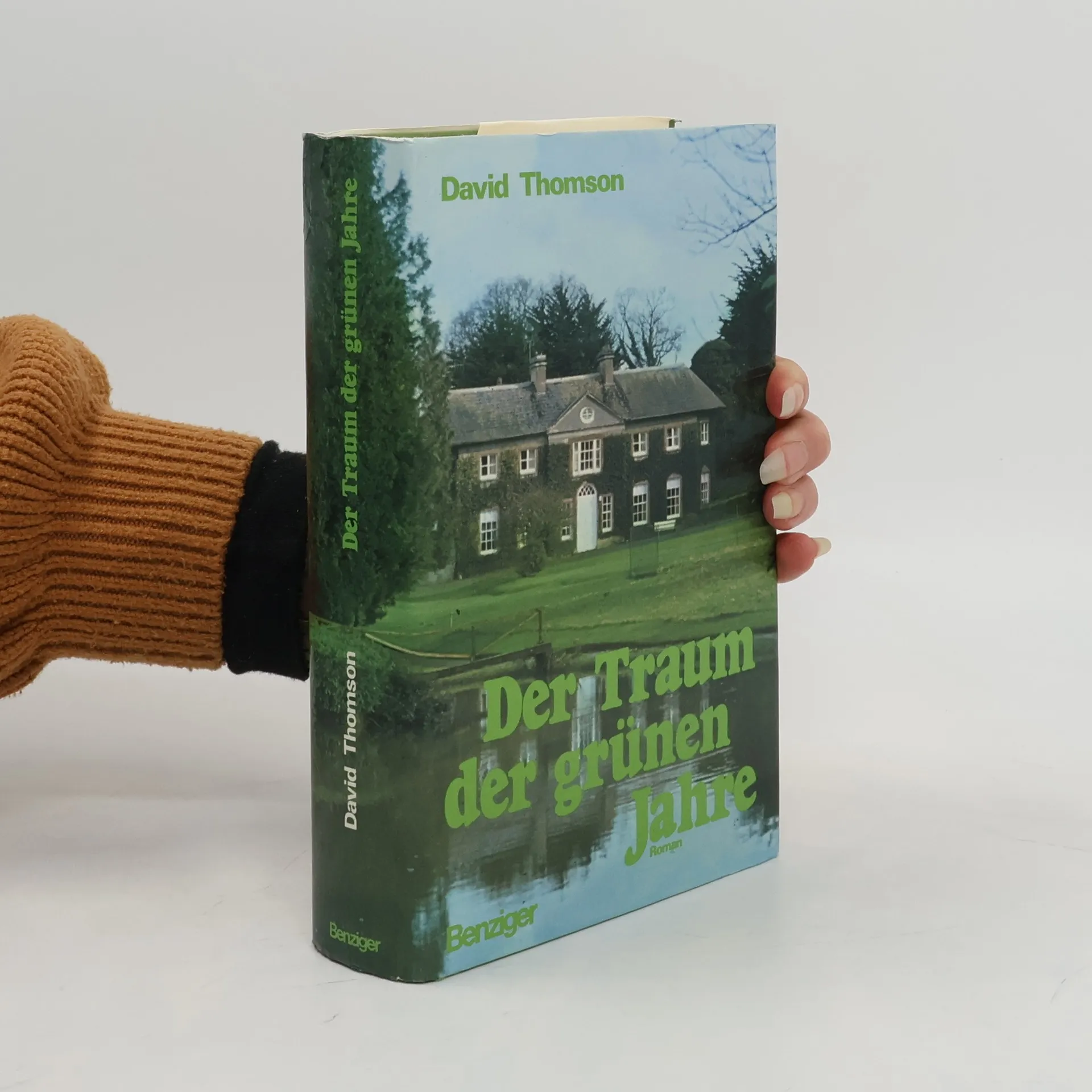
David Thomson je uznávaným filmovým historikom a kritikom, ktorého dielo sa vyznačuje hlbokým vhľadom do podstaty kinematografie. Jeho práce skúmajú nielen históriu filmu, ale aj jeho kultúrny dopad a umeleckú hodnotu. S citom pre detail a pútavým štýlom Thomson oživuje svet filmu a ponúka čitateľom jedinečný pohľad na jeho vývoj a kľúčové osobnosti. Jeho vplyv na filmovú kritiku a esejistiku je nespochybniteľný, čo z neho robí rešpektovanú postavu v odbore.
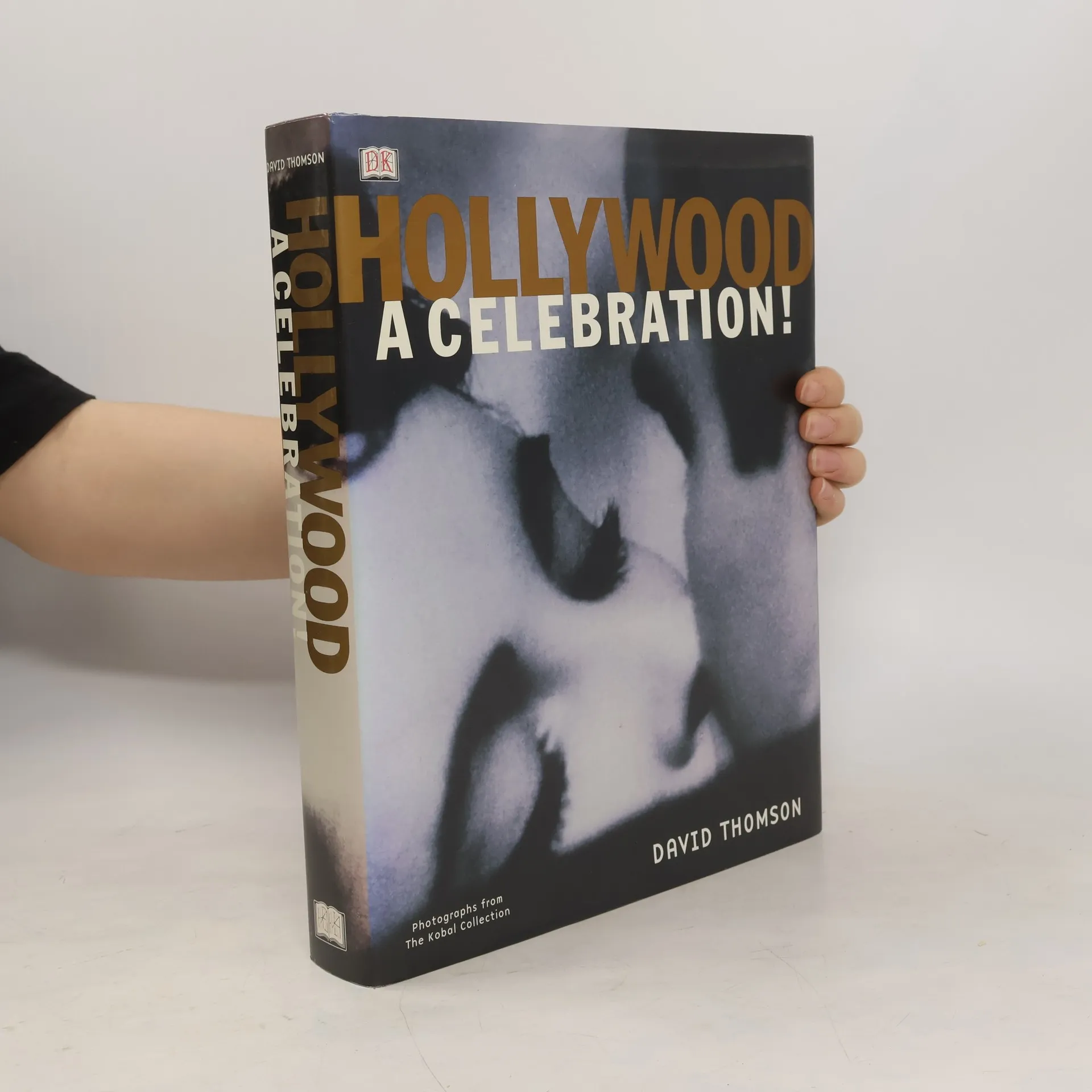
This guide to Hollywood catalogues major filmic trends from silent films of the 1920s through the Technicolor Age to the electronic era. Visual documentation captures the legendary stars and directors, and each chapter introduces the wider historical and social context of the age.
�Ingrid Bergman was far more than just a sweet, virtuous, �natural� Swedish girl � she was a dark sensualist over whom many men might go mad. Her very gaze delivered a climate of adult romantic expectation.� Adored by millions for her luminous beauty and elegance, at the height of her career Ingrid Bergman commanded a love that has hardly ever been matched, until her marriage fell apart and created an international scandal. Here renowned film writer David Thomson gives his own unique and original take on a woman who was constantly driven by her passions and by her need to act, even if it meant sacrificing everything.
Revised, updated, and expanded, here is the indispensable reference for passionate filmgoers. Each of the 1,000 entries on leading international actors, directors, and producers is a carefully considered, perceptive, often provocative essay. As a result, the book is a major work of film criticism of the most informative and entertaining kind.
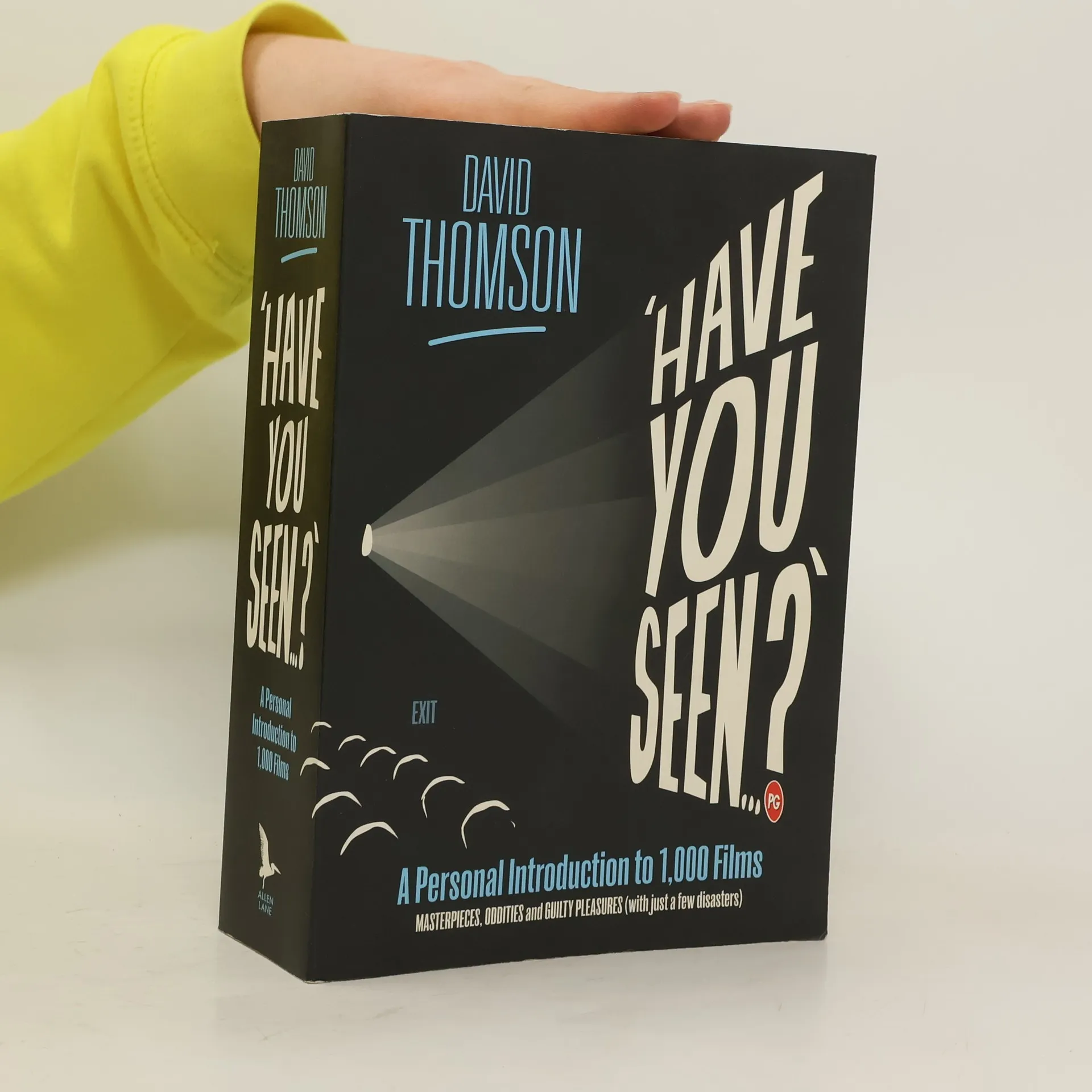
Features writings on 1000 of the films that the author has particularly liked - or in some cases, abhorred. This work features love stories, westerns, musicals, war stories, comedies, and dramas. It also discusses about British, Japanese and European cinema.
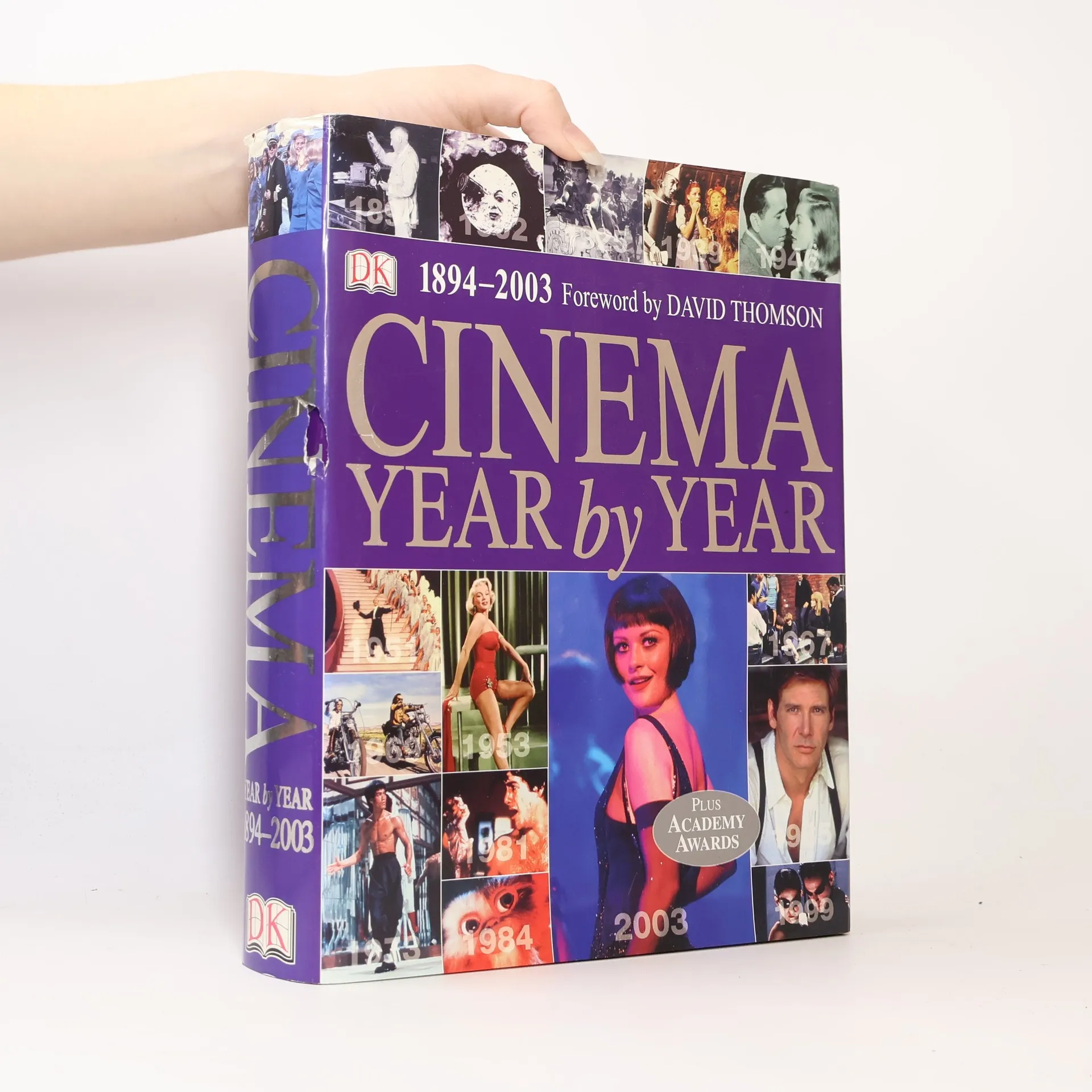
The Kid meets The Jazz Singer and It's a Wonderful Life as they have Breakfast at Tiffany's before The Empire Strikes Back and Harry Potter casts a cinematic spell. From the birth of film in the 1890s to 2003's technical wizardry, this year-by-year guide to the films, the stars, the Oscars and the innovations, with over 3000 illustrations, brings the silver screen to life and provides a detailed visual history of cinema.
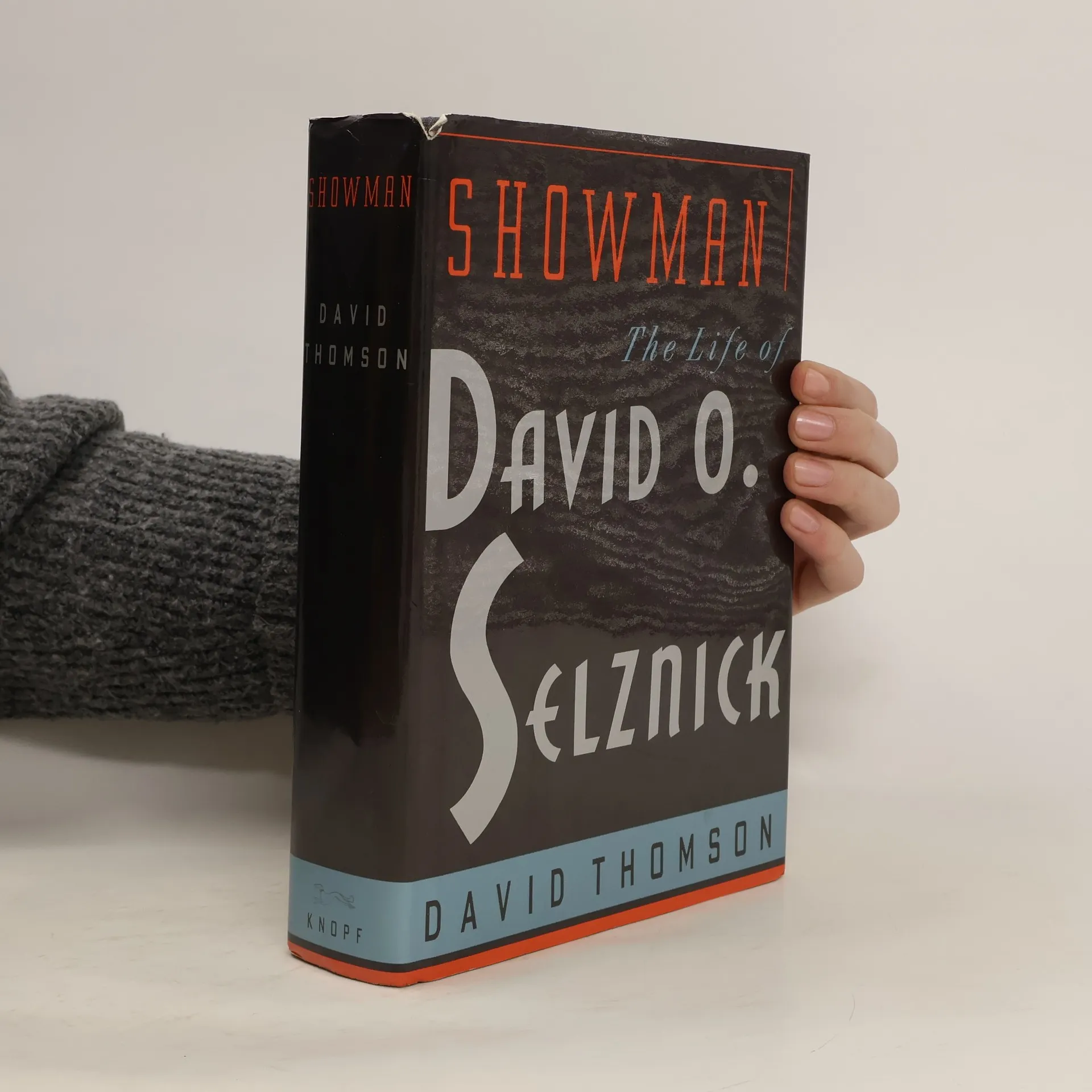
David O. Selznick, the iconic producer behind Gone With the Wind, is vividly depicted in this comprehensive biography, the first to access his extensive and revealing papers, which include script notes, production reports, and personal letters. Selznick was a unique figure in Hollywood, leaving behind a wealth of documentation that reflects his charm, intellect, work ethic, and complex personality. His life encapsulates the evolution of the film industry, from immigrant beginnings to the heights of café society. A chronic romantic, he first married Irene, daughter of Louis B. Mayer, and later Jennifer Jones, whom he transformed into a star. The narrative features a colorful cast, including his father, Lewis J., who experienced the highs and lows of silent films, and his brothers—Myron, a pioneering but troubled agent, and Howard, whose struggles impacted the family. Key figures in Selznick's life included Jock Whitney, a wealthy friend; directors like George Cukor and Alfred Hitchcock; and stars such as Vivien Leigh and Orson Welles. The biography details Selznick's influential films, including What Price Hollywood?, Rebecca, and A Star is Born, while providing an in-depth account of the tumultuous production of Gone With the Wind, revealing the intricate interplay of personal and professional dynamics in Hollywood.
This book details many different aspects of the Alien films: the different directors, the making of the films, the themes, the actors and the tensions on the set. Published to coincide with the release of the fourth Alien film.
Find out what the landscape, weather, transport, farming, food, shopping, houses, working life, festivals and having fun is like in Italy. This book includes a large colour map of Italy is included, with an inset map showing its position in the world.
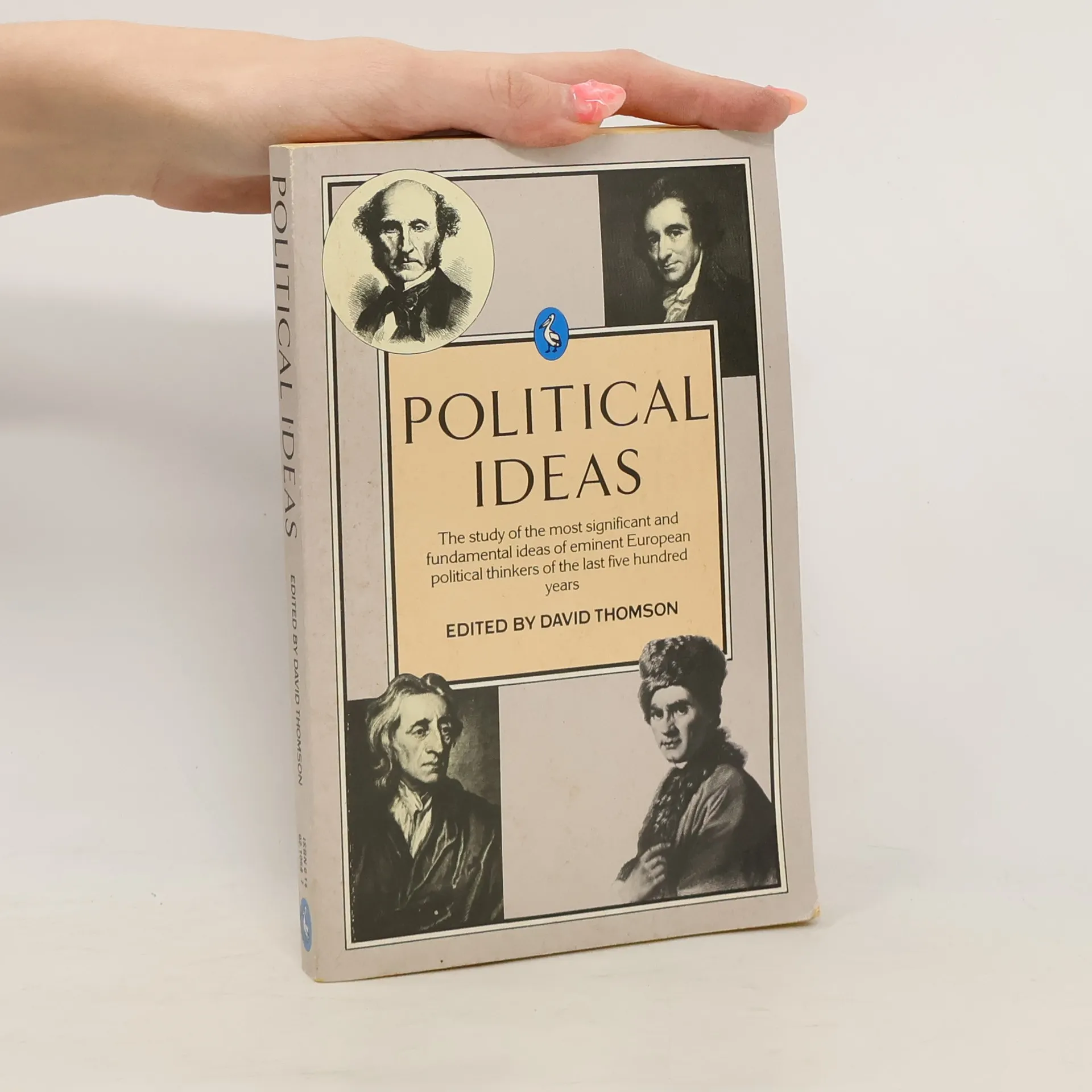
"HEGEL AND THE NATION-STATE"(R.S. PETERS) "MAZZINI AND REVOLUTIONARY NATIONALISM"(D.E.D. BEALES) "JOHN STUART MILL AND THE LIBERTY OF THE INDIVIDUAL"(J.W.N. WATKINS) "MARX AND MODERN CAPITALISM"(P.H. VIGOR) "RECENT POLITICAL THOUGHT"(A.C. MACINTYRE) "CONCLUSION: THE IDEA OF EQUALITY"(DAVID THOMSON)
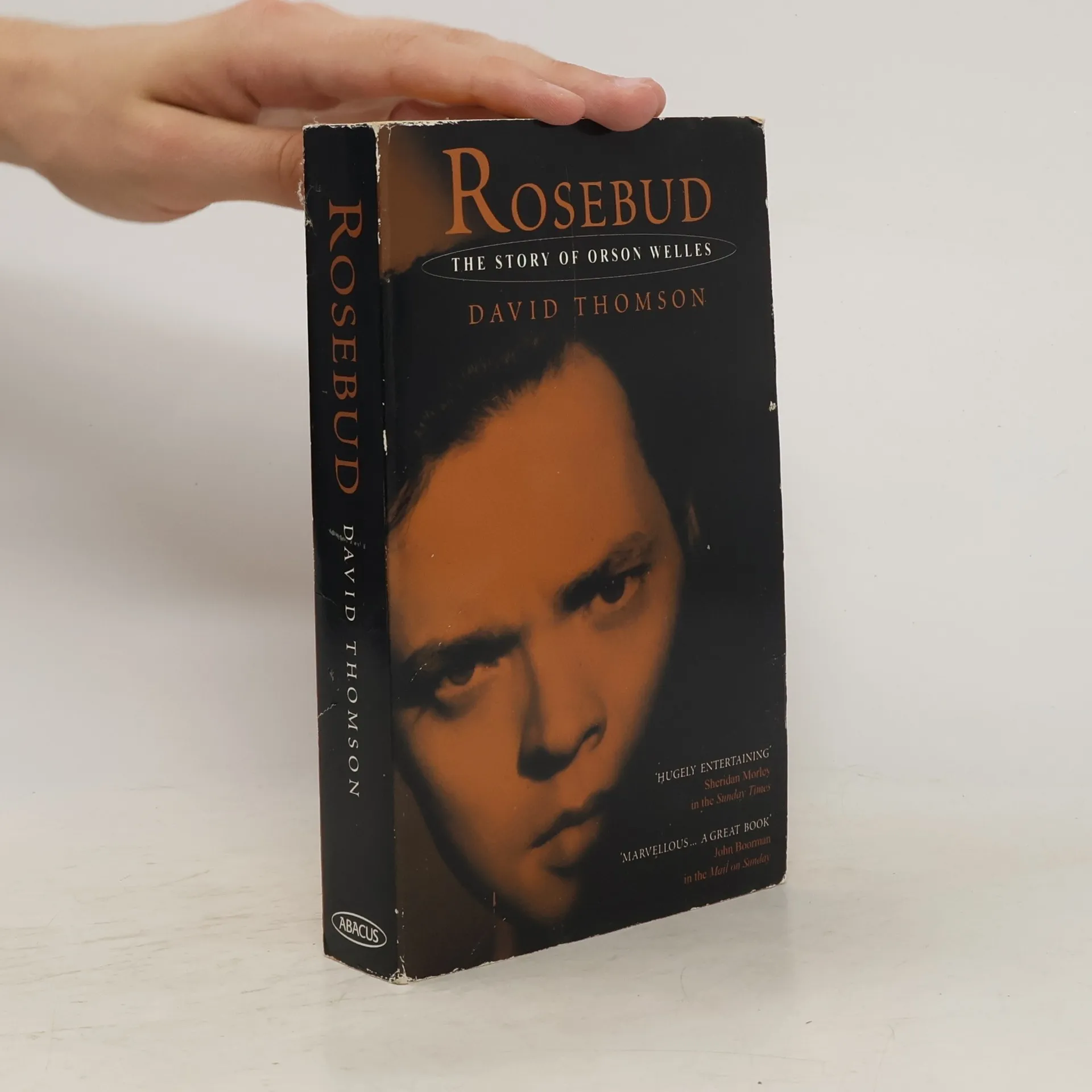
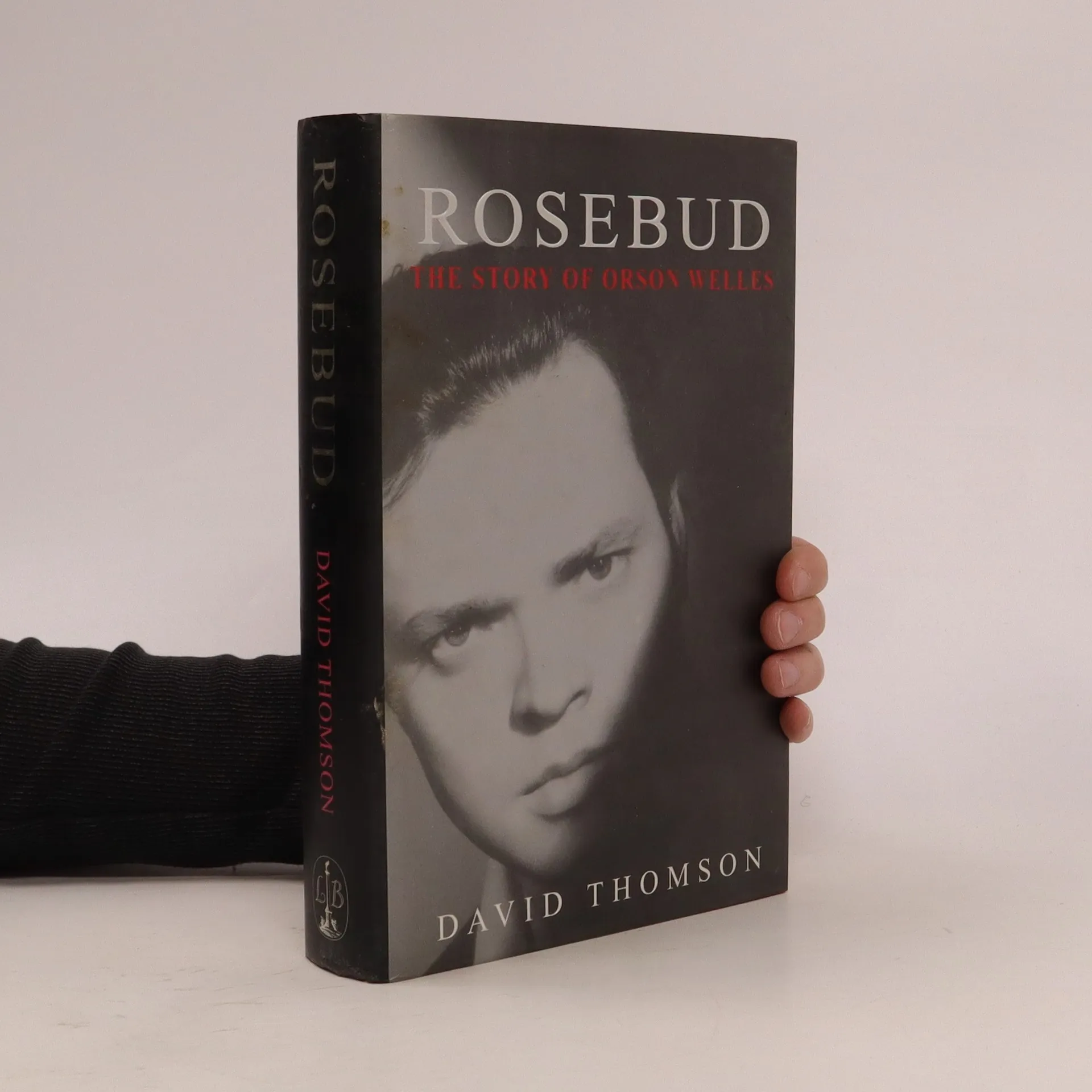
Rosebud is a riveting and powerful portrait of the rise and fall of one of Hollywood's greatest innovators - the man who brought us Citizen Kane and then lost himself to obesity, small talk and conjuring tricks on daytime television. With humour, pace and the twists of a mystery story, acclaimed film critic and writer David Thomson probes the essential questions surrounding Welles, exploring the ferocious energy and demonic intellect behind the boy genius. Challenging, idiosyncratic, compelling: Rosebud understands Welles as no other study has, and in a way that leaves the reader breathless, amused and deeply moved by the wonder that was once Orson.
'Look, I�m hardly pretty, he seems to say. I sound like gravel; I look rough and tough; and, honest, I don�t give you the soft, foolish answers the pretty boys will give you. You may not like what I say, but you better believe it.� He became a legend as �Bogie�, the world-weary, wise-cracking outsider, but in reality Humphrey Bogart was plagued by doubts and demons. He was born upper-class yet made his name playing mavericks, drank with the rat pack and met four wives on set � including his great love, Lauren Bacall � yet always mistrusted stardom. Here David Thomson, one of film�s most provocative writers, reveals the man behind cinema�s greatest icon.
�She could look demure while behaving like an empress. Blonde, with eyes like pearls too big for her head, she was very striking, but marginally pretty and certainly not beautiful � But it was her edge that made her memorable � her upstart superiority, her reluctance to pretend deference to others.� Bette Davis was the commanding figure of the great era of Hollywood stardom, with a drive and energy that put her contemporaries in the shade. She played queens, jezebels and bitches, she could out-talk any male co-star, she warred with her studio, Warner Bros, worked like a demon, got through four husbands, was nominated for seven Oscars and � no matter what � never gave up fighting. This is her story.
Woodbrook is a rare house that gives its name to a small, rural area in
Ireland, not far from the old port of Sligo. In it he builds up a delicate,
lyrical picture of a gentle pre-war society, of Irish history and troubled
Anglo-Irish relations, and of a delightful family.
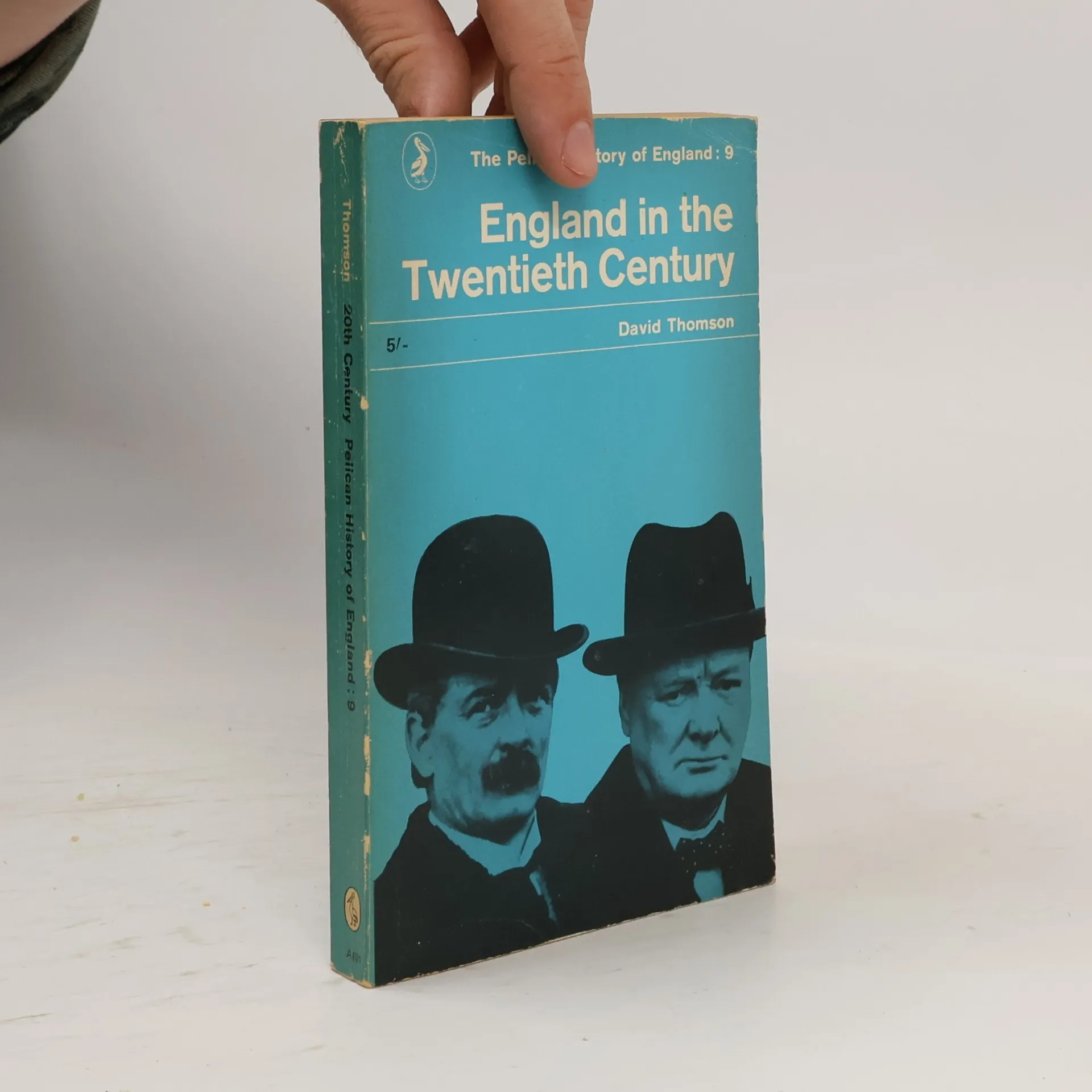
This account explains the continuity and significance of many important issues and events of the 20th century, setting them against the broad background of social and cultural change since 1914. In this second edition, Geoffrey Warner has extended its scope to include changes in many issues.
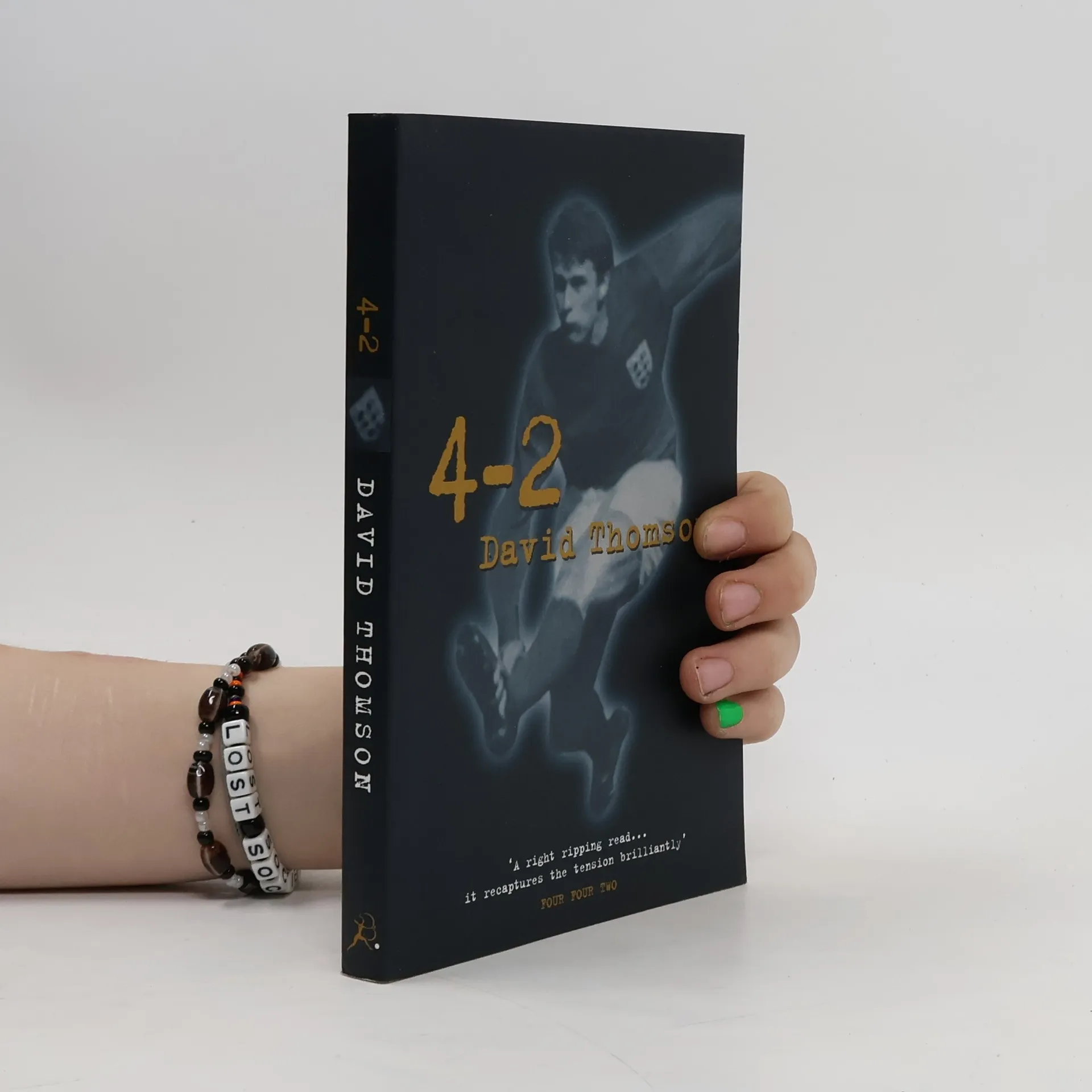
The story of the World Cup final between England and West Germany in 1966, written to celebrate the 30th anniversary of the event. The events recorded in the book span 120 minutes, and it comprises a full narrative of the match. David Thomson is the author of The Biographical Dictionary of Film.
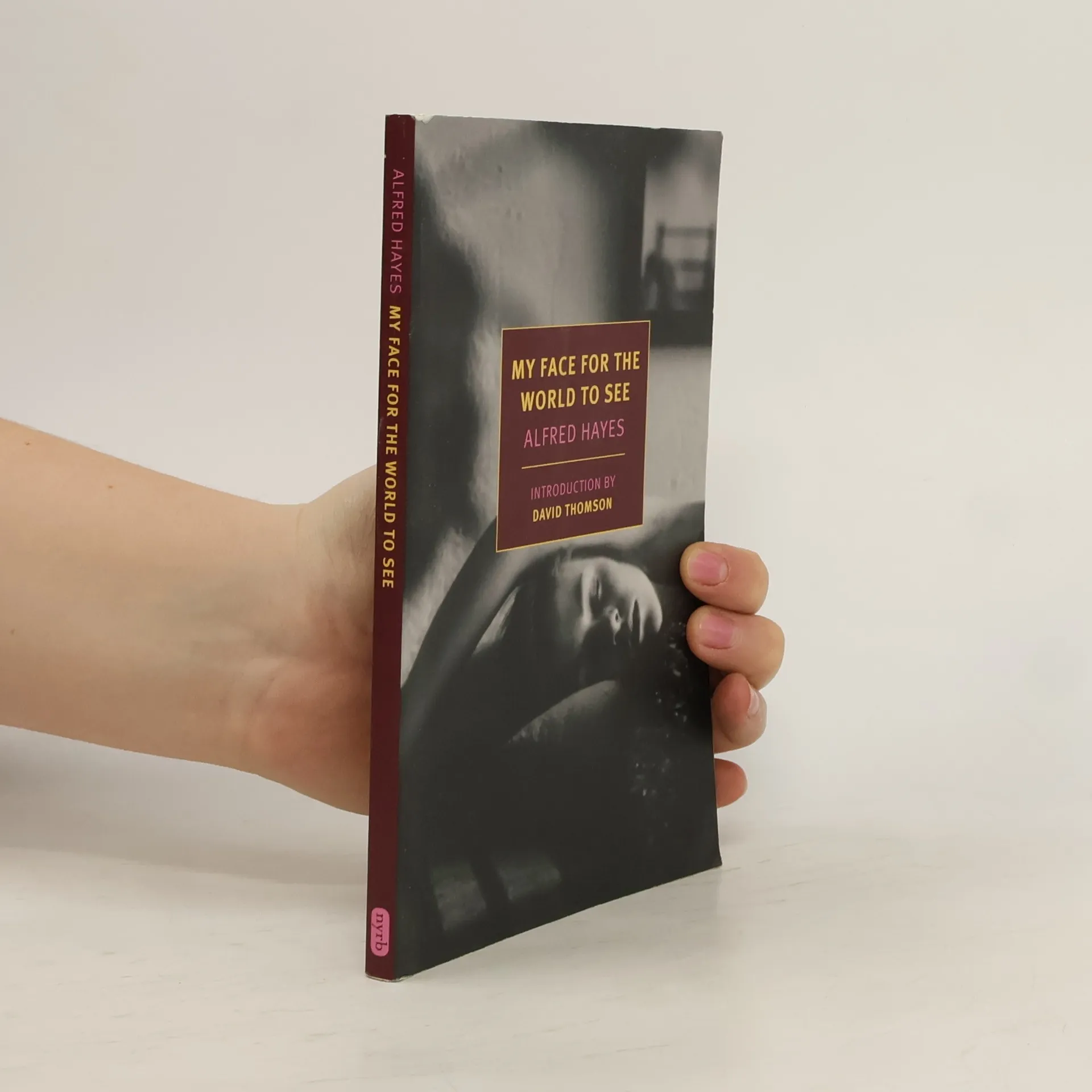
Hayes is a master of withheld detail, crafting an insider's manual for those aspiring to the elusive fame and glamour of Hollywood. His work is exciting and engrossing, showcasing characters that embody human hopes and frailty. Critics note it as the most vivid depiction of Hollywood since Nathanael West's Day of the Locust. Hayes's writing is marked by grace and control, standing out in a landscape often filled with verbosity. He writes luminously about individuals unable to resist destructive temptations, drawing parallels between his portrayal of bruised men and Jean Rhys's treatment of bruised women, both delivering heartbreakingly beautiful prose. A notable aspect of his sophisticated writing is its constant return to raw humanity, creating a nagging, insidious effect that leaves a bitter aftertaste. Hayes captures the essence of Hollywood, revealing the underlying bitterness behind the facade of success and fame. He explores the ineffable sadness that accompanies achievement and the corrupting nature of the industry, which often eludes other writers. His work is deeply moving, offering a jolt of bitter wisdom that resonates with readers.
A provocative, highly engaging essay on the art of pretending on the stage, on screen, and in daily life Does acting matter? David Thomson, one of our most respected and insightful writers on movies and theater, answers this question with inte
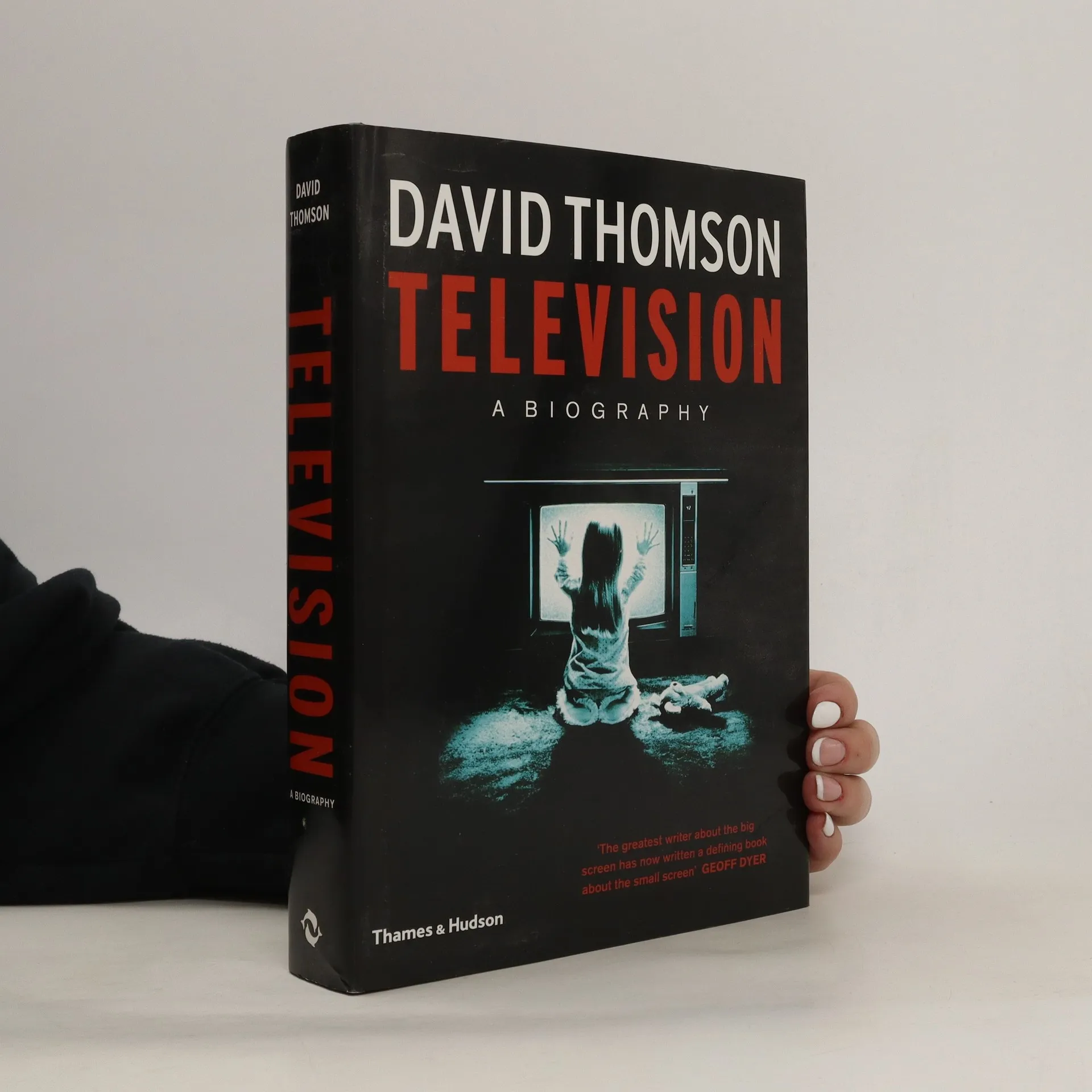
“The invention, or the quaint piece of furniture, wandered into our lives in the 1940s, as a primitive plaything, a clever if awkward addition to the household. It was expensive, unreliable and a bit of an invalid.” —Television, A Biography In just a few years, what used to be an immobile piece of living room furniture, which one had to sit in front of at appointed times in order to watch sponsored programming on a finite number of channels, morphed into a glowing cloud of screens with access to a near-endless supply of content available when and how viewers want it. With this phenomenon now a common cultural theme, a writer of David Thomson’s stature delivering a critical history, or “biography” of the six-decade television era, will be a significant event which could not be more timely. With Television, the critic and film historian who wrote what Sight and Sound's readers called “the most important film book of the last 50 years” has finally turned his unique powers of observation to the medium that has swallowed film whole. Over twenty-two thematically organized chapters, Thomson brings his provocatively insightful and unique voice to the life of what was television. David Thomson surveying a Boschian landscape, illuminated by that singular glow—always “on”—and peopled by everyone from Donna Reed to Dennis Potter, will be the first complete history of the defining medium of our time.
Behind the scenes at the legendary Warner Brothers film studio, where four immigrant brothers transformed themselves into the moguls and masters of American fantasy Warner Bros charts the rise of an unpromising film studio from its shaky beginnings in the early twentieth century through its ascent to the pinnacle of Hollywood influence and popularity. The Warner Brothers--Harry, Albert, Sam, and Jack--arrived in America as unschooled Jewish immigrants, yet they founded a studio that became the smartest, toughest, and most radical in all of Hollywood. David Thomson provides fascinating and original interpretations of Warner Brothers pictures from the pioneering talkie The Jazz Singer through black-and-white musicals, gangster movies, and such dramatic romances as Casablanca, East of Eden, and Bonnie and Clyde. He recounts the storied exploits of the studio's larger-than-life stars, among them Al Jolson, James Cagney, Bette Davis, Errol Flynn, Humphrey Bogart, James Dean, Doris Day, and Bugs Bunny. The Warner brothers' cultural impact was so profound, Thomson writes, that their studio became "one of the enterprises that helped us see there might be an American dream out there."
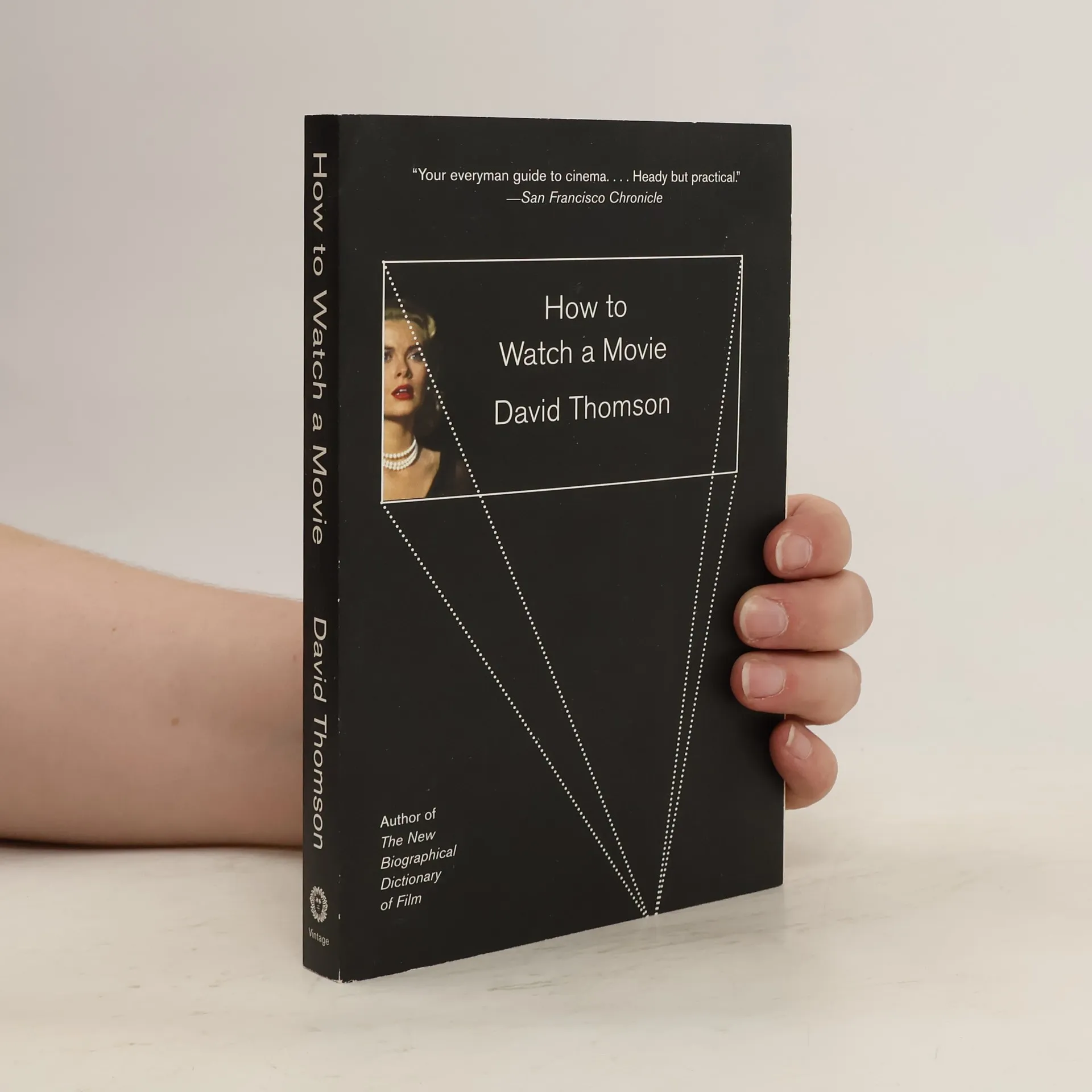
In his most inventive exploration of the medium yet, David Thomson—one of our most provocative authorities on all things cinema—shows us how to get more out of watching any movie. Guiding us through each element of the viewing experience, considering the significance of everything from what we see and hear on-screen—actors, shots, cuts, dialogue, music—to the specifics of how, where, and with whom we do the viewing, Thomson explicates the movie watching experience with his customary candor and wit. Delivering keen analyses of films ranging from Citizen Kane to 12 Years a Slave, in How to Watch a Movie, Thomson shows moviegoers how to more deeply appreciate both the artistry and the manipulation of film—and in so doing enriches our viewing experience immensely.
The theme of this book is the major social changes which the people of England experienced during the period of the great peace between the Battle of Waterloo and the First World War.
Thomson offers readers two books in one: a biography of Hollywood's best-loved bad boy and--in alternating chapters--a futuristic novella centering on a Beatty-like character. A tour de force exploration of all the mythologies Beatty embodies. 42 photos.
Michael Sean, ein armer Fischer, findet eines Tages einen Heuler mit schneeweißem Fell und kämpft zwischen Gewissen und Gier. Letztendlich erschlägt er den jungen Seehund, um sich aus dessen Fell den schönsten Wams des Dorfes zu nähen. Ein Jahr später wird Michael Sean tot an der Stelle aufgefunden, an der er das Tier getötet hat. Eine andere Sage erzählt von einer unheimlichen Cousine, die lange Röcke trägt, unter denen sich kein menschlicher Körper, sondern ein Robbenschwanz verbirgt. Der Autor hat in den späten 1940er Jahren den westlichen Rand Europas von den Shetland-Inseln bis zur Küste von Kerry erkundet. In abgelegenen Pubs und windschiefen Fischerhütten hörte er von den Bewohnern Seehundslegenden. David Thomson schlüpft in verschiedene Rollen: Als Historiker dokumentiert er den einzigartigen Sagenschatz einer versunkenen Welt. Gleichzeitig hat er einen modernen Klassiker geschaffen, der den Leser in die wundersamen Räume von Erinnerung und Phantasie entführt, wo der Mensch in den Gestalten des Seehunds immer wieder Bilder seiner selbst entdeckt.
Depuis 2012, plus d'un millier de Français sont partis rejoindre des groupes jihadistes en Syrie. Près de 700 sont toujours sur place, près de 200 ont déjà été tués, et autant ont choisi de rentrer. David Thomson a rencontré ces "Revenants". Il est l'un de leurs meilleurs connaisseurs. Il les suit depuis des années, les a parfois connus avant leur départ et entretient avec eux des relations directes et régulières. Bilel, Yassin, Zoubeir, Lena... S'ils ont des profils différents, ils ont aussi de nombreux points communs. Certains sont revenus dégoûtés de la violence du conflit syrien, d'autres sont déçus de leur expérience, mais pas repentis. D'autres reviennent blessés ou psychologiquement abîmés. La plupart sont encore en prison, où leur nombre crée des problèmes qui semblent aujourd'hui insolubles. Certains, enfin, sont de retour pour mener de nouvelles actions terroristes sur le sol français. Tous focalisent l'attention des services de renseignement en raison de la menace durable qu'ils font peser sur le territoire national.
Sue Lawley's castaway this morning is the actress Nicole Kidman. Fresh from her West End triumph in The Blue Room, she traces her life from her suburban Australian upbringing to the heart of Hollywood and beyond. She chooses eight records to take to the mythical island.[Taken from the original programme material for this archive edition of Desert Island Discs] Favourite What a Wonderful World by Louis Armstrong Collection of Poems by Emily Dickinson Sun block
Obwohl Sternes Werke immer wieder aufs Neue übersetzt wurden, fehlte bis heute seine Biographie in deutscher Sprache. David Thomsons Buch über Leben und Werk Laurence Sternes leuchtet die Bühne aus, auf der er agierte; er zeigt ihn als Kind seiner Zeit und zugleich als Avantgardisten, als Parteigänger der Aufklärung und als denjenigen, der diese Postulate ironisch unterlief. David Thomson macht keinen Hehl aus seiner Sympathie, die er für Sterne empfindet, er weiß, dass er über eine Legende scheibt, über einen Autor, der sich selbst als eine literarische Figur sah. Er entzaubert diese Legende gelegentlich, aber er gibt dem Leser die Möglichkeit zu verstehen, wie Tristram Shandy/Laurence Sterne zur Legende werden konnten.