Barbaři
Rebelie a odpor vůči Římské říši



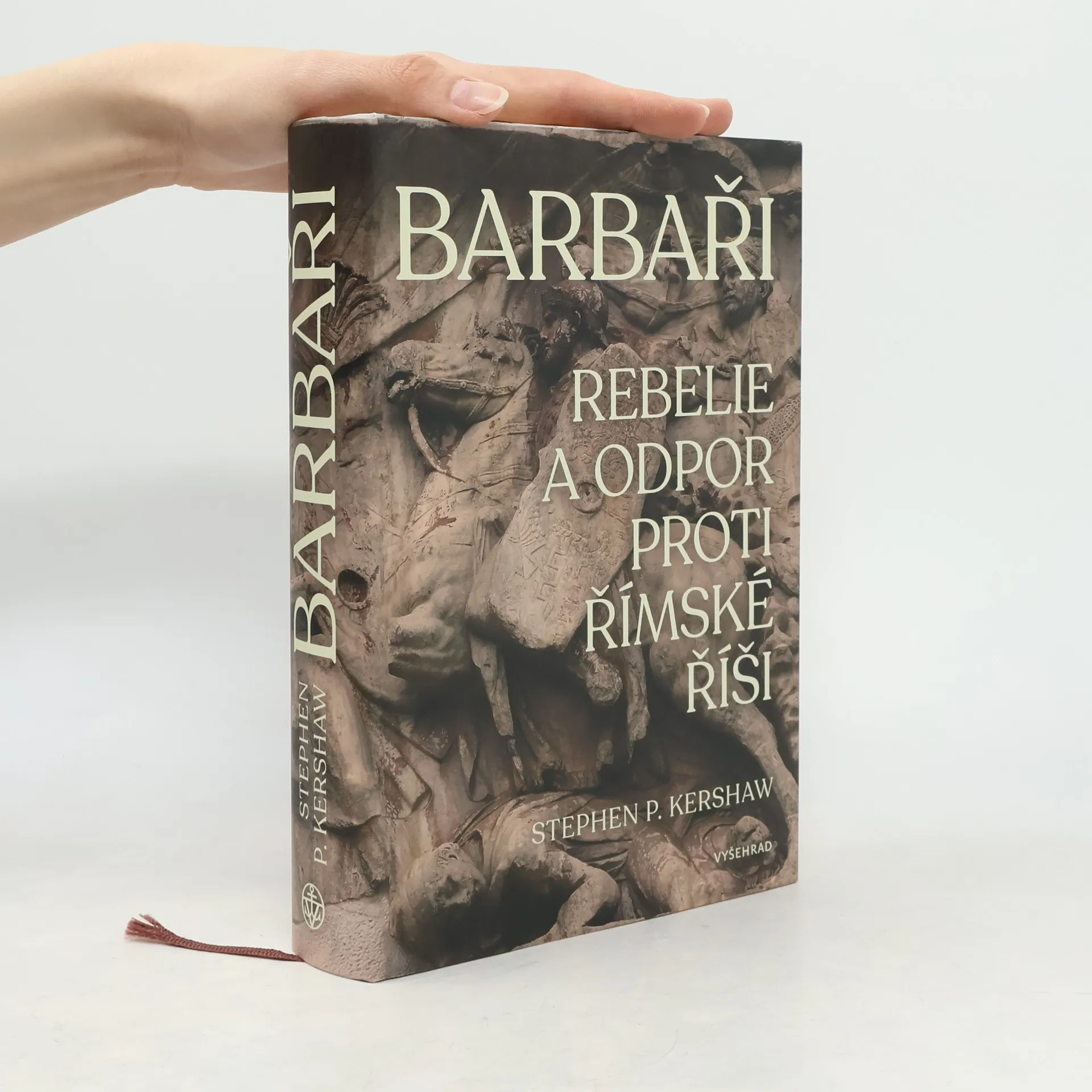
Rebelie a odpor vůči Římské říši
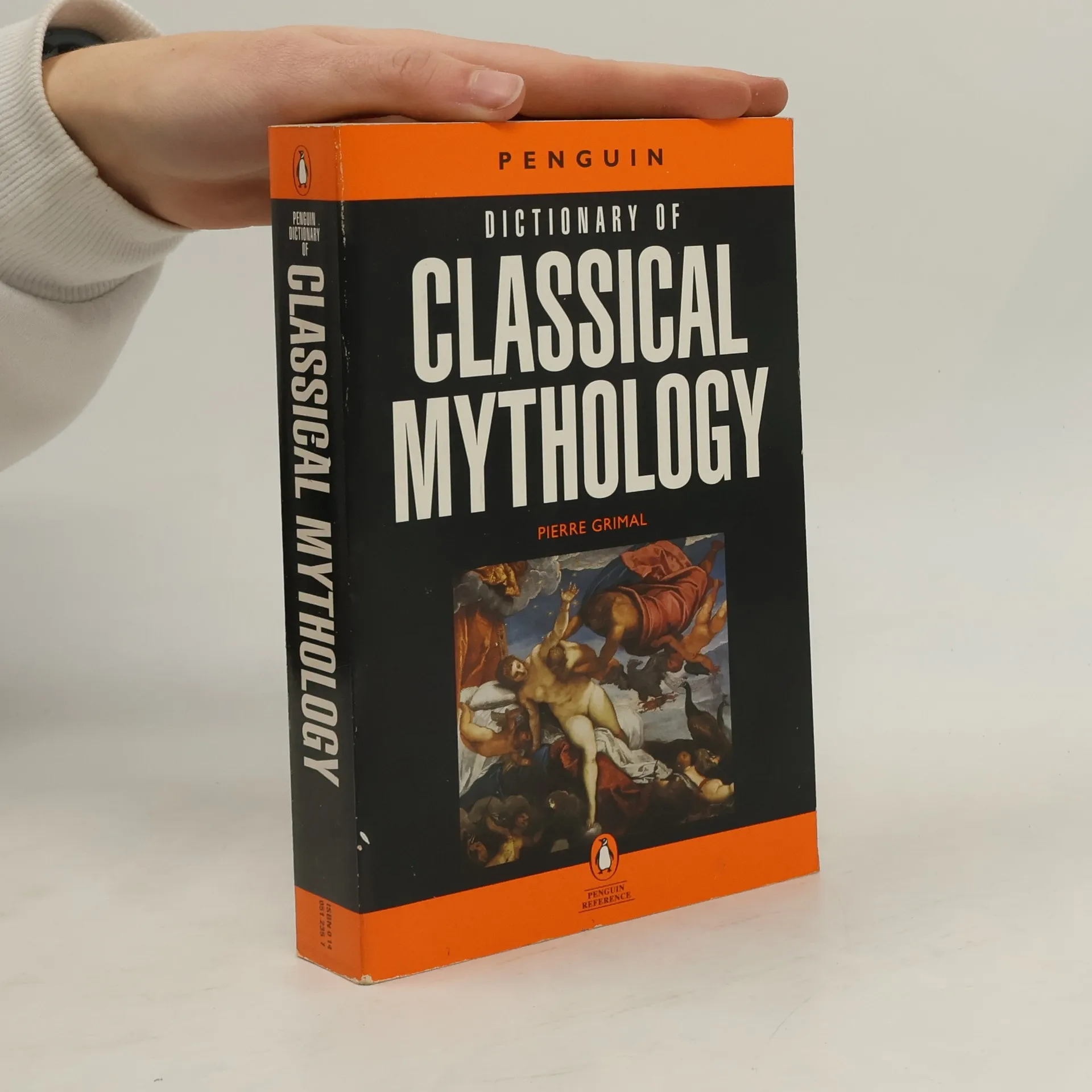
Distills and captures the essence of Greek and Roman mythology. This dictionary is suitable for those with an interest in the Classics or those seeking to explore the many allusions to its mythology that abound in literature.
The year 2022 marks 2,500 years since Athens, the birthplace of democracy, fought off the mighty Persian empire. Kershaw tells the story of the three epic battles - Marathon, Thermopylae and Salamis - that saved democracy, without which the history of Europe and the West would have been radically different.
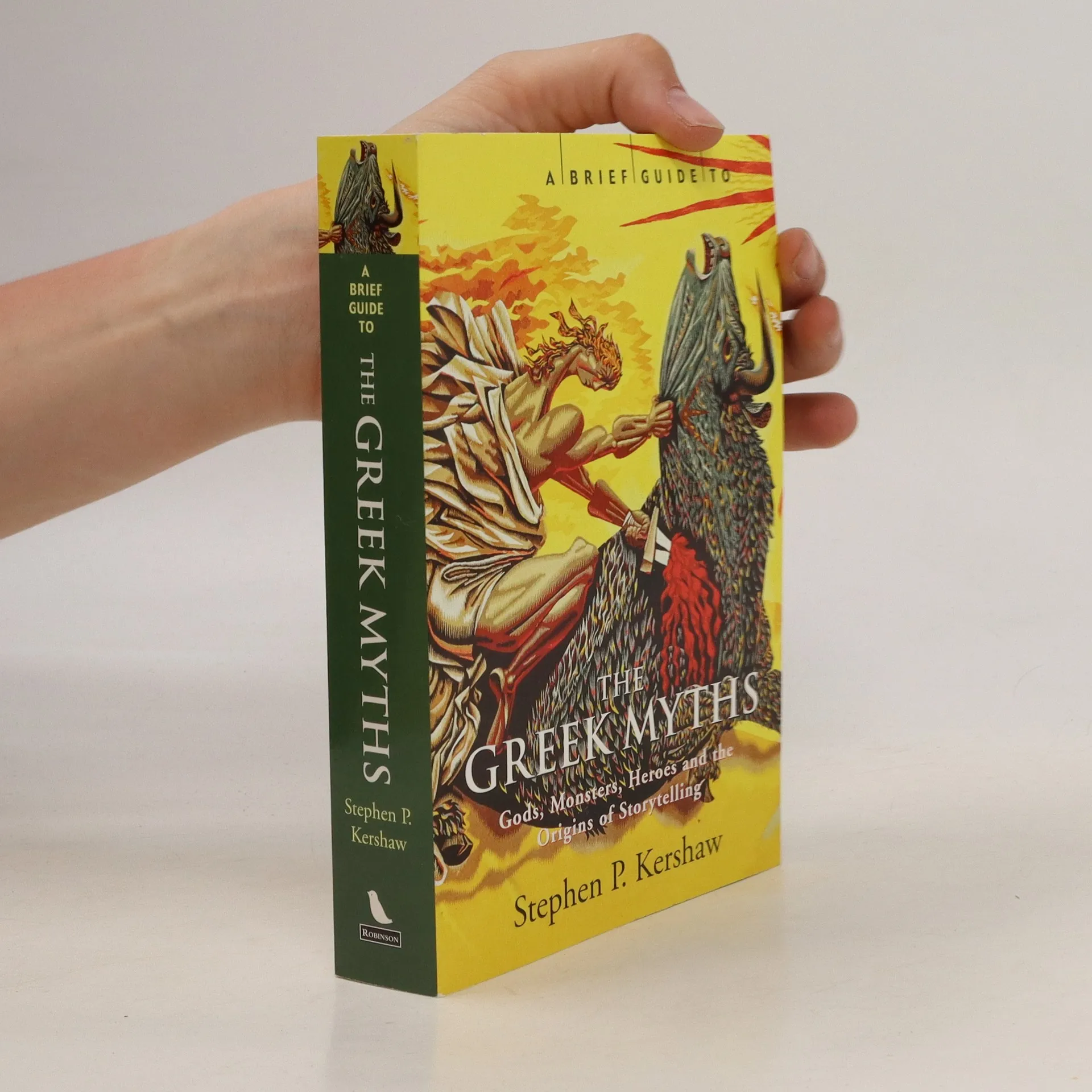
Classical scholar Stephen Kershaw retells and explores Greek myths - both the famous as well as the long forgotten including Theseus and the Minotaur, Jason and the Argonauts and the death of Achilles - and shows how their power has resonated over the centuries from Renaissance painting to the poets of the Great War.
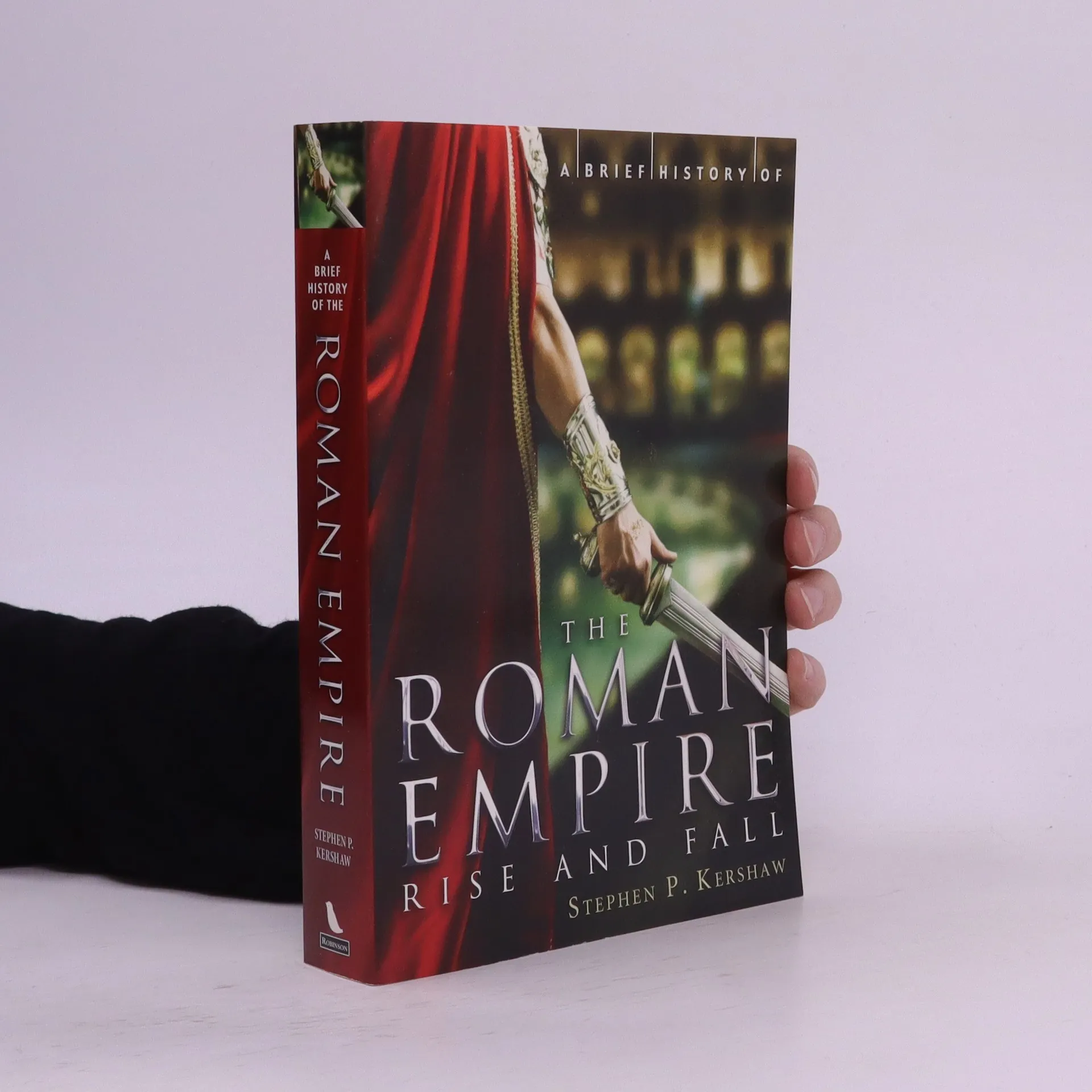
In this lively and very readable history of the Roman Empire from its establishment in 27 BC to the barbarian incursions and the fall of Rome in AD 476, Kershaw draws on a range of evidence, from Juvenal's Satires to recent archaeological finds. He examines extraordinary personalities such as Caligula and Nero and seismic events such as the conquest of Britain and the establishment of a 'New Rome' at Constantinople and the split into eastern and western empires. Along the way we encounter gladiators and charioteers, senators and slaves, fascinating women, bizarre sexual practices and grotesque acts of brutality, often seen through eyes of some of the world's greatest writers. He concludes with a brief look at how Rome lives on in the contemporary world, in politics, architecture, art and literature.
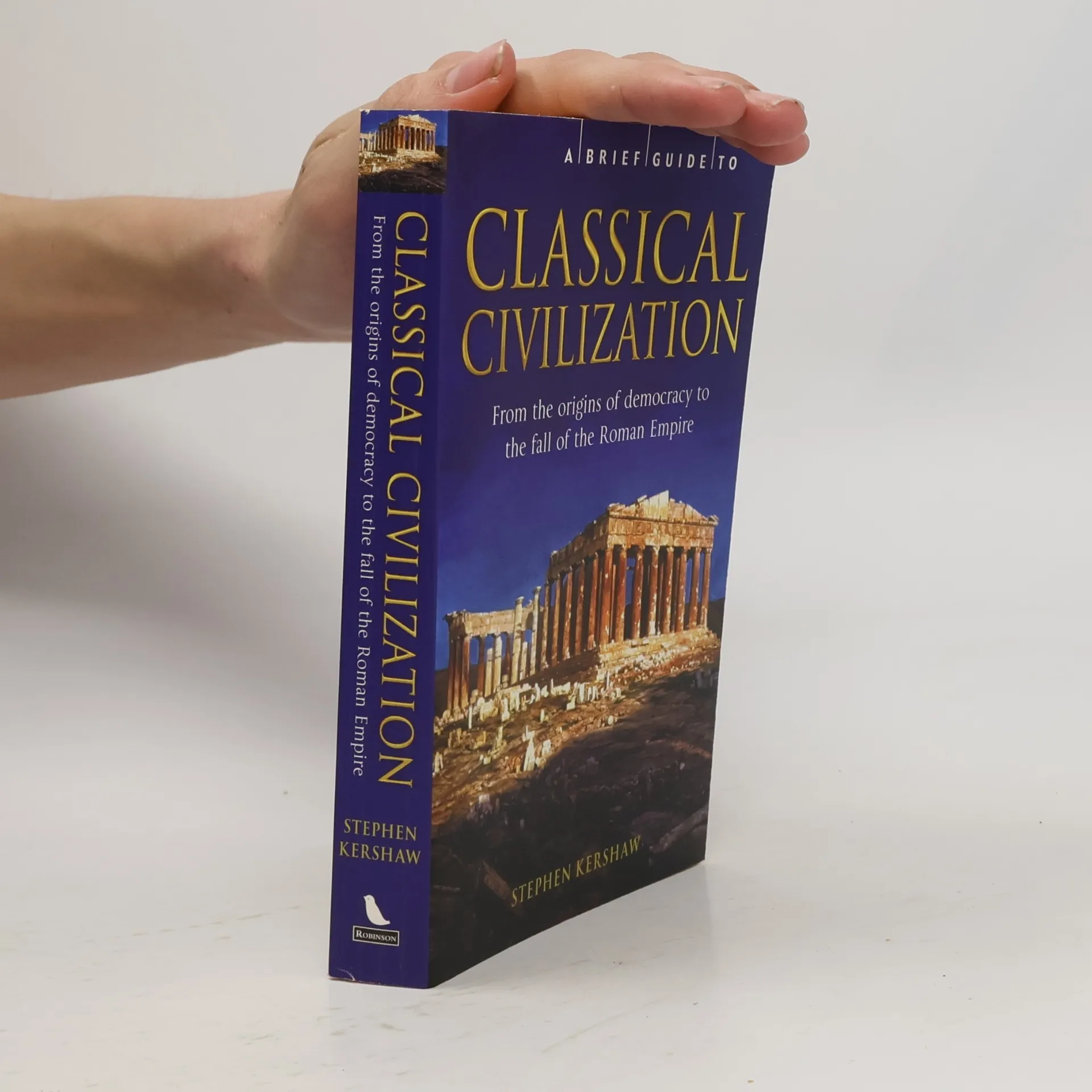
An accessible and comprehensive introduction to Classical history, myth and the ancient world.
A new translation of two of Plato's dialogues, Timaios and Kritias, with commentary and critical discussion including an exploration of how the tale of Atlantis has been interpreted throughout history.
