

Bookbot

Steven J. Lynn

    Warum Mozart Babys nicht schlauer macht
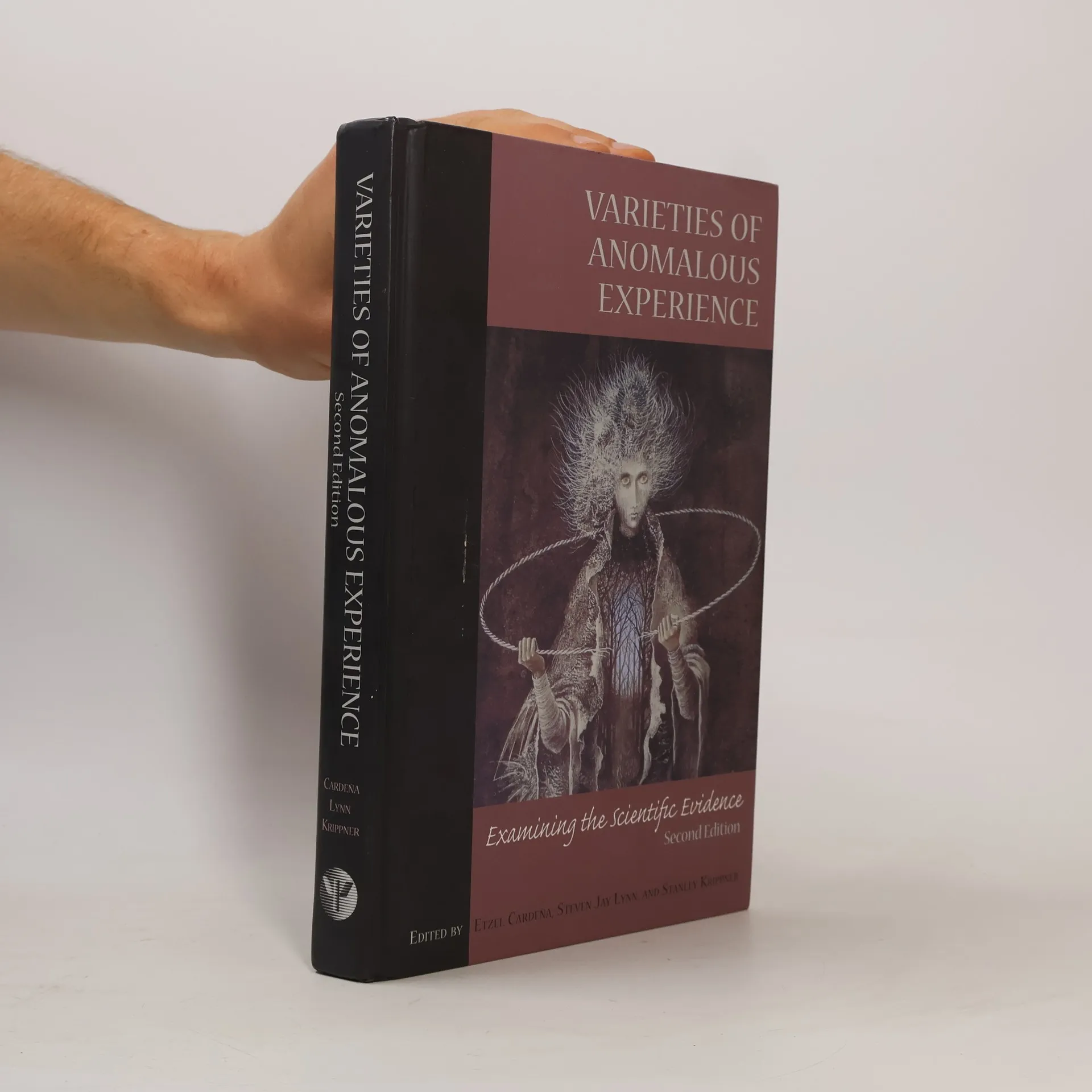
    Varieties of Anomalous Experience
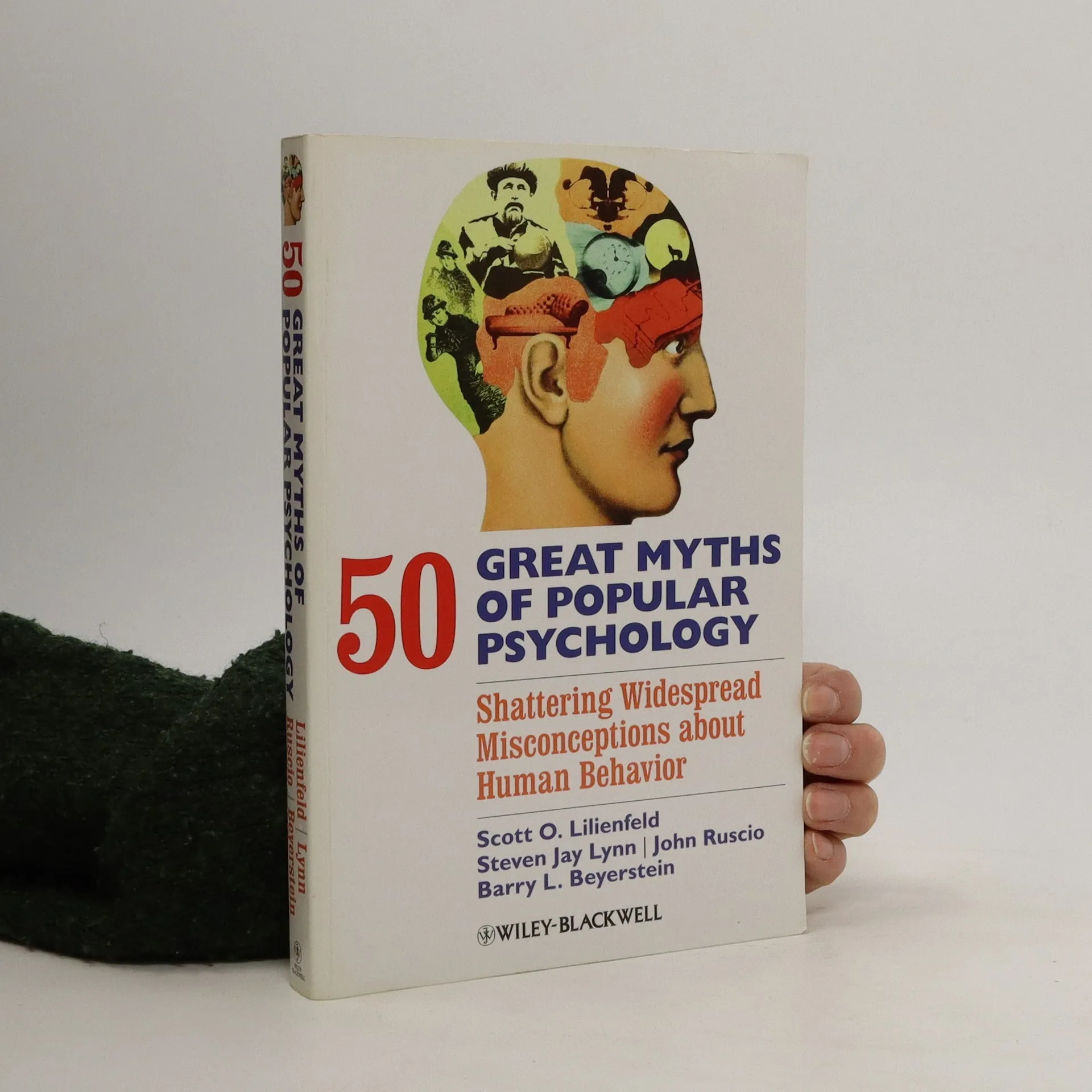
    50 great myths of popular psychology
    • Varieties of Anomalous Experience

      Examining the Scientific Evidence - Second Edition

      • 452 stránok
      • 16 hodin čítania

      For much of the twentieth century, unusual perceptions, radical alterations of consciousness, and extraordinary subjective experiences were largely overlooked in mainstream psychology. Recently, however, there has been a growing interest in the scientific study of these anomalous experiences, significantly influenced by the first edition of this book published in 2000. This revised edition invites experts to provide comprehensive reviews and analyses of a wide range of experiences, from commonly documented sensations like synesthesia and lucid dreaming to rarer phenomena such as anomalous healing, past-life memories, near-death experiences, mystical encounters, and alien abductions. Acknowledging the challenges of studying subjective experiences, the authors present new research in neuroscience and offer thorough scientific coverage of each experience, addressing prevalence, etiology, phenomenology, aftereffects, related psychopathology, theoretical explanations, and clinical issues. A new integrative summary chapter enhances this edition. The book argues compellingly for the inclusion of these marginalized experiences as essential to understanding human psychology, rather than viewing them as mere curiosities.

      Varieties of Anomalous Experience2013
    • Warum Mozart Babys nicht schlauer macht

      25 populäre Irrtümer der Psychologie

      • 168 stránok
      • 6 hodin čítania

      Stimmt es wirklich, dass die meisten Menschen nur einen Bruchteil ihres Gehirns nutzen? Und ist das alte Sprichwort ›was Hänschen nicht lernt, lernt Hans nimmermehr‹ auch wissenschaftlich belegbar? Sie werden sich wundern, denn einige der in diesem Buch entlarvten Mythen der Populärpsychologie haben sich so in unserem Alltag festgesetzt, dass man nicht einmal auf die Idee kommen würde, sie anzuzweifeln. Die Autoren haben 25 der in der Bevölkerung meist verbreiteten Psychologie-Irrtümer ausgewählt. Sie erläutern, weshalb sie entstehen und warum wir immer wieder so blauäugig auf sie hereinfallen. Das Buch bietet zudem eine allgemeine Anleitung zum ›Mythenknacken‹, denn viele Psychologie-Irrtümer, denen wir auf den Leim gehen, ›funktionieren‹ immer gleich – man muss sie nur erkennen können!

      Warum Mozart Babys nicht schlauer macht2011
    • 50 Great Myths of Popular Psychology uses popular myths as a vehicle for helping students and laypersons to distinguish science from pseudoscience.# Uses common myths as a vehicle for exploring how to distinguish factual from fictional claims in popular psychology# Explores topics that readers will relate to, but often misunderstand, such as 'opposites attract', 'people use only 10% of their brains', and 'handwriting reveals your personality'# Provides a 'mythbusting kit' for evaluating folk psychology claims in everyday life# Teaches essential critical thinking skills through detailed discussions of each myth# Includes over 200 additional psychological myths for readers to explore# Contains an Appendix of useful Web Sites for examining psychological myths# Features a postscript of remarkable psychological findings that sound like myths but that are true# Engaging and accessible writing style that appeals to students and lay readers alike

      50 great myths of popular psychology2010
      3,8