Tento autor skúma zložité vzťahy medzi ľuďmi a svetom okolo nich. Jeho diela sú známe pre svoju bohatú atmosféru a hlboké postavy. Prostredníctvom svojich príbehov často nabáda k zamysleniu nad povahou reality a ľudskej skúsenosti. Jeho jedinečný štýl písania vtiahne čitateľov do iných svetov.
The book highlights the growing trend of the kitchen DIY movement, emphasizing the benefits of making desserts from scratch to ensure cleaner, healthier ingredients. It addresses concerns about high sugar content in commercial frozen treats, encouraging readers to take control of their dessert-making by selecting healthier options. Utilizing the Cuisinart Ice Cream Maker, the book provides a pathway to creating delicious and nutritious frozen treats at home, promoting a more mindful approach to family desserts.
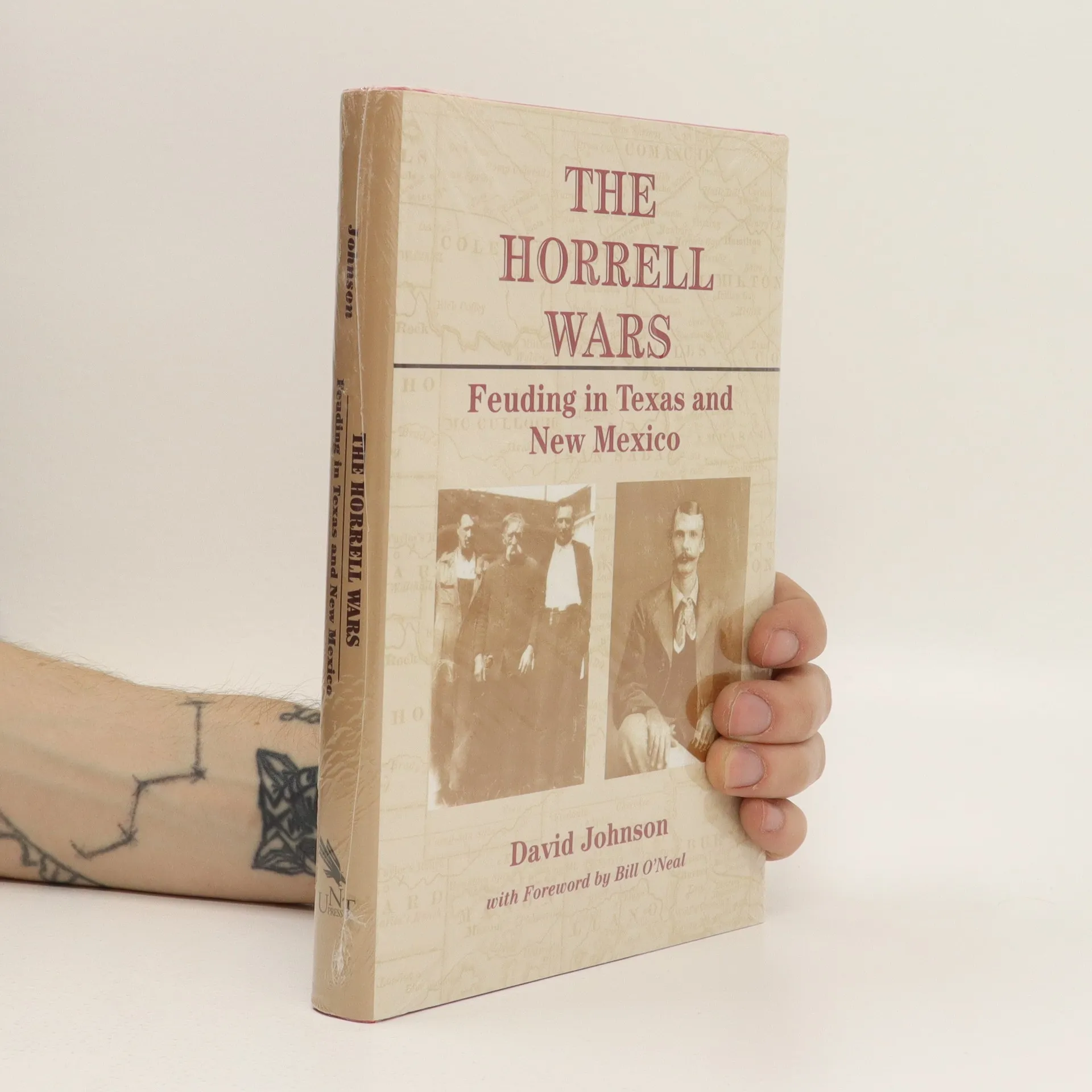
For decades, the Horrell brothers of Lampasas, Texas, have been viewed as ruthless outlaws, but author David Johnson offers a different perspective. The Horrells were primarily ranchers, and while folklore suggests they built their herds through rustling, contemporary records reveal a more complex reality. The family patriarch, Sam Horrell, was killed at forty-eight during a conflict with Apaches in New Mexico. One brother died serving the Confederacy, while five of the remaining six brothers were shot dead; only Sam, Jr. lived into old age, passing away from natural causes. Johnson chronicles the Horrells' tumultuous lives, starting with their infamous confrontation with the State Police in Lampasas in 1873, which became the most disastrous shootout in Reconstruction history. The brothers and their loyal friends fled to New Mexico, becoming embroiled in the violent Lincoln County War, known historically as the Horrell War, which had racial undertones. Upon returning to Texas, they became involved in the Horrell-Higgins War, leading to the near annihilation of their family when two brothers were killed by a mob in Bosque County. Johnson provides a comprehensive account of these conflicts while maintaining a neutral stance, and he includes previously unpublished photographs of the Horrell family and others.
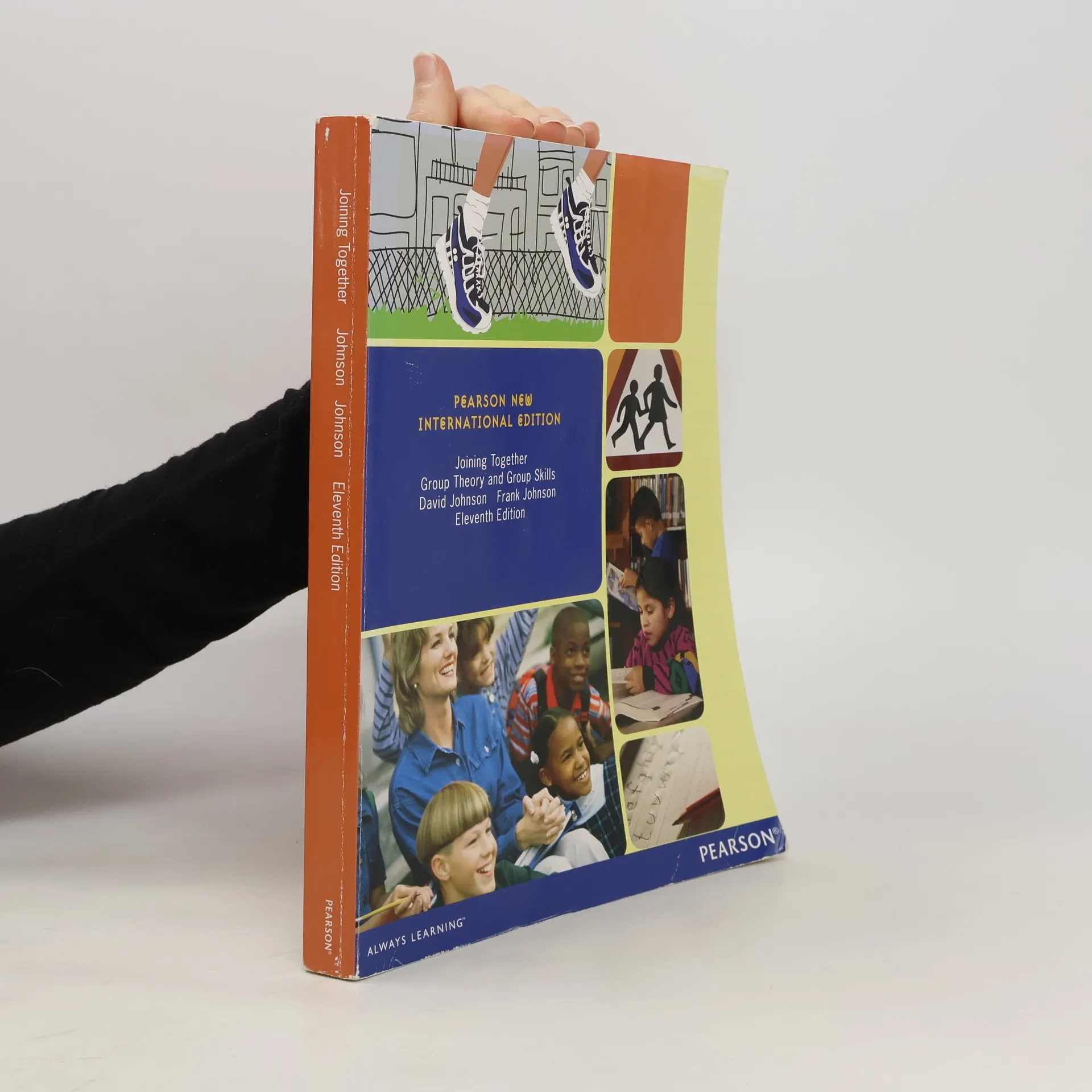
Focusing on group dynamics, this book presents essential theory and research for enhancing group effectiveness. It provides readers with practical exercises and detailed explanations, enabling them to apply learned concepts to real-world scenarios. The blend of theoretical insights and hands-on skills prepares individuals to navigate and improve group interactions successfully.
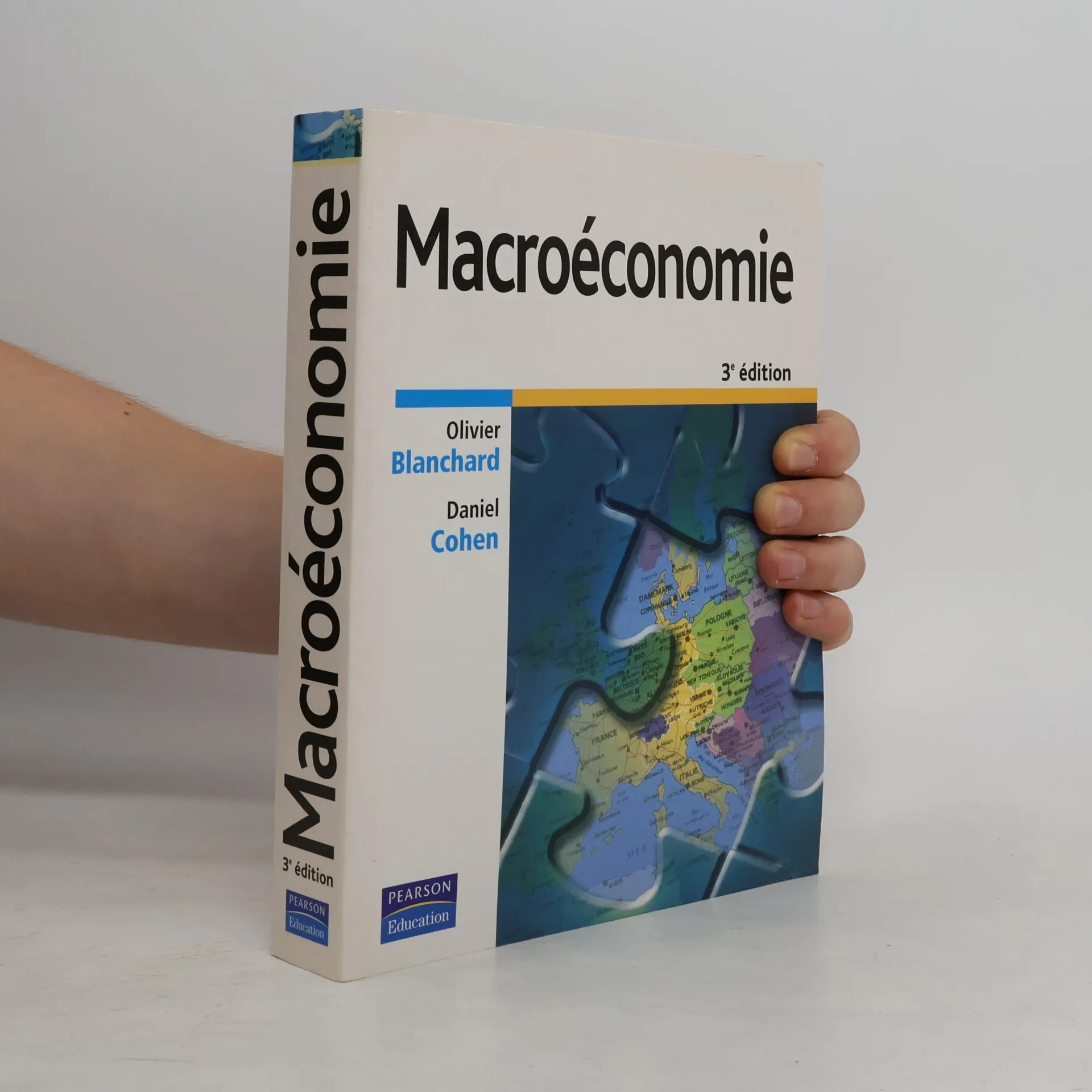
Macroéconomie présente une approche enrichissante grâce à la collaboration d'Olivier Blanchard, expert en économie américaine, et de Daniel Cohen, responsable de l'édition française. Les thèmes sont traités avec un focus sur des problématiques basées sur des données françaises et européennes, tout en intégrant des références américaines pertinentes. Ce manuel est conçu pour l'enseignement supérieur, couvrant des concepts essentiels tels que le PIB, la croissance, l'inflation, la politique économique, le marché du travail, le chômage, le modèle IS/LM, la courbe de Phillips, les marchés financiers et les taux de change. Les débats marquants de la macroéconomie sont également explorés, incluant les contributions de Keynes, Milton Friedman, et les écoles économiques contemporaines. L'ouvrage analyse des événements économiques significatifs, qu'ils soient historiques comme l'hyperinflation et la Grande Dépression, ou récents tels que la crise asiatique de 1997 et les transitions économiques en Europe de l'Est. Cette édition met à jour des informations cruciales concernant la dette publique, le chômage et l'inflation, tout en offrant des commentaires sur la politique monétaire et le pacte de stabilité. De nombreux tableaux, graphiques, cartes et exercices enrichissent chaque chapitre, facilitant la compréhension des sujets traités.
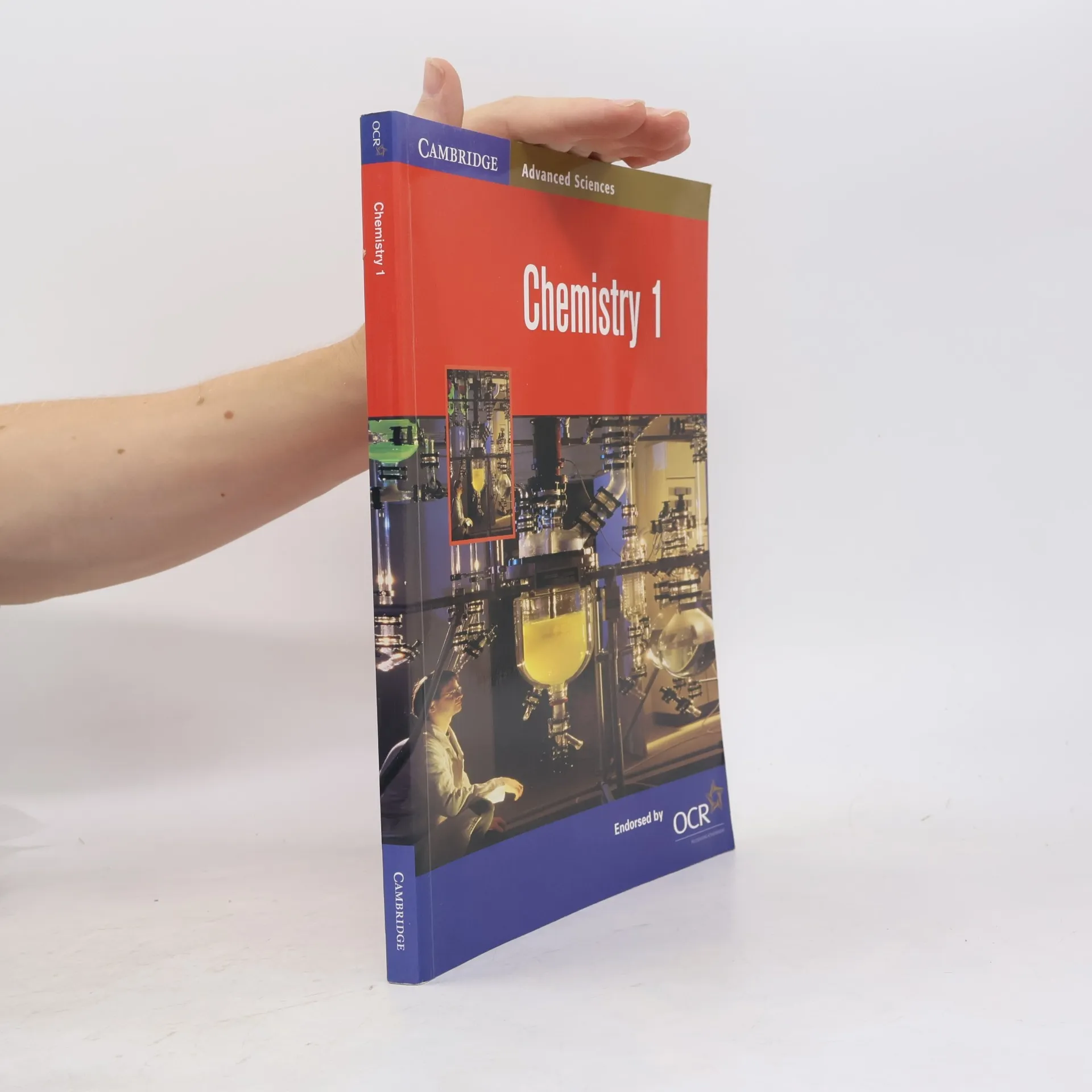
A range of textbooks and teacher support materials for AS and A level Pre 2008 specification. Developed specifically for the new specifications for AS Chemistry for teaching from September 2000 and has been endorsed by OCR for use with the OCR Chemistry specification A. It contains core material for the first year leading to the AS qualification, and covers the three AS modules. In combination with other books in the series it provides full coverage of the Advanced Level specifications. Learning objectives are clearly defined, self-assessment questions (with answers) and exam-style end-of-chapter exercises offer excellent opportunities for independent study. Chapter introductions and summaries provide the basis for structured revision. With full-colour illustration and a student-friendly design.
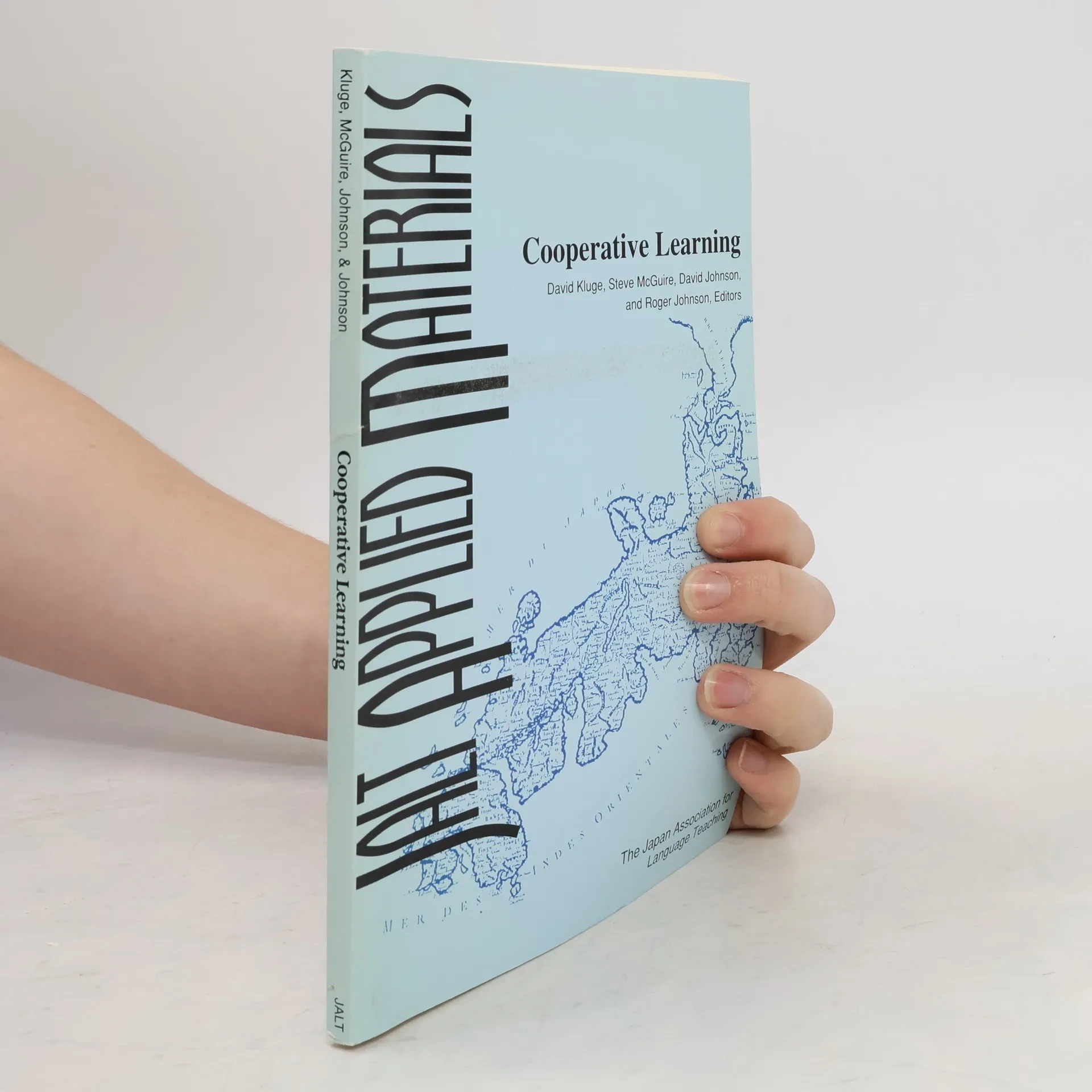
This volume is a collection of papers focused on cooperative learning, authored by classroom teachers with varying experience levels. It introduces cooperative learning and provides examples of activities, units, and systems developed by educators from Japan, the United States, and Canada. Cooperative learning involves group activities where learning depends on the structured exchange of information among learners, with each individual accountable for their own learning and motivated to enhance the learning of others. The book is organized into sections on systems, units, and activities. Systems represent comprehensive cooperative learning frameworks applicable to any content. Units consist of extended cooperative learning activities centered around a single theme, spanning multiple classes, a semester, or an entire year. Activities are brief cooperative learning exercises lasting from ten minutes to a full class period. The book concludes with a section on evaluation and includes an instant index that outlines key words related to topics, institutional levels, skills practiced, abstracts, and author contact information for each of the 14 chapters. An annotated bibliography is also provided, covering various resources related to cooperative learning, including books, organizations, newsletters, and web resources. Topics explored include cooperative learning in Japan, its implementation in language learning, and techniques for
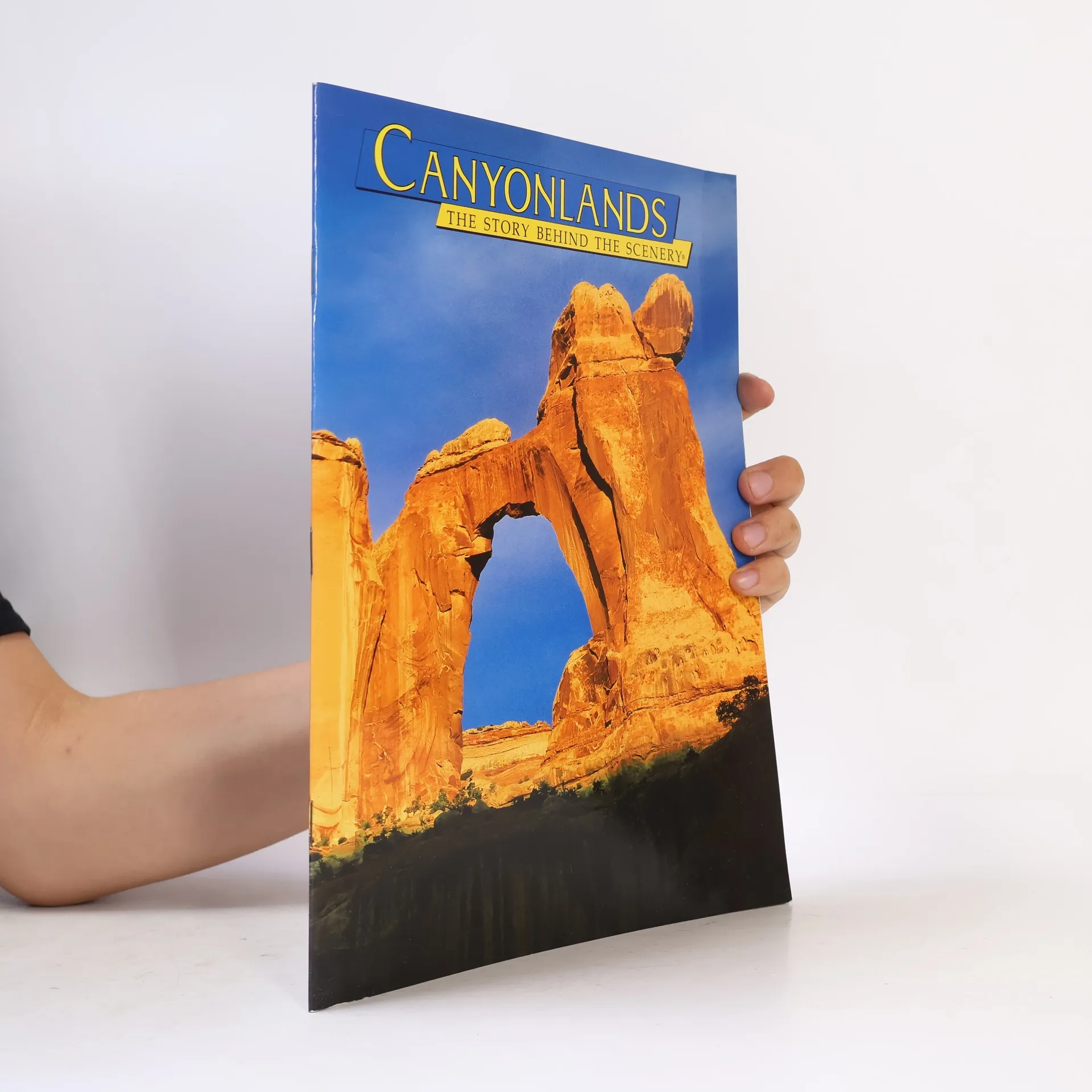
Covering approximately 120,000 square miles, this sprawling desert rivals Death Valley as the hottest and driest place in North America, yet encompasses a broad diversity of environments. This 9 x 12 book is overflowing with beautiful photos and details for your enjoyment.