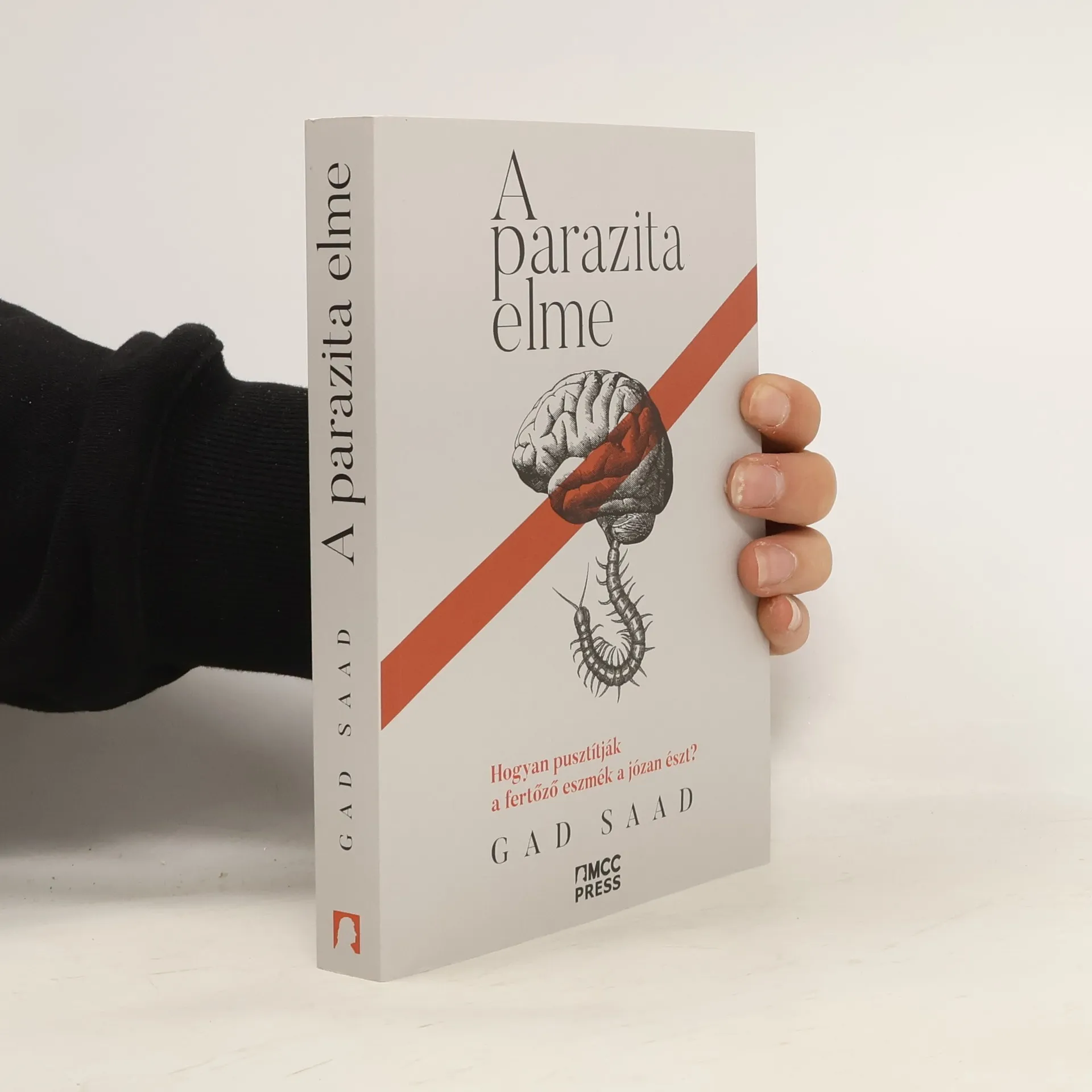
Broadside Books: Suicidal Empathy: Dying to Be Kind
- 256 stránok
- 9 hodin čítania


Kanadský evolučný psychológ z John Molson School of Business, ktorý aplikuje evolučnú psychológiu na marketing a spotrebiteľské správanie.

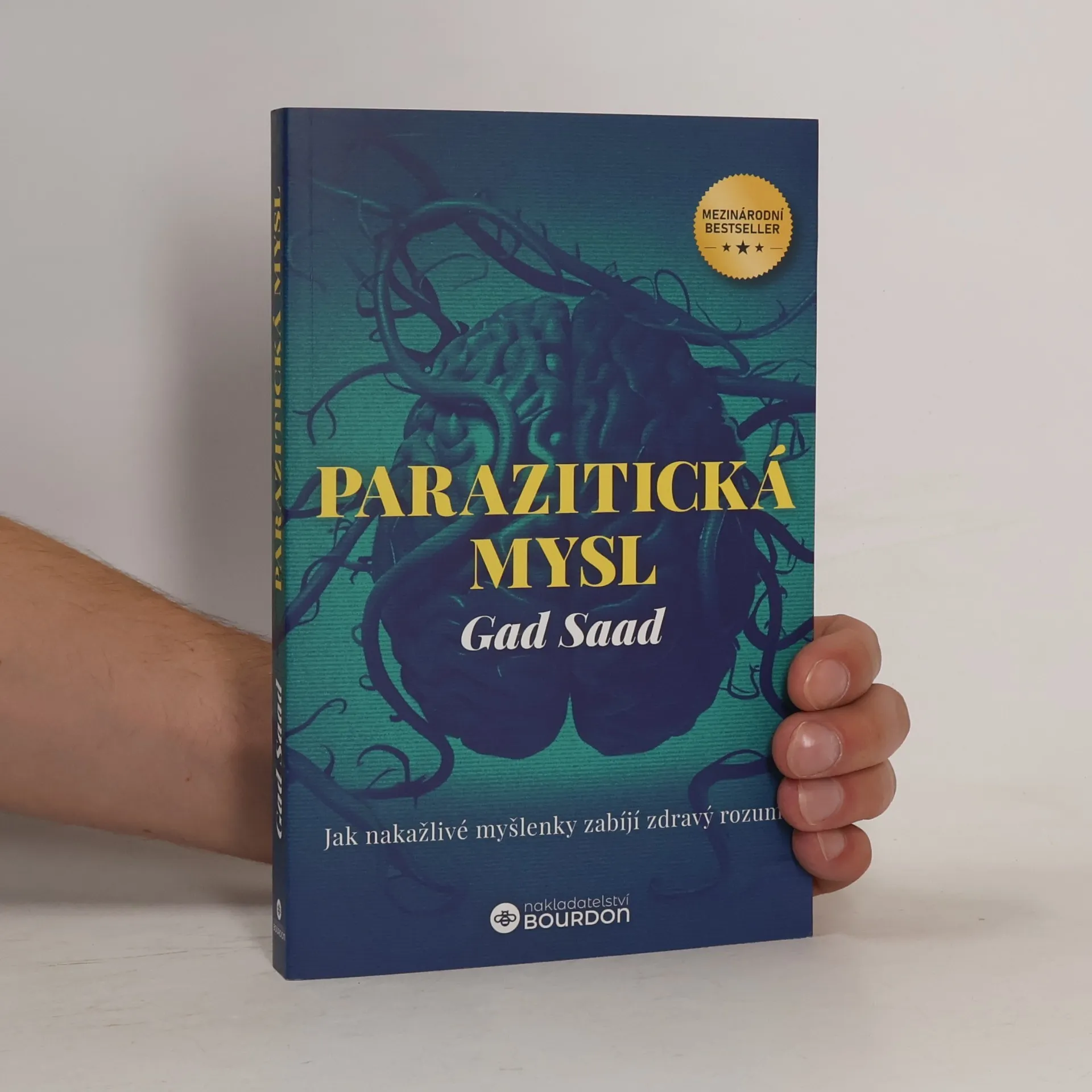
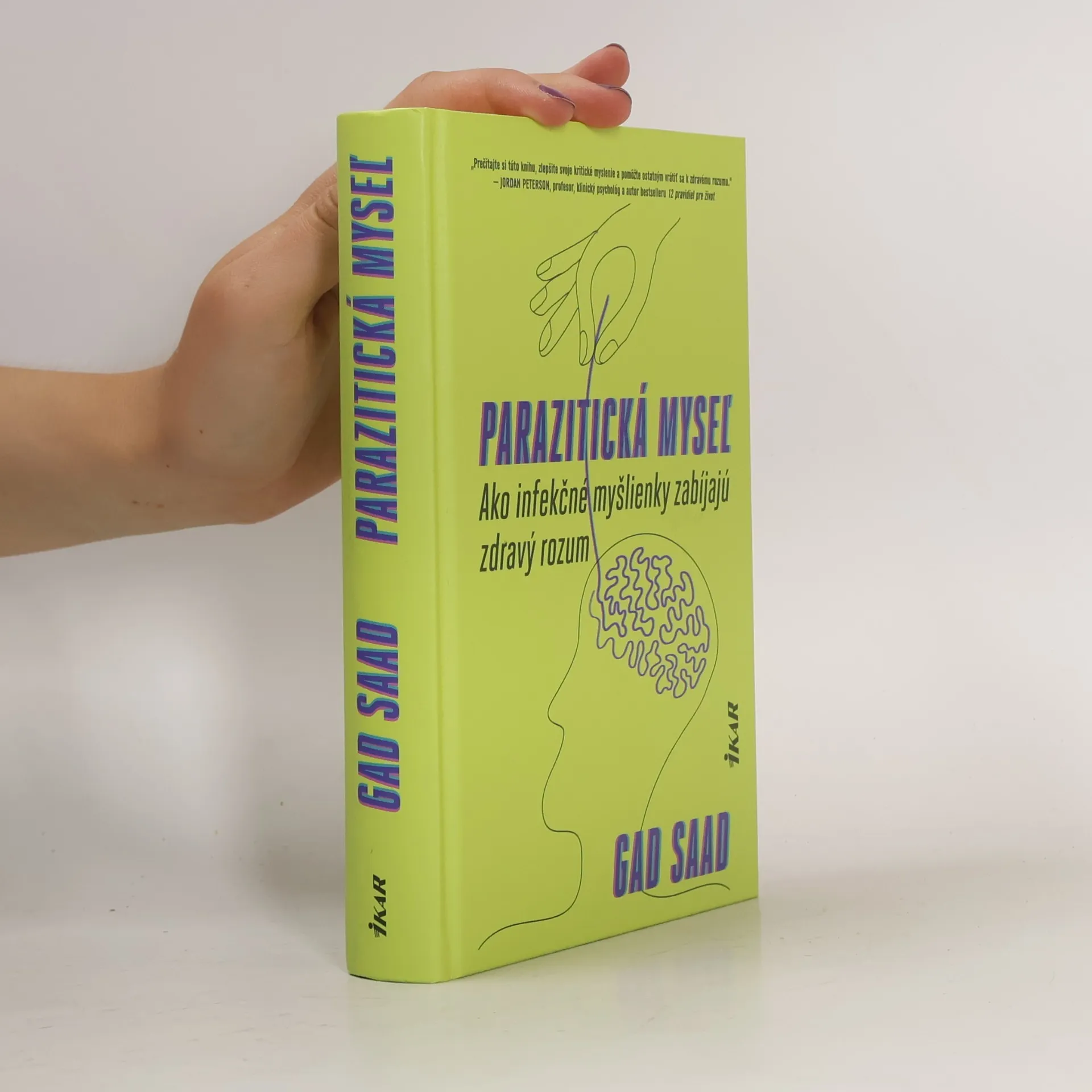
Jak nakažlivé myšlenky zabíjí zdravý rozum
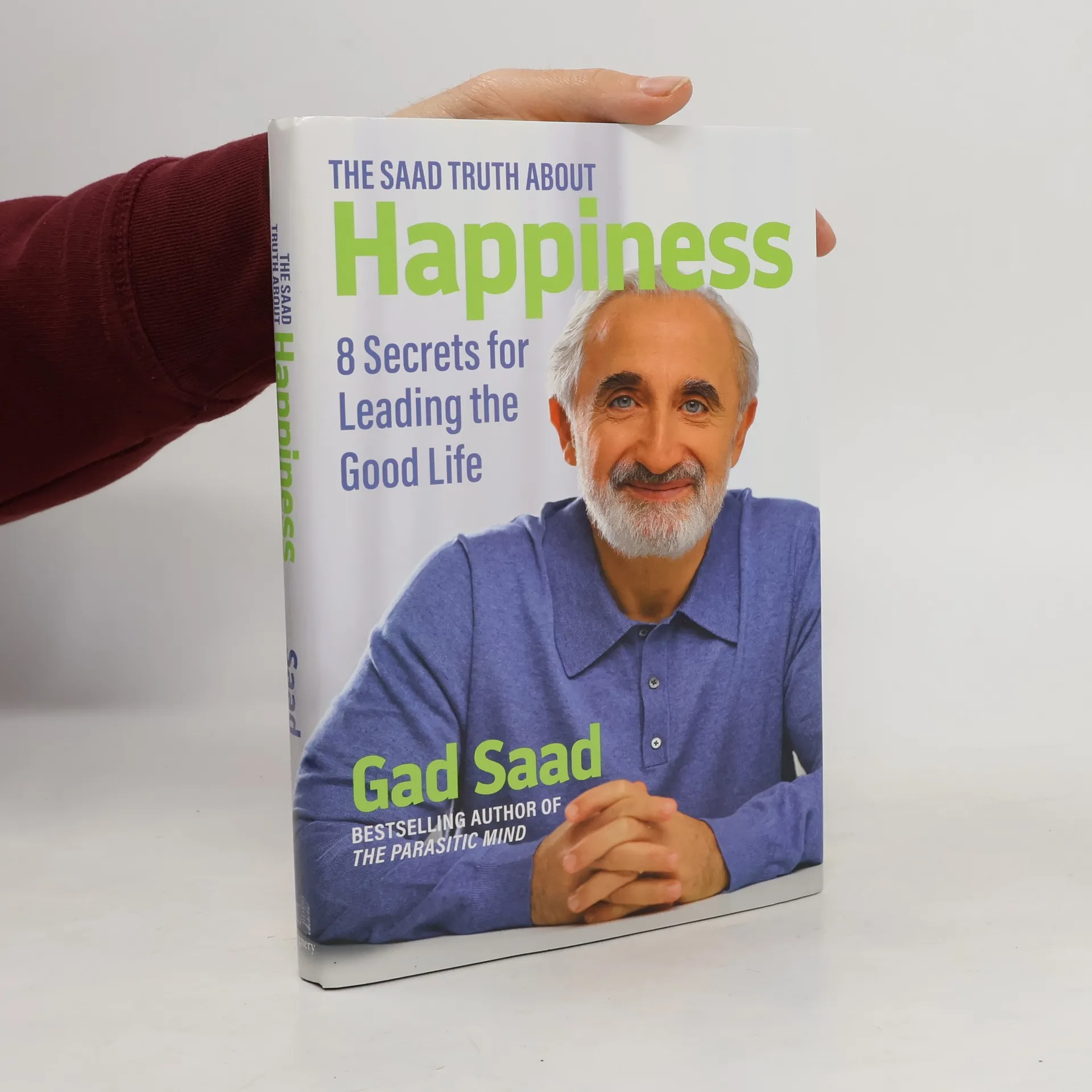
Professor and global therapist explores the concept of happiness as a measurable process rather than a fleeting mood. Building on his national bestseller, he presents strategies for achieving fulfillment, drawing from scientific studies, ancient philosophies, and his own experiences as a refugee from Lebanon. In this enlightening and entertaining read, he reveals key insights for living a fulfilling life, such as: how to pursue the life you desire rather than conforming to societal expectations; the importance of resilience in achieving happiness; the necessity for careers to have a purpose beyond financial gain; the value of variety in life; the significance of marriage; Aristotle's wisdom on moderation; and the playful nature of happiness, as exemplified by our canine companions. With a bold and humorous approach, the author captivates readers, making complex ideas accessible and relatable. His insights have resonated with a vast audience, establishing him as a sought-after figure for guidance on happiness. This book promises to be a stimulating journey into the essence of a good life, providing practical advice and profound wisdom that can transform one’s perspective on happiness.
Pandémia môže mať veľa podôb. Na um nám ako prvé zídu hrozné, rýchlo sa šíriace choroby, no počuli ste už o pandémii, ktorá nepoznačí zdravie, ale schopnosť racionálne uvažovať? Kanadský psychológ Gad Saad, v knihe Parazitická myseľ odhaľuje kultúru zlých myšlienok, ktoré prenikajú do všetkých oblastí života vrátane politiky, biznisu či kultúry, a ponúka spôsoby, ako sa môžeme proti nim zaočkovať. V tejto knihe aj v populárnej relácii THE SAAD TRUTH na YouTube sa venuje obzvlášť tým negatívnym myšlienkam, ktoré ohrozujú naše základné ľudské slobody – slobodu prejavu a slobodu myslenia. Politika Západu hlásiaca sa k týmto liberálnym zásadám nebola nikdy vo väčšom ohrození, ako je dnes. Máte pred sebou prevratnú príručku, ako ubrániť vlastný zdravý rozum. Autor sa v knihe nezameriava len na analýzu nebezpečných myšlienok a ich šírenie, ale aj na spôsob, ako situáciu zvrátiť. Vystríha napríklad pred zdanlivo hlbokými myšlienkami, ktoré sa tvária ako pravda, či skúma parazitický pštrosí syndróm (Ostrich Parasitic Syndrome – OPS), chorobu, ktorá ľudí oberá o schopnosť rozpoznať nepopierateľné pravdy ako existenciu Slnka. Pridajte sa k boju za slobodu intelektu a zistite, ako sú ľudia vo vašom okolí zasiahnutí poruchou kritického myslenia.
In this highly informative and entertaining book, the founder of the vibrant new field of evolutionary consumption illuminates the relevance of our biological heritage to our daily lives as consumers. While culture is important, the author shows that innate evolutionary forces deeply influence the foods we eat, the gifts we offer, the cosmetics and clothing styles we choose to make ourselves more attractive to potential mates, and even the cultural products that stimulate our imaginations (such as art, music, and religion). The book demonstrates that most acts of consumption can be mapped onto four key Darwinian drives-namely, survival (we prefer foods high in calories); reproduction (we use products as sexual signals); kin selection (we naturally exchange gifts with family members); and reciprocal altruism (we enjoy offering gifts to close friends). The author further highlights the analogous behaviors that exist between human consumers and a wide range of animals. For anyone interested in the biological basis of human behavior or simply in what makes consumers tick-marketing professionals, advertisers, psychology mavens, and consumers themselves-this is a fascinating read.
Applying Darwinian principles, this scholarly work explores how evolutionary psychology influences consumer behavior and the allure of popular culture products. Gad Saad offers a unique perspective on consumption patterns, examining the underlying biological and psychological factors that shape our preferences and choices in the marketplace. This groundbreaking approach provides insights into why certain products resonate with individuals, making it a significant contribution to the fields of marketing and psychology.