

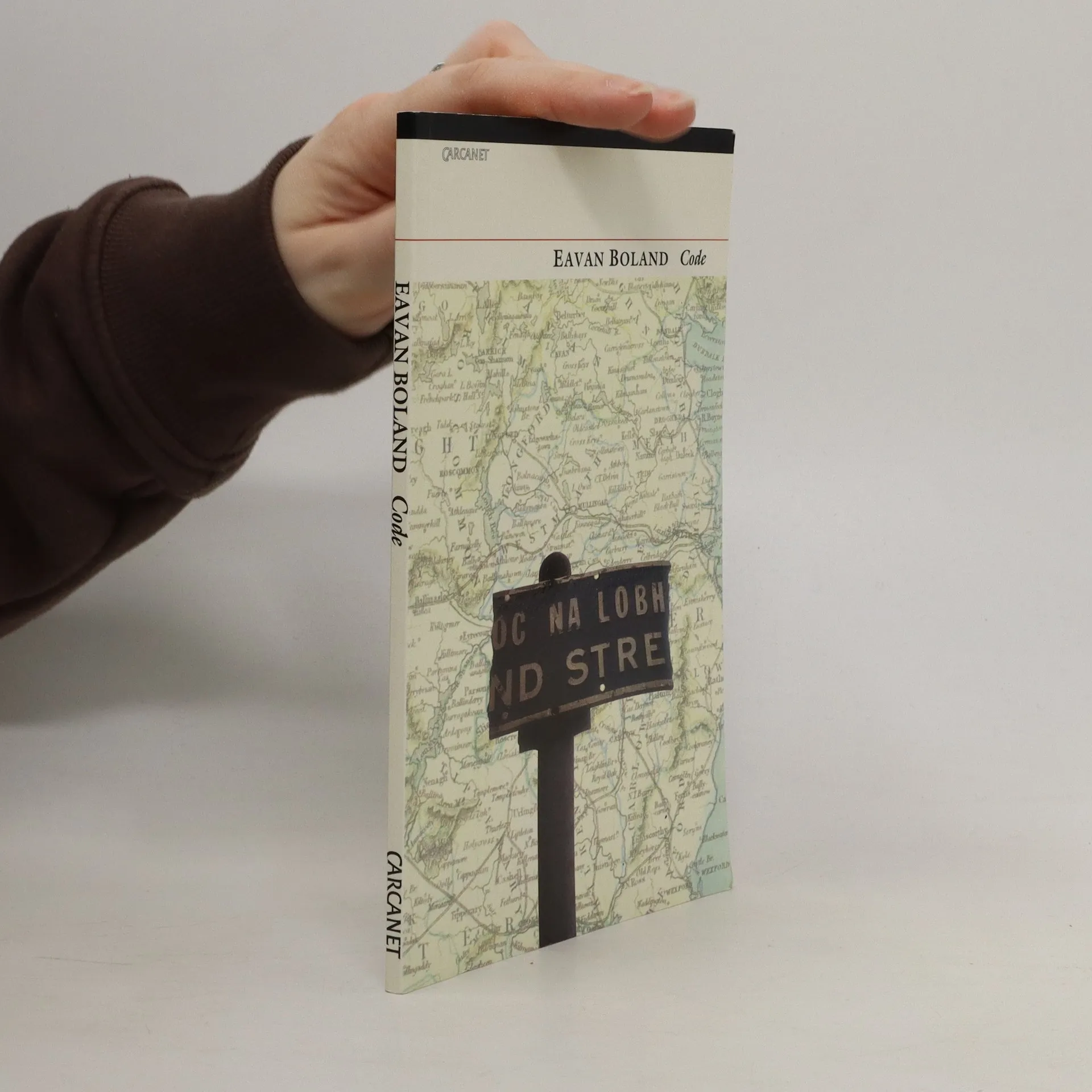
Code consists of a group of shorter poems and one of Eavan Boland's major sequences which extends the thematic concerns first traced in The Journey 15 years ago. Time passes: the poet's own situation as woman, mother and wife changes. The sense that earlier poems have made is not invalidated; it is qualified in a new time and place. The feminist perspectives of the poet, in the marriage sequence that stands at the beginning of the book and the ode with which the book concludes, take crucial new risks with language. Boland moves beyond the broken narratives between women towards new forms of exploration and affirmation.
Eavan Boland Poradie kníh (chronologicky)
Eavan Bolandová sa vo svojej poézii zaoberala zložitosťou írskej identity, najmä z perspektívy žien. Jej rané diela často skúmali rodinný život a ženské skúsenosti, zatiaľ čo neskoršia tvorba sa zamerala na širšie spoločenské a historické otázky. Bolandová bola známa svojim prenikavým a introspektívnym štýlom, ktorý sa vyznačoval starostlivým výberom slov a silnými obrazmi. Jej básne často prepájali osobnú a kolektívnu pamäť a ponúkali jedinečný pohľad na írsku kultúru a dejiny.
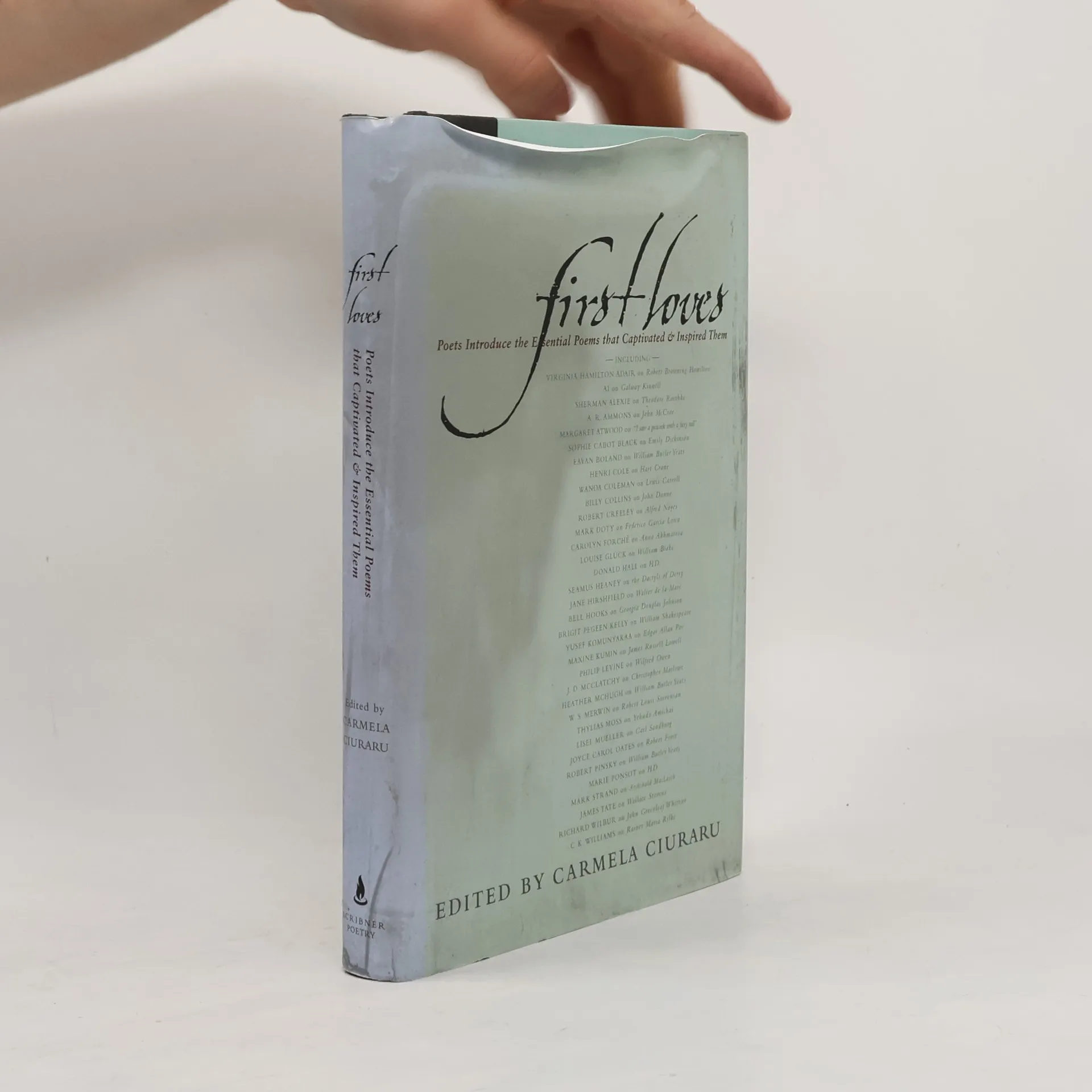
First Loves
Poets Introduce the Essential Poems That Captivated and Inspired Them
- 272 stránok
- 10 hodin čítania
A collection of poems selected by poets as those that first inspired them includes timeless favorites and insightful essays by Pulitzer Prize and National Book Award winners including Roethke, Pinsky, and Heaney.
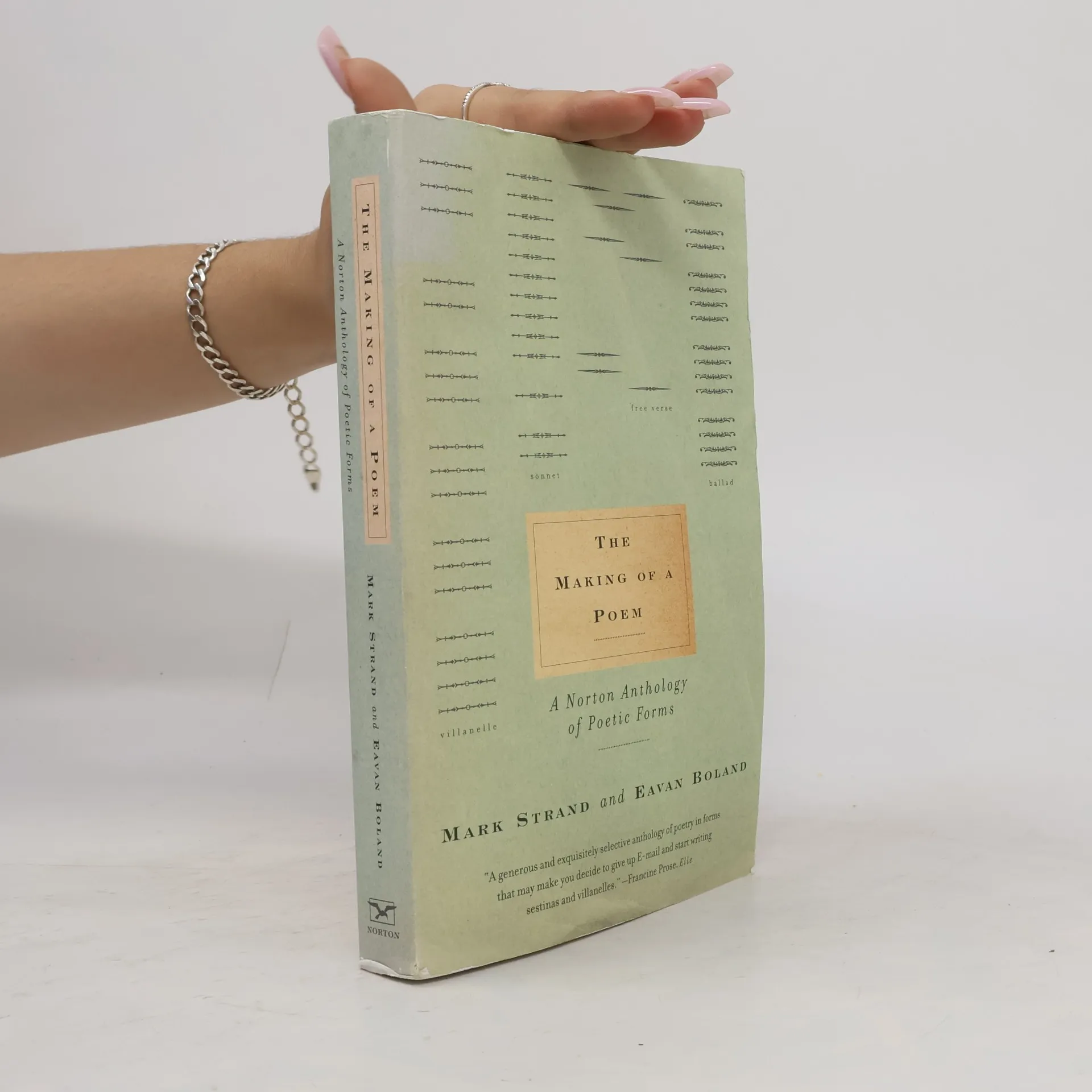
The Making of a Poem
- 366 stránok
- 13 hodin čítania
Concise, learned, revisionary... should enrich the passionate conversation about poetic forms for years to come.- Edward Hirsch, author of How to Read a Poem and Fall in Love with Poetry schovat popis