Wayne Koestenbaum je autor, ktorého diela sa ponárajú do hlbín túžby, opery a homosexuality. Jeho kritická próza skúma fascinujúce prepojenie medzi umením a osobnou identitou, často s jedinečným, poetickým nádychom. Koestenbaumov štýl je zároveň prenikavý aj lyrický, čo čitateľom ponúka neopozeraný pohľad na témy, ktoré sú mu blízke.
This publication serves as a daybook, survey, and artist's book, compiling eight previous works by American artist Jack Pierson. It showcases his unique photographic style that evokes nostalgia and emotional depth, exploring themes of intimacy and celebrity culture. The books are reproduced in original size and chronological order.
This passionate love letter to opera, lavishly praised and nominated for a National Book Critics Circle Award when it was first published, is now firmly established as a cult classic. In a learned, moving, and sparklingly witty melange of criticism, subversion, and homage, Wayne Koestenbaum illuminates mysteries of fandom and obsession, and has created an exuberant work of personal meditation and cultural history.
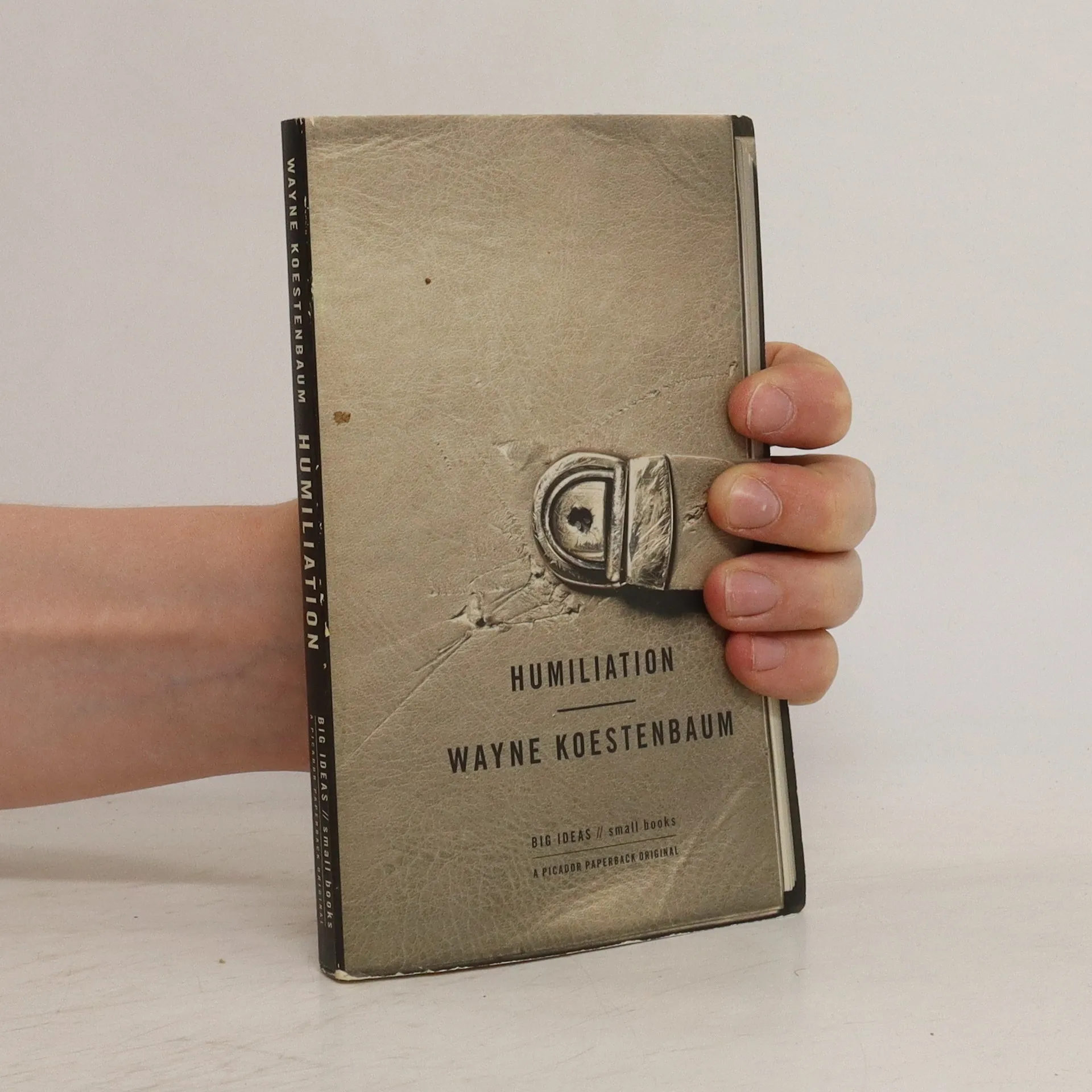
Wayne Koestenbaum considers the meaning of humiliation in this eloquent work of cultural critique and personal reflection. The lives of people both famous and obscure are filled with scarlet-letter moments when their dirty laundry sees daylight. In these moments we not only witness the reversibility of “success,” of prominence, but also come to visceral terms with our own vulnerable selves. We can’t stop watching the scene of shame, identifying with it and absorbing its nearness, and relishing our imagined immunity from its stain, even as we acknowledge the universal, embarrassing predicament of living in our own bodies. With an unusual, disarming blend of autobiography and cultural commentary, noted poet and critic Wayne Koestenbaum takes us through a spectrum of mortifying circumstances—in history, literature, art, current events, music, film, and his own life. His generous disclosures and brilliant observations go beyond prurience to create a poetics of abasement. Inventive, poignant, erudite, and playful, Humiliation plunges into one of the most disquieting of human experiences, with reflections at once emboldening and humane.
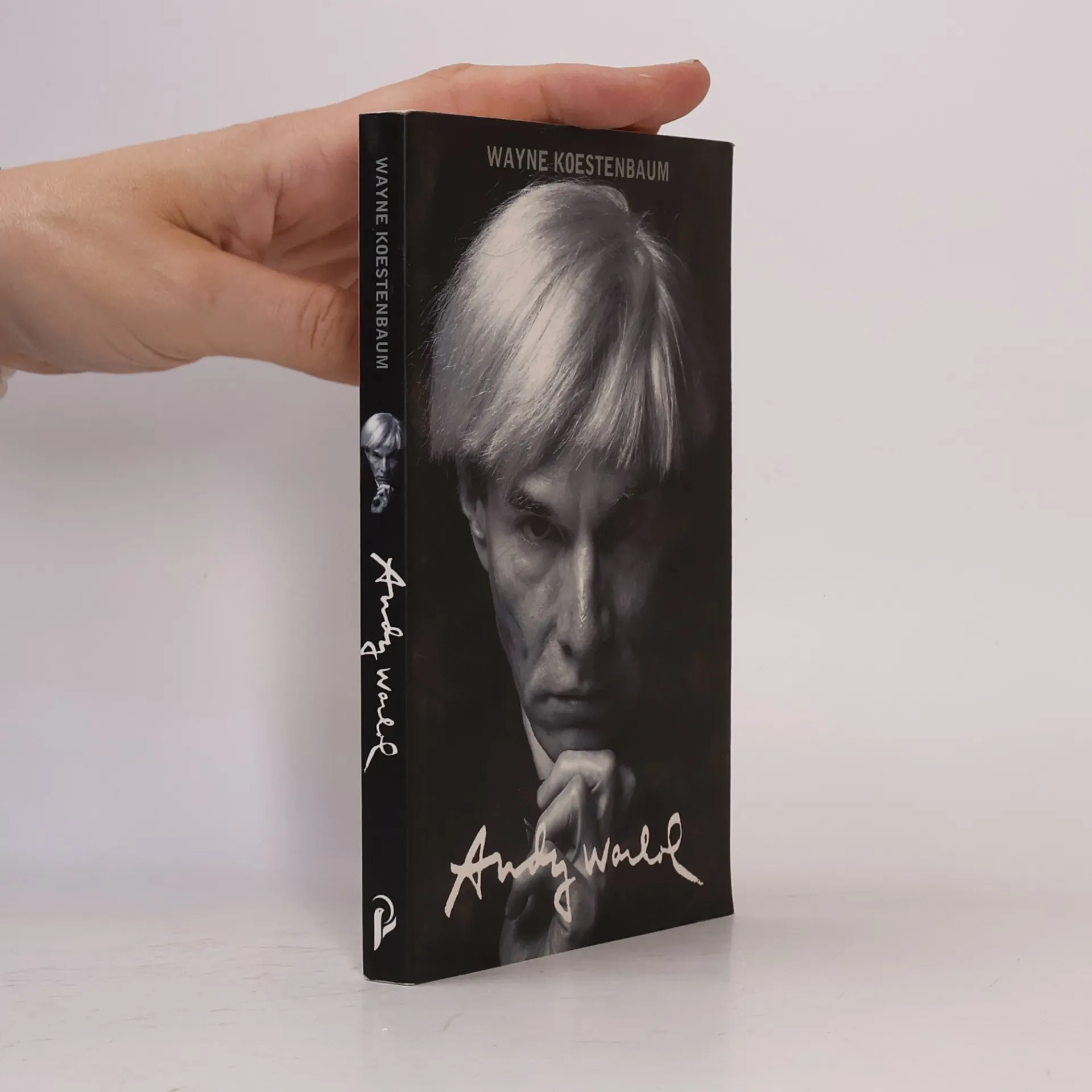
Painter, filmmaker, photographer, philosopher, and cultural icon, Andy Warhol revolutionized art by injecting commercial and pop culture images into his work. Wayne Koestenbaum - himself an artist, poet, essayist, biographer, and English professor - offers this concise and close-up look at Warhol's life, exploring the roots of his aesthetic vision, the pain that informed his greatness, and the hidden sublimity of Warhol's provocative films.
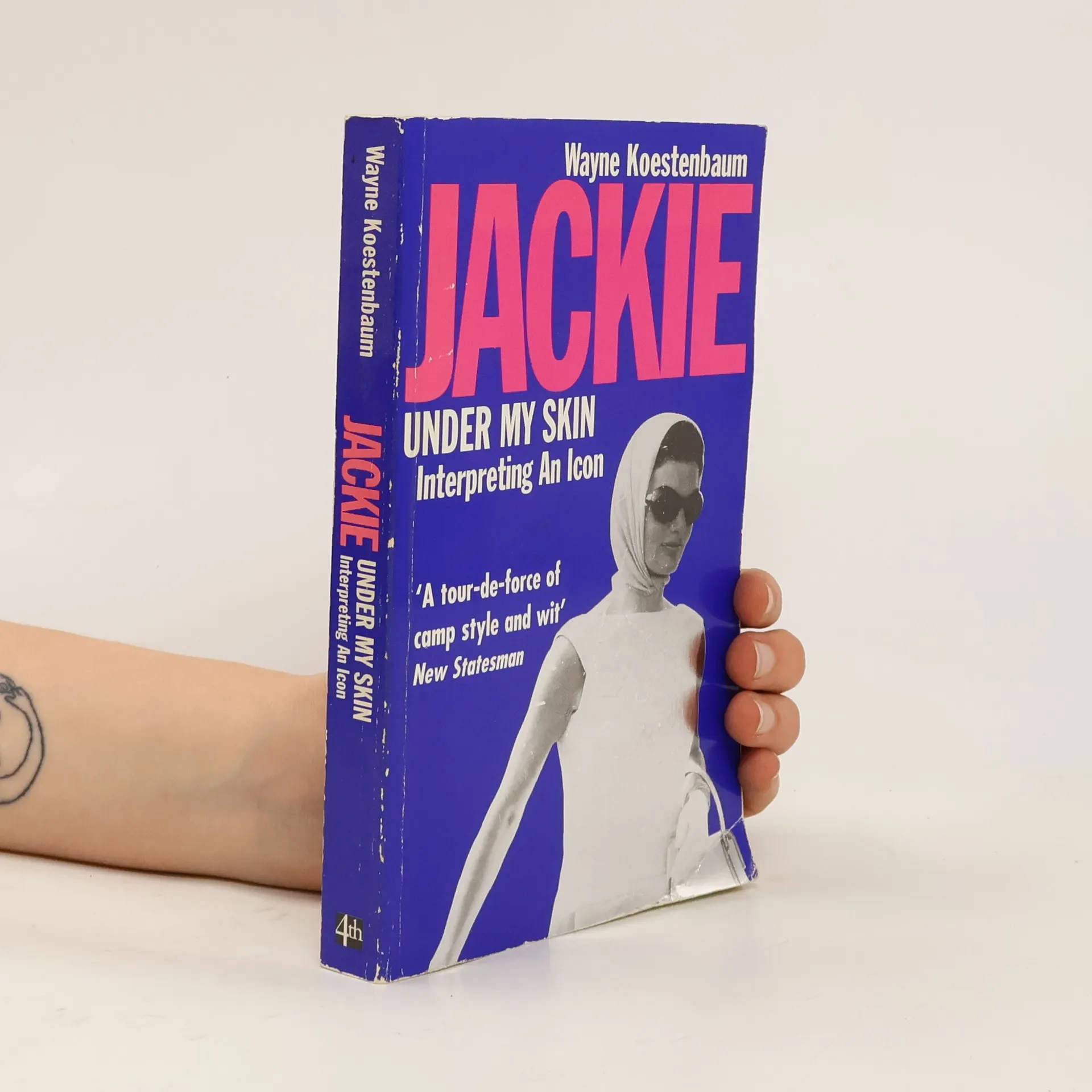
From her media canonization at the time of JFK's death to the rash of criticism provoked by her marriage to Onassis, Jackie has always managed to elude definition and has left us the legacy of a legend. In this take on his subject, Wayne Koestenbaum interprets the cultural impact of this public figure. He considers her status as a gay icon, and compares it with those of other divas such as Maria Callas and Liz Taylor. Koestenbaum derives axioms from Jackie's wardrobe, teases home truths from her White House memoranda, and attaches symbolic significance to the chic and the tragic in Jackie's life.
The images in Bill Jacobson’s when is a place suggest risks and uncertainties. They question both the nature of perception and our existential place in the world, themes explored throughout his five decades of making photographs. Jacobson’s use of a defocused lens, bleached out skies, and an otherwise curious tonal range challenge boundaries of traditional photographic practice. Diffuse horizon lines dramatically bisect distant landscapes, the subtle curves of vague human bodies, and unknown spaces suggestive of architecture play prominent intertwining roles. Jacobson’s original large-scale prints are analog silver gelatin, printed by him in a traditional black and white darkroom. Created between 2018 and 2020, the images were made in Virginia, the south of France, upstate New York, and a studio in New York City.
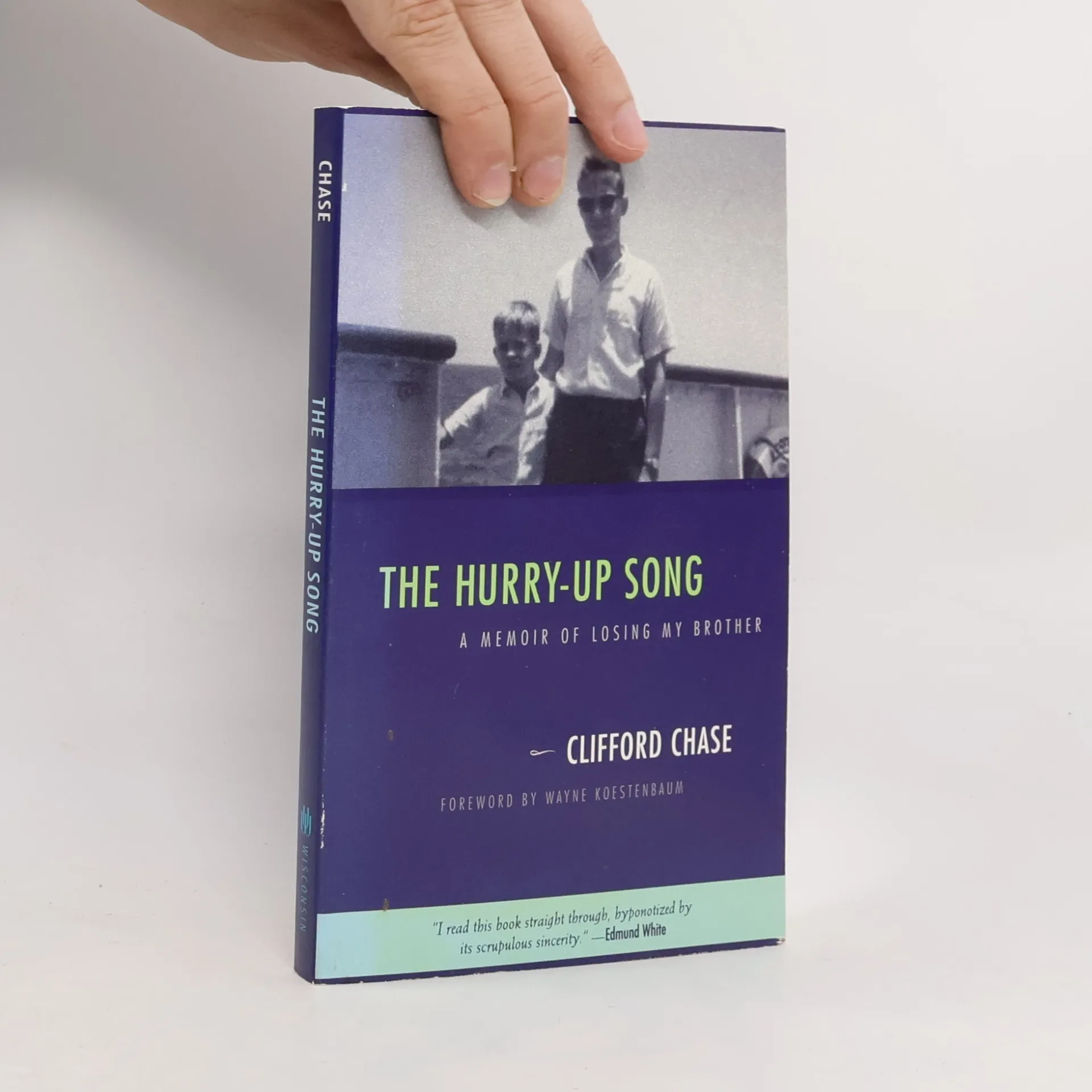
Out of love, anger, and grief Clifford Chase has crafted a moving and brilliant memoir of loss and family bonds. With startling honesty, he evokes scenes of life in a suburban American family and illuminates the strong ties that are woven between two gay brothers as they become adults. Chase documents how, in turn, the family dynamics change forever when one brother—the elder, the admired, the feared, the loved—weathers AIDS-related illnesses and ultimately dies. This is a searching, unsentimental account of how AIDS steals away loved ones and how the wounds of loss come to be healed.