
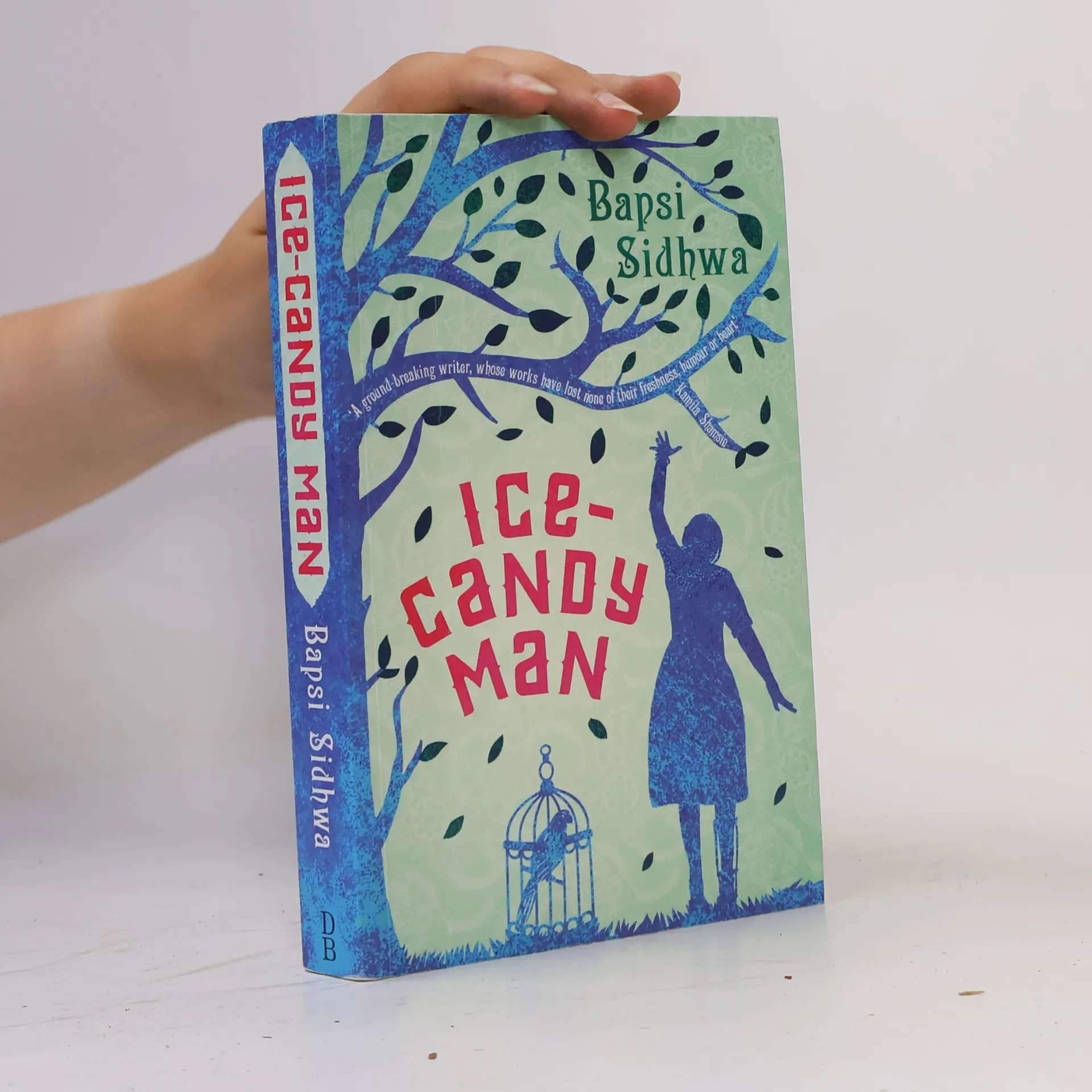
Bapsi Sidhwová je popredná pakistanská autorka v exile, ktorej diela sa ponárajú do búrlivej histórie indického subkontinentu a do skúseností žien v patriarchálnom svete. Sidhwová, využívajúc bystré pozorovacie schopnosti a empatický štýl, mapuje dopady rozdelenia Indie, dokumentuje útlak žien a skúma zložitosti imigrácie a kultúrnej identity v rámci komunity Parsi/Zoroastrián. Jej próza, hlboko zakorenená v osobných zážitkoch, ponúka prenikavý pohľad na prežitie, odolnosť a hľadanie svojho miesta vo svete. Prostredníctvom starostlivo prepracovaných príbehov Sidhwová nielen osvetľuje hlasy marginalizovaných, ale aj sa venuje univerzálnym témam straty, pamäti a vytrvalosti ľudského ducha.
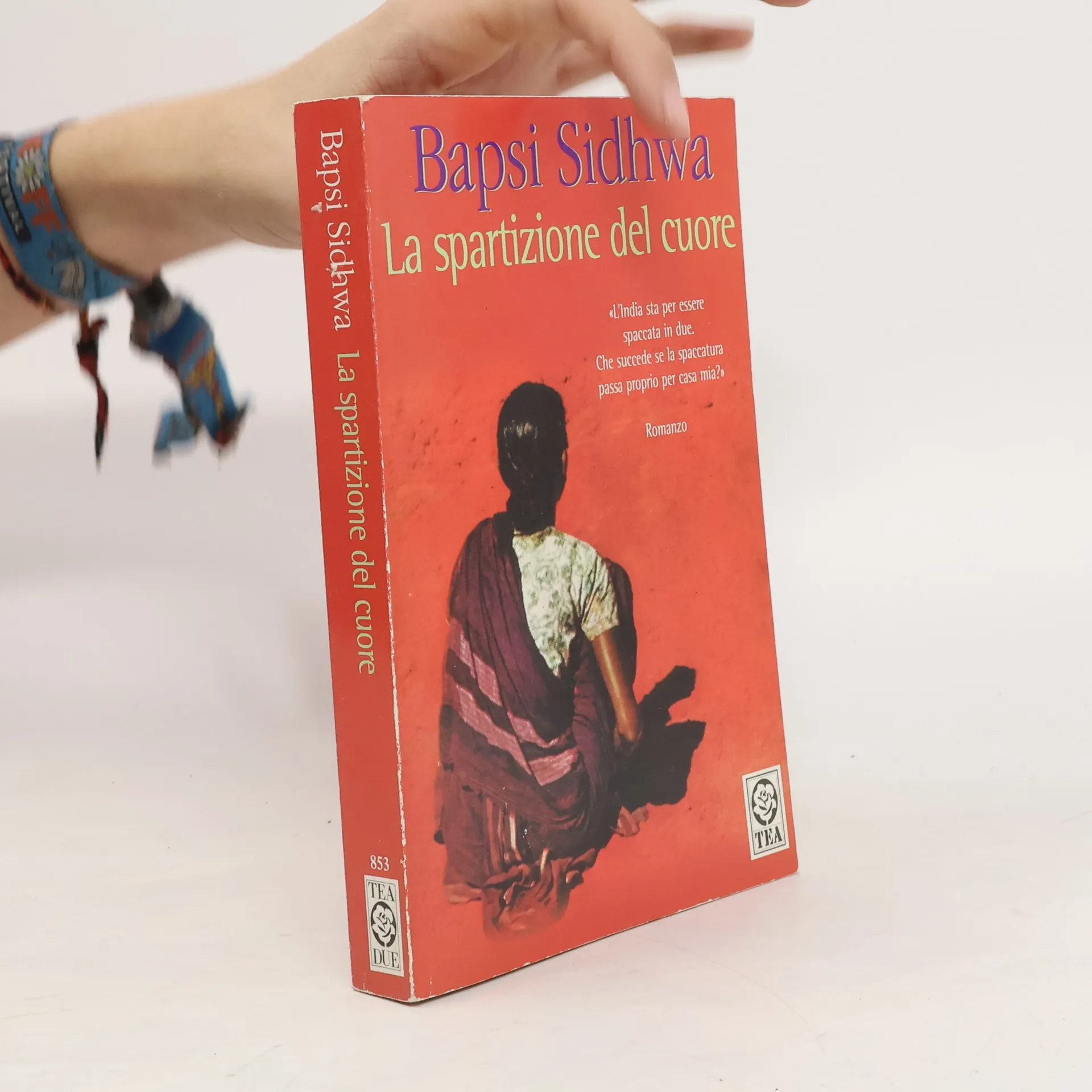
"As the British eke out the final days of their rule of India, the threat of Partition gathers and sectarian violence escalates, spreading across the nation and inching ever closer to the affluent fringes of Lahore. Lahore is where eight-year-old Lenny lives. Crippled by polio but inquisitive and spirited, Lenny spends her days in the park with her beautiful Ayah, enjoying the company of the plethora of suitors drawn to her striking nanny. There's the Sikh zoo-keeper, the Masseur, the Pathan, strong Imman Din, and Ice-Candy Man, peddling popsicles along with political unrest through the streets. But Lenny's world is upended as riots break out and the once harmonious people of Lahore turn against one another. Amidst the chaos, her beloved Ayah is abducted. Lenny's innocence, exuberant humour, and heart-wrenching perspicacity leads us through these momentous events, revealing the irrationality of adult behaviour as the fragile unity of a nation teeters on the cusp of historic change." -- Publisher
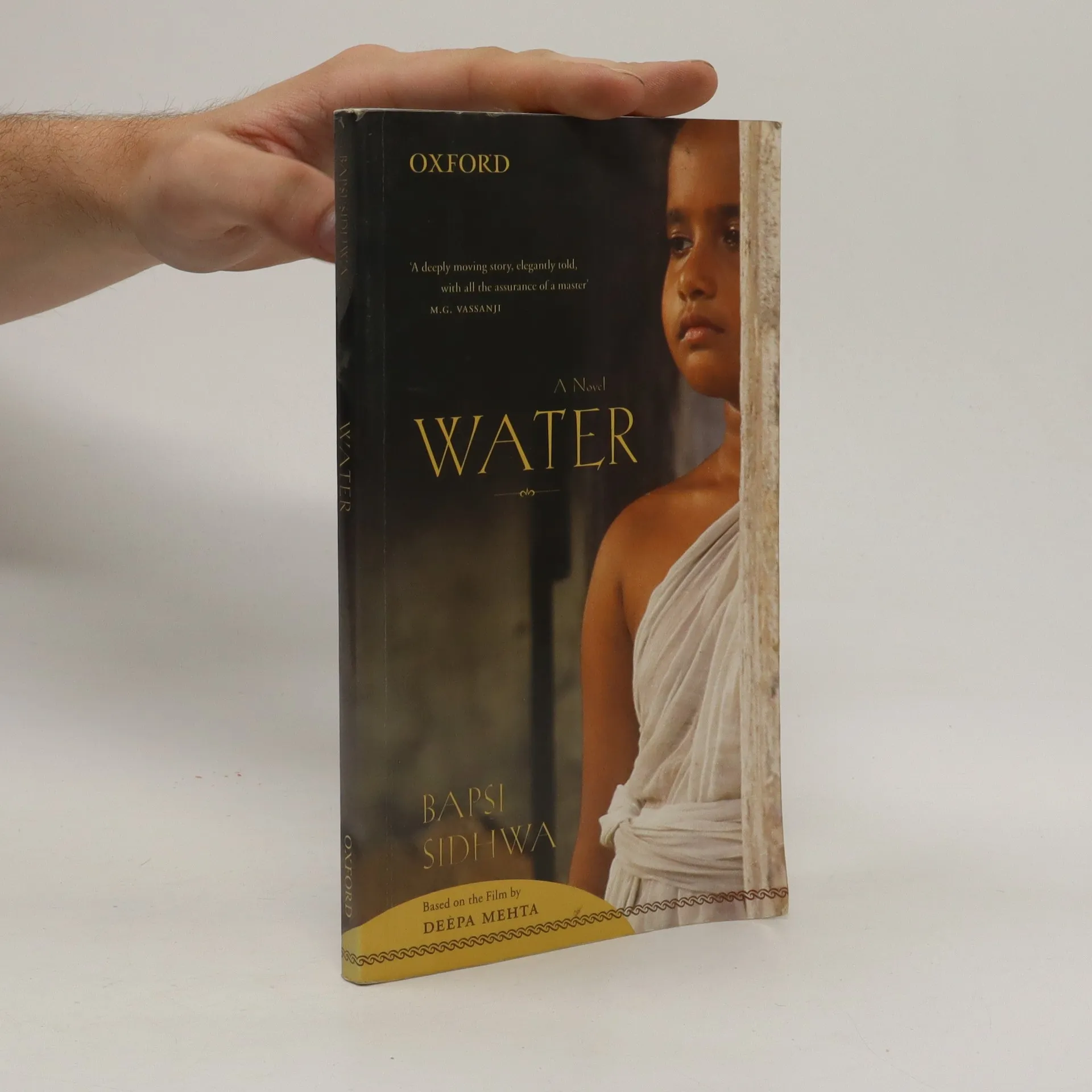
The unique collaboration between Bapsi Sidhwa and Deepa Mehta brings the controversial themes of Mehta's film "Water" into literary form. Sidhwa's adaptation explores complex social issues surrounding gender, tradition, and the impact of colonialism in India. Through her narrative, Sidhwa delves into the lives of women affected by societal norms, offering a poignant commentary on their struggles and resilience. This work showcases the powerful interplay between cinema and literature, highlighting the shared vision of both artists.
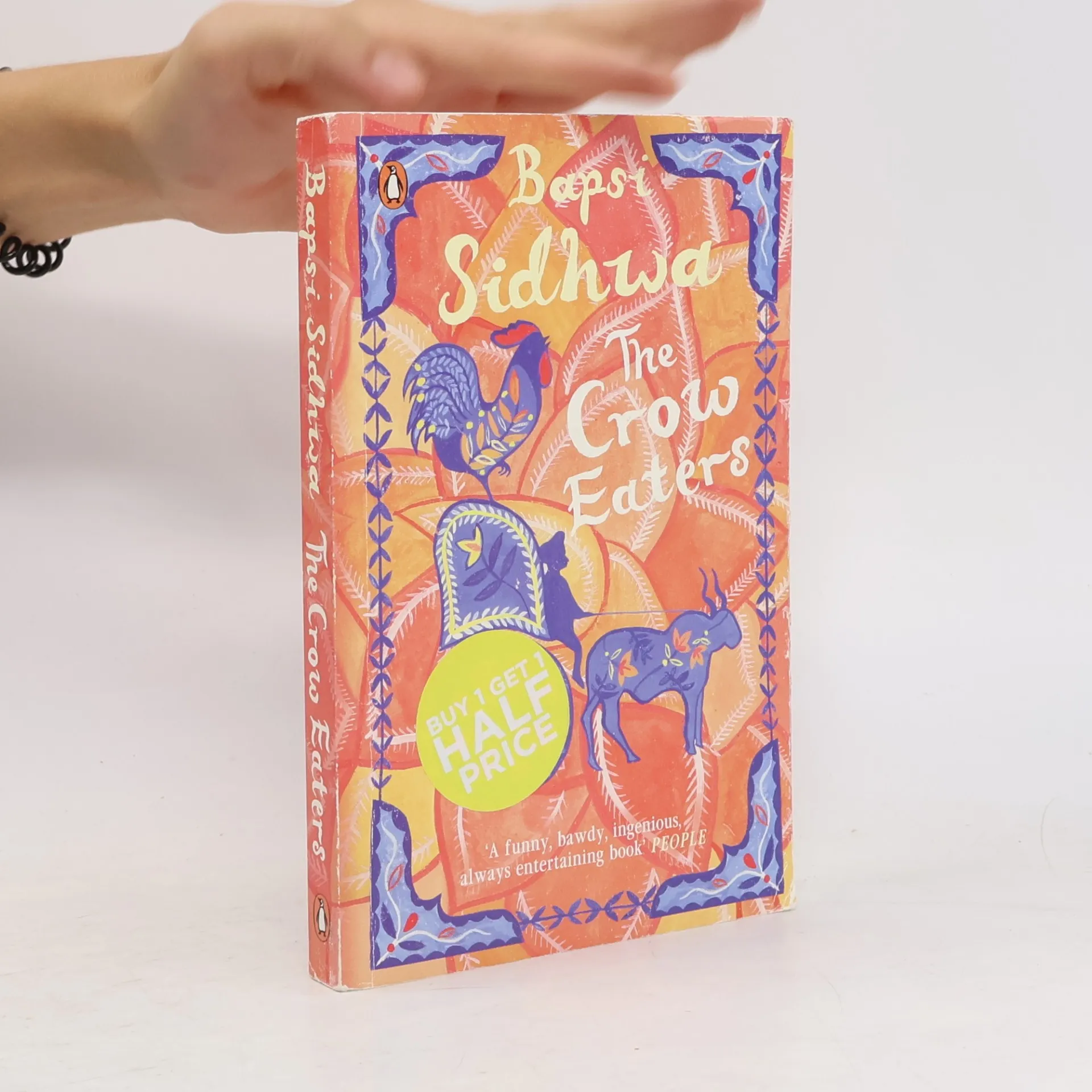
Faredoon (Freddie) Junglewalla Is Either The Jewel Of The Parsi Community Or A Murdering Scoundrel. Freddie S Mother-In-Law, Jerbanoo, Thinks He Is Planning To Do Away With Her, But Freddie Has Always Been A Pragmatist: If The Old Woman Were To Die (Be Murdered?) The Body Would Have To Be Placed On The Open-Roofed Towers Of Silence, In Keeping With Custom, And That Would Never Do. Insurance Fraud And Arson, However, Are Well Within Freddie s Repertoire-In Fact He Thinks He Has Invented The Idea, So Advanced Is It For India, In 1901. As His Skills Grow He Becomes A Man Of Consequence Among The Parsis, With People Travelling Thousands Of Miles To See Him In Lahore, Especially If They Wish To Escape Tight Spots They Have Got Themselves Into. In This Wickedly Comic Novel, The Celebrated Author Of Ice-Candy Man Takes Us Into The Heart Of The Parsi Community, Portraying Its Varied Customs And Traits With Contagious Humour.
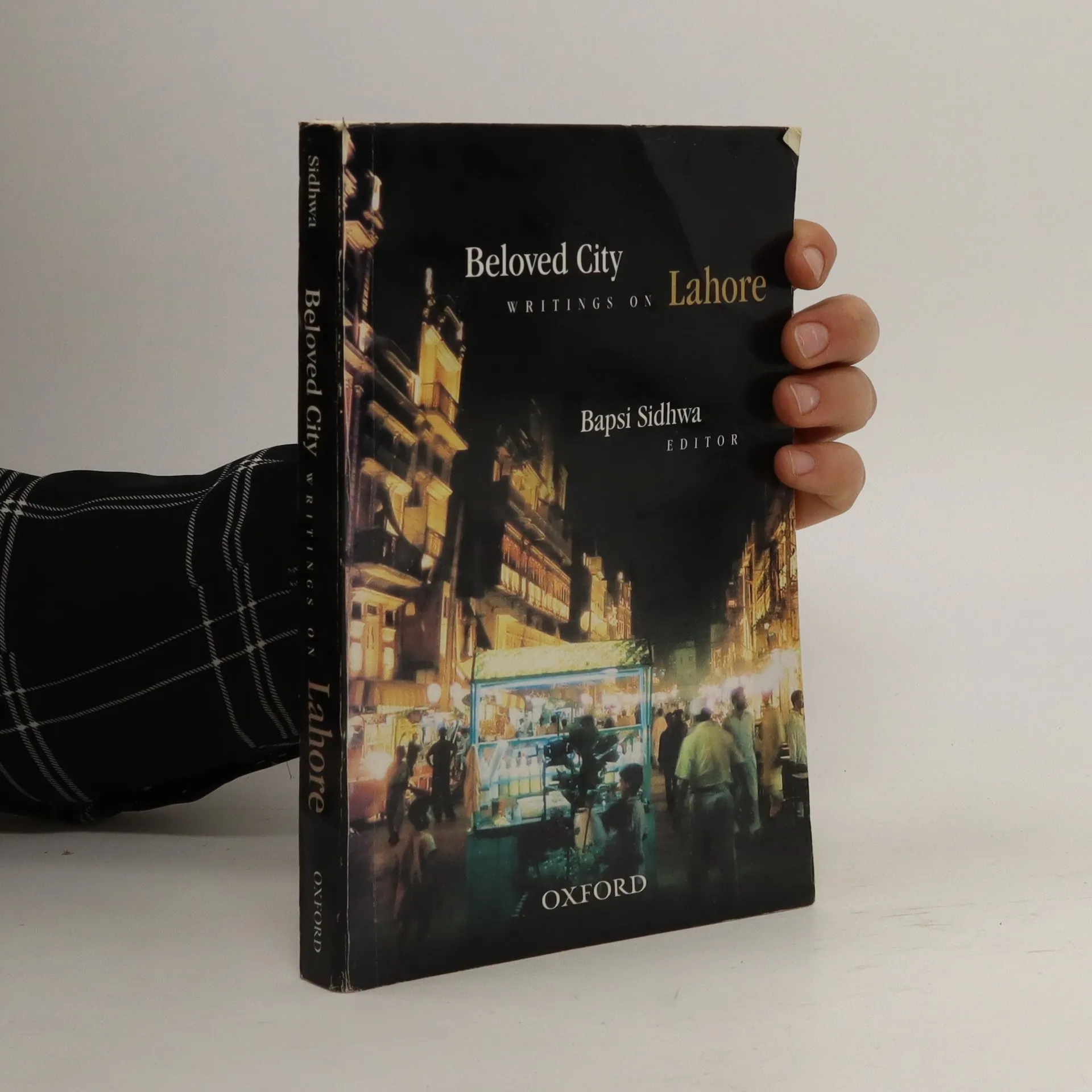
This anthology brings together verse and essays, stories, chronicles, and profiles by people who have shared a relationship with Lahore. From the mystical poems of Madho Lal Hussain and Bulleh Shah to Iqbal’s ode and Faiz’s lament; from McLagan’s and Aijazuddin’s historical treatises and Kipling’s ‘chronicles’ to Samina Quraeshi’s intricate portraits of the Old City and Irfan Husain’s delightful account of Lahori cuisine, Beloved City is a marriage of the sacred and profane. Significant Pakistani writers like Intezar Hussain, Aamer Hussain, Kishwar Naheed, Bapsi Sidhwa, Sara Suleri, and Ashfaq Ahmed have also contributed to this volume.
Chuyia aveva sei anni il mattino in cui sua madre Bhagya ricevette in cucina la visita inaspettata di Somnath, suo marito. Seduta a gambe incrociate sul pavimento, Bhagya stava pestando il riso nel mortaio, quando Somnath era entrato e, dandosi una sistematina alla dhoti, al telo da notte tutto stropicciato, aveva sussurrato che la madre di Hira Lal, l’amico di famiglia rimasto vedovo a quarantaquattro anni, desiderava che Chuyia sposasse suo figlio. Bhagya aveva sollevato l’orlo della sari e abbassato la testa per celare l’improvviso tumulto che si era impadronito del suo cuore, poi non aveva avuto nemmeno il tempo di protestare. Somnath aveva elencato tutti i vantaggi di quelle nozze: gli oroscopi di Chuyia e Hira Lal in perfetta sintonia, il fatto che la madre di Hira Lal non voleva la dote e avrebbe pagato lei tutte le spese della cerimonia, la possibilità di tener fede alla piú pura tradizione braminica, per la quale una donna è riconosciuta come tale soltanto quando è unita al proprio marito e diventa una sumangali, una donna di lieto auspicio. È trascorso qualche anno da quel mattino, e la piccola Chuyia si è sposata con Hira Lal. Poi un giorno Hira Lal è stato condotto sulle rive del Gange e lì ha liberato la sua anima. Da quel giorno Chuyia non può piú indossare vestiti colorati e cuciti, ma soltanto una sari bianca, ha il cranio rasato ed è costretta a vivere lontano dai suoi, poiché è una vedova, una donna, cioè, che nella cultura braminica non è piú tale, visto che non può fare figli né servire il marito. Eccola allora nell’ashram delle vedove, in compagnia di donne dalle teste rasate e i volti duri e allungati, della flaccida Madhumati, della bella Kalayani, dal viso ovale e luminoso incorniciato da splendidi capelli neri, di Gulabi, l’eunuco dai fianchi ondeggianti e dalle braccia sinuose, di Shakuntala, la sua liberatrice che ha abbracciato le idee di bapu Ghandhi, l’uomo che il governo inglese definisce un piantagrane. Nato dalla stretta collaborazione con Deepa Mehta, che nel 1998 diresse il film "Earth" (basato su uno dei romanzi piú noti di Bapsi Sidhwa, "La spartizione del cuore"), tratto dalla sceneggiatura del film "Water", "Acqua" ci offre un ritratto incomparabile dell’India coloniale e di un ashram delle vedove in cui forza e debolezza, corruzione e onestà, vittime e carnefici si danno la mano. Ritraendo magistralmente eunuchi elegantemente vestiti che maltrattano con ironia le idee del Mahatma Gandhi («Se gli intoccabili sono “figli di Dio”, allora gli eunuchi sono i Suoi figliastri!» dice a un certo punto Gulabi), e donne che si spogliano con pudicizia e malizia lungo i ghat, le gradinate lungo i fiumi sacri, Bapsi Sidhwa ci dona una prova impeccabile del suo stile, fatto di «humour e compassione» (Houston Chronicle).