
Abhijit Vinayak Banerjee je uznávaný indický ekonóm, ktorý sa zameriava na experimentálne prístupy k riešeniu globálnej chudoby. Jeho práca sa vyznačuje snahou o hlboké pochopenie koreňov chudoby prostredníctvom starostlivo navrhnutých štúdií. Využíva empirické dáta a terénny výskum na identifikáciu účinných riešení. Jeho inovatívne metódy a záväzok k sociálnej spravodlivosti formujú modernú ekonomickú teóriu aj prax.
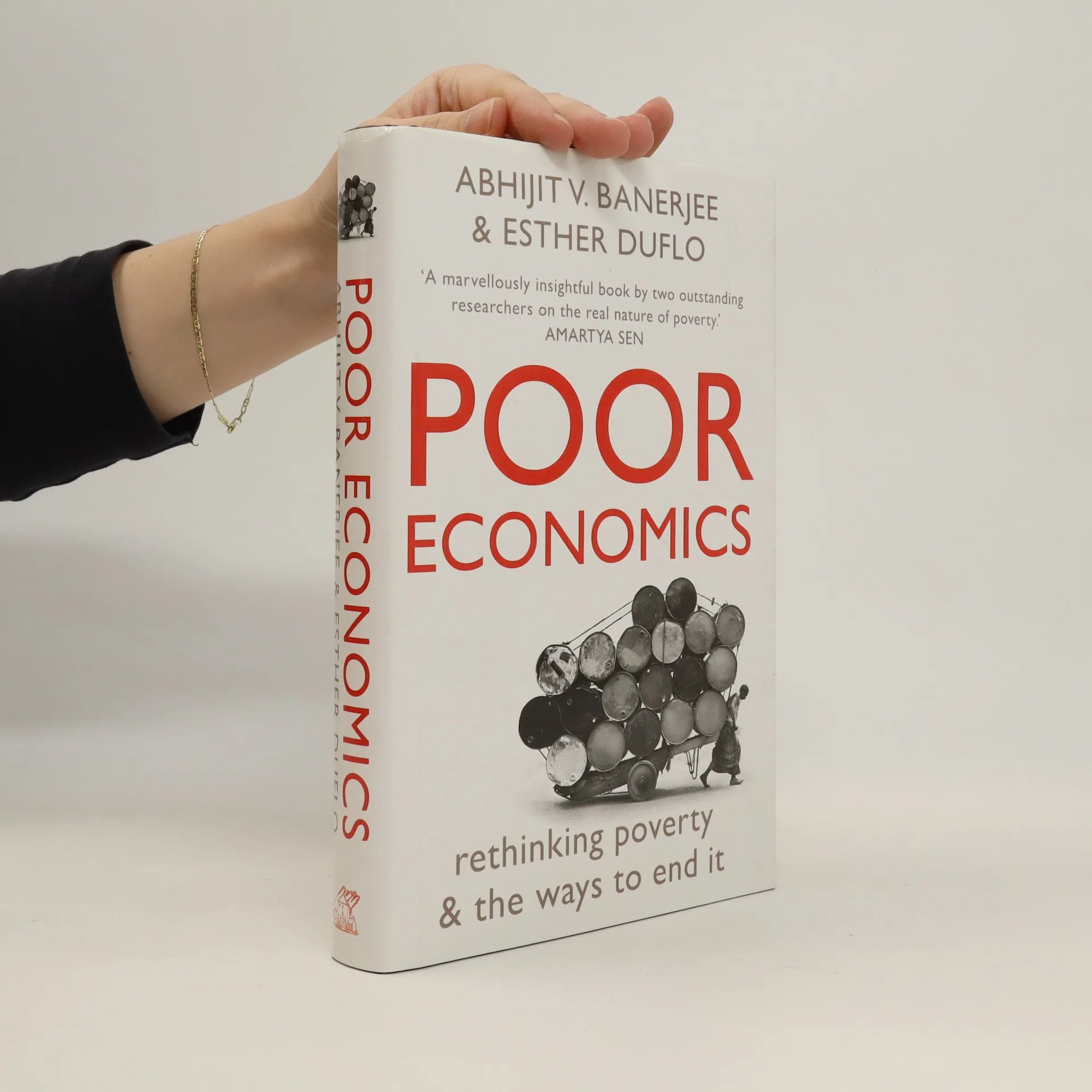
From the award-winning founders of the Abdul Latif Jameel Poverty Action Lab at MIT: A transformative reappraisal of the world of the extreme poor, their lives, desires, and frustrations.
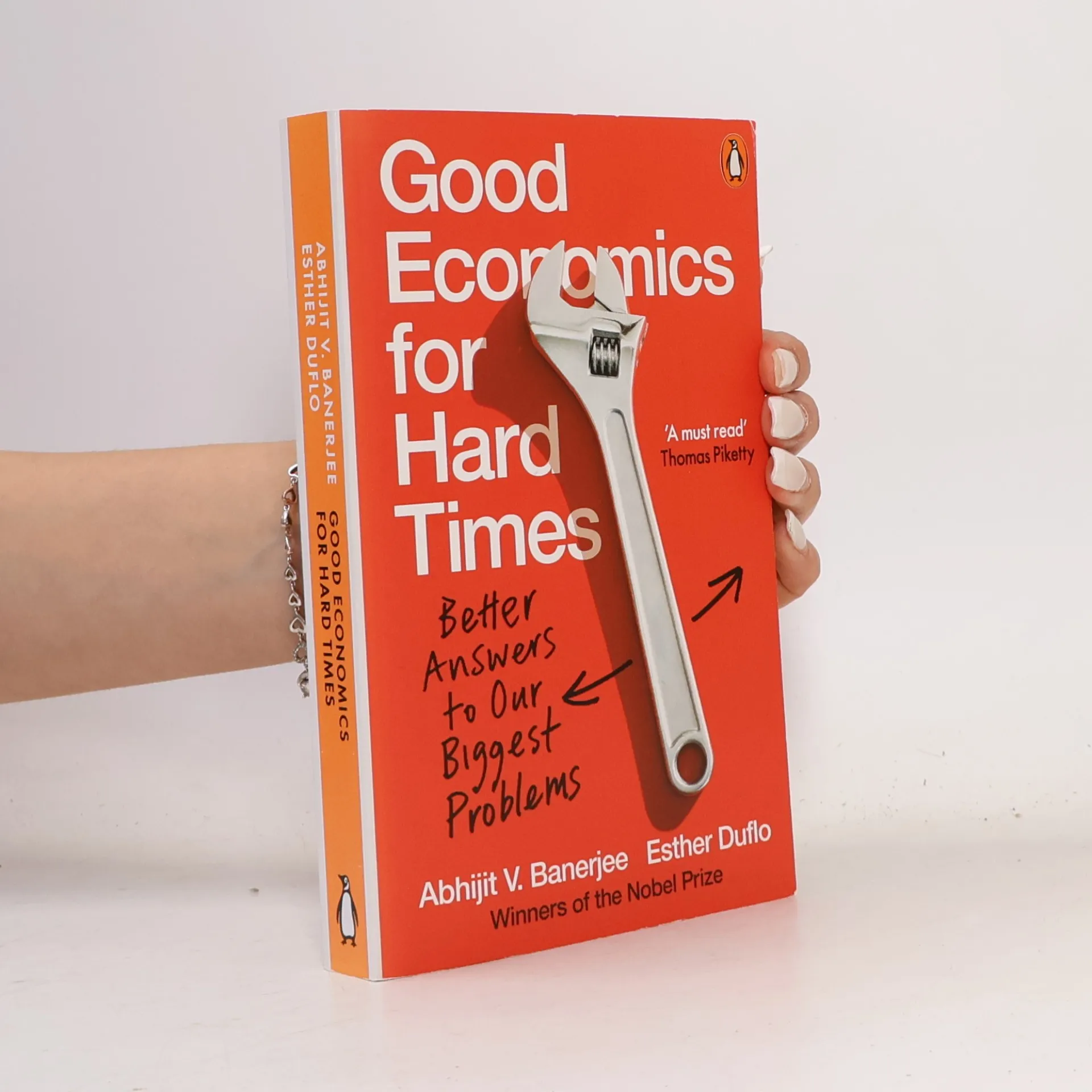
FROM THE WINNERS OF THE 2019 NOBEL PRIZE IN ECONOMICS 'Wonderfully refreshing . . . A must read' Thomas Piketty In this revolutionary book, prize-winning economists Abhijit V. Banerjee and Esther Duflo show how economics, when done right, can help us solve the thorniest social and political problems of our day. From immigration to inequality, slowing growth to accelerating climate change, we have the resources to address the challenges we face but we are so often blinded by ideology. Original, provocative and urgent, Good Economics for Hard Times offers the new thinking that we need. It builds on cutting-edge research in economics - and years of exploring the most effective solutions to alleviate extreme poverty - to make a persuasive case for an intelligent interventionism and a society built on compassion and respect. A much-needed antidote to polarized discourse, this book shines a light to help us appreciate and understand our precariously balanced world.
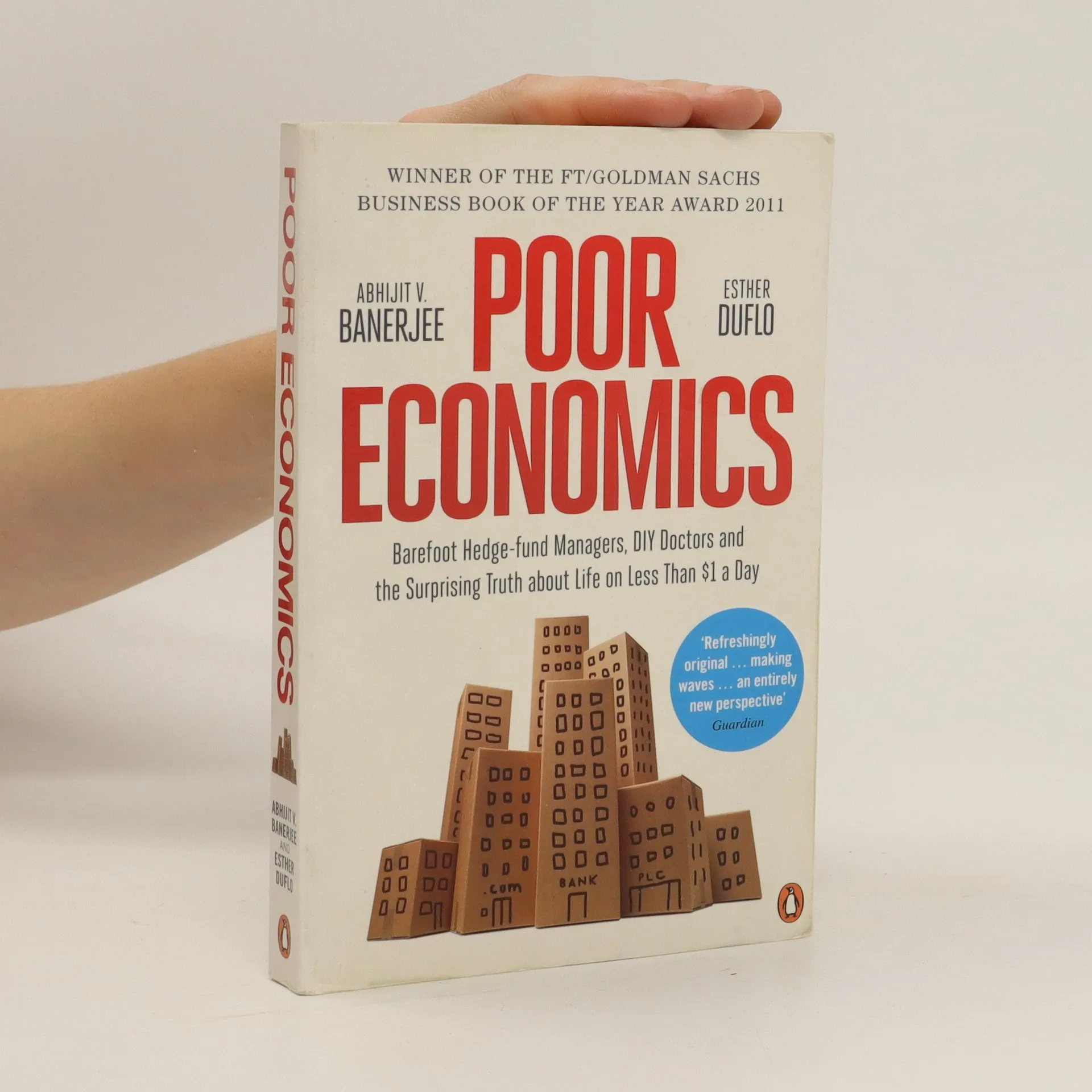
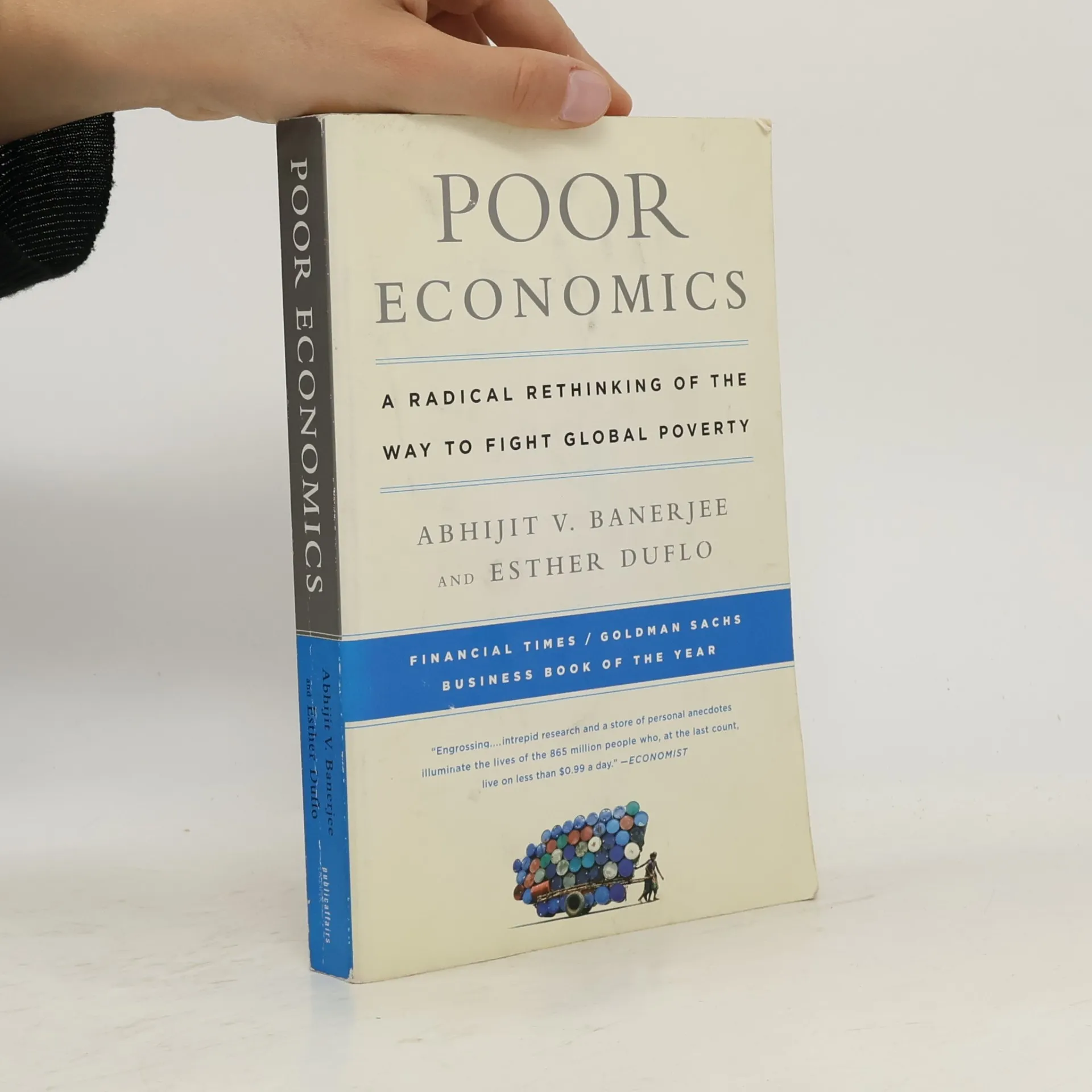
Winner of the 2011 Financial Times/Goldman Sachs Best Business Book of the Year Award Billions of government dollars, and thousands of charitable organizations and NGOs, are dedicated to helping the world's poor. But much of their work is based on assumptions that are untested generalizations at best, harmful misperceptions at worst. Abhijit Banerjee and Esther Duflo have pioneered the use of randomized control trials in development economics. Work based on these principles, supervised by the Poverty Action Lab, is being carried out in dozens of countries. Drawing on this and their 15 years of research from Chile to India, Kenya to Indonesia, they have identified wholly new aspects of the behavior of poor people, their needs, and the way that aid or financial investment can affect their lives. Their work defies certain presumptions: that microfinance is a cure-all, that schooling equals learning, that poverty at the level of 99 cents a day is just a more extreme version of the experience any of us have when our income falls uncomfortably low. This important book illuminates how the poor live, and offers all of us an opportunity to think of a world beyond poverty.