Florida-lákavá, vždy príťažlivá svojimi pôvabnými pobrežiami a azúrovými hĺbkami nemusí zostať pre nás vytúženým snom, ak sa stotožníme s hrdinami románu, ktorí nás vtiahnu do pútavo a kultivovane spracovaného súboja ľudskej spravodlivosti s najnižšími človečími chúťkami. Hlavná postava Thorn sa s nezlomnou odvahou púšťa do ťažkého zápasu, keď si otrasený smrťou svojej priateľky zaumieni odhaliť celé jej záhadné pozadie... Čitateľovi sa tak ponúka nevšedný zážitok s neuveriteľne gradujúcim a napínavými dejom.
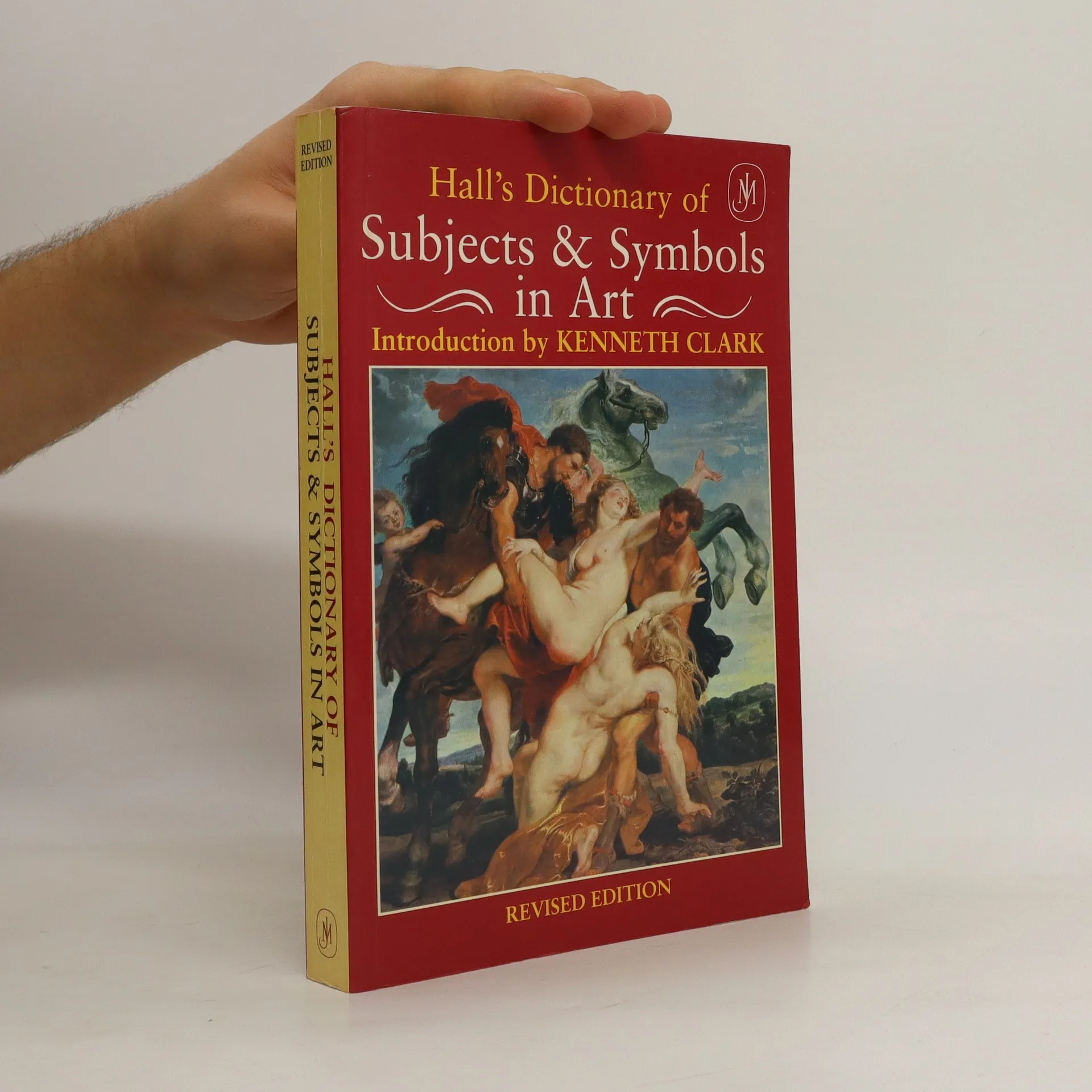
A dictionary of themes common to western art -- especially those arising from classical and Christian sources -- primarily from the Renaissance onward. Included are persons (and personifications), objects (especially attributes), and common events (e.g., The Raising of Lazarus). Special attention is paid to the interpretation of symbols in art. There is a list of sources at the beginning of the dictionary and an index at the end, but no illustrations. [Review, Oberlin Art Library Staff, BQP 6/16/2005]
The Sinister Side is the first book to detail the richness and subtlety of left-right symbolism since the Renaissance, and to show how it was a catalyst for some of the greatest works of visual art from Leonardo and Michelangelo to Rembrandt and Picasso. Traditionally, the left side was regarded as evil, weak, and worldly, but with the Renaissance, artists began to represent the left side as the side that represented authentic human feelings and especially love. Writers including Lorenzo de' Medici, Michelangelo, and Winckelmann hailed the supreme moral and aesthetic beauty of the left side. Images of lovers foreground the left side of the body, emphasizing its refinement and sensitivity. In the late nineteenth century, with the rise of interest in the occult and in spiritualism, the left side becomes associated with the taboo and with the unconscious. James Hall's insightful discussion of left and right symbolism helps us to see how the self and the mind were perceived during these periods, and gives us a new key to understanding art in its social and intellectual context.
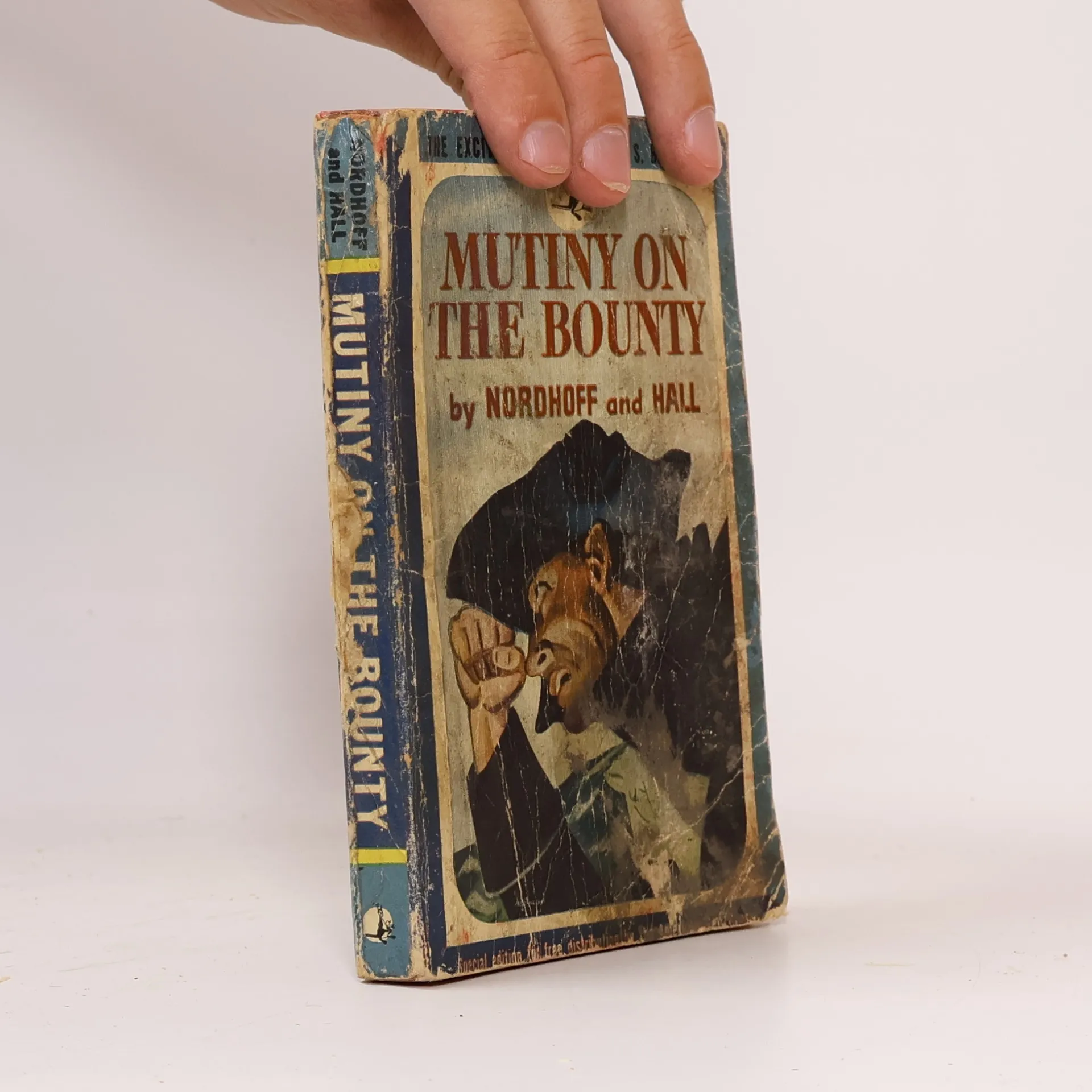
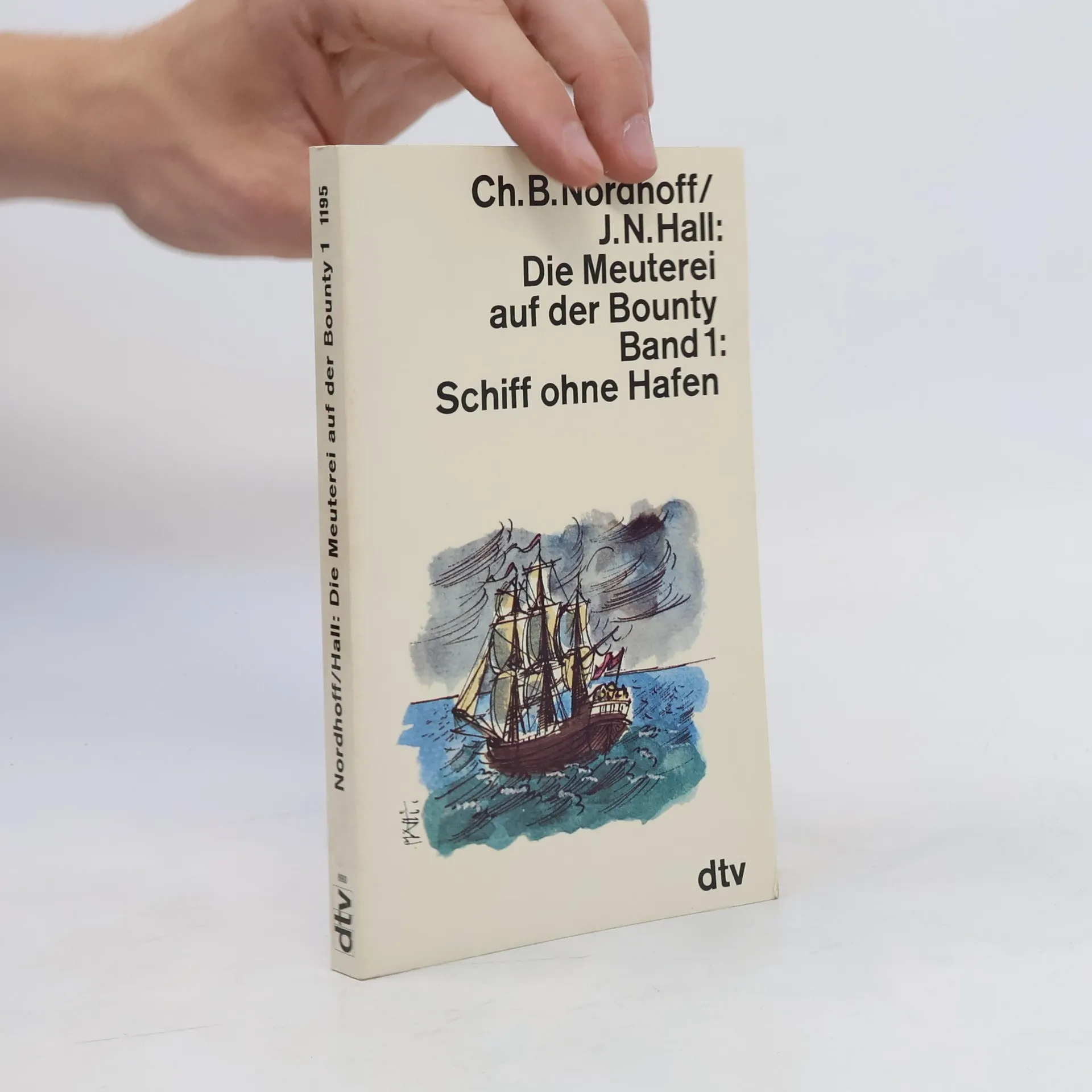
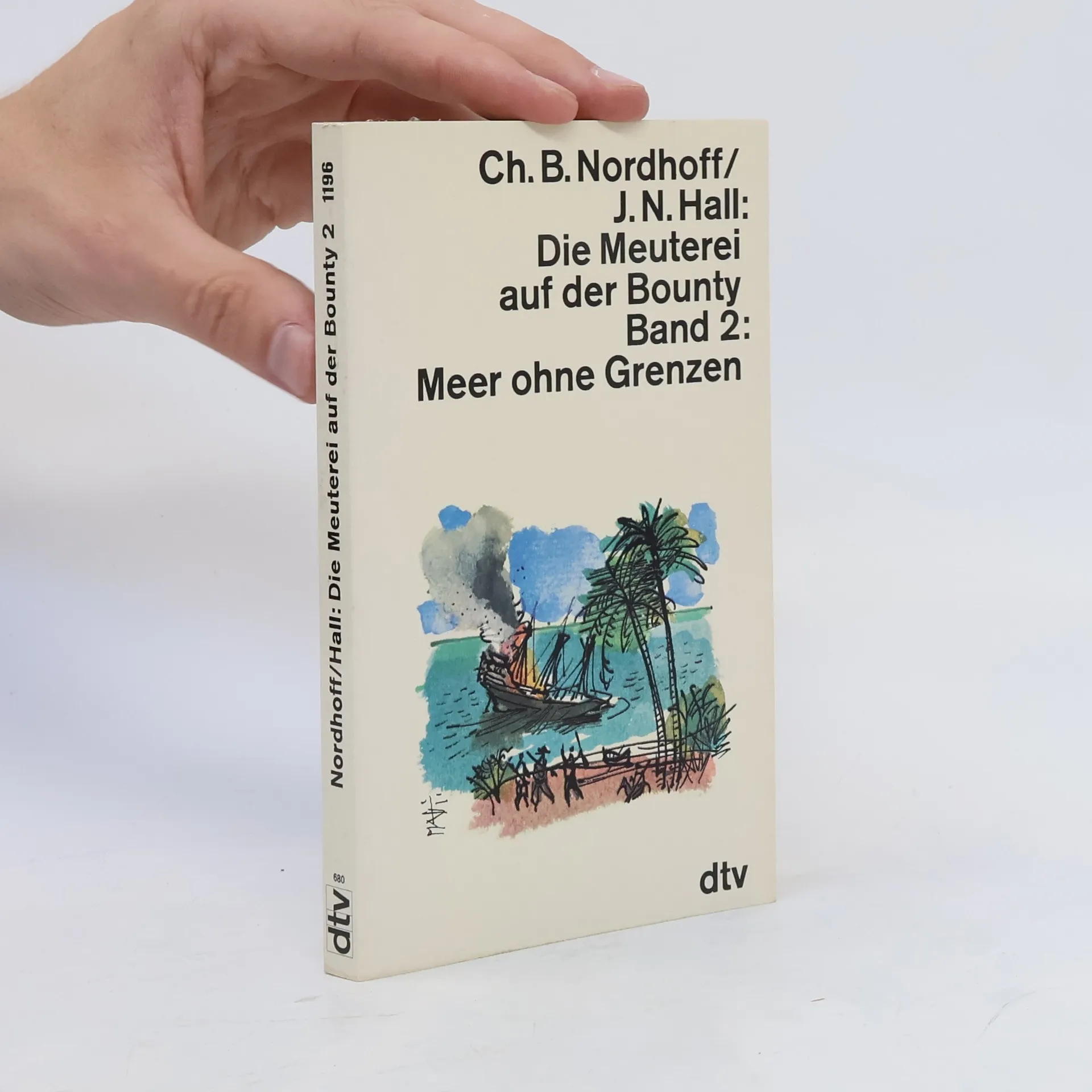
Sail the seas in good weather and bad on the H.M.S. BountyFlounder in a hurricane as you try to round Cape Horn. Sail to the South Seas the long way, around the Cape of Good Hope and through the Indian Ocean. Enjoy the idyllic island life and decide for yourself if the men on the Bounty should have mutinied against Captain Bligh. Find out what happens when the Captain and his men are put off the Bounty in a small rowboat with little food or water. Do they make it? Mutiny on the Bounty details a mutiny that occurred aboard the British Royal Navy ship HMS Bounty on 28 April 1789, and has been commemorated by several books, films, and popular songs, many of which take considerable liberties with the facts. The mutiny was led by Fletcher Christian against the commanding officer, William Bligh. According to most accounts, the sailors were attracted to the idyllic life on the Pacific island of Tahiti and repelled by the harsh treatment from their captain. Beautifully illustrated, this classic tale will capture children's interest and spark their imagination inspiring a lifelong love of literature and reading.Optimized for Kindle devices and featuring Panel Zoom facility.
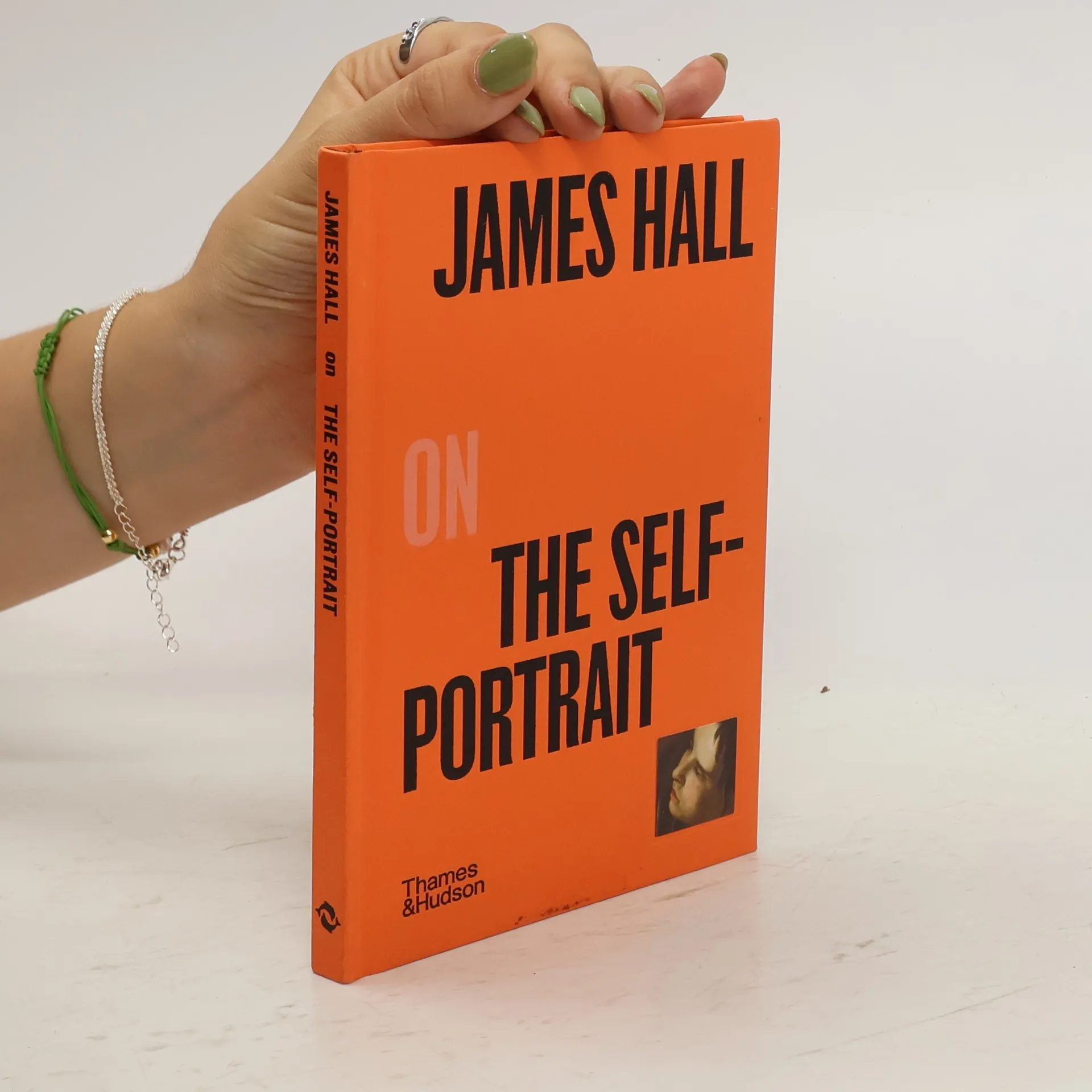
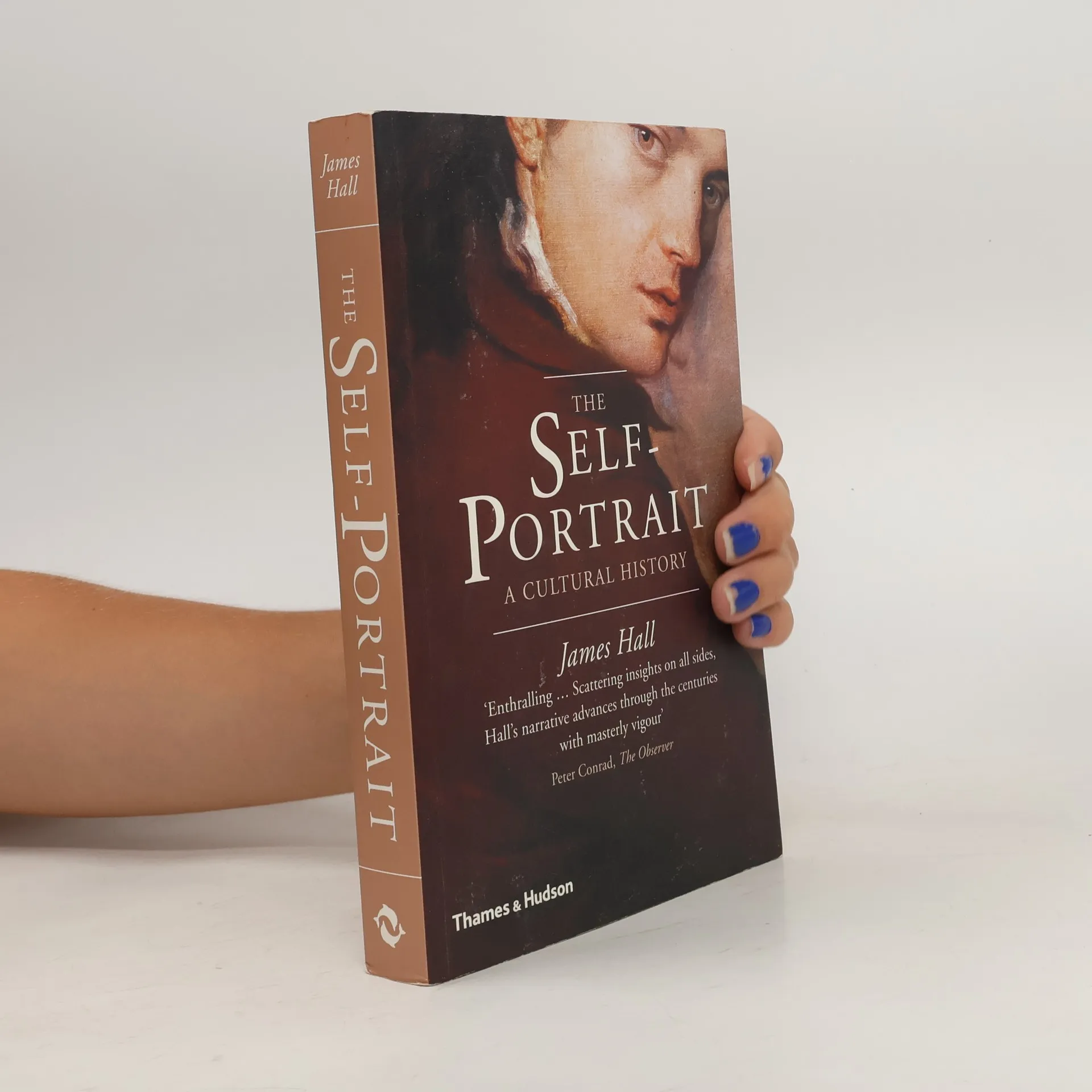
Excerpts from art critic, historian, lecturer, and broadcaster James Hall's lively and comprehensive cultural history of self-portraiture, focusing on artists including Dürer, Gentileschi, Van Gogh, and Kahlo.
This reprint preserves the essence of a classic originally published in 1857, offering readers a chance to explore the themes and narrative style of the era. It provides a glimpse into the historical context and societal norms of the time, making it a valuable addition for enthusiasts of literature and history alike. The book captures the intricate details and language of its period, allowing modern readers to experience a significant work from the past.
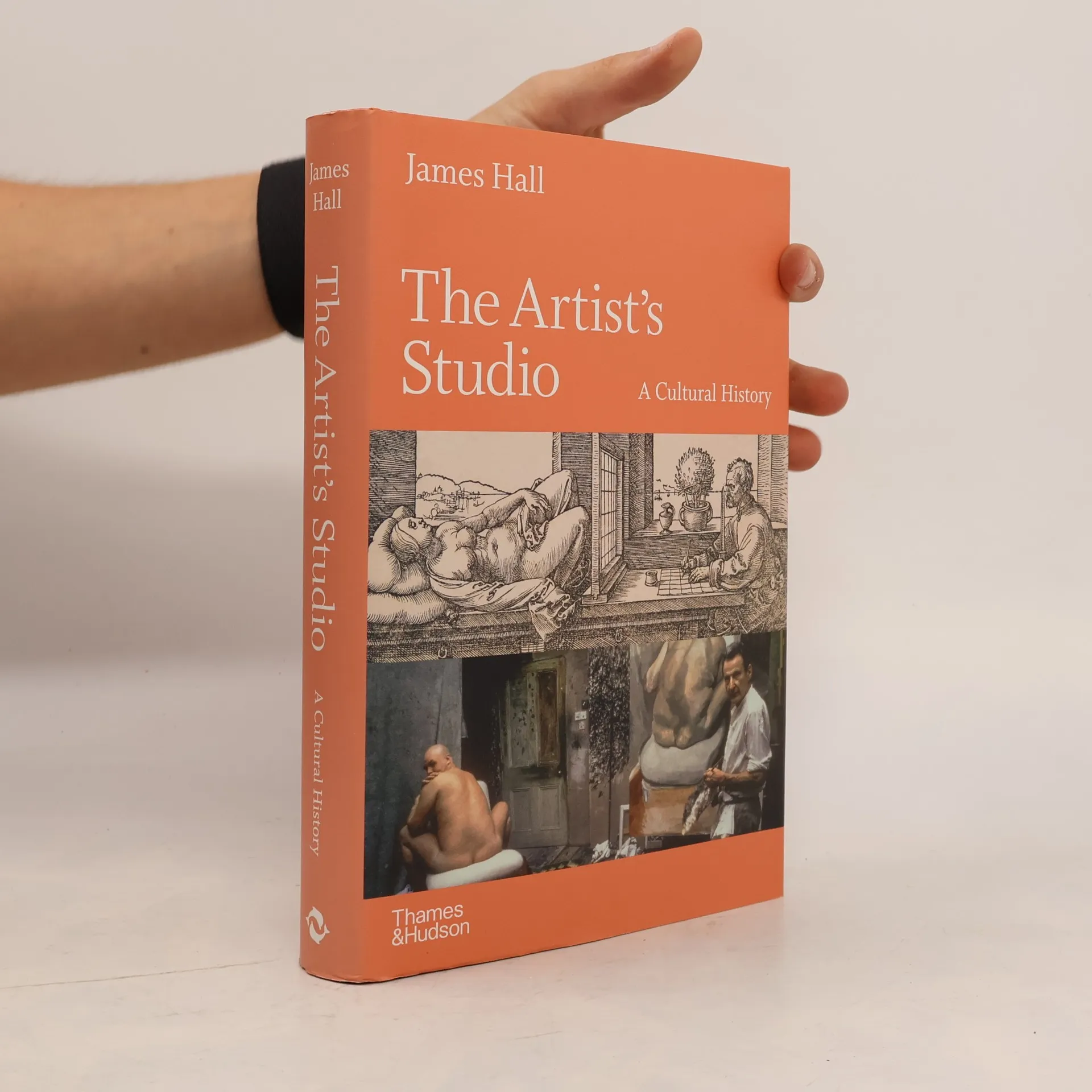
An exciting narrative and visual history of the artist's studio, examining the myth and reality of the creative space from early times to today.0 The artist's workplace has always been an imaginary as well as an actual location, an idealized utopia as well as the domain of dirty, back-breaking work. Written descriptions, paintings, prints and even photographs of the artist's atelier distort as much as they document. This pioneering cultural history charts the myth and reality of the creative space from Ancient Greece to the present day.0 Tracing a history that extends far beyond the bohemian, romantic and renaissance cults of the artist, each chapter focuses on key developments of the studio space as seen in a variety of familiar and unfamiliar images. Mythical and divine makers, and some amateurs, are included, and so too are craftspeople - workers in metal and wood, potters, illuminators, weavers, embroiderers and architects to name a few. Each carefully chosen example is placed within a cultural and political context, with the aim of correcting the historical imbalance that has long overlooked the many artisans who collaborated with artists. Leading authority James Hall also extends the discussion to the artist's museum and the artist's house, as well plein air painting and the development of portable studios
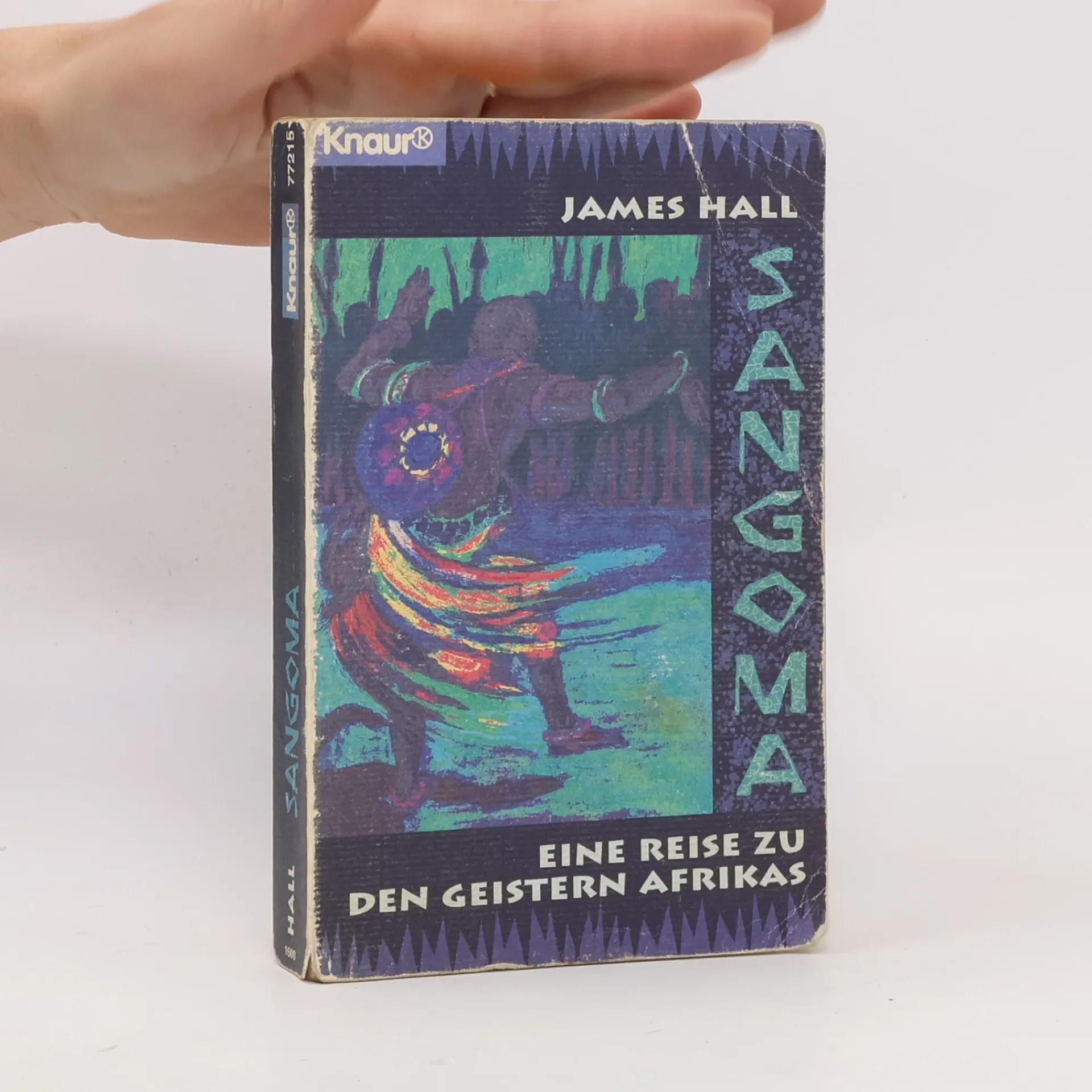
Der Autor erzählt von seinen Erfahrungen unter den Menschen in Swasiland und beschreibt, wie und warum er sich entschied, ein Sangoma oder traditioneller Heiler zu werden.
The narrative follows Captain Bligh and 19 loyal crew members as they face the harrowing challenge of survival after being set adrift in a 23-foot launch. Their remarkable 3,600-mile journey across the ocean highlights extraordinary bravery and resilience, marking it as one of the most significant adventures in maritime history.
Lassen Sie sich einladen zu einer kleinen Zeitreise und erleben Sie den genialen Künstler ganz aus der Nähe! Der universale Künstler gilt als aufsässiger Einzelgänger, doch er war beredt und sprachgewandt, wie seine vielen Briefe, Gedichte und andere Dokumente zeigen. Sein Vater war entsetzt darüber, dass er seinen Lebensunterhalt mit Kunst verdienen wollte, und beruhigte sich, als er erste Gemälde verkaufen konnte. Seine Amme stammte aus einer Steinmetzfamilie, so dass er den Umgang mit Hammer und Meißel quasi mit der Muttermilch aufsog. Für das rein Dekorative in der Kunst hatte er wenig Verständnis, denn für ihn war der Fuß eines Menschen edler als der Schuh und die Haut edler als der Stoff, aus dem die Kleidung gemacht ist. Fiktive Gespräche lassen Persönlichkeiten aus der Vergangenheit wieder auferstehen. Mit Einführung und Kurzbiografie