

OOPS!
- 288 stránok
- 11 hodin čítania
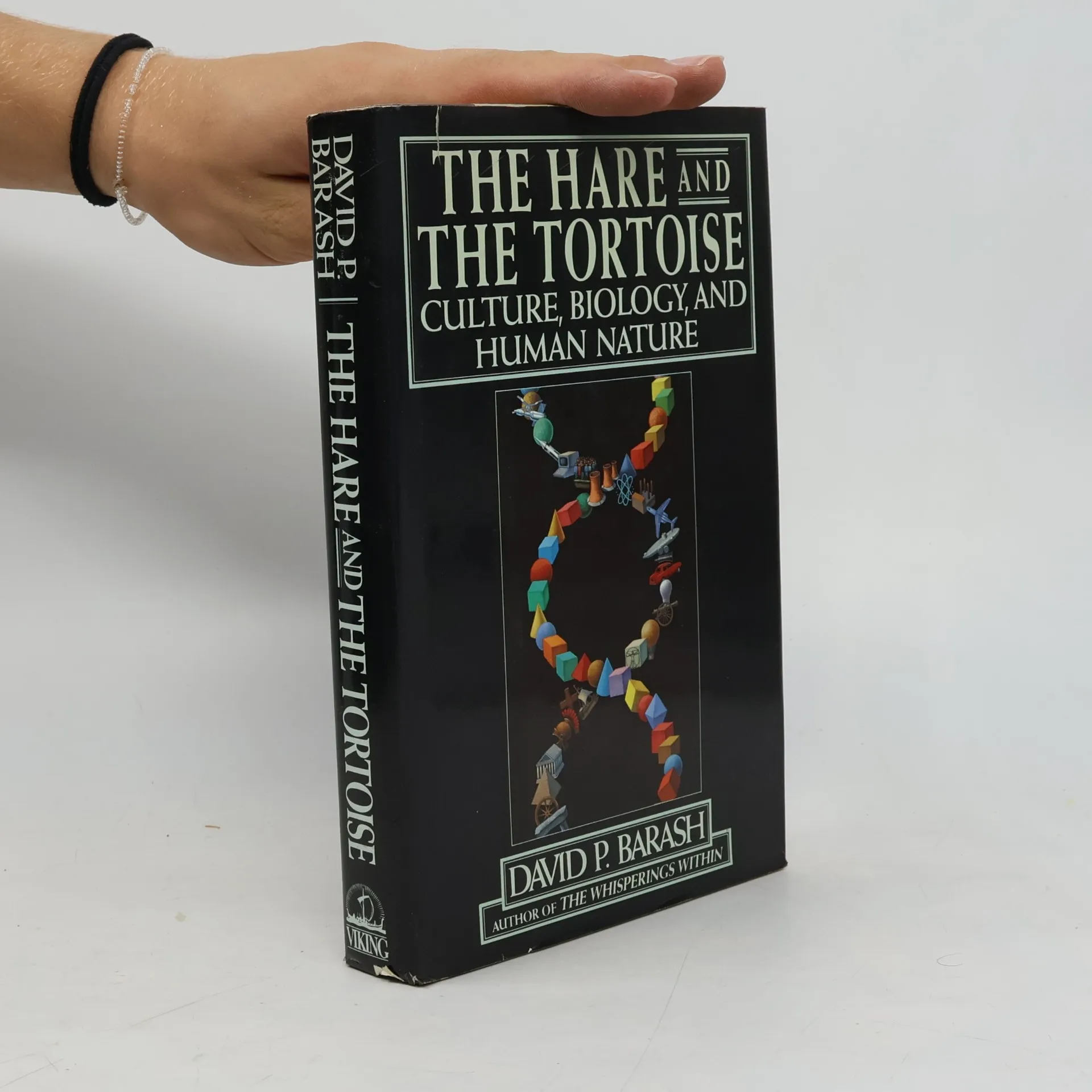
David P. Barash sa zaoberá komplexnými otázkami ľudskej povahy, evolúcie a správania. Jeho dielo skúma hlboké prepojenie medzi biologickými impulsmi a spoločenskými javmi, od povahy agresie po základy mierových štúdií. S jedinečným prístupom analyzuje, ako evolučné sily formujú ľudské vzťahy, sexualitu a dokonca aj umelecké diela. Jeho texty ponúkajú prenikavý pohľad na to, čo nás robí ľuďmi.


Threats is a comprehensive and scientifically accurate exploration into threats at every level, from animalistic competition to social manipulation and political strife.
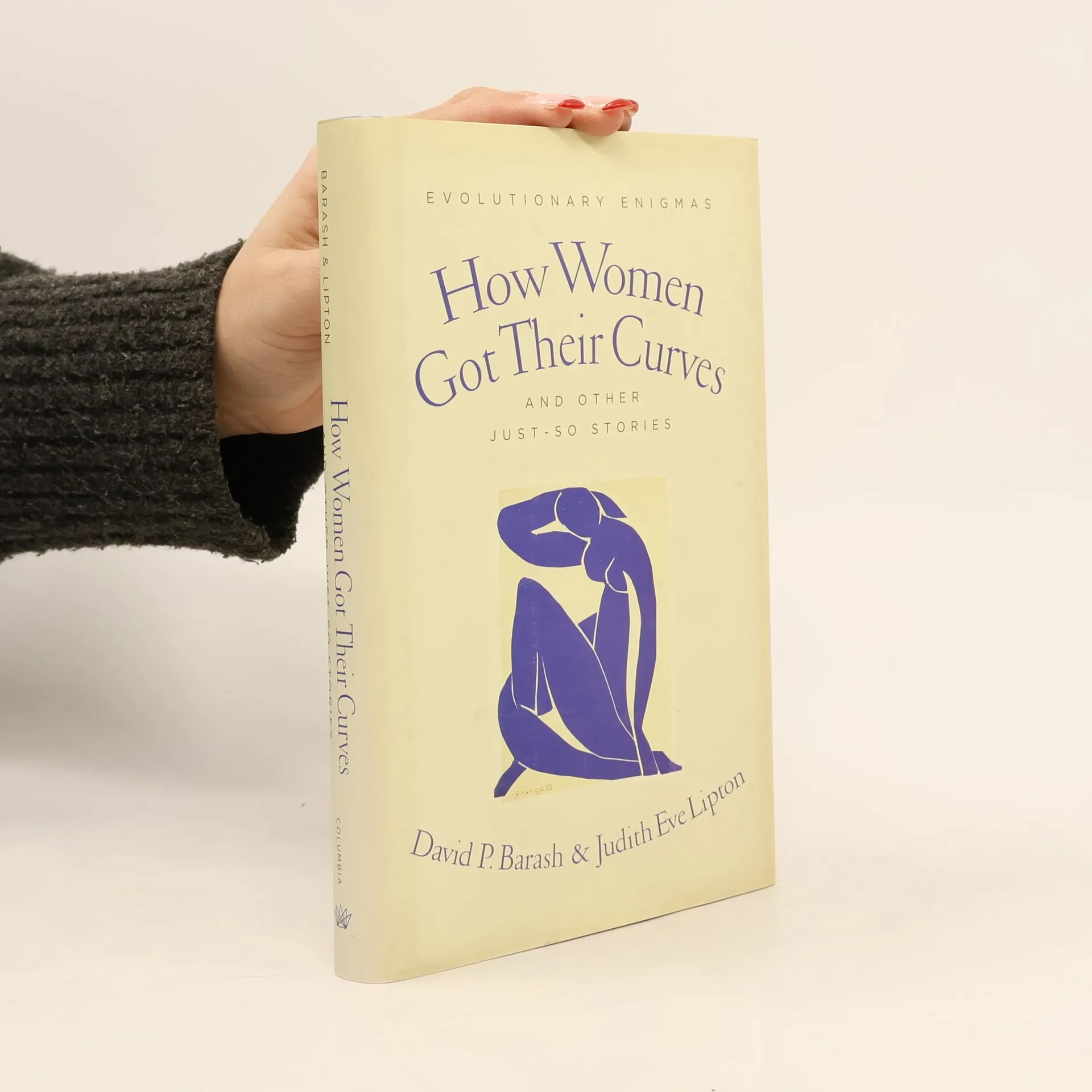
So how did women get their curves? Why do they have breasts, while other mammals only develop breast tissue while lactating, and why do women menstruate, when virtually no other beings do so? What are the reasons for female orgasm? Why are human females kept in the dark about their own time of ovulation and maximum fertility, and why are they the only animals to experience menopause?David P. Barash and Judith Eve Lipton, coauthors of acclaimed books on human sexuality and gender, discuss the theories scientists have advanced to explain these evolutionary enigmas (sometimes called "Just-So stories" by their detractors) and present hypotheses of their own. Some scientific theories are based on legitimate empirical data, while others are pure speculation. Barash and Lipton distinguish between what is solid and what remains uncertain, skillfully incorporating their expert knowledge of biology, psychology, animal behavior, anthropology, and human sexuality into their entertaining critiques. Inviting readers to examine the evidence and draw their own conclusions, Barash and Lipton tell an evolutionary suspense story that captures the excitement and thrill of true scientific detection.
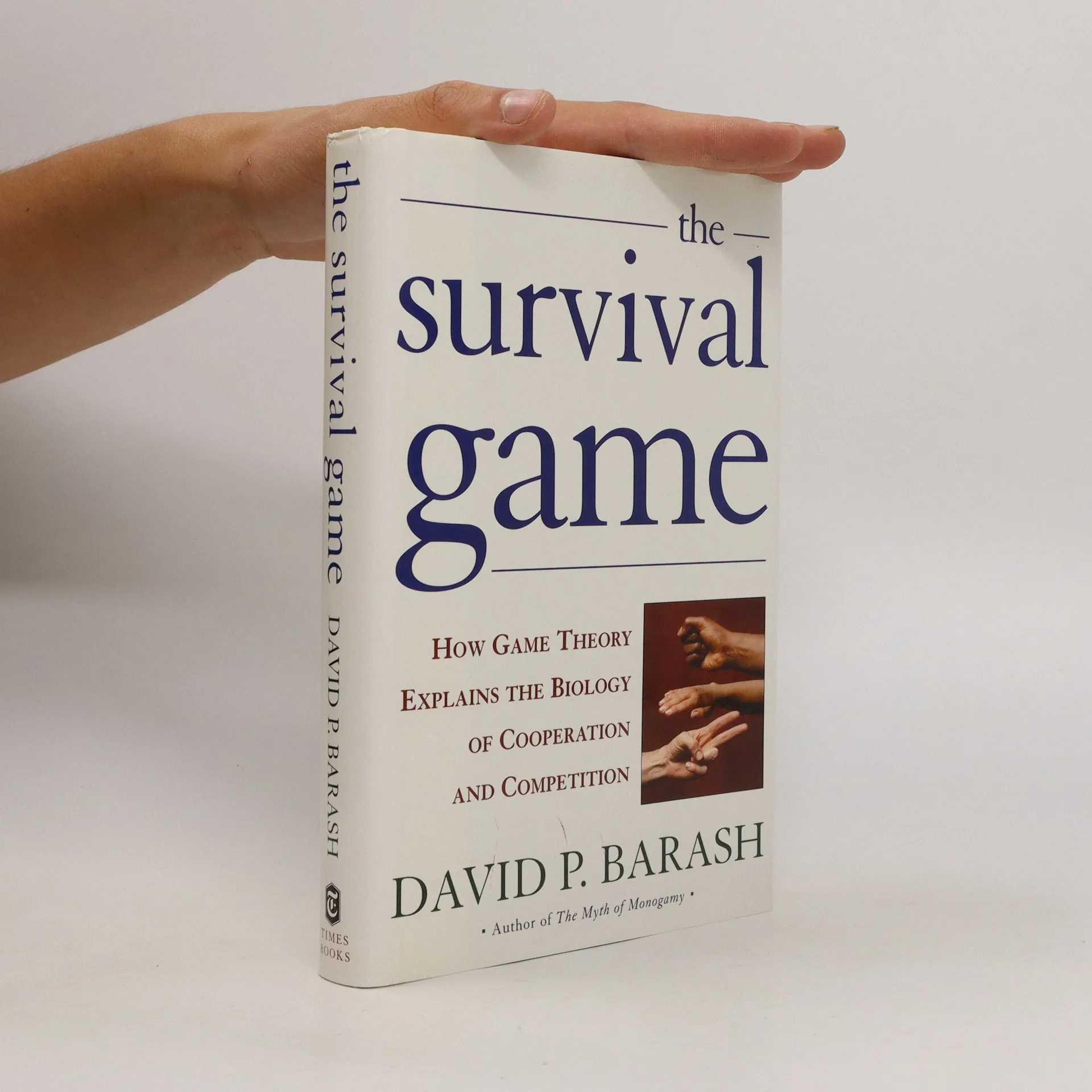
How Game Theory Explains the Biology of Cooperation and Competition
And notorious strategies arising from the Game of Chicken, tit-for-tat, and follow the leader turn up in examples as disparate as World War II's submarine war and the mating antics of the yellow dung fly."--BOOK JACKET.
Applying new research to sex in the animal world, esteemed scientists David P. Barash and Judith Eve Lipton dispel the notion that monogamy comes naturally. In fact, as The Myth of Monogamy reveals, biologists have discovered that for nearly every species, cheating is the rule -- for both sexes.Reviewing findings from the same DNA fingerprinting science employed in the courtroom, Barash and Lipton take readers from chickadee nests to chimpanzee packs to explain why animals cheat. (Some prostitute themselves for food or protection, while others strive to couple with genetically superior or multiple mates.) The Myth of Monogamy then illuminates the implications of these dramatic new findings for humans, in our relationships, as parents, and more.The Myth of Monogamy at last brings scientific insight into this emotionally charged aspect of the ultimate dating and marriage quandary.
Ein Zoologe nutzt Fallstudien zum Verhalten von Menschen und Tieren, um seine Argumentation zu untermauern, dass viele Aspekte des menschlichen Sexualverhaltens, der Elternschaft, der Verwandtschaftsmuster, der Aggression, des Altruismus und des Rassismus ihre Wurzeln in evolutionären Anpassungen der Vorfahren des Menschen haben.