


Z Knihobotu sa stal Bookbot!
Bookbot

Lester C. Thurow

    Lester Thurow je popredný ekonóm, ktorého diela skúmajú zložité vzťahy medzi ekonomikou, politikou a spoločnosťou. Jeho analýzy sa často zameriavajú na medzinárodné ekonomické súťaže a porovnáva rôzne modely vládneho zapojenia do ekonomiky, obhajujúc vplyvné prístupy, ktoré formujú globálne debaty. Thurowov štýl je známy svojou jasnosťou a schopnosťou sprístupniť komplexné ekonomické koncepty širšiemu publiku. Prostredníctvom svojich vplyvných diel prispel k hlbšiemu pochopeniu budúcich globálnych ekonomických síl a výziev.

    Dangerous Currents
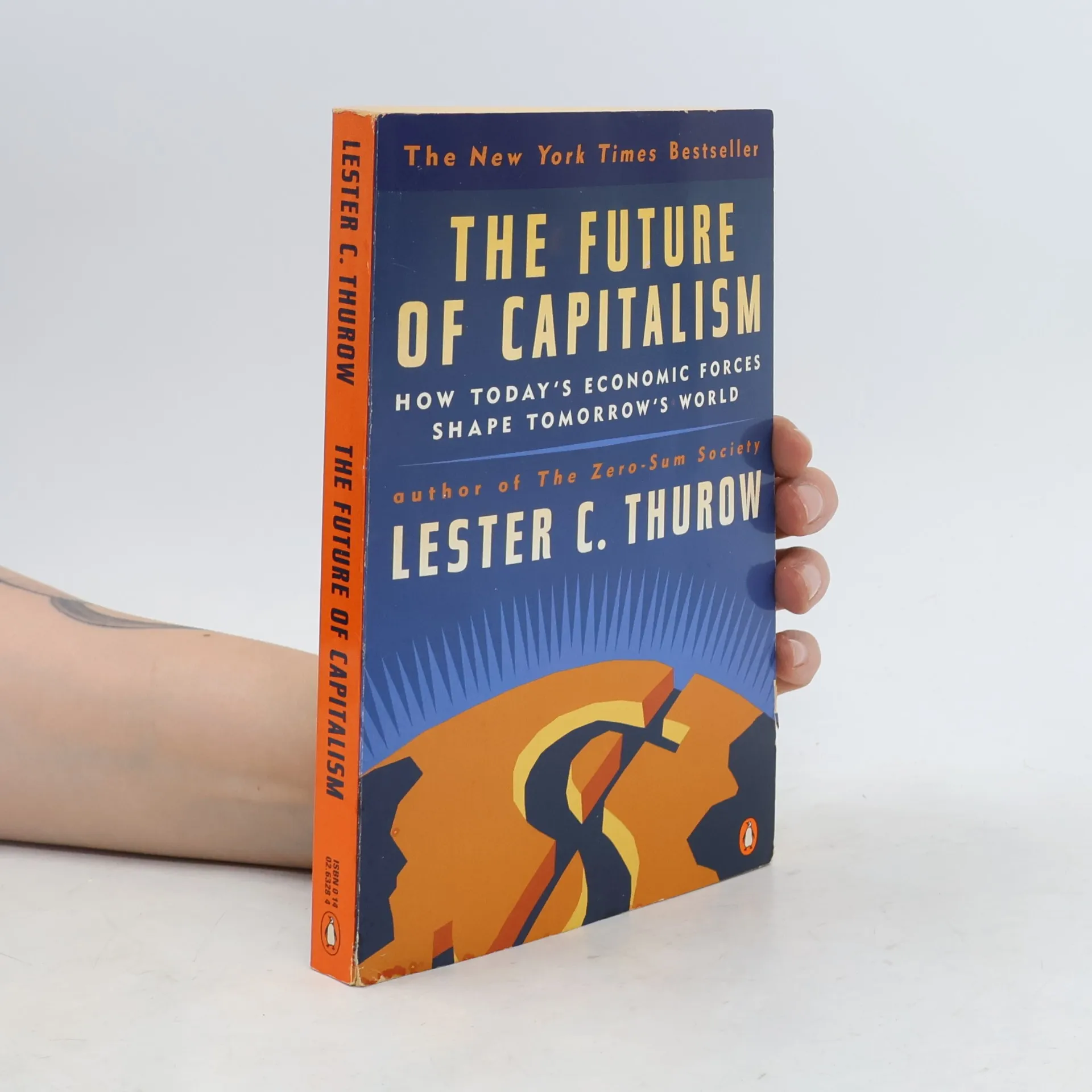
    The Future of Capitalism: How Today's Economic Forces Shape Tomorrow's World
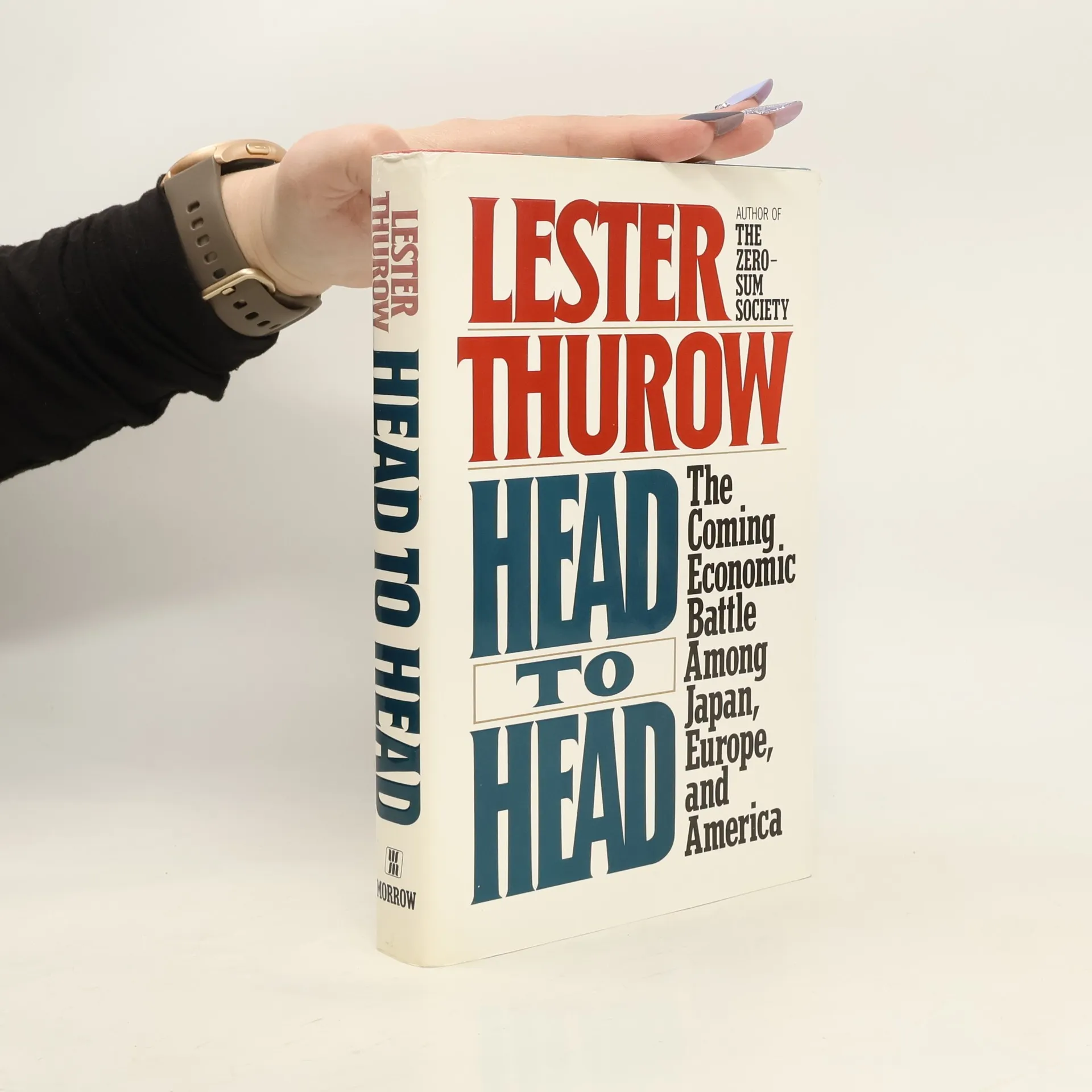
    Head to Head
    Building Wealth
    The Future of Capitalism
    Čo je ekonómia ?
    • 1999

      Explores current global economics, explaining the basic adjustments that the future will demand and the traits necessary for prosperity

      Building Wealth
    • 1997

      This work analyzes the future of capitalism, and charts a course for surviving and winning in the years ahead.

      The Future of Capitalism
    • 1996
    • 1994

      Čo je ekonómia ?

      • 223 stránok
      • 8 hodin čítania

      Objavuje sa trhová spoločnosť. Traja veľkí ekonómovia. Dva svety podnikania. Vývoj chudoby.

      Čo je ekonómia ?
    • 1992

      With the dismantling of the Berlin Wall in 1989 and the collapse of the USSR in 1991, the Cold War era ended, giving rise to a new economic struggle among three superpowers, each engaging in capitalism differently. The United States, now the second-largest economy, faces stagnation and escalating federal deficits, prompting Americans to recognize a pivotal moment. One of the nation’s leading economists offers a dynamic assessment of this evolving economic landscape, highlighting the competition's new rules, the strengths and weaknesses of each player, and the essential information needed to succeed. Surprises abound; success requires radical new skills and innovative thinking. For instance, the 1990s will not have clear winners, but the inability to cooperate with adversaries could lead to destruction. A reevaluation of essential resources is crucial for thriving in this environment before the year 2000. Seven key industries are identified as vital for maintaining a high standard of living, raising questions about how to sustain competitiveness in these sectors. Education emerges as the most powerful tool in this new economic warfare, emphasizing the need to close the education gap. Additionally, fostering teamwork in unfamiliar ways is essential for Americans to adapt and succeed.

      Head to Head
    • 1983

      A leading liberal economist presents a critique of recently ascendant conservative economic theories, arguing that none of these theories offers an accurate picture of economic realities

      Dangerous Currents