

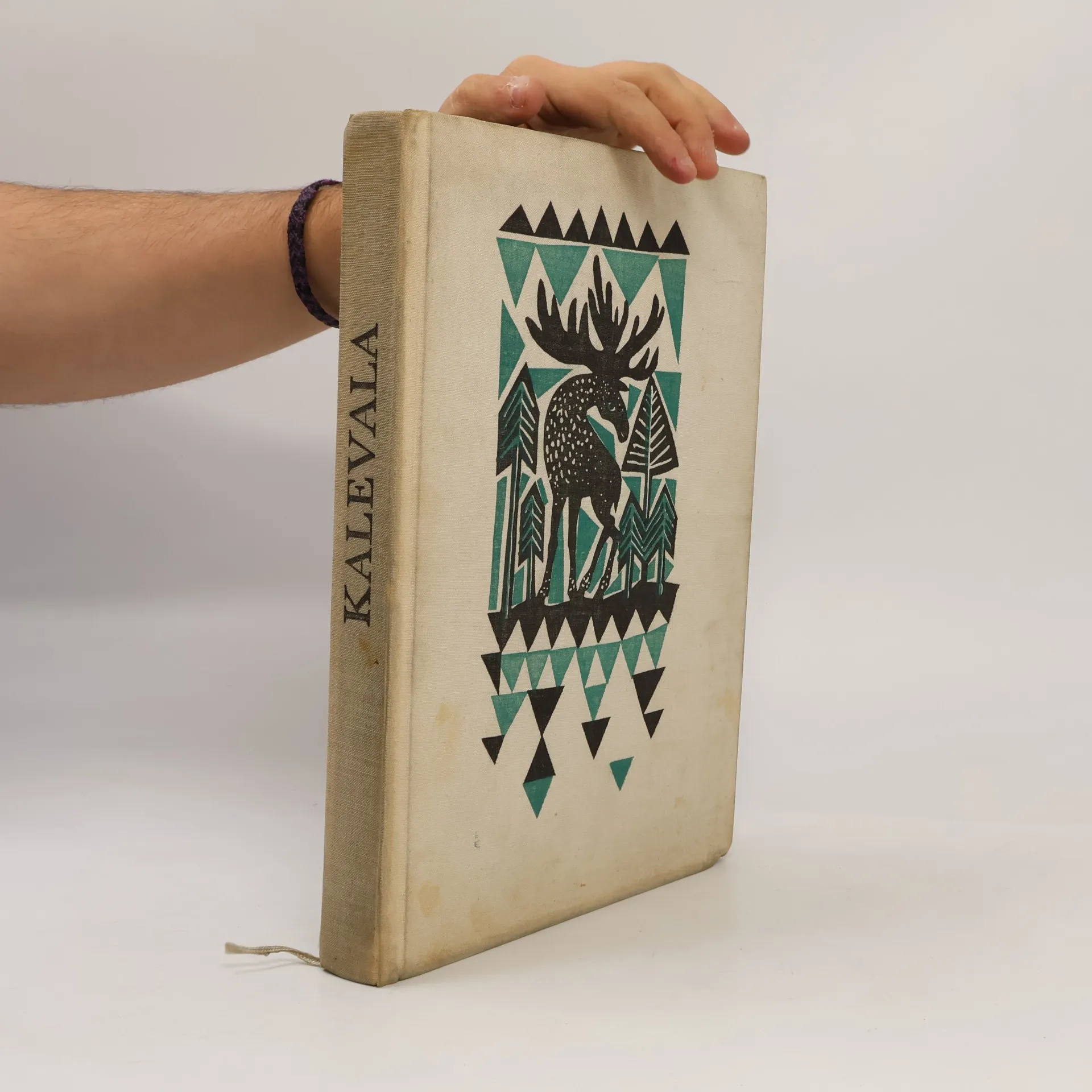
Kalevala, jedno z najvýznamnejších diel svetovej literatúry, obsahuje takmer 23 000 veršov a zaujíma podobné miesto ako dielo Homéra či epos o Gilgamešovi. V ňom sa odrážajú predstavy a mýty, ktoré sú inde dávno zabudnuté alebo neboli vyjadrené s rovnakou poetickou silou. Starofínsky svet piesní, ktorý je v diele zakomponovaný, poskytuje nielen informácie pre vedu, ale predovšetkým oslovuje znalcov a milovníkov veľkej ľudovej poézie. Kalevala si získala nespočetné množstvo obdivovateľov. Nová prekladová verzia sa odráža od predchádzajúcich prekladov a zachováva charakteristické rysy finského originálu, pričom si zachováva aj archaický nádych, ktorý robí toto dielo lákavým a náročným zároveň. Komentár k Kalevale zobrazuje súčasný stav výskumu a vysvetľuje ťažko zrozumiteľné pasáže, pričom ponúka prístup k jeho zdrojom, starofínskym piesňam.
Jukka Korpela Knihy

The world of Ladoga
- 400 stránok
- 14 hodin čítania
This book focuses on Medieval and Early Modern state formation in the north-eastern periphery of Europe, challenging the traditional view of an East-West conflict between Sweden and Novgorod over the late medieval colonization of northern forest areas. Contrary to the belief that the East Fennoscandian boreal forest was uninhabited, it was actually home to diverse hunting and fishing populations with distinct cultures. The lifestyles of these groups can be explored through a range of palaeoecological, palaeobotanic, genetic, meteorological, folkloristic, philological, and archaeological data. Traditional written sources were limited in this region, primarily reflecting the expansion of European Christian culture and power from both Russia and Sweden. The increase in documentation and population, along with the shift from a semi-nomadic economy to agriculture, indicates a transformation of the existing economic system rather than true colonization. The local populations, once marginalized, gradually emerged in historical records. Although the East Fennoscandian boreal forest was a European periphery during the Viking Age, it was linked to European trade routes that introduced early Christian influences. However, the 14th-century economic crisis led to its exclusion from late medieval state formation, making it a target for Muscovite and Swedish interests only after the 15th century, resulting in the establishment of parishes, l