Tento renomovaný historik sa vyznačuje rozsiahlymi publikáciami o histórii Európy, Poľska a Spojeného kráľovstva. Jeho práca sa často vyznačuje podrobnými naratívmi prerušovanými diskusiou o menších témach, čo čitateľom poskytuje bohatý pohľad na kľúčové udalosti. Skúma širšie historické súvislosti a ponúka provokatívne porovnania s cieľom pochopiť plný rozsah vojnových katastrof a zdôrazniť poučenia pre budúcnosť.
Rozsáhlá syntetická práce profesora historie Londýnské univerzity patří k nečetným dílům, která se v jednom svazku snaží zhostit celku evropských dějin od prehistorických počátků až po pád komunismu počátkem devadesátých let. Daviesova práce je pozoruhodná především tím, že provádí skutečnou syntézu politických, náboženských, kulturních a sociálních dějin Evropy a zároveň přináší ohromné množství objevných analýz a sond do málo známých nebo zapomenutých jevů evropských dějin. Kniha je vybavena rozsáhlými dodatky obsahujícími data, statistické přehledy, tabulky, mapy a grafy.
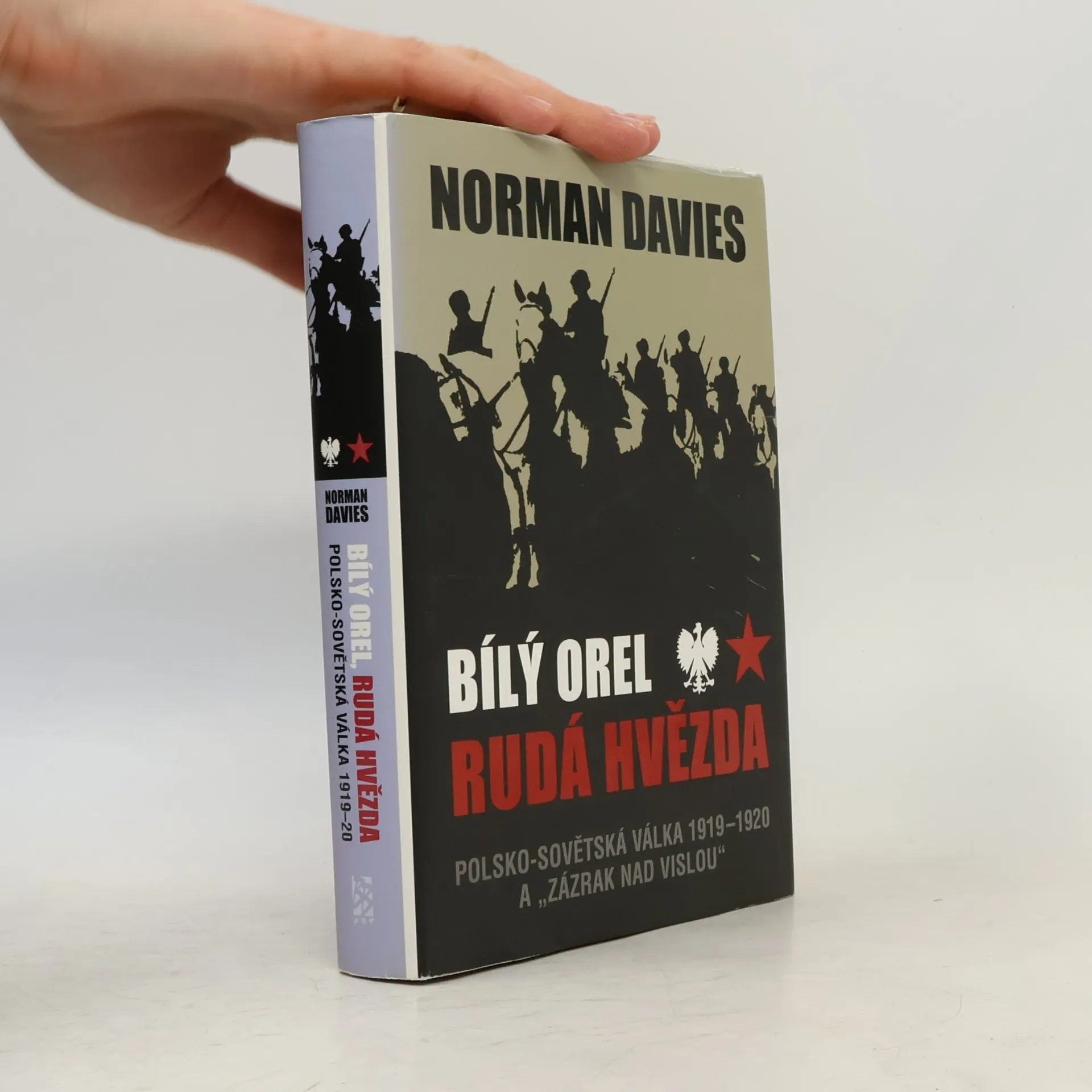
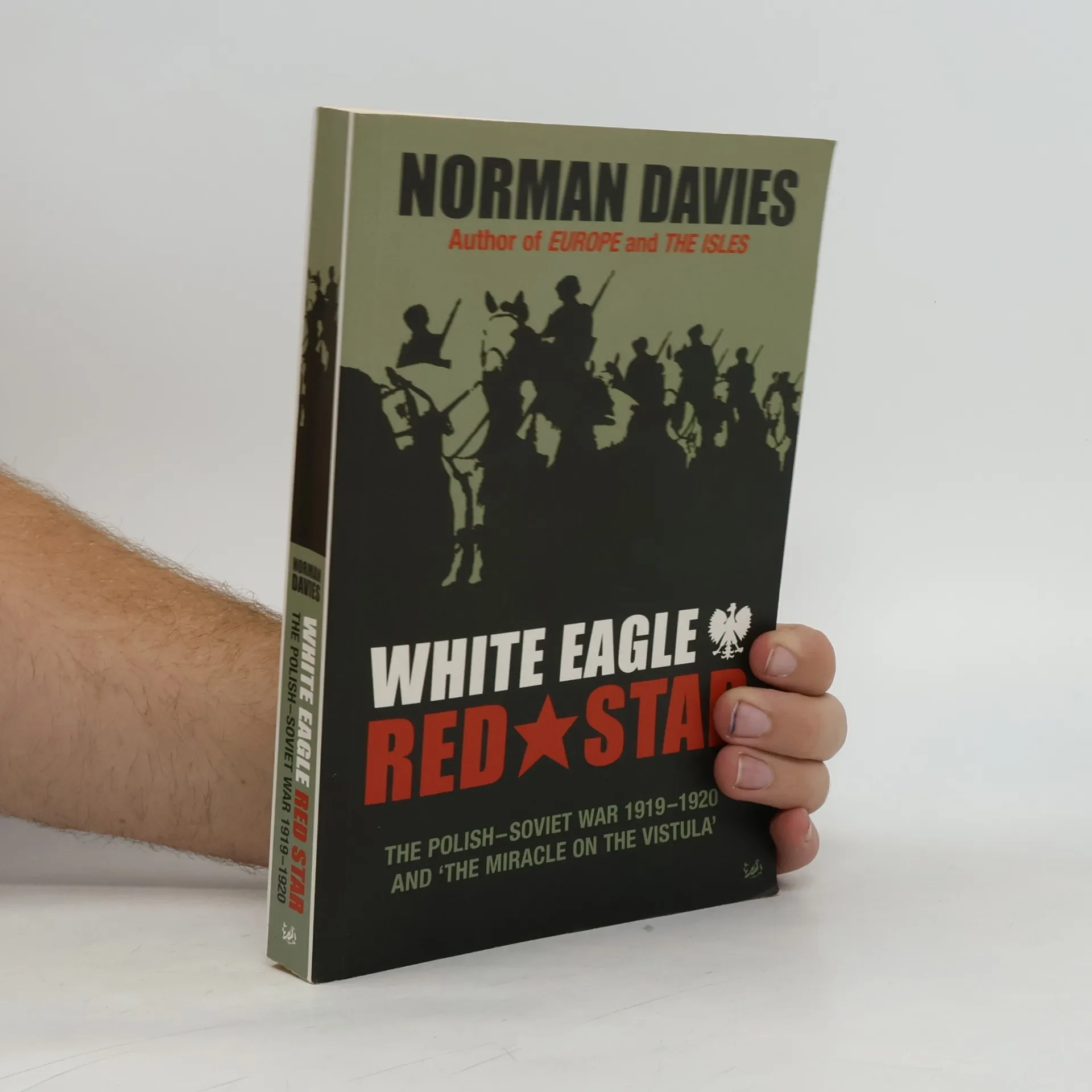
Polsko-sovětská válka 1919–20 a „Zázrak nad Vislou“.
Polské sovětská válka z let 1919–1920 je opomíjenou dějinnou událostí. Přitom v ní šlo o hodně: byl to první pokus říše Sovětů přenést revoluci do celé západní Evropy. Pro Poláky to zase byla první příležitost obhájit oprávnění obnovené polské státnosti.
V práci Bílý orel, rudá hvězda podává Norman Davies úplný popis této války i s jejím dramatickým vyvrcholením v srpnu 1920, kdy Rudou armádu, jež si byla jista vítězstvím a slibovala, že ponese revoluci dál do Evropy, dokud „se naše koně nenapijí z Rýna“, zdrtil ničivý polský útok.
Norman Davies čerpal jak z polských, tak z ruských pramenů a ilustruje své vyprávění dokumentárním materiálem, který do té doby nebylo možné studovat – a ukazuje, že tato válka byla něčím daleko větším než jen „epizodou“ ve východoevropském dění, že naopak do velké míry rozhodla o směřování evropských dějin na dalších více než dvacet let.
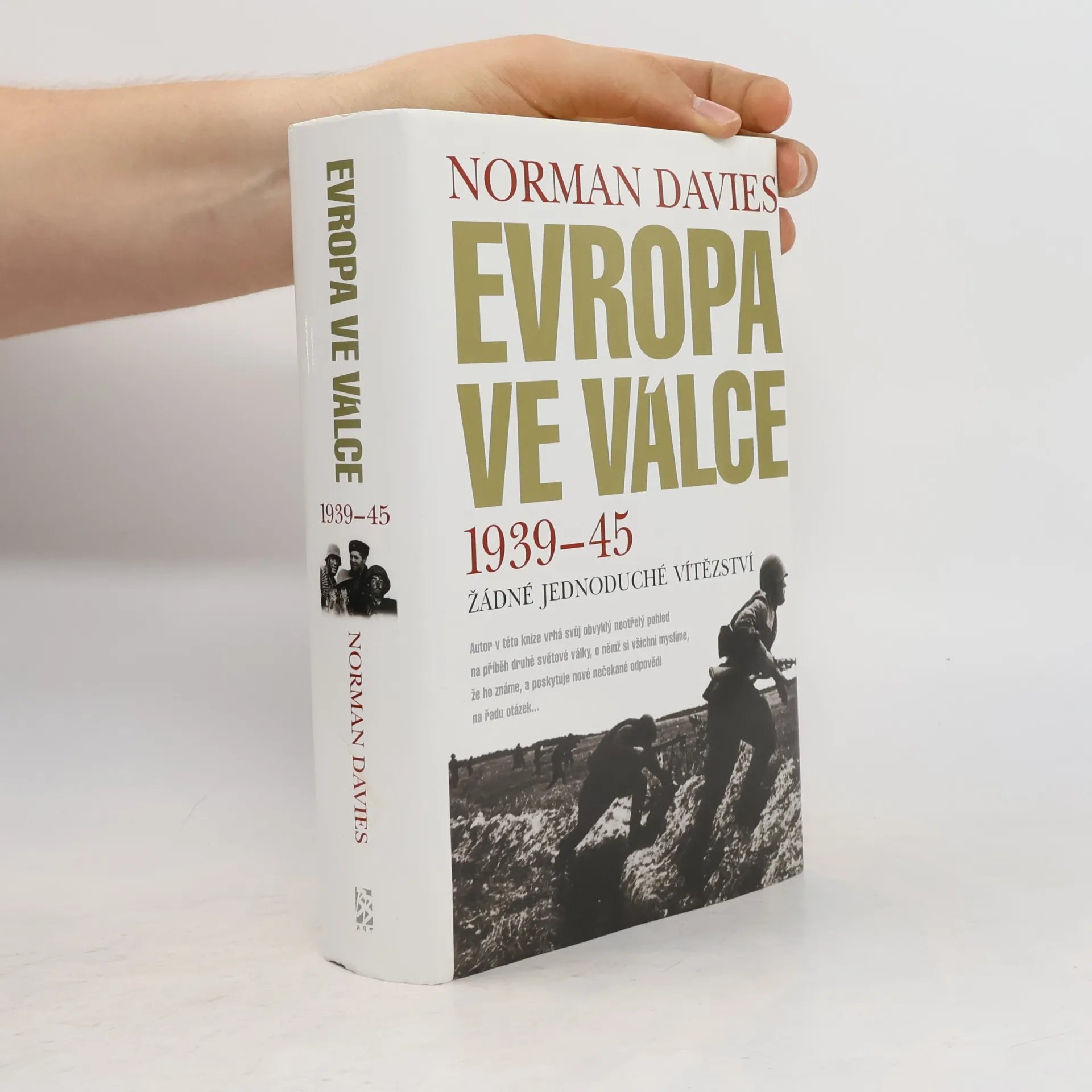
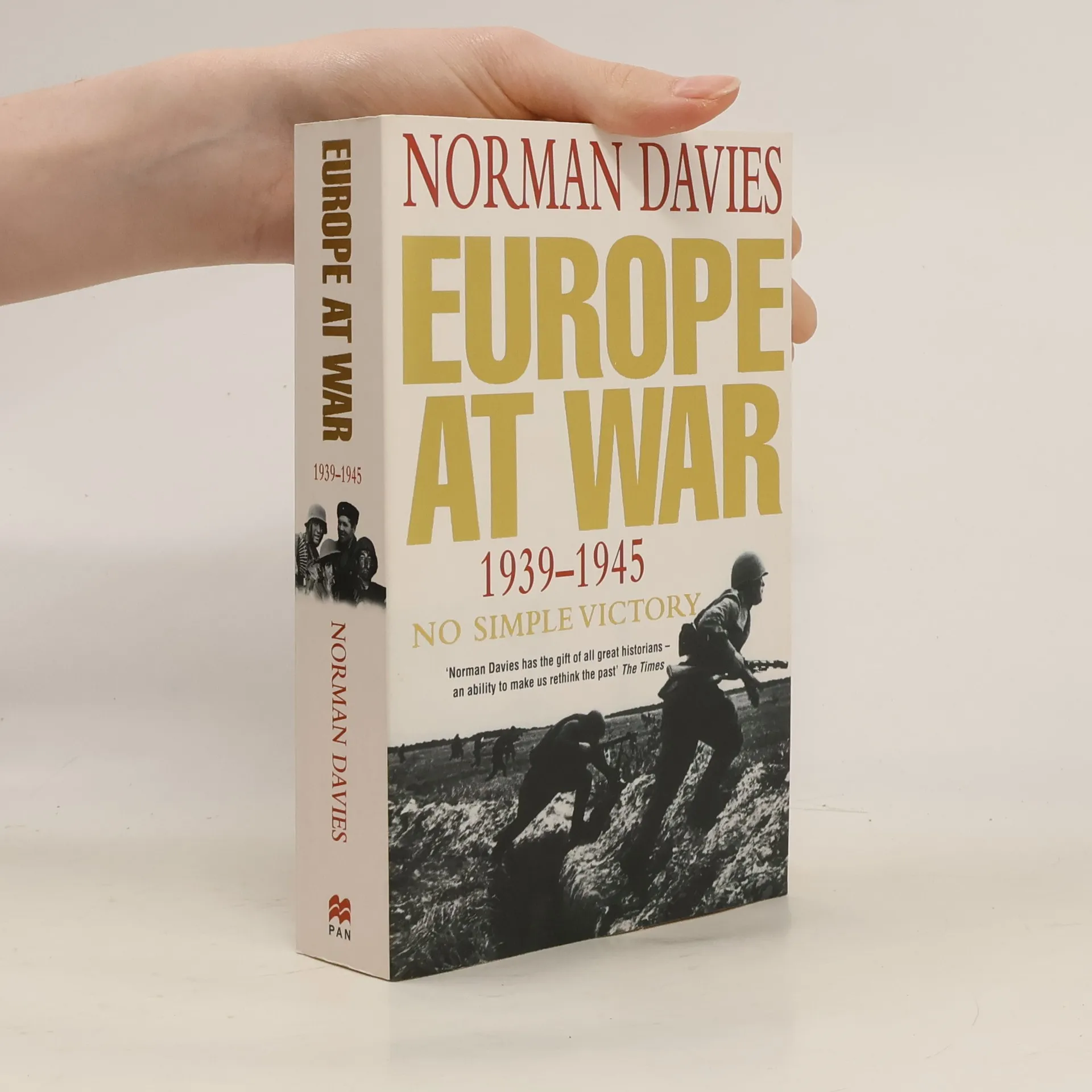
Historický esej, který usiluje o jiný, tradičními mýty nezatížený pohled na dějiny 2. světové války, nestaví na nových faktech, ale vychází z odlišné, komplexnější, hlubší a často neobvyklé interpretace jednotlivých událostí.
Pokus o objektivní syntézu, která vychází z jiného utřídění známých skutečností, které autor uvádí do nových souvislostí. Polemizuje se zažitou "spojeneckou interpretací" dějin 2. světové války, podle které byla tato válka "bojem Dobra se Zlem". Válka byla, podle autora střetem dvou totalitních režimů, jejichž činy byly stejně odsouzeníhodné. Ani západní velmoci se, tvrdí autor, nevyhnuly násilí a zločinům (strategické bombardování, odsun atd.). Současný výklad dějin tohoto válečného konfliktu považuje za zjednodušený a neobjektivní příběh psaný v režii vítězů. Tyto obecné úvahy dokládá text jednotlivých kapitol, které jsou koncipovány tematicky (politický vývoj, přehled vojenských akcí, vojáci ve válce, každodennost civilního obyvatelstva a 2. světová válka v obrazech, literatuře a historické produkci).
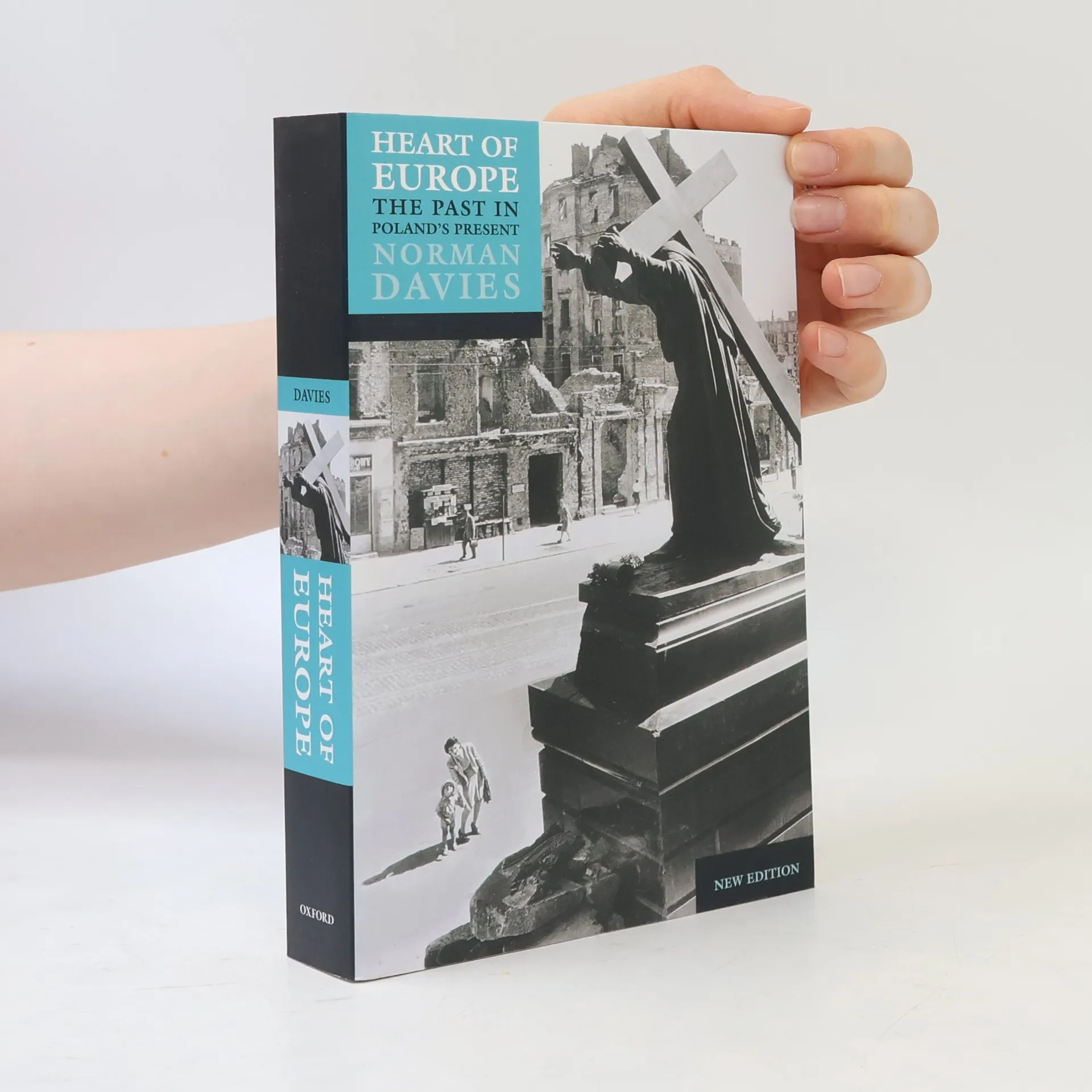
This new edition of Norman Davies's classic study of the history of Poland has been revised and fully updated with two new chapters to bring the story to the end of the twentieth century. The author adopts a sceptical stance towards all existing interpretations of Polish history and attempts to bring a strong dose of common sense to his theme. He presents the most comprehensive survey in English of this frequently maligned and usually misunderstood country.
"From the Ice Age to the Cold War, from Reykjavik to the Volga, from Minos to Margaret Thatcher, this is the story of Europe in a single volume." - - Back Cover.
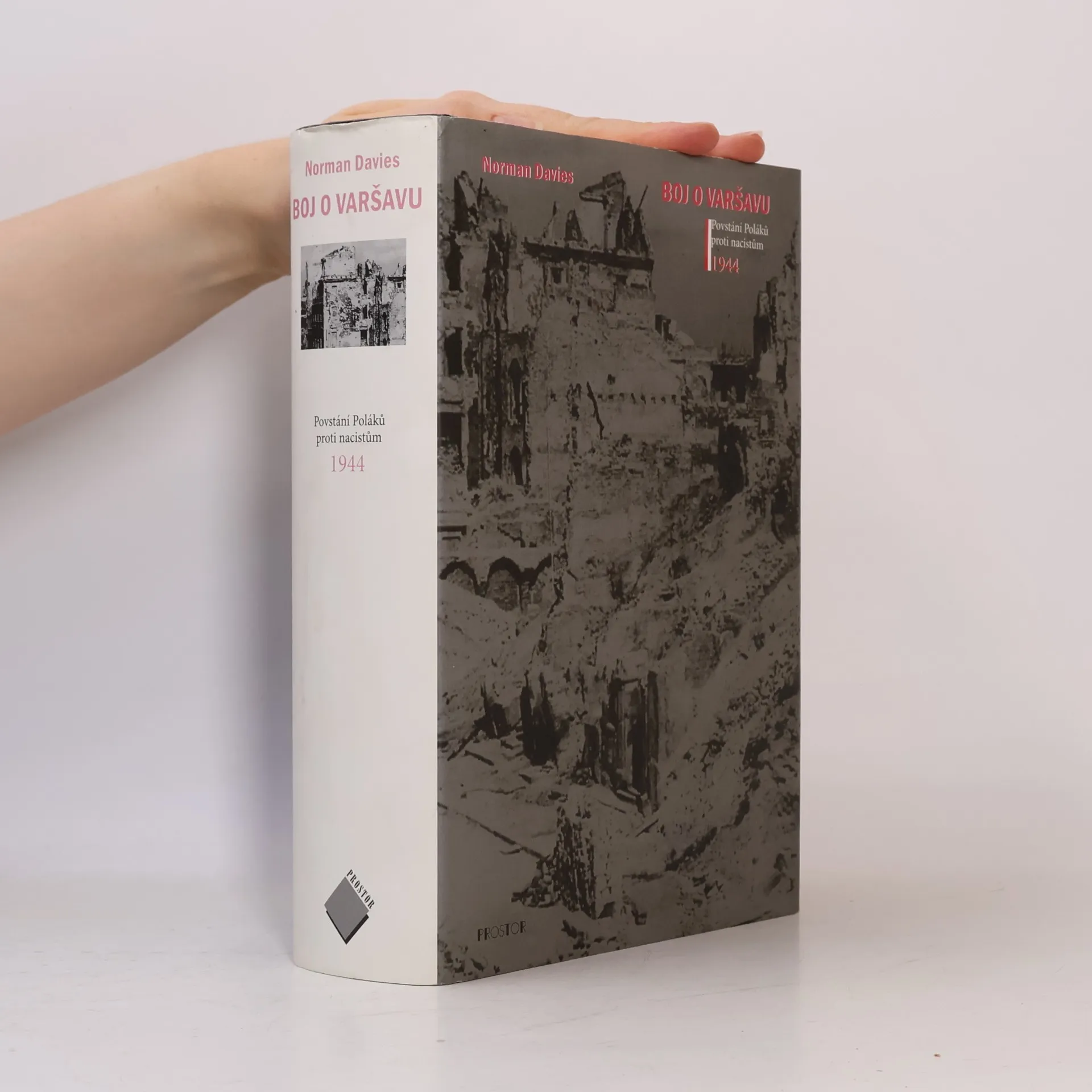
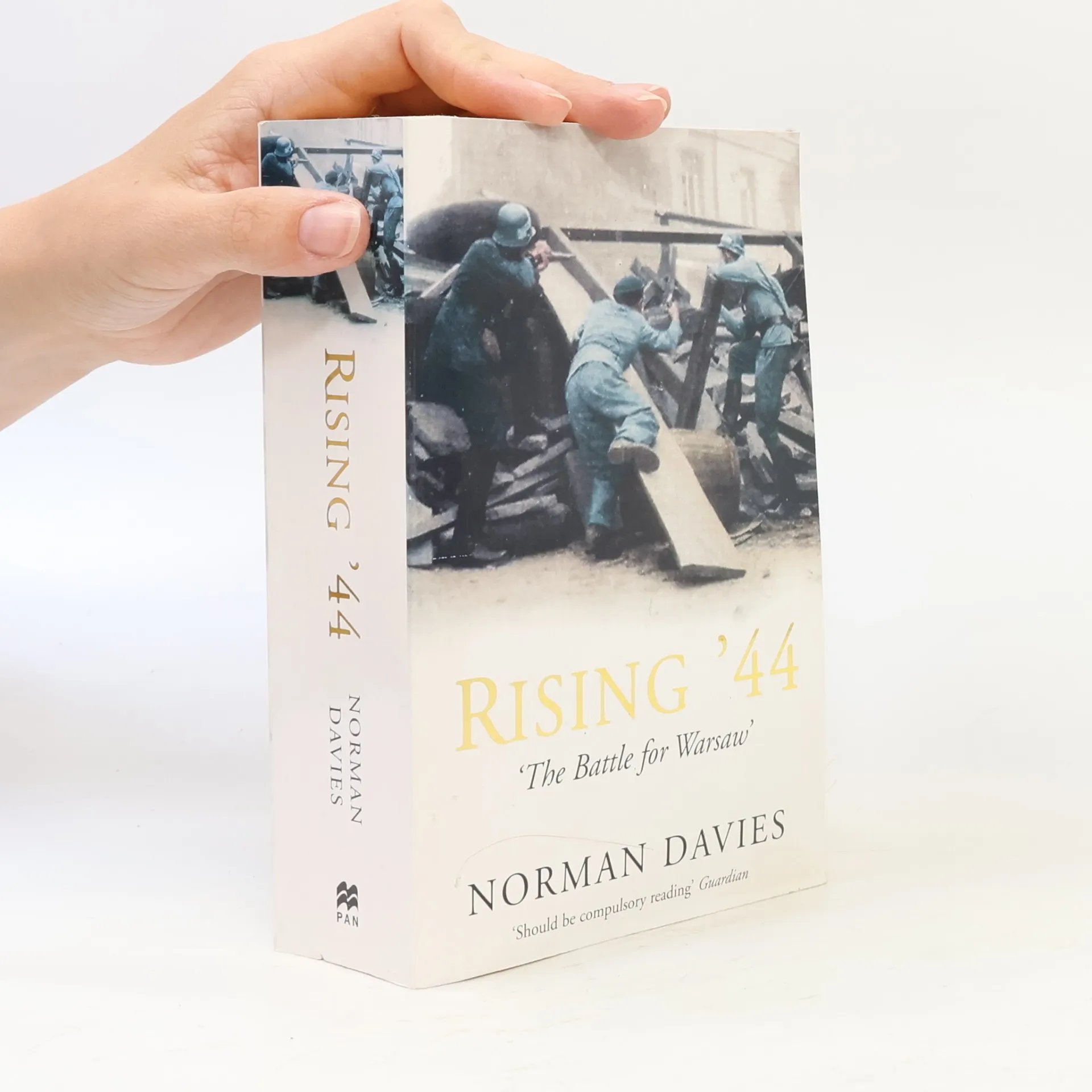
Českým čtenářům už dobře známý britský historik Norman Davies zachytil ve své objemné knize jednu z nejdramatičtějších a zároveň nejspornějších kapitol druhé světové války: varšavské povstání v roce 1944. Po pěti letech okupace zaútočilo 1. srpna 1944 skoro 50 000 odhodlaných, ale jen slabě vyzbrojených příslušníků polského hnutí odporu na německou posádku ve Varšavě.
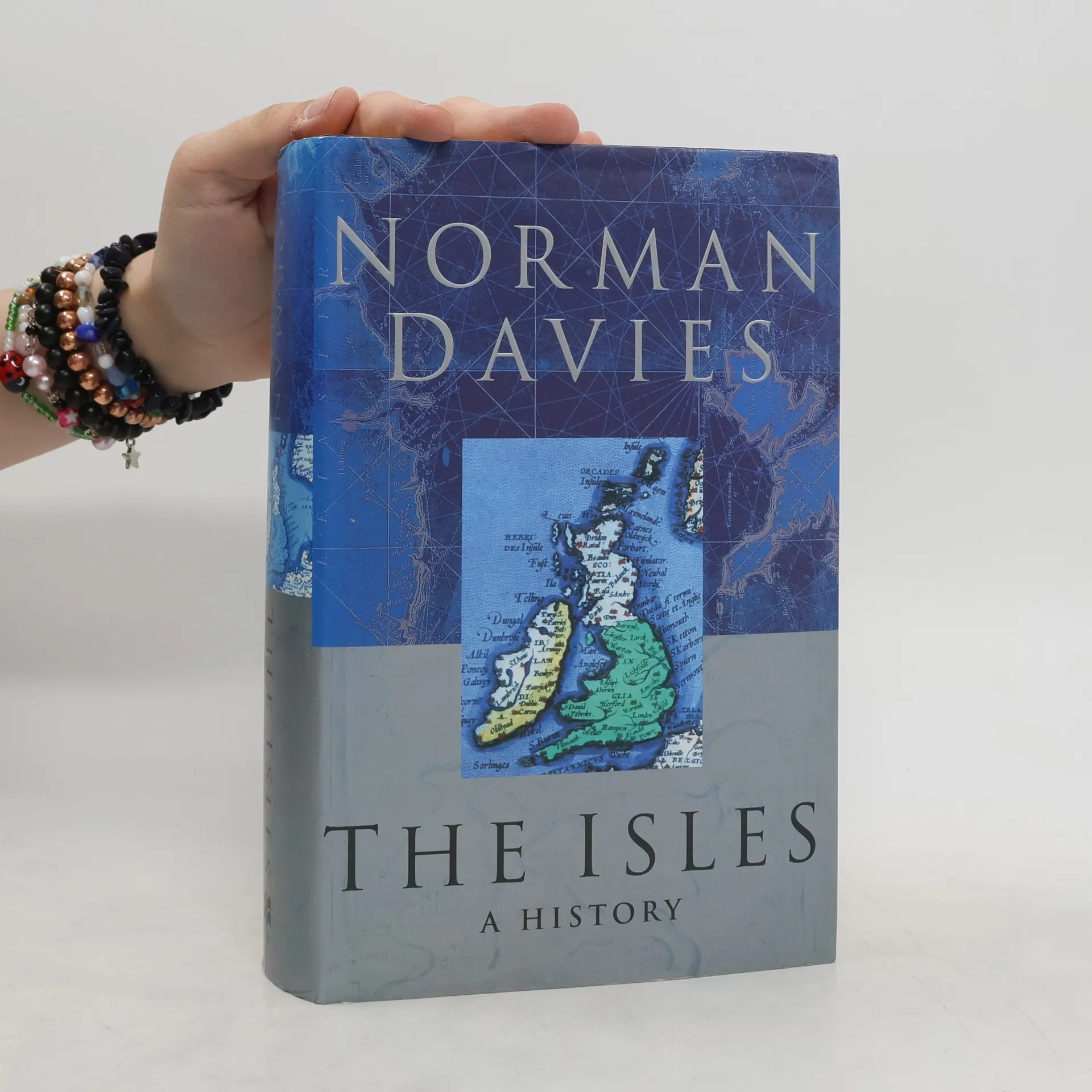
Challenging the traditional picture of 1000 years of eternal England, and referring at every stage to events on the Continent, a picture emerges of a history of four nations - England, Scotland, Ireland and Wales
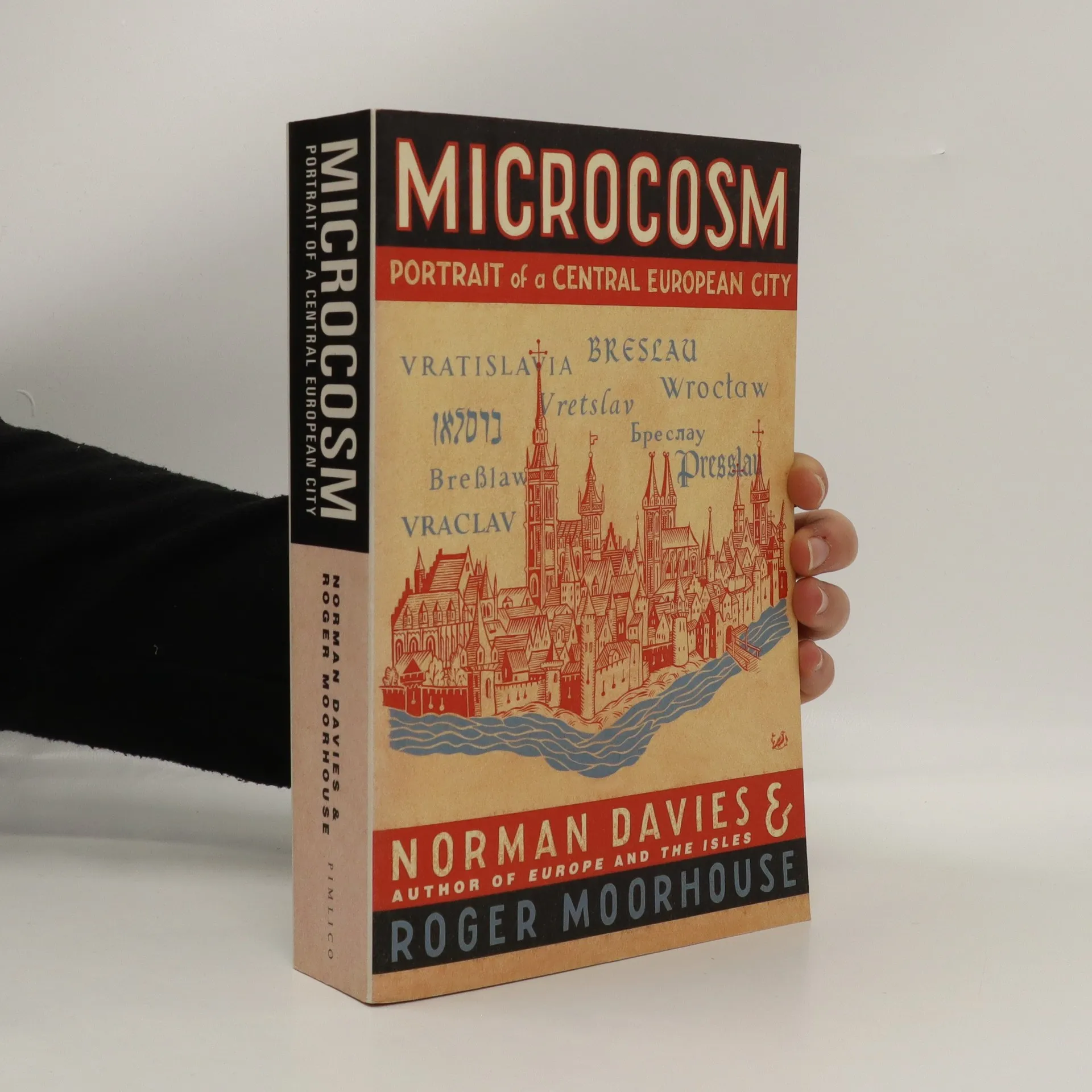
Central Europe has always been richly endowed with a variety of migrants and settlers, and repeatedly been the scene of nomadic invasions, mixed settlements and military conquests. As a result, the area has witnessed a profusion of languages, cultures, religions and nationalities.The history of Silesia's main city can be seen as a fascinating tale in its own right, but it is more than that. It embodies all the experiences that have made Central Europe what it is -- the rich mixture of nationalities and cultures; the German settlement and the reflux of the Slavs; a Jewish presence of exceptional distinction; a turbulent succession of Imperial rules; and the shattering exposure to both Nazis and Stalinists. In short, it is a Central European microcosm.The third largest German city of the mid-nineteenth century, Breslau's population reached one million in 1945, before the bitter German defence of the city against the Soviets wrought almost total destruction. Transferred to Poland after the war, Breslau has risen from ruins and is again a thriving economic and cultural centre of the region.
The revised edition of this classic study offers a comprehensive survey of Polish history, now updated with two new chapters that extend the narrative to the end of the twentieth century. The author challenges existing interpretations, providing a critical perspective that emphasizes common sense. This work aims to clarify the complexities of Poland's past, addressing misconceptions and shedding light on a nation often overlooked in historical discourse.
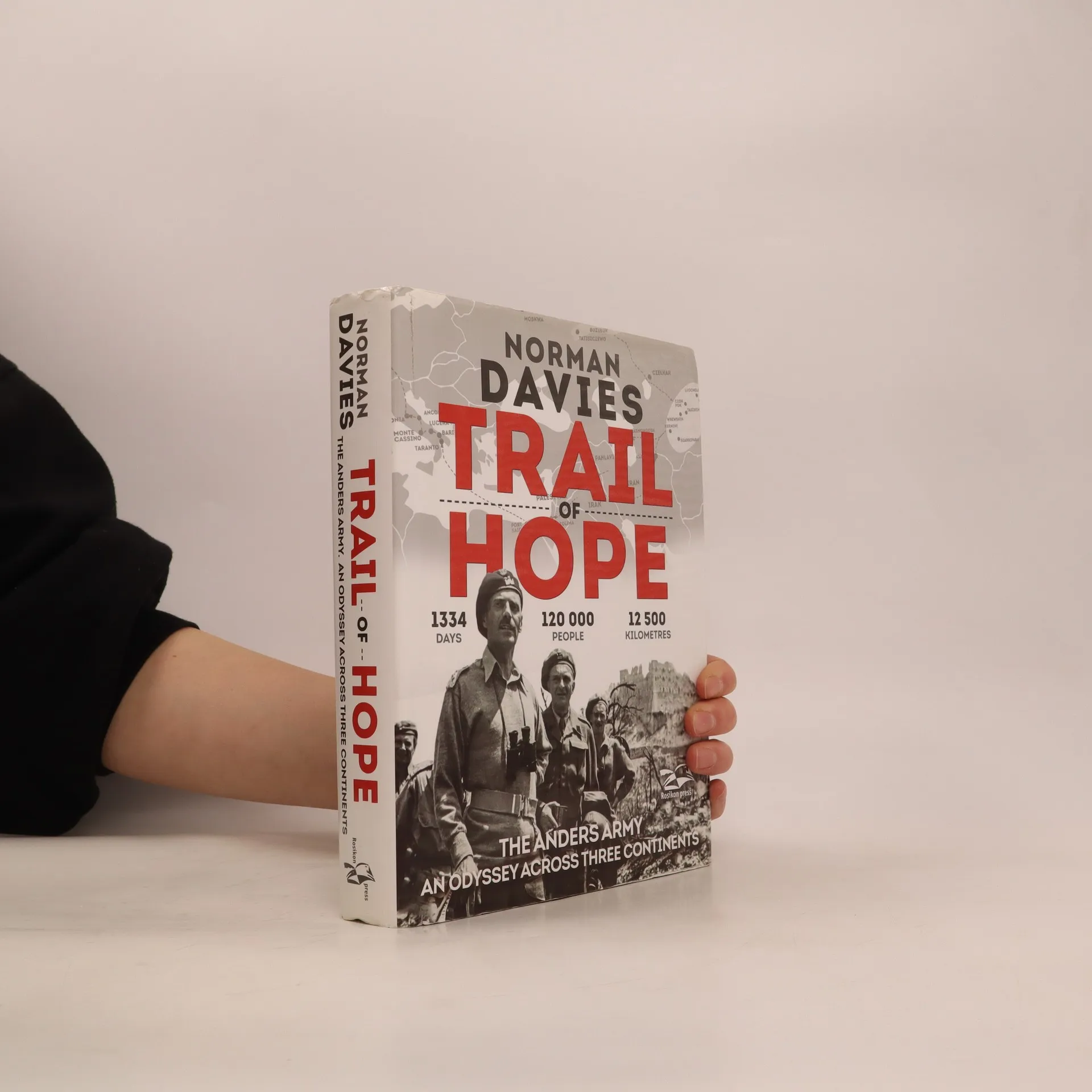
Following the conquest of Poland by Nazi Germany and the Soviet Union in 1939, hundreds of thousands of Polish families were torn from their homes and sent eastwards to the arctic wastes of Siberia. Prisoners of war, refugees, those regarded as 'social criminals' by Stalin's regime, and those rounded up by sheer chance were all sent 'to see the Great White Bear'. However, with Hitler's invasion of the Soviet Union in Operation Barbarossa just two years later, Russia and the Allied powers found themselves on the same side once more. Turning to those that it had previously deemed 'undesirable', Russia sought to raise a Polish army from the men, women and children that it had imprisoned within its labour camps. In this remarkable work, renowned historian Professor Norman Davies draws from years of meticulous research to recount the compelling story of this unit, the Polish II Corps or 'Anders Army', and their exceptional journey from the Gulag of Siberia through Iran, the Middle East and North Africa to the battlefields of Italy to fight shoulder-to-shoulder with Allied forces. Complete with previously unpublished photographs and first-hand accounts from the men and women who lived through it, this is a unique visual and written record of one of the most fascinating episodes of World War II.
This title is a narrative account of the Polish uprising against the Germans which broke out on August 1, 1944. When Warsaw fell on October 2, marking the end of the uprising, Polish losses came to between 16,000 and 20,000 fighters killed and missing, 7000 wounded, and 150,000 civilians killed.
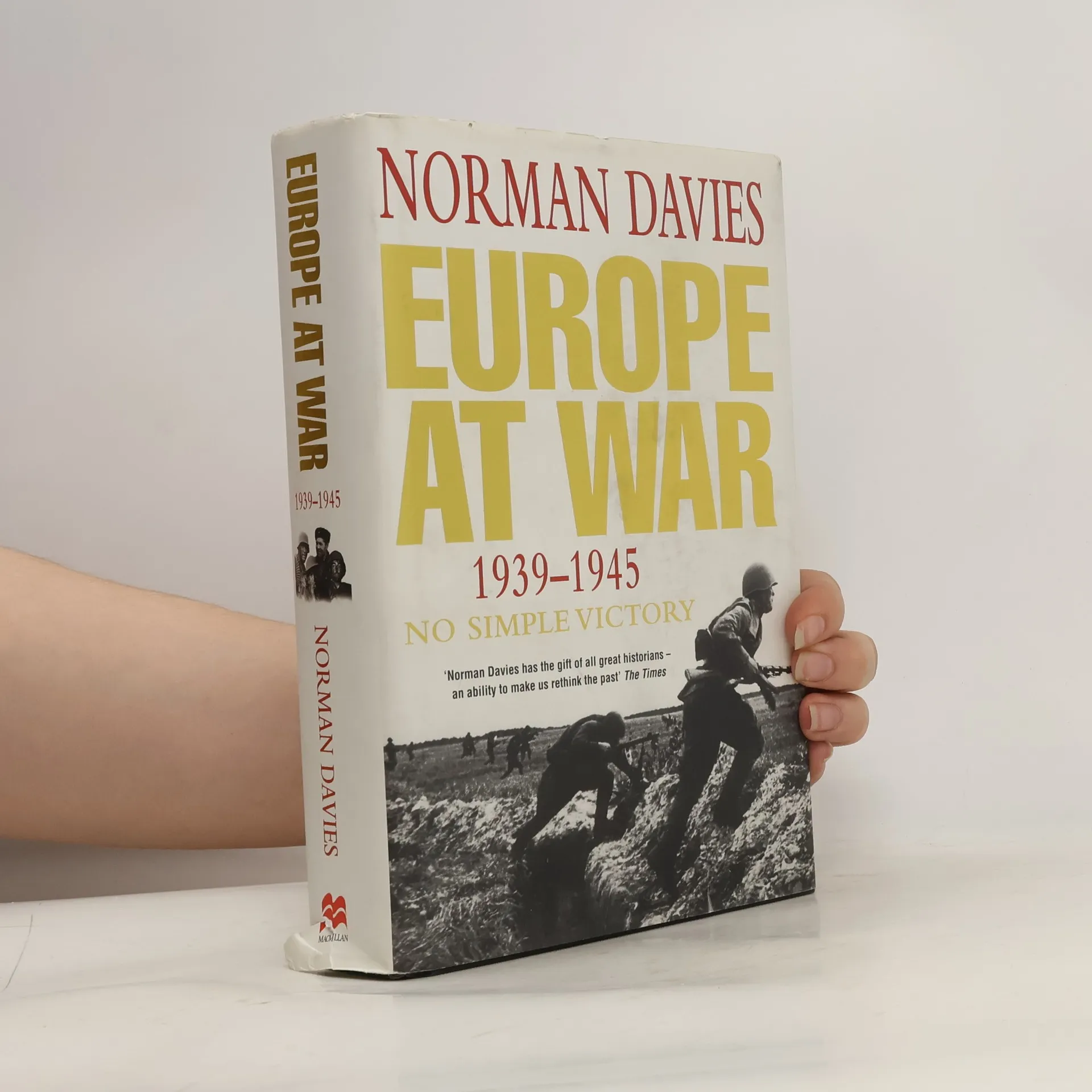
The conventional narrative of the Second World War is well known. Bringing a fresh eye to bear on a story we think we know, this title reminds us that the war in Europe was dominated by two evil monsters - Hitler and Stalin - whose fight for supremacy consumed the best people in Germany and in the USSR.
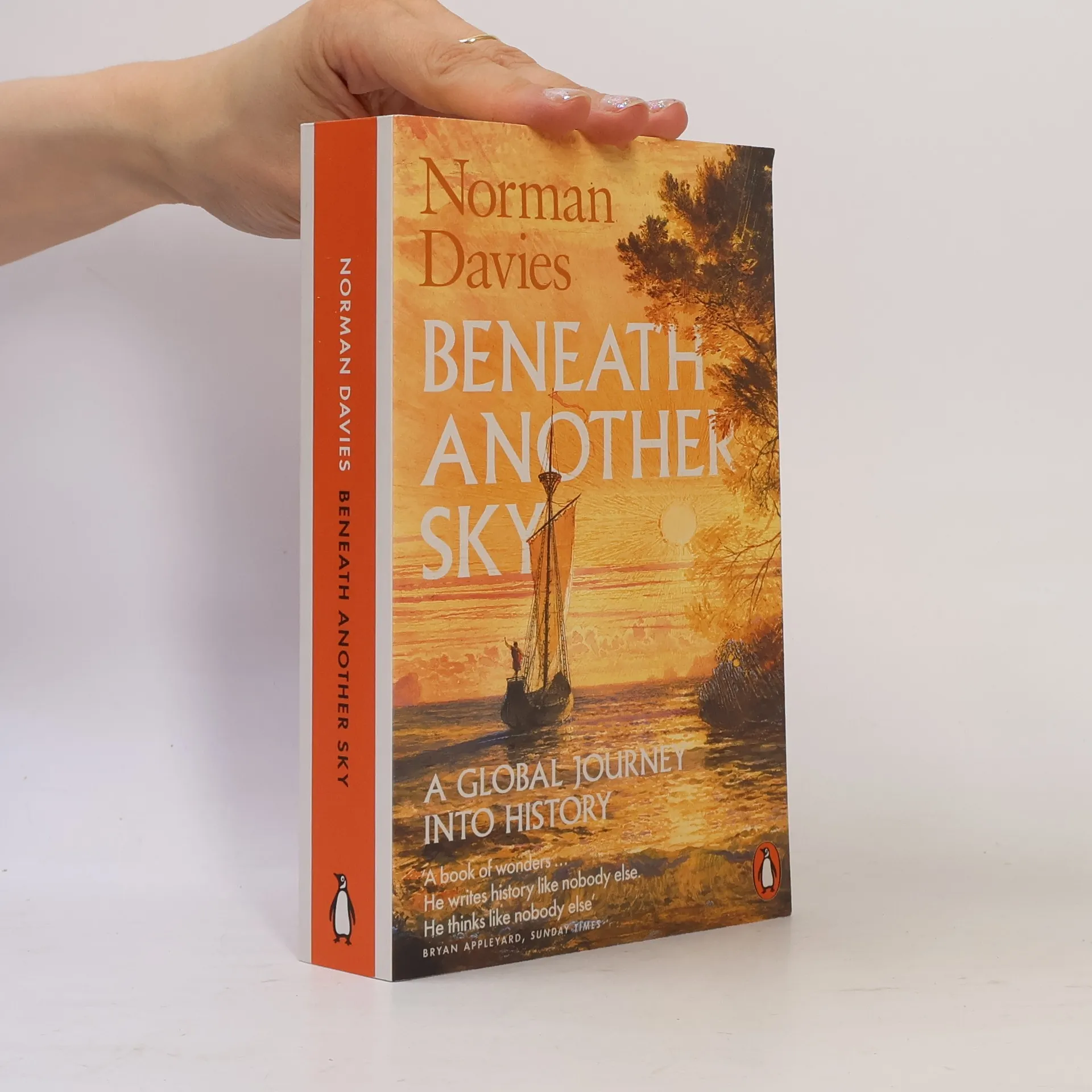
He writes history like nobody else, seeing the world as a whole with its limitless stories. This evocative journey explores the origins and historical complexities of various places. "Human history is a tale not just of constant change but equally of perpetual locomotion," notes the author. Throughout the ages, people have sought the greener side of the hill, leading to migrations, collisions, and interactions that have shaped the diverse cultures, races, languages, and polities across continents. After decades focused on European history, the author embarks on an extended global journey, reminiscent of Tennyson's Ulysses seeking one last adventure. This work serves as both a historian's travelogue and an engaging exploration of the events and personalities that have shaped today's world. His travels take him to Baku, the Emirates, India, Malaysia, and many other locations, where he describes the current scene while excavating the historical layers beneath. He explores ancient temples, the complexity of Indian castes, the fate of indigenous peoples, and cultural conflicts, all while reflecting on the nature of history itself. The author's personality shines through—wry, romantic, occasionally grumpy, yet endlessly curious. He brilliantly complicates our understanding of the past, reminding us that everything has its history, including the journey of finding one's way.
Davies' re-examination reminds us that the war in Europe was dominated by two evil monsters, not by one. The liberators of Auschwitz were servants of a regime that ran still larger concentration camps than those they liberated. The outcome of the war was at best ambigious.
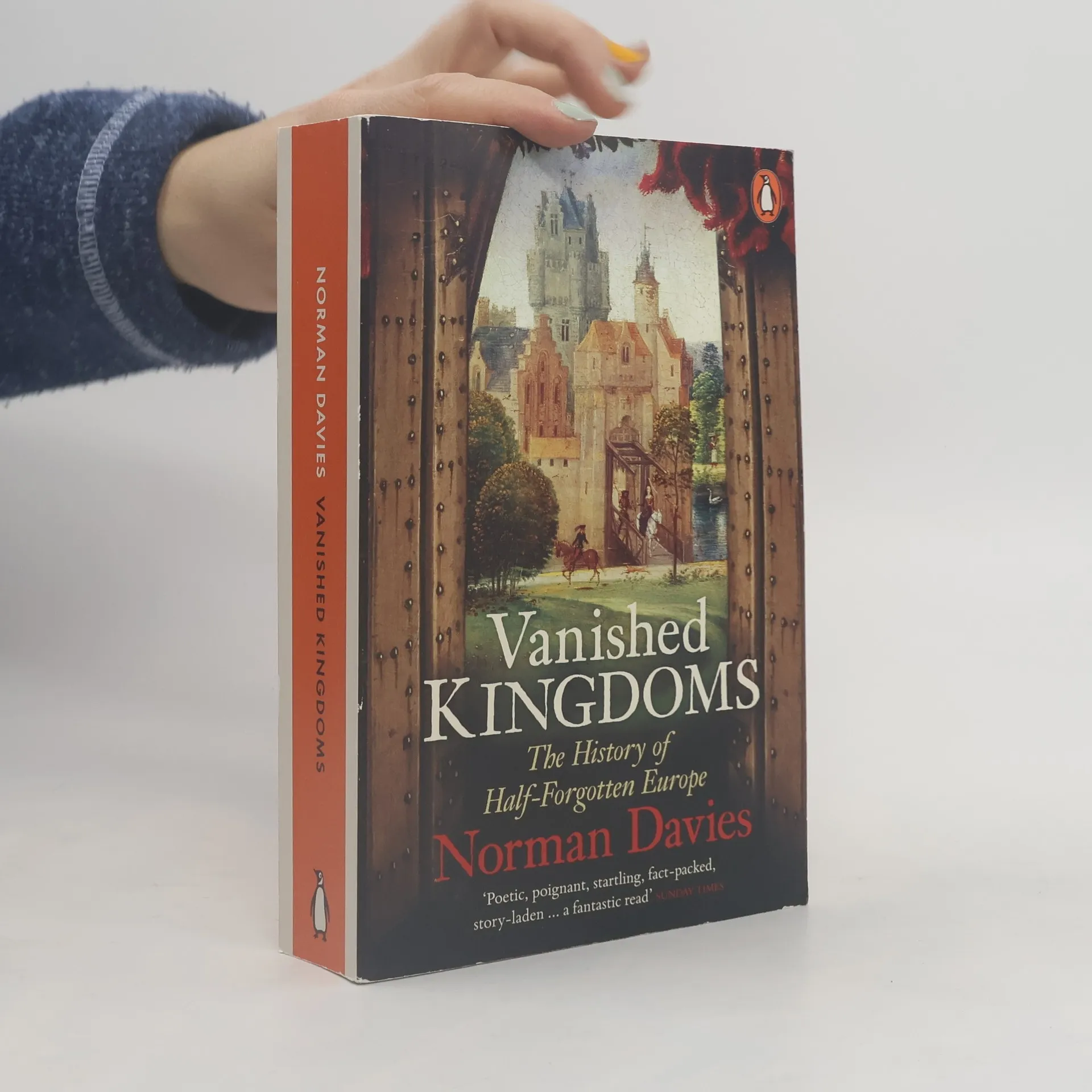
From Norman Davies, the acclaimed author of Europe: A History, comes the magical history of Europe's lost realms, selected as a Book of the Year by the Sunday Times, Daily Telegraph, New Statesman, Independent, Guardian and Financial Times. Europe's history is littered with kingdoms, duchies, empires and republics which have now disappeared but which were once fixtures on the map of their age. What happened to the once-great Mediterranean 'Empire of Aragon'? Where did the half-forgotten kingdoms of Burgundy go? Which current nations will one day become a distant memory too? This original and enthralling book peers through the cracks of history to discover the stories of lost realms across the centuries. 'Dazzling, provocative and brilliant' Dominic Sandbrook, Sunday Times, Books of the Year 'A luminous account ... there are few better ways of understanding the multilayered splendours and horrors of Europe's past than through the pages of this wise, humane and unfailingly engaging book' John Adamson, Sunday Telegraph 'Vanished Kingdoms is great history and also great art. It is written with verve, passion and profound empathy' David Marquand, New Statesman, Books of the Year 'A magnificent achievement. Brocaded with scholarship, the book is unlikely ever to be equalled' Ian Thomson, Independent
Begins with the period since 1945 and travels back in time to highlight themes and traditions that have influenced present attitudes. Analyses the issues arising from the fall of the Eastern Bloc and looks at Poland's future within a political climate of democracy and free market.
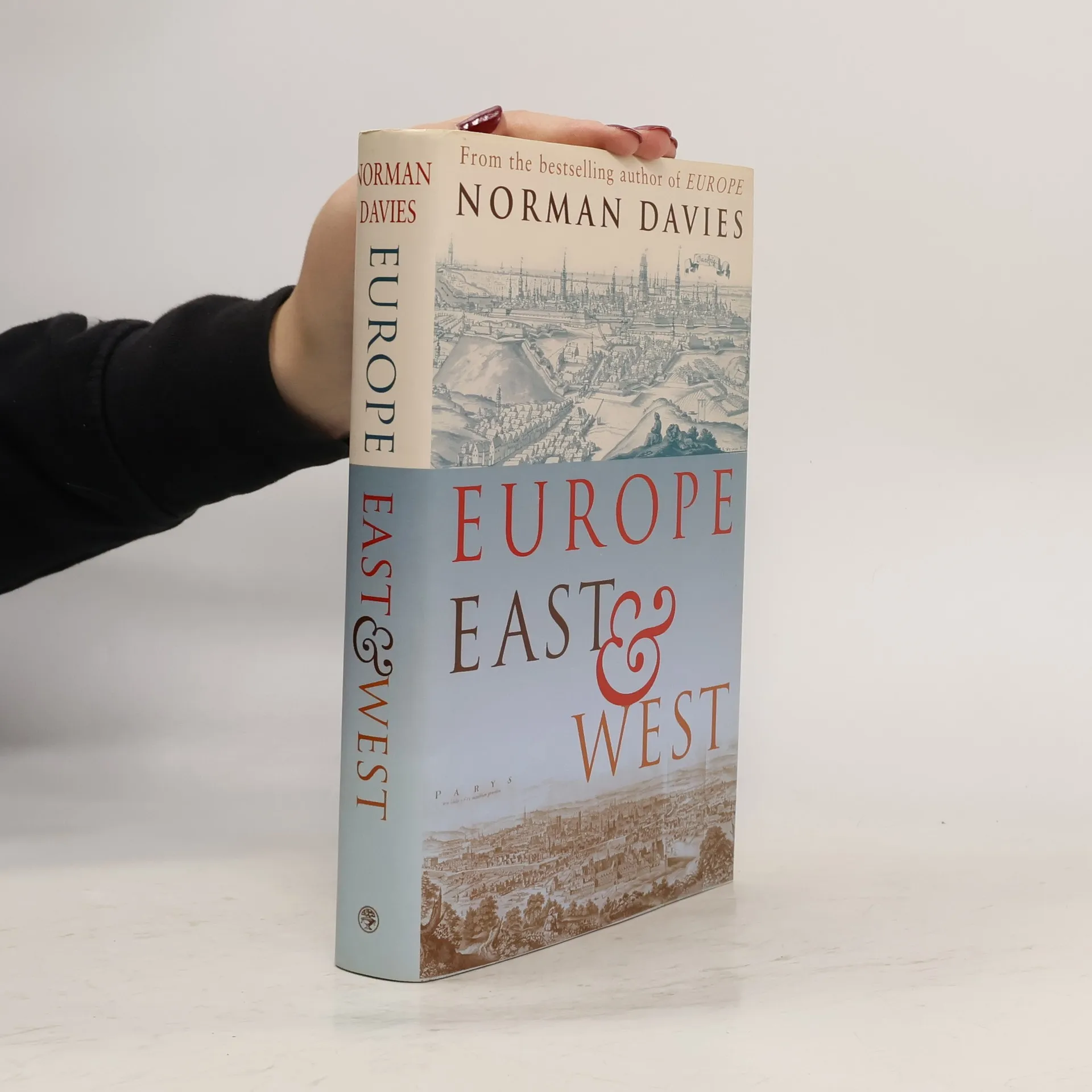
A new collection of essays from one of Britain’s most renowned and respected historians — a companion volume to the bestselling Europe.Collected here for the first time are some of the numerous essays and lectures by Norman Davies, author of the best-selling and critically acclaimed Europe, The Isles, and Rising ‘44. Spanning over a decade-and-a-half of his remarkably prodigious career, this highly accessible collection addresses many of the issues that continue to dominate the political and cultural climate of Europe today.In Europe East and West , Davies argues for a comprehensive view that challenges Western stereotypes and no longer ignores the history and experience of Eastern Europe. He shows that the conventional exclusion of Central and Eastern Europe has led to serious shortcomings in our understanding of the Second World War. The essays collected in this volume confront prevalent distortions and prejudices. Taken together, they also form a meditation on the art of history writing itself.
Japanese Culture: The Religious and Philosophical Foundations takes readers on
a detailed and thoroughly researched journey through Japan's cultural history.
Autor był małym chłopcem, gdy w maju 1940 roku wraz z matką i rodzeństwem deportowano go na sowiecką Syberię. Jego ojciec, oficer Wojska Polskiego, wzięty do niewoli przez Armię Czerwoną, zginął jako jedna z tysięcy ofiar zbrodni katyńskiej. Rozdzielenie rodziny i wysiedlenie zapoczątkowało dziesięcioletnią tułaczkę. Skrajnie trudne warunki życia w Kazachstanie, głód, karkołomna ucieczka z ZSRR, śmierć matki, obozy dla uchodźców, rodziny zastępcze - tę drogę, tak jak Autor, przeszło tysiące Polaków. W pasjonujących wspomnieniach Wiesław Adamczyk oddaje głos ofiarom sowieckiego barbarzyństwa. Bezkompromisowa, przejmująca opowieść jest zapisem utraty dziecięcej niewinności i zmagań z rozpaczą, przez które przechodził mały chłopiec. W opracowaniach dotyczących II wojny światowej często przemilcza się tę mroczną kartę europejskiej historii, pozostającą w cieniu Holokaustu. Wydarzenia na niej zapisane wciąż jeszcze czekają, by w pełni oddać im historyczną sprawiedliwość. "Znam wiele opisów syberyjskiej odysei oraz innych zapomnianych wojennych dziejów. Żaden jednak nie jest bardziej pouczający, wzruszający i piękniej napisany niż Kiedy Bóg odwrócił wzrok".z Przedmowy Normana Daviesa
Unermessliches Leid, sinnloses Sterben, unlösbare moralische Konflikte und schändlichster Verrat – wie das Kräftespiel der Großmächte in einer ausweglosen politischen Situation über Warschaus Schicksal entschied. Hitler und Stalin waren sich einig darin, dass auf Warschau keine Rücksicht genommen werden konnte: Für die Wehrmacht war die Stadt die letzte Bastion, bevor die Kämpfe auf deutsches Terrain übergreifen würden. Und für die Rote Armee markierte die Überquerung der Weichsel den entscheidenden Schritt auf ihrem Marsch von Moskau nach Berlin. Gefangen zwischen den Fronten, an denen sich zwei totalitäre Mächte gegenüberstanden, richteten die Bewohner der Stadt all ihre Hoffnungen auf die Westalliierten, die 1939 für Polens Unabhängigkeit in den Krieg gezogen waren. Doch deren Armeen waren weit entfernt. Und so begann ein verzweifeltes diplomatisches Ringen, während in Warschau der Kampf um jedes einzelne Haus entbrannte.
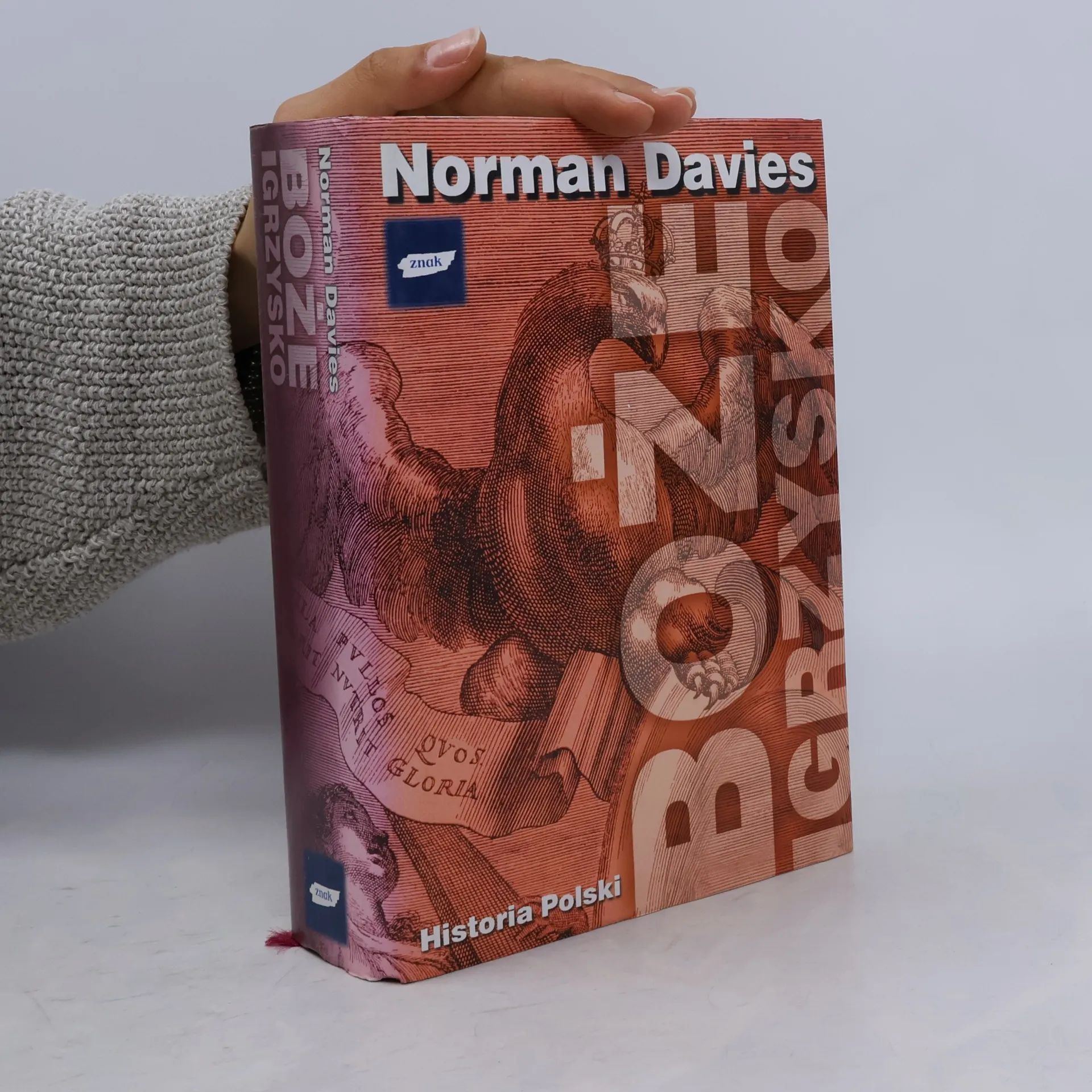
To klasyczne już dziś opracowanie, stanowiące punkt wyjścia każdych studiów nad historią Polski, zamyka się więc wraz z końcem ubiegłego tysiąclecia. Kiedy czyta się o upadku PRL i powstaniu rządu Tadeusza Mazowieckiego, mając za sobą lekturę tysiąca stron poświęconych dziejom Polski, łatwiej o dystans do współczesności i refleksję, których nam, Polakom, niezmiennie potrzeba, dlatego warto poznać "Boże igrzysko" w nowej, poszerzonej wersji.
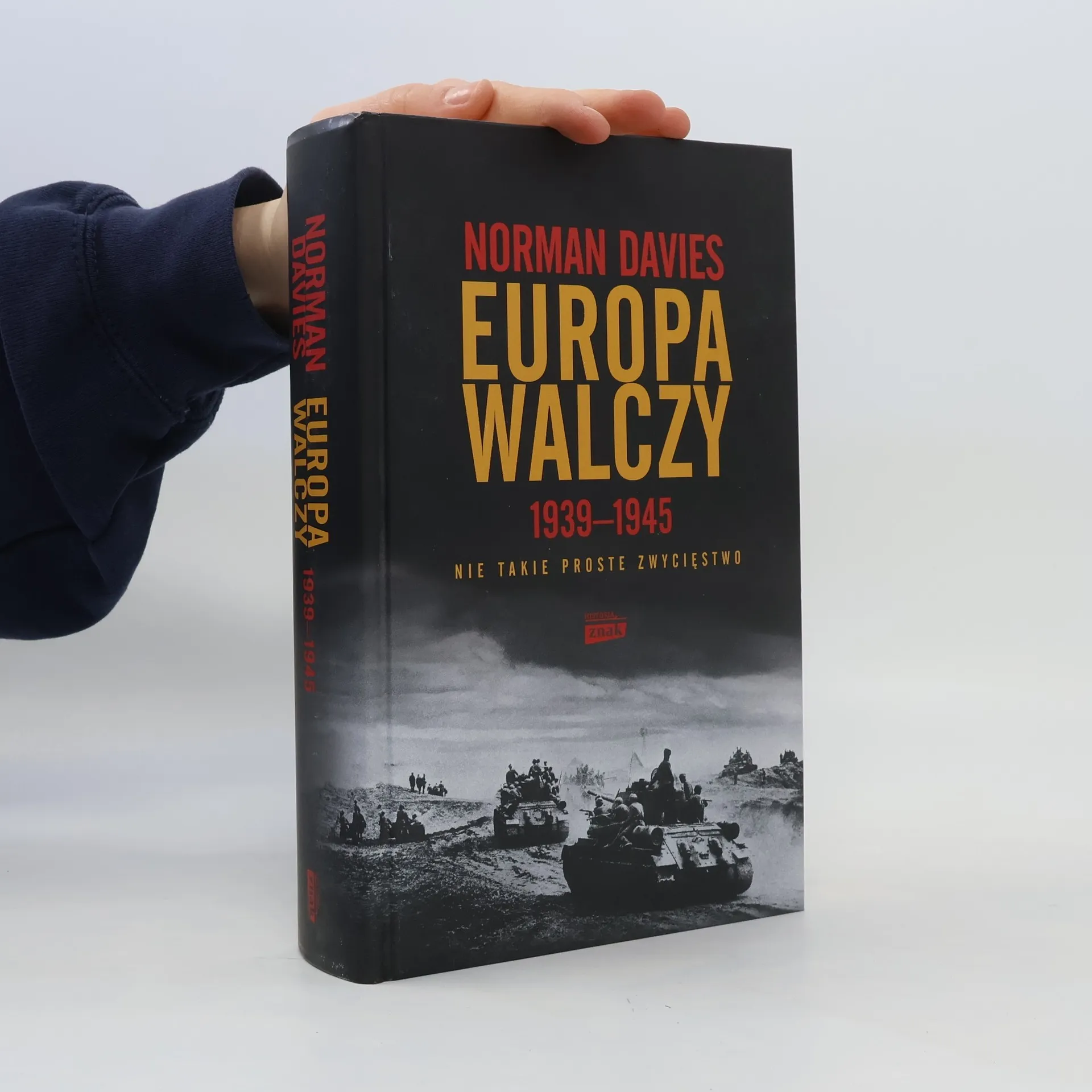
Ktoś powiedział o Normanie Daviesie, że posiada dar, który mają tylko wielcy
historycy - umiejętność przemyślenia przeszłości na nowo. Ktoś inny dodał:
„Norman Davies ukazuje nam namiętności, poezję, mity i anegdoty równie dobrze
jak historyczne fakty”. Prawdziwości obu tych opinii dowodzi ta książka. Jeśli
ktokolwiek mógł napisać coś nowego o II wojnie światowej - przedstawić nowy
sposób patrzenia na nią - to właśnie Norman Davies. Autor bestsellerowego
Powstania' 44 i odkrywczej syntezy historii Polski, czyli Bożego igrzyska,
dokonał tego w fascynujący i pouczający sposób. Europa walczy 1939-1945 to
udana realizacja na pozór niewykonalnego pomysłu: przedstawienia wszystkich
aspektów II wojny światowej w Europie w jednej książce. Efektem jest
zapierająca dech w piersiach, odkrywcza panorama historii kontynentu z lat
1939-1945. W przeciwieństwie do wielu publikacji na ten temat Norman Davies
nie analizuje jednego wybranego zagadnienia wojny. Nie zajmuje się tylko
armiami albo tylko cierpieniem ludności. Przedstawia całościową wizję
konfliktu i demaskuje stronniczość jego dotychczasowego postrzegania. Książka
Normana Daviesa z całą pewnością zrewolucjonizuje nasze myślenie o II wojnie
światowej.
Bezsprzecznie jest to nie tylko najlepsza książka o Polsce w języku angielskim, ale to właśnie ta książka o Polsce. Każdy kto pisze o sprawach polskich - obecnych bądź historycznych - będzie musiał ją przeczytać. To dzieło mistrza.--The New York Times Book Review
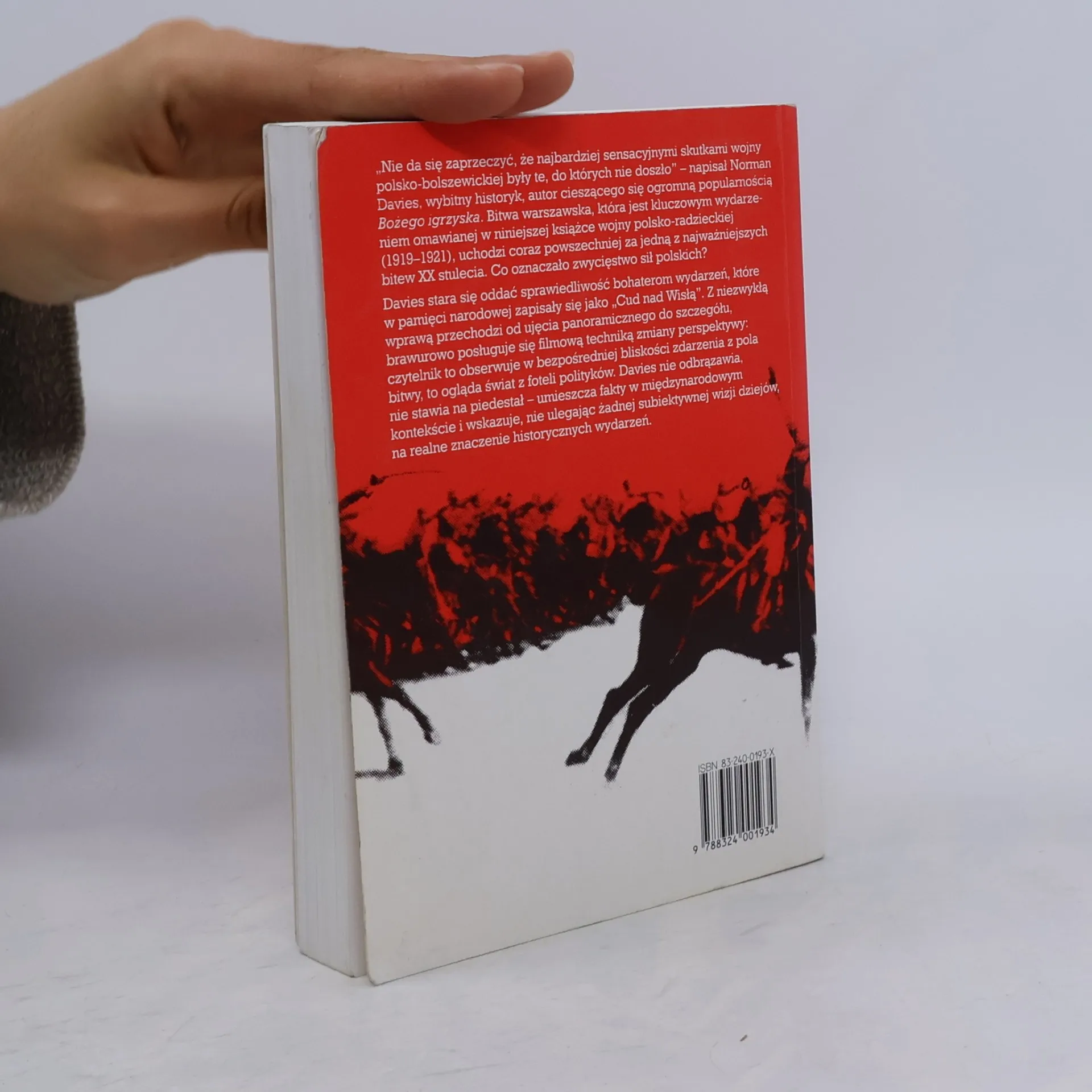
„Nie da się zaprzeczyć, że najbardziej sensacyjnymi skutkami wojny polsko-bolszewickiej były te, do których nie doszło” – napisał Norman Davies, wybitny historyk, autor cieszącego się ogromną populamością Bożego igrzyska. Bitwa warszawska, która jest kluczowym wydarzeniem omawianej w niniejszej książce wojny polsko-radzieckiej (1919-1921), uchodzi coraz powszechniej za jedną z najważniejszych bitew XX stulecia. Co oznaczało zwycięstwo sił polskich? Davies stara się oddać sprawiedliwość bohaterom wydarzeń, które w pamięci narodowej zapisały się jako „Cud nad Wisłą”. Z niezwykłą wprawą przechodzi od ujęcia panoramicznego do szczegółu, brawurowo posługuje się filmową techniką zmiany perspektywy: czytelnik to obserwuje w bezpośredniej bliskości zdarzenia z pola bitwy, to ogląda świat z foteli polityków. Davies nie odbrązawia, nie stawia na piedestał – umieszcza fakty w międzynarodowym kontekście i wskazuje, nie ulegając żadnej subiektywnej wizji dziejów, na realne znaczenie historycznych wydarzeń.
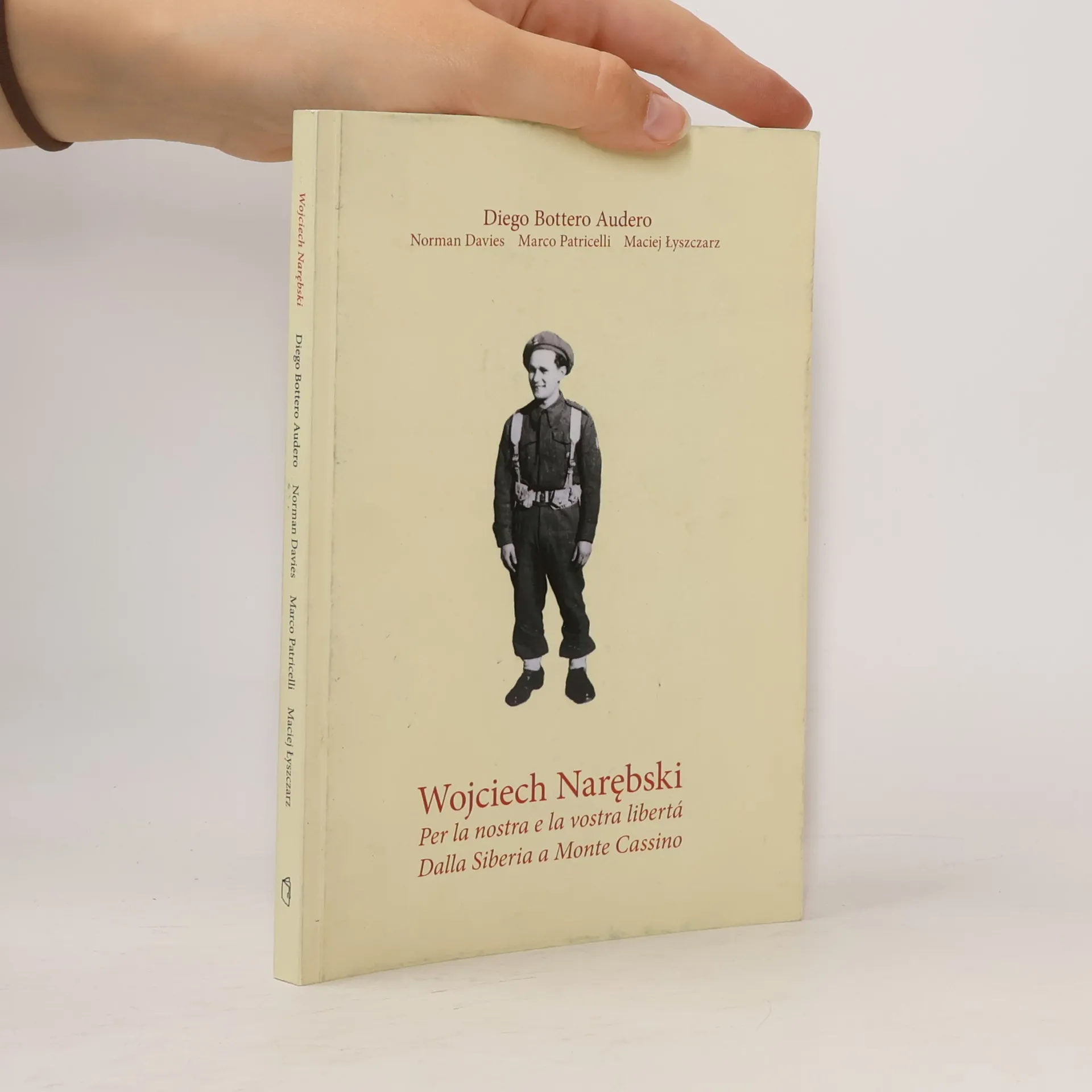
La storia spesso passa attraverso episodi e momenti significati-vi che le persone vivono e che riflettono nelle loro vicende esi-stenziali. Lintensa vita di Wojciech Narębski ha dellincredibile, perche ha vissuto un momento cruciale della storia europea, at-traversando le terre desolate siberiane e orientali, combattendo sul suolo italico ed infine raggiungendo la tanto agognata patria polacca. In questo libro abbiamo voluto raccontare la storia del soldato Narębski e del II Corpo dArmata del Generale Anders: un esercito di ufficiali, contadini, operai, intellettuali, donne ed ebrei, passati dai gulag stalinisti a combattere contro le armate nazifasciste, ritrovandosi poi, a conflitto finito, a vivere da esi-liati sia nella propria terra sia in quelle che avevano contribuito a liberare con grande sacrificio di vite umane. Ugo Rufino
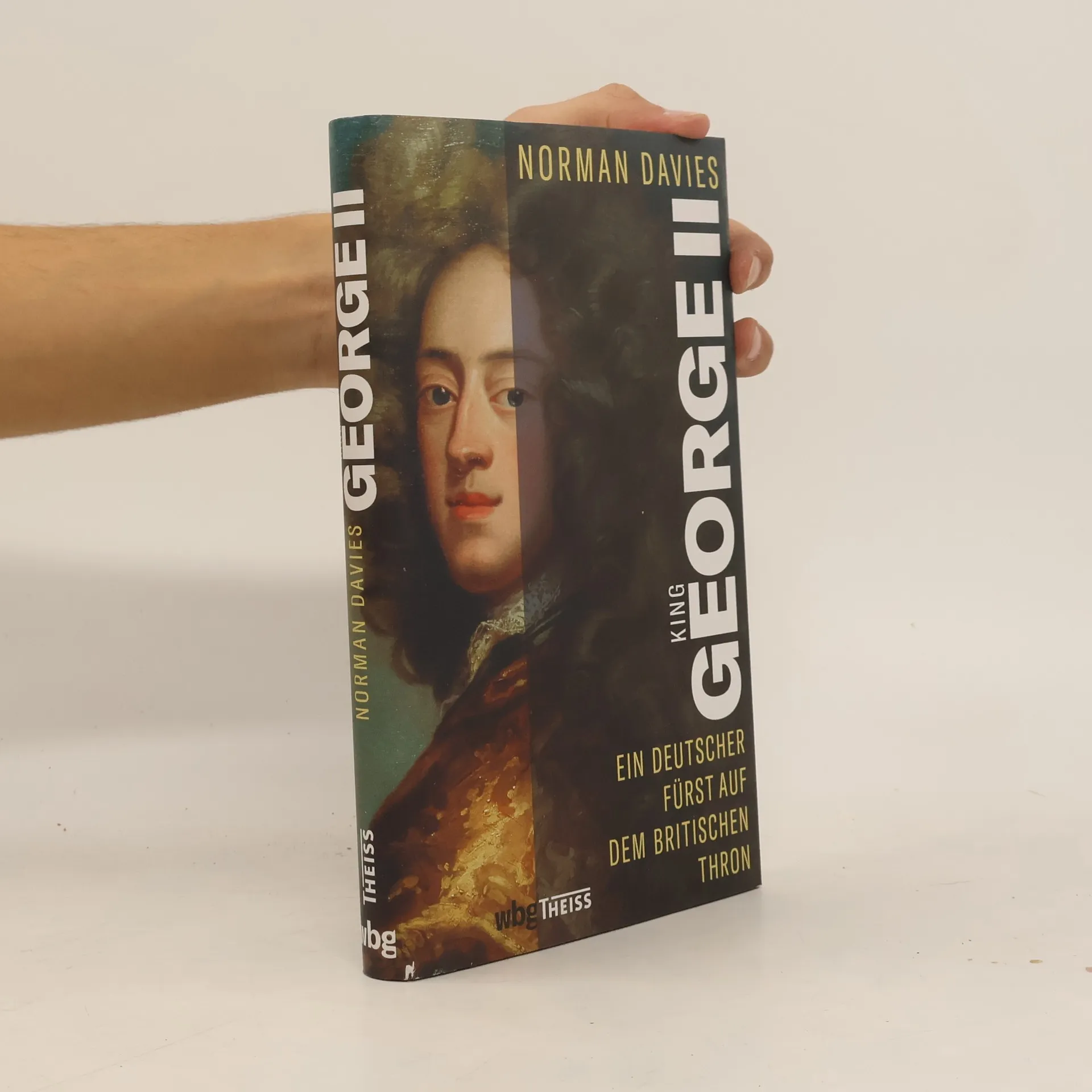
Der Mythos von der Befreiung Europas In dieser grandiosen Gesamtdarstellung des Zweiten Weltkriegs wagt der renommierte Historiker Norman Davies eine überzeugende Neubewertung. Der Krieg wurde im Osten begonnen. Dort wurde er auch entschieden, dort waren mit über 20 Millionen Toten die größten Verluste zu tragen. Und die westlichen Alliierten versagten, ganz Europa zu demokratisieren; denn der Kalte Krieg sollte die Welt für ein weiteres halbes Jahrhundert teilen.
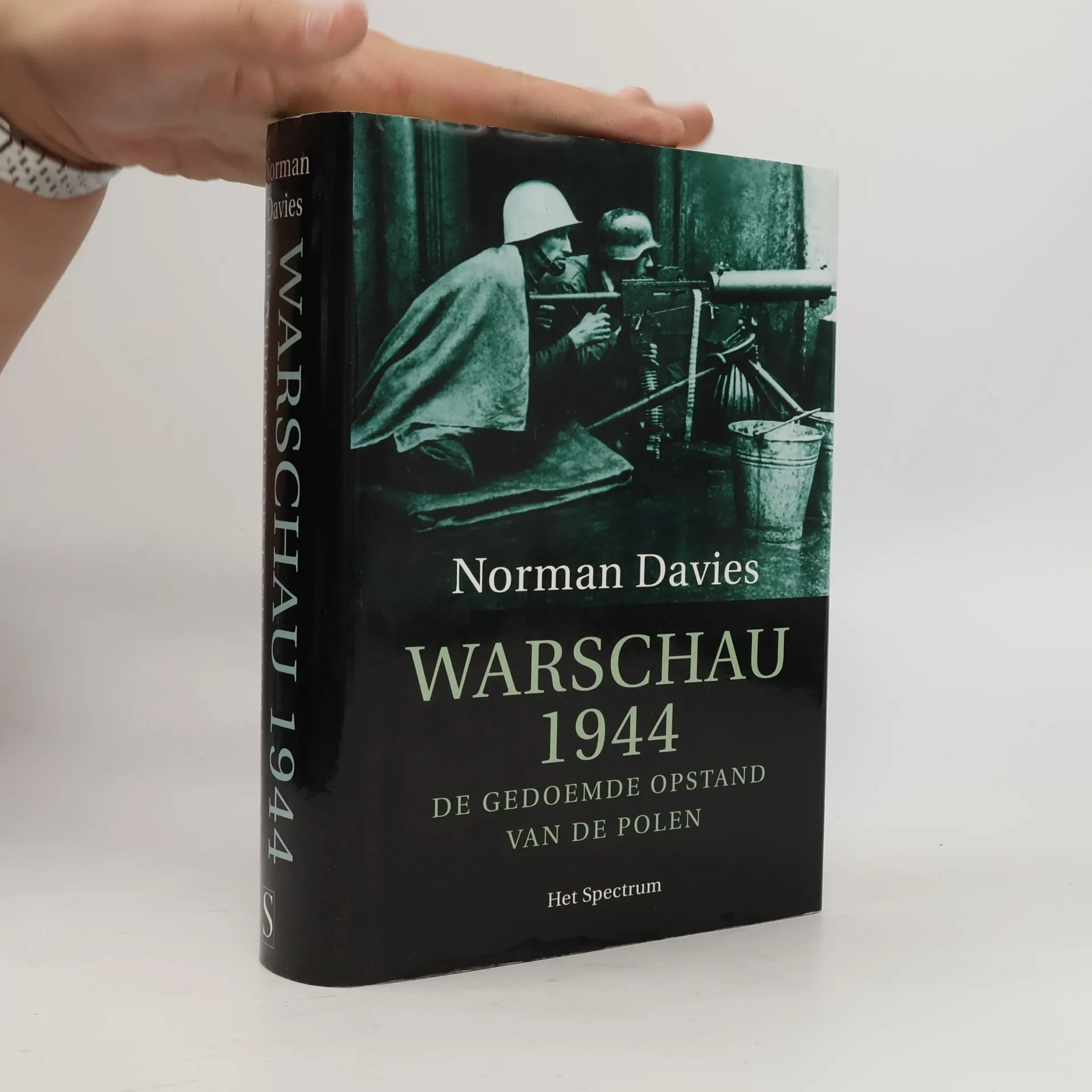
ugustus 1944. Warschau lijkt voor het sovjetleger het laatste obstakel voor de zegemars van Moskou naar Berlijn. Toen de Duitse Wehrmacht was teruggedrongen, geloofde de bevolking van Warschau dat de bevrijding nabij was. Het Verzet verzamelde 40.000 gewapende strijders om de gehate Duitsers te verdrijven. Stalin weigerde echter mee te werken aan de opstand, waardoor de Wehrmacht de tijd kreeg om zich te herstellen. Hitler gaf het bevel de stad en haar inwoners te vernietigen: gedurende 63 dagen werden de wijken van de stad één voor één in puin gelegd; per week vonden tienduizenden weerloze burgers de dood. Sovjettroepen en de westerse bondgenoten van Polen keken passief toe. In dit opmerkelijke boek, waarin herinneringen van overlevenden de hoofdtekst aanvullen, wekt Norman Davies deze tragische episode in de geschiedenis gevoelvol en met een grote kennis van zaken tot leven