



Bookbot

Florian M. Beierl

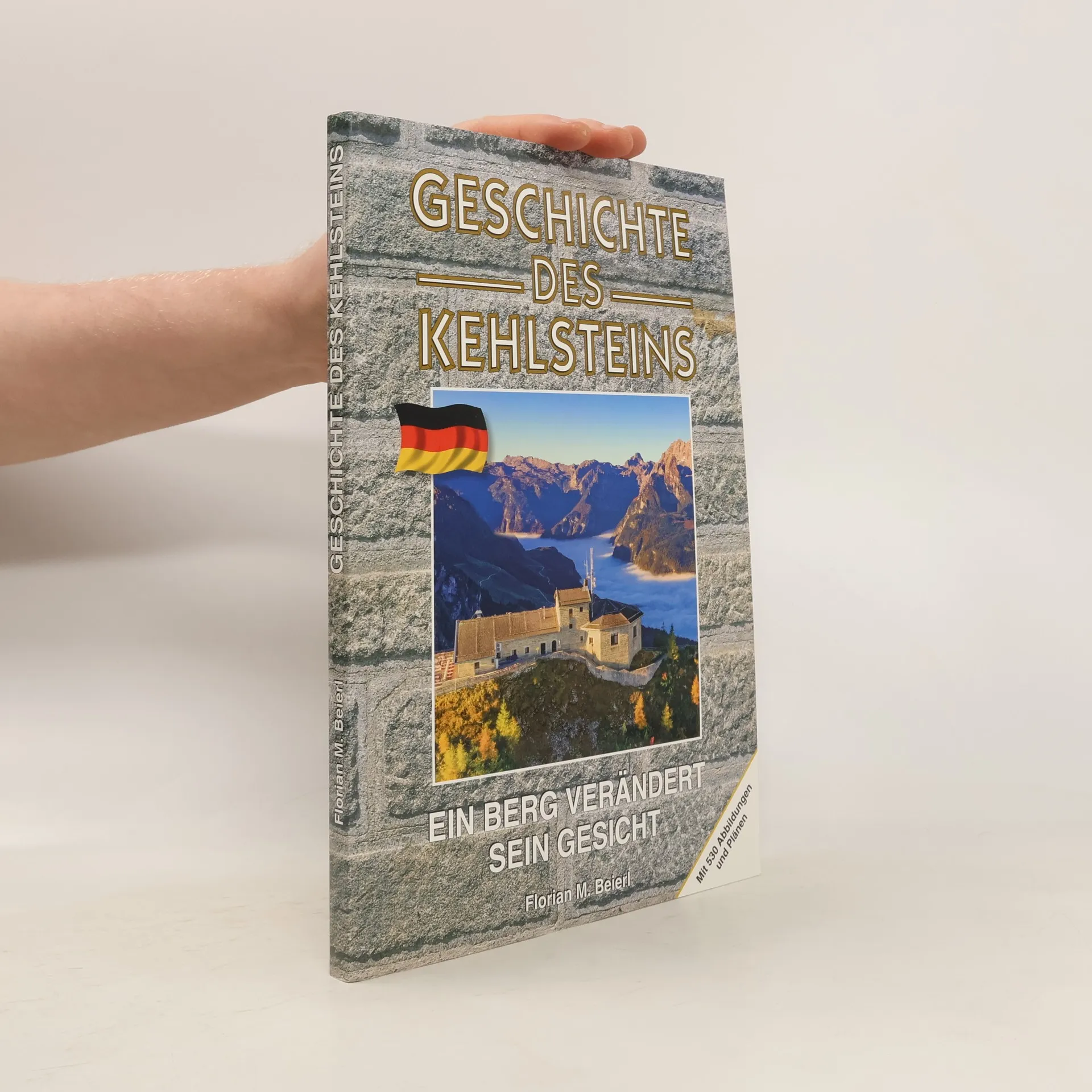
    Geschichte des Kehlsteins
    Hitlers Berg
    Inside Hitler's mountain
    History of the Eagle's Nest
    • History of the Eagle's Nest

      A Complete Account of Adolf Hitler's Alleged "mountain Fortress"

      • 196 stránok
      • 7 hodin čítania

      Today, much speculation surrounds the history of Hitler's "Tea House" on the Kehlstein. With many original documents destroyed in 1945, reliance on inaccurate accounts persisted for years, shrouding the construction project in numerous mysteries. This visual documentation presents the complete backstory of the so-called "Eagle's Nest." It covers Hitler's first visit to Obersalzberg, the transformation of the Obersalzberg from 1936 to 1945, the challenging construction phase, visits from Nazi dignitaries, the American invasion, and the current situation. Readers gain an intriguing overview of the dramatic past of this mountaintop project, which attracts hundreds of thousands of tourists and history enthusiasts from around the world each year. The foundation for this documentation in text and image was the discovery of the estate of former "State Construction Manager" Dipl. Ing. Hans Haupner. Witness how the despotic Reich leader Martin Bormann oversaw the transformation of an entire mountain, as skilled civilian engineers raced against time under extreme and life-threatening conditions to complete an exorbitantly expensive structure that remains a symbol of the "Third Reich."

      History of the Eagle's Nest
      4,3
    • Inside Hitler's mountain

      The untold story of the Eagle's Nest and the Fuehrer's secret headquarters

      A first glimpse into the subterranean world of the Obersalzberg reveals its transformation from a peaceful mountain retreat into a Nazi shrine and the Führer’s headquarters between 1923 and 1945. Here, Hitler's catastrophic plans evolved into decisions and orders, leaving a lasting impact felt worldwide. As the Third Reich crumbled, leaders sought refuge underground, prompting the construction of an extensive bunker system starting in 1943. Over 3 miles of tunnels and galleries were carved from solid rock, and by mid-1944, the secret headquarters was operational. However, a massive British bombing raid soon reduced the surface to rubble. Allied troops later explored the mysterious depths, confronting an extensive labyrinth of corridors. For decades, the true nature and extent of these tunnels remained largely unknown, with inaccurate site plans and scarce information. Through meticulous research and interviews with key figures involved in the Obersalzberg's development, the author sheds light on the subject of air-raid protection and presents previously unpublished photographs and plans. Commissioned by the Bavarian government, the author's team utilized modern technology to uncover the history of the underground complex, revealing its full extent and bringing light to a dark chapter of German history that remains a taboo subject for many.

      Inside Hitler's mountain
    • Der Obersalzberg verwandelte sich zwischen 1923 und 1945 von einem friedlichen Bergidyll zur Kultstätte des Nationalsozialismus und schließlich zum „Führerhauptquartier“. Dort reiften Hitlers katastrophale Entscheidungen, deren Auswirkungen bis heute spürbar sind. Als das Dritte Reich im Niedergang war, wurde am Obersalzberg ein riesiges Bunkersystem errichtet, um Hitler ein Weiterregieren unter Tage zu ermöglichen. Über fünf Kilometer Stollen und Schächte wurden ab 1943 geschaffen, und ab Mitte 1944 war das geheime „Führerhauptquartier“ funktionsfähig. Doch nur wenige Monate später wurde der Obersalzberg durch einen britischen Bombenangriff zerstört. In den folgenden sechs Jahrzehnten rankten sich Mythen um das Ausmaß und den Zweck der eingestürzten Stollen. Der Autor Florian M. Beierl hat mit kriminalistischem Spürsinn die Verantwortlichen hinter dem Bau aufgespürt und über 30 Zeitzeugen befragt, die erstmals über ihre Verstrickungen mit dem NS-Regime berichteten. Beierl beleuchtet das Thema „Luftschutz“ im Kontext der Geschichte des Obersalzbergs und präsentiert zahlreiche unveröffentlichte Fotografien und Pläne. Mit modernster Vermessungstechnik entdeckte sein Team ein bisher unbekanntes Tunnelsystem, das möglicherweise als Schutz vor nuklearen Bedrohungen gedacht war. Sechs Jahrzehnte nach dem Krieg bringt Beierl Licht in die geheimnisvolle Unterwelt und stellt die Weitläufigkeit des Bunkersystems der Öffentlichkeit vor.

      Hitlers Berg
      4,8