Arthur L. Caplan je poprednou autoritou v oblasti lekárskej etiky. Jeho práca sa zameriava na komplexné etické otázky spojené s pokrokom v medicíne a biotechnológiách. Prostredníctvom svojich spisov Caplan skúma dopady týchto inovácií na spoločnosť a ľudstvo. Jeho analýzy ponúkajú cenný vhľad do zodpovedného smerovania budúceho lekárskeho vývoja.
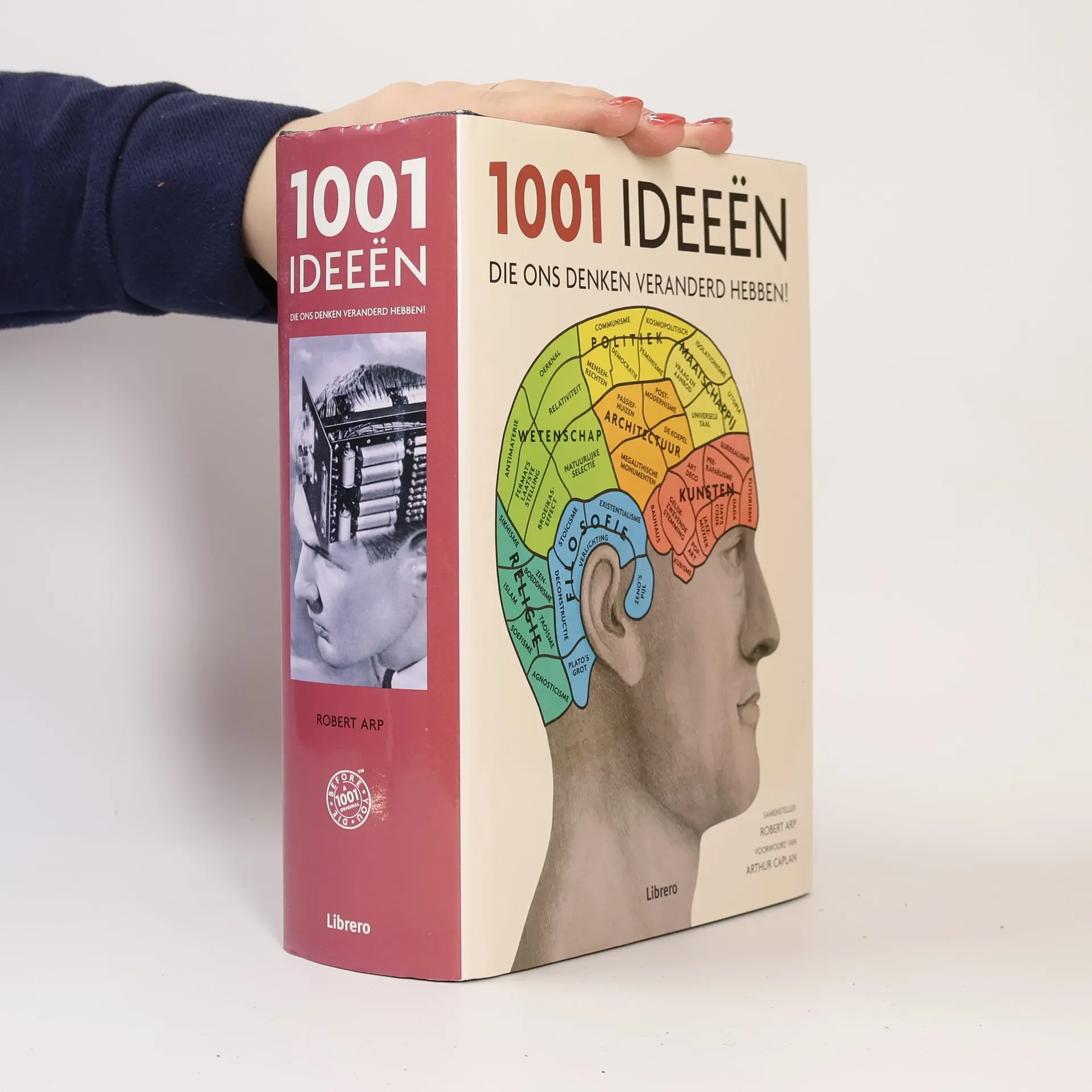
1001 ideeën die ons denken veranderd hebben! is een uitgebreide gids met de interessantste en creatiefste ideeën met betrekking tot uiteenlopende onderwerpen op politiek, maatschappelijk, kunstzinnig, religieus, wetenschappelijk, architectonisch, psychologisch en filosofisch gebied. Iedereen met een onderzoekende geest vindt hier een schat aan stimulerende gedachten, afkomstig van de oude wijsgeren Confucius en Plato tot de scherpe denkers van vandaag.
Ausgewählt und vorgestellt von 32 Wissenschaftlern. Deutsche Bearbeitung und Übersetzung von Halwart Schrader.
960 stránok
34 hodin čítania
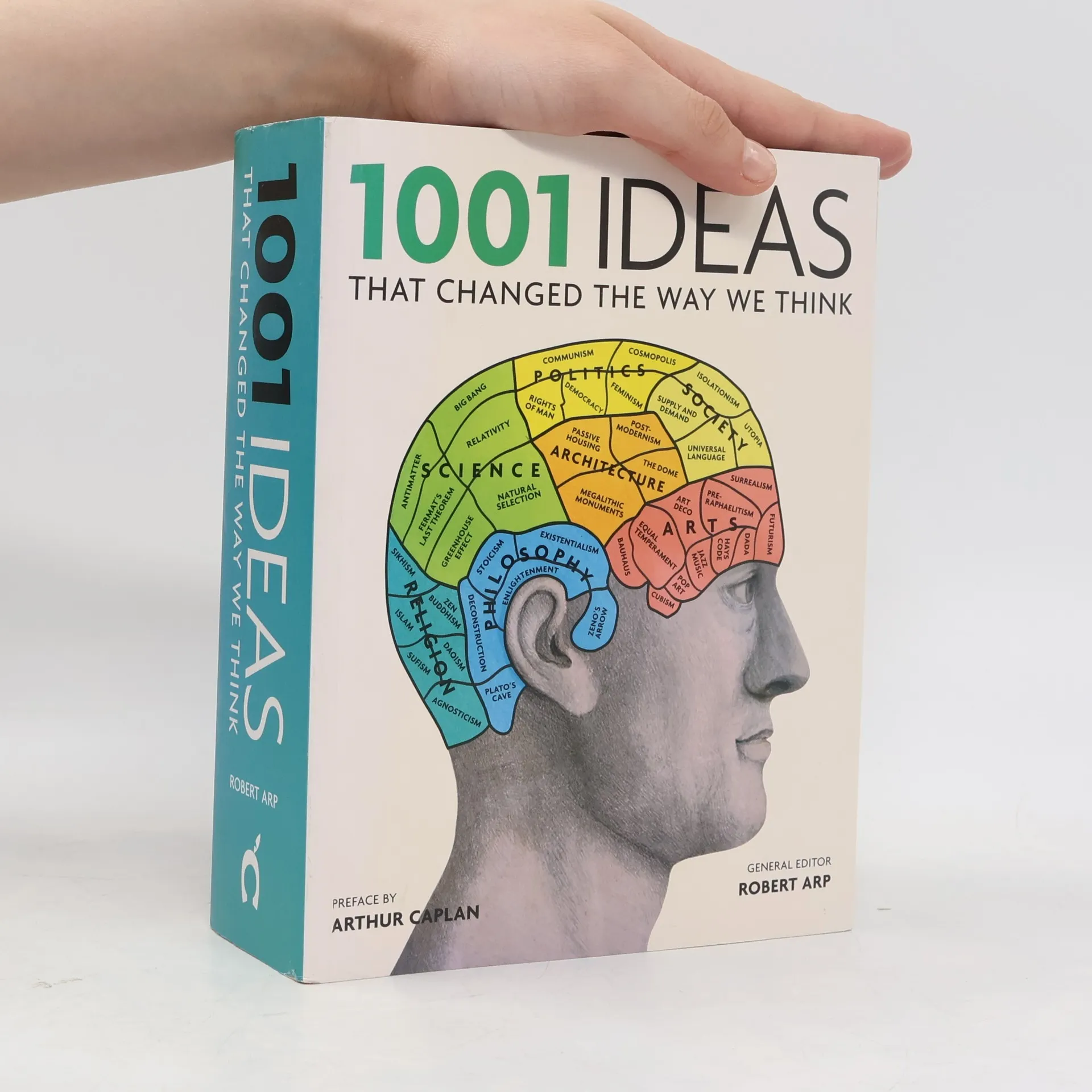
Drawing on a wide spectrum of topics-including politics, cosmology, the arts, philosophy and religious beliefs, 1001 Ideas That Changed the Way We Think traces the exponential growth of human knowledge across the centuries. Ranging from the ancient wisdom of Confucius and Plato to the cutting-edge theories taking shape in the twenty-first century, this book offers a wealth of stimulation and amusement for any reader with a lively and curious mind. This richly informative and entertaining book provides a wide variety of answers to those eternal questions: How was the universe created and what is the place of humans within it? How should a person live? And how can we build a just society? But 1001 Ideas That Changed the Way We Think also includes a host of speculations that are remarkable for their sheer weirdness-from the concept of the transmigration of souls to parallel universes and the paradoxes of time travel (what happens if you travel back in time and kill your own grandfather?). Readers will discover how the Greek philosopher Zeno 'proved' a flying arrow never moves and the mathematical proof of the existence of life in other galaxies. The inspiring ideas explored range from Gandhi's theory of civil disobedience to Mary Wollstonecraft's groundbreaking advocacy of women's rights. A wide variety of cultural movements are also covered, including Neoclassicism, Surrealism and Postmodernism.
An awe-inspiring overview of the development of human knowledge over the centuries! Part of the highly successful '1001' series which have sold over a million copies in the UK alone 1001 Ideas That Changed The Way We Thinkoffers not only a comprehensive history of ideas, but also an eminently browsable source of amusement. This richly informative and entertaining book provides a wide variety of answers to those eternal questions such as... How was the universe created and what is the place of humans within it? How should a person live? And how can we build a just society? Readers will discover how the Greek philosopher Zeno 'proved' a flying arrow never moves and the mathematical proof of the existence of life in other galaxies. The inspiring ideas explored range from Gandhi's theory of civil disobedience to Mary Wollstonecraft's groundbreaking advocacy of women's rights. A wide variety of cultural movements are also covered, including Neoclassicism, Surrealism and Postmodernism. Drawing of a wide spectrum of topics including politics, cosmology, the arts, philosophy and religious beliefs, 1001 Ideas That Changed The Way We Thinktraces the exponential growth of human knowledge across the centuries. Ranging from the ancient wisdom of Confucius and Plato, to the cutting-edge theories taking shape in the twenty-first century, this book offers a wealth of stimulation and wit for any reader with a lively and curious mind.
Exploring controversial topics like cloning, stem cell research, and brain enhancement, this book presents a collection of Art Caplan's thought-provoking opinions on bioethics. Each essay challenges readers to engage with complex ethical dilemmas, encouraging them to reflect on their own views and beliefs. Caplan's incisive commentary not only informs but also provokes discussion, making it an essential read for anyone interested in the moral implications of modern science and technology.
No one disputes the necessity of transplants, but the challenge lies in meeting the overwhelming demand for healthy organs. Advances in medical technology have made organ procurement a critical issue, raising complex questions that intertwine medicine with politics, ethics, religion, and more. How can we address the need for organs while respecting personal ethics and religious beliefs? Is it ethical to turn medical emergencies into a marketplace for organs? Should organ sales be allowed, or should animals be sacrificed for human benefit? Could cloning emerge as a viable source of organs?
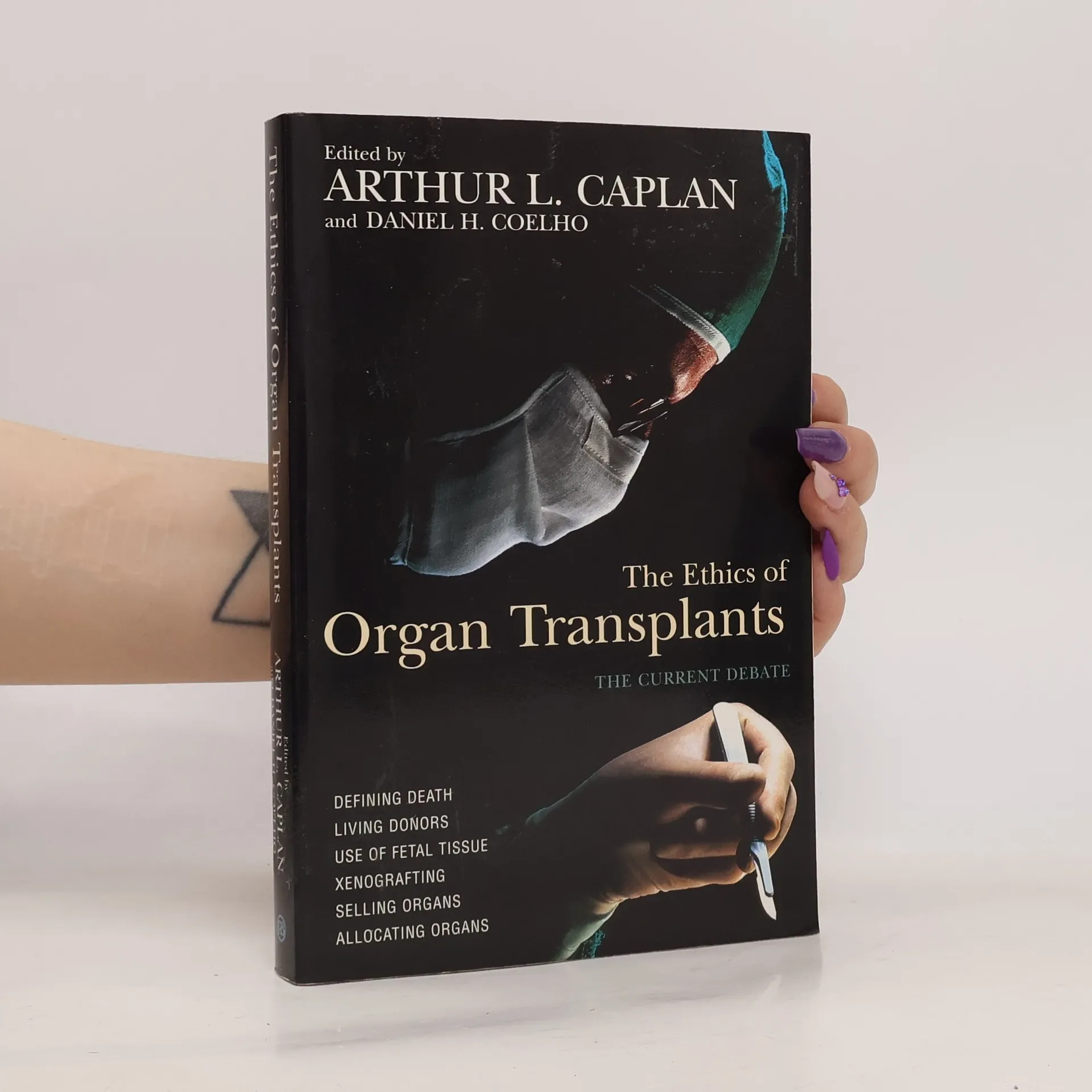
This volume features over thirty influential articles from experts in ethics, medicine, philosophy, law, and politics, exploring the multifaceted issues surrounding organ procurement and distribution. Co-edited by Dr. Arthur L. Caplan, a renowned authority in bioethics and health policy, the book is structured around five key themes: (1) sources of organs for transplantation, including living donations and nonhuman organ transfer; (2) policy approaches to alleviate shortages, such as presumed consent; (3) the ethics of organ sales and the implications for global organ procurement; (4) case studies addressing eligibility for transplants; and (5) the intrinsic value of human life in the context of organ donation.