

Viac o knihe
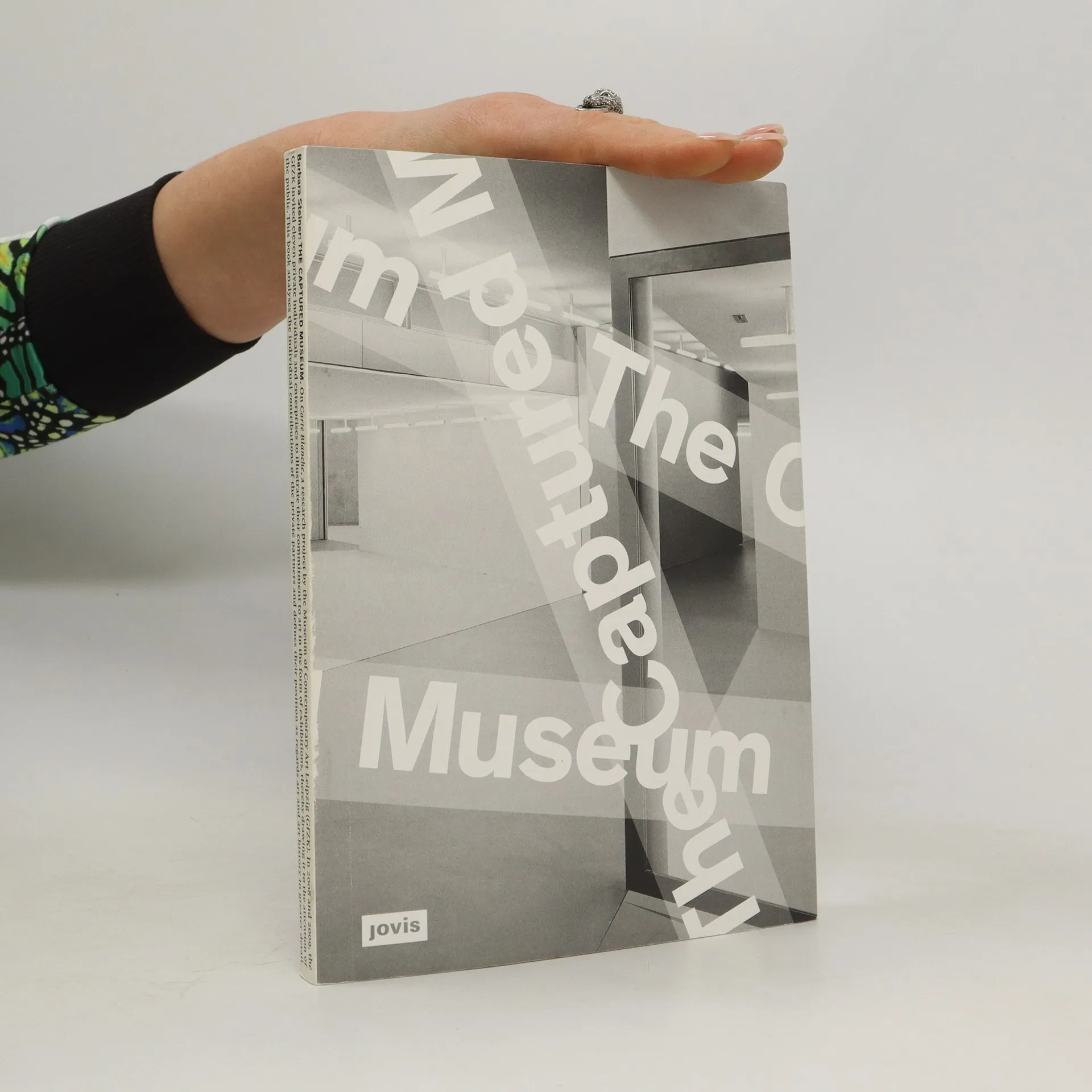
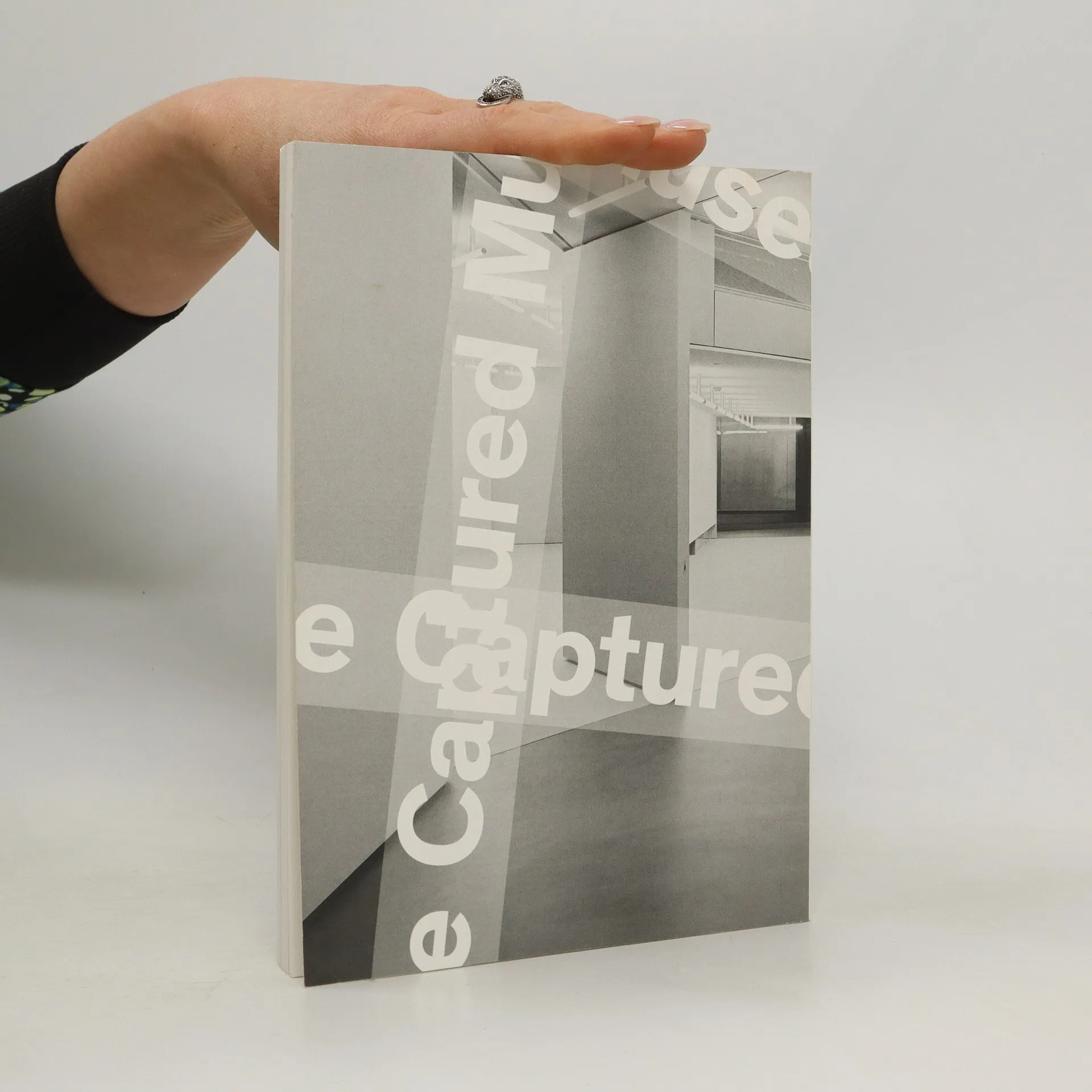
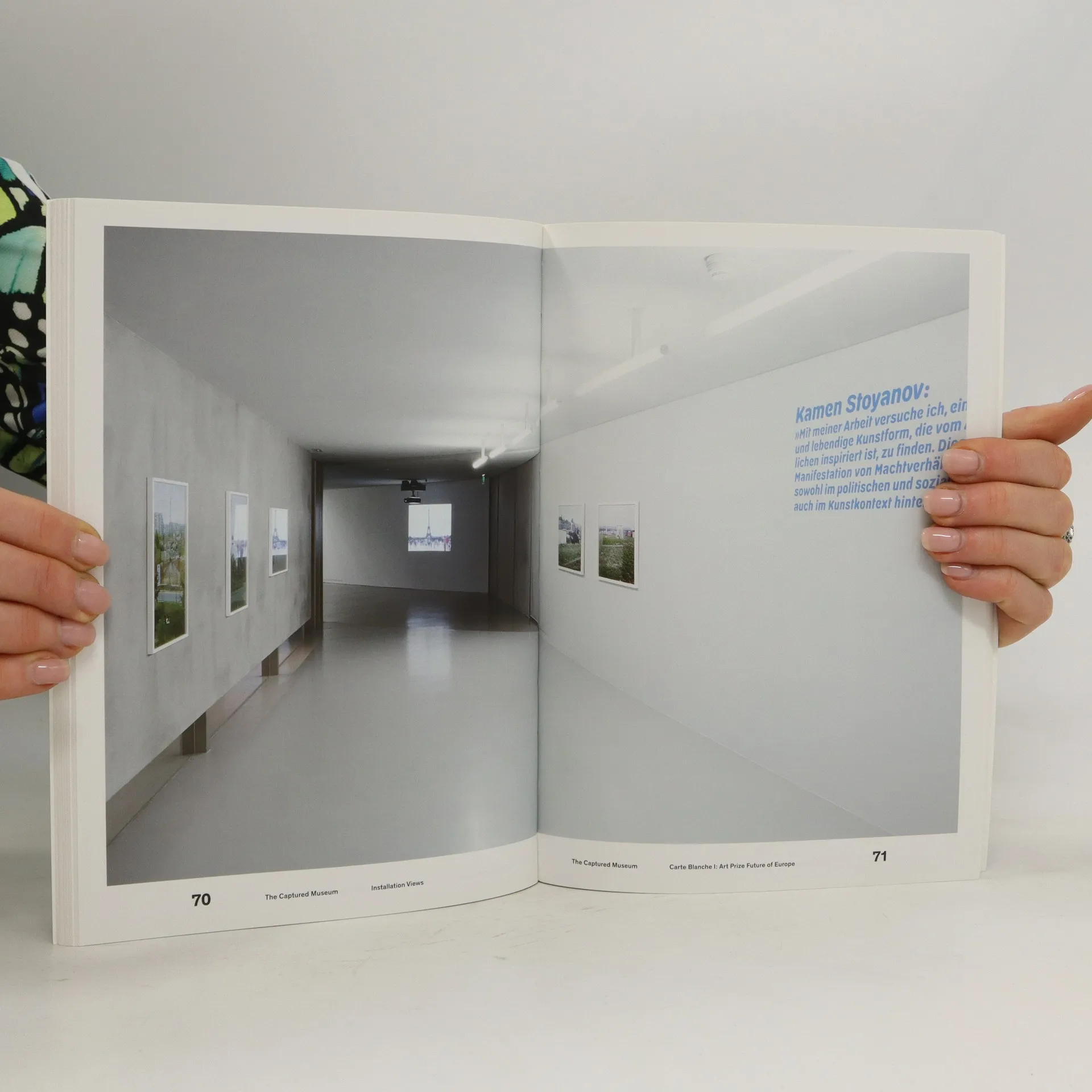
In longer introductory essays, the editors Barbara Steiner and Charles Esche explain the development of museums for modern and contemporary art over the past 50 years as public institutions responsible for innovation and education, as well as for reflecting social change. The ten "possible museums" presented are distributed across time and space but share a number of common goals. Each museum aimed to be a catalyst for potential new artistic production and forms of presentation. They have all created opportunities through art for artists and audiences to develop a sense of the contemporary. In selecting the ten "possible museums," the focus was not on visitor numbers but on the effort to transform this attention into a form of critical reflection, or, as Jean Leering casually puts it, "from pleasure to reflection."
Nákup knihy
Temporary city Berlin: One space. One structure. A set of regulations, Andreas Müller
- Jazyk

- Rok vydania
- 2010
Tu nám chýba tvoja recenzia
- Titul
- Temporary city Berlin: One space. One structure. A set of regulations
- Jazyk
- anglicky
- Autori
- Andreas Müller
- Vydavateľ
- Revolver Publ.
- Rok vydania
- 2010
- Počet strán
- 256
- ISBN10
- 3868590595
- ISBN13
- 9783868590593
- Série
- Kategórie
- Štítky
- Hodnotenie
- 4 z 5
- Anotácia
- In longer introductory essays, the editors Barbara Steiner and Charles Esche explain the development of museums for modern and contemporary art over the past 50 years as public institutions responsible for innovation and education, as well as for reflecting social change. The ten "possible museums" presented are distributed across time and space but share a number of common goals. Each museum aimed to be a catalyst for potential new artistic production and forms of presentation. They have all created opportunities through art for artists and audiences to develop a sense of the contemporary. In selecting the ten "possible museums," the focus was not on visitor numbers but on the effort to transform this attention into a form of critical reflection, or, as Jean Leering casually puts it, "from pleasure to reflection."