

Viac o knihe
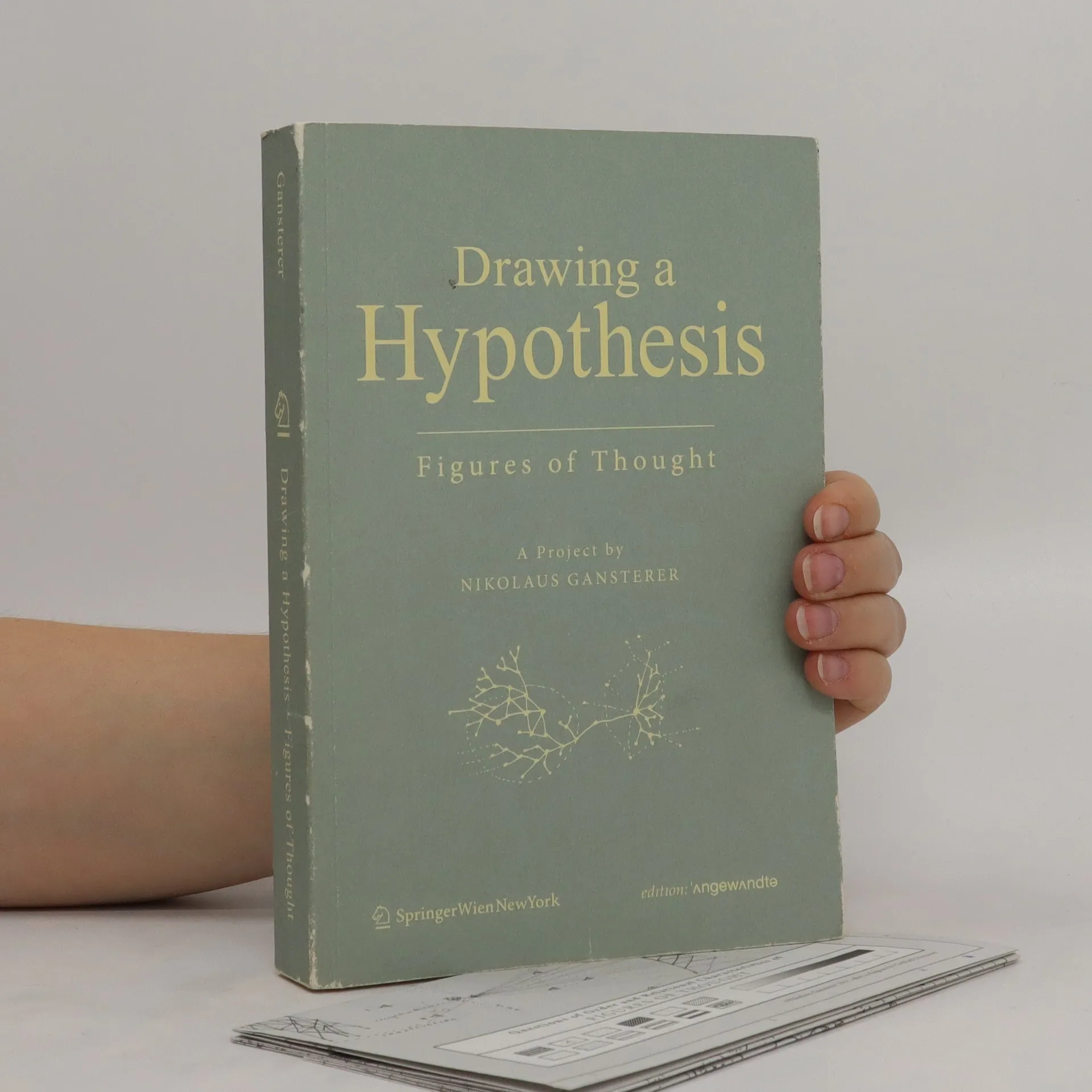
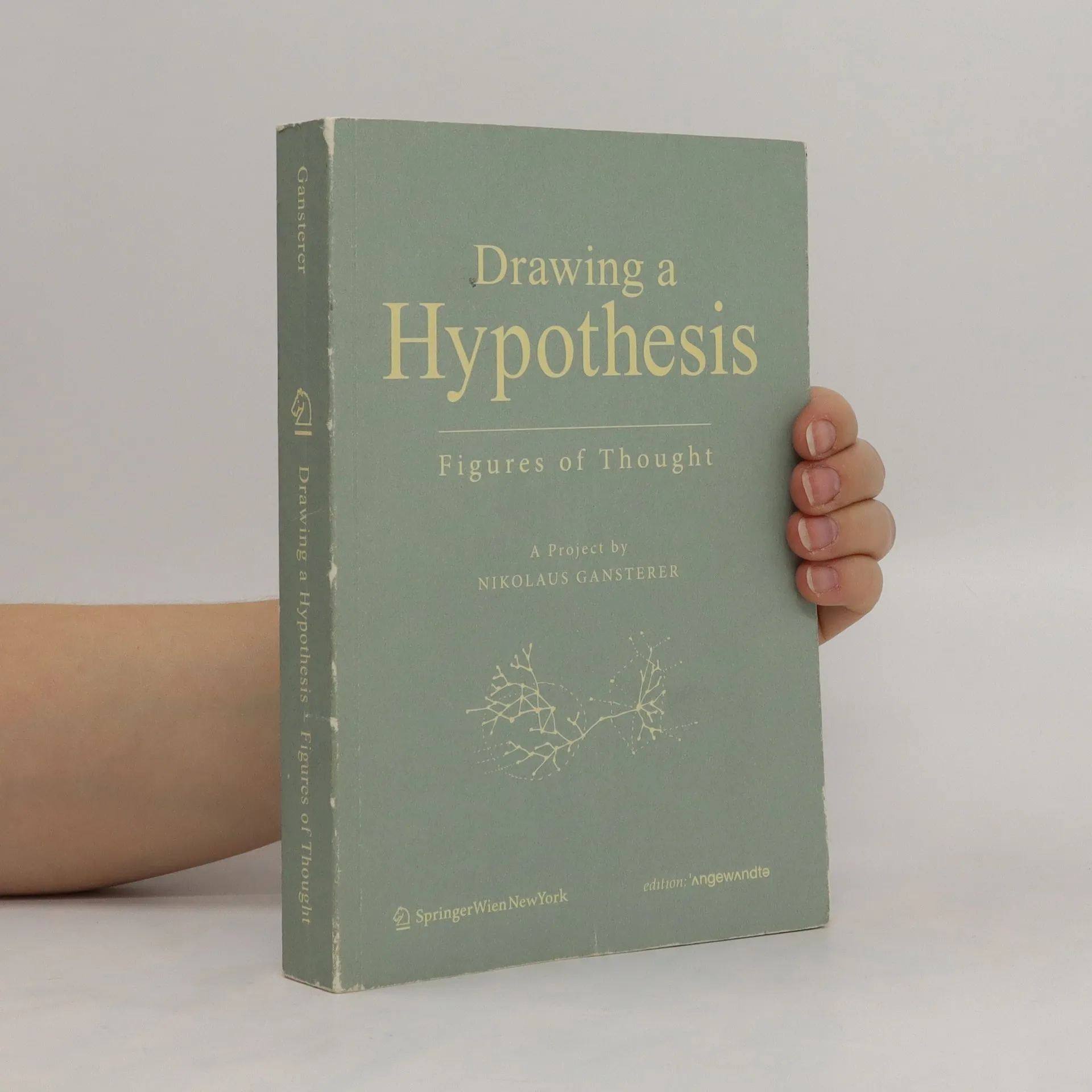
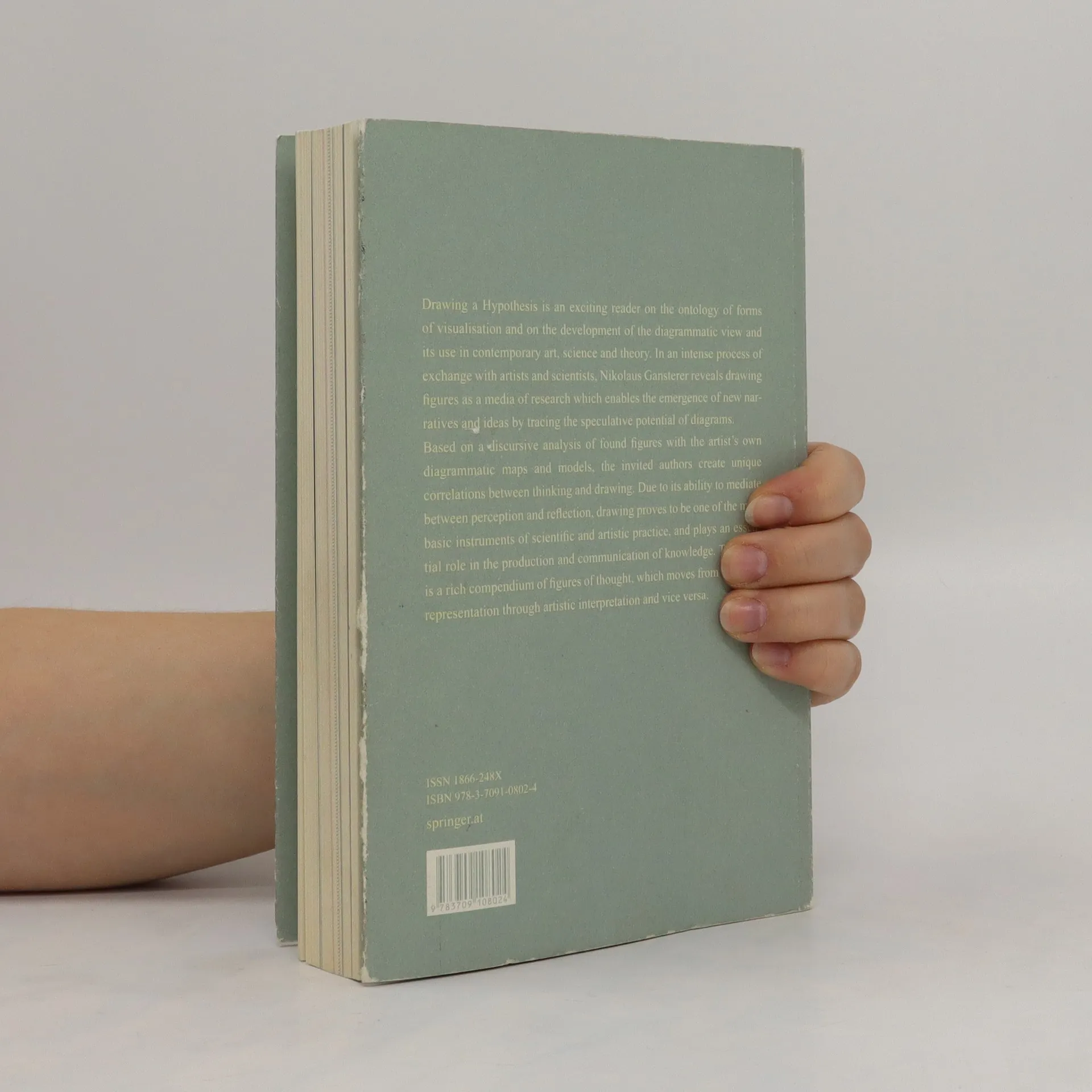
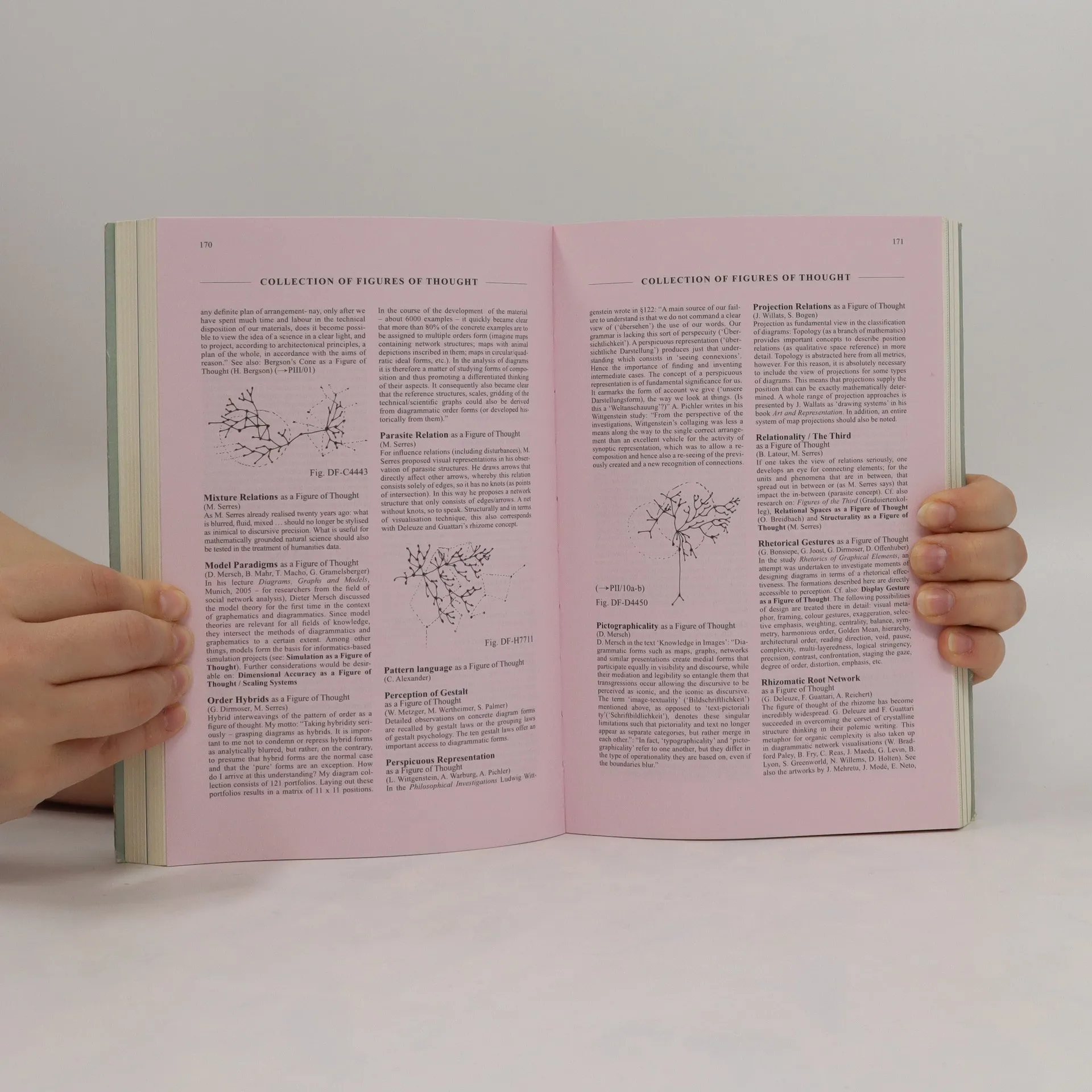
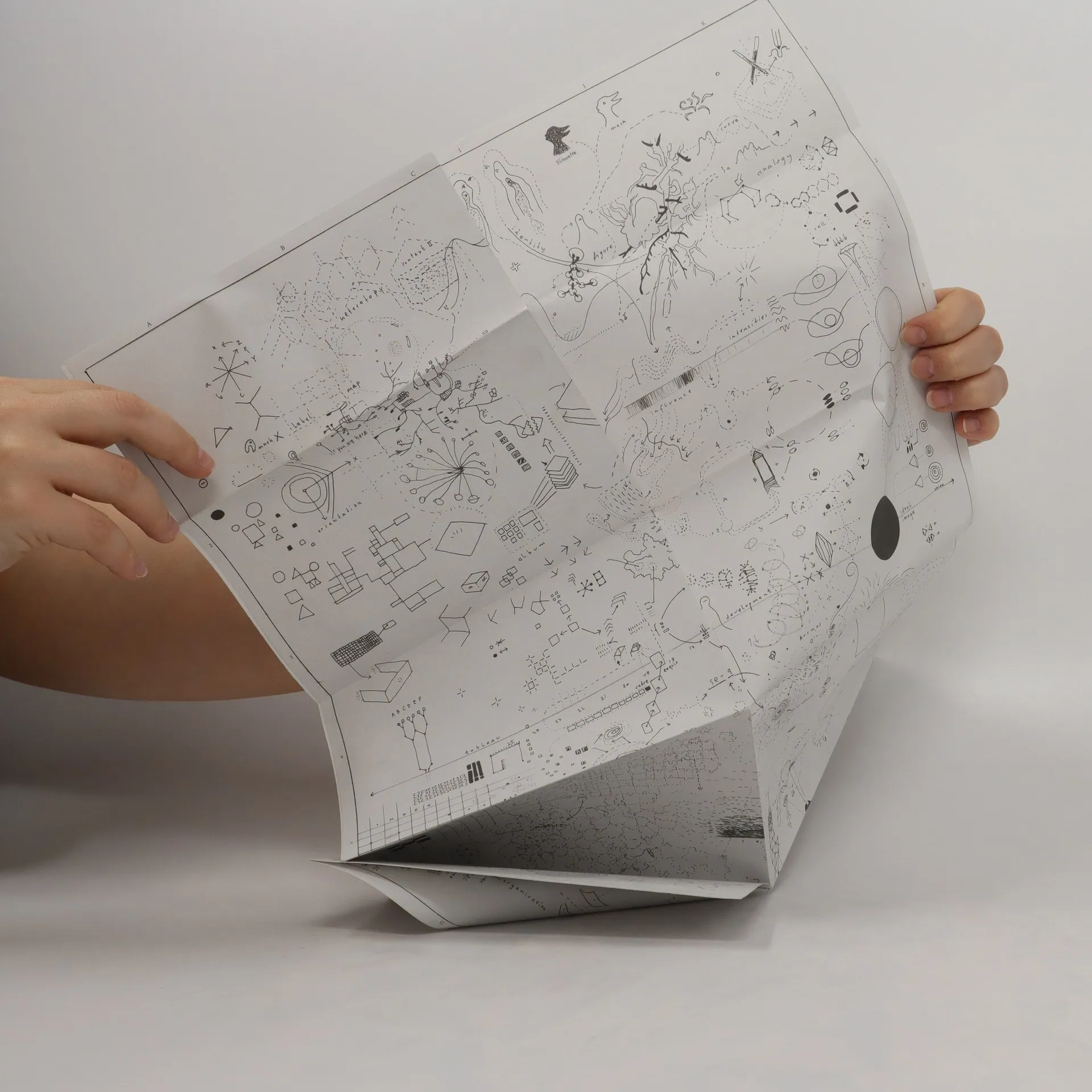
Drawing a Hypothesis is an exciting reader on the ontology of forms of visualizations and on the development of the diagrammatic view and its use in contemporary art, science and theory. In an intense process of exchange with artists and scientists, Nikolaus Gansterer reveals drawing as a media of research enabling the emergence of new narratives and ideas by tracing the speculative potential of diagrams. Based on a discursive analysis of found figures with the artists' own diagrammatic maps and models, the invited authors create unique correlations between thinking and drawing. Due to its ability to mediate between perception and reflection, drawing proves to be one of the most basic instruments of scientific and artistic practice, and plays an essential role in the production and communication of knowledge. The book is a rich compendium of figures of thought, which moves from scientific representation through artistic interpretation and vice versa.


Nákup knihy
Drawing a hypothesis, Nikolaus Gansterer
- Jazyk

- Rok vydania
- 2011
- product-detail.submit-box.info.binding
- (mäkká)
Platobné metódy
Tu nám chýba tvoja recenzia
- Titul
- Drawing a hypothesis
- Jazyk
- anglicky
- Autori
- Nikolaus Gansterer
- Vydavateľ
- Springer
- Rok vydania
- 2011
- Väzba
- mäkká
- Počet strán
- 349
- ISBN10
- 3709108020
- ISBN13
- 9783709108024
- Série
- Hodnotenie
- 3,3 z 5
- Anotácia
- Drawing a Hypothesis is an exciting reader on the ontology of forms of visualizations and on the development of the diagrammatic view and its use in contemporary art, science and theory. In an intense process of exchange with artists and scientists, Nikolaus Gansterer reveals drawing as a media of research enabling the emergence of new narratives and ideas by tracing the speculative potential of diagrams. Based on a discursive analysis of found figures with the artists' own diagrammatic maps and models, the invited authors create unique correlations between thinking and drawing. Due to its ability to mediate between perception and reflection, drawing proves to be one of the most basic instruments of scientific and artistic practice, and plays an essential role in the production and communication of knowledge. The book is a rich compendium of figures of thought, which moves from scientific representation through artistic interpretation and vice versa.