

Parametre
- 352 stránok
- 13 hodin čítania
Viac o knihe
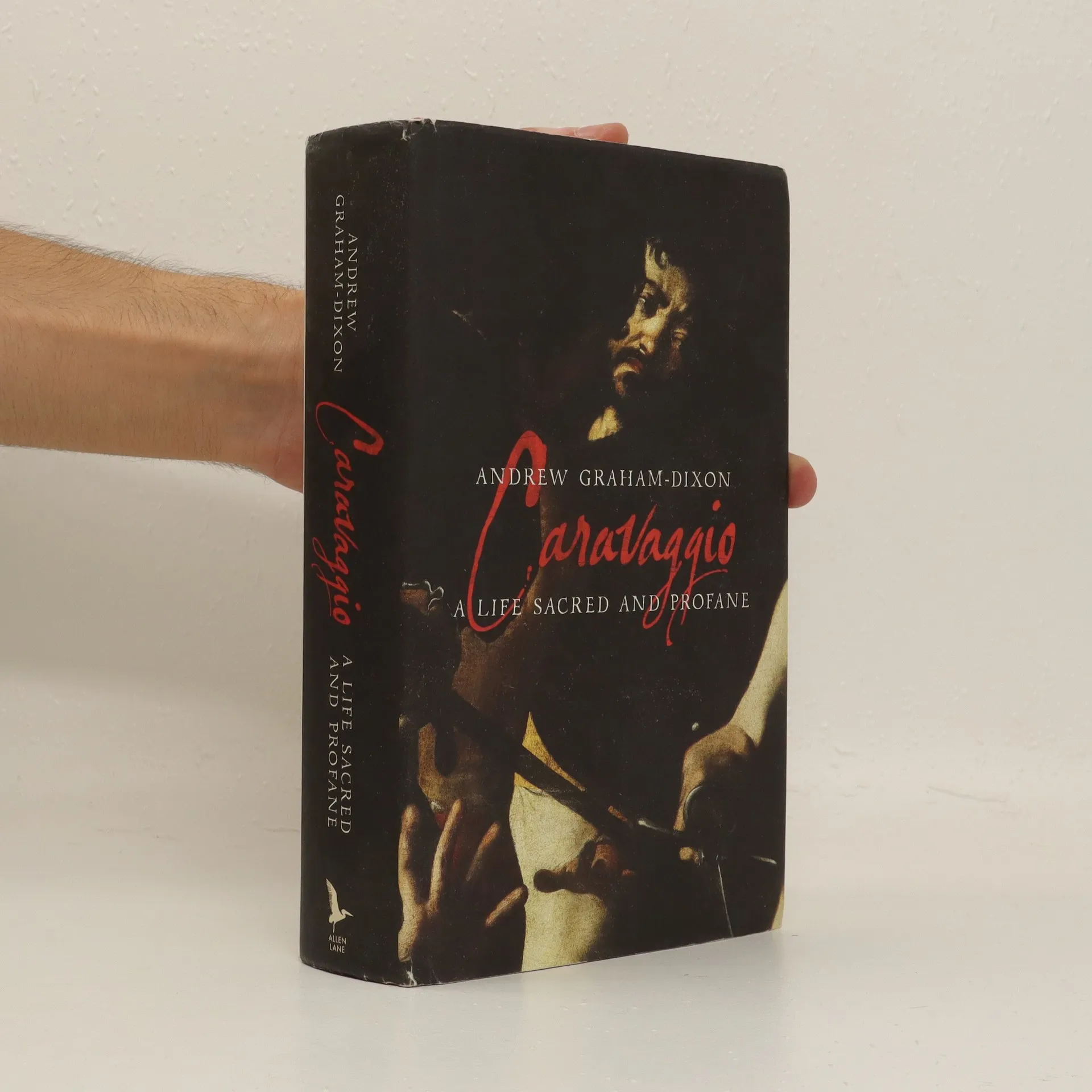
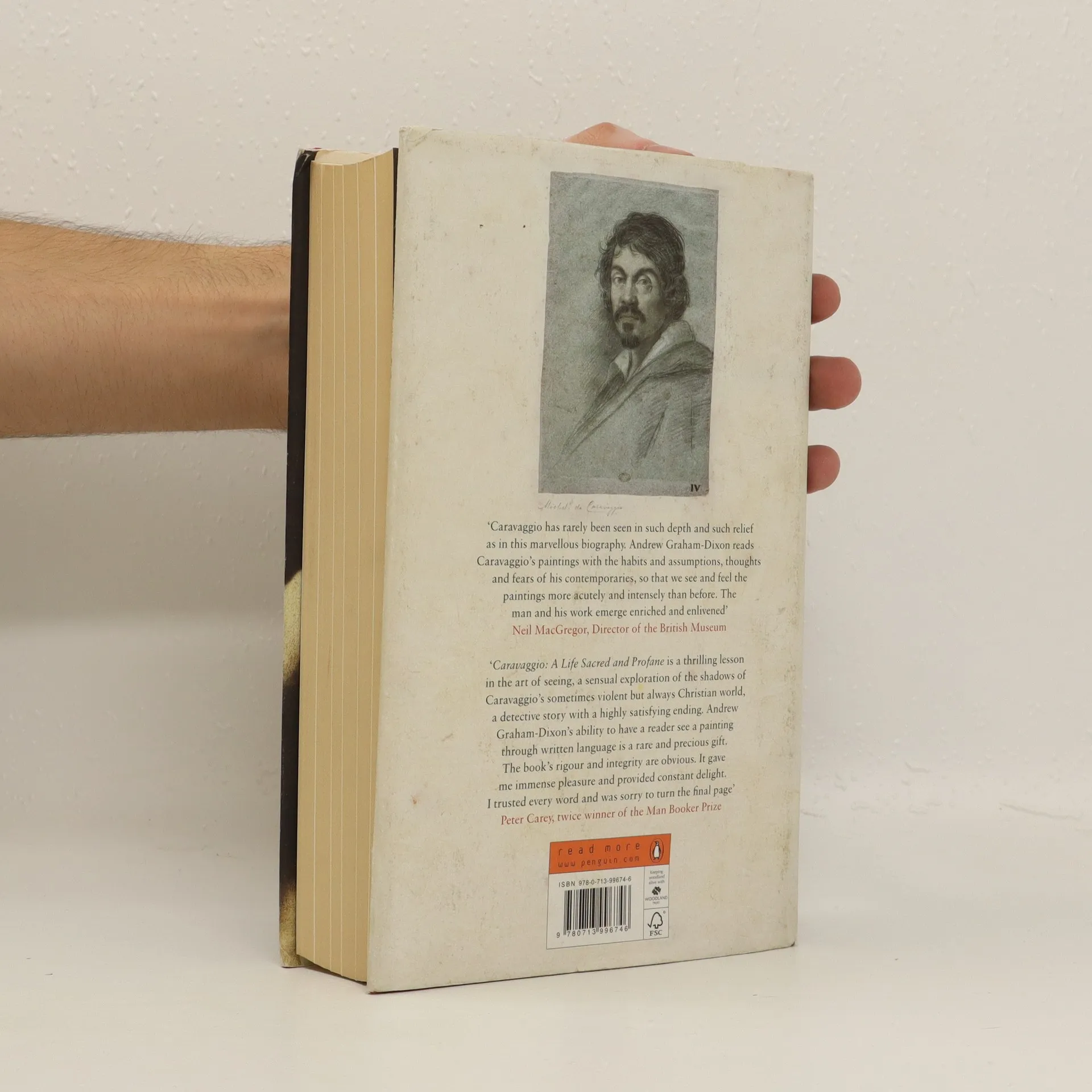
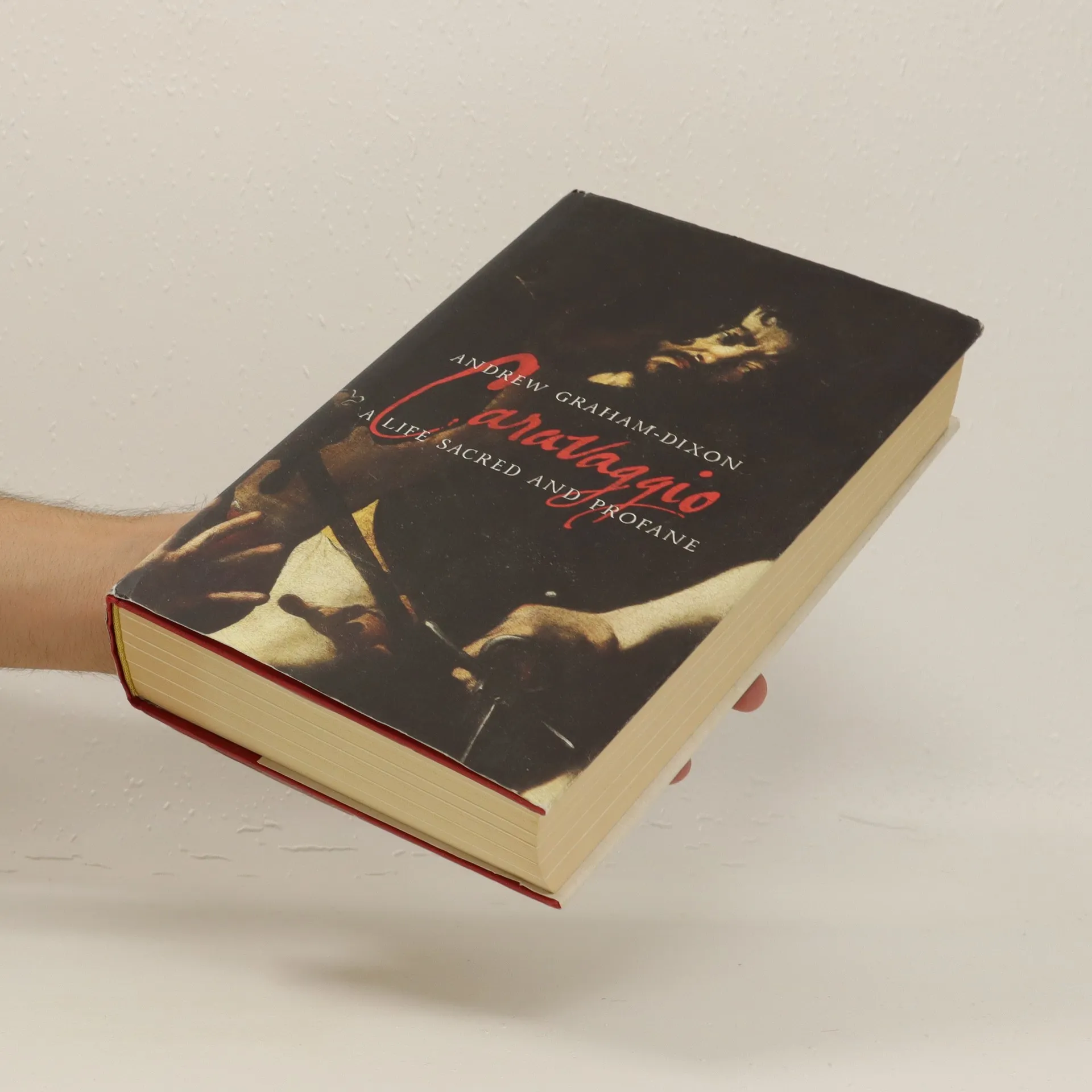
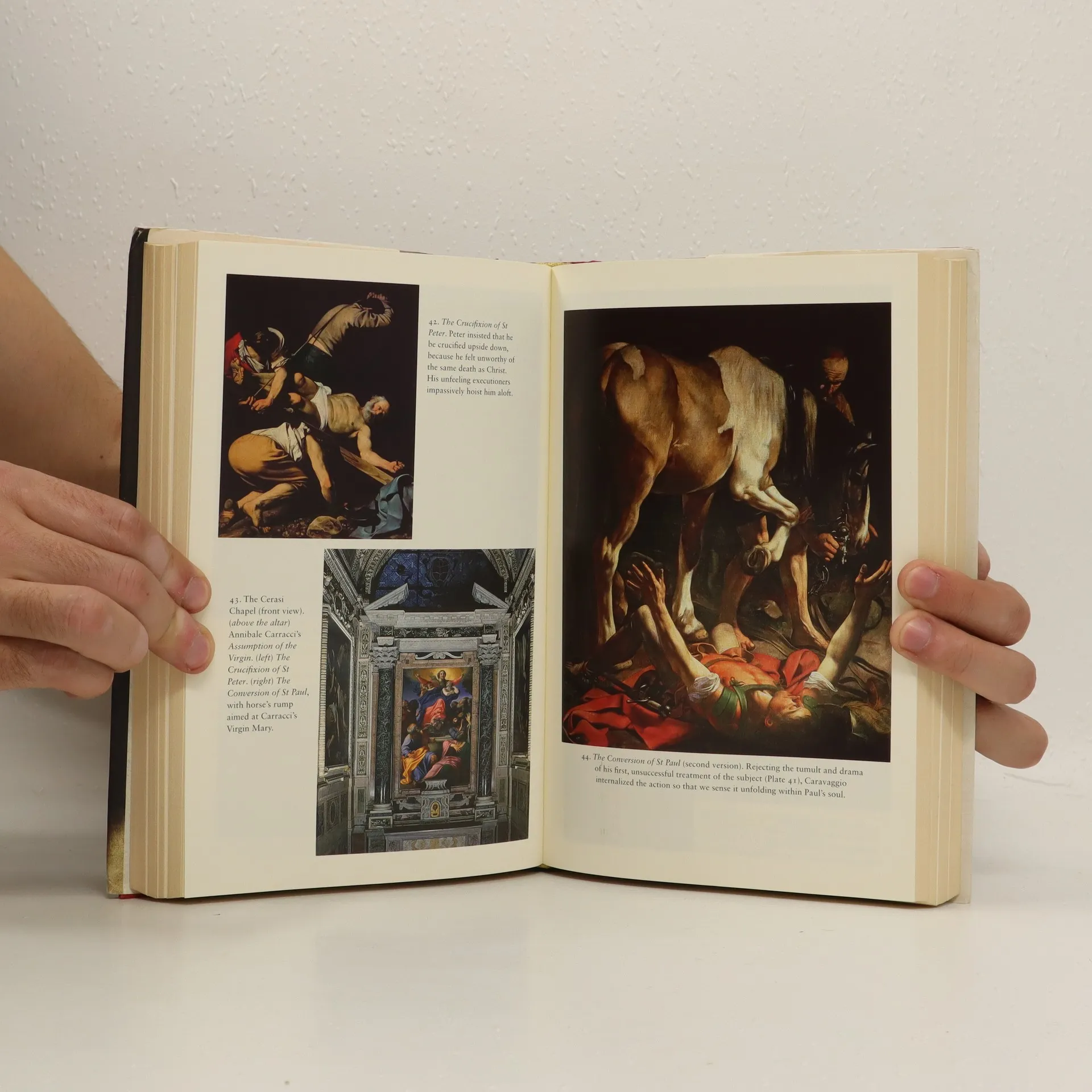
Michelangelo Merisi da Caravaggio led a tumultuous life marked by violence and danger, navigating the gritty worlds of Milan, Rome, and Naples. Andrew Graham-Dixon vividly portrays these environments, where cardinals mingled with whores amid a backdrop of prayer and brutality. Artists vied for the favor of church patrons, while street brawls were commonplace. Caravaggio, known for his violent tendencies, killed a pimp named Ranuccio Tomassoni in a fight, prompting him to flee to Naples and Malta, where he escaped from prison after being convicted for another assault. His life was further marred by a vendetta attack, leading to his death at thirty-eight while seeking a papal pardon in Rome. Throughout this chaotic existence, Caravaggio produced some of the most dramatic paintings of his time, often using ordinary people, including the impoverished and prostitutes, as models for religious scenes. Graham-Dixon's insightful analysis of Caravaggio's work reveals how he infused his art with drama, immediacy, and humanity, breaking from the artistic conventions of his era. This biography not only captivates with its narrative but also connects Caravaggio's tumultuous life to his groundbreaking art, offering new insights into his legacy, including discoveries that address longstanding mysteries about the artist.
Nákup knihy
Caravaggio : a life sacred and profane, Andrew Dixon
- Jazyk

- Rok vydania
- 2010
- Väzba
- (pevná)
Tu nám chýba tvoja recenzia
- Titul
- Caravaggio : a life sacred and profane
- Jazyk
- anglicky
- Autori
- Andrew Dixon
- Vydavateľ
- Allen Lane
- Rok vydania
- 2010
- Väzba
- pevná
- Počet strán
- 352
- ISBN10
- 0713996749
- ISBN13
- 9780713996746
- Série
- Kategórie
- Štítky
- Historické téma, Umenie, Taliansko, Južná Európa, Dejiny umenia
- Hodnotenie
- 4,1 z 5
- Anotácia
- Michelangelo Merisi da Caravaggio led a tumultuous life marked by violence and danger, navigating the gritty worlds of Milan, Rome, and Naples. Andrew Graham-Dixon vividly portrays these environments, where cardinals mingled with whores amid a backdrop of prayer and brutality. Artists vied for the favor of church patrons, while street brawls were commonplace. Caravaggio, known for his violent tendencies, killed a pimp named Ranuccio Tomassoni in a fight, prompting him to flee to Naples and Malta, where he escaped from prison after being convicted for another assault. His life was further marred by a vendetta attack, leading to his death at thirty-eight while seeking a papal pardon in Rome. Throughout this chaotic existence, Caravaggio produced some of the most dramatic paintings of his time, often using ordinary people, including the impoverished and prostitutes, as models for religious scenes. Graham-Dixon's insightful analysis of Caravaggio's work reveals how he infused his art with drama, immediacy, and humanity, breaking from the artistic conventions of his era. This biography not only captivates with its narrative but also connects Caravaggio's tumultuous life to his groundbreaking art, offering new insights into his legacy, including discoveries that address longstanding mysteries about the artist.