






Skvela. Vyborna instruktaz k vykroceni na cestu sebepoznani. Doporucuji.
Miláčik čitateľov je práve vypredaný

Hodnotenie knihy
Viac o knihe
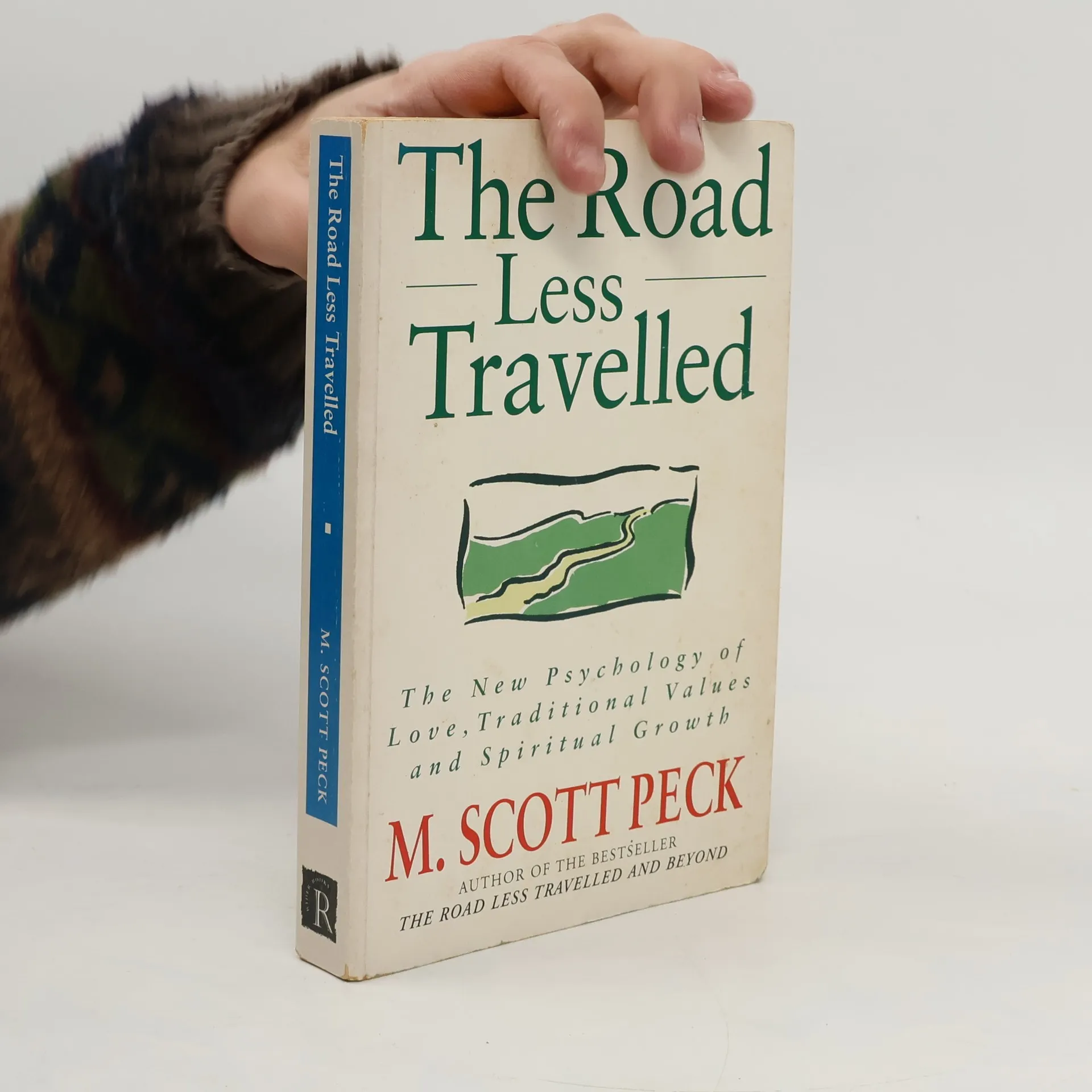
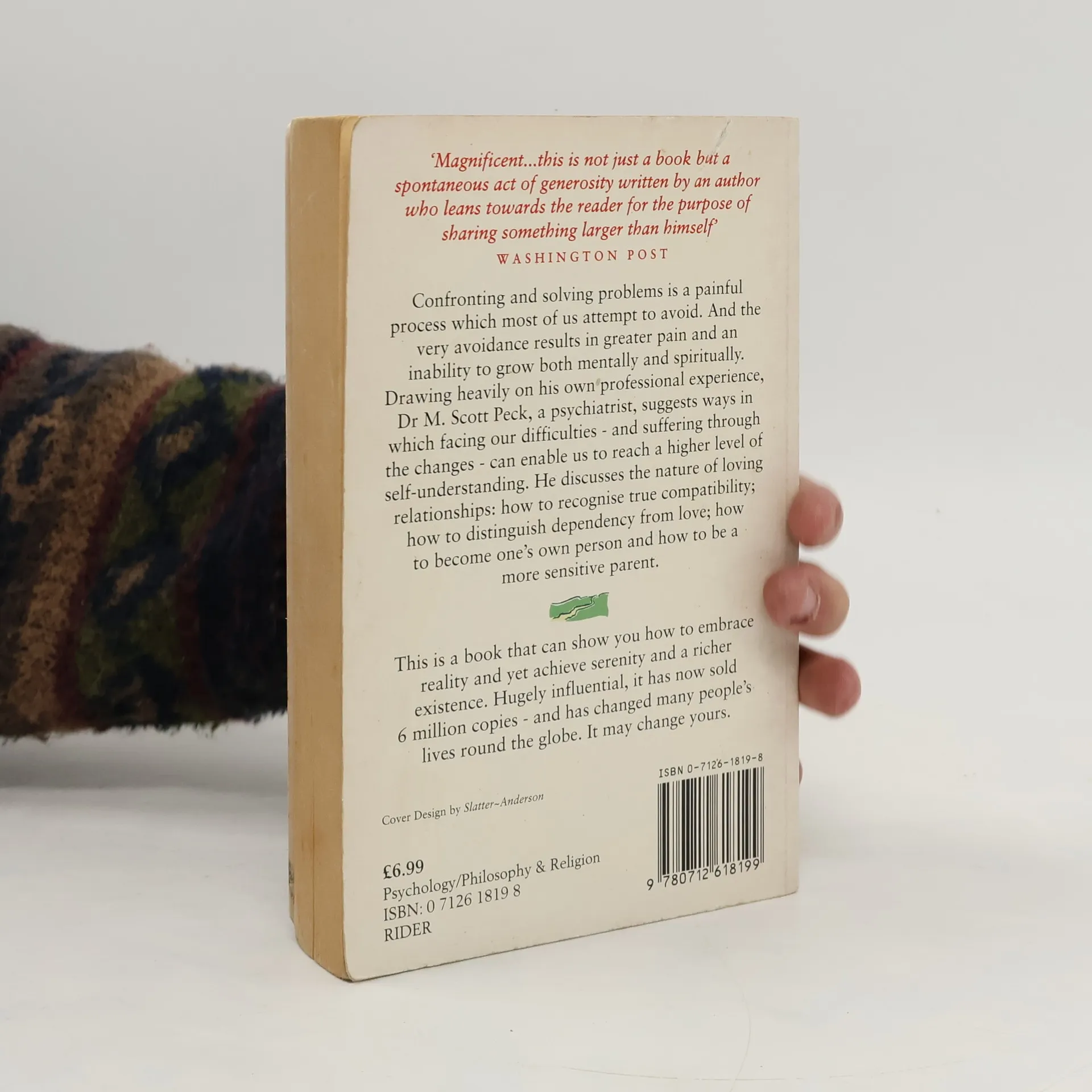
This mega-selling pop-psychology work, featuring a new introduction by the author in its 25th anniversary edition, explores the reconciliation of psychoanalytic tradition with the cultural shifts of the 1970s. Initially published in 1978, it gained popularity in 1983, celebrating self-actualization as life's highest purpose while engaging with concepts like open marriage and therapeutic relationships. Acknowledging the conservative backlash against the therapeutic worldview, the author incorporates Gospel teachings and promotes traditional religion, emphasizing that challenges must be faced through suffering, discipline, and hard work, often with the support of a therapist. Moving beyond the rationalism of Freudian thought, the narrative adopts a mystical, Jungian approach aligned with New Age spirituality, framing psychotherapy as a journey of "love" and "spiritual growth." The author asserts that "our unconscious is God" and expresses belief in miracles, reincarnation, and telepathy. This synthesis of diverse elements, including a touch of thermodynamics, is unified by a warm discussion of psychiatric principles and poignant patient stories. The work harmonizes psychoanalysis with spirituality, bridging Christ and Buddha, the Calvinist work ethic, and the therapeutic process, making it a key reference in contemporary religio-therapeutic culture.
Platobné metódy
- Podtitul
- A New Psychology of Love, Traditional Values and Spiritual Growth
- Jazyk
- anglicky
- Autori
- Morgan Scott Peck
- Vydavateľ
- Hutchinson
- Rok vydania
- 1988
- Počet strán
- 320
- ISBN10
- 0712618198
- ISBN13
- 9780712618199
- Série
- Štítky
- Náučná literatúra, Spoločenské vedy, Ezoterika & Náboženstvo, Sebarozvoj, Psychologická tematika, Náboženské témy, Filozofická tematika, Náboženstvo, Láska, Filozofia, Spiritualita, Darčeky pre ženy, Viera, Duchovný rozvoj, Milostné príbehy, Duchovné teórie a smer
- Prvé vydanie
- 1978
- Pôvodný názov
- The Road Less Travelled
- Hodnotenie
- 4,05 z 5
- Anotácia
- This mega-selling pop-psychology work, featuring a new introduction by the author in its 25th anniversary edition, explores the reconciliation of psychoanalytic tradition with the cultural shifts of the 1970s. Initially published in 1978, it gained popularity in 1983, celebrating self-actualization as life's highest purpose while engaging with concepts like open marriage and therapeutic relationships. Acknowledging the conservative backlash against the therapeutic worldview, the author incorporates Gospel teachings and promotes traditional religion, emphasizing that challenges must be faced through suffering, discipline, and hard work, often with the support of a therapist. Moving beyond the rationalism of Freudian thought, the narrative adopts a mystical, Jungian approach aligned with New Age spirituality, framing psychotherapy as a journey of "love" and "spiritual growth." The author asserts that "our unconscious is God" and expresses belief in miracles, reincarnation, and telepathy. This synthesis of diverse elements, including a touch of thermodynamics, is unified by a warm discussion of psychiatric principles and poignant patient stories. The work harmonizes psychoanalysis with spirituality, bridging Christ and Buddha, the Calvinist work ethic, and the therapeutic process, making it a key reference in contemporary religio-therapeutic culture.