

Viac o knihe
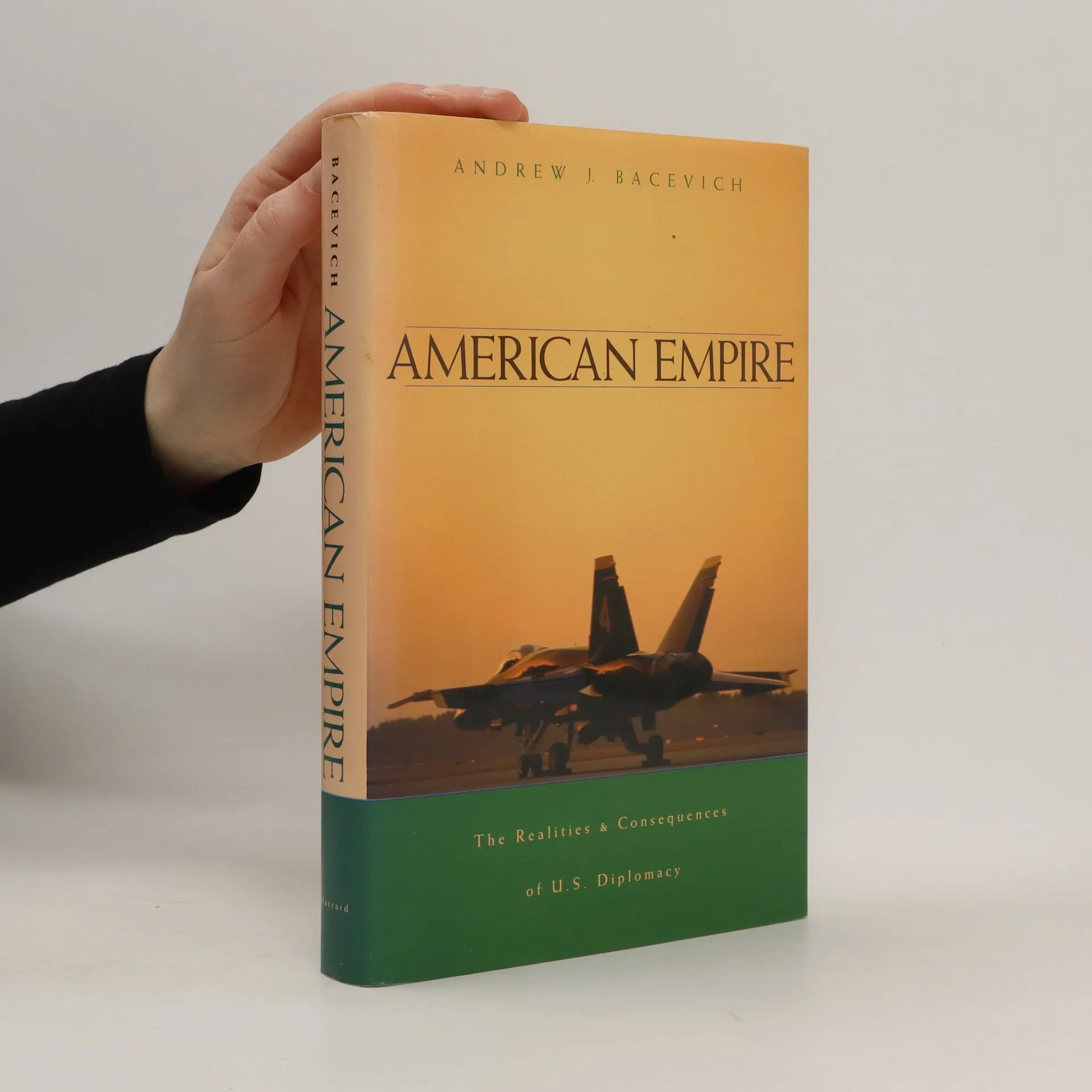
International relations expert Andrew Bacevich reconsiders the assumptions and purposes governing the exercise of American global power. He finds that successive post-Cold War administrations have adhered to a well-defined "strategy of openness." Motivated by the imperative of economic expansionism, that strategy aims to foster an open and integrated international order, thereby perpetuating the undisputed primacy of the world's sole remaining superpower. Moreover, openness has been an abiding preoccupation of policymakers as far back as Woodrow Wilson. Although based on expectations that eliminating barriers to the movement of trade, capital, and ideas nurtures not only affluence but also democracy, the aggressive pursuit of openness has met considerable resistance. To overcome that resistance, U.S. policymakers have with increasing frequency resorted to force, resulting in the progressive militarization of U.S. foreign policy. Bacevich maintains that this drive for openness is in fact aimed at erecting a global imperium.--From publisher description
Nákup knihy
American empire the realities and consequences of U.S. diplomacy, Andrew J. Bacevich
- Jazyk

- Rok vydania
- 2002
- Väzba
- (pevná)
Doručenie
Platobné metódy
Tu nám chýba tvoja recenzia
- Titul
- American empire the realities and consequences of U.S. diplomacy
- Jazyk
- anglicky
- Autori
- Andrew J. Bacevich
- Vydavateľ
- Harvard University Press, 2011.
- Rok vydania
- 2002
- Väzba
- pevná
- ISBN10
- 0674009401
- ISBN13
- 9780674009400
- Série
- Kategórie
- Hodnotenie
- 4,1 z 5
- Anotácia
- International relations expert Andrew Bacevich reconsiders the assumptions and purposes governing the exercise of American global power. He finds that successive post-Cold War administrations have adhered to a well-defined "strategy of openness." Motivated by the imperative of economic expansionism, that strategy aims to foster an open and integrated international order, thereby perpetuating the undisputed primacy of the world's sole remaining superpower. Moreover, openness has been an abiding preoccupation of policymakers as far back as Woodrow Wilson. Although based on expectations that eliminating barriers to the movement of trade, capital, and ideas nurtures not only affluence but also democracy, the aggressive pursuit of openness has met considerable resistance. To overcome that resistance, U.S. policymakers have with increasing frequency resorted to force, resulting in the progressive militarization of U.S. foreign policy. Bacevich maintains that this drive for openness is in fact aimed at erecting a global imperium.--From publisher description